






NaturErlebnisRoute Stollberg: Wildbienenleben begreifbar machen
2789
Röbbe Wünschiers
This page was translated automatically using artificial intelligence (DeepL). The German version is binding. More information about automatic translation
Under the leadership of Prof. Dr Röbbe Wüschiers, the Chair combines innovative research with practice-oriented teaching. Our team works on interdisciplinary projects that blur the boundaries between chemistry, biology and engineering: from the discovery of new natural products and the synthesis of chemical active substances to the development of enzymatic catalysts for sustainable processes.
The Chair cooperates closely with regional industry partners, international research institutions and the university community. Through modern laboratory facilities, interactive teaching methods and practice-oriented research projects, it offers students an exciting introduction to the world of Biotechnology and chemistry – and invites researchers to work together to achieve the next scientific breakthroughs.
Professor Wünschiers’ research in Mittweida
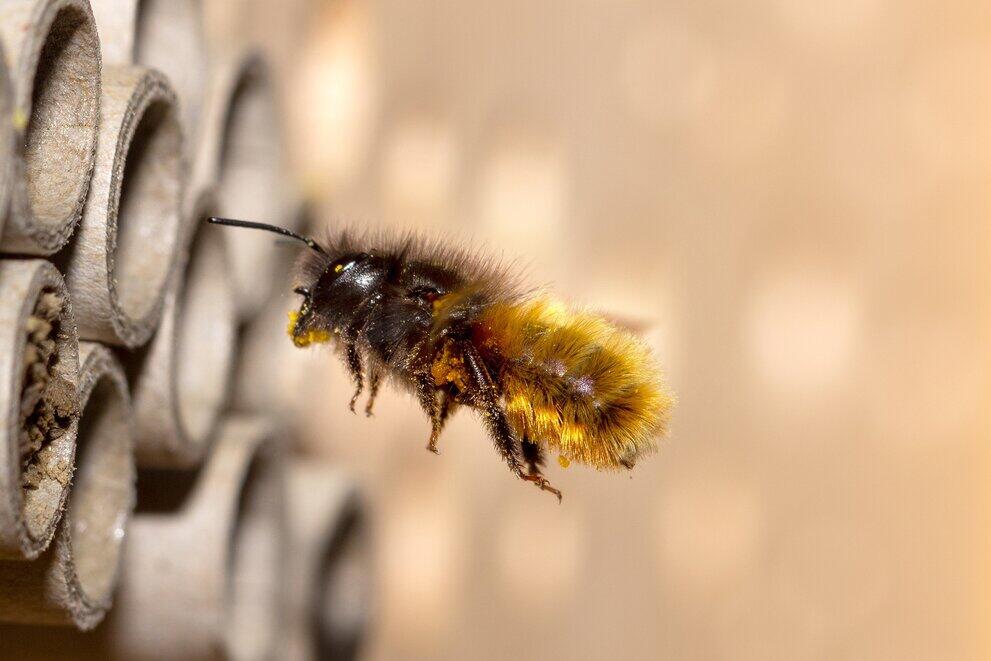
NaturErlebnisRoute Stollberg: Wildbienenleben begreifbar machen
Gesundheit solitärer Wildbienen in Abhängigkeit von Landschaftsvielfalt, landwirtschaftlichen Praktiken und des Pollenangebot
Innovationscluster HSMW 2023, AP08: Assemblierung des Schafpudel-Genoms und genomweite Assoziationsstudien zu Kryptorchismus mit dem Ziel der Entwicklung eines Testverfahrens
Innovationsvorhaben zur Profilschärfung 2022, AP 4.13 Gendiagnostische Nutzung der genetischen Biodiversität beim Schafpudel, einem Hütehund der ostdeutschen Tiefebene
Innovationscluster HSMW 2020, AP 4: Entwicklung eines Bewertungsverfahrens für die Vitalität von Bestäubern in Agrarflächen mithilfe eines mobilen genetischen Biodiversität-Tests
Gentechnik im Wandel – Wie CRISPR und KI unser Leben verändern
Computational Biology: A Practical Introduction to Bio Data Juggling with Worked Examples
Der Bienengesundheit auf der Spur – Varroamilben, Landwirtschaft und Genomik
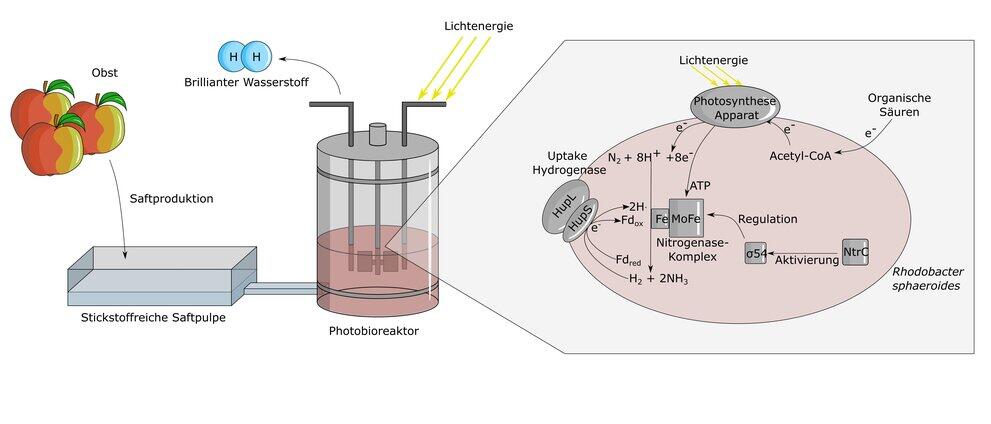
Analysis of a σ54 Transcription Factor L420P Mutation in Context of Increased Organic Nitrogen Tolerance of Photofermentative Hydrogen Production in Cereibacter sphaeroides Strain 2.4.1 Substrain H2
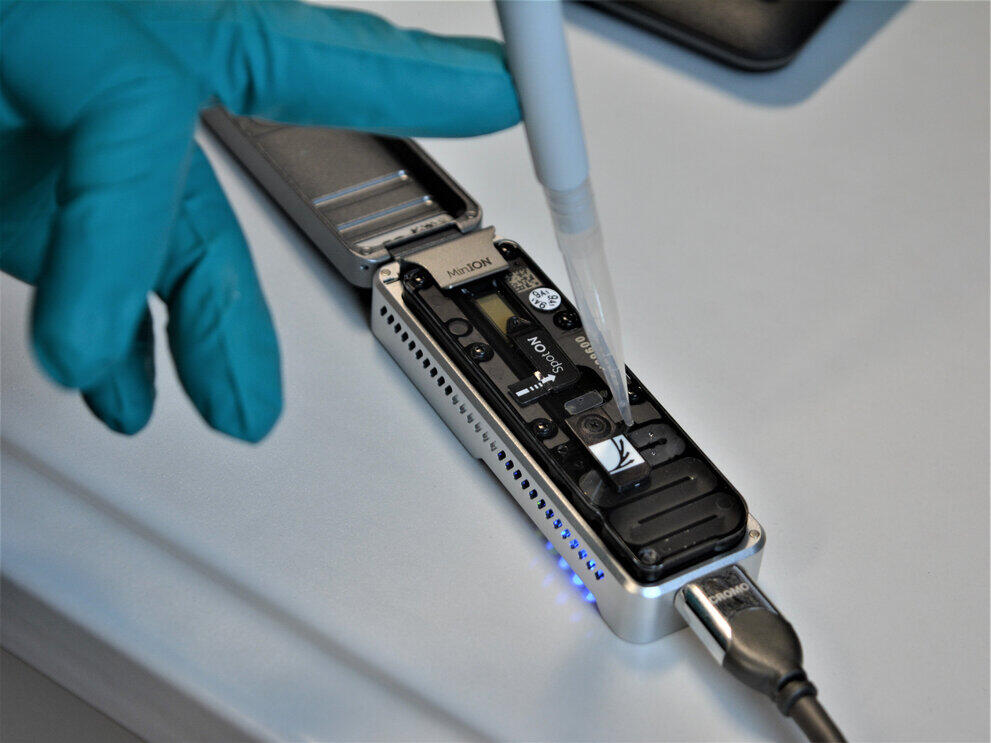
CRISPR/Cas9 gene targeting plus nanopore DNA sequencing with the plasmid pBR322 in the classroom