This page was translated automatically using artificial intelligence (DeepL). The German version is binding. More information about automatic translation
Evaluation of honeybee breeding programmes based on genetic analyses of Varroa mite resistance traits
The greatest enemy of our western honey bee (Fig. 1) is currently the Varroa mite (Varroa destructor). This parasite infests the brood and attaches itself to the developing bees. In doing so, the mite drains the bee pupae of vital body fluids and transmits dangerous viruses. If the Varroa infestation is particularly severe, it can lead to the collapse of an entire bee colony. Treating infested hives with formic acid or icing sugar is one of the common methods beekeepers use to rid their colonies of the mite. Unfortunately, these methods are not 100 per cent effective and can sometimes harm the bees. Furthermore, they can lead to the mites developing resistance. The use of medication is also less desirable, as residues may remain in the honey. If honeybees were able to combat the mite on their own, beekeepers could avoid resorting to intensive treatment methods. There are behavioural traits within honeybee colonies, such as Varroa-sensitive hygiene (VSH), whereby worker bees open the caps of the brood cells (Fig. 2), remove parasitised brood from the cell and thus disrupt the mite’s reproduction. If they reseal the cell, the beekeeper can be sure that the bees have taken action against the mite in that instance.
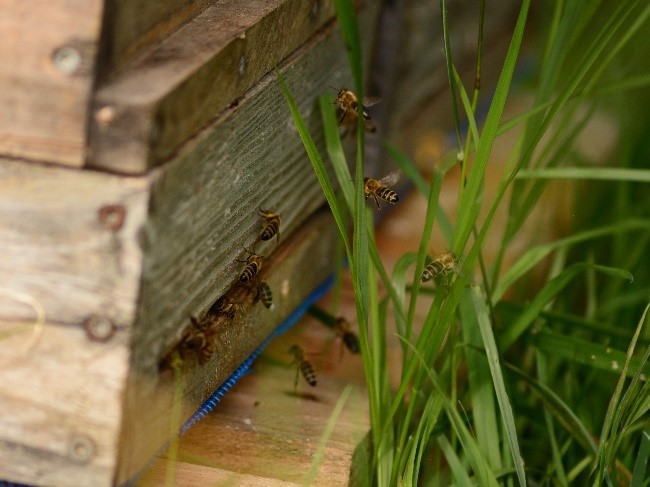
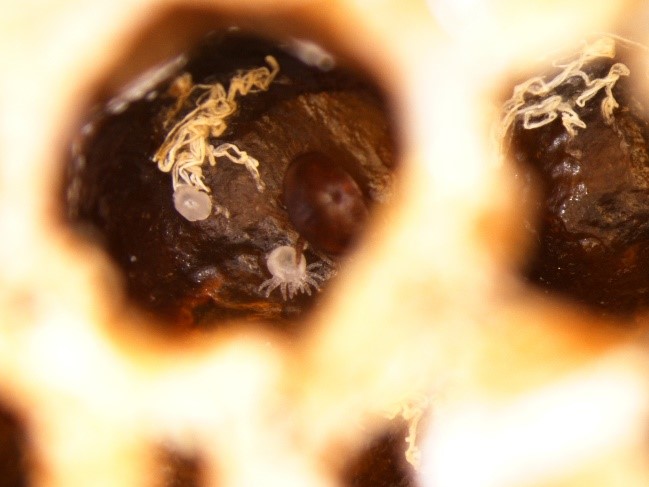
The beekeepers of the Landesverband Sachsen Varroaresistenz-Zucht e.V. (LSV) have set themselves the aim of eradicating the Varroa mite through targeted bee breeding. Through the artificial insemination of selected queen bees, the beekeepers aim to consolidate these resistance or tolerance traits and, through subsequent counting exercises, to select individuals for further breeding. In this process, the reproductive Varroa mites in the brood cells of the bee pupae are documented. Under the microscope, the brood cells are opened with tweezers, the pupa is removed and the mites (mother, male and daughter) can be counted (Fig. 3). This is a particularly labour-intensive process. Since 2018, the LSV has been carrying out this work using artificial insemination. As a result, colonies with over eighty per cent VSH have already been established.
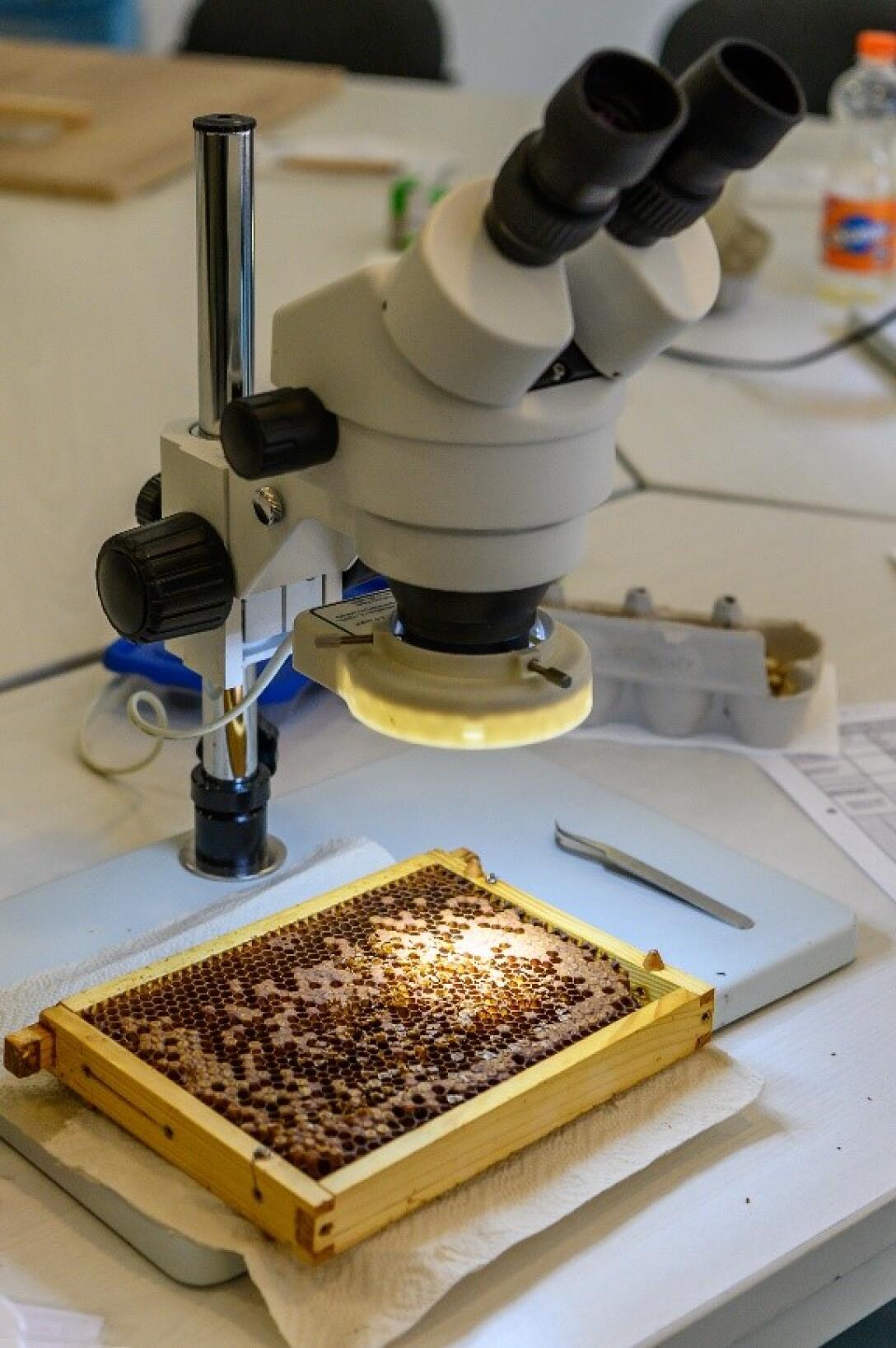
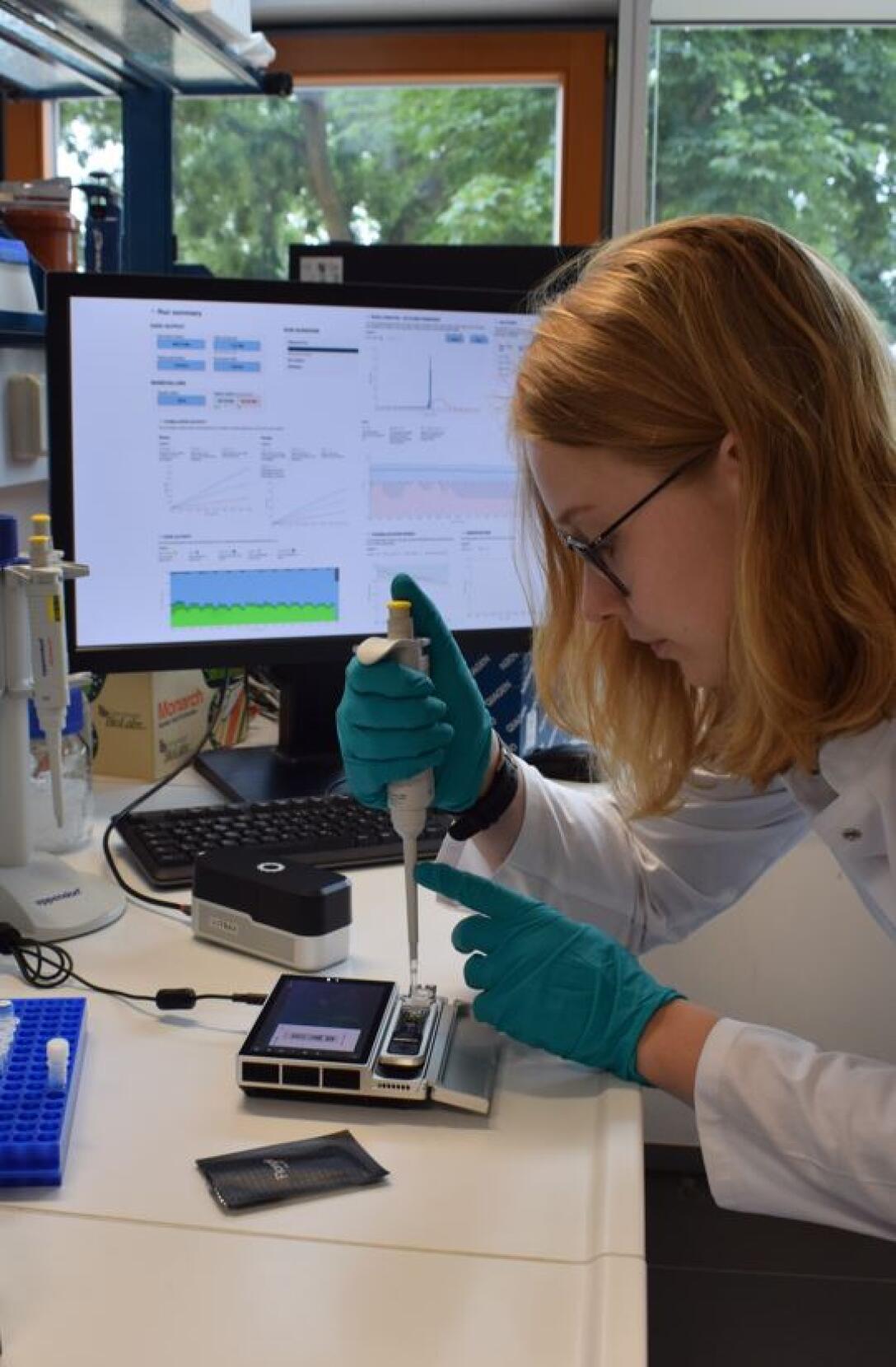
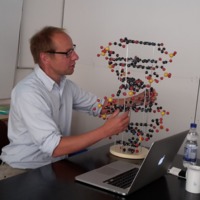
Researchers are already working to unravel the genetic basis of these behavioural traits. One of the methods used for this is DNA sequencing (Fig. 4) to analyse genetic information. Although a whole range of candidate genes are known, the complex mechanism behind the honeybee’s natural defence against the Varroa mite is not yet fully understood. In collaboration with the research group led by Professor Röbbe Wünschiers at Mittweida University of Applied Sciences, the LSV aims to genetically evaluate the success of its Varroa-resistance breeding programme. Using methods such as nanopore sequencing, the aim is to quickly determine whether genes or gene regions associated with resistance behaviour are present in the genome of the queen bees being considered for artificial insemination. To this end, it is also necessary to count the infestation level in a colony. This is currently done manually (Fig. 5), but is to be automated using a spectroscopic method developed by Professor Hans-Peter Wiesmann of Dresden University of Technology.
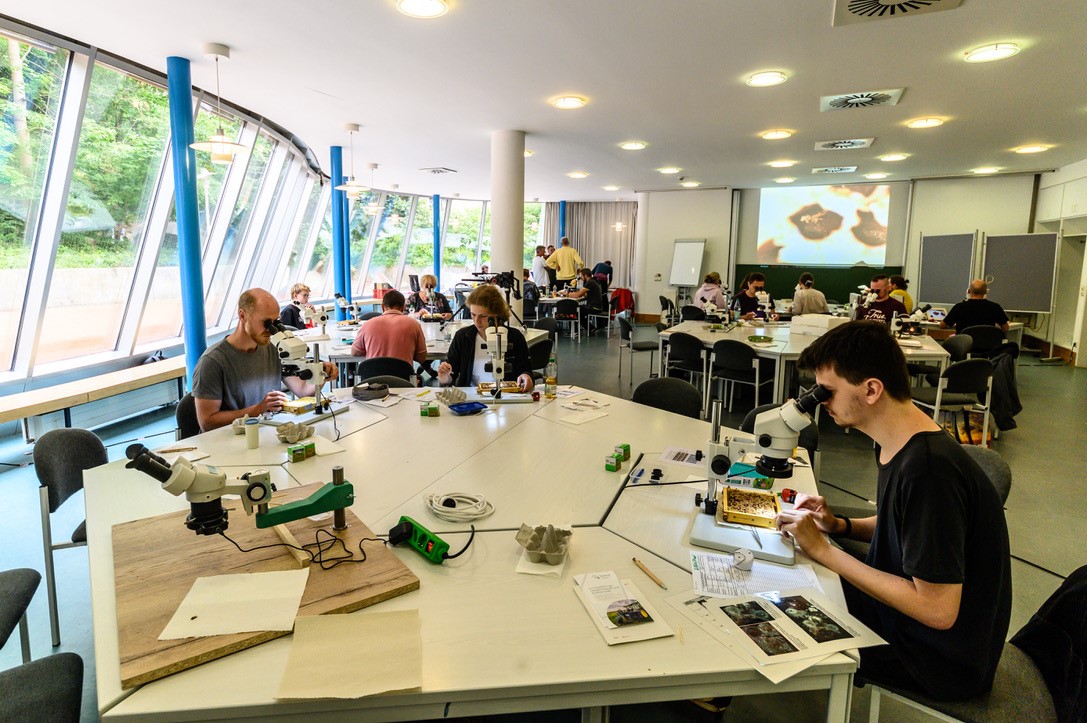
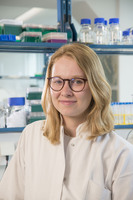
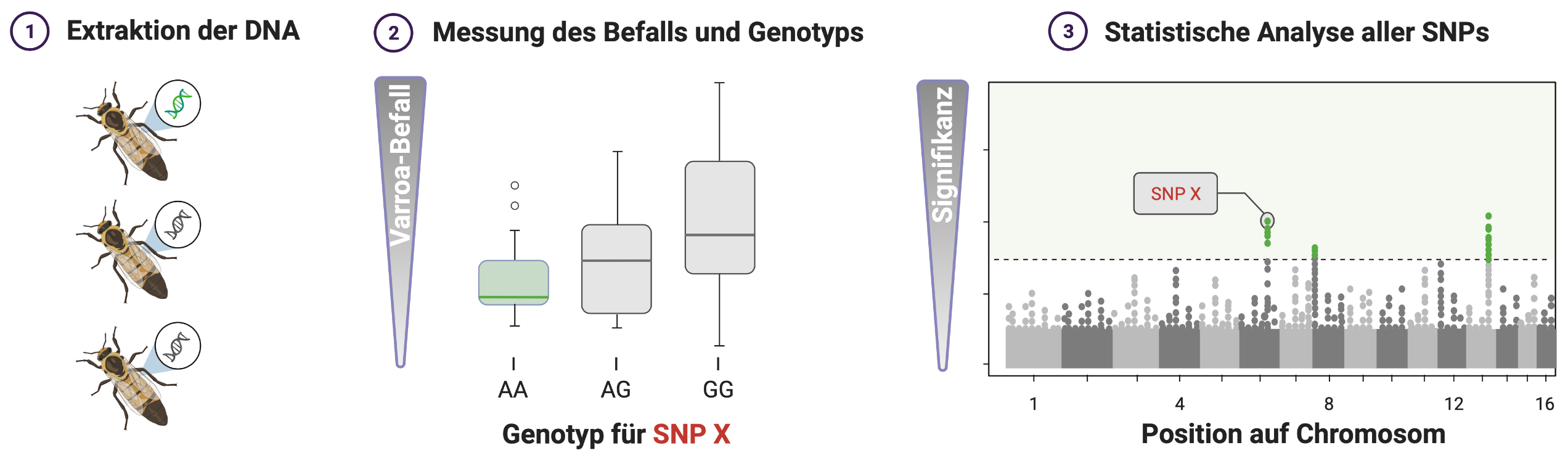
Genetic material from queens and drones used to date, as well as their offspring, and the breeding data and population count records collected by LSV beekeepers are being used to develop a genetic testing system. In parallel with the artificial insemination of the queens or population count dates, Professor Wünschiers’ staff collect samples from the bees for analysis in the laboratory. The aim is to develop a protocol that can be used to determine the extent to which a queen bee is genetically suitable for Varroa resistance breeding (Fig. 6). To achieve this, it is necessary to use material that can be sampled without unduly affecting the queen, so that she can subsequently be inseminated. In addition to Röbbe Wünschiers, the Mittweida team currently comprises research assistant Lisa Prudnikow and Master’s student Cindy Moeller.
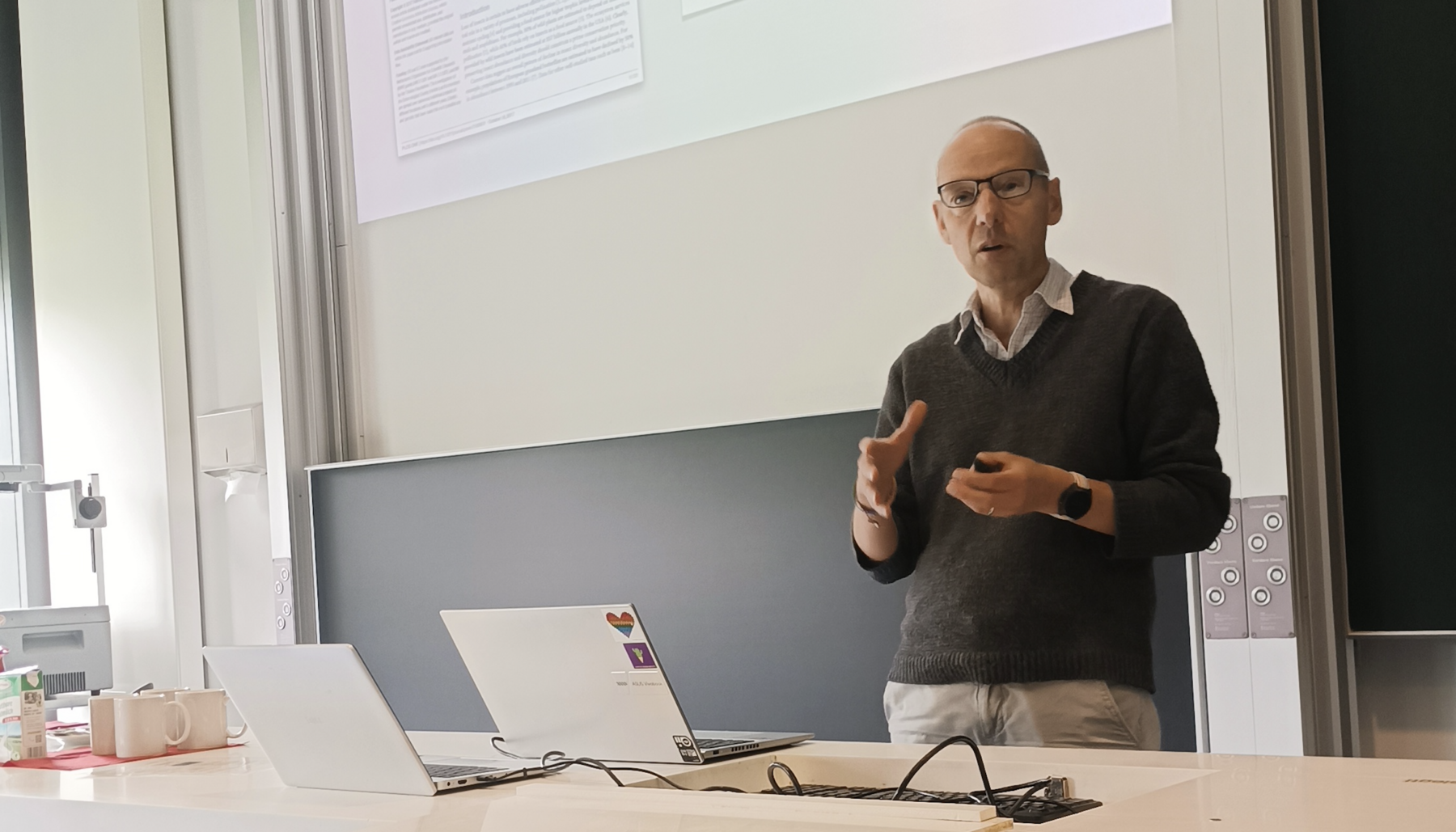
As part of this collaboration, stock-taking exercises and conferences are held at Mittweida University of Applied Sciences. Information on the breeding programme and dates can be found here.