This page was translated automatically using artificial intelligence (DeepL). The German version is binding. More information about automatic translation
Why do a PhD?
Can you envisage a career as a lecturer or professor at a university or higher education institution? Or do you see yourself working in a research organisation instead? Or perhaps a company’s research and development department is where you see your future? Whichever path you choose, a PhD at HSMW is your next step up the academic ladder and opens up new career paths in academia, business and society.
Eligibility for a PhD arises where applied research is conducted on a permanent basis in a way that is scientifically rigorous, methodologically sophisticated, effective in terms of knowledge transfer and quality-assured. At HSMW, we hold our research activities to this standard and therefore wholeheartedly welcome our graduates’ desire to advance their academic careers.
Let’s get started! We’ll support you through every stage of your PhD.
Three ways to study for a PhD at HSMW

Joint PhD programme
In a collaborative PhD programme, lecturers from Mittweida University of Applied Sciences supervise the doctoral research project in conjunction with lecturers from a university. The thesis is submitted to the university, where the doctoral proceedings and the public defence also take place. The doctoral degree is awarded by the university. However, the research itself may be carried out at Mittweida University of Applied Sciences – for example, as part of a research project or a research group at HSMW.

Pursuing a PhD under co-opted professors
A co-opted professor is a university lecturer who, in addition to their main professorship, has been appointed to another department or faculty (at a university) and is therefore able to independently conduct, supervise and examine doctoral research projects. The doctoral degree is awarded by the university.

Pursuing a PhD at the ‘Enabling Technologies for Industry, Health and Society’ Doctoral Centre at the Ernst Abbe University of Applied Sciences, Jena
Pursuing a PhD at the ‘Enabling Technologies for Industry, Health and Society’ Doctoral Centre at the Ernst Abbe University of Applied Sciences, Jena, means undertaking a PhD at the HSMW under the supervision of HSMW professors who are members of the Doctoral Centre. A PhD can only be undertaken in selected subject areas.
Additional qualifications during the PhD programme
Research. Networking. PhD studies.
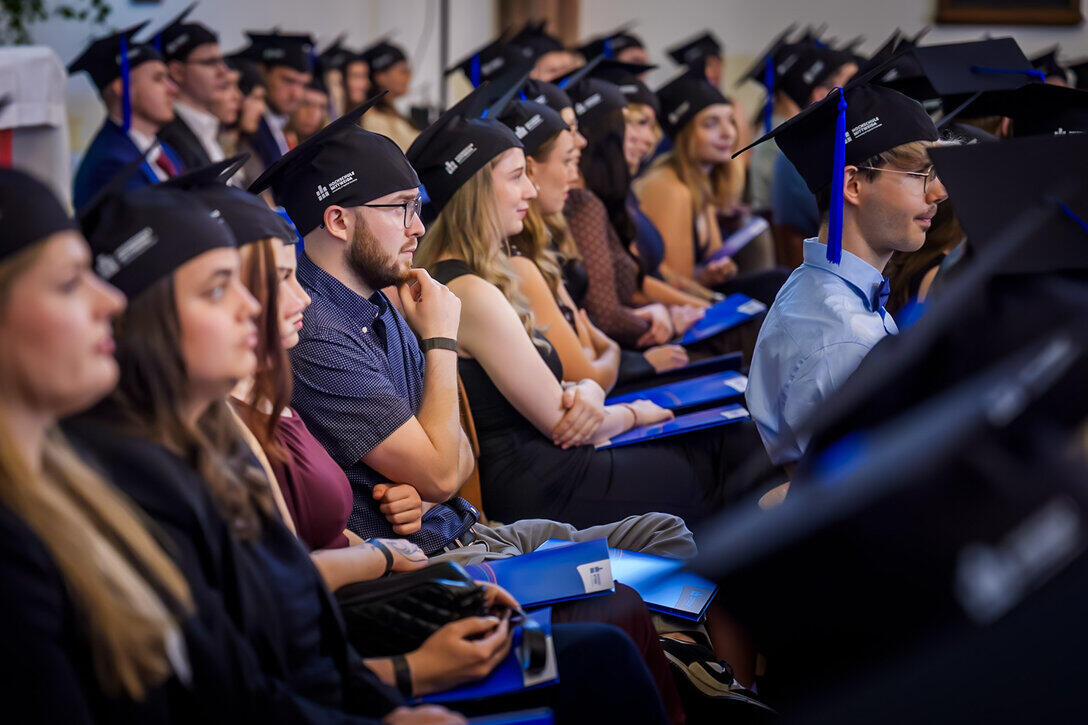
The Mittweida Doctoral College supports PhD candidates on their journey towards a doctoral degree. By taking part in interdisciplinary events, PhD candidates acquire the necessary tools to systematically gain the knowledge they need – even whilst they are still studying for their doctorate – regarding the presentation of their research findings and their future role as senior leaders. In addition, there are modules designed to develop soft skills as key competencies, as well as research skills such as project management, presentation and communication techniques, and intercultural awareness.
International academic network.
The EURECA-PRO Doctoral School supports PhD students in the fields of climate change, the circular economy and sustainable consumption and production patterns in building their international academic network. Through training courses and events offered both online and on-site at one of the nine campuses within the university consortium, doctoral candidates can further their professional and personal development. Access to research institutes, laboratories, equipment and software at the eight partner universities is also available.
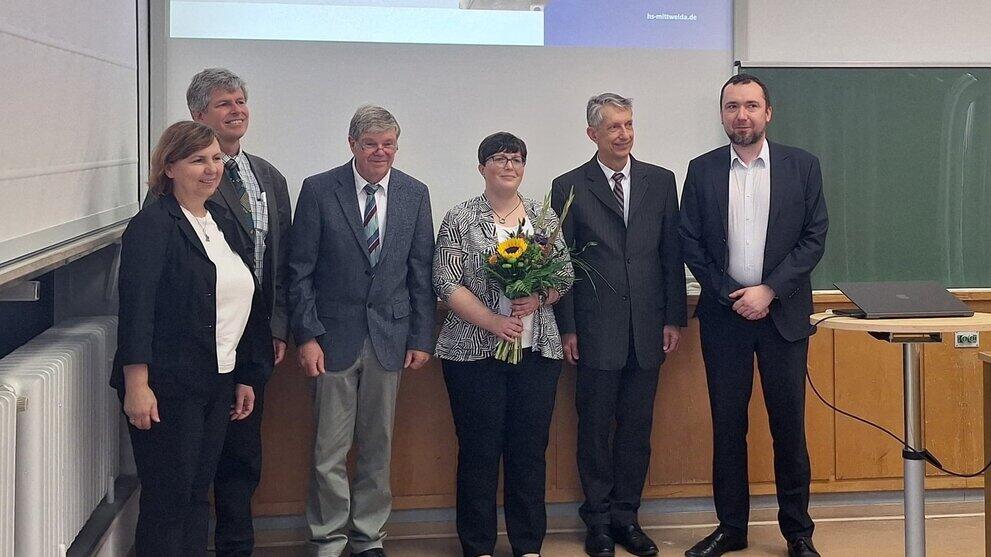
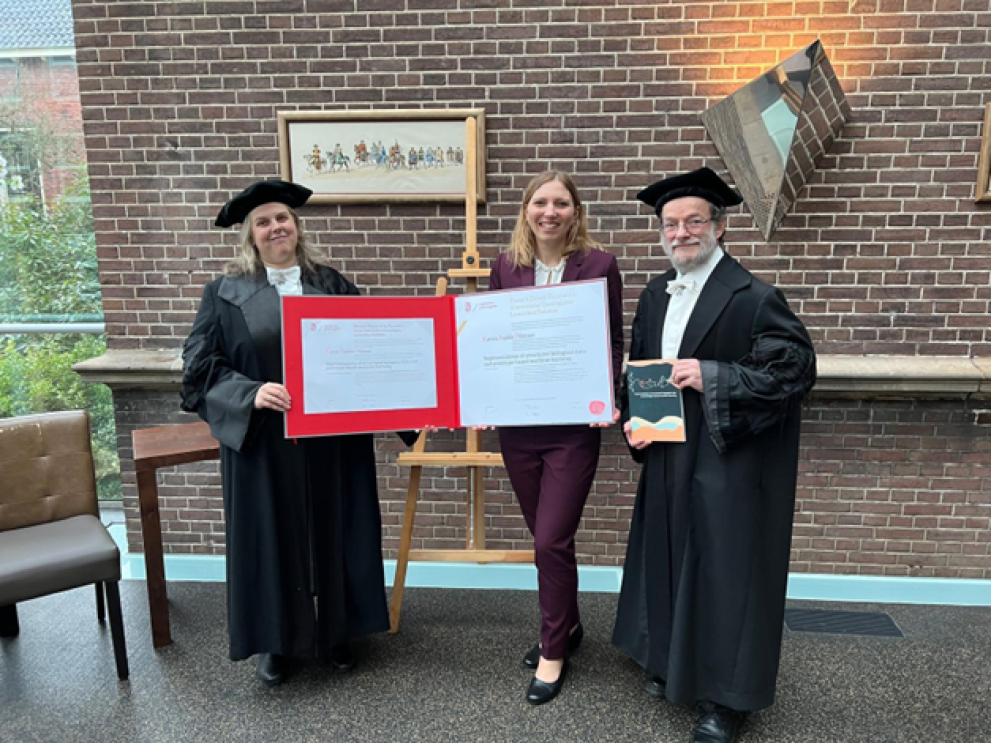
Successfully completed a PhD
ESF PhDs

FAQs on PhD studies
From enrolment to timetabling: our FAQs answer the most common questions and outline what your path to a PhD might look like.
The selection of a research topic marks the start of the project. The PhD topic should not only be academically relevant and original, but should also be of particular research interest to the prospective PhD student.
Please arrange a meeting with a professor at HSMW to clarify whether supervision of your topic is possible. In the case of collaborative programmes, you must also be supervised by a professor at a university. In this context, you must comply with the university’s admission requirements (doctoral regulations, application for admission to doctoral studies to the doctoral committee, etc.).
Once supervision has been confirmed, this should be set out in a supervision agreement.
The research proposal, including a bibliography and a timetable and work plan, will then form the basis for your academic work and, where applicable, for securing funding.
Note: You should allow at least 6 months for the preparatory phase of your doctoral project. In particular, if funding is to be provided through employment on a research project, you must take into account the approval periods set by the funding bodies.
There are various ways to fund your PhD:
One option is to undertake a part-time PhD whilst working as a research assistant on a research project at Mittweida University of Applied Sciences. Ideally, there should be a close connection between the research task and the topic of your PhD.
Alternatively, you can apply for scholarships.
The third option is an industry-sponsored PhD. The advantage of this option, in addition to funding from the company, is the direct practical relevance of the PhD topic.
The fourth option is a self-funded PhD, which is often a suitable option for entrepreneurs.
- Supervision Agreement (between the PhD candidate, HSMW and, where applicable, the university)
- Research proposal with bibliography and timetable
- Funding applications
- Notification of the doctoral programme at the HSMW
- Enrolment as a PhD student at the HSMW
All relevant documents and further information can be found on the HSMW’s internal website.