This page was translated automatically using artificial intelligence (DeepL). The German version is binding. More information about automatic translation
Find out more about the faculty
A warm welcome to the Faculty of Social Sciences!
- If you want to help improve people’s wellbeing and quality of life in different social contexts,
- If you would like to learn how to advise, guide and support people in specific life situations,
- If you want to shape social change and societal processes and are interested in socio-political and ethical issues,
then studying Social Work with us is the right choice for you.
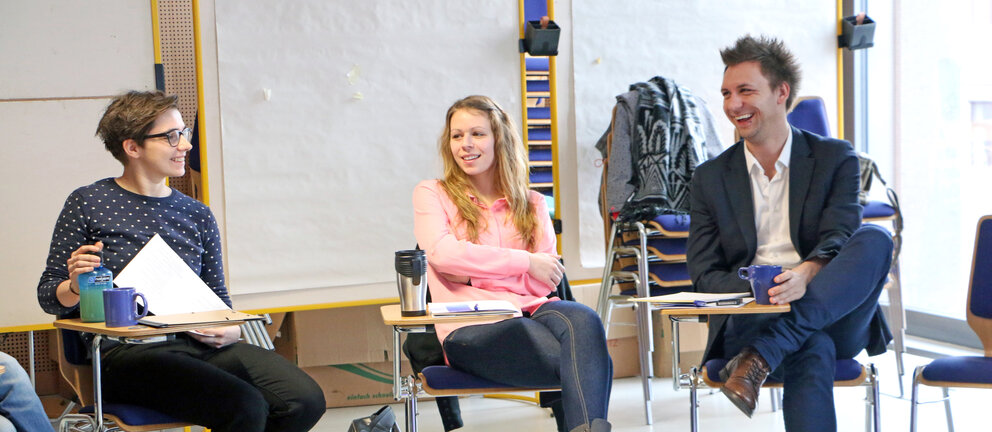
Our lecturers place great emphasis on providing intensive support for students and ensuring a continuous link to real-world practice. Through innovative and collaborative teaching and learning methods, we impart not only knowledge but also key skills and aspects of personal development. Lecturers and students are equally engaged in a critical and reflective dialogue that demands a great deal of energy and attention.
Here’s what else you can expect from us:
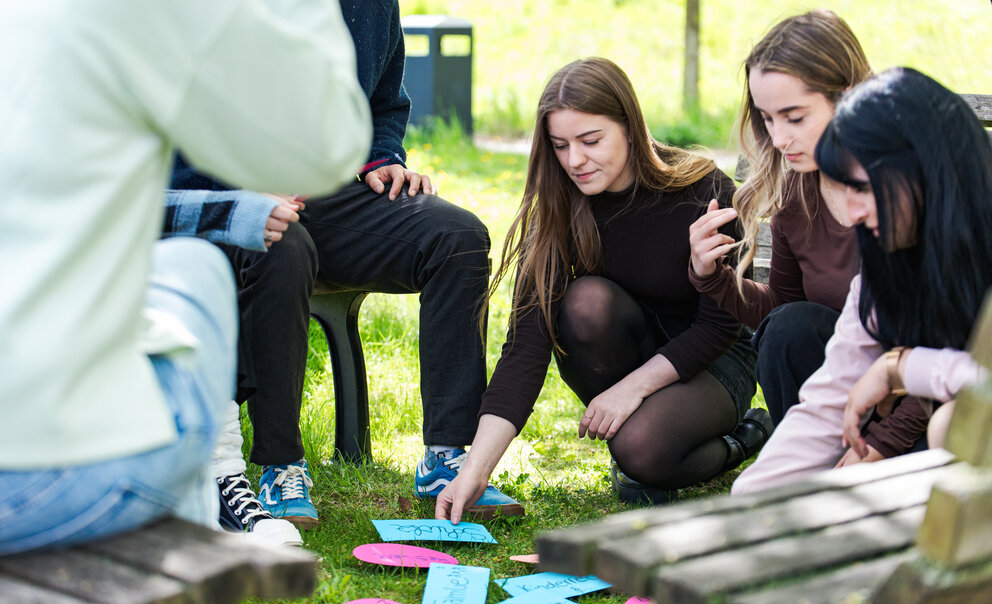
- practice-oriented projects in small groups,
- individualised and flexible study programmes,
- direct access to professors, lecturers and staff,
- short distances,
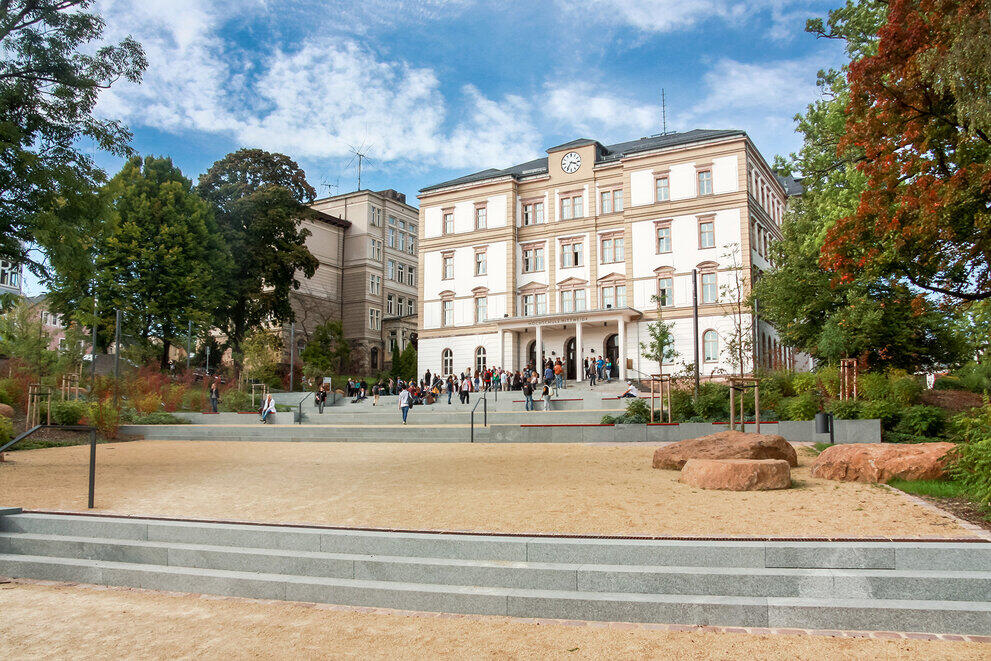
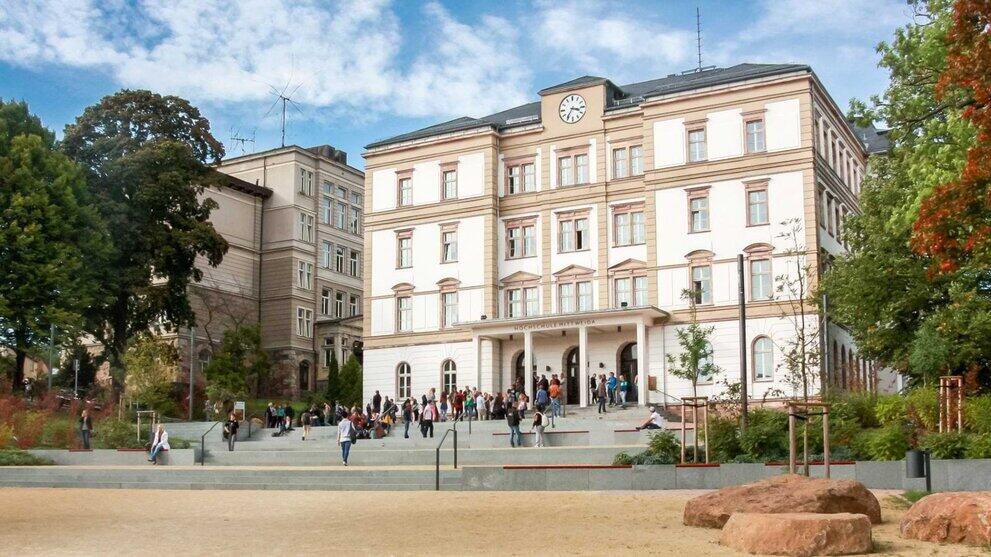
- a modern building with high-quality facilities in all work areas.
Are you interested in one of the degree programmes offered by our faculty?
Our study programmes






Position paper on ‘Human Rights and Social Justice’
Social Work is not an island | Faculty Council takes a stand ‘for human rights and social justice’
Save the date
current research projects
Project lead:
Prof. Dr. phil. Simon Moses Schleimer
Duration:
August 2026 to December 2026
Commissioning body:
Mittelsachsen District, Foreigners’ and Asylum Authority
Research and student assistants:
N.N, René Rothemund
Summary:
The aim of the project is to systematically evaluate the extent to which the digital assistant is being used to support social integration in Central Saxony, and to identify the requirements for its further development and establishment. To this end, the existing features of the digital assistant will be analysed and evaluated, areas for further development identified, and their feasibility assessed.
The evaluation will be carried out in close consultation with decision-makers and will serve as a strategic basis for the further development and establishment of the digital assistant for social integration in Central Saxony.
Project lead:
Duration:
March 2024 to May 2027
Commissioning body:
State Ministry for Science and the Arts (SMWK) – Saxony
Project team:
Sophia Lorenz, M.A.
Summary:
This research project examines violent assaults on Social Work practitioners by non-staff members, thereby addressing the growing significance of this hitherto under-researched issue. The aim is to systematically investigate the occurrence of such assaults, as well as the individual, team-related and organisational factors influencing them, across various fields of Social Work. Based on the findings, appropriate recommendations for action and intervention strategies for the prevention and management of violence will be developed. The findings are intended to help improve the working conditions of social workers, reduce health-related stress and strengthen occupational health and safety in the long term.
Project lead:
Duration:
April 2026 to November 2026
Funding body:
Mittelsachsen District
Project team members:
Tabea Esche (M.A.), Pauline Köhler (M.A.), Clara Dietrich (B.A.)
Summary
The Child and Youth Empowerment Act (KJSG) provides for a phased reform of SGB VIII by 1 January 2028. By this date, youth welfare offices are to be responsible for all children and young people, regardless of whether they have a disability or not.
This reform of SGB VIII gives rise to new requirements for youth welfare planning, particularly with regard to the inclusive participation of young people with disabilities. The district administration faces the challenge of preparing organisational and substantive measures to implement inclusive youth welfare planning.
The aim of the academic support is to assist the Mittelsachsen district, in close consultation with decision-makers from the administration and service providers, in analysing current planning practices with regard to inclusive elements and in preparing the conceptual framework for the implementation of inclusive youth welfare planning.
Project lead:
Duration:
March 2023 to September 2026
Project sponsor:
Jobcentre Mittelsachsen; the ‘Kopfstand’ project is funded by the Federal Ministry of Labour and Social Affairs and by the specialist agency ‘rehapro’
Project team members:
Sarah Klein (B.A. in Social Work), Katrin Naumann (M.A. in Social Work)
Summary:
The “Kopfstand” project run by the Mittelsachsen Job Centre aims to maintain or restore the employability of people with health impairments more effectively than before: “prevention before rehabilitation” and “rehabilitation before retirement”.
Mittweida University of Applied Sciences, Faculty of Social Sciences, is scientifically evaluating and monitoring the implementation of the ‘Kopfstand’ project and its impact. The aim is to investigate whether and how the long-term unemployed with health conditions can be supported and guided through intensive, placement-oriented and holistic support, utilising health mentors.
The project is being carried out in cooperation with the Mittelsachsen Jobcentre as part of the federal programme ‘Innovative Ways to Participate in Working Life’.
Project lead:
Duration:
August 2025 to July 2028
Summary:
We support companies in the food value chain by providing innovative and practical solutions to help them develop sustainable business models that promote greater participation by people with disabilities.
You can find all the information about the project here.
Please feel free to have a look around our website! Here you will find useful information on the topic, further links, helpful resources and results from previous research projects.
Project lead:
Duration:
April 2026 to March 2027
Commissioning body:
Federal Institute for Occupational Safety and Health (BAuA)
Project team:
Dr. habil. Michael Knoll, Sophia Lorenz, M.A.
Summary:
This research project focuses on the prevention of harassment and violence in personal services, thereby addressing the need for action set out in ILO Convention No. 190. As part of the project, the current state of scientific knowledge on harassment and violence is being reviewed and expanded, and practical design principles for the protection of employees are being developed. A key focus of this analysis is on investigating the effectiveness of de-escalation training as an approach to preventing harassment and violence. The findings are intended to highlight the conditions under which de-escalation training is effective, which training approaches have proven successful, and which factors promote their sustainable implementation.