This page was translated automatically using artificial intelligence (DeepL). The German version is binding. More information about automatic translation
Find out more about the faculty
forward-looking – practical – modern

We offer a wide range of degree programmes in economics, engineering and property. All degree programmes cover a broad spectrum of sustainability.
The Business Administration programme is unique in several respects. The specialisation options enable students to develop a forward-looking focus. At the same time, we respond at an early stage to the challenges and changes in the global economy.
The Industrial Engineering degree programme combines economic and technical expertise with a strong practical focus. Industrial engineers thus act as a bridge between technology and management and play a key role within organisations.
Sustainability and environmental protection are no longer just issues for large corporations; small and medium-sized enterprises are also taking responsibility in this area. As local authorities are investing heavily in climate protection and research never stands still, there is a more urgent need than ever for skilled professionals in this field. As an energy and environmental manager, you’ll play an active part in shaping the future, combining economic efficiency with environmental responsibility.
Affordable housing, resource-efficient construction and energy-efficient refurbishment – these are the core topics in Sustainable real estate management. This degree programme will equip you to become a professional in the holistic assessment of properties and construction projects, taking into account social, environmental and economic factors.
Our areas of expertise
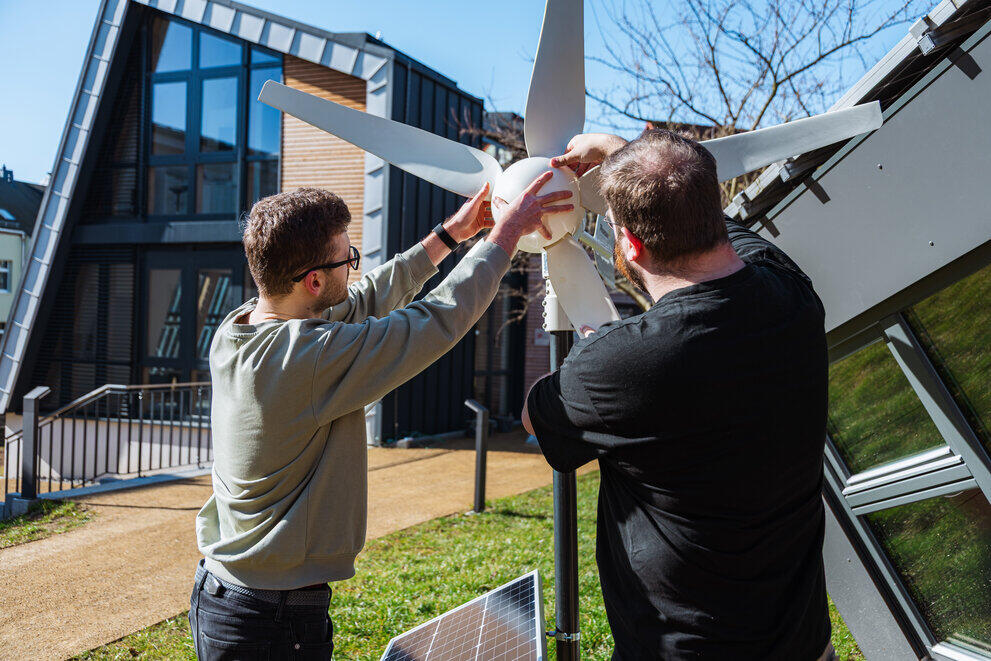
Energy and the Environment
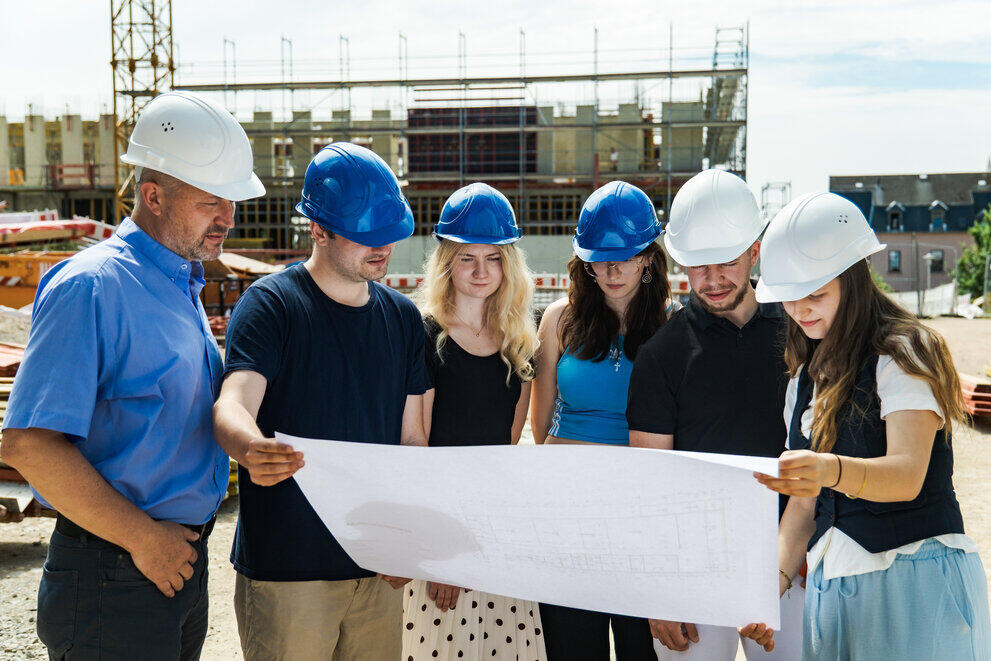
Sustainable real estate management
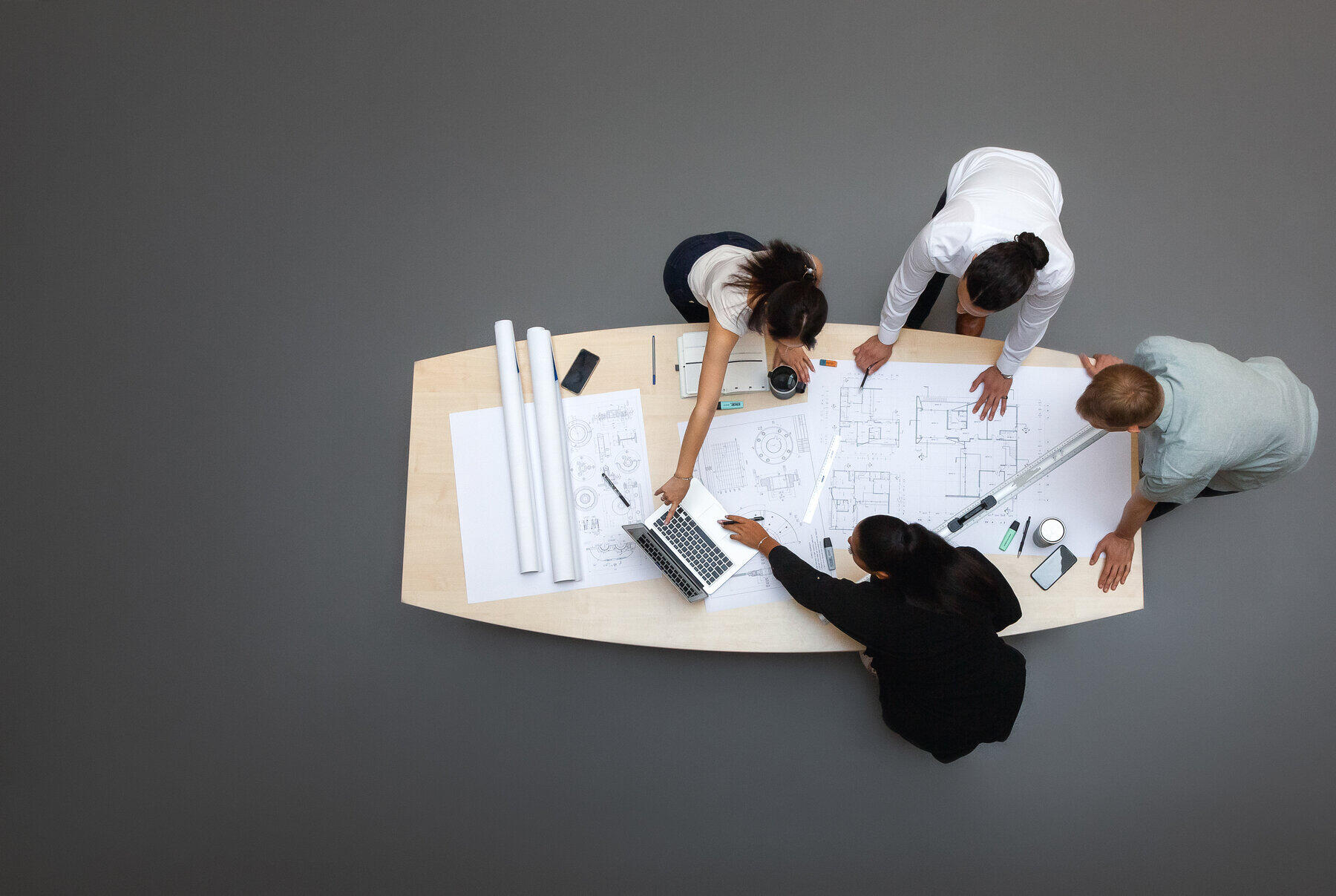
Economy
Our degree programmes
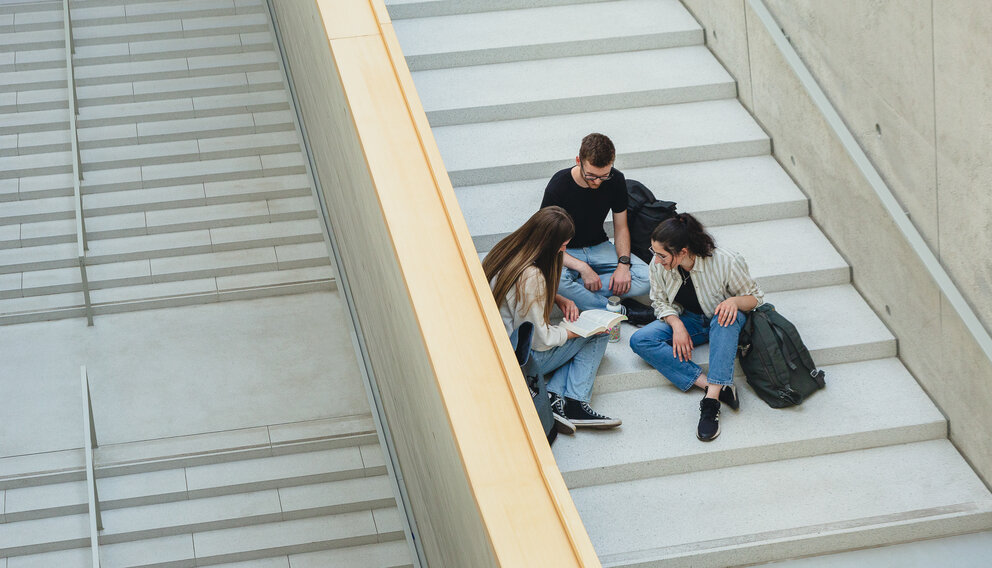
Business Administration (B.A.)

Business Administration (M.A.)
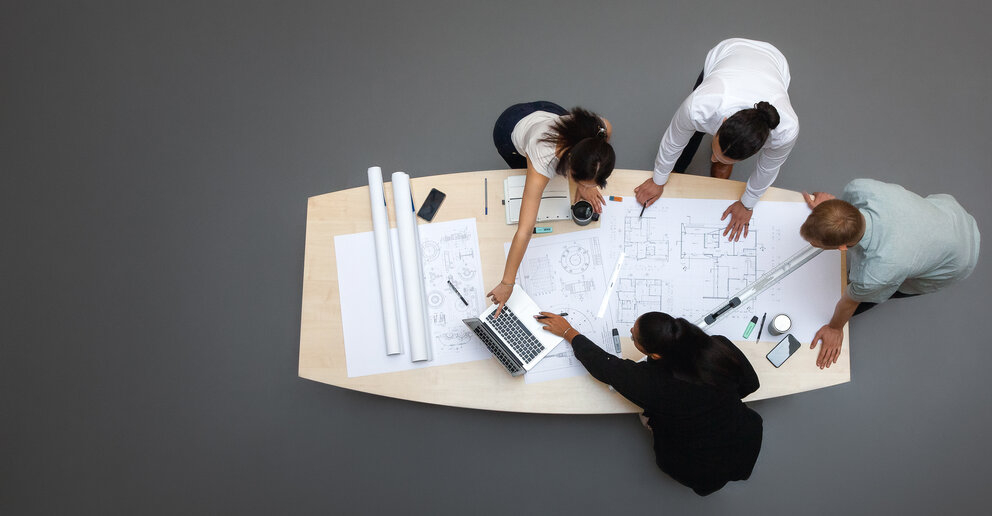
Business Engineer (B.Eng.)
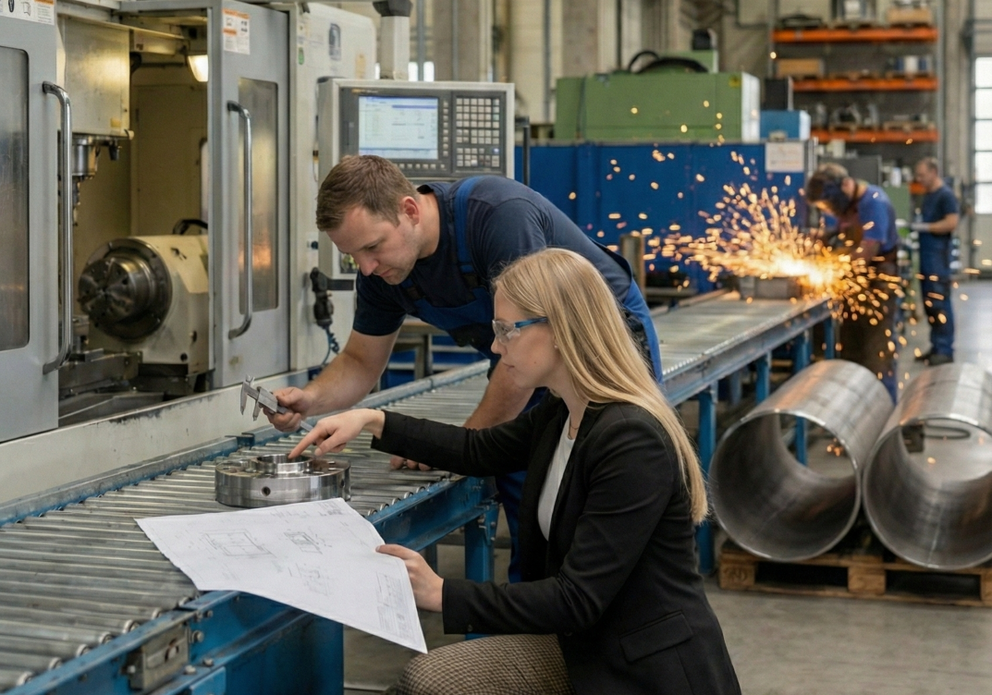
Degree Apprenticeship/Dual Study Program in Business Engineering (B.Eng.)
in partnership with Siemens
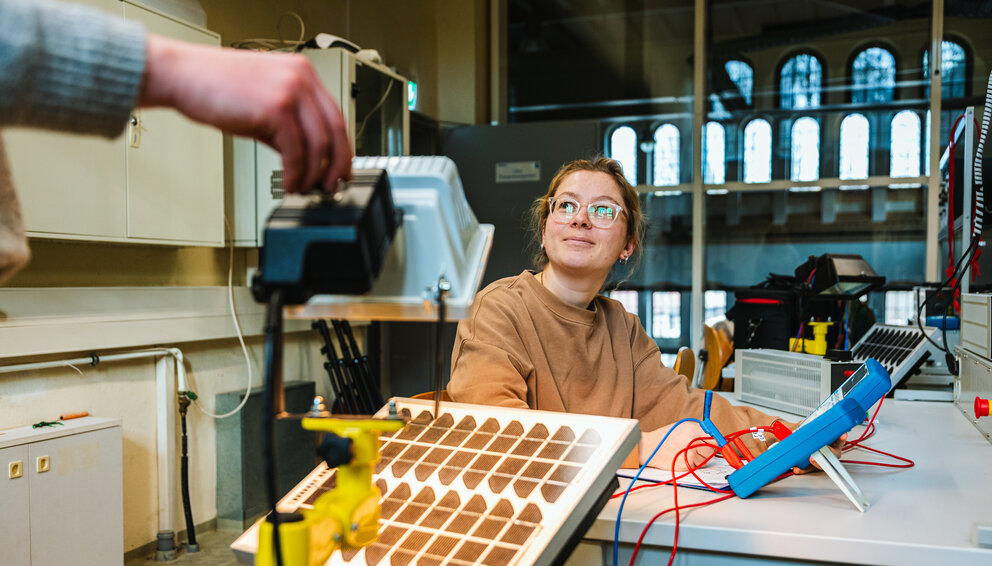
Energy and Environmental Management (B.Sc.)
Industrial Management (M.Sc.)
Sustainability in macroeconomic cycles (M.Eng.)
Sustainable real estate management (B.Eng.)
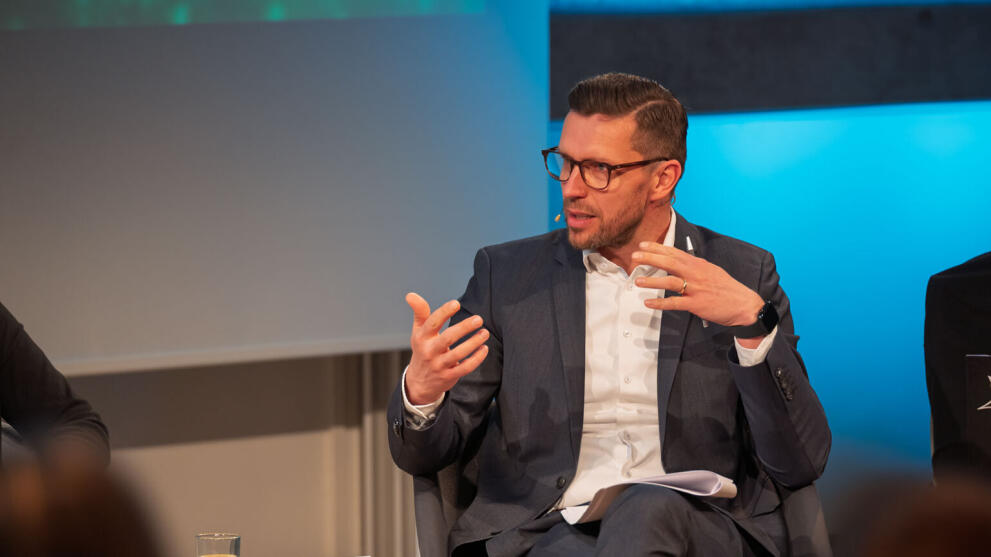
Save the date
AI Colloquium: ‘AI for industry and its specific requirements and challenges’
20 October 2026 | 17:30 to 18:30 Ludwig-Hilmer-Bau/Zentrum Medien und Soziale Arbeit (Haus 39)
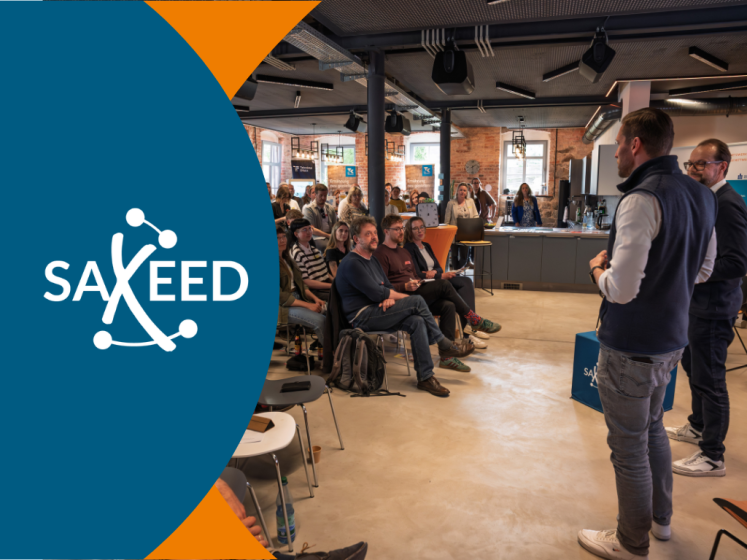
Mittweida Start-up Forum | SAXEED
25 November 2026 | 17:30 to 21:00 Werkbank32/Blockchain Competence Center Mittweida (Haus 32)
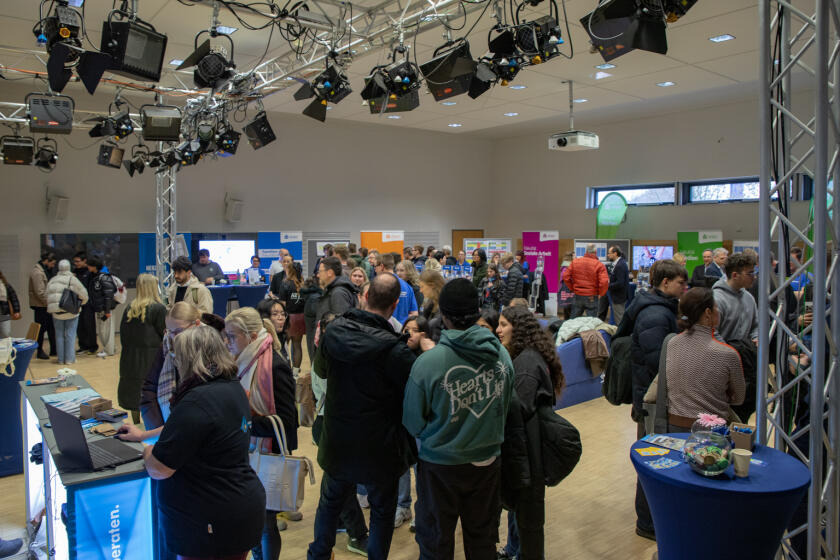
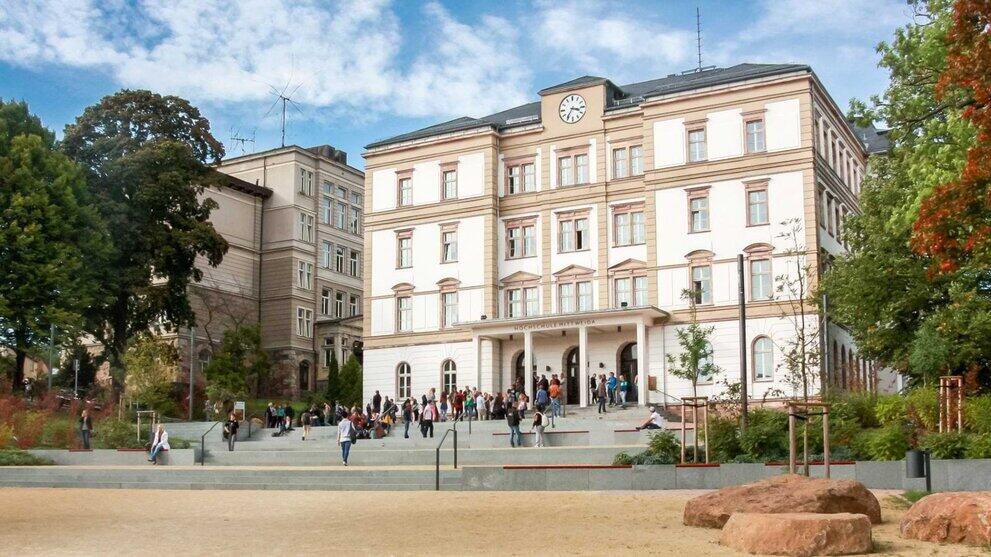
Open Campus Day (Studieninformationstag)
14 January 2027 | 8:00 to 15:00
Our projects
STEP-NET (Strengthening Transnational Education Partnerships – Nations in Education Together) is an international project run by Mittweida University of Applied Sciences, which will be carried out from March 2026 to December 2029 in collaboration with three partner universities in two countries:
- Georgian National University (SEU);
- Odessa National Economic University (ONEU);
- Oles Honchar Dnipro National University (DNU).
The project is funded by the DAAD’s ‘Transnational Education – Strengthening and Excellence through Profile Development (TNB-STEP)’ programme, with funding from the Federal Ministry of Research, Technology and Space (BMFTR).
During its consolidation and transfer phase, the FlächenWaNdel project focuses on the structural embedding and cross-university transfer of sufficiency-oriented and climate-resilient land-use practices. Building on the findings of WaNdel!⁴, measures developed there are being implemented and transferred to other universities and institutions: for instance, HSMW is establishing a database on land utilisation and the biotope area factor at universities, developing land assessment tools that can be applied nationwide, and integrating these into teaching and the Green Office. Furthermore, findings on embedding sustainability at universities are disseminated through publications, peer-to-peer formats and regional networks, whilst internal embedding is achieved through teaching, governance and partnerships with the private sector. In doing so, findings on drivers such as cost savings or the visibility of good practices, as well as on obstacles such as competition for resources, decentralised responsibilities or acceptance issues, are documented, and potential solutions are discussed in a participatory manner. The Whole Institution Approach (WIA) is further developed into Whole Institution Change (WIC) through sustained participatory processes, strategic integration – for example, into emerging sustainability concepts – and transferable tools in teaching, operations and university development.
The rental flat swap scheme is a welcome tool for the sustainable use of land, through which ‘hidden housing reserves’ can be utilised in a sustainable manner.
Through a preliminary project (2025), INIM was able to produce a short study for WWF Germany that quantifies the potential contribution of the rental flat exchange scheme to climate and resource protection in Germany.
Building on this, a follow-up project aims to gather and analyse the experiences of German housing organisations with existing flat-swapping programmes.
The aim of the project is to derive recommendations for action, based on this practical knowledge, for the adaptation or optimisation of the flat-swapping scheme. To this end, a good-practice analysis of existing flat-swapping programmes run by German housing companies will be carried out on the basis of research and interviews. The results will be summarised in a guide.
As part of the WIR! GOLEHM alliance, the LImA project focuses on increasing public acceptance and improving the image of clay as a sustainable building material. At its heart is the two-way transfer of knowledge between academic teaching, research and the general public. The project centres on two-week summer schools in Weißenfels, where students from the Potsdam University of Applied Sciences and Mittweida University of Applied Sciences learn the theoretical and practical fundamentals of clay construction directly at a teaching building site. The students play a dual role, acting both as participants and as part of the research team by sharing their knowledge and insights with the general public through open workshops and public events (e.g. in the market square in Weißenfels).
Mittweida University of Applied Sciences is conducting accompanying research into perception and acceptance. Surveys and evaluations are being used to investigate which educational formats – ranging from the ‘open workshop’ to participatory activities such as ‘Claystorming’ – are particularly effective in increasing knowledge and breaking down prejudices against clay building materials. By documenting the tested teaching formats, transferable recommendations and guidelines for innovative educational formats are being developed.
Our institutes
The Institute for Energy Management conducts research into and develops bespoke solutions in the fields of energy and climate protection to tackle the pressing challenges of our time.
The Institute for Sustainability and Sustainable Real Estate Management at Mittweida University of Applied Sciences promotes a holistic and forward-looking understanding of sustainability in the property sector. At its core is the belief that sustainable development can only be achieved through the interplay of different perspectives.
The Mittweida Management Institute (MIM) sees itself as a bridge between academia and professional practice.
The central aim of the Mittweida Management Institute is the transfer of knowledge.