This page was translated automatically using artificial intelligence (DeepL). The German version is binding. More information about automatic translation
Facts and figures
Energy and Environmental Management
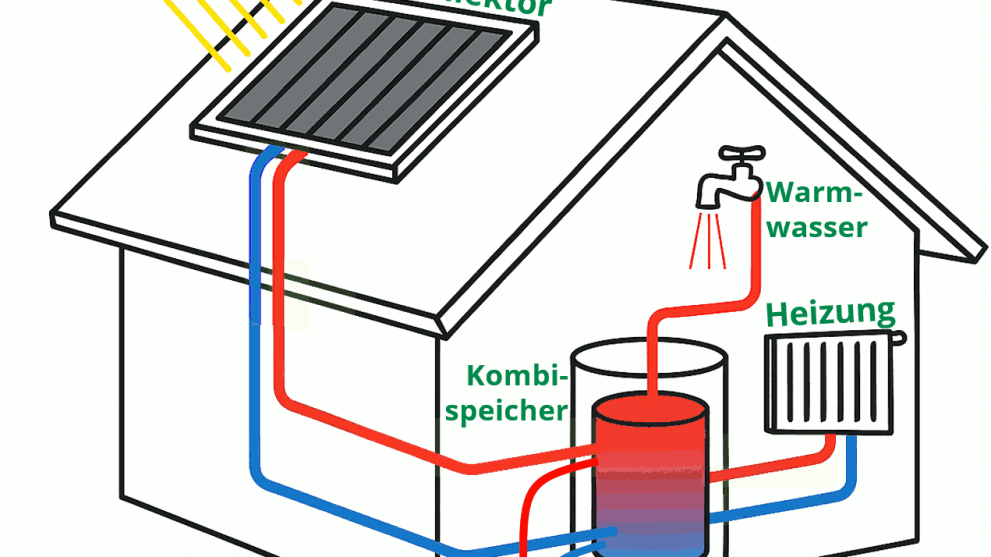
In southern Germany, solar power pushes the grid to its limits in summer weather, whilst in the north, onshore and offshore wind farms have the same effect when it rains and storms. And what if, for once, there is neither wind nor sun to generate renewable energy? The solution to these challenges of the energy transition could lie in battery storage and the expansion of high-voltage grids. But what happens on a smaller scale, at the end-user level? Here, too, there is a need for energy engineers who can use their expertise to make energy consumption smarter. This is precisely what the Bachelor’s degree programme in Energy and Environmental Management at Mittweida University of Applied Sciences is all about.
What sets Energy and Environmental Management in Mittweida apart
An overview of the course content
Right from the start of the Energy and Environmental Management degree programme at Mittweida University of Applied Sciences, you’ll build a solid foundation in the natural sciences, mathematics, environmental and energy engineering, and Business Administration. You’ll gain an understanding of how energy is generated, distributed and used efficiently, how environmental technology works, and which economic factors drive sustainable decision-making.
Through the modules on Climate Change and Sustainability, you’ll analyse global trends and develop ways in which businesses and institutions can respond to them. As the programme progresses, you’ll delve deeper into these topics, work with real-world data, develop strategies for sustainable business processes and practise communicating technical and economic solutions clearly – thereby convincing people of the value of change.
Fundamentals of Environmental Science
Fundamentals of Natural Sciences
Business Management 1
Energy Technologies 1
Mathematics
Climate Change and Sustainability 1
Renewable Energy 1
Energy and Environmental Economics
Energy Technologies 2
Business Management 2
Mathematics: Statistics/Stochastics
Climate Change and Sustainability 2
Energy Management 1
Energy and Environmental Law
Building Physics
Applied Engineering and Management 1
Technical and Professional English for Energy and Environmental Management
Environmental Management 1
Environmental Technology 1
Energy Management 2
Quality and Innovation Management
Environmental Acoustics
Ergonomics
Strategic Sustainability Management
Renewable Energy 2
Environmental Management 2
Environmental Technology 2
Applied Engineering and Management 2
General Studies (Studium Generale
)
Practical module
: Independent scientific and practical work within a company
Duration: 8 weeks
Bachelor’s
thesis: Final, independent academic thesis
Duration: 12 weeks

Energy and Environmental Management in Mittweida
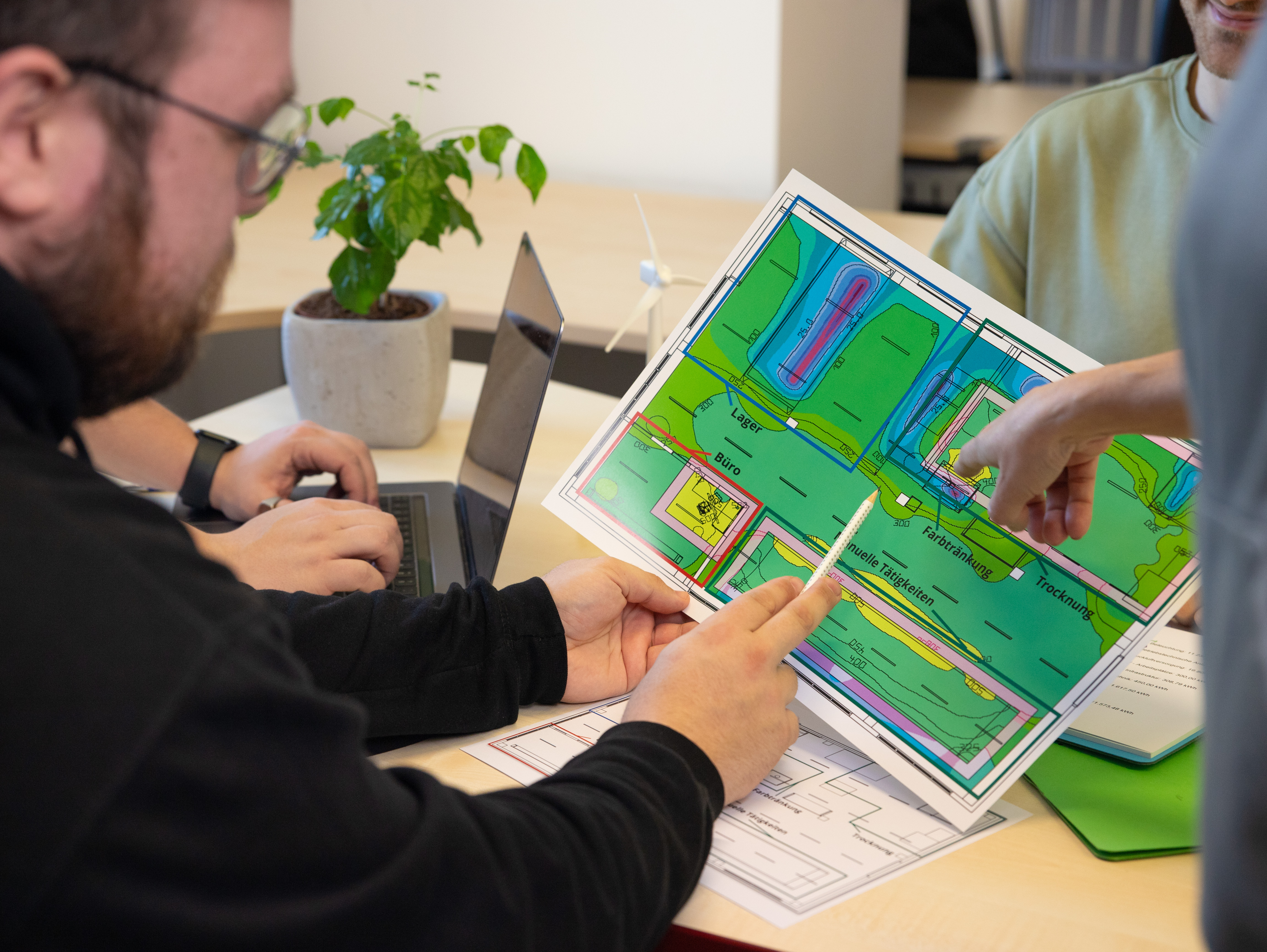
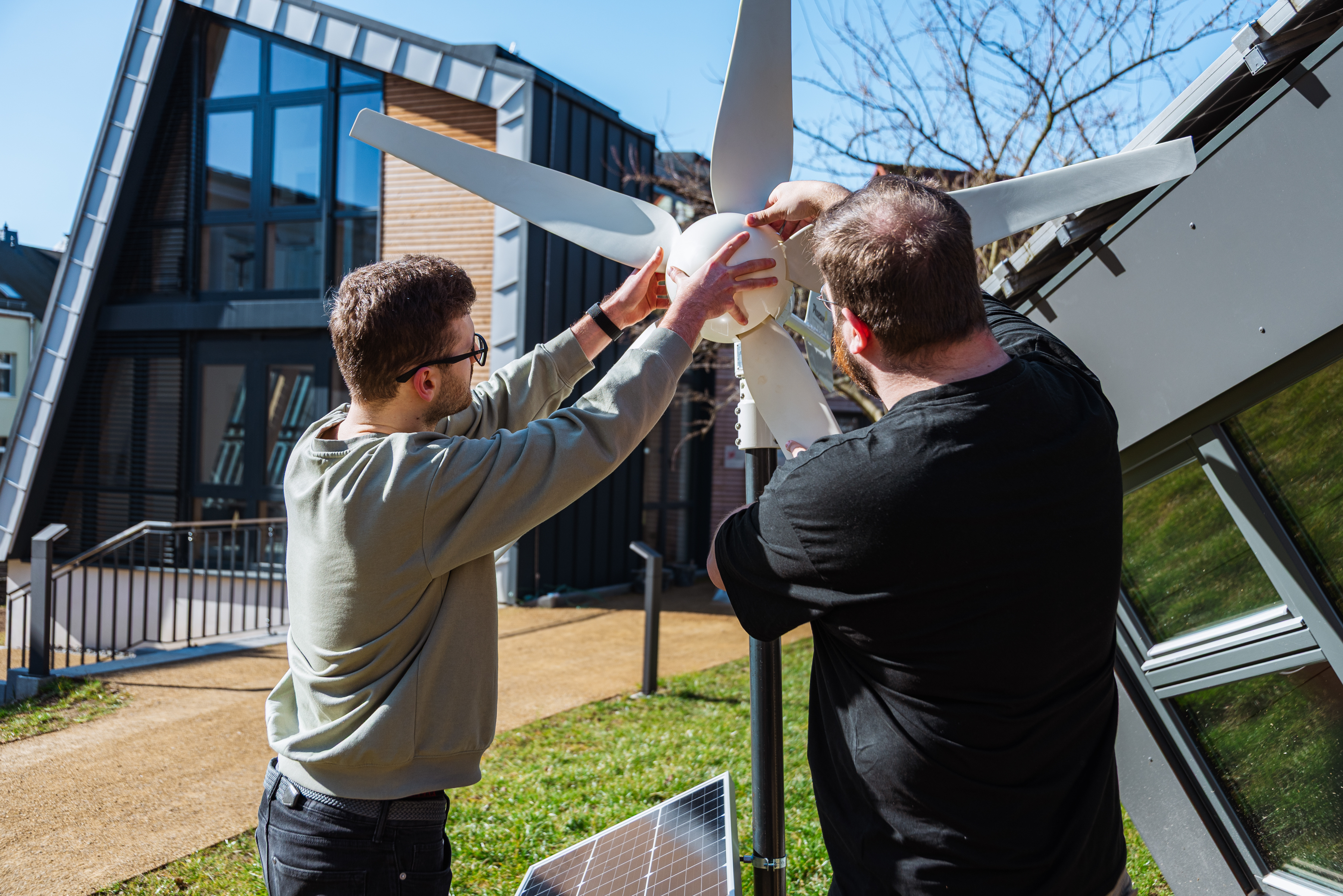
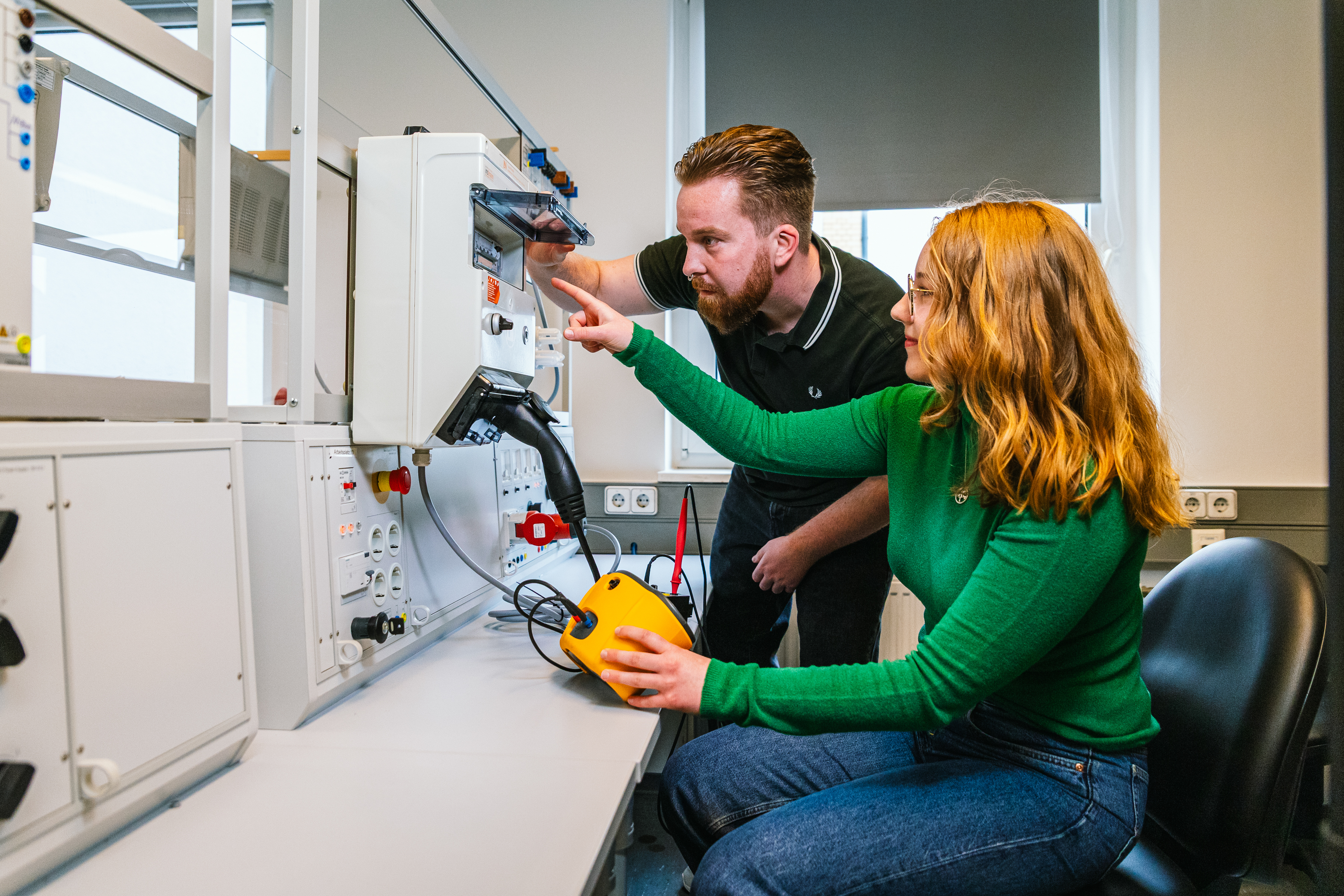
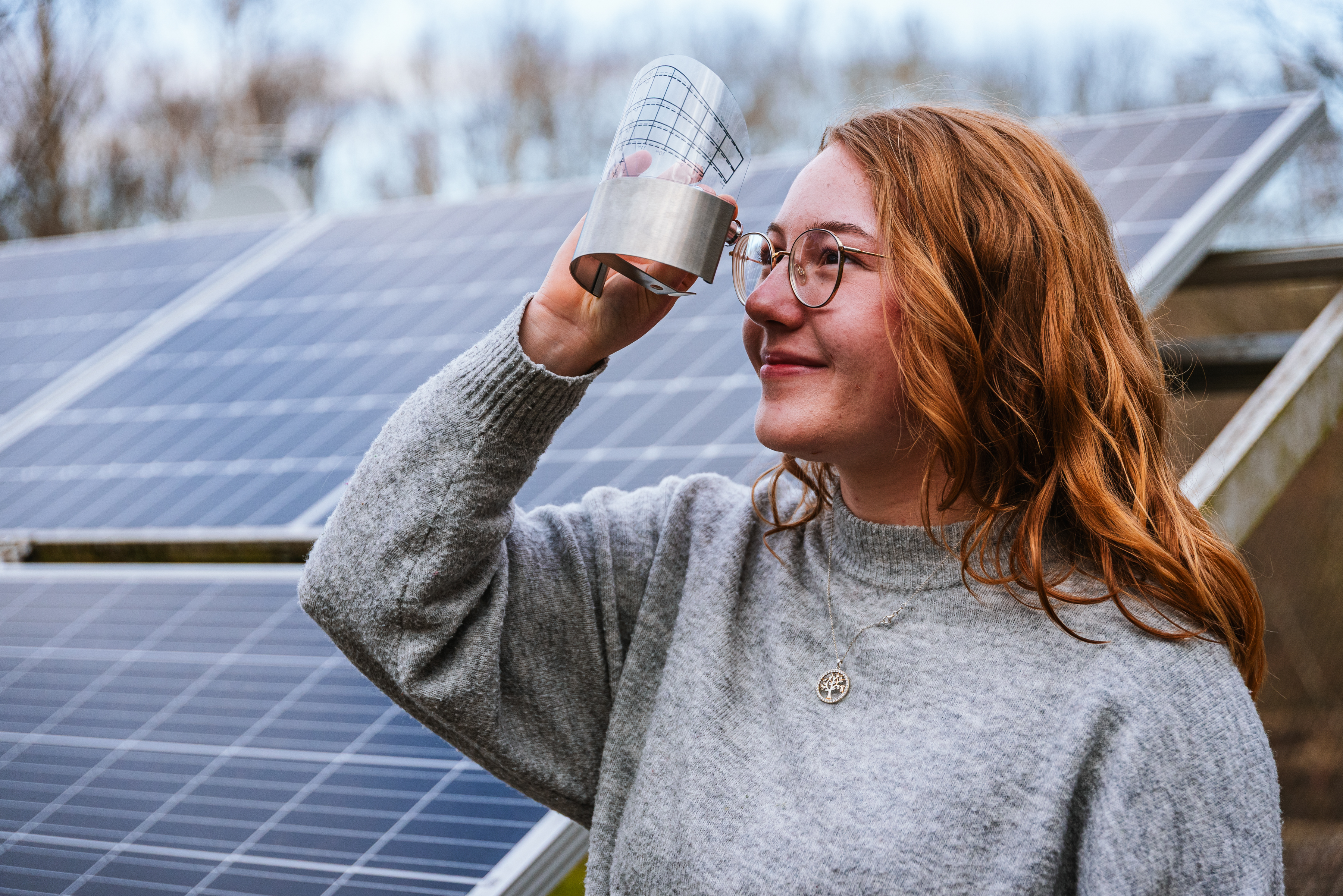
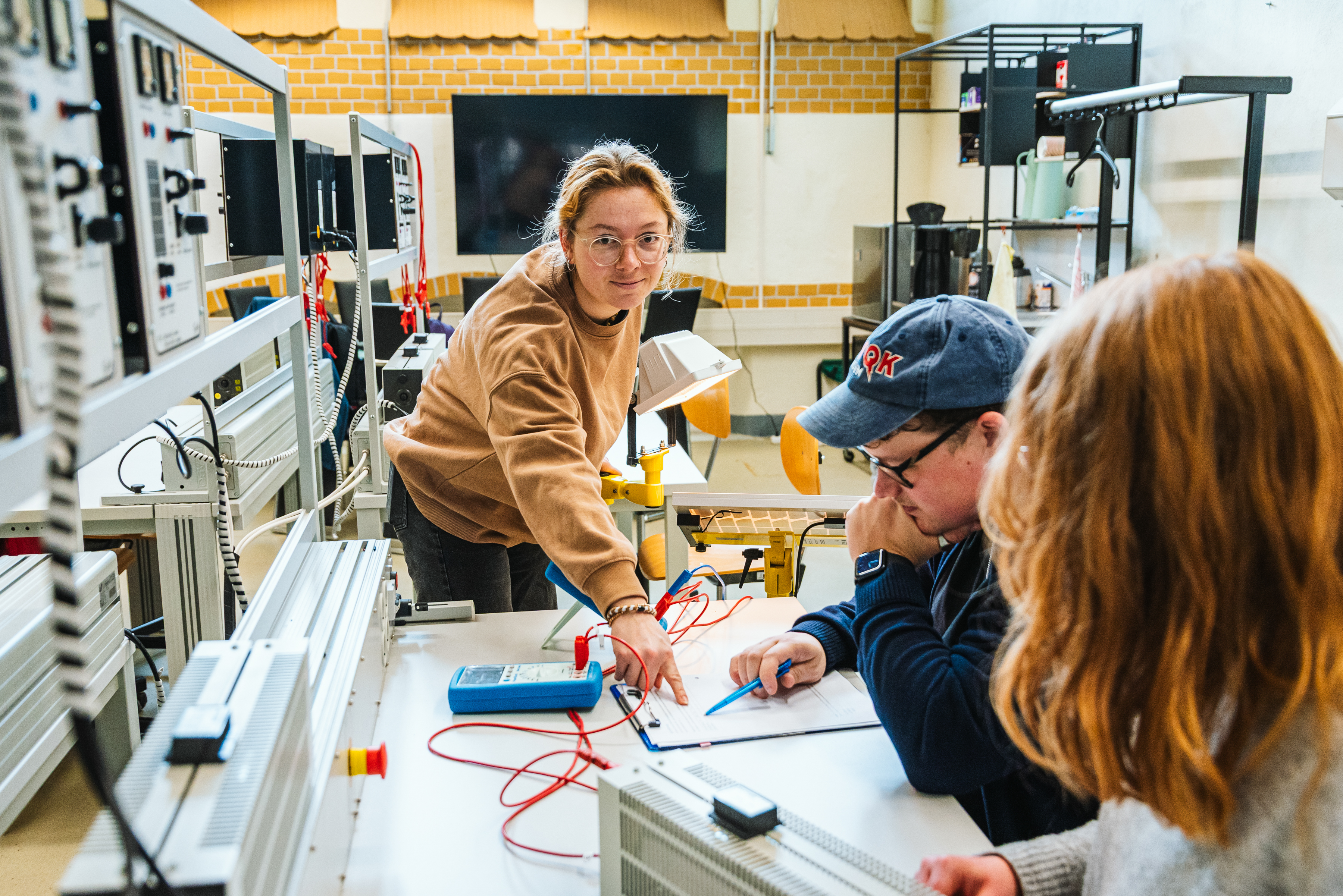
In summary – Energy and Environmental Management in Mittweida

Full-time Bachelor’s degree programme in Energy and Environmental Management

(180 Credits)








By the end of your degree, you will have a strong technical foundation, an understanding of business, and the ability to play an active role in shaping sustainable processes. This means you’ll be excellently prepared to work as a sustainability officer, energy manager, environmental manager, project manager for energy efficiency and climate protection projects, or as a technical consultant in engineering and environmental consultancies, for energy supply companies or local authorities. At the same time, your specialist knowledge will enable you to set up your own business, for example as an auditor or consultant for environmental and energy management systems. Furthermore, your Bachelor’s degree opens up the opportunity to progress to a suitable Master’s programme and further develop your expertise.
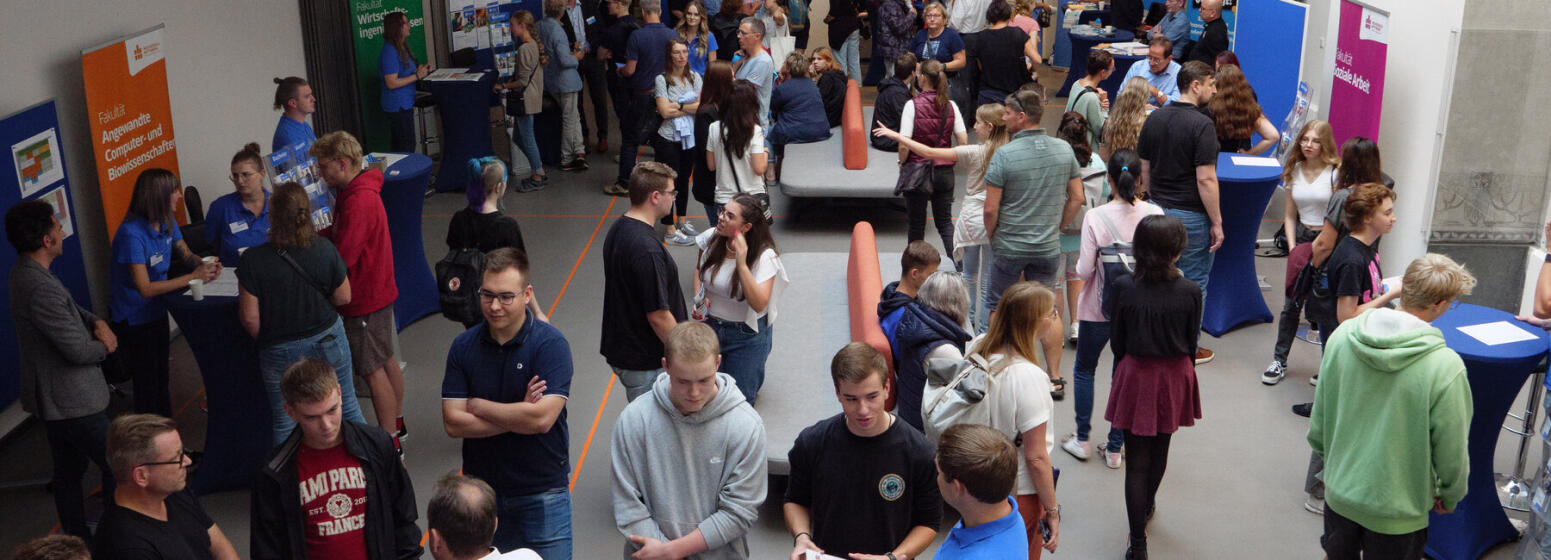
Application and Admission
Applicants must hold a general university entrance qualification, a university of applied sciences entrance qualification, a subject-specific university entrance qualification or an equivalent recognised qualification. Applicants who have completed vocational training and have at least three years’ professional experience may also be admitted following a consultation and a successful entrance examination.
Language skills:
Anyone who did not obtain their university entrance qualification at a German-speaking institution must demonstrate German language proficiency at level C1 of the Common European Framework of Reference for Languages. Proof of this can be provided, for example, by passing the ‘German as a Foreign Language’ (TestDaF) test at the Mittweida University Preparatory College with an average score of TDN 3 in all four sections, or by presenting an equivalent certificate.
The application period for the winter semester begins on 15 April and ends on 15 July. You can register online via the HSMW application portal. Once you have submitted all your documents, you can enrol. Once you have enrolled, your place at Mittweida is secured. For international applicants, the application deadline is 15 May, to allow sufficient time to apply for a visa.
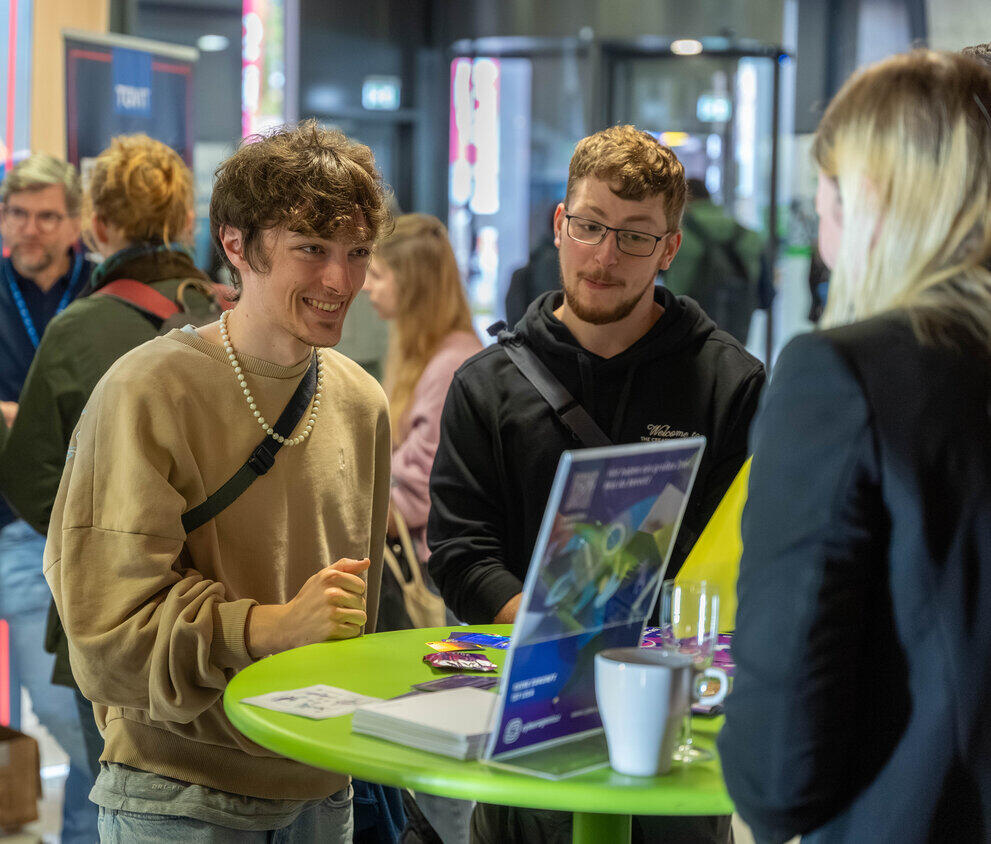
We’ve got you covered! Excellent study conditions, modern facilities and affordable rent allow you to focus fully on your studies. Tutorials are on hand to help with academic queries, the SAXEED start-up network supports you on your journey to developing your own business idea, and the Social Support Service offers assistance with specific life situations, such as childcare or caring for relatives. The campus also has plenty to offer: two music festivals a year, an active esports team and a vibrant student community. Discover just how diverse life in Mittweida is – at the Open Day or the Night of Science.



Related degree programmes


Frequently Asked Questions
You don’t need to be a qualified engineer or economist to start the degree, as the fundamentals of physics, engineering and economics are taught systematically from the very beginning. A general interest in scientific concepts and the motivation to familiarise yourself with various specialist disciplines are far more important than in-depth prior knowledge gained at school.
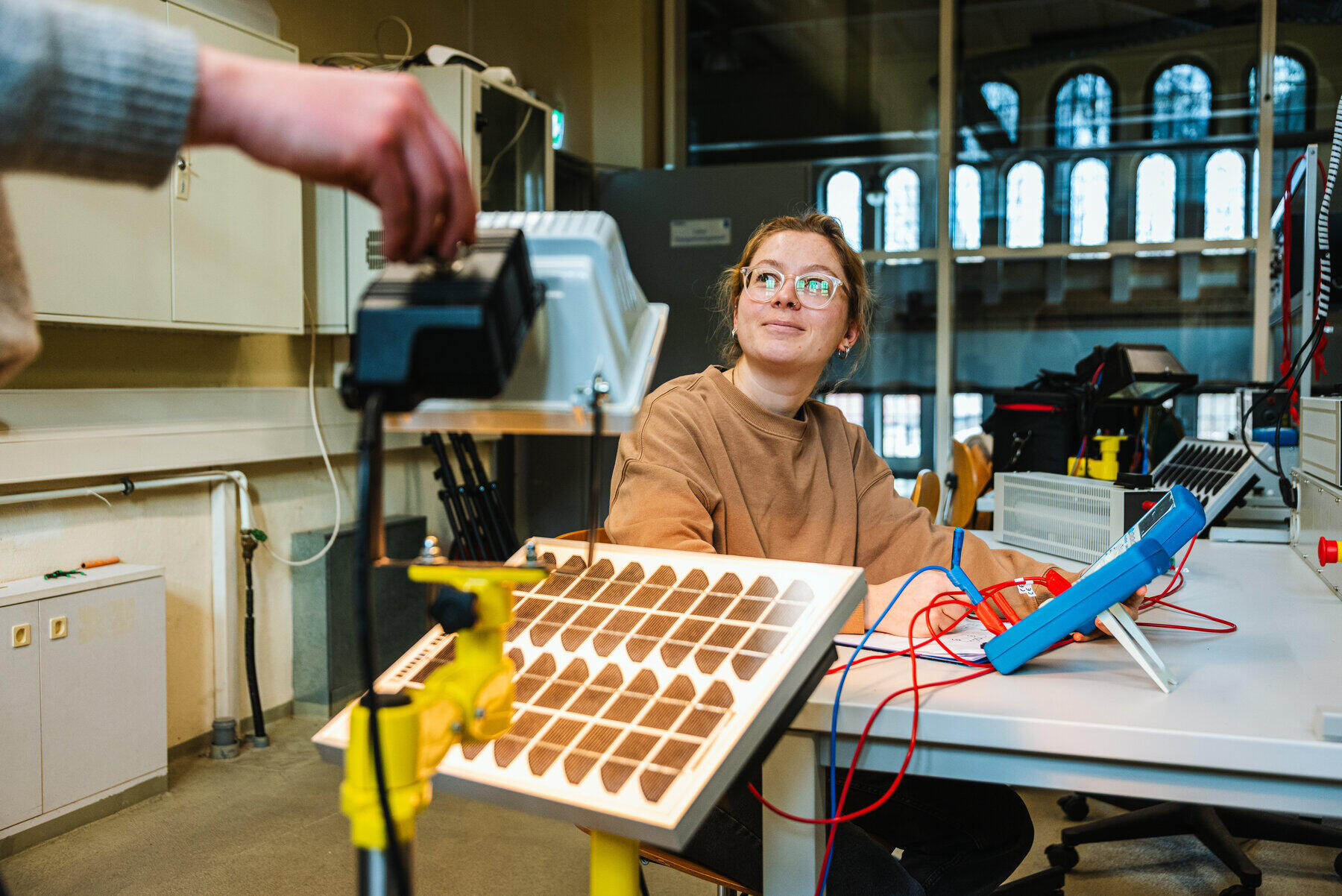
Yes, laboratory work is an integral part of the degree programme, so that your knowledge of technical processes and environmental analyses isn’t limited to theory from textbooks. In modern laboratories, you’ll gain practical experience in investigating material cycles or the efficiency of energy technologies, which will give you a deep understanding of the technical realities behind management decisions.
There are no school-style holidays during your degree. Instead, there are lecture-free periods. During these, you can study, write assignments, undertake work placements – and treat yourself to a bit of a break now and then.
In the 2026/2027 winter term, in addition to public holidays, the following periods are lecture- and exam-free:
- 21 December to 3 January,
- from 22 February. Exception: The Faculty of Social Sciences begins its lecture-free period on 29 February.
In the 2027 summer term, with lectures starting on 22 March, the dates are:
- 25 March to 2 April,
- 7 May,
- 17 May,
- from 2 August. The Faculty of Social Sciences will also hold an examination week from 23 to 27 August.
As energy issues are always linked to questions of global power, current geopolitical developments and international climate change agreements are incorporated directly into the lectures. You’ll learn, with your finger on the pulse of current events, how political conflicts or global agreements affect energy prices, security of supply and companies’ sustainability strategies.
The choice depends on where you want to have the greatest impact later on: Business Administration is perfect for pure strategists and managers; Biotechnology is ideal for research-minded lab types; and Energy and Environmental Management is for anyone who wants to shape the energy transition at the very intersection of technology and business. So if you want to understand complex energy systems whilst also learning how to manage them sustainably and profitably, this is the right place for you.