This page was translated automatically using artificial intelligence (DeepL). The German version is binding. More information about automatic translation
Facts and figures
Sustainability in macroeconomic cycles
As an extra occupational Master’s programme, ‘Sustainability in macroeconomic cycles’ is designed to enable you to integrate your knowledge directly into your day-to-day work. The three face-to-face sessions per module always take place on Friday afternoons and Saturdays. In addition, you’ll absorb new knowledge through online modules and self-study, which you can then apply in your workplace. Each module comprises 24 hours of face-to-face teaching (including the exam), 45 hours of e-learning and approximately 56 hours in total.
At the same time, you’ll benefit from exchanging ideas with fellow students from a range of sectors – from manufacturing and services to public sector organisations – thereby gaining new perspectives on sustainable business practices.
In addition, you can obtain certificates from TÜV Rheinland (Quality Management Officer, Environmental Management Officer, Energy Management Systems, Project Management in Practice), thereby specifically enhancing your professional profile.
An overview of the course content
During your degree, you will combine environmental, economic and social perspectives to develop a holistic understanding of sustainability. You will explore sustainable business development, learn about methods, tools and strategies, and work on applying these to specific business challenges.
The focus is not on abstract models, but on practical solutions: from quality and environmental management, through sustainable business processes, to strategic corporate decision-making. Through a range of optional modules, you can tailor your degree programme specifically to your career requirements and further develop your specialist expertise.
Fundamentals of Sustainability
Environmental Management
Innovation Management
Corporate Sustainability
Optional: Fundamentals of Business Administration
Business Administration Assessment of Circular Processes
Human Resource Management
Quality management
Project Management for Circular Processes
Optional: Project-based academic work (module to make up for missing credits if you have fewer than 210 ECTS at the start of your degree)
Process Management
Compulsory elective modules (3 out of 7):
- The Digital Economy in Practice
- Sustainable Supply Chain Management
- Environmental and Energy Law
- Resource-Efficient Production: Energy, Raw Materials and Materials
- Circular Economy and Recycling
- Specialist Project
- Energy Management
Optional: Academic Writing
Master's thesis


Sustainability in macroeconomic cycles in Mittweida
In summary – Sustainability in macroeconomic cycles in Mittweida

Extra occupational Master’s programme in Business Administration Environmental Management and Process-Oriented Quality Management

(90 Credits)





Semester fee 61€

Upon completion of the programme, you will be qualified for challenging roles in the field of sustainable corporate development. Typical positions include sustainability manager, CSR officer, project manager for transformation processes, consultant for sustainable business models, or specialist in quality, environmental and energy management systems. Many graduates progress within their organisations, taking on new areas of responsibility or making a deliberate move into roles that strategically embed sustainability. Precisely because you are combining your studies with work, this career move often takes place not just after graduation, but whilst you are still studying.
Application and Admission
Admission to the programme is open to those who can demonstrate that they hold a first professional higher education qualification in engineering, economics, media studies or the social sciences, or a qualification recognised as equivalent by a competent state authority. Admission is granted to those who have earned at least 210 ECTS credits in their previous studies – although applicants who have earned fewer credits may acquire 30 credit points in the module ‘Project-Oriented Academic Work’ as part of the programme.
Those interested in furthering their education but who do not wish to complete a full degree programme may attend individual modules as guest students. Similarly, anyone interested who does not hold a first university degree may enrol on all modules (with the exception of the module for the Master’s thesis). Those interested in sustainability who enrol on individual modules will receive either a university certificate (with a module examination) or a certificate of attendance (without a module examination).
The application period for the winter semester begins on 15 April and ends on 15 July. To start your studies in the summer semester, you can apply from 15 October to 15 January. You can register at hs-mittweida.de/bewerben and select the Industrial Management degree programme. Once you have submitted all your documents, you can enrol. Once you have enrolled, your place at Mittweida is secured. For international applicants, the application deadline is 15 May, to allow sufficient time to apply for a visa.
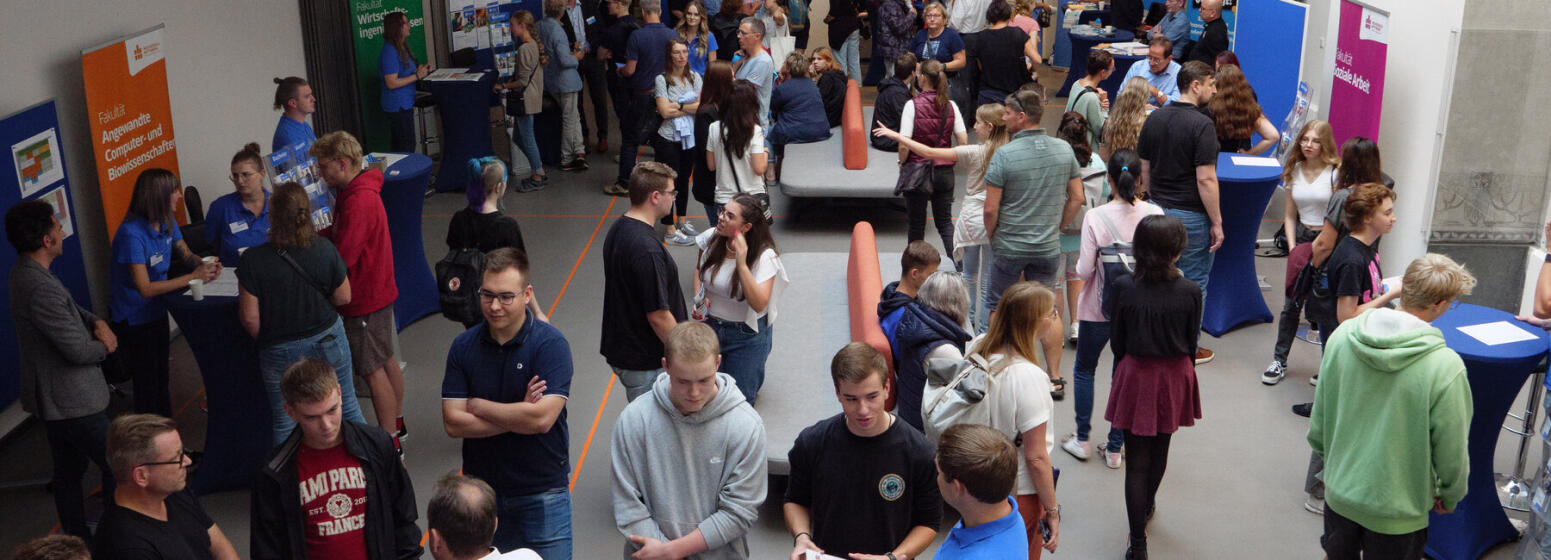
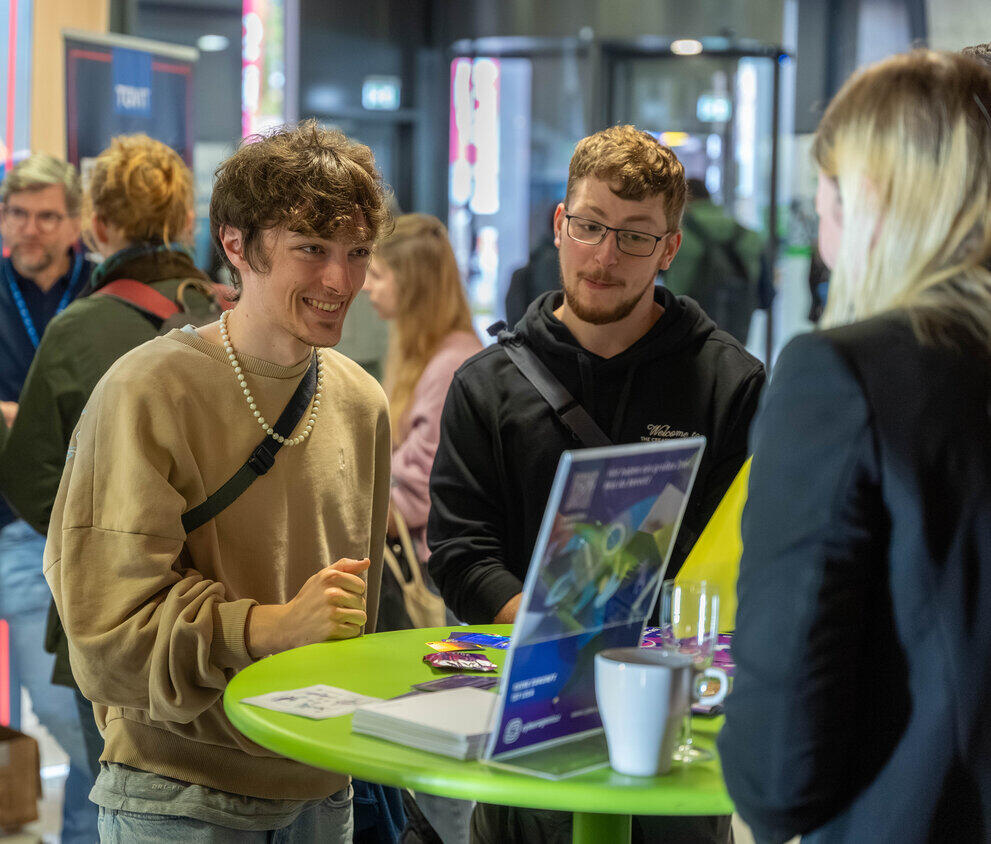
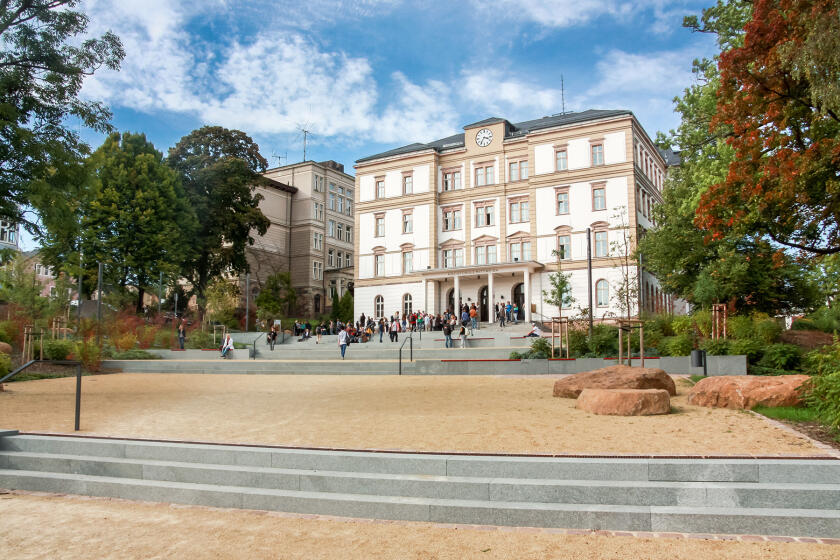
Excellent study conditions, modern facilities and affordable rent allow you to focus fully on your studies. Tutorials are on hand to help with academic queries, the SAXEED start-up network guides you through the process of developing your own business idea, and the Social Support Service offers assistance with specific life situations, such as childcare or caring for relatives. The campus also has plenty to offer: two music festivals a year, an active esports team and a vibrant student community. Discover just how diverse life in Mittweida is – at the Open Campus Day (Studieninformationstag) or the Night of Sciences (Night of Sciences).


Related degree programmes
Industrial Management (M.Sc.)
Frequently Asked Questions
Commuting is the norm here. As this is an extra occupational degree programme, the periods of on-campus study are highly condensed (e.g. into block weekends or compact modules). It is therefore not necessary to move to Mittweida.
Because piecemeal climate action is no longer enough. This degree programme goes far beyond simply reducing CO₂ emissions: you’ll learn to think in terms of genuine circular cycles (the circular economy) – from raw material extraction through sustainable product design to recycling. You’ll gain an understanding of the economic, legal and technical levers needed to transform entire value chains to make them fit for the future.
Whilst a traditional full-time degree programme with regular on-campus sessions during the week allows you to complete your degree more quickly, the extra occupational programme offers a flexible mix of e-learning, self-study and a few concentrated on-campus days, enabling you to balance your studies with your job as effectively as possible.
This Master’s programme is ideal if you’ve noticed in your job that sustainability is becoming an increasingly pressing issue in your department, but you lack the in-depth, systemic expertise. It’s the perfect career move to position yourself as a sought-after leader for the green transition within companies or local authorities.
The university plans the on-campus days well in advance, so that you can coordinate them perfectly with your employer. However, thanks to the modular system, you have a degree of flexibility in how many modules you complete each semester, allowing you to adjust your pace of study to suit periods when your workload is particularly heavy.