This page was translated automatically using artificial intelligence (DeepL). The German version is binding. More information about automatic translation
Facts and figures

Genomic Biotechnology
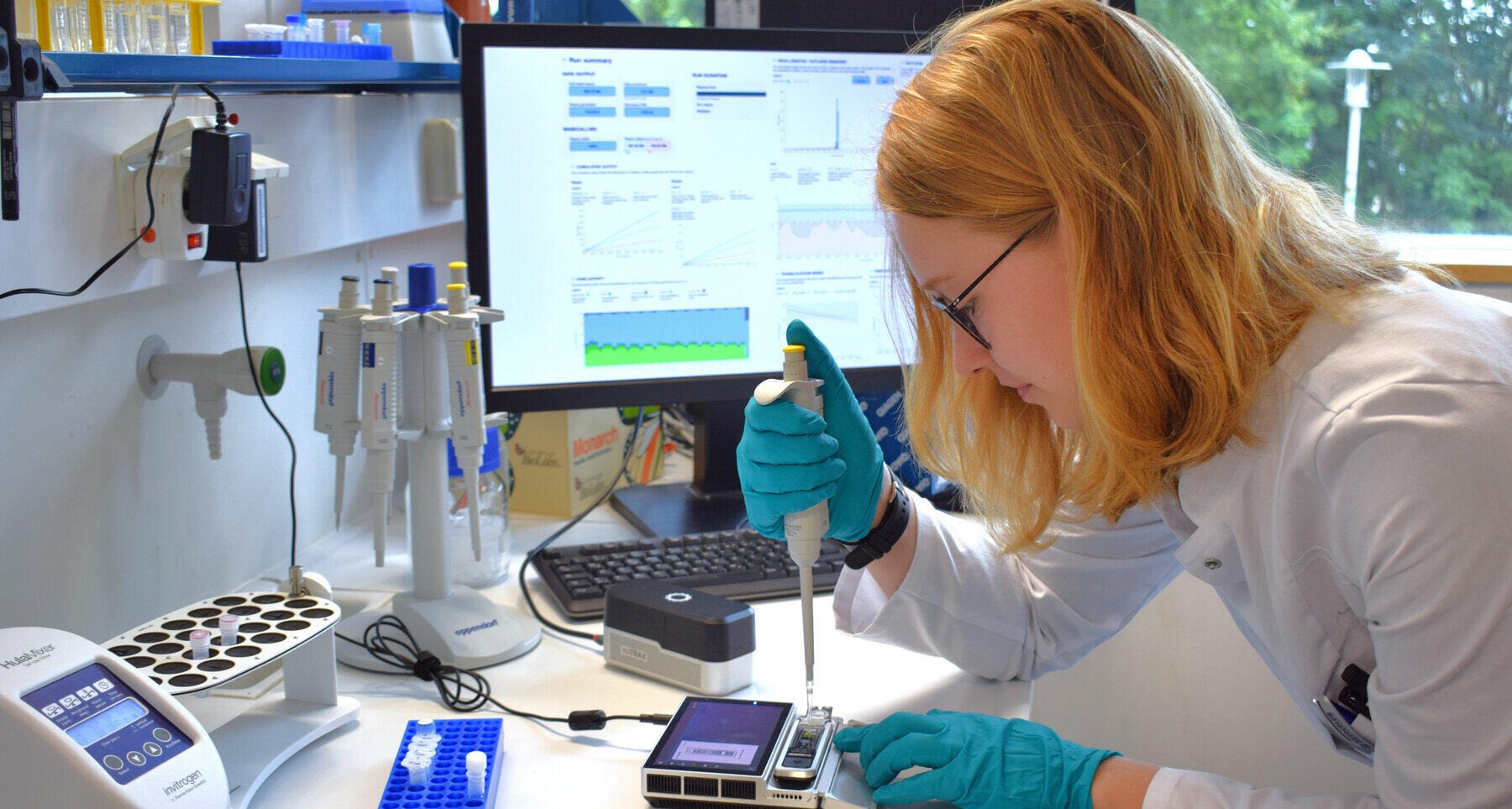
Why Mittweida? Because here you won’t get lost in anonymous mass lectures, but will have direct access to state-of-the-art sequencing technologies. Whilst others are still discussing theory, you’ll be analysing complex biological data and designing synthetic genetic circuits in the faculty’s laboratories. What makes it special is its interdisciplinary nature: you’ll combine classical molecular biology with machine learning and nanobiotechnology. In this way, you’ll become the link between the wet lab and the dry lab, where the pipette meets the algorithm.
Genomic Biotechnology: What sets the Master’s programme in Mittweida apart
An overview of the course content
During the first two semesters, you’ll develop a highly sought-after specialist profile. You’ll deepen your knowledge of molecular biology and bio-data processing, whilst at the same time learning to navigate the legal and business challenges of genetic engineering. You’ll decide for yourself whether to specialise further in environmental metagenomics, nanobiotechnology or machine learning.
The third semester is crucial: you’ll devote a full half-year exclusively to your own research module. This intensive practical phase, whether in the laboratory or with industry partners, serves as your springboard into independent research and prepares you perfectly for your Master’s thesis.
Genomic Biotechnology I
Molecular Biology
Biodata processing
Genetic engineering and genetic engineering law
Technology Transfer and Start-up Strategies
Elective module (1 out of 2):
- Bioinformatics
- General Studies (Studium Generale) (2 out of 3)
Genomic Biotechnology II
Nanobiotechnology
Synthetic Biology
Catalysis
Environmental Metagenomics
Elective module (1 out of 4):
- Bio-data visualisation
- Molecular and Cellular Biophysics
- Environmental Chemistry
- Machine learning
Research
module duration: 24 weeks
- Research placement
- Research seminar
Master's thesis
Genomic Biotechnology in Mittweida
In summary – Genomic Biotechnology in Mittweida

Full-time Master’s programme in Molecular Genomics and Digital Bio-data Processing

(120 Credits)






Once you’ve completed your Master’s degree, you’ll be one of the few specialists capable of both working in the laboratory and operating complex bioinformatics pipelines. You could work as a genome data scientist in pharmaceutical research, as a laboratory manager in biotech companies, or as an expert in personalised medicine in hospitals. Careers as a technical consultant for biosafety authorities, an R&D specialist in synthetic biology, or even starting your own business are also open to you.
Application and Admission
Applicants must hold a first professional university degree in a life science such as biology, Biotechnology, bioinformatics or related disciplines, comprising 180 ECTS credits (Bachelor’s degree). Evidence of proficiency in molecular biology or biochemistry laboratory techniques must be provided; for example, through at least two relevant module qualifications that include laboratory practicals. In addition, evidence of a final dissertation with a focus on molecular biology or biochemistry must be provided.
Language proficiency:
Applicants who did not obtain their university entrance qualification through the German Abitur, including a basic English course with an average mark of 2, must demonstrate English language proficiency at level C1 of the Common European Framework of Reference for Languages. Proof may be provided, for example, by a TOEFL test (iBT or iBT Home Edition) with a score of at least 76 points, the Duolingo English Test with a score of at least 110 points, or an equivalent certificate.
The application period for the winter semester begins on 15 April and ends on 15 July. You can register at hs-mittweida.de/bewerben. Once you have submitted all your documents, you can enrol. Once you have enrolled, your place at Mittweida is secured. For international applicants, the application deadline is 15 May, to allow sufficient time to apply for a visa.
Excellent study conditions, modern facilities and some of the most affordable rent prices in Germany for a university town mean you can focus fully on your studies. Tutorials are on hand to help with subject-specific queries, the SAXEED start-up network guides you on your journey towards developing your own business idea, and the Social Support Service provides assistance with specific life situations, such as childcare or caring for relatives. The campus also has plenty to offer: two music festivals a year, an active esports team and a vibrant student community. International students, for example, are closely connected through the Cosmopolitan Club.


Related degree programmes
Physical Engineering (M.Sc.)
Biotechnology (B.Sc.)
Industrial Management (M.Sc.)

Business Administration (M.A.)
Frequently Asked Questions
Moving to Mittweida is strongly recommended for this degree programme. Biotechnology experiments and cell cultures rarely adhere to strict timetables – flexible laboratory sessions lasting several days are often necessary, which are difficult to reconcile with long commutes.
There are no school-style holidays during your degree. Instead, there are lecture-free periods. During these, you can study, write assignments, undertake work placements – and treat yourself to a bit of a break now and then.
In the 2026/2027 winter term, in addition to public holidays, the following periods are lecture- and exam-free:
- 21 December to 3 January,
- from 22 February. Exception: The Faculty of Social Sciences begins its lecture-free period on 29 February.
In the 2027 summer term, with lectures starting on 22 March, the dates are:
- 25 March to 2 April,
- 7 May,
- 17 May,
- from 2 August. The Faculty of Social Sciences will also hold an examination week from 23 to 27 August.
In the life sciences and Biotechnology, a Master’s degree is the standard qualification. If you want to lead research projects independently, work in the pharmaceutical industry’s R&D sector or go on to do a PhD, a Master’s degree is essential.
Your individuality is shaped above all by your choice of research projects and your Master’s thesis. Here, you can decide for yourself whether you wish to specialise further in molecular biology laboratory work, biomedical research or data-intensive bioinformatics.
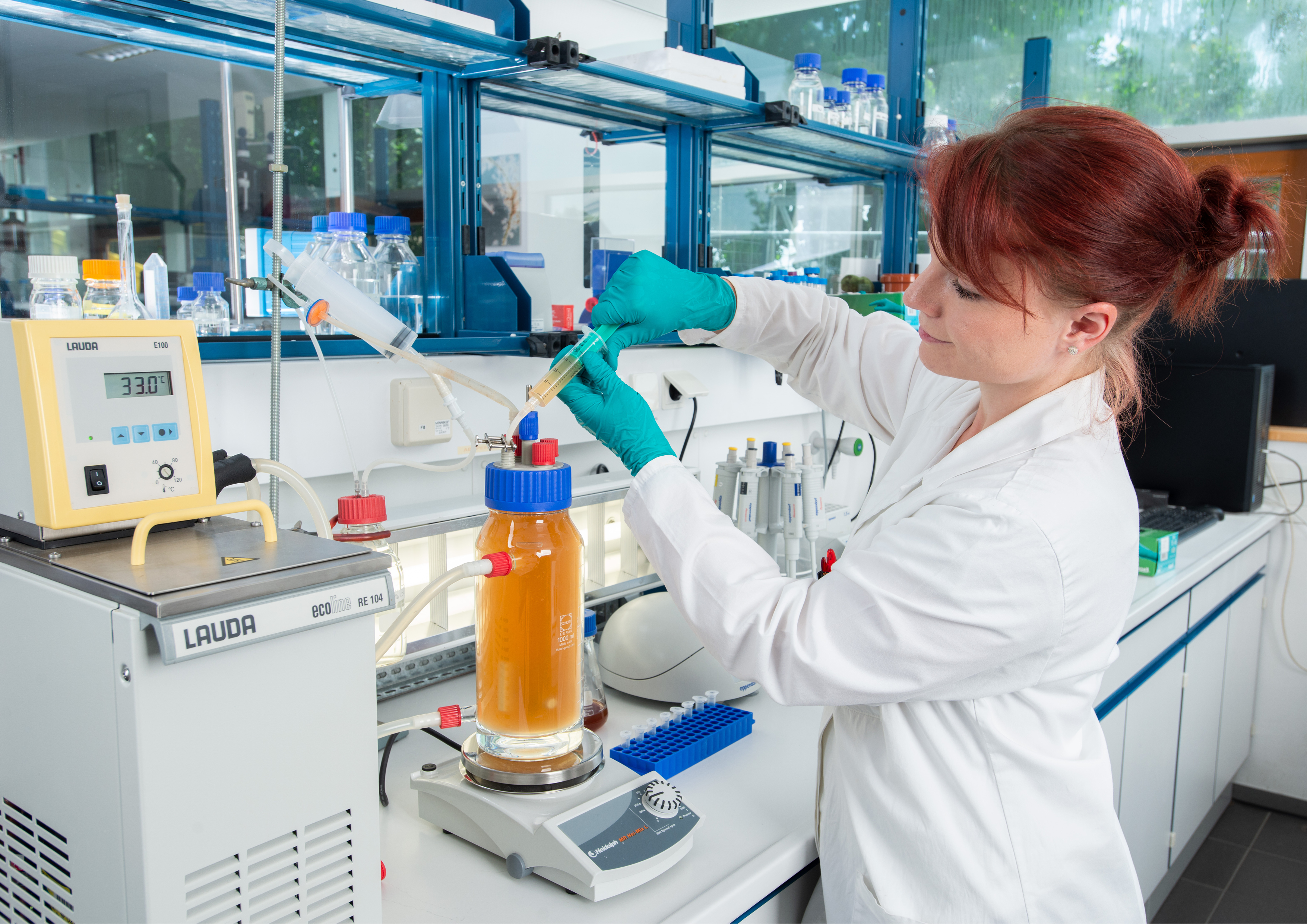
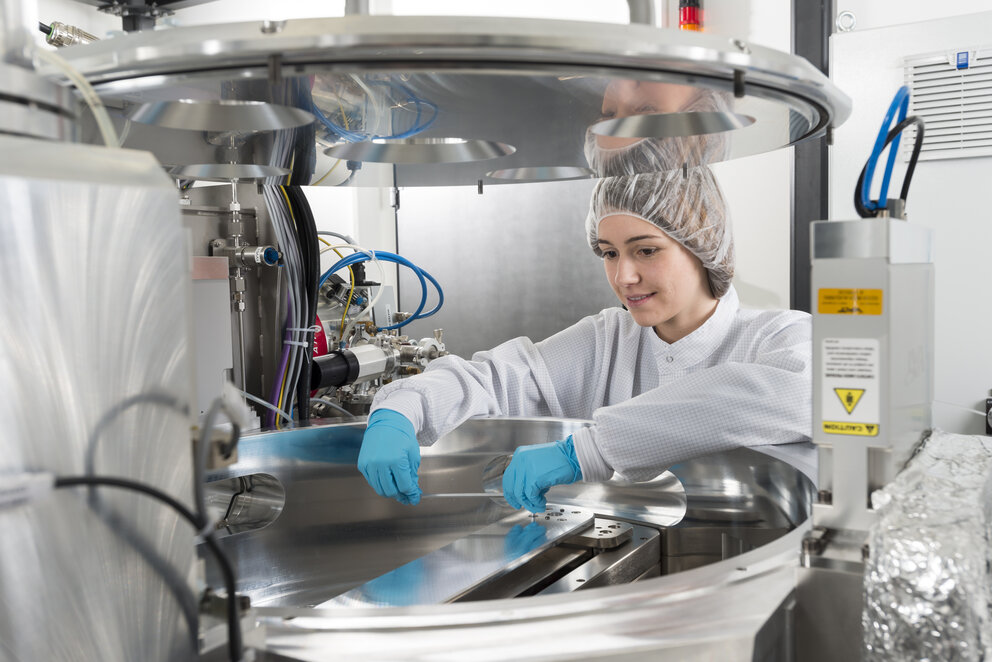
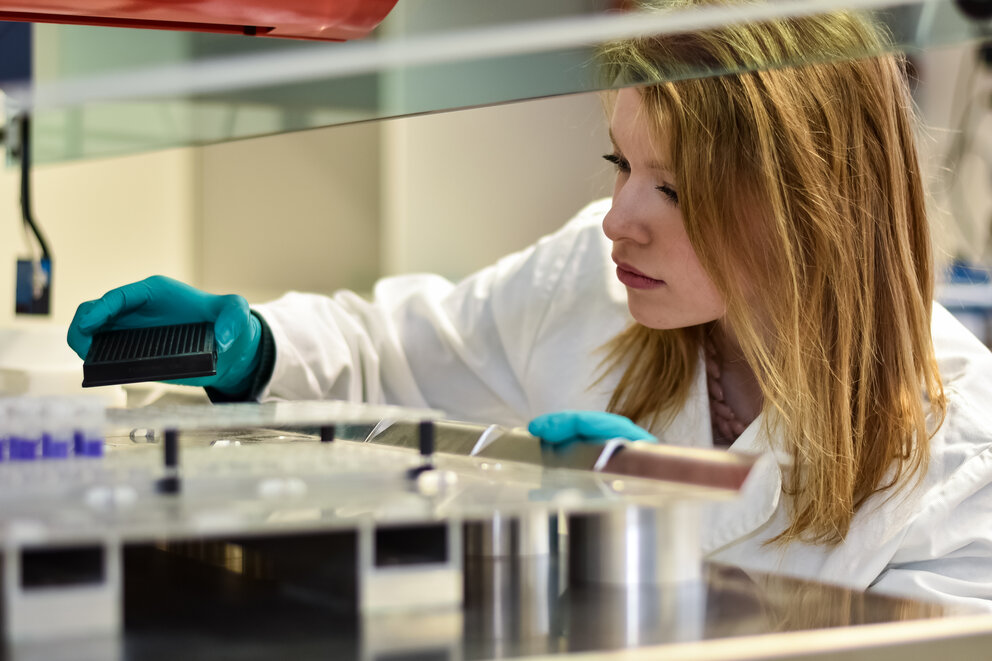
The laboratory facilities in Mittweida are state-of-the-art. You will have access to the very latest equipment for next-generation sequencing (NGS), highly advanced PCR systems and cutting-edge bioinformatics analysis tools, all of which are directly in line with current industry practice.
Although the Master’s programme covers the theoretical foundations of genomics and systems biology in depth, the practical approach takes precedence at HSMW. The theory is applied directly in extensive laboratory sessions – so you’ll spend a considerable part of your time studying right at the lab bench and working with the measuring equipment.