This page was translated automatically using artificial intelligence (DeepL). The German version is binding. More information about automatic translation
Facts and figures

Biotechnology
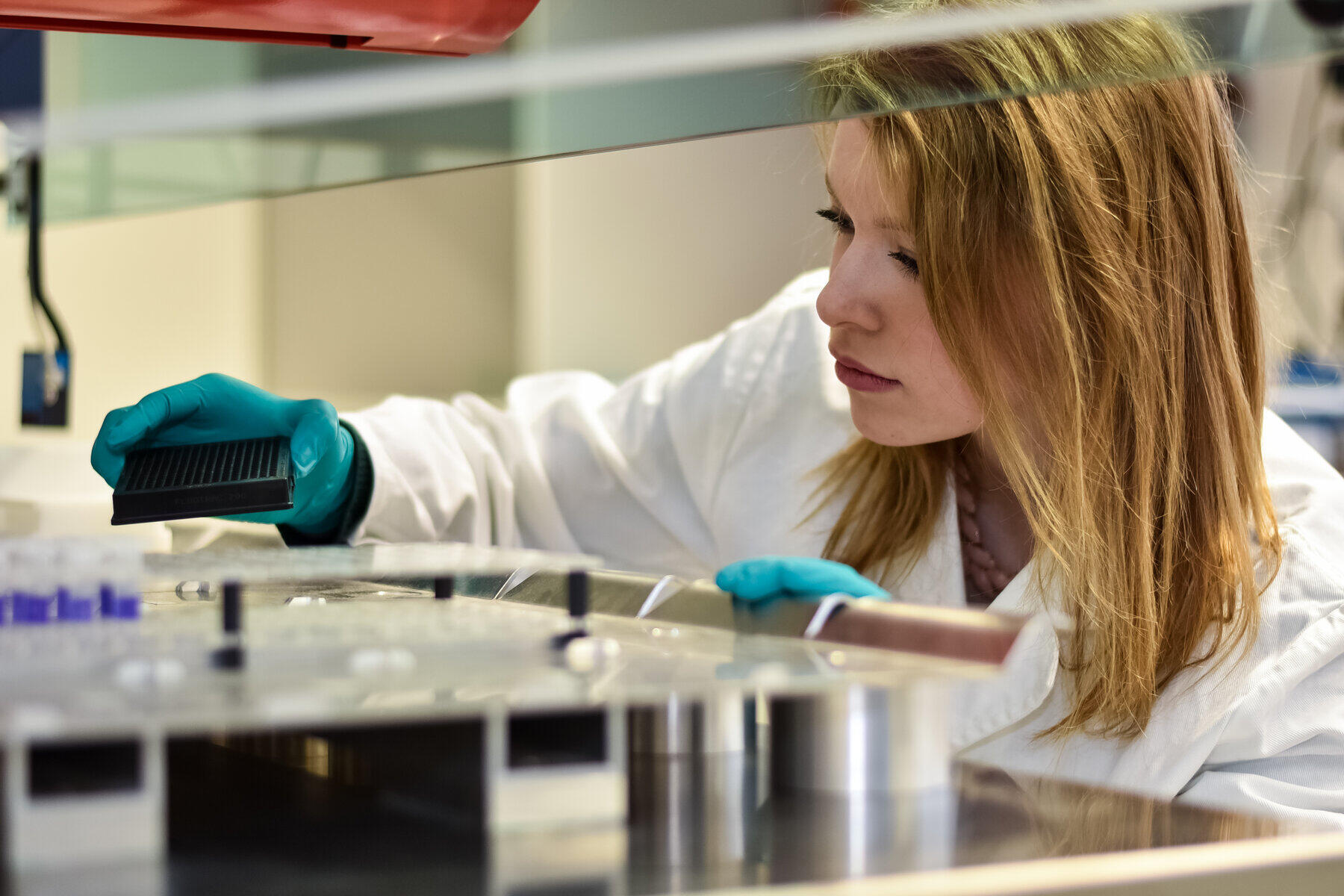
Biotechnology in Mittweida stands for sound scientific knowledge, hands-on laboratory experience and a learning environment where you’re not just a number. Here, you’ll be specifically prepared to understand biological processes, implement them technically and apply them responsibly. If you want to do more than just study Biotechnology – if you want to master it – you’ll find the right conditions in Mittweida. You’ll regularly work in state-of-the-art laboratories and put theoretical knowledge directly into practice through experiments. Practical sessions and laboratory exercises take place in small groups, enabling close supervision and intensive work. Lecturers provide personalised guidance, support you with methodological questions and encourage independent scientific thinking.
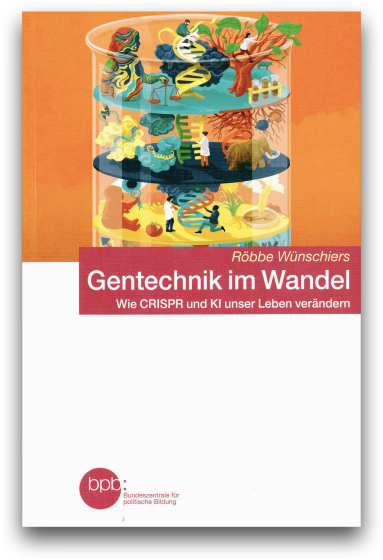
Professor Wünschiers’ research in Mittweida
An overview of the course content
During your degree, you will gradually build up a solid foundation in the natural sciences. Mathematics, chemistry, physics and biology form the basis on which you will be able to analyse complex biotechnological processes with confidence.
Building on this, you will study microbiology, biochemistry, molecular biology and biotechnological process engineering in depth. You will learn how biological systems function, how they are investigated experimentally and how laboratory processes give rise to technically useful applications.
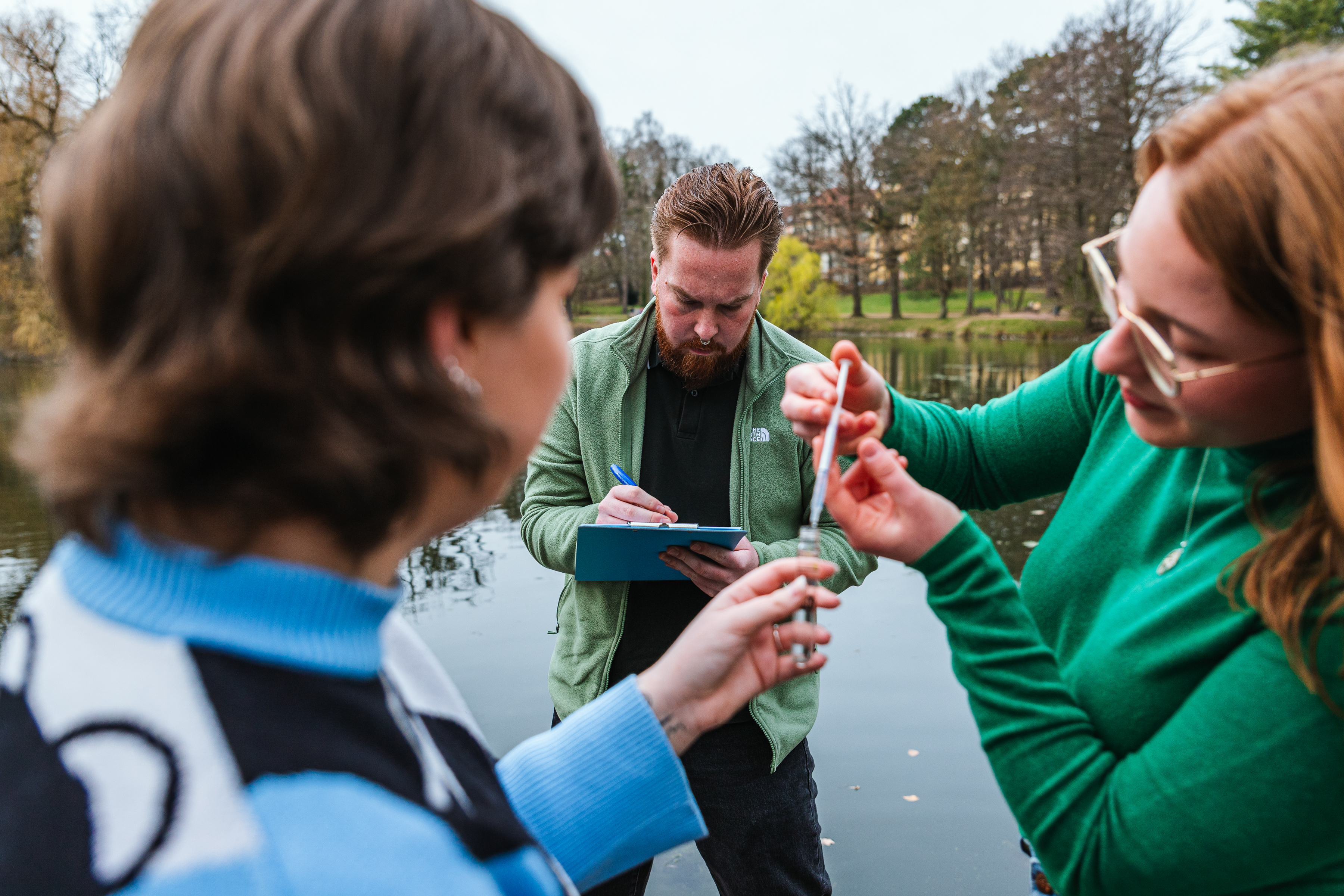
As the programme progresses, you will set your own priorities by choosing to specialise in Molecular Diagnostics or Environmental biotechnology, and you will deepen your knowledge specifically in the areas of medical, industrial or ecological applications.
Biotechnology
General/Inorganic Chemistry
Fundamentals of Biology/Microbiology
Sequence-based bioinformatics
Mathematics
Genetics/Molecular Biology
Organic Chemistry
Fundamentals of Biology/Microbiology
Structure-based bioinformatics
Scientific English
Mathematics: Statistics/Stochastics
Physical Chemistry
Biochemistry
Methods of Molecular Biotechnology
Analytical Chemistry
Fundamentals of Physics
Specialisation module:
- In the specialisation in Molecular Diagnostics:
Molecular Cell Biology - In the specialisation in Environmental biotechnology:
Environmental biotechnology
Methods of Molecular Biotechnology
Bioprocess Engineering
Applied Bioinformatics
Scientific Presentation
Specialisation modules:
- In the Molecular Diagnostics specialisation:
Algal & Plant
Biotechnology, Cell Culture Techniques
, Elective module (1 out of 6): Introduction to Biodata Sciences, Environmental Law, Environmental Engineering I, General Studies (Studium Generale), Physical Chemistry II, Skills Development - In the specialisation in Environmental biotechnology:
Environmental Engineering I
, Environmental Law
; Elective module (1 out of 6): Introduction to Biodata Sciences, Cell Culture Techniques, Algal and Plant Biotechnology, General Studies (Studium Generale), Physical Chemistry II, Skills Development I
Bioethics
Research project
Specialisation modules:
- In the specialisation in Molecular Diagnostics
, Molecular and Cellular Biomedicine
, and Applied Biotechnology
, elective modules (2 out of 6): Environmental biotechnology, Ecotoxicology, Environmental Engineering II, Biophotonics I, Chemo-/Biosensor Technology, Skills Development II - In the specialisation in Environmental biotechnology
, Environmental Engineering II
and Ecotoxicology
, elective modules (2 out of 6): Molecular Cell Biology, Applied Biotechnology, Molecular and Cellular Biomedicine, Biophotonics I, Chemo-/Biosensor Technology, Skills Development II
Practical module
: Independent scientific and practical work within a company
Duration: 12 weeks
Bachelor’s
thesis: Final, independent academic thesis
Duration: 12 weeks

Biotechnology in Mittweida


In summary – Biotechnology in Mittweida

Bachelor’s degree programme at the interface between biology and process engineering

(180 Credits)








In Germany alone, there are more than 700 companies operating in the Biotechnology sector. Whether it’s medicines, food, agriculture, cosmetics or detergents – no industry can manage without biotechnologists. After completing your degree, you could, for example, work as a laboratory manager in the fields of diagnostics, genetic and environmental technology or sensor technology; as a researcher in the pharmaceutical, cosmetics, chemical or food industries; or as a project manager in environmental protection.
Application and Admission
Applicants must hold a general university entrance qualification, a university of applied sciences entrance qualification, a subject-specific university entrance qualification or an equivalent recognised qualification. Applicants who have completed vocational training and have at least three years’ professional experience may also be admitted following a consultation and a successful entrance examination.
Language skills:
Anyone who did not obtain their university entrance qualification at a German-speaking institution must demonstrate German language proficiency at level C1 of the Common European Framework of Reference for Languages. Proof of this can be provided, for example, by passing the ‘German as a Foreign Language’ (TestDaF) test at the Mittweida University Preparatory College with an average score of TDN 3 in all four sections, or by presenting an equivalent certificate.
The application period for the winter semester begins on 15 April and ends on 15 July. You can register online via the HSMW application portal. Once you have submitted all your documents, you can enrol. Once you have enrolled, your place at Mittweida is secured. For international applicants, the application deadline is 15 May, to allow sufficient time to apply for a visa.
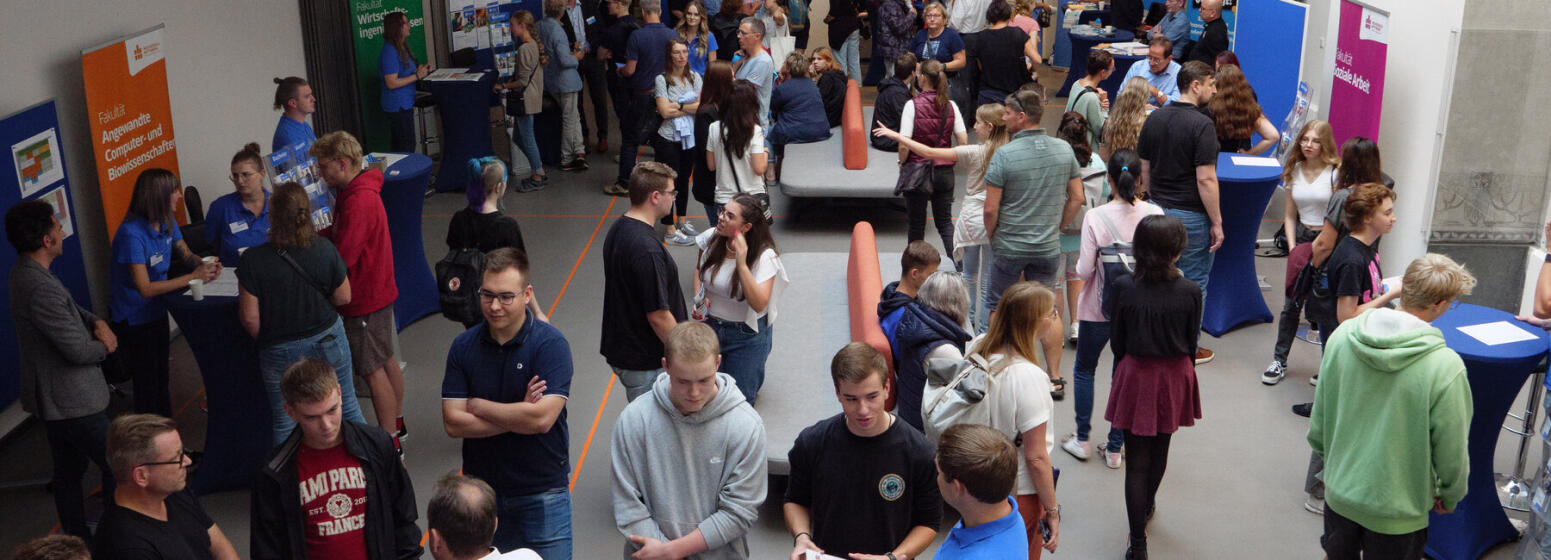
We’ve got you covered! Excellent study conditions, modern facilities and affordable rent allow you to focus fully on your studies. Tutorials are on hand to help with academic queries, the SAXEED start-up network supports you on your journey to developing your own business idea, and the Social Support Service offers assistance with specific life situations, such as childcare or caring for relatives. The campus also has plenty to offer: two music festivals a year, an active esports team and a vibrant student community. Discover just how diverse life in Mittweida is – at the Open Day or the Night of Science.


Related degree programmes
Frequently Asked Questions
During your degree, you can specialise in exciting fields such as Molecular Diagnostics or Environmental biotechnology. We won’t leave you to make this decision on your own: the professors will give you a detailed overview of the various specialisations, and thanks to the close contact you’ll have with staff at the university, you’ll quickly discover through discussion which one best suits your goals.
There are no school-style holidays during your degree. Instead, there are lecture-free periods. During these, you can study, write assignments, undertake work placements – and treat yourself to a bit of a break now and then.
In the 2026/2027 winter term, in addition to public holidays, the following periods are lecture- and exam-free:
- 21 December to 3 January,
- from 22 February. Exception: The Faculty of Social Sciences begins its lecture-free period on 29 February.
In the 2027 summer term, with lectures starting on 22 March, the dates are:
- 25 March to 2 April,
- 7 May,
- 17 May,
- from 2 August. The Faculty of Social Sciences will also hold an examination week from 23 to 27 August.
You don’t need any specific practical experience in this field, but you should have a healthy enthusiasm for maths, biology and chemistry. As we’ll be starting with the basics, what matters most is your affinity for technology and your enthusiasm for experimentation.
Whilst traditional biology primarily researches and describes life, the Biotechnology programme at Mittweida is an applied course in which you learn to harness biological systems specifically for technical solutions. It is therefore less about pure theory and much more about how to use cells or enzymes as tools for industry or medicine.
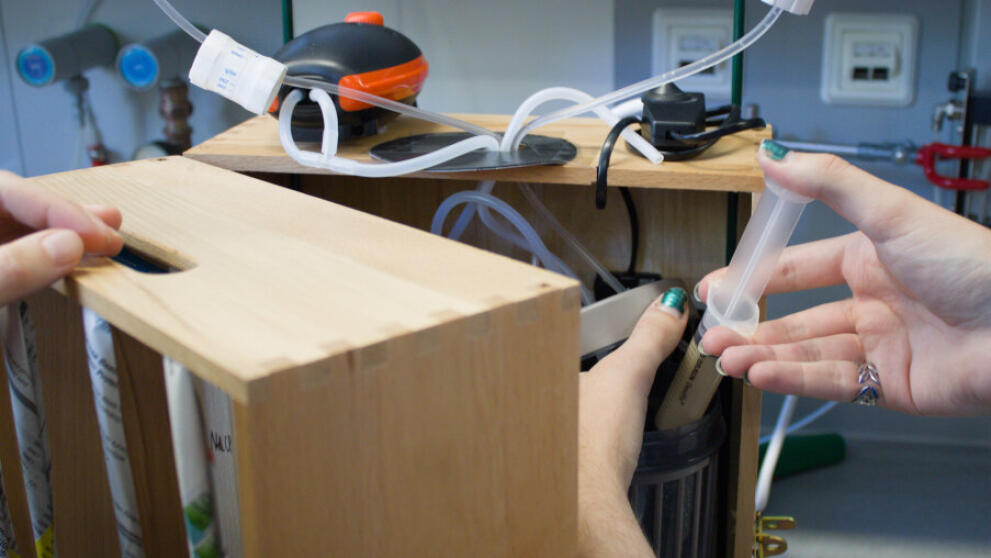
Laboratory work takes place in small groups, so you can get hands-on experience using state-of-the-art equipment rather than just watching. The equipment meets the very highest industry standards, which means you’ll be perfectly prepared for your future working life.
The degree programme is practice-oriented, as you spend a large part of your time working directly in the laboratories and putting theory into practice straight away. In addition, a twelve-week practical module is an integral part of the curriculum, enabling you to gain real-world professional experience whilst you’re still studying.