This page was translated automatically using artificial intelligence (DeepL). The German version is binding. More information about automatic translation
Genetic engineering is no longer just a matter for research laboratories. New genomic techniques are transforming plant breeding, gene therapies are opening up new possibilities in medicine, and the combination of genetic diagnostics and artificial intelligence is raising new social and ethical questions. Decisions on how these technologies should be used and regulated are therefore increasingly becoming the subject of political debate.
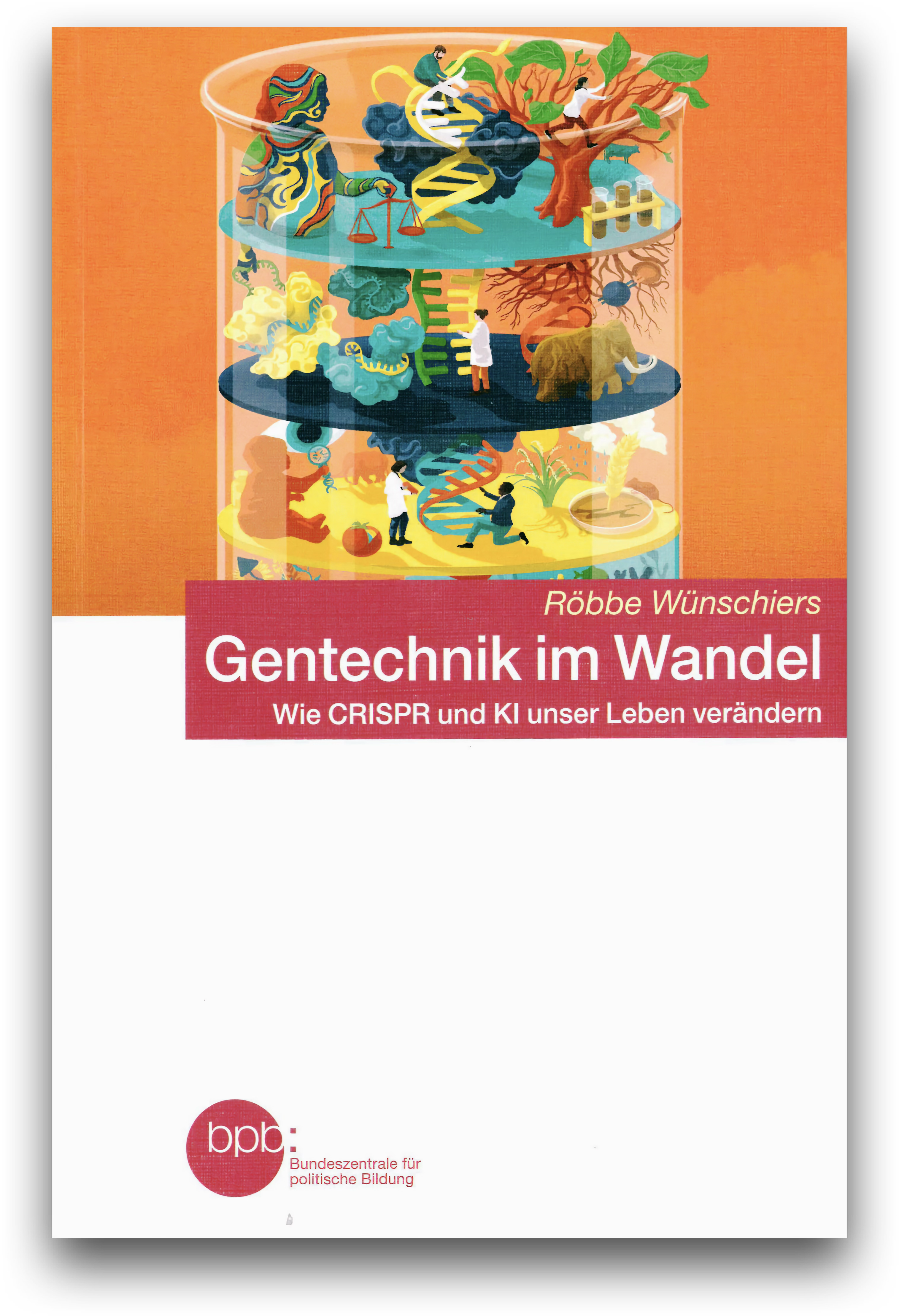
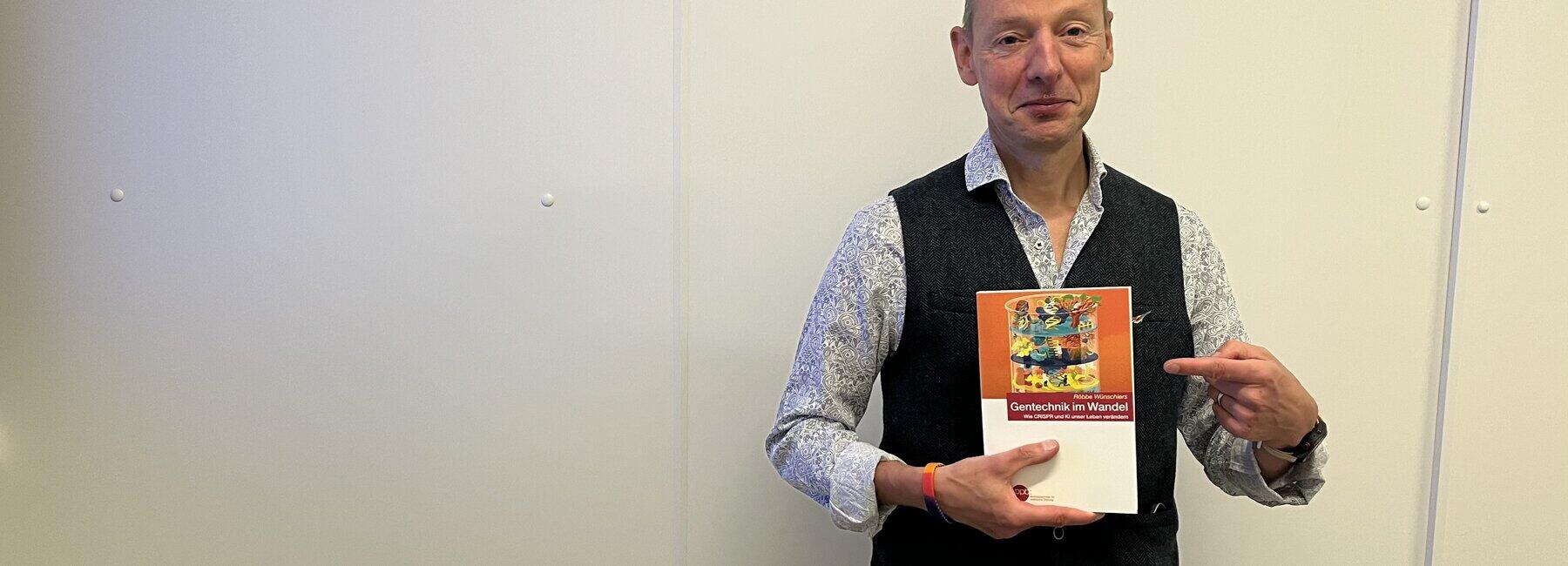
It is precisely at this intersection that the non-fiction book *Gentechnik im Wandel* (*Genetic Engineering in Transition*) by Prof. Dr Röbbe Wünschiers, Professor of Biochemistry and Molecular Biology at Mittweida University of Applied Sciences, comes into its own. The book has now been included in the programme of the Federal Agency for Civic Education.
This is of particular significance, as the Federal Agency for Civic Education has a mandate to promote understanding of political issues and to empower people to engage critically and independently with social questions. Its guiding principles include non-partisanship and scientific balance. The inclusion of a book on modern genetic engineering and its fundamentals thus makes it clear that knowledge of genome editing, genetic diagnostics and gene therapy is increasingly a prerequisite for informed public opinion-forming.
“Genetic engineering is an excellent example of how the formation of political opinion requires a basic understanding of the natural sciences,” says Röbbe Wünschiers. “We don’t all have to become molecular biologists. But anyone who wishes to discuss the use of new genomic techniques and, ultimately, to assess political decisions should understand what these technologies can do – and what they cannot.”
‘Genetic Engineering in Transition’ therefore does not merely cover the fundamentals of classical genetic engineering. A key focus is on new genomic techniques, which include, in particular, genome editing methods using CRISPR/Cas. The book explains how these differ from previous genetic engineering methods and why this distinction plays an important role in the current social and legal debate.
Further chapters deal with modern genetic diagnostics and the increasing integration of genetic data with artificial intelligence methods. This can give rise to new possibilities for diagnostics and personalised therapies. At the same time, questions arise regarding the handling of sensitive genetic data, possible misinterpretations and conceivable forms of misuse.
In doing so, Wünschiers deliberately avoids imposing a particular view of genetic engineering on readers. Rather, the focus is on imparting the knowledge that enables readers to form their own judgements: “My aim is not to impose an opinion, but to provide the knowledge necessary to form one’s own opinion,” says Wünschiers.
The fact that the Federal Agency for Civic Education is now making the book accessible to a wide audience also underlines the social importance of science communication that is accessible to the general public. Understanding genetic engineering today is not merely a matter of scientific education – but increasingly also a prerequisite for political judgement. Complex developments in Biotechnology have long since raised issues that are not decided solely within the scientific community. They range from agriculture and food to medicine and data protection, right through to ethical and legal questions.