This page was translated automatically using artificial intelligence (DeepL). The German version is binding. More information about automatic translation
Development of an assessment method for biodiversity and the vitality of pollinators in agricultural land
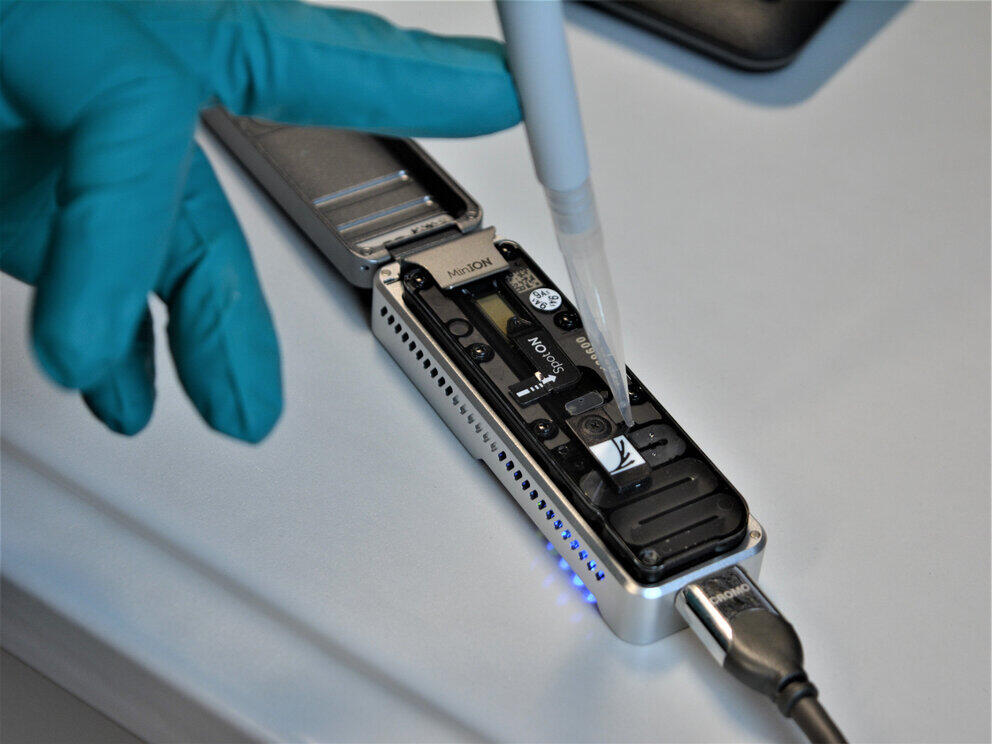
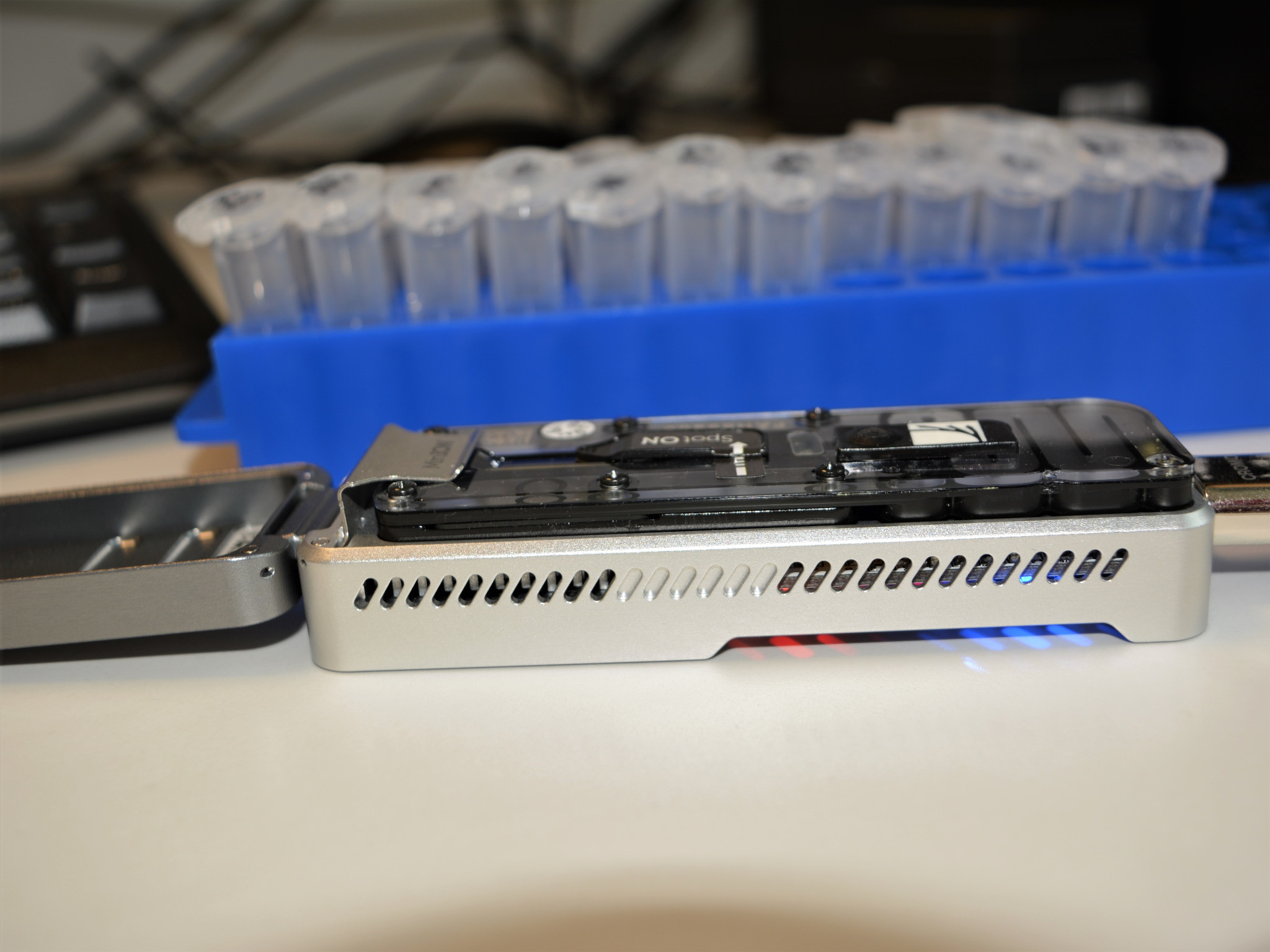
Around 70 per cent of the world’s cultivated crops benefit from pollinators. However, bees, like other animals, are threatened by agricultural stressors. Detailed knowledge of foraging behaviour in various landscape scenarios is therefore necessary to ensure that pollination by bees, as a vital ecosystem service, can continue to be provided in the future. Carrying out suitable sequencing methods and processing the resulting sequence data in such a way that these methods can not only be evaluated but also yield analysable results is an important step towards establishing sustainable nature conservation. In the longer term, nanopore sequencing is intended to be used primarily for rapid field investigations. This means that samples are collected, processed and sequenced using the MinION in the field, so that results can be obtained quickly and appropriate action taken. As early as 2015, a groundbreaking diagnostic study was carried out in the West African Ebola-affected region of Guinea, in which the Ebola virus was sequenced in real time using the MinION. Consequently, rapid measures could be taken to treat the patients1.
Our contribution
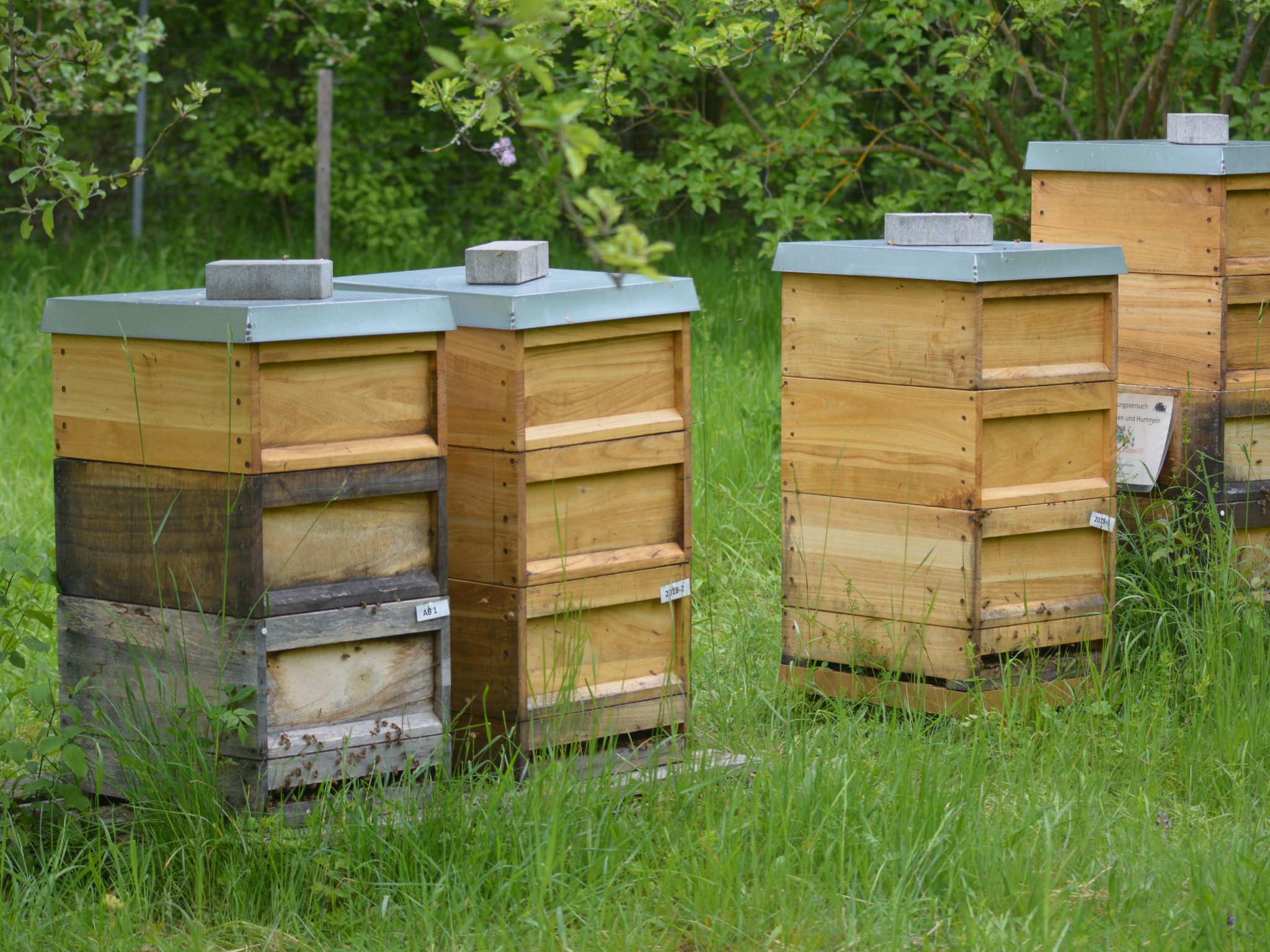
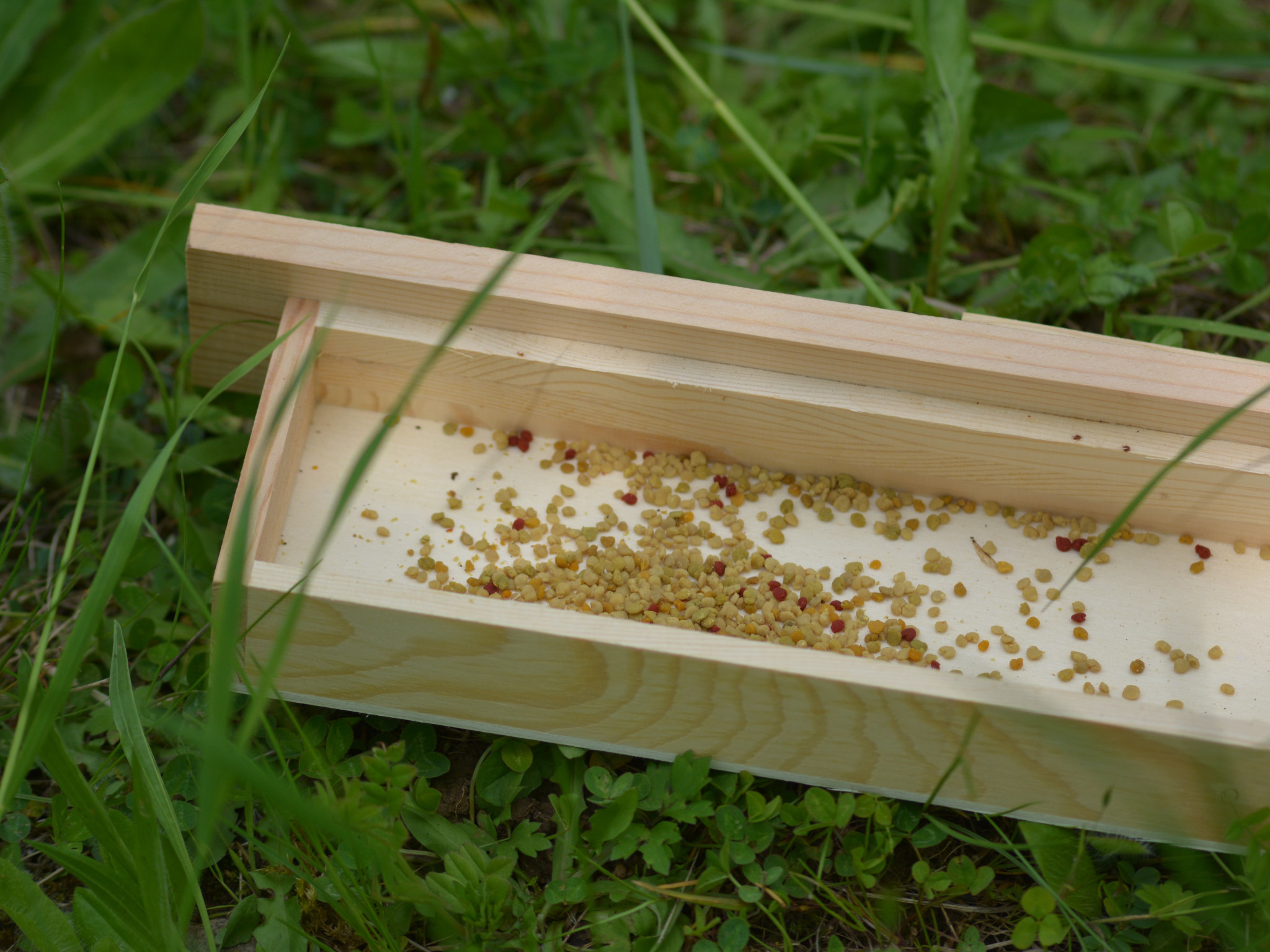
Biomonitoring using environmental DNA analysis is characterised by a particularly animal- and environmentally-friendly approach2. It involves the use of DNA material found in the environment, such as in soil samples, river water or sediment. Pollen adhering to pollinators also contains DNA³. During their foraging flights, bees, for example, develop so-called pollen baskets on their legs, which are stored to feed the brood in their nests or hives⁴. A genetic analysis of the collected pollen DNA allows conclusions to be drawn about foraging behaviour. Depending on the location of the hives, this enables ecological questions to be addressed.
With the establishment of genomic analyses, more precise and insightful conclusions can be drawn regarding biological questions².² Ecologists and agricultural scientists can thus deduce which foraging strategies pollinators adopt, taking into account the geographical location of their hives (fields of mass flowering, pastures, fruit orchards, etc.). This type of biomonitoring therefore does not require any disruptive or even destructive fieldwork.
Results to date
Sections of the genetic material (DNA) from pollen collected by bumblebees and honeybees have already been analysed using two DNA sequencing methods, in collaboration with the Chair of Functional Agroecology at the Georg-August University of Göttingen. In addition to the results obtained using a standard polymerase-based sequencing method, we employed the novel nanopore sequencing technique to analyse pollen DNA⁵. Using a specific section of the pollen’s genetic material, known as the ITS2 region, the plants visited were identified using bioinformatics and the pollen proportions were quantified. This revealed that, under the same site conditions, bumblebees visited a wider range of plants than honeybees. Furthermore, neither species is restricted to mass-flowering crops such as rapeseed – despite the additional effort involved, they always visit other flowering plants as well. This can be cited as a further argument in favour of establishing field margins.
Bioinformatic analyses of the sequence datasets revealed that modern nanopore sequencing is equally suitable for this research, but offers advantages in terms of portability and lower time and cost requirements⁶.
1 Quick, J.; Loman, N. & Duraffour, S. et al. (2016): Real-time, portable genome sequencing for Ebola surveillance. Nature. 530(7589):228–232. doi:10.1038/nature16996
2 Keller, A.; Grimmer, G. & Sickel, W. et al. (2016) DNA metabarcoding – a new perspective on organismic diversity. BioSpektrum. 22: 147. DOI: 10.1007/s12268-016-0669-0
3 Taberlet, P.; Bonin, A. & Zinger, L. et al. (2018): Environmental DNA: For Biodiversity Research and Monitoring. Oxford University Press
4 Jarczok, R. (ed.) (2018) Working with Bees – Beekeeping. Garant Verlag GmbH
5 Leidenfrost, R.M.; Bänsch, S.; Prudnikow, L. et al. (2020) Analysing the Dietary Diary of the Bumblebee. Front Plant Sci 11:1572. DOI: 10.3389/fpls.2020.00287
6 van Dijk, E. L.; Jaszyszyn, Yan; Naquin, Delphine et al. (2018): The Third Revolution in Sequencing Technology. Trends in Genetics. 34(9):666–681. doi: 10.1016/j.tig.2018.05.008
Lisa Prudnikow and Professor Röbbe Wünschiers are conducting research as part of the Mittweida team. The research project is supported by the Saxon State Ministry of Science, Culture and Tourism and the European Social Fund.