This page was translated automatically using artificial intelligence (DeepL). The German version is binding. More information about automatic translation
Facts and figures

General and Digital Forensic Science
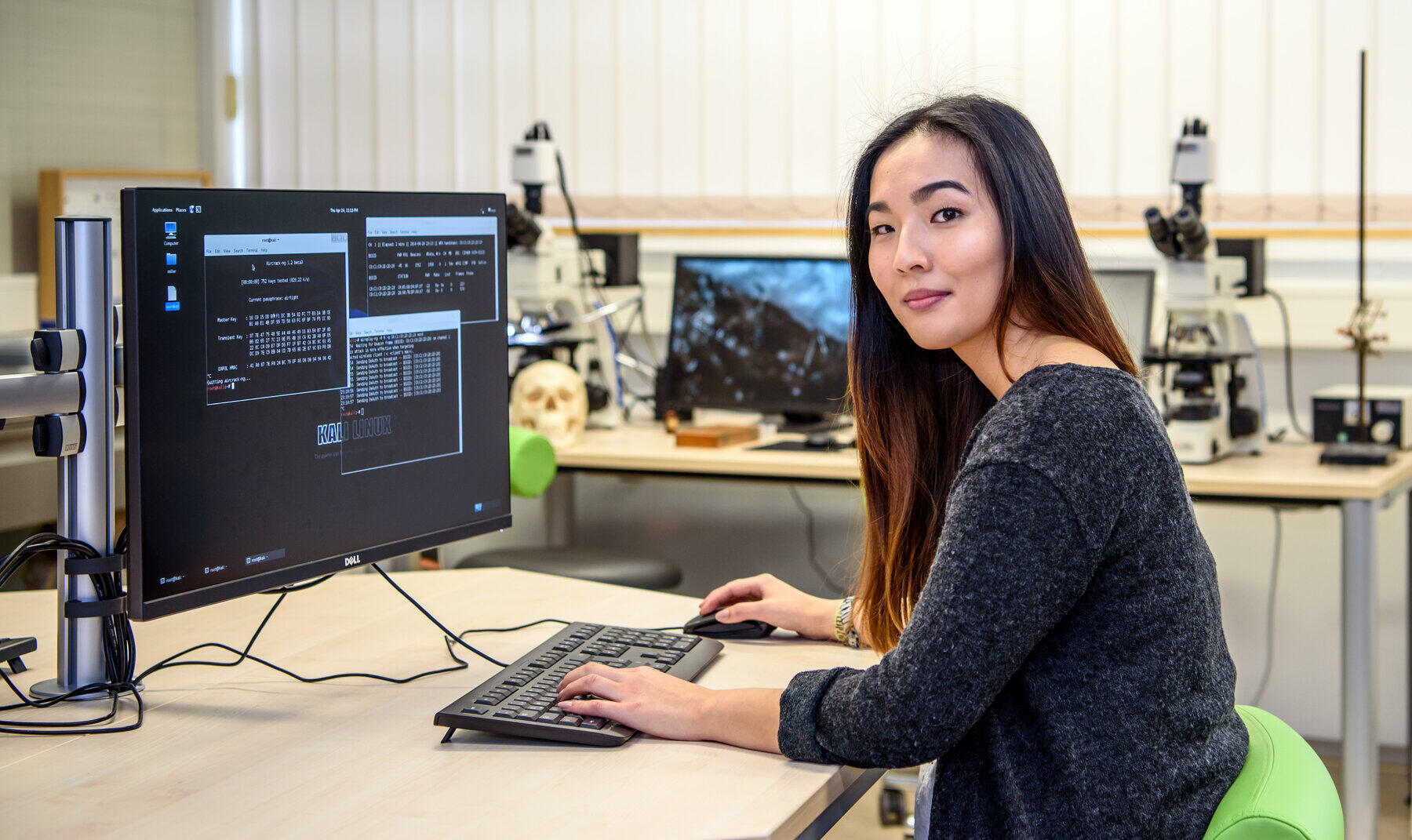
The General and Digital Forensic Science programme is unique in Germany. What sets it apart is its consistent integration of knowledge of software and hardware with aspects of traditional forensics. After all, anyone wishing to solve crimes today and in the future needs a knowledge of computer science – if only because a smartphone is involved.
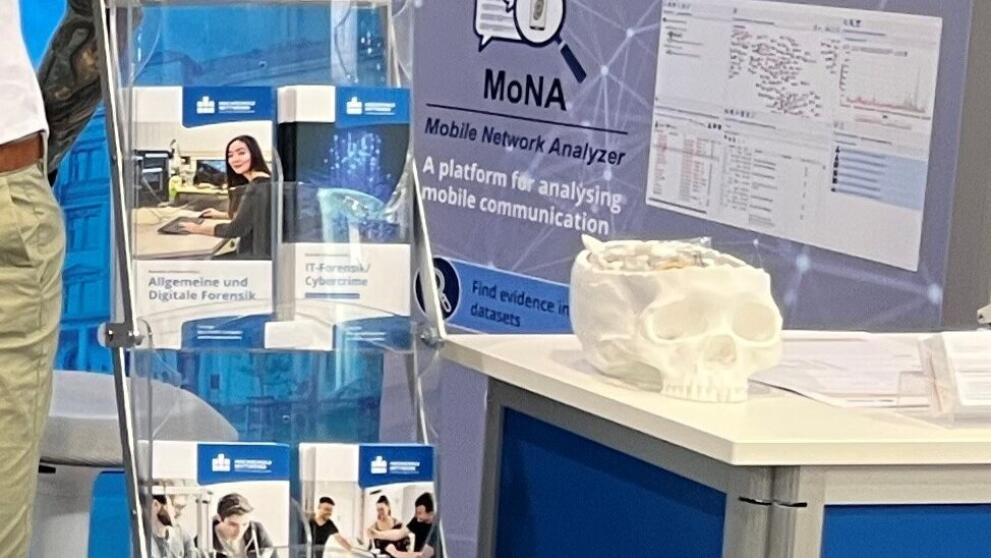
In Mittweida, you’ll benefit from close links to research and forensic practice. Mittweida’s researchers are advancing the field of evidence gathering – from high-profile crime scene reconstructions, such as in the Ofarim case or the break-ins at museums in Berlin and Dresden, to software solutions for investigative authorities that use AI to analyse suspects’ communications.
What do forensic scientists actually do? Students respond to preconceptions
An overview of the course content
Modern forensics operates at the intersection of computer science, natural sciences and law. That is why these are also the key areas of your degree programme. You will learn to analyse evidence systematically, identify patterns and document your findings in a clear and comprehensible manner.
Throughout your degree, you will build up the necessary skills step by step. You will learn to programme, study databases, networks, IT security and encryption, and develop a deep understanding of digital systems. At the same time, traditional forensics is firmly embedded in every semester: from evidence collection and biological traces right through to the formulation of forensic hypotheses. It is precisely this combination that is crucial, as modern investigative work is based on the integration of the analogue and digital worlds.
Through placements, laboratory work and complex projects, you’ll work with digital and physical evidence and apply theoretical knowledge directly to real-world scenarios. This focus enables you to develop a profile that extends far beyond traditional computer science or natural sciences.
General Forensics I: The Human Body as a Source of Evidence
Fundamentals of Computer Forensics
Computer Science I: Programming
Introduction to IT security
Mathematics I: Elementary Mathematics
General Studies (Studium Generale):
- Technical English
- How to Study – An Introduction to Academic Work
General Forensics II: The Human Being as a Source of Characteristics
Databases
Computer Science II: Algorithms and Data Structures
Computer Networks and Technical Fundamentals
Cryptography
Mathematics II: Focus on Algebra
General Studies II
General Forensics III: Biological Traces
Digital Image Processing in Forensics
System and Network Administration/Network Security
Fundamentals of Machine Learning
Operating Systems and Digital Traces I
Bayesian Statistics for Forensic Scientists
General Forensics IV: Formulating Forensic Hypotheses
Criminal Law and Criminology:
- Criminal Law and Procedural Law Part I
- Criminology
Complex Practical Course in Forensic Methods
Operating Systems and Digital Traces II
Text Retrieval and Text Mining
Computer Forensic Methods
General Forensics V: Forensic Modelling
Criminal Law and Criminology:
- Criminal Law and Procedural Law Part II
Complex Practical Course in Forensic Methods
Network Forensics
Internet of Things and Future Technologies
Software Project: Forensic Tools
Practical module
: Independent scientific and practical work within a company
Duration: 12 weeks
Bachelor’s
thesis: Final, independent academic thesis
Duration: 12 weeks
General and Digital Forensic Science in Mittweida


In summary – General and Digital Forensic Science in Mittweida

A full-time Bachelor’s degree programme at the intersection of computer science and the natural sciences

(180 Credits)







After completing a Bachelor’s degree in General and Digital Forensic Science, you could, for example, work as an IT forensic investigator, cybercrime investigator or digital evidence analyst in investigative agencies such as state criminal investigation offices or the Federal Criminal Police Office. Roles such as expert reviewer, penetration tester, security consultant or specialist in digital evidence preservation within companies are also typical areas of work. Digital forensics is a growing field with a high demand for qualified professionals – so your career prospects are correspondingly diverse.
Application and Admission
Applicants must hold a general university entrance qualification, a university of applied sciences entrance qualification, a subject-specific university entrance qualification or an equivalent recognised qualification. Applicants who have completed vocational training and have at least three years’ professional experience may also be admitted following a consultation and a successful entrance examination.
Language skills:
Anyone who did not obtain their university entrance qualification at a German-speaking institution must demonstrate German language proficiency at level C1 of the Common European Framework of Reference for Languages. Proof of this can be provided, for example, by passing the ‘German as a Foreign Language’ (TestDaF) test at the Mittweida University Preparatory College with an average score of TDN 3 in all four sections, or by presenting an equivalent certificate.
The application period for the winter semester begins on 15 April and ends on 15 July. You can register online via the HSMW application portal. Once you have submitted all your documents, you can enrol. Once you have enrolled, your place at Mittweida is secured. For international applicants, the application deadline is 15 May, to allow sufficient time to apply for a visa.
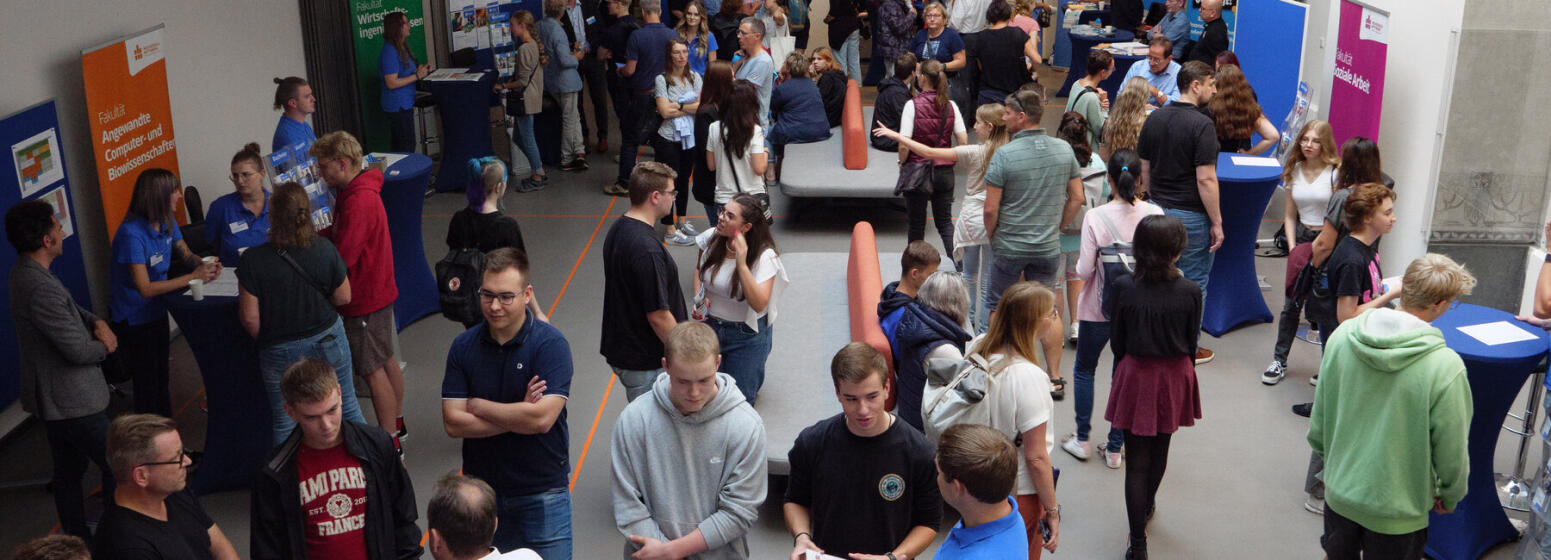
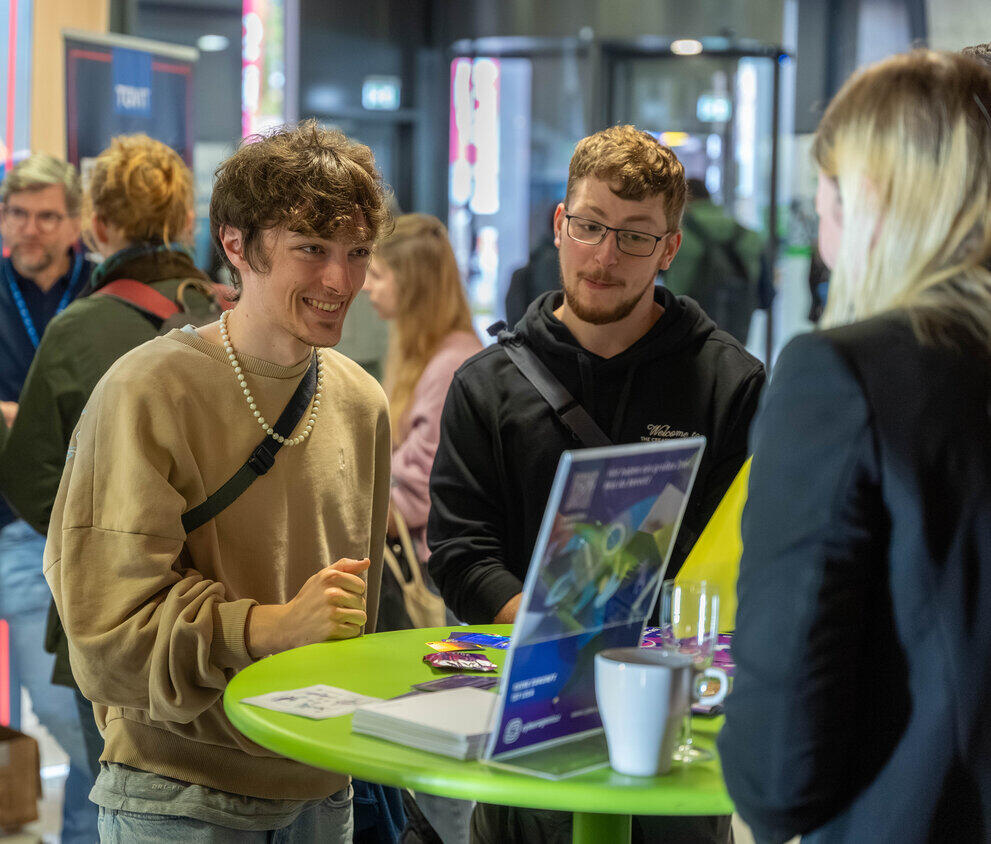
We’ve got you covered! Excellent study conditions, modern facilities and affordable rent allow you to focus fully on your studies. Tutorials are on hand to help with academic queries, the SAXEED start-up network supports you on your journey to developing your own business idea, and the Social Support Service offers assistance with specific life situations, such as childcare or caring for relatives. The campus also has plenty to offer: two music festivals a year, an active esports team and a vibrant student community. Discover just how diverse life in Mittweida is – at the Open Day or the Night of Science.

Related degree programmes


Frequently Asked Questions
Yes, you can choose from a range of specialisations that allow you to further specialise within digital forensics, for example in network forensics or mobile storage devices. There are no plans to return to traditional laboratory work, as all specialisation pathways are designed to hone your skills as an IT investigator.
The practical work takes place not so much in a chemistry laboratory as in specialised IT forensics labs, where you will learn to analyse digital evidence in a legally compliant manner. Through integrated project modules and the practical semester, you will work on realistic scenarios involving the preservation of digital evidence from an early stage.
There are no school-style holidays during your degree. Instead, there are lecture-free periods. During these, you can study, write assignments, undertake work placements – and treat yourself to a bit of a break now and then.
In the 2026/2027 winter term, in addition to public holidays, the following periods are lecture- and exam-free:
- 21 December to 3 January,
- from 22 February. Exception: The Faculty of Social Sciences begins its lecture-free period on 29 February.
In the 2027 summer term, with lectures starting on 22 March, the dates are:
- 25 March to 2 April,
- 7 May,
- 17 May,
- from 2 August. The Faculty of Social Sciences will also hold an examination week from 23 to 27 August.
Whilst traditional degree programmes often focus purely on chemistry or biology, the General and Digital Forensic Science programme at Mittweida offers an interdisciplinary blend of the fundamentals of natural sciences, technology and digital evidence collection. This broad-based approach enables you to gain a holistic understanding of crime scenes and evidence, and to go on to establish yourself in a wide variety of investigative fields or specialised laboratories.
Yes, and it goes far beyond just discussing cases: during your degree, you’ll be working on a real, already concluded case. This allows you to practise making the connection between a physical crime scene and the digital search for evidence under real-world conditions.