This page was translated automatically using artificial intelligence (DeepL). The German version is binding. More information about automatic translation
Facts and figures

IT Forensics/Cybercrime
The extra occupational degree programme in IT Forensics/Cybercrime is a specialised academic course leading to a career as a digital investigator at the intersection of IT, forensics and law. The aim of the programme is to understand how systems work, how attacks are carried out and how digital traces are created. Students learn to methodically secure, analyse and comprehensively document these traces.
HSMW is one of the leading institutions in the field of digital forensics in Germany. Research and teaching are closely integrated with practical application, including through partnerships with state criminal investigation offices and the BKA. Methods actually used in investigations form part of the programme.
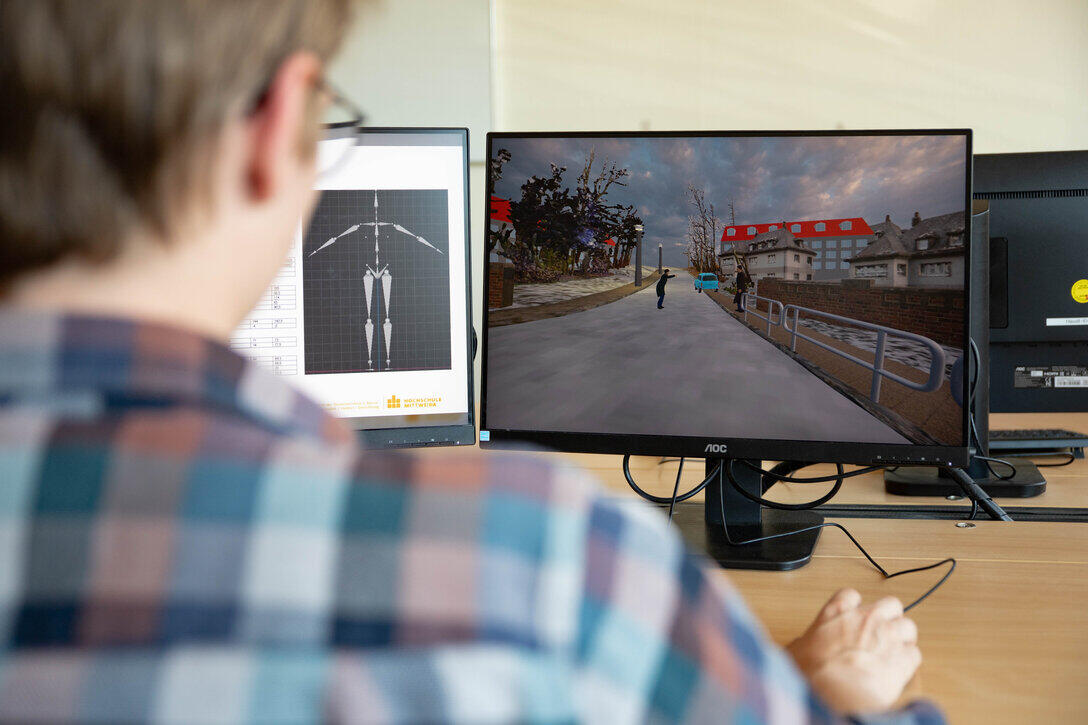
An overview of the course content
What makes IT Forensics/Cybercrime so special is the combination of flexibility and direct practical application. This extra occupational degree programme combines online learning phases over four years with two compact block weeks per semester – one in person and one online. This makes it easy to balance your studies with your career and apply what you’ve learnt directly to your day-to-day work. Civil servants have the option of completing the programme after the first three semesters or upon completing twelve modules, receiving a certificate as a form of further professional development.
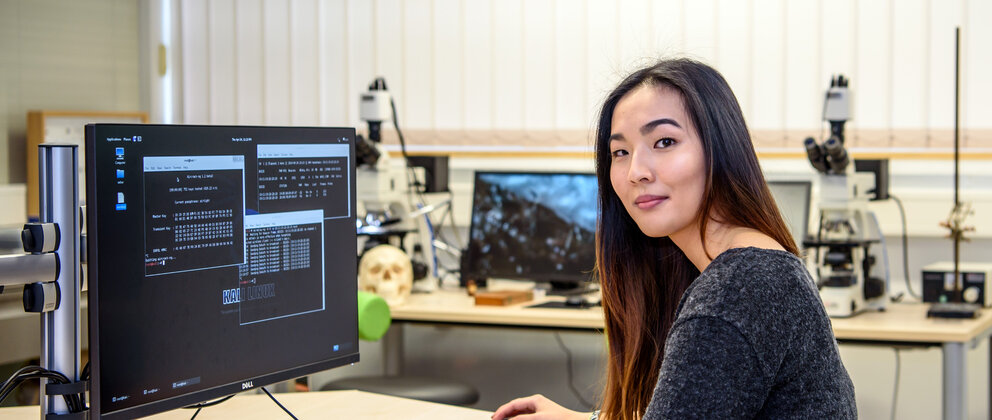
Over the course of the programme, you will develop a deep understanding of digital forensics. You will analyse operating systems, networks and data structures, supplemented by topics such as cryptology, malware, cloud forensics and mobile communications data. The focus is on practical application: real-world scenarios are analysed and methods are put into practice straight away. Lecturers with practical industry experience, as well as collaboration with investigative authorities, ensure that the programme is clearly geared towards real-world requirements.
Fundamentals of IT Forensics
Introduction to IT security
General Forensics I
Cybercrime I
Operating Systems and Digital Traces I
General Forensics II
Cybercrime II
Programming I
Operating Systems and Digital Traces II
Computer Forensic Methods
Forensics in DBMS
Programming II: Scripting Languages
Algorithms and Data Structures
Fundamentals of Mobile Communications Forensics
Fundamentals of Data Analysis and Visualisation
Development and Design of Secure Systems
Complex Practical Course in Crisis Management
Fundamentals of Cryptology
Fundamentals of Machine Learning
Forensic Image and Video Analysis
Data Networks/Cloud Forensics
Text Retrieval and Text Mining
Cryptanalysis
Predictive policing/unreported crime
Network forensics/IT attack defence
Data compression/multimedia formats
Software project
Malware Analysis
Embedded Systems Forensics and Storage Technologies
Social Engineering and OSINT
The expert witness in court
Project Management/Advanced Academic Seminar
Bachelor’s
Thesis: A final, independent academic project
. Duration: 18 weeks
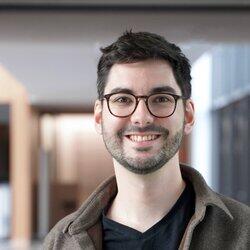

IT Forensics/Cybercrime in Mittweida


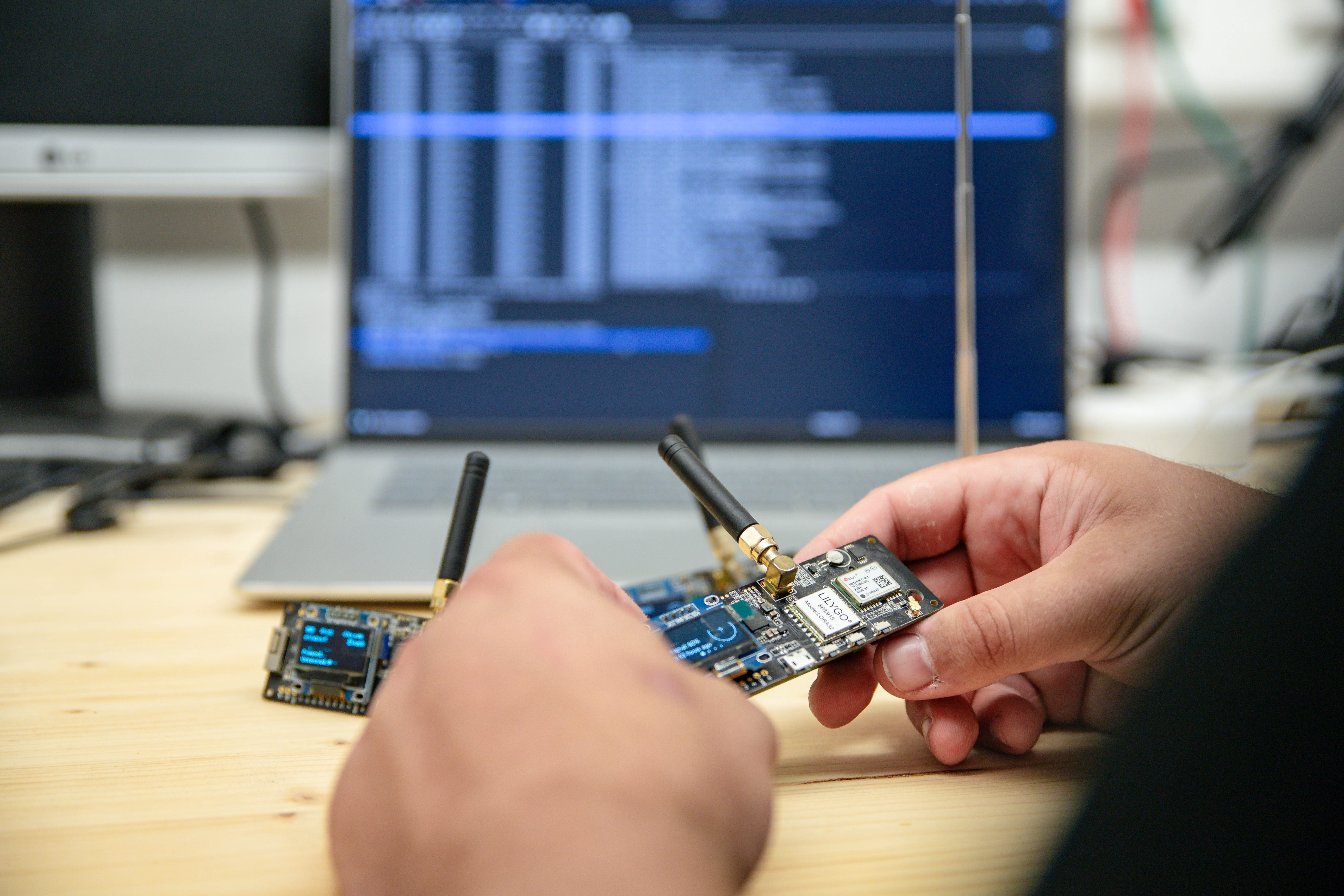
In summary – IT Forensics/Cybercrime in Mittweida

Extra occupational distance-learning programme at the intersection of computer science and forensics

(180 Credits)





Semester fee 61€


After completing a Bachelor’s degree in Mittweida, graduates can pursue careers as IT forensic specialists, cybercrime analysts, incident responders or in the field of IT security. Opportunities are available both within law enforcement agencies and in the private sector, for example in investigating security incidents or preventing cyber-attacks.
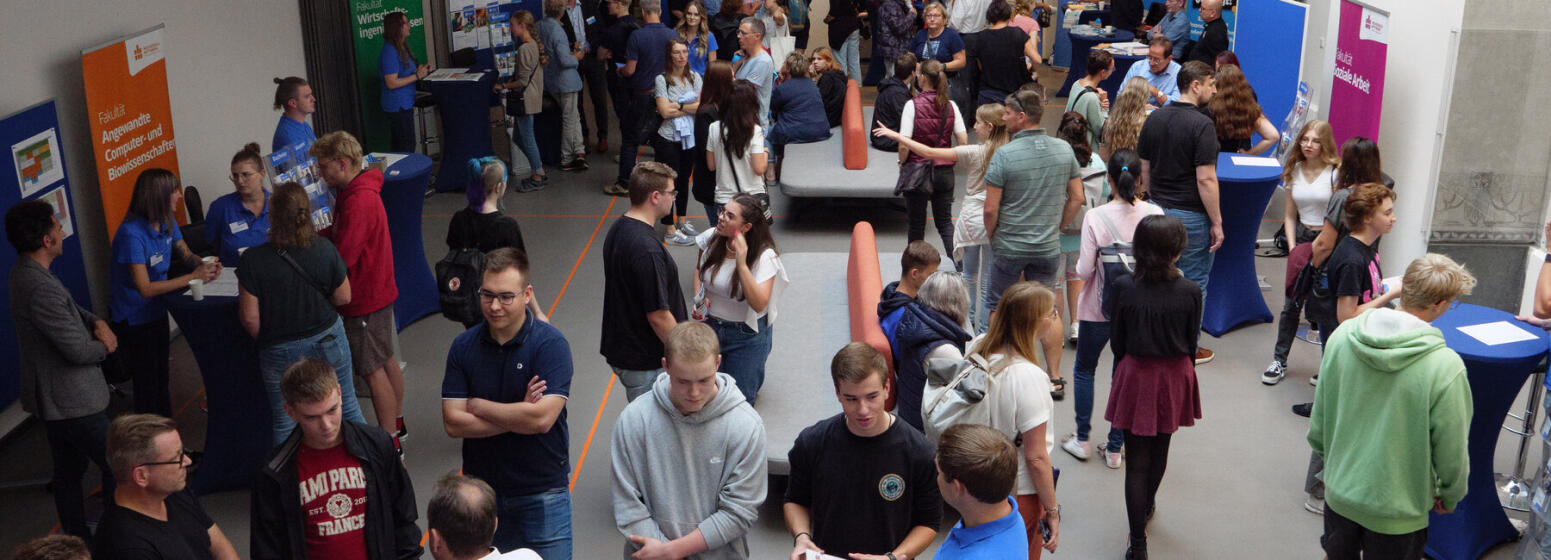
Application and Admission
Applicants must hold a general university entrance qualification, a university of applied sciences entrance qualification, a subject-specific university entrance qualification or an equivalent recognised qualification. Applicants who have completed vocational training and have at least three years’ professional experience may also be admitted following a consultation and a successful entrance examination.
Language skills:
Anyone who did not obtain their university entrance qualification at a German-speaking institution must demonstrate German language proficiency at level C1 of the Common European Framework of Reference for Languages. Proof of this can be provided, for example, by passing the ‘German as a Foreign Language’ (TestDaF) test at the Mittweida University Preparatory College with an average score of TDN 3 in all four sections, or by presenting an equivalent certificate.
The application period for the winter semester begins on 15 April and ends on 15 July. You can register online via the HSMW application portal. Once you have submitted all your documents, you can enrol. Once you have enrolled, your place at Mittweida is secured. For international applicants, the application deadline is 15 May, to allow sufficient time to apply for a visa.
We’ve got you covered! Excellent study conditions, modern facilities and affordable rent allow you to focus fully on your studies. Tutorials are on hand to help with academic queries, the SAXEED start-up network supports you on your journey to developing your own business idea, and the Social Support Service offers assistance with specific life situations, such as childcare or caring for relatives. The campus also has plenty to offer: two music festivals a year, an active esports team and a vibrant student community. Discover just how diverse life in Mittweida is – at the Open Day or the Night of Science.

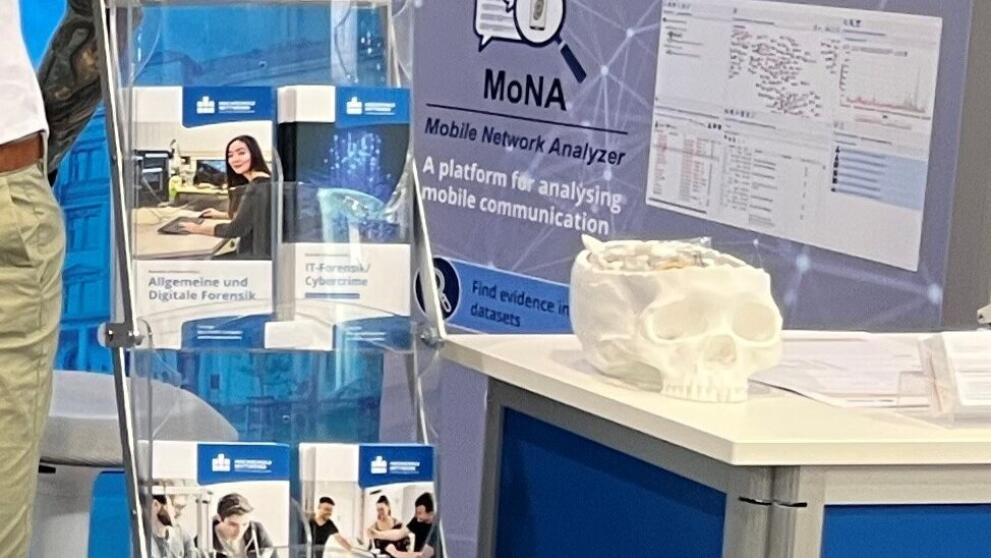

Related degree programmes


Frequently Asked Questions
There are no school-style holidays during your degree. Instead, there are lecture-free periods. During these, you can study, write assignments, undertake work placements – and treat yourself to a bit of a break now and then.
In the 2026/2027 winter term, in addition to public holidays, the following periods are lecture- and exam-free:
- 21 December to 3 January,
- from 22 February. Exception: The Faculty of Social Sciences begins its lecture-free period on 29 February.
In the 2027 summer term, with lectures starting on 22 March, the dates are:
- 25 March to 2 April,
- 7 May,
- 17 May,
- from 2 August. The Faculty of Social Sciences will also hold an examination week from 23 to 27 August.
Whilst the on-campus degree programme in General and Digital Forensic Science covers a very broad range of topics, including traditional crime scene investigation, natural sciences and criminology, the distance-learning programme in IT Forensics focuses entirely on the digital realm. This programme deals exclusively with hacking defence, network analysis, data recovery and the prosecution of cybercrime.
Yes, absolutely. To ensure that the methods are taught as realistically as possible, the modules regularly involve the analysis and forensic investigation of anonymised, real-life cyber-attacks and actual IT security incidents drawn from investigative practice.
Maximum flexibility. You’ll mainly study independently using digital course materials, online lectures and virtual labs. This means you can organise your study time entirely at your own pace, around your job and your everyday life.
As it is designed as a traditional distance-learning programme, you will only be on campus very rarely. Attendance is usually limited to a few, very intensive blocks (one week of on-campus study per semester) for highly specialised laboratory sessions or examinations.