This page was translated automatically using artificial intelligence (DeepL). The German version is binding. More information about automatic translation
Facts and figures
Mechanical Engineering
The Diplom degree programme in Mechanical Engineering is actually two programmes in one. On the full-time option, you will complete the Diplom within two semesters. On the part-time option, you will take three semesters to complete the programme, spreading the elective modules from the first full-time semester across two semesters.
The part-time structure is particularly attractive for graduates of practice-oriented or dual Bachelor’s programmes. This allows you to earn the Diplom in an extra occupational setting. Two days of on-campus study per week, on Mondays and Tuesdays, allow you to remain in your company. This creates something that many traditional full-time Master’s specialisations cannot offer: a combination of in-depth academic study and real-world industry experience.
An overview of the course content
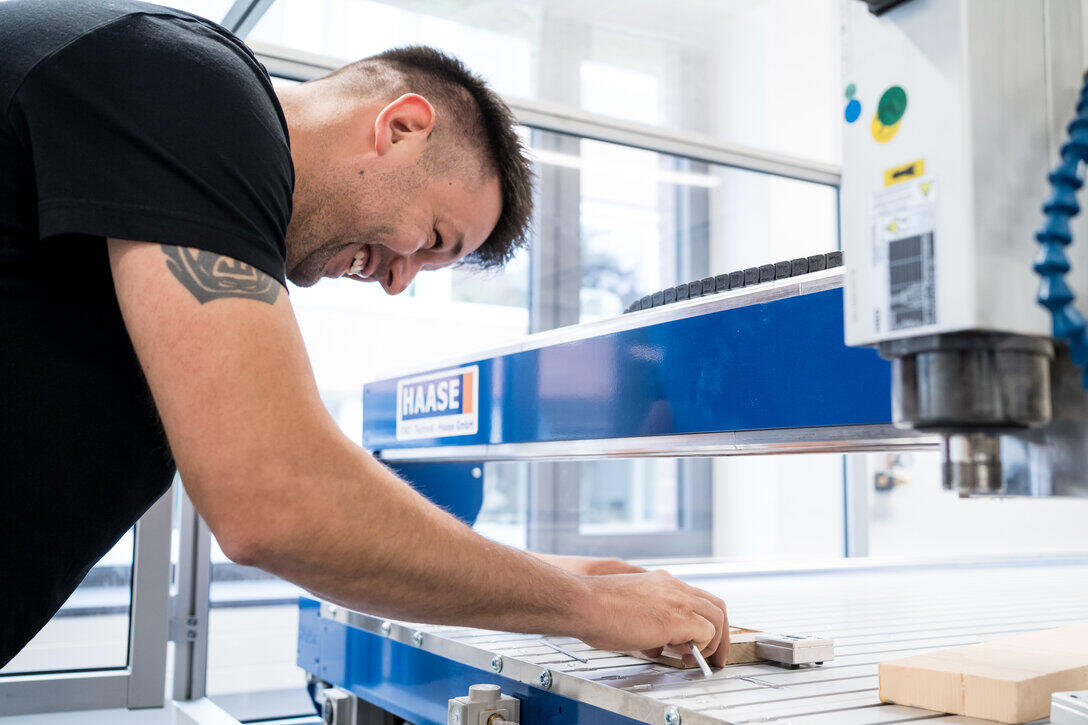
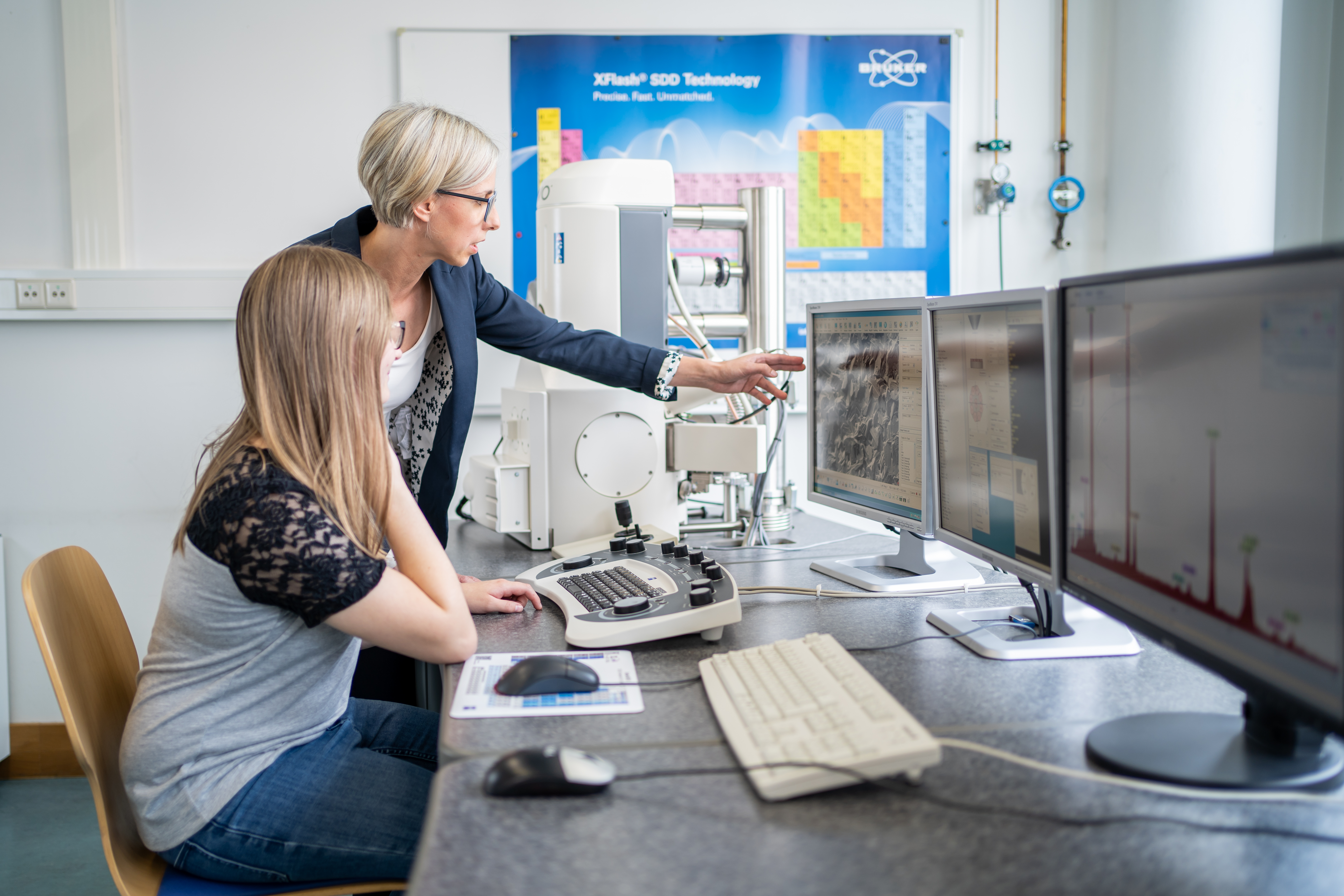
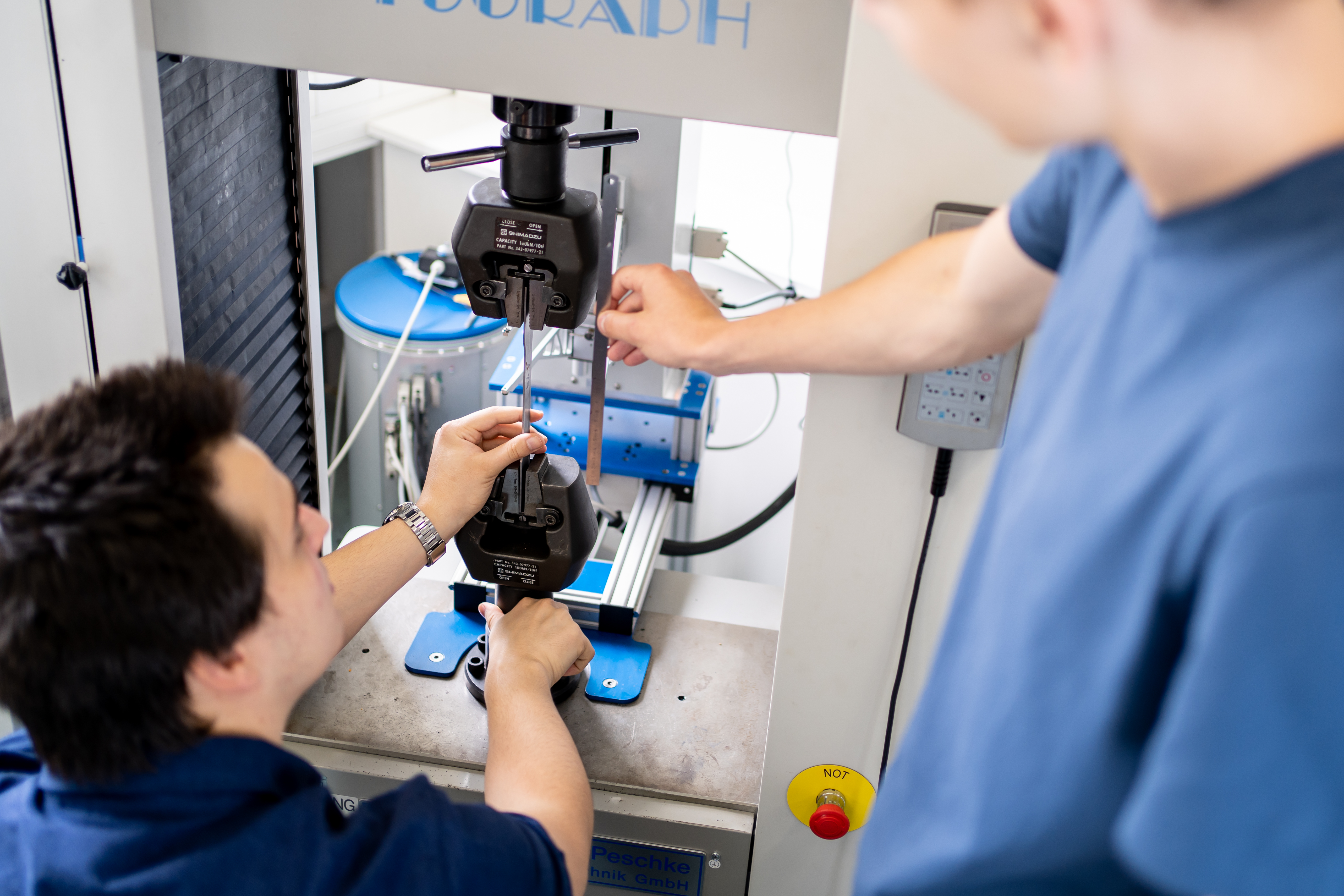
The particular appeal of the Diplom degree programme in Mechanical Engineering at Mittweida University of Applied Sciences lies in its close link to real-world engineering practice. Rather than a theory-heavy Master’s programme, the Diplom programme focuses on the technical decisions that are made on a daily basis in industry. Why does a component fail? Which materials are suitable under extreme loads? How can designs be simulated, optimised and manufactured cost-effectively? It is precisely this way of thinking that shapes the programme.
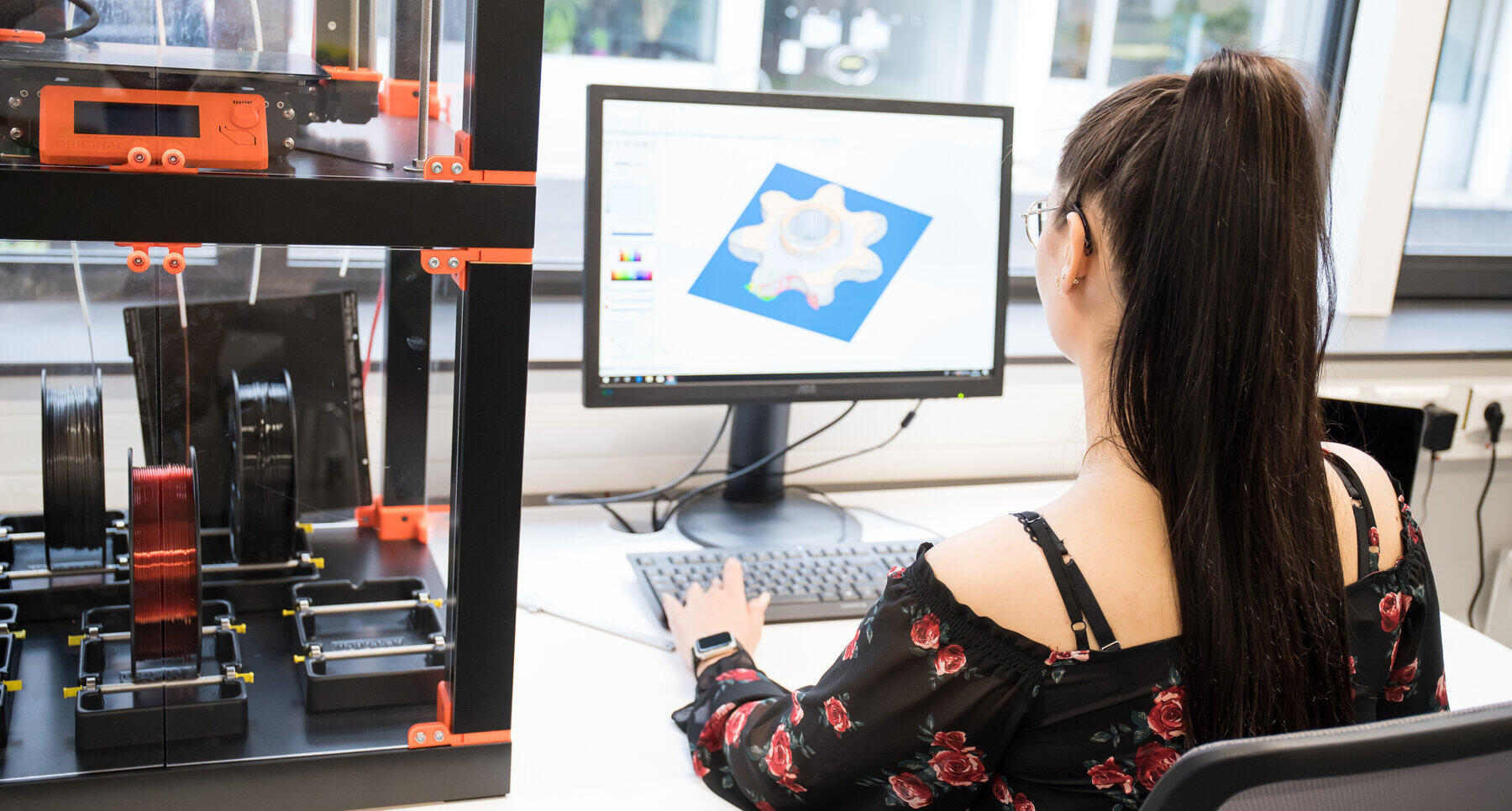
With compulsory-elective modules such as FEM, fracture mechanics, machine tool design, welding technology and quality assurance, you’ll develop a profile that is directly aligned with modern industrial requirements.
6 compulsory-election modules:
- Special Materials/Materials Testing
- Component Behaviour/Fracture Mechanics
- quality assurance
- Welding Technology
- FEM (Finite Element Method)
- Machine tool design
- Welding Design
(For part-time students, the six compulsory-elective modules are spread across the first two semesters)
Internship and dissertation
project duration: 24 weeks
Mechanical Engineering in Mittweida
In summary – Mechanical Engineering in Mittweida

A full-time or extra occupational, work-integrated diploma programme in Mechanical Engineering

(60 Credits)




With a degree in Mechanical Engineering, you will be qualified for roles that require in-depth technical knowledge, such as development engineer, calculation engineer, design engineer or specialist in materials science and quality assurance. Technical project management or challenging roles in specialised machinery manufacturing, vehicle manufacturing or production technology are also typical career paths.
Application and Admission
Applicants must hold a first professional degree comprising 180 ECTS credits (Bachelor’s) in Mechanical Engineering. A degree in another engineering discipline also qualifies you for this programme. A technician’s qualification, however, is not sufficient; the extra occupational Bachelor’s programme in Industrial Engineering is suitable for technicians.
Language skills:
Applicants who did not obtain their university entrance qualification at a German-speaking institution must also provide evidence of sufficient German language proficiency. The required language level is C1 according to the Common European Framework of Reference for Languages (CEFR).
Proof of this can be provided, for example, by passing the ‘German as a Foreign Language’ (TestDaF) at the preparatory college of Mittweida University of Applied Sciences – with an average of TDN 3 in the areas of reading comprehension, listening comprehension, written expression and oral expression – or by means of an equivalent certificate.
The application period for the coming winter semester begins on 15 April and ends on 15 July. You can register for the Industrial Engineering degree programme at hs-mittweida.de/bewerben. Once you have submitted all the forms and supporting documents, you can enrol on the programme. Enrolment secures your place at Mittweida.
For international applicants, the application period ends on 15 May. This earlier deadline allows you to obtain a visa in good time for the start of your studies in September.
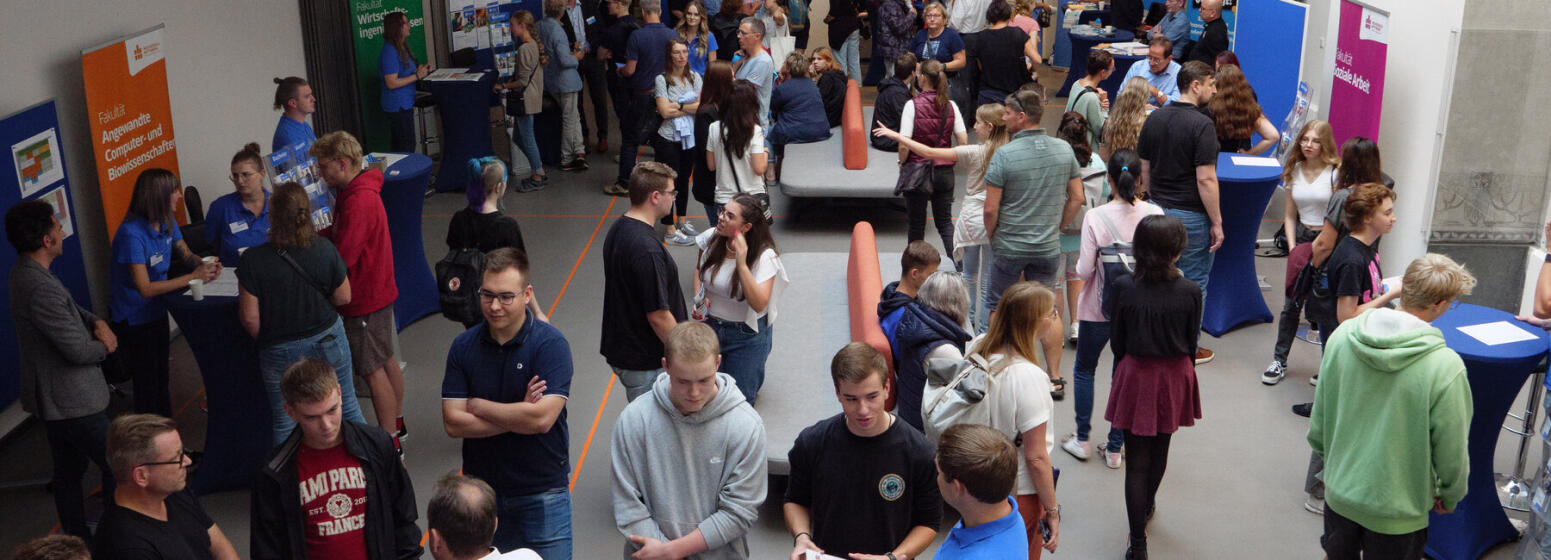
Excellent study conditions combined with affordable rent mean one thing: you can focus on your studies and kick-start your career in no time. You’ll also benefit from a wide range of support services. For example, we’re here to help with tutorials if you ever get stuck with your studies; our start-up network, SAXEED, supports you in setting up your own business; and the Social Support Centre makes studying possible whether you’re a parent or facing physical or mental health challenges. And: there’s no shortage of fun. Which other university holds two music festivals a year on campus? Which one has an esports team with over 100 players? Mittweida University of Applied Sciences is different from what you might think. See for yourself at the Open Campus Day (Studieninformationstag) or the Night of Sciences (Nacht der Wissenschaften)!

Related degree programmes



Frequently Asked Questions
Yes, the postgraduate programme is designed precisely to provide this specialisation. Through carefully selected compulsory modules and project work, you can significantly refine your profile and focus on the areas that interest you most – whether that be materials testing, quality assurance or welding design.
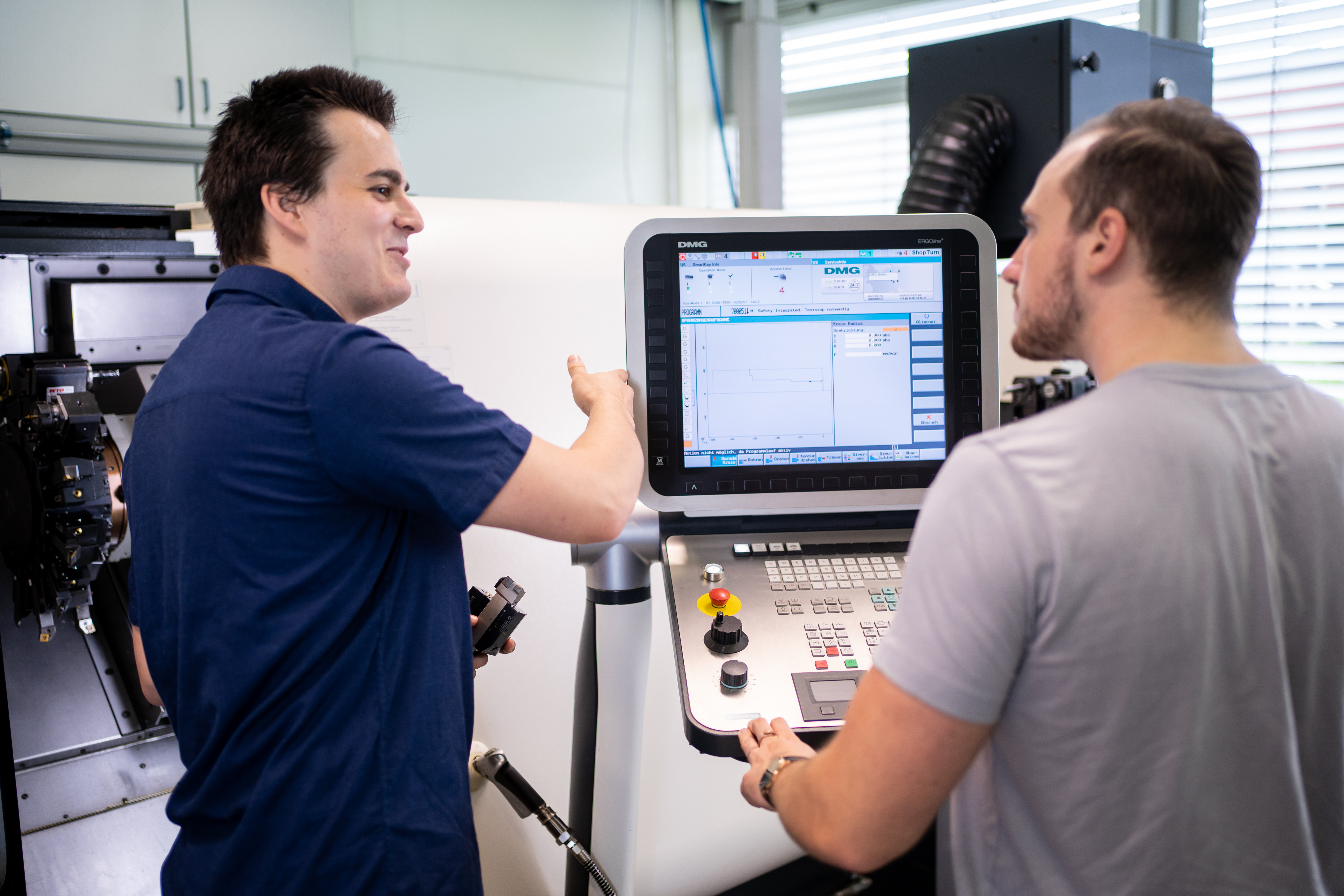
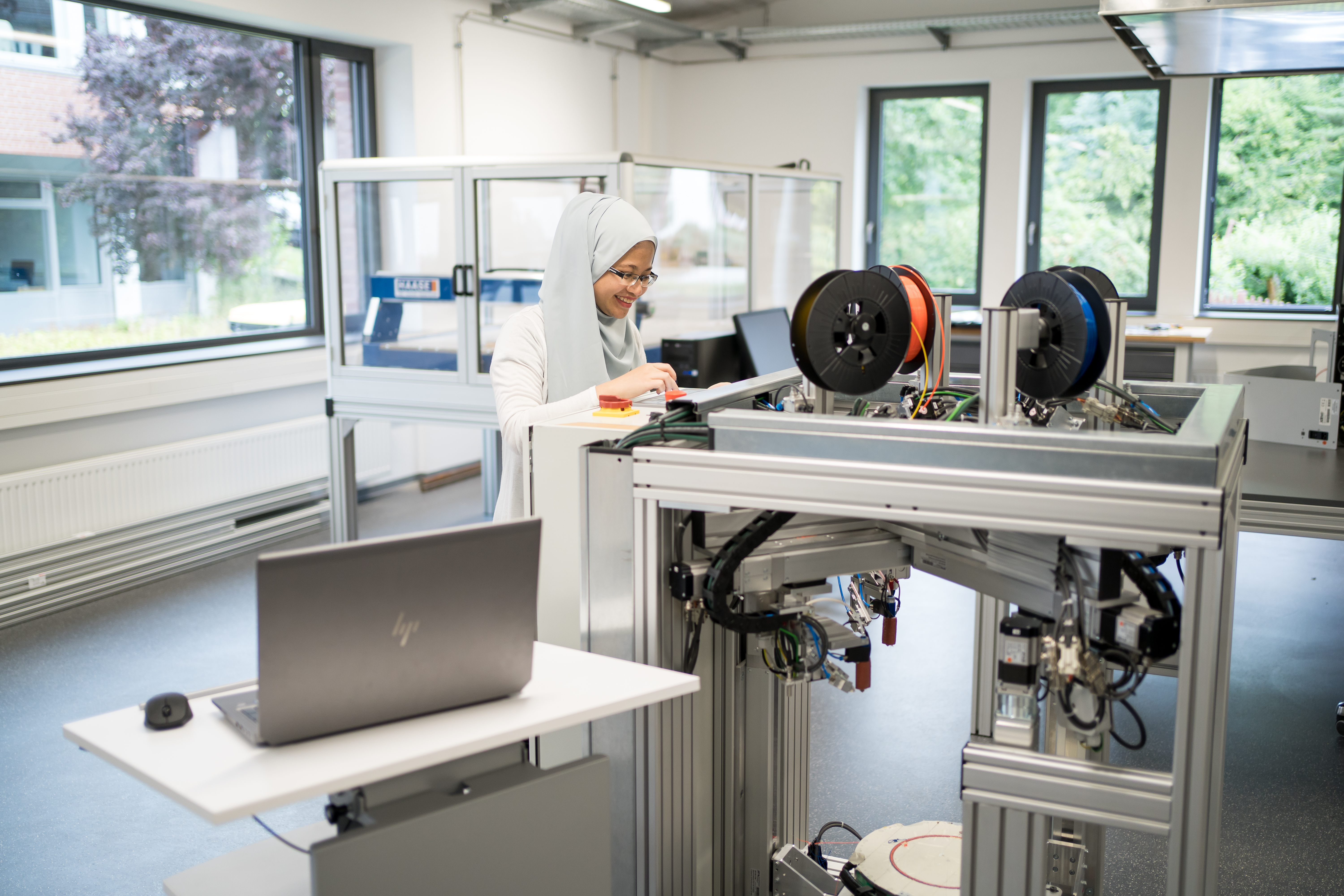
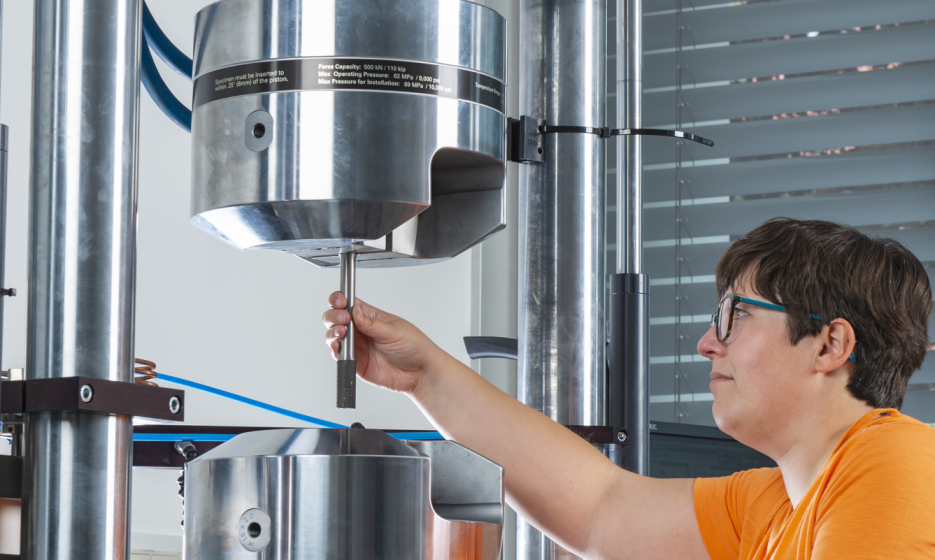
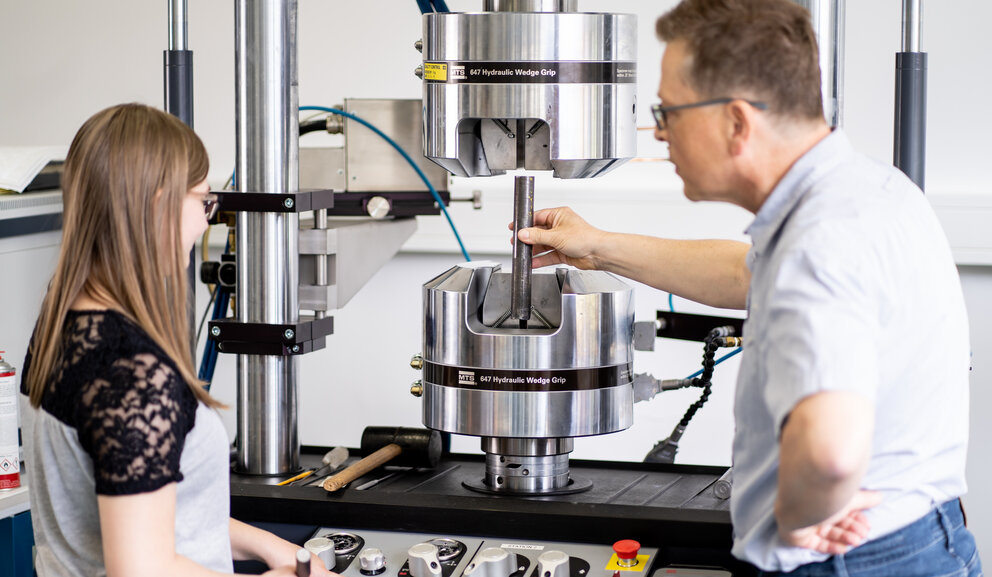
Absolutely. The degree programme at Mittweida has a strong focus on applied science. You’ll work in state-of-the-art Mechanical Engineering laboratories, tackle real-world technical problems from industry, and usually write your final dissertation in collaboration with a corporate partner – which often leads to a direct start to your career or the continuation of an existing employment relationship.
There are no school-style holidays during your degree. Instead, there are lecture-free periods. During these, you can study, write assignments, undertake work placements – and treat yourself to a bit of a break now and then.
In the 2026/2027 winter term, in addition to public holidays, the following periods are lecture- and exam-free:
- 21 December to 3 January,
- from 22 February. Exception: The Faculty of Social Sciences begins its lecture-free period on 29 February.
In the 2027 summer term, with lectures starting on 22 March, the dates are:
- 25 March to 2 April,
- 7 May,
- 17 May,
- from 2 August. The Faculty of Social Sciences will also hold an examination week from 23 to 27 August.
A postgraduate programme follows on seamlessly from a successfully completed bachelor’s degree. The major advantage is that you build on your existing engineering knowledge and, in just two semesters on a full-time basis or three semesters on a part-time basis, you can earn the time-honoured title of ‘Diplom-Ingenieur (Dipl.-Ing.) (FH)’. This qualification continues to be held in high regard, particularly within German industry and among small and medium-sized enterprises, and is synonymous with comprehensive, practical engineering expertise.
As well as meeting the formal requirements (a relevant bachelor’s degree), you’ll need, above all, the stamina to tackle complex calculations, strong problem-solving skills and a passion for delving into in-depth engineering issues. You should enjoy not only analysing machines and plant systems in theory, but also developing them further in practice.
The decision depends on your target audience: if you’re drawn to an international career or research, the globally standardised Master’s degree is the logical choice. If, on the other hand, you primarily want to work in traditional German industry, the Diplom degree is a genuine mark of quality that still opens special doors for many HR professionals. A Master’s degree also paves the way for a PhD.