This page was translated automatically using artificial intelligence (DeepL). The German version is binding. More information about automatic translation
Facts and figures
Industrial Engineering
Modern companies are looking for people who can manage complex projects, make business decisions and further develop industrial systems. As a degree programme in Industrial Engineering, this course therefore combines automation, energy systems and technical project work with management skills.
This postgraduate diploma programme is particularly suitable for professionals working in manufacturing, energy supply or automation technology who wish to advance their careers specifically towards project leadership, management or strategic development. Thanks to its compact structure, which includes on-campus days, the programme can be ideally combined with a full-time job.

An overview of the course content
In Industrial Engineering, there is no such thing as theory for theory’s sake. The ability to apply knowledge directly within an industrial context is at the heart of the degree programme. Business management, cost accounting and management accounting are specifically linked to technical issues. By choosing modules such as robotics, process integration, energy management, sensor and actuator technology, or modelling and simulation, you will develop a specialisation tailored to your career aspirations.
The complex project is particularly practice-oriented, bringing together the technical, organisational and economic aspects of the programme. This is precisely where the nature of the programme comes to the fore: analysing problems, developing solutions, managing projects and improving industrial processes. This equips you for roles at the interface between technology, management and business development.
Corporate Governance
Cost Accounting/Management Accounting
2 compulsory-elective modules:
- Robotics
- Fundamentals of Process Integration, Control Systems, Databases
- Electrical Power Systems
- Energy Economics/Energy Management
Complex project
quality assurance
2 compulsory-elective modules:
- Energy generation technologies
- Lighting and Building Systems Engineering
- CAD Techniques
- Fundamentals of Modelling and Simulation
- Sensors and Actuators
Diploma project (final, independent academic thesis)



Industrial Engineering in Mittweida

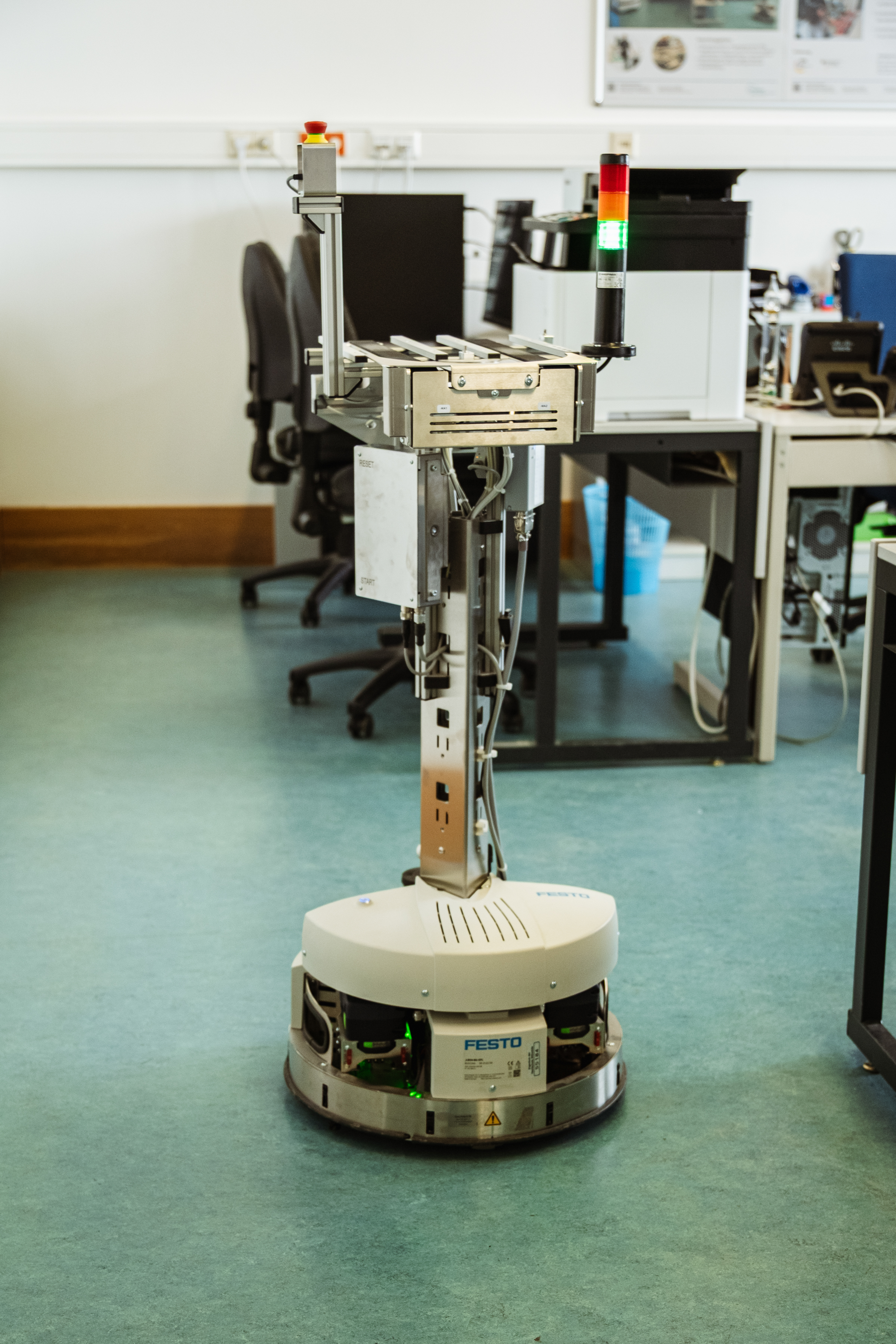
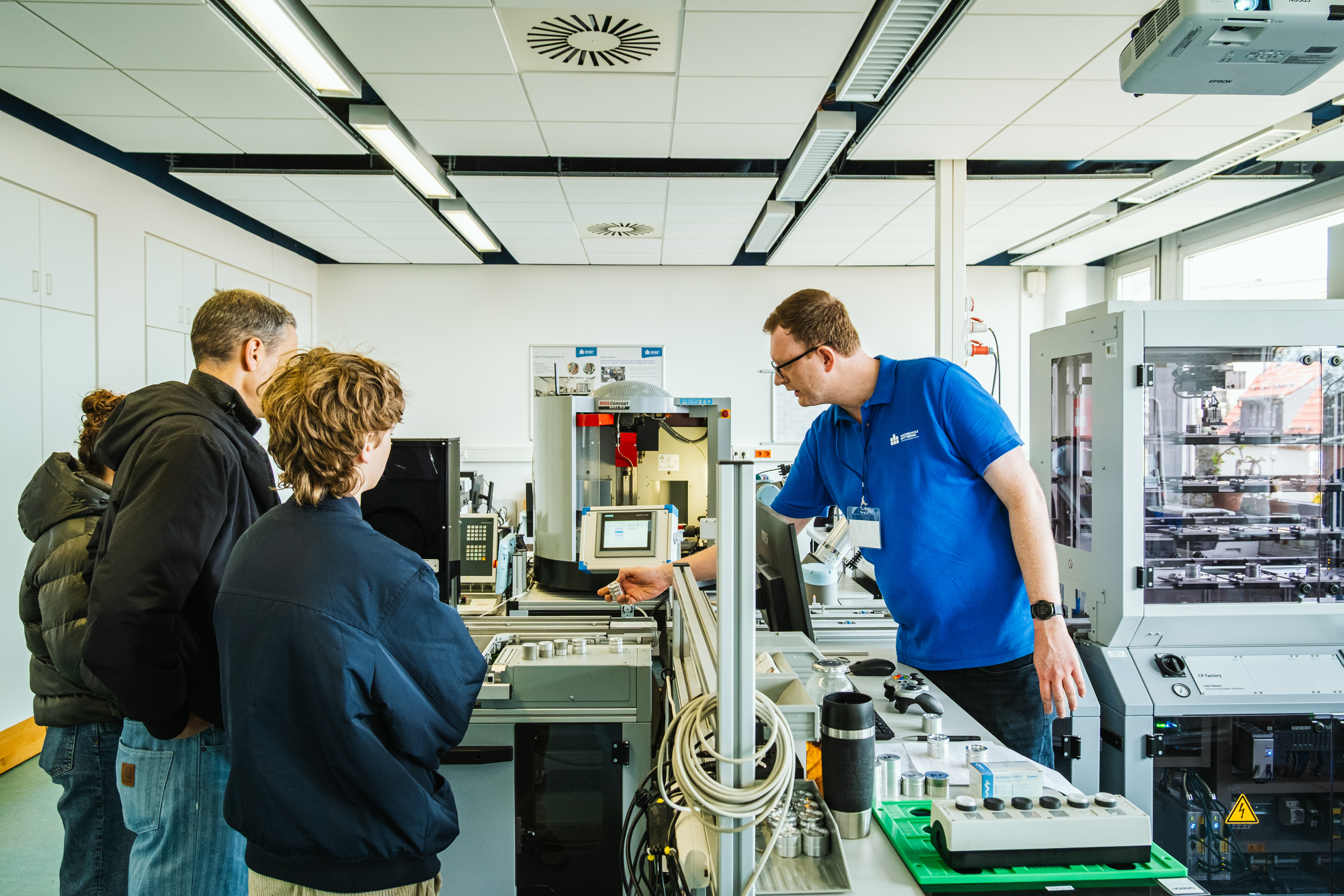
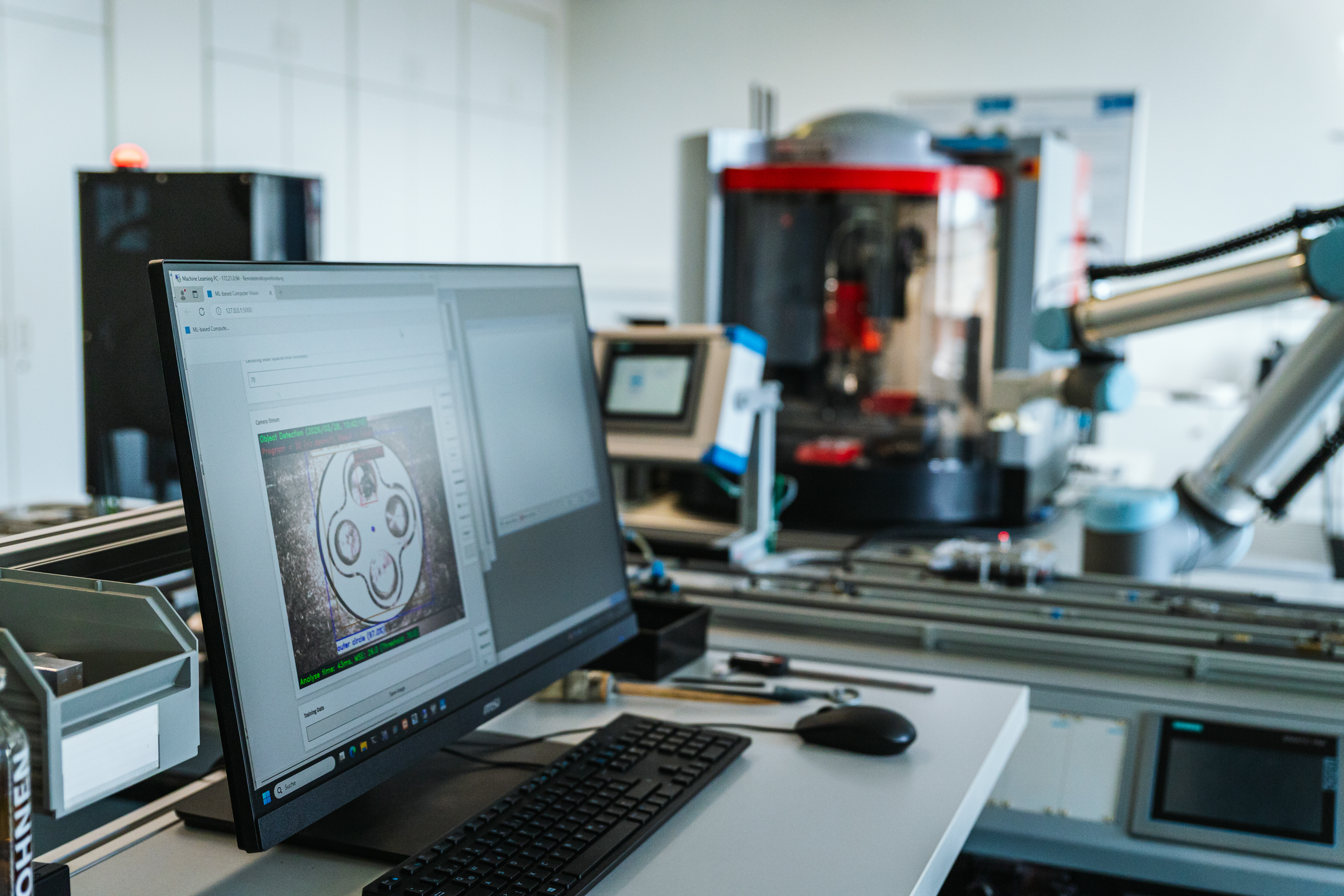
In summary – Industrial Engineering in Mittweida

Extra occupational distance learning programme at the interface between automation technology and process optimisation

(60 Credits)






Semester fee 61€


After graduating, you could work, for example, as a technical project manager, production manager or specialist in automation and energy systems. Roles in quality management, technical controlling or strategic industrial development are also typical career paths.
Application and Admission
An initial professional degree comprising 180 ECTS credits (Bachelor’s) in Industrial Engineering, Electrical Engineering or Mechatronics is required. A degree in another engineering discipline, or a qualification recognised as equivalent by law or by the relevant government authority, also qualifies you for admission to the programme. A technician’s qualification, however, is not sufficient; the extra occupational Bachelor’s programme in Industrial Engineering is suitable for technicians.
Language skills:
Anyone who did not obtain their entry qualification at a German-speaking institution must also provide evidence of sufficient German language proficiency. The required language level is C1 according to the Common European Framework of Reference for Languages (CEFR).
Proof of this can be provided, for example, by taking the ‘German as a Foreign Language’ (TestDaF) at the preparatory college of Mittweida University of Applied Sciences – with an average of TDN 3 in the areas of reading comprehension, listening comprehension, written expression and oral expression – or by means of an equivalent certificate.
The application period for the coming winter semester begins on 15 April and ends on 15 July. You can register for the Industrial Engineering degree programme at hs-mittweida.de/bewerben. Once you have submitted all the forms and supporting documents, you can enrol on the programme. Enrolment secures your place at Mittweida.
For international applicants, the application period ends on 15 May. This earlier deadline allows you to obtain a visa in good time for the start of your studies in September.
Excellent study conditions combined with affordable rent mean one thing: you can focus on your studies and kick-start your career in no time. You’ll also benefit from a wide range of support services. For example, we’re here to help with tutorials if you ever get stuck with your studies; our start-up network, SAXEED, supports you in setting up your own business; and the Social Support Centre makes studying possible whether you’re a parent or facing physical or mental health challenges. And: there’s no shortage of fun. Which other university holds two music festivals a year on campus? Which one has an esports team with over 100 players? Mittweida University of Applied Sciences is different from what you might think. See for yourself at the Open Campus Day (Studieninformationstag) or the Night of Sciences (Nacht der Wissenschaften)!