This page was translated automatically using artificial intelligence (DeepL). The German version is binding. More information about automatic translation
Facts and figures
Acoustical Engineering
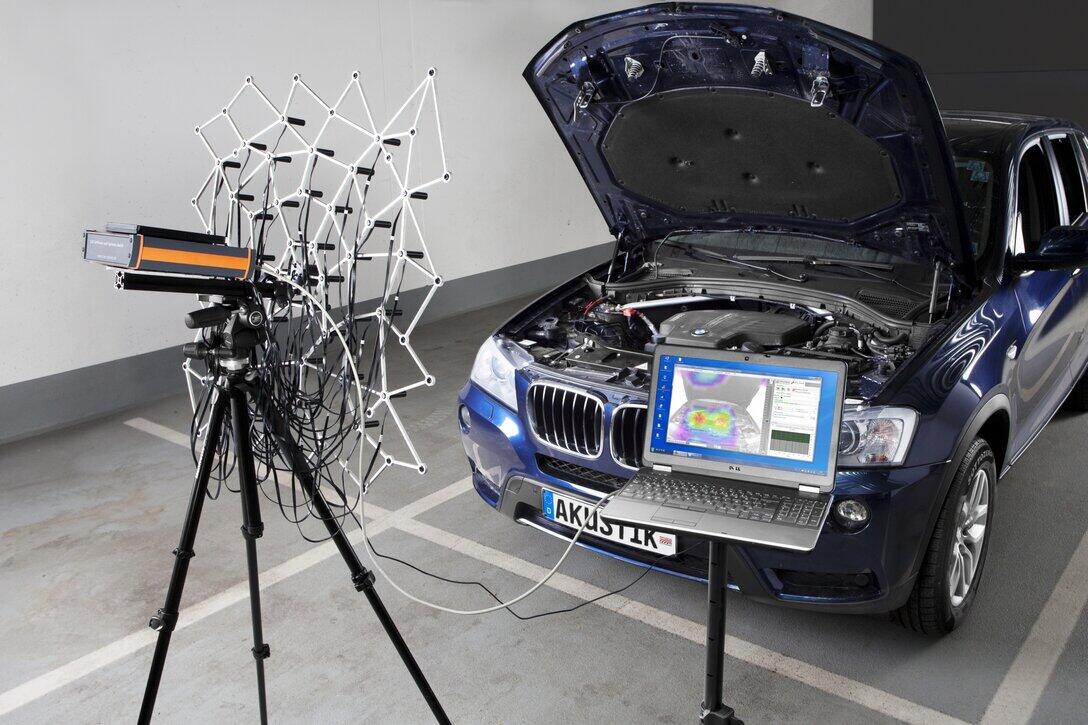
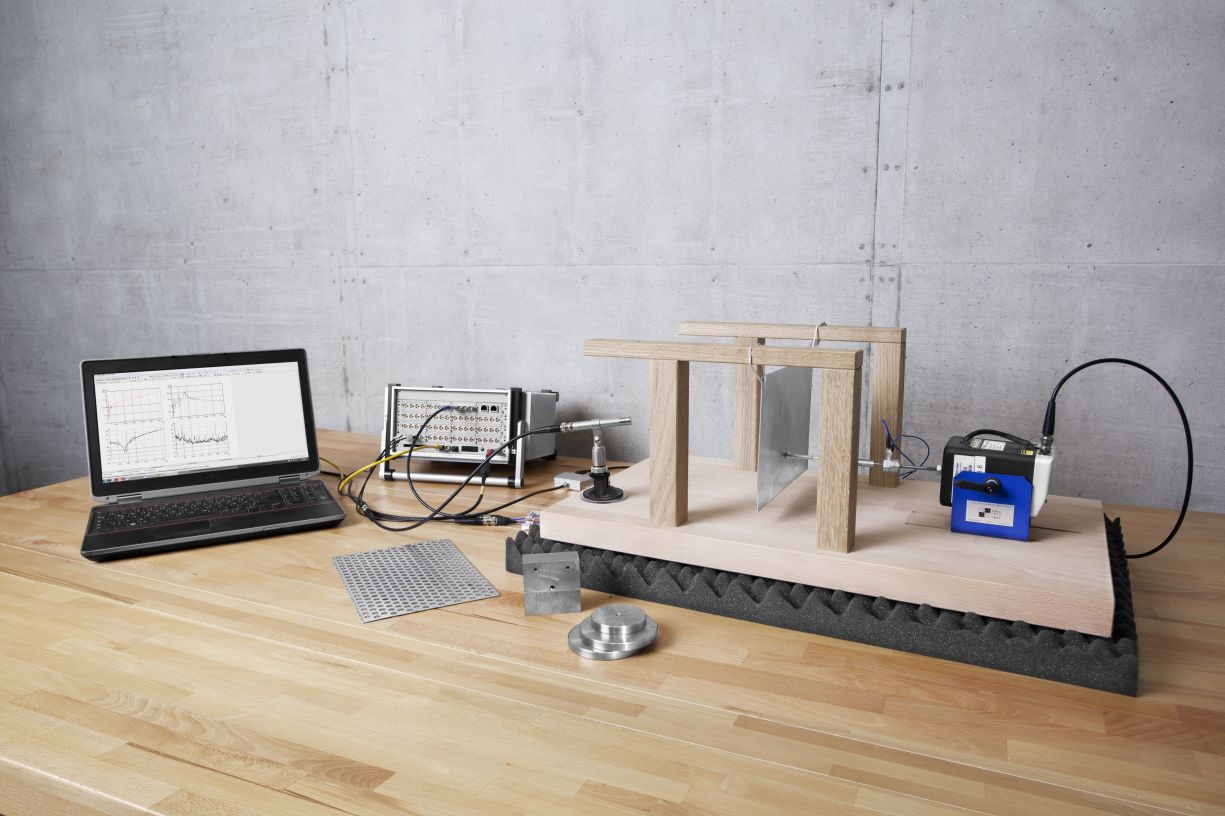
Acoustical Engineering is more than just noise reduction. The Master’s programme equips students to analyse, simulate and specifically design the acoustic properties of technical systems and environments. Depending on their professional background, students may specialise in automotive and mobility acoustics, building sound insulation, the development of low-noise products, or media and audio technology.
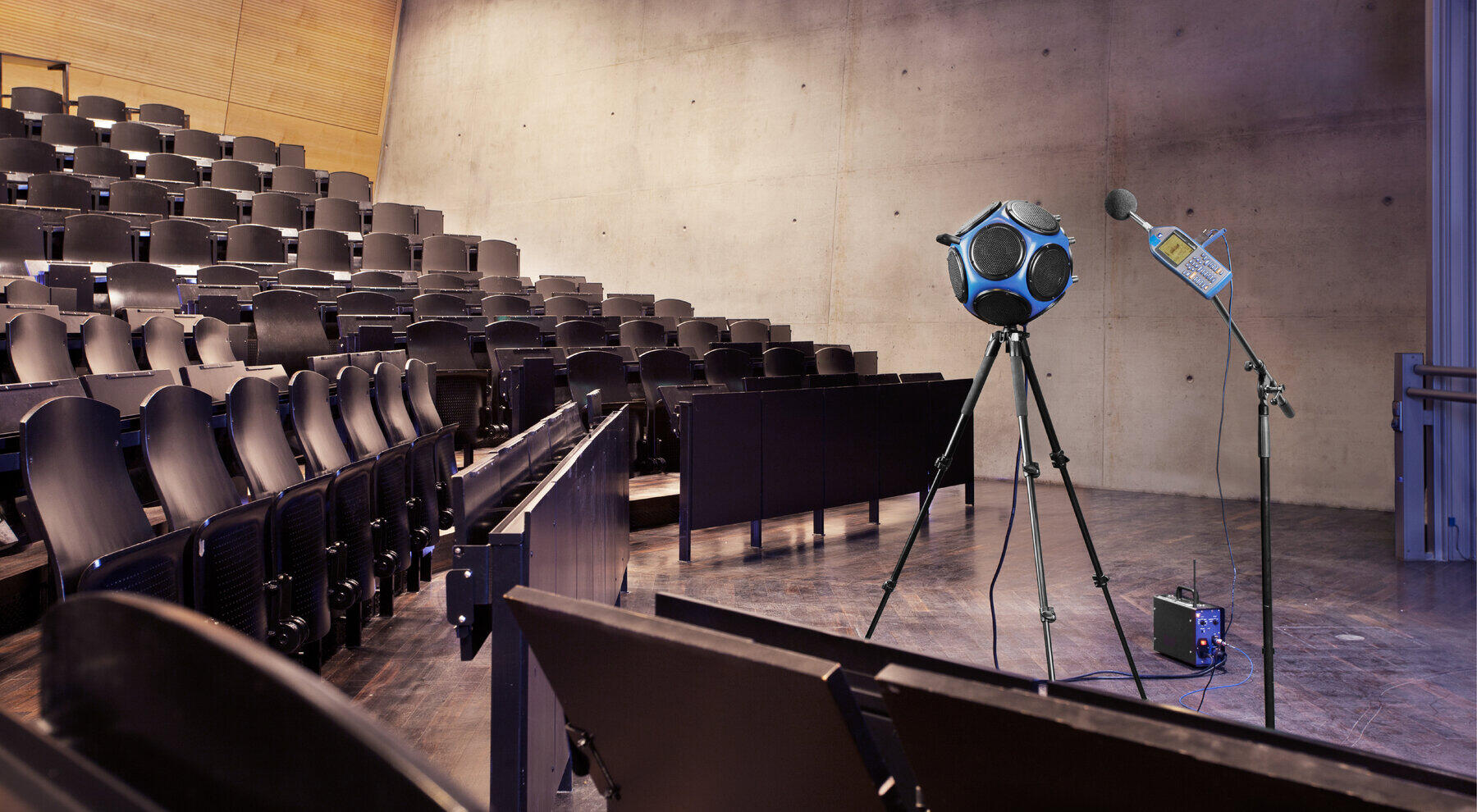
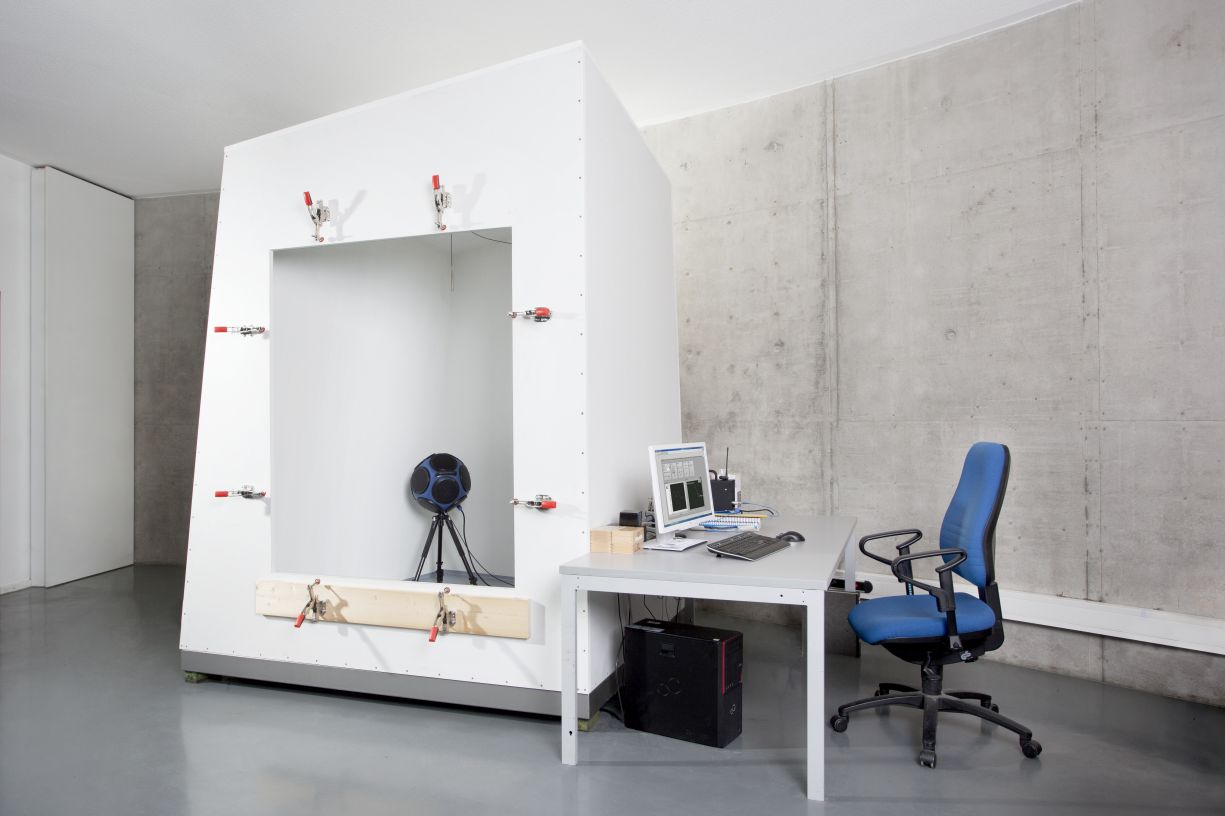
Roll-on test benches, acoustics laboratories, an anechoic chamber, a recording studio and other specialised facilities at the Mittweida University of Applied Sciences and the University of Munich create a uniquely specialised environment that brings all facets of acoustics to life and supports the direct transfer of knowledge into professional practice.
An overview of the course content
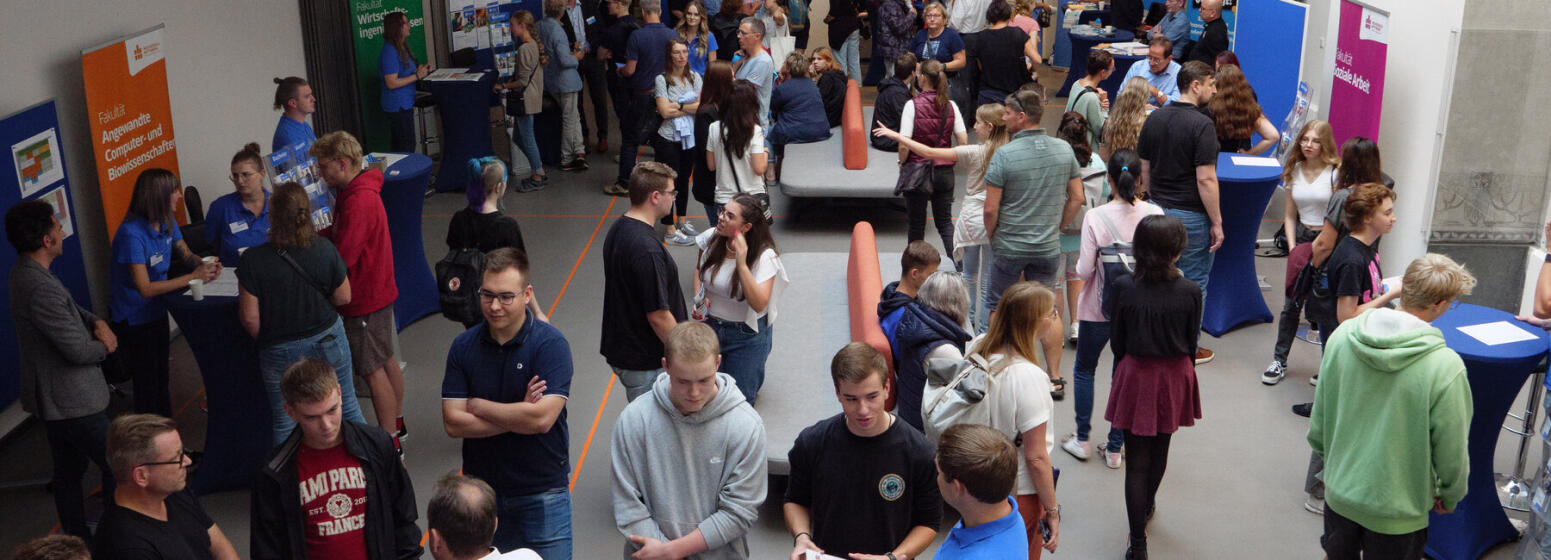
This degree programme is unique in Germany: Mittweida University of Applied Sciences and Munich University of Applied Sciences are combining their expertise to offer a joint Master’s programme that covers the entire spectrum of acoustics.
Whilst the first year of study takes place in Mittweida in the form of monthly, three-day block courses (Thu–Sat) during the lecture term, you will continue your studies in Munich in the second year.
This produces specialists who are able to integrate acoustic requirements into development and planning processes at an early stage and devise technical solutions for complex acoustic challenges.
Fundamentals of Technical Acoustics
Acoustic Measurement Techniques
Advanced Mathematics
Room and Building Acoustics
Psychoacoustics
Media Acoustics and Sound Engineering
Low-noise design and sound insulation
Vehicle acoustics
Management and contract law
Simulation Methods in Acoustics
Colloquium on Academic Writing
Master's thesis



Acoustical Engineering in Mittweida



In summary – Acoustical Engineering in Mittweida

An extra occupational Master’s programme at the intersection of physics, human perception and technical optimisation

(90 Credits)






Semester fee 107€

Graduates of the extra occupational Master’s programme in Acoustical Engineering optimise the noise levels of vehicles and machinery, plan noise control measures for buildings and industrial facilities, or develop acoustic concepts for media and event environments. Typical roles include acoustic engineer for vehicle development, specialist in building and room acoustics, development engineer for vibration and noise optimisation, or expert in acoustic measurement technology and simulation.
Application and Admission
Applicants must hold a first professional degree comprising 180 ECTS credits (Bachelor’s) in a natural science or engineering discipline, comprising at least six semesters of theoretical study.
Language skills:
Applicants who did not obtain their university entrance qualification at a German-speaking institution must also provide evidence of sufficient German language proficiency. The required language level is C1 according to the Common European Framework of Reference for Languages (CEFR).
Proof of this can be provided, for example, by passing the ‘German as a Foreign Language’ (TestDaF) at the Mittweida University of Applied Sciences Preparatory College – with an average score of TDN 3 in the areas of reading comprehension, listening comprehension, written expression and oral expression – or by means of an equivalent certificate.
The application period for the coming winter semester begins on 15 April and ends on 15 July. You can register for the Master’s programme in Acoustical Engineering at hs-mittweida.de/bewerben. Once you have submitted all the forms and supporting documents, you can enrol on the programme. Enrolment secures your place at Mittweida.
For international applicants, the application period closes on 15 May. This earlier deadline allows you to obtain a visa in good time for the start of your studies in September.
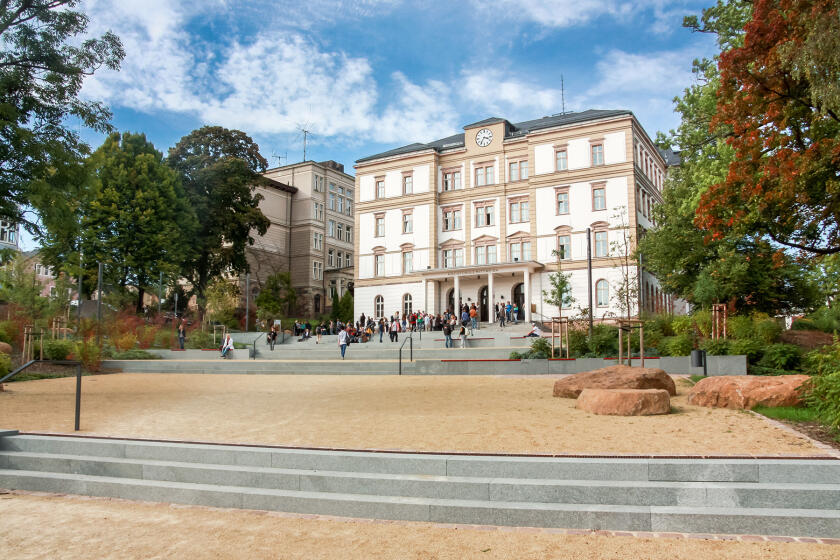
Excellent study conditions combined with affordable rent mean one thing: you can focus on your studies and kick-start your career in no time. You’ll also benefit from a wide range of support services. For example, we’re here to help with tutorials if you ever get stuck with your studies; our start-up network, SAXEED, supports you in setting up your own business; and the Social Support Centre makes studying possible whether you’re a parent or facing physical or mental health challenges. And: there’s no shortage of fun. Which other university holds two music festivals a year on campus? Which one has an esports team with over 100 players? Mittweida University of Applied Sciences is different from what you might think. See for yourself at the Open Campus Day (Studieninformationstag) or the Night of Sciences (Nacht der Wissenschaften)!


Related degree programmes


Frequently Asked Questions
The degree programme itself is already a highly specialised niche field. However, during the course, you can choose your own areas of focus through project work and your Master’s thesis – for example, whether you’re more interested in acoustics in automotive engineering or in building and room acoustics.
As you’ll be working in parallel, you’ll be putting this knowledge into practice virtually every day. In addition, during the on-campus phases, you’ll make use of the state-of-the-art equipment in the acoustics laboratories to carry out practical measurements and simulations.
There are no school-style holidays during your degree. Instead, there are lecture-free periods. During these, you can study, write assignments, undertake work placements – and treat yourself to a bit of a break now and then.
In the 2026/2027 winter term, in addition to public holidays, the following periods are lecture- and exam-free:
- 21 December to 3 January,
- from 22 February. Exception: The Faculty of Social Sciences begins its lecture-free period on 29 February.
In the 2027 summer term, with lectures starting on 22 March, the dates are:
- 25 March to 2 April,
- 7 May,
- 17 May,
- from 2 August. The Faculty of Social Sciences will also hold an examination week from 23 to 27 August.
'Extra occupational' means that you can continue working full-time, as the course is organised via e-learning and highly concentrated blocks of on-campus study. Your commitment to Mittweida is limited to a few block weeks or long weekends per semester, which are planned well in advance.
You’ll need a high degree of self-discipline for the distance-learning phases, a very good understanding of physics and mathematics for complex vibration theory, and, of course, a ‘good ear’ for acoustic details.
This specific Master’s programme is aimed at engineers who, in their work, realise that topics such as noise control, vehicle acoustics (NVH) or room acoustics are becoming increasingly important, but who lack the in-depth specialist knowledge required to solve these complex vibration problems.
This is what is known as a ‘postgraduate Master’s degree’. Unlike undergraduate degree programmes, it does not receive basic state funding. The fees cover the intensive supervision, the highly specialised laboratory facilities (such as low-reflection rooms) and the coordination of the various campuses.
As this is a joint degree programme (with Munich University of Applied Sciences), the on-campus periods at both locations are coordinated very well in advance to ensure there are no clashes in the timetable. However, you are responsible for organising your own travel and accommodation.