This page was translated automatically using artificial intelligence (DeepL). The German version is binding. More information about automatic translation
Facts and figures
Audio and Acoustical Engineering
On the Audio and Acoustical Engineering degree programme, you’ll combine an understanding of physics with creative ambition. You’ll learn how sound is created, how it propagates and how it can be shaped to specific ends. Rather than simply operating the technology, you’ll gain a detailed understanding of the systems and apply them purposefully – from recording and processing right through to playback. In this way, you’ll become the link between engineering and sound design.
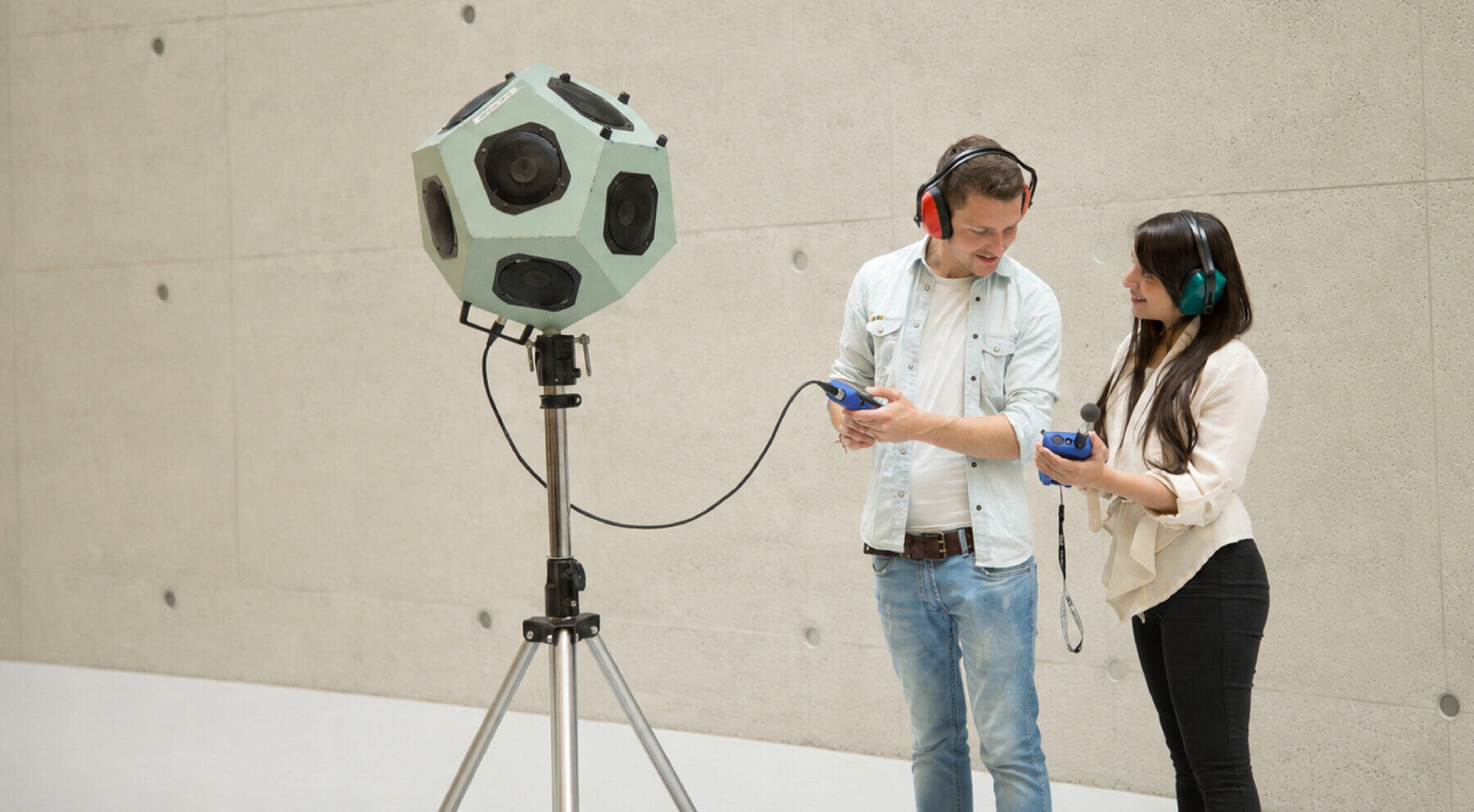
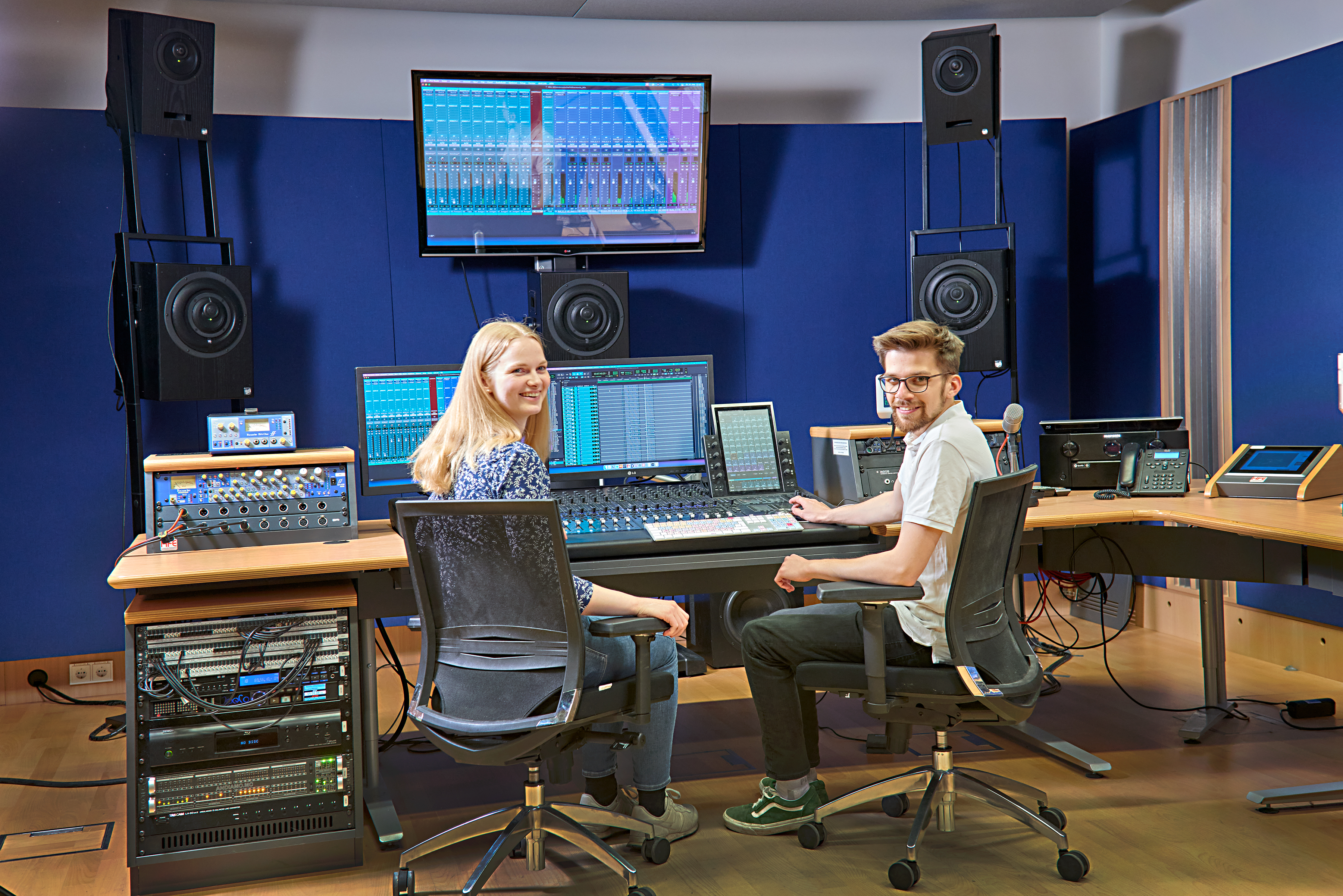
The key difference at Mittweida: the combination of facilities and a strong focus on practical experience. You’ll work in professional recording studios, in the acoustics laboratory and with state-of-the-art measurement technology. As you carry out projects yourself, you’ll gain the experience that will give you a head start when you enter the profession.

An overview of the course content
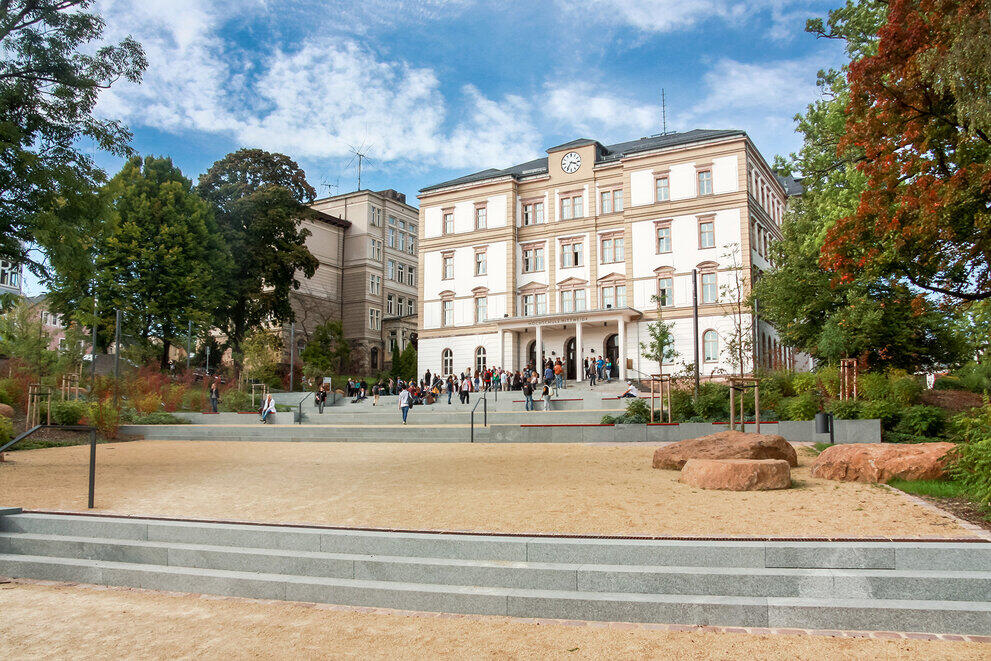
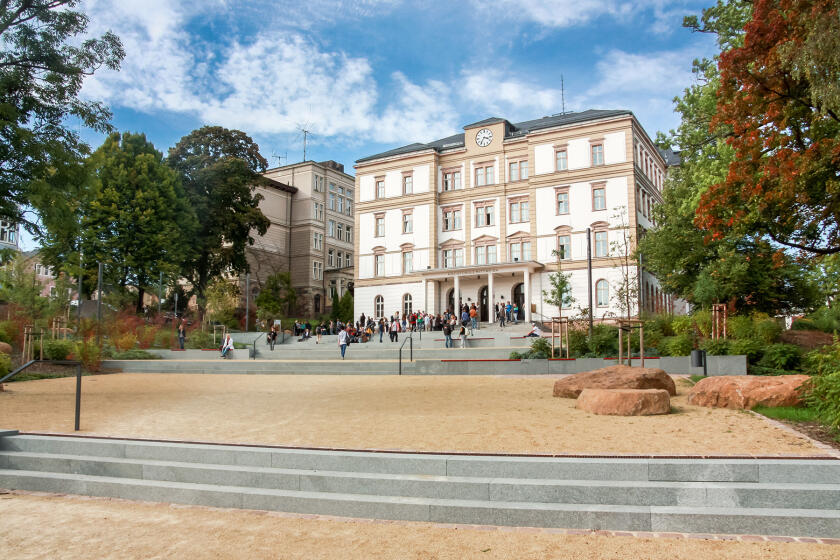
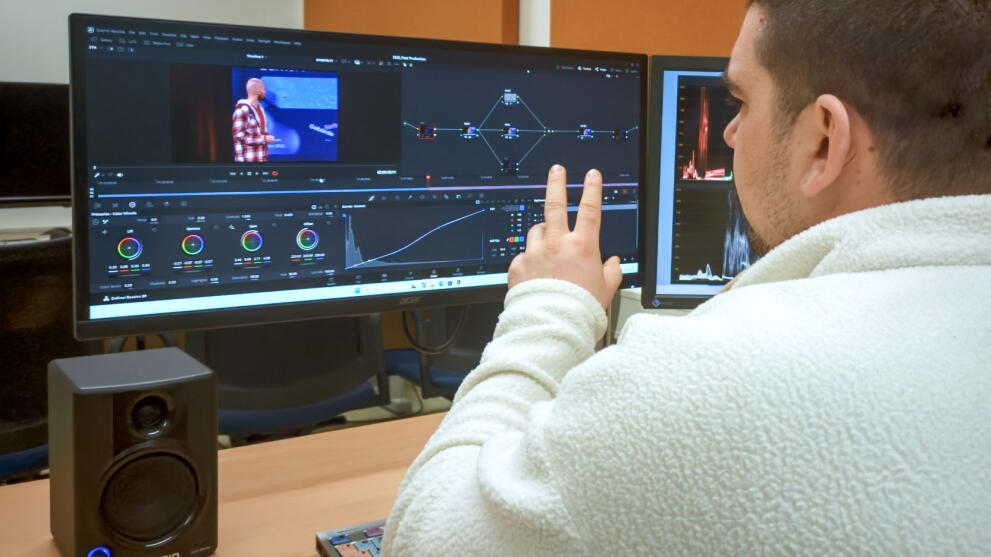
At Mittweida University of Applied Sciences, you’ll study Audio and Acoustical Engineering at Germany’s most modern media campus. Here, several recording studios, an acoustics laboratory, sound measurement facilities and Media Technology come together in a unique way. You’ll develop sound concepts, produce music, analyse sound fields and experience how theory becomes audible reality. Your lecturers bring with them many years of experience from industry and the media sector – and will show you how to apply technology creatively and purposefully. Practical experience is not just an add-on, but the very core of your degree programme: in laboratories, radio and recording studios, on outside broadcast vans or test vehicles, you’ll work with acoustic cameras and other measurement systems on real-world tasks, gaining experience that you’d otherwise only encounter once you’re working professionally.
Audio and Video Technology I
Fundamentals of Information Technology
Fundamentals of Electrical Engineering
Music
Business Management
Mathematics I
Audio and Video Technology II
Fundamentals of Acoustics
Analogue Technology
Integral Transforms and Numerical Applications
Physics
Mathematics II
Signals and Systems
Digital Circuit Design
Digital Signal Processing
Engineering Mechanics
2 specialisation modules
In the Acoustics specialisation:
- Project Acoustics I
- Architectural Acoustics
In the Audio specialisation:
- Audio Production I: Recording
- Virtual Acoustics
Practical Audio Electronics
Acoustic Measurements
3 specialisation modules
In the Acoustics specialisation:
- Project Acoustics II
- Laboratory Course in Acoustics
- Noise Protection
In the Audio specialisation:
- Audio Production II: Mixing and Mastering
- Audio Project I
- Studio Project Planning
AI in Audio and Acoustics
Design
Foundation Management
3 specialisation modules
In the Acoustics specialisation:
- Project Acoustics III
- Sound Engineering
- Practical Sound Engineering
In the Audio specialisation:
- Audio Production III: Electronic Music
- Project Audio II
- Fundamentals of Live Sound Engineering
Academic Publishing
2 specialisation modules
In the Acoustics specialisation:
- Acoustical Machine Design
- Acoustic Modelling and Simulation
In the Audio specialisation:
- Programme Transmission/Distribution
- Media Composition
Practical module (24 weeks in total across the 6th and 7th semesters)
Practical module (24 weeks in total across the 6th and 7th semesters)
Reflection module
Bachelor’s thesis (12 weeks)

Audio and Acoustical Engineering in Mittweida


In summary – Audio and Acoustical Engineering in Mittweida

Full-time Bachelor’s degree programme in Sound and Audio Engineering

(210 Credits)









With your Bachelor’s degree in Audio and Acoustical Engineering, you’ll work wherever sound plays a part – for example, in recording studios, at audio equipment manufacturers, in the automotive sector, in event technology or in research. You’ll design sound systems, develop immersive soundscapes or ensure the perfect mix in a concert hall. Typical careers include sound engineer, acoustician, sound designer, audio consultant or developer of audio hardware and software. If you’d like to deepen your knowledge, the extra occupational Master’s in Acoustical Engineering – which you can study in Mittweida and Munich – is an excellent option.
Application and Admission
Applicants must hold a general university entrance qualification, a university of applied sciences entrance qualification, a subject-specific university entrance qualification or an equivalent recognised qualification. Applicants who have completed vocational training and have at least three years’ professional experience may also be admitted following a consultation and a successful entrance examination.
Language skills:
Anyone who did not obtain their university entrance qualification at a German-speaking institution must demonstrate German language proficiency at level C1 of the Common European Framework of Reference for Languages. Proof of this can be provided, for example, by passing the ‘German as a Foreign Language’ (TestDaF) test at the Mittweida University Preparatory College with an average score of TDN 3 in all four sections, or by presenting an equivalent certificate.
The application period for the winter semester begins on 15 April and ends on 15 July. You can register online via the HSMW application portal. Once you have submitted all your documents, you can enrol. Once you have enrolled, your place at Mittweida is secured. For international applicants, the application deadline is 15 May, to allow sufficient time to apply for a visa.
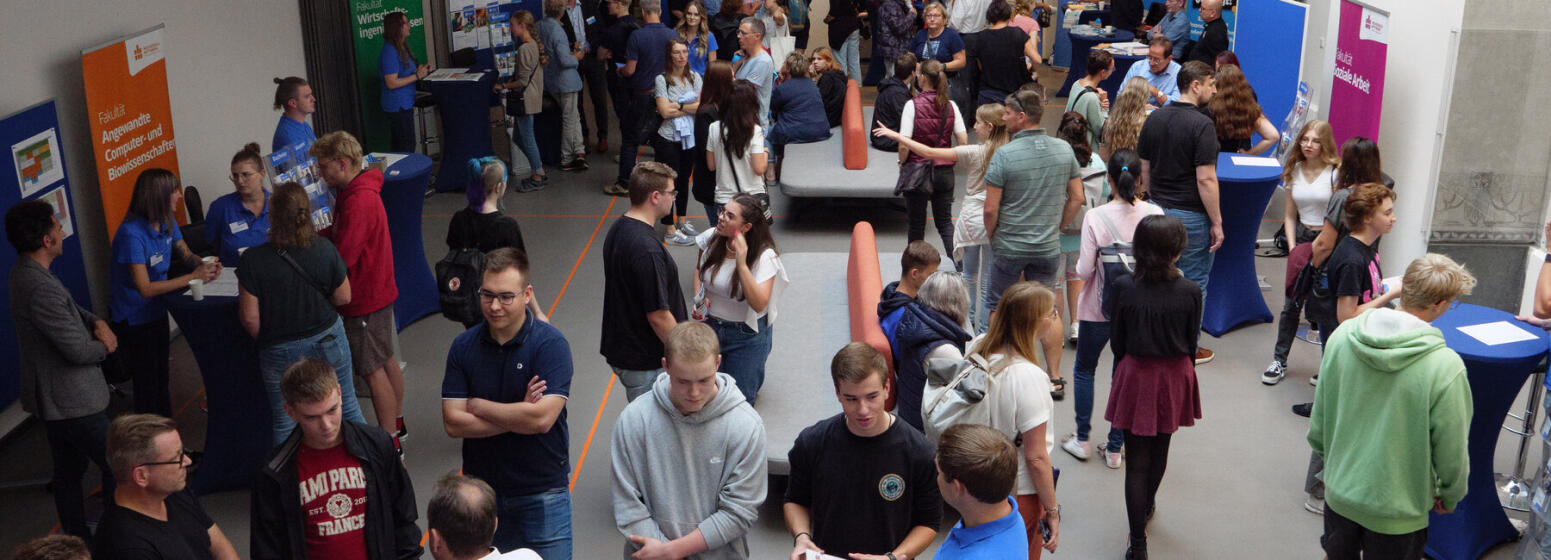
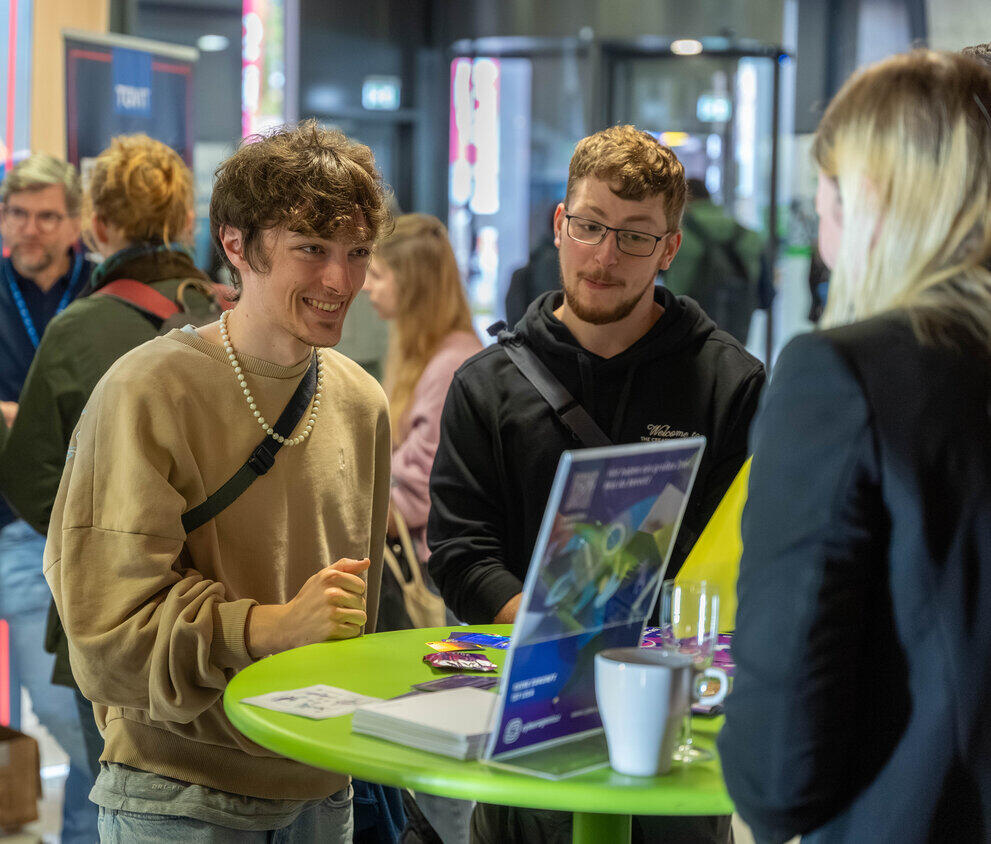
We’ve got you covered! Excellent study conditions, modern facilities and affordable rent allow you to focus fully on your studies. Tutorials are on hand to help with academic queries, the SAXEED start-up network supports you on your journey to developing your own business idea, and the Social Support Service offers assistance with specific life situations, such as childcare or caring for relatives. The campus also has plenty to offer: two music festivals a year, an active esports team and a vibrant student community. Discover just how diverse life in Mittweida is – at the Open Day or the Night of Science.

Related degree programmes


Frequently Asked Questions
No specific prior knowledge of audio engineering is required, as all the relevant content is taught from scratch during the degree programme. However, as this is a technical degree programme, a fundamental interest in mathematics and physics is very important in order to truly grasp the principles underlying, for example, sound and technology.
Yes, you have the option of specialising in either Acoustics or Audio Production. This allows you to decide for yourself whether your focus should be more on technical acoustics and vibration theory or on the media-oriented production of audio content.
You’ll decide on your specialisation at the end of the second semester, once you’ve gained an understanding of the fundamentals of both areas. As with the other degree programmes, the lecturers will help you choose the path that best suits your strengths by providing a detailed overview of the specialisation options.
There are no school-style holidays during your degree. Instead, there are lecture-free periods. During these, you can study, write assignments, undertake work placements – and treat yourself to a bit of a break now and then.
In the 2026/2027 winter term, in addition to public holidays, the following periods are lecture- and exam-free:
- 21 December to 3 January,
- from 22 February. Exception: The Faculty of Social Sciences begins its lecture-free period on 29 February.
In the 2027 summer term, with lectures starting on 22 March, the dates are:
- 25 March to 2 April,
- 7 May,
- 17 May,
- from 2 August. The Faculty of Social Sciences will also hold an examination week from 23 to 27 August.