This page was translated automatically using artificial intelligence (DeepL). The German version is binding. More information about automatic translation
Facts and figures
Laser Technology
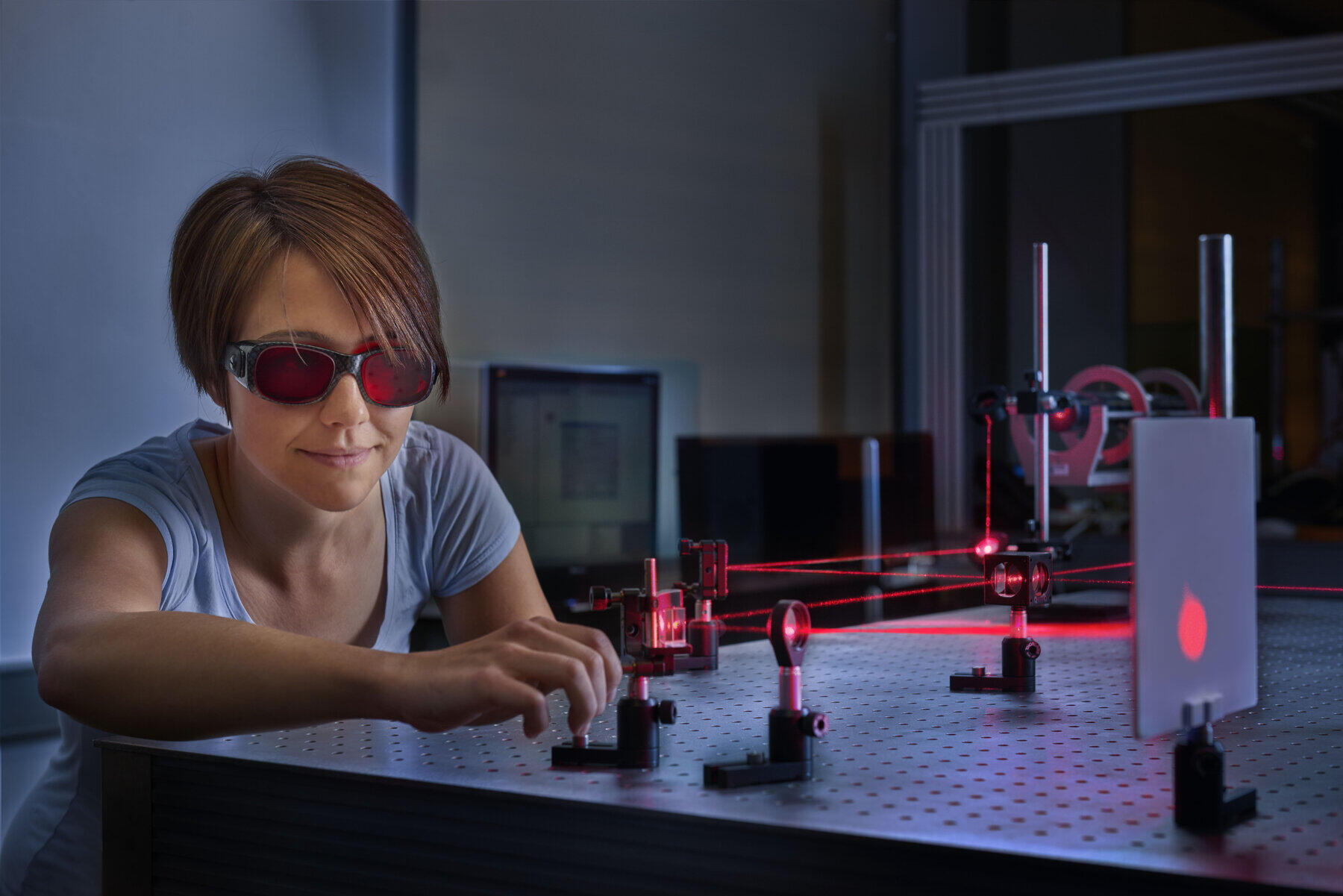
Laser Technology is an interplay of physics, materials science, optics and manufacturing technology. Why does a material react to certain laser parameters? How does high-precision machining work? How can energy, focus and movement be controlled in such a way that processes operate cost-effectively? These questions form the core of the degree programme.
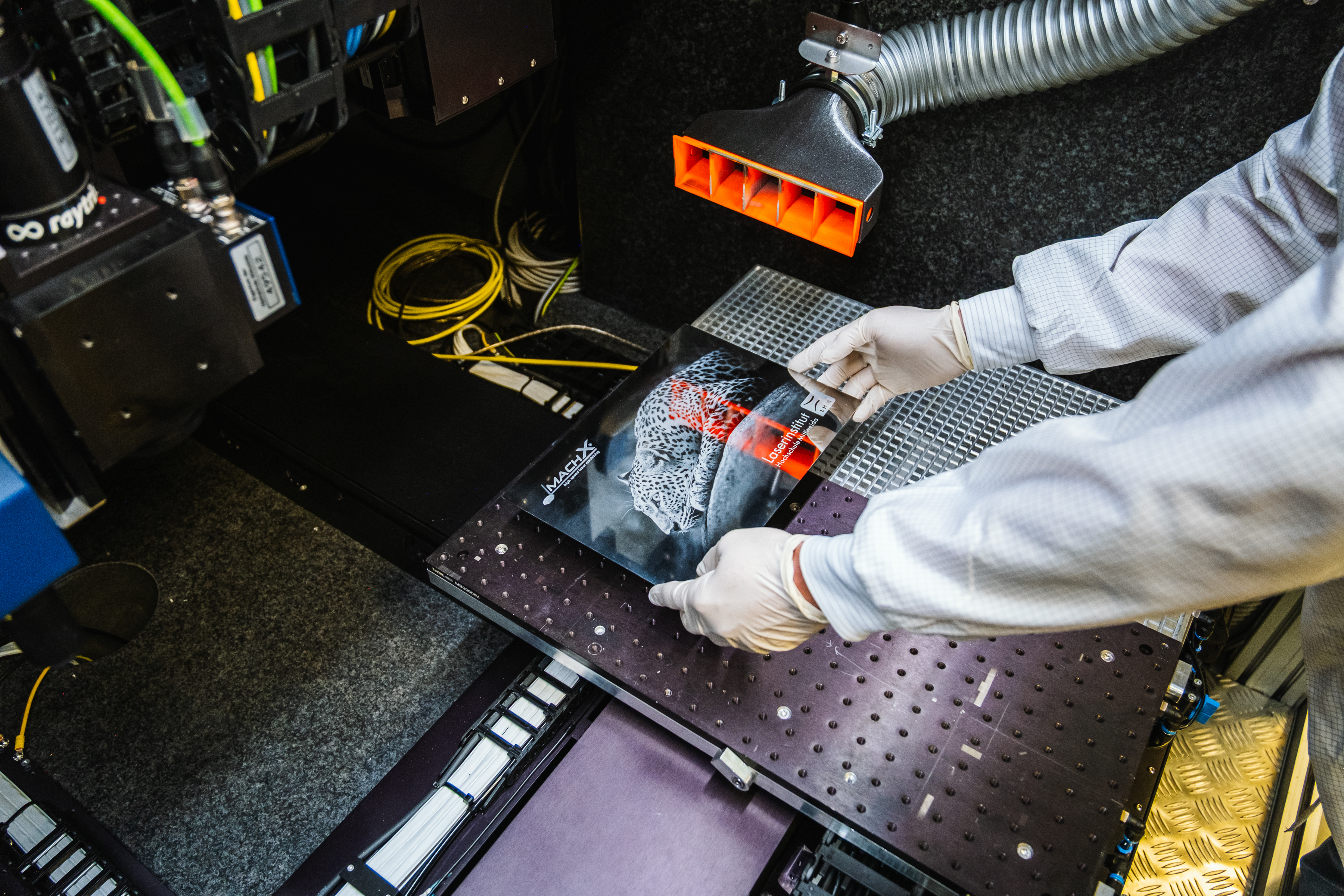
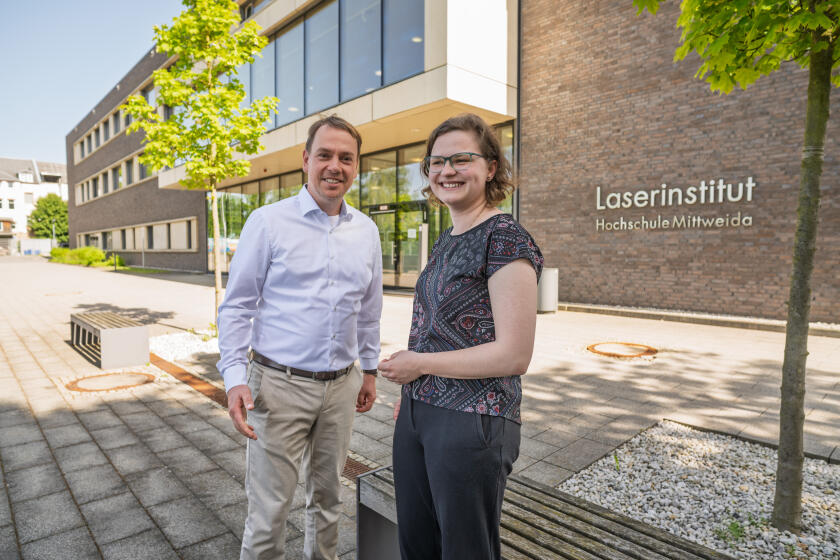
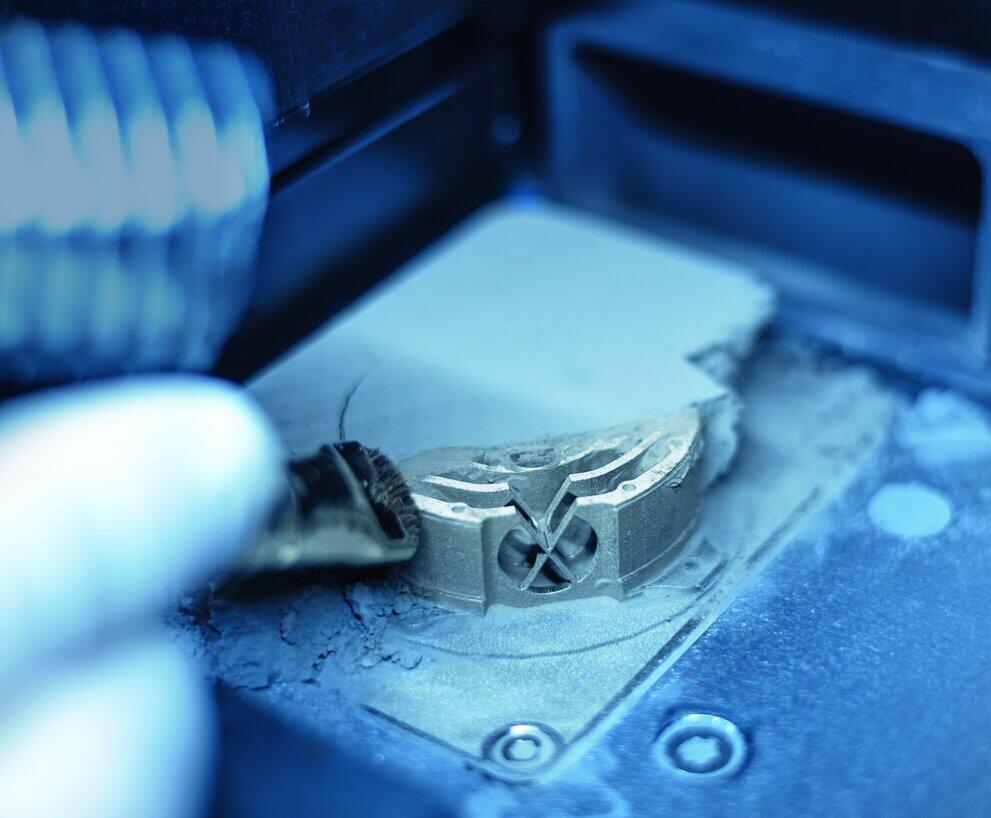
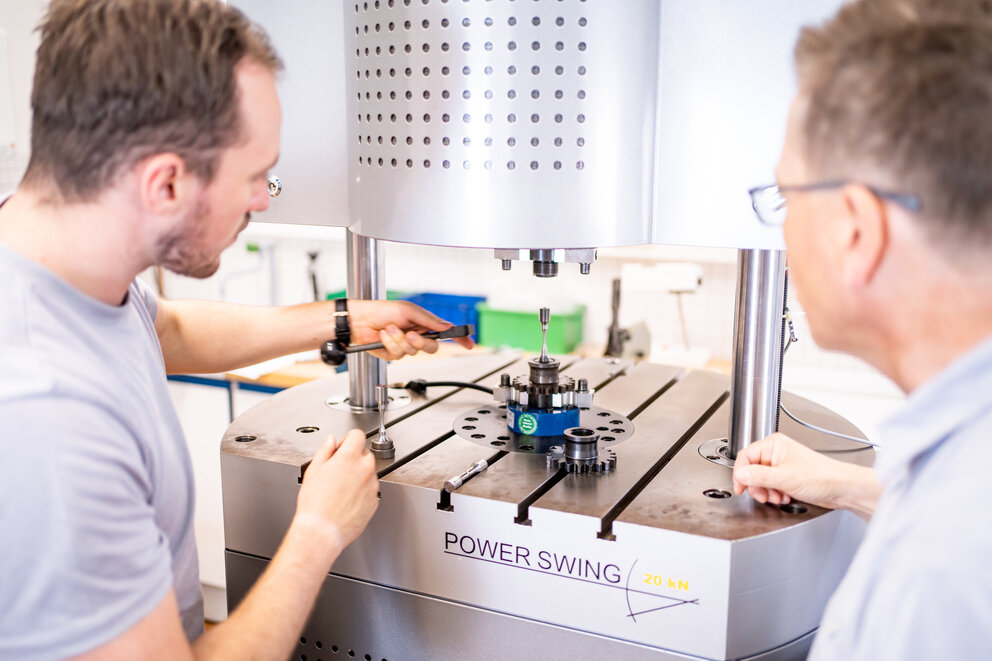
The Laser Institute at Mittweida University of Applied Sciences is what makes this degree programme special. It is one of Germany’s leading centres for Laser Technology and laser material processing. Research here focuses on innovative processes and industrial applications. Rather than studying Laser Technology in theory, you’ll experience first-hand how cutting-edge technologies are developed.
"How much physics is there in Physical Engineering?" | Professor and student answer FAQs about the degree programme
An overview of the course content
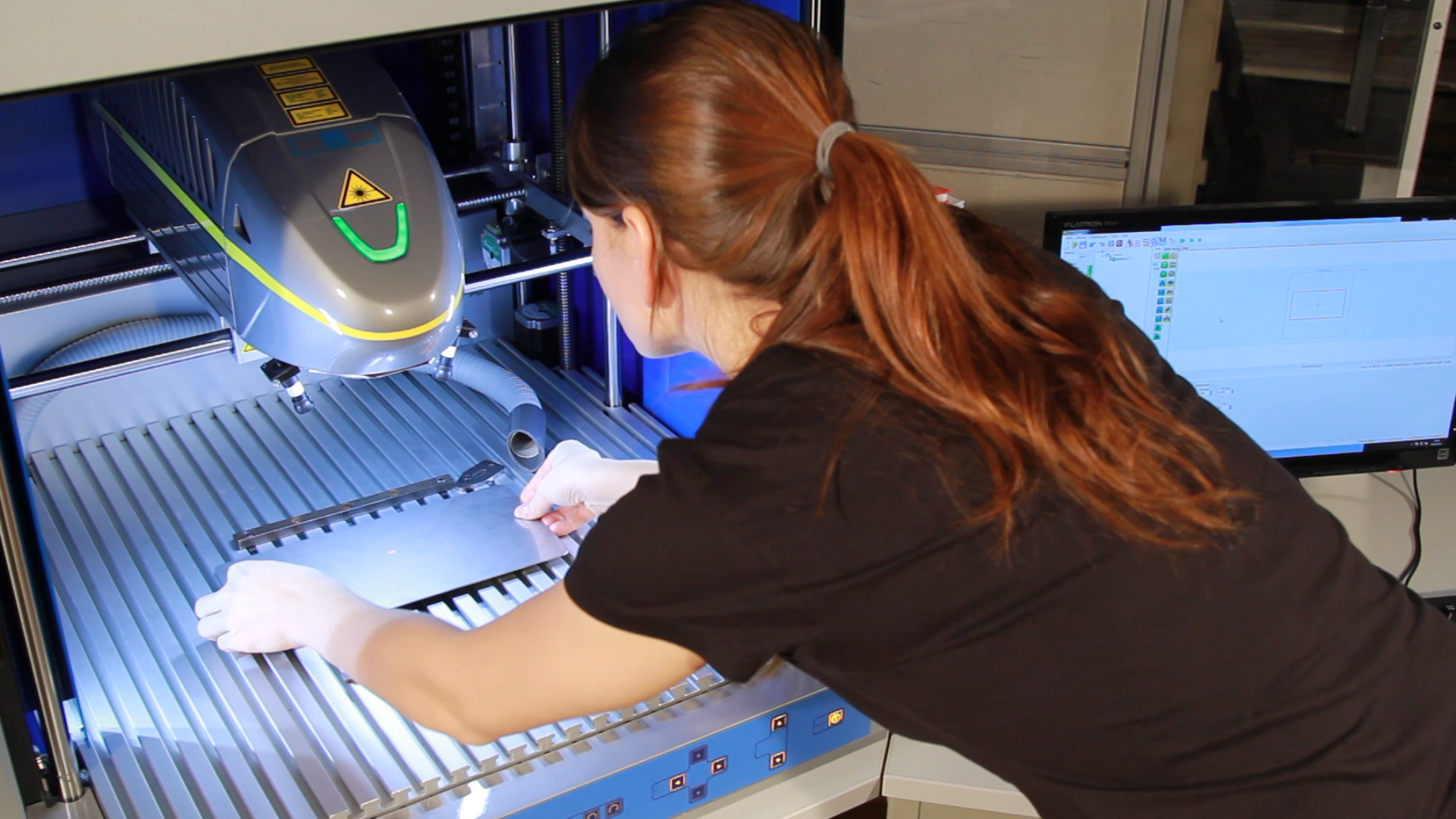
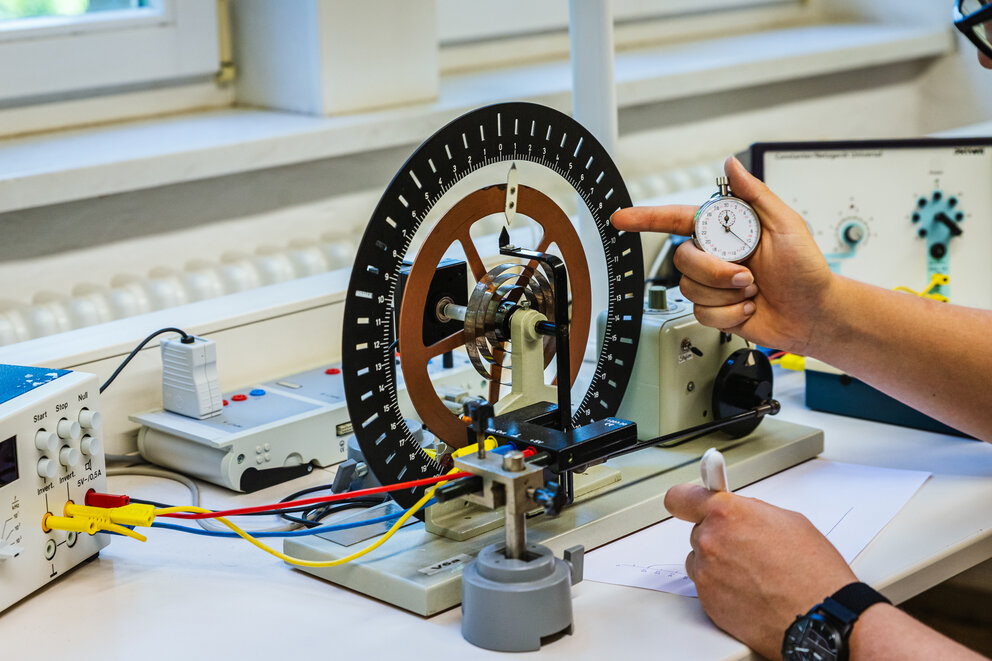
The Laser Technology specialisation combines fundamental physics with practical technical applications. In modules such as Laser Physics, Fundamentals of Laser Material Processing or the comprehensive Laser Technology practical course, you will explore modern laser systems and industrial manufacturing processes. You will analyse the interactions between radiation and materials, gain an understanding of optical systems, and work on applications ranging from high-precision material processing to automated production processes.
At Mittweida, you won’t simply learn to operate machines; instead, you’ll gain an understanding of the physical processes behind modern high-precision techniques. This knowledge is in demand wherever industry is pushing the boundaries of technology – for example, in microelectronics, medical technology, the automotive industry, or aerospace.
Mechanics
Fundamentals of Information Technology
Design
Electrical Engineering
Mathematics for Physicists
transversal skills
Currents/Waves
CAD Techniques
General Chemistry
Procedural Programming
Mathematics: Analysis
Materials Science
Thermodynamics and Electrodynamics
Technical Optics
Physical Measurement Technology
Advanced Mathematical Methods
Instrumentation/Safety
Engineering Physics
Optical Metrology
Structure of Matter
Engineering Mechanics
2 specialisation modules:
- Fundamentals of Laser Material Processing
- Laser Material Processing Techniques
Business Management
Fundamentals of Manufacturing Technology
Analogue Technology
Microsystems Technology
2 specialisation modules:
- Laser Physics
- Comprehensive Practical Course in Laser Technology
Practical module
: Independent scientific and practical work within a company
Duration: 12 weeks
Bachelor’s
thesis: Final, independent academic thesis
Duration: 12 weeks

Physical Engineering in Mittweida

In summary – Laser Technology in Mittweida

Specialisation within the full-time Bachelor’s degree programme in Physical Engineering

(180 Credits)







After studying Laser Technology, you could, for example, work as a development engineer for laser systems, a process engineer in automated manufacturing, or a specialist in laser material processing. Roles in research and development, the optical industry or high-tech manufacturing are also typical career paths.
Application and Admission
Applicants must hold a general university entrance qualification, a university of applied sciences entrance qualification, a subject-specific university entrance qualification or an equivalent recognised qualification. Applicants who have completed vocational training and have at least three years’ professional experience may also be admitted following a consultation and a successful entrance examination.
Language skills:
Anyone who did not obtain their university entrance qualification at a German-speaking institution must demonstrate German language proficiency at level C1 of the Common European Framework of Reference for Languages. Proof of this can be provided, for example, by passing the ‘German as a Foreign Language’ (TestDaF) test at the Mittweida University Preparatory College with an average score of TDN 3 in all four sections, or by presenting an equivalent certificate.
The application period for the winter semester begins on 15 April and ends on 15 July. You can register online via the HSMW application portal. Once you have submitted all your documents, you can enrol. Once you have enrolled, your place at Mittweida is secured. For international applicants, the application deadline is 15 May, to allow sufficient time to apply for a visa.
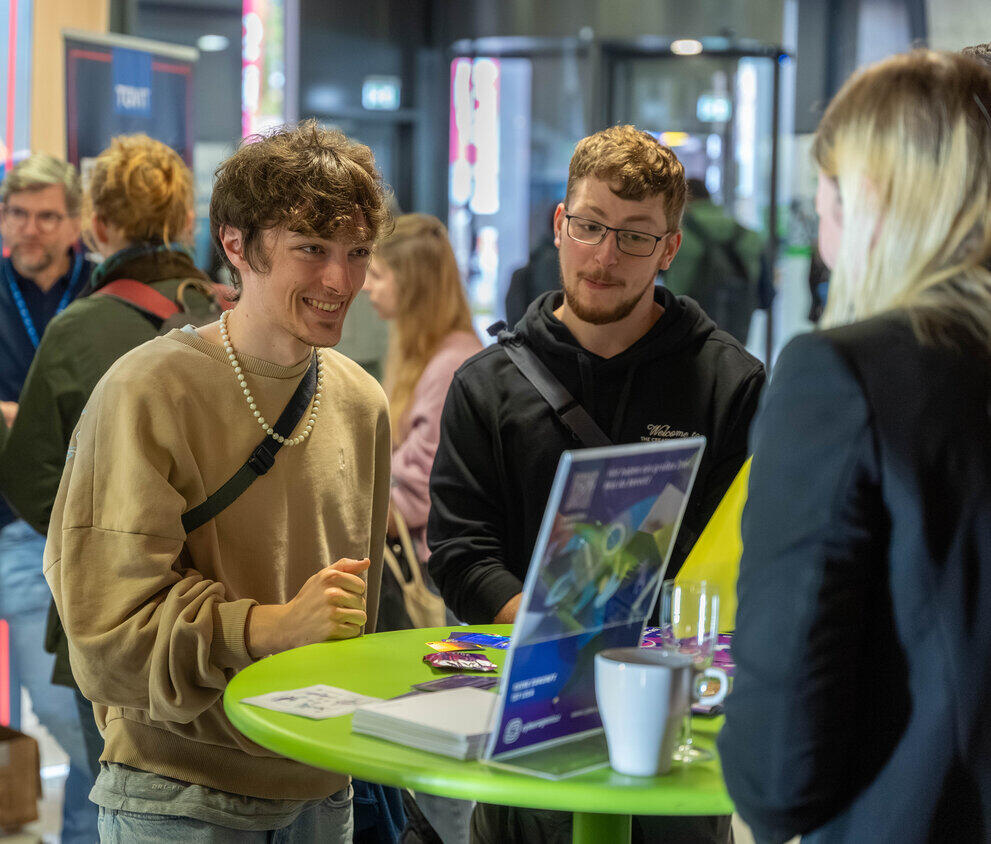
We’ve got you covered! Excellent study conditions, modern facilities and affordable rent allow you to focus fully on your studies. Tutorials are on hand to help with academic queries, the SAXEED start-up network supports you on your journey to developing your own business idea, and the Social Support Service offers assistance with specific life situations, such as childcare or caring for relatives. The campus also has plenty to offer: two music festivals a year, an active esports team and a vibrant student community. Discover just how diverse life in Mittweida is – at the Open Day or the Night of Science.

Related degree programmes

Frequently Asked Questions
Yes, at the end of the third semester, you’ll choose one of the three promising specialisations: Laser Technology, 3D Printing or Biophotonics. To help you make your choice, you’ll get a taste of all the areas during the first few semesters and can bombard your lecturers with all sorts of questions.
There are no school-style holidays during your degree. Instead, there are lecture-free periods. During these, you can study, write assignments, undertake work placements – and treat yourself to a bit of a break now and then.
In the 2026/2027 winter term, in addition to public holidays, the following periods are lecture- and exam-free:
- 21 December to 3 January,
- from 22 February. Exception: The Faculty of Social Sciences begins its lecture-free period on 29 February.
In the 2027 summer term, with lectures starting on 22 March, the dates are:
- 25 March to 2 April,
- 7 May,
- 17 May,
- from 2 August. The Faculty of Social Sciences will also hold an examination week from 23 to 27 August.
As well as holding a general or subject-specific university entrance qualification, you should have a keen interest in science and technology. Specific advanced-level school subjects are not essential, but a solid foundation in mathematics and physics will make it much easier for you to get to grips with the fundamentals of engineering.
Due to subjects such as thermodynamics and electrodynamics, or advanced mathematics, the degree programme is considered mathematically and physically demanding and requires logical thinking and discipline. However, no specific prior knowledge is required, as all the fundamentals are systematically built up from the outset and the university supports you with preparatory courses.
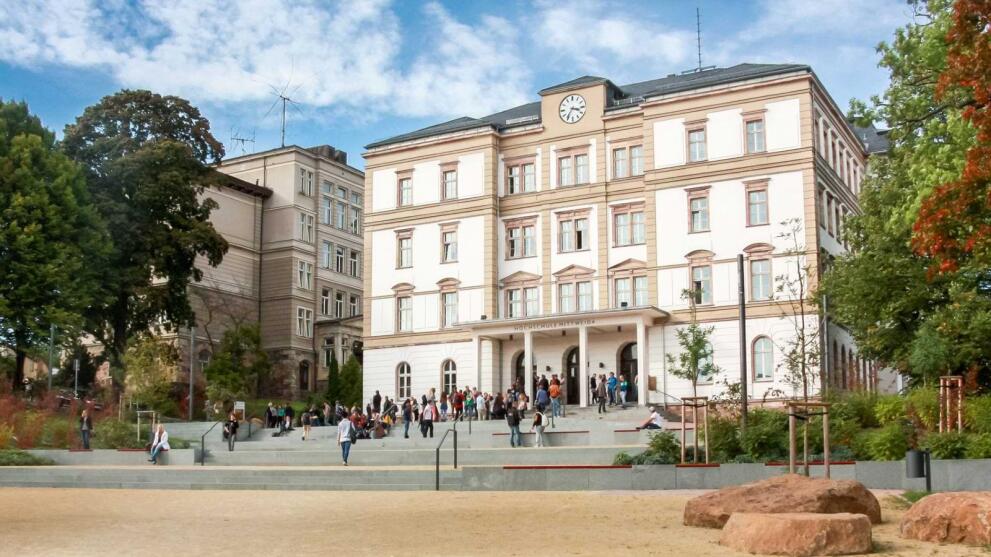
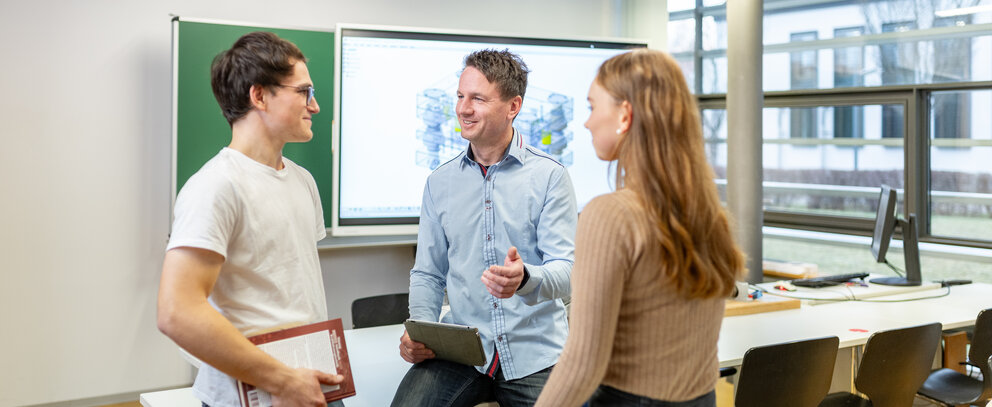
Mittweida is home to the nation’s leading laser institute, the Mittweida University of Applied Sciences (LHM), which means you’ll have access to world-class technical facilities that are unrivalled by any other university in Germany. You’ll also benefit from extremely small practical groups – usually comprising just two or three people – and very personalised support, without the hassle of overcrowded lecture theatres.