This page was translated automatically using artificial intelligence (DeepL). The German version is binding. More information about automatic translation
Facts and figures
Engineering pedagogy
What makes the degree programme in engineering pedagogy so special is the close integration of technical training, teaching practice and clear career prospects. You combine a technical main subject (Mechanical Engineering or Electrical Engineering) with a second teaching subject (Electrical Engineering, Mechanical Engineering or Physics) and gain practical experience in schools and education whilst still studying. At the same time, the programme opens up a direct route to a teaching career in technical subjects at vocational schools: in combination with the subsequent accelerated teacher training programme at TU Dresden, you will gain specific qualifications for teaching in the technical and vocational sector.
An overview of the course content
Through engineering pedagogy, you will develop the ability to communicate technical concepts in a way that is clear, practical and engaging. You combine engineering thinking with pedagogical expertise, whilst also engaging with the design of modern learning environments, media literacy and vocational didactics. It is precisely this combination that makes Engineering pedagogy a unique degree programme at the intersection of technology, education and social responsibility.
The differences compared to a traditional teacher training programme: Firstly, Engineering pedagogy is a fully-fledged engineering degree that enables you to shorten your teacher training programme at TU Dresden, embark on a technical Master’s programme, or move straight into industry after completing your Engineering pedagogy degree. Secondly, you can study engineering pedagogy at the HSMW even without A-levels, whereas a university teacher training programme normally requires A-levels. Thirdly, you do not need to move to a major city to undertake the Bachelor’s programme; instead, you can remain in the Central Saxony region.
1st subject: Foundation course in Mechanical Engineering: Natural Sciences/Engineering or Electrical Engineering
2nd subject: Mechanical Engineering, Electrical Engineering or Physics
Education: Introduction to Engineering Pedagogy
Education: Fundamentals of designing learning environments for vocational education and training
1st subject: Foundation course in Mechanical Engineering: Natural Sciences/Engineering or Electrical Engineering
2. Subject: Mechanical Engineering, Electrical Engineering or Physics
Education: Preparatory seminar for Block Placement A
1st subject: Advanced or extension modules in Mechanical Engineering or Electrical Engineering
2nd subject: Mechanical Engineering, Electrical Engineering or Physics
Education: Didactics, 1st specialisation
Education: Block placement A
1st subject: Advanced or extension modules in Mechanical Engineering or Electrical Engineering
2nd subject: Mechanical Engineering, Electrical Engineering or Physics
Education: Didactics, 2nd specialisation
Education: Media Education
1st subject: Advanced or extension modules in Mechanical Engineering or Electrical Engineering
2nd subject: Mechanical Engineering, Electrical Engineering or Physics
Education: Practical teaching placement in the first subject area
Practical module
: Independent academic and practical work within a company
Duration: 12 weeks
Bachelor’s thesis, including a teaching demonstration
: Final, independent academic project
Duration: 12 weeks

Engineering pedagogy in Mittweida

In summary – Engineering pedagogy in Mittweida

Full-time Bachelor’s degree programme leading to a career as a vocational college teacher

(180 Credits)







After completing your Bachelor’s degree, you can undertake a significantly shortened teacher training programme at TU Dresden. Before you then make the permanent transition to teaching, you will undertake a one-and-a-half-year preparatory service, often referred to as a teaching placement. Provided you have not yet reached the age of 42 at the time of appointment, you can become a civil servant whilst still on your teaching placement. Alternatively, you can start working in the training departments of industrial companies straight after completing your Bachelor’s degree. Roles in adult education, the development of digital learning concepts or technical education management are also among the possible career paths.
Application and Admission
Applicants must hold a general university entrance qualification, a university of applied sciences entrance qualification, a subject-specific university entrance qualification or an equivalent recognised qualification. Applicants who have completed vocational training and have at least three years’ professional experience may also be admitted following a consultation and a successful entrance examination.
Language skills:
Anyone who did not obtain their university entrance qualification at a German-speaking institution must demonstrate German language proficiency at level C1 of the Common European Framework of Reference for Languages. Proof of this can be provided, for example, by passing the ‘German as a Foreign Language’ (TestDaF) test at the Mittweida University Preparatory College with an average score of TDN 3 in all four sections, or by presenting an equivalent certificate.
The application period for the winter semester begins on 15 April and ends on 15 July. You can register online via the HSMW application portal. Once you have submitted all your documents, you can enrol. Once you have enrolled, your place at Mittweida is secured. For international applicants, the application deadline is 15 May, to allow sufficient time to apply for a visa.
We’ve got you covered! Excellent study conditions, modern facilities and affordable rent allow you to focus fully on your studies. Tutorials are on hand to help with academic queries, the SAXEED start-up network supports you on your journey to developing your own business idea, and the Social Support Service offers assistance with specific life situations, such as childcare or caring for relatives. The campus also has plenty to offer: two music festivals a year, an active esports team and a vibrant student community. Discover just how diverse life in Mittweida is – at the Open Day or the Night of Science.
Related degree programmes
Frequently Asked Questions
The programme offers a well-balanced mix, with the engineering component taking the lead at Bachelor’s level to ensure you are thoroughly grounded in the subject matter. The pedagogical foundations are introduced gradually to prepare you to pass on this knowledge to others in a way that is easy to understand.
There are no school-style holidays during your degree. Instead, there are lecture-free periods. During these, you can study, write assignments, undertake work placements – and treat yourself to a bit of a break now and then.
In the 2026/2027 winter term, in addition to public holidays, the following periods are lecture- and exam-free:
- 21 December to 3 January,
- from 22 February. Exception: The Faculty of Social Sciences begins its lecture-free period on 29 February.
In the 2027 summer term, with lectures starting on 22 March, the dates are:
- 25 March to 2 April,
- 7 May,
- 17 May,
- from 2 August. The Faculty of Social Sciences will also hold an examination week from 23 to 27 August.
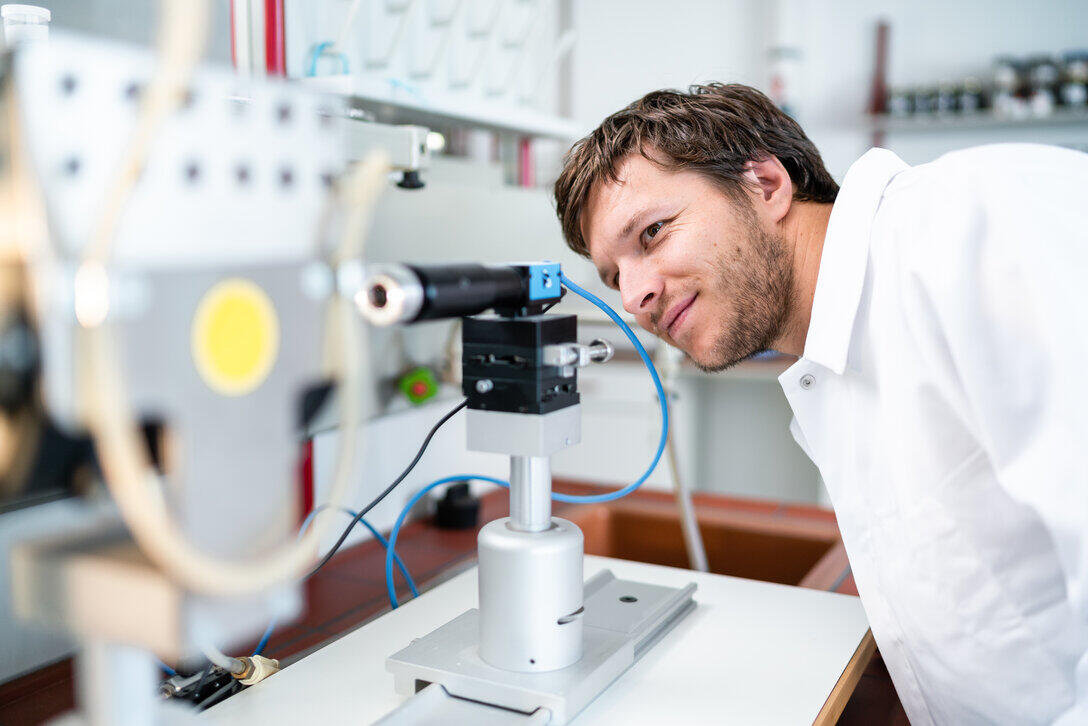
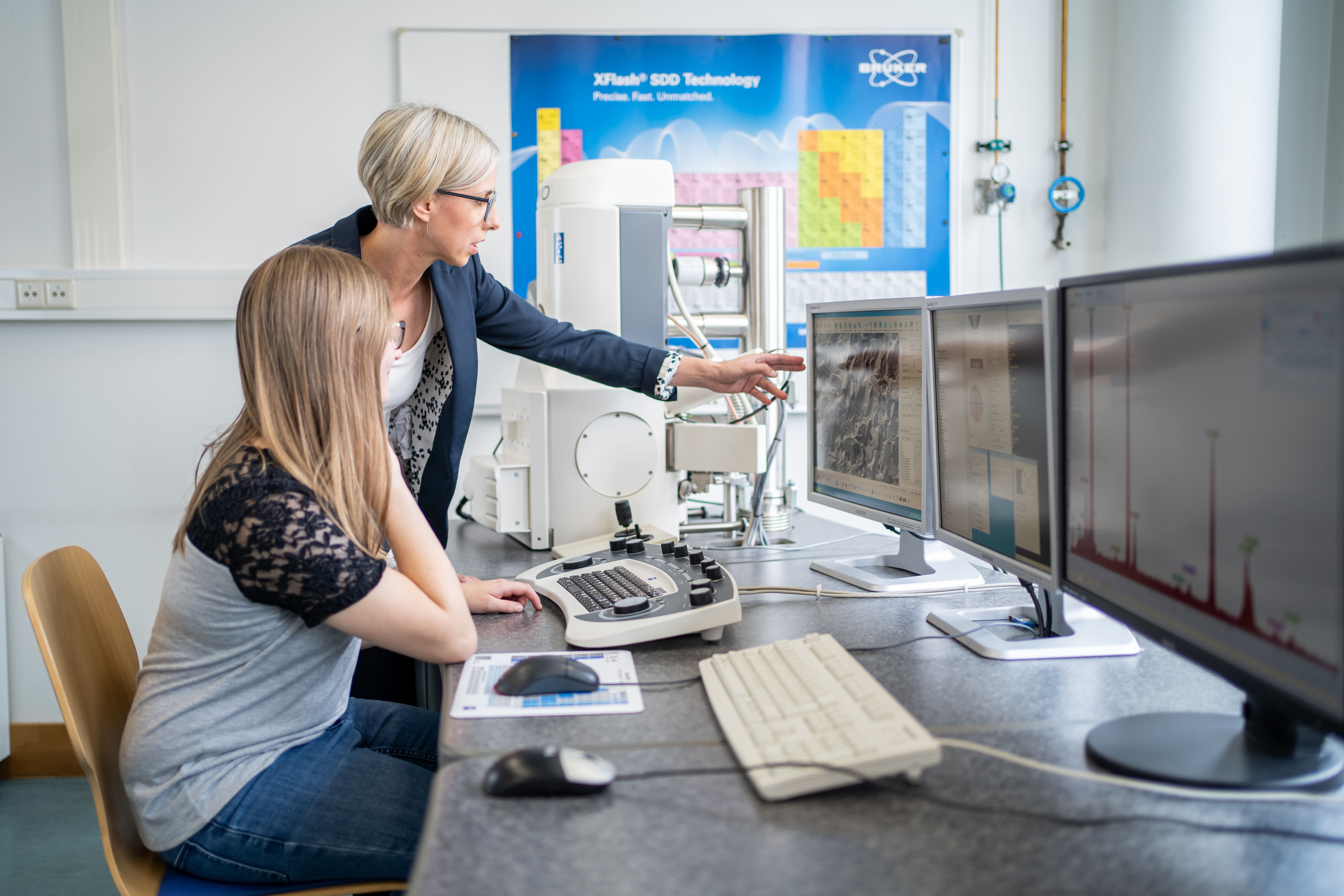
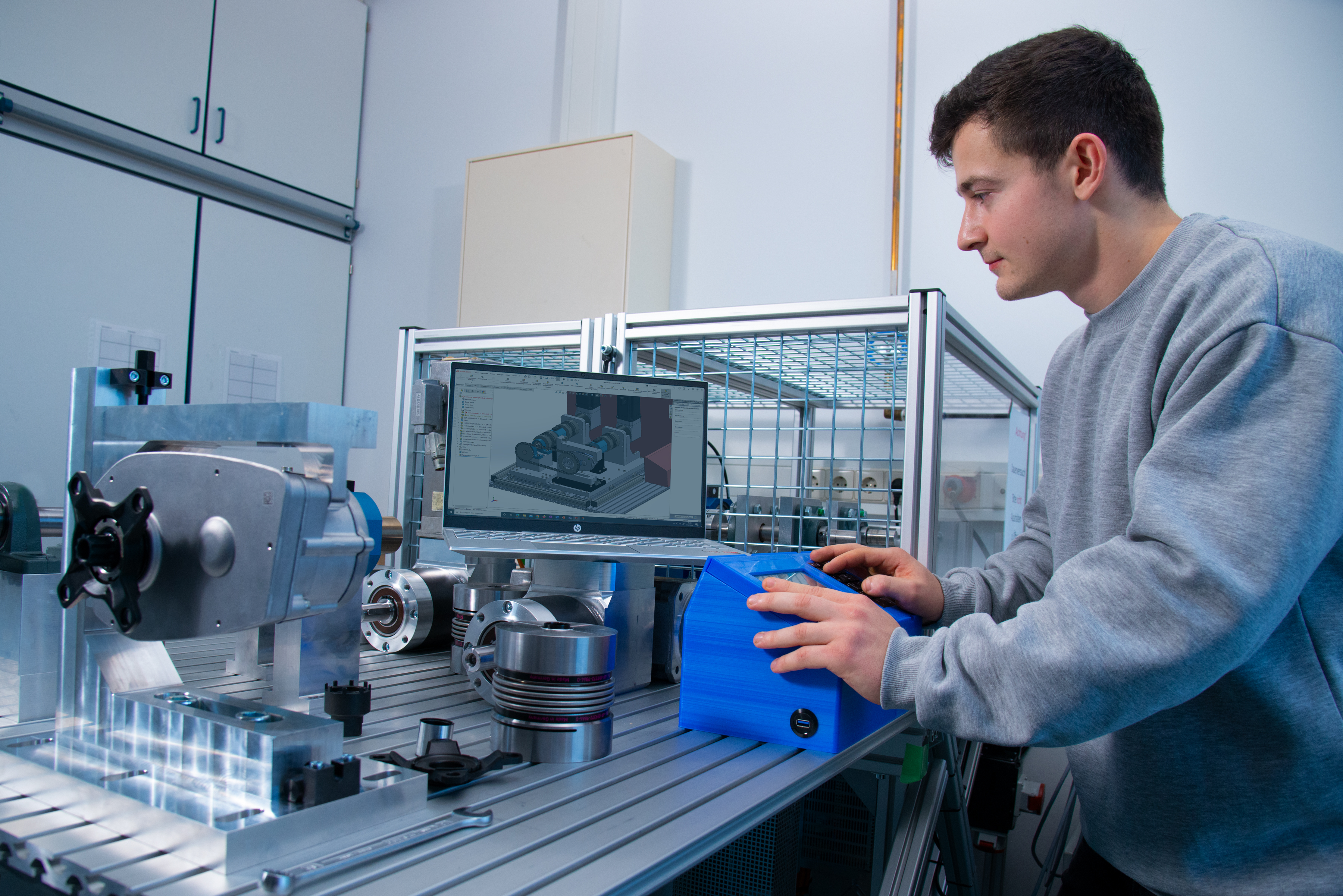
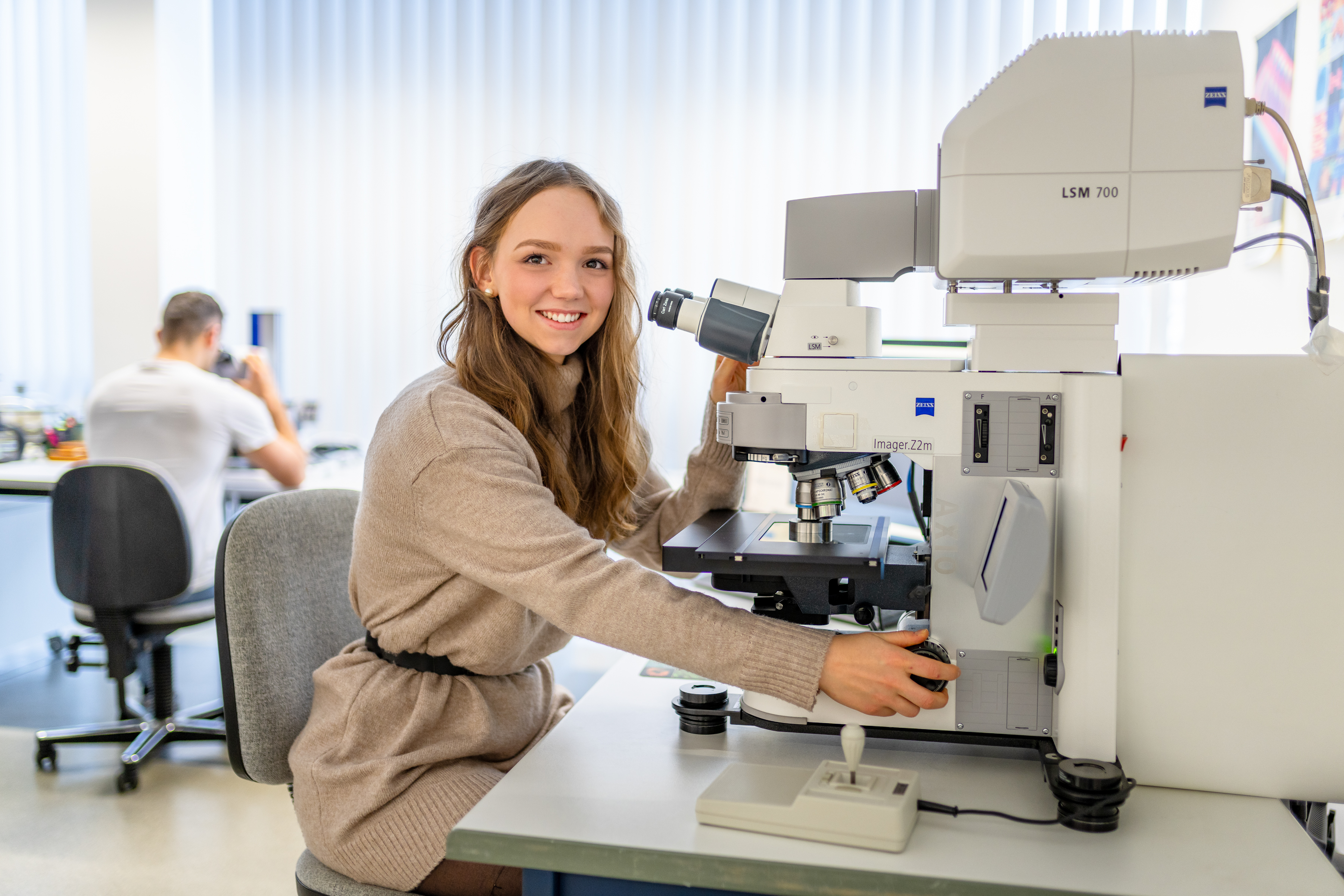
As well as an interest in technology, you should enjoy explaining things and working with people. You’ll gain practical experience not only in the technology labs, but also through specialised simulations, where you’ll be able to put the educational concepts into practice.
The degree programme is a joint initiative: you’ll complete your Bachelor’s degree in Mittweida and then transfer to TU Dresden for the state examination in order to obtain full teaching qualifications. It is possible to graduate from Mittweida alone, but this will qualify you more for in-company training rather than for a state teaching post.
As the technical course involves a great deal of laboratory work and practical exercises, it is important to attend classes in Mittweida regularly. Commuting is possible, but, particularly in the first few semesters, the packed timetable often means you need to be on campus every day.