This page was translated automatically using artificial intelligence (DeepL). The German version is binding. More information about automatic translation
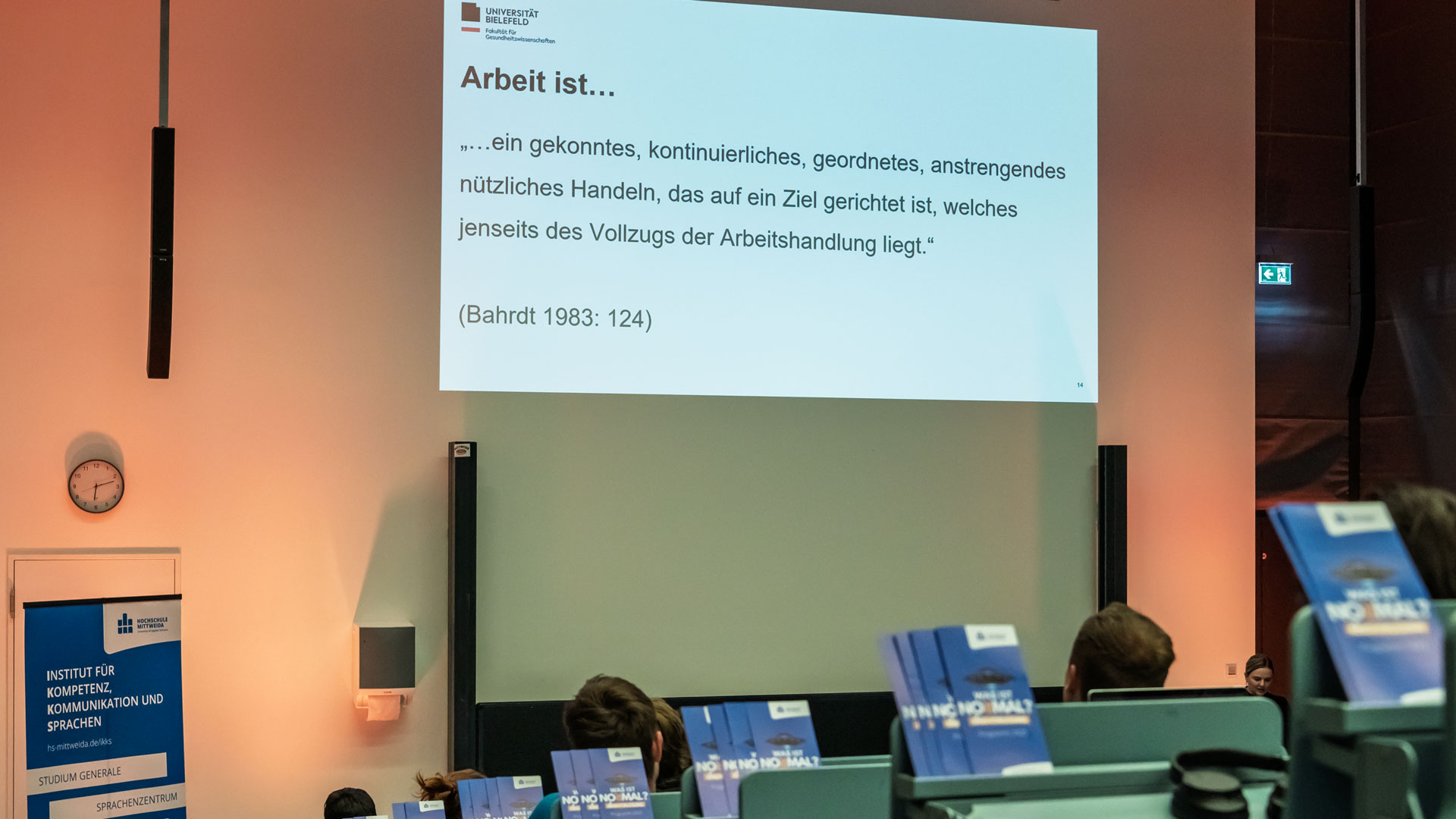
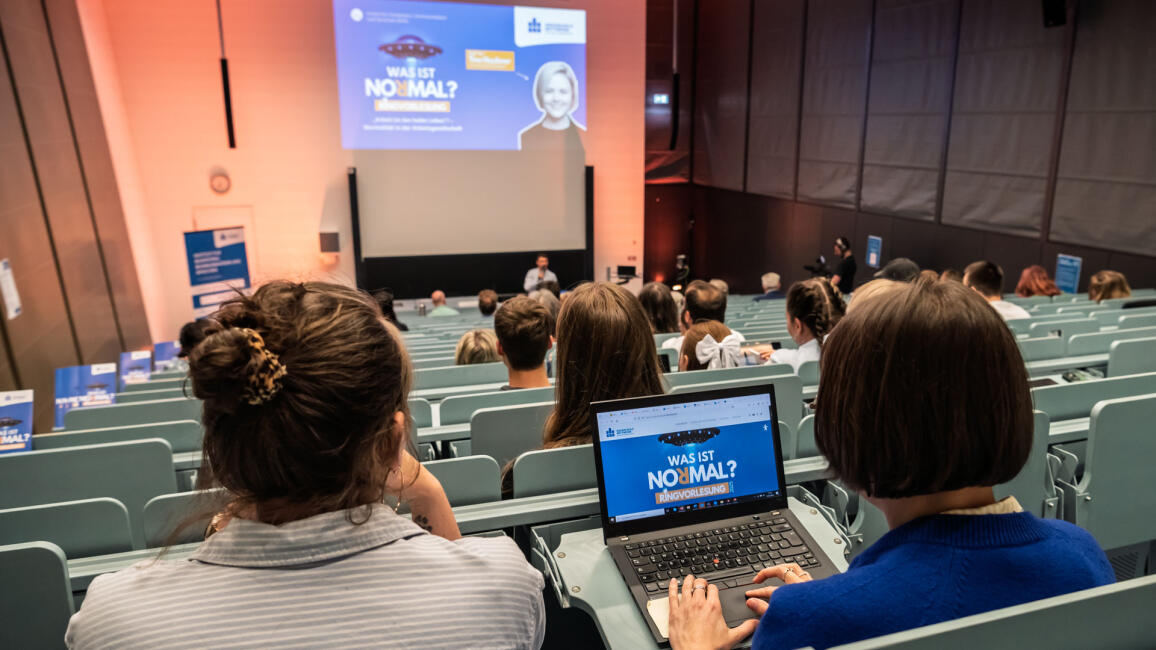
Just imagine: work would only be carried out by permanent, part-time or full-time employees with full social security cover. That would correspond to the official definition of a standard employment relationship. One thing is certain: our everyday lives would be very different, because then, for example, all volunteers, family carers and those in marginal employment would no longer exist. This thought experiment formed part of the lecture on 12 May, which examined the meaning of work and focused on areas that are often overlooked in our society.
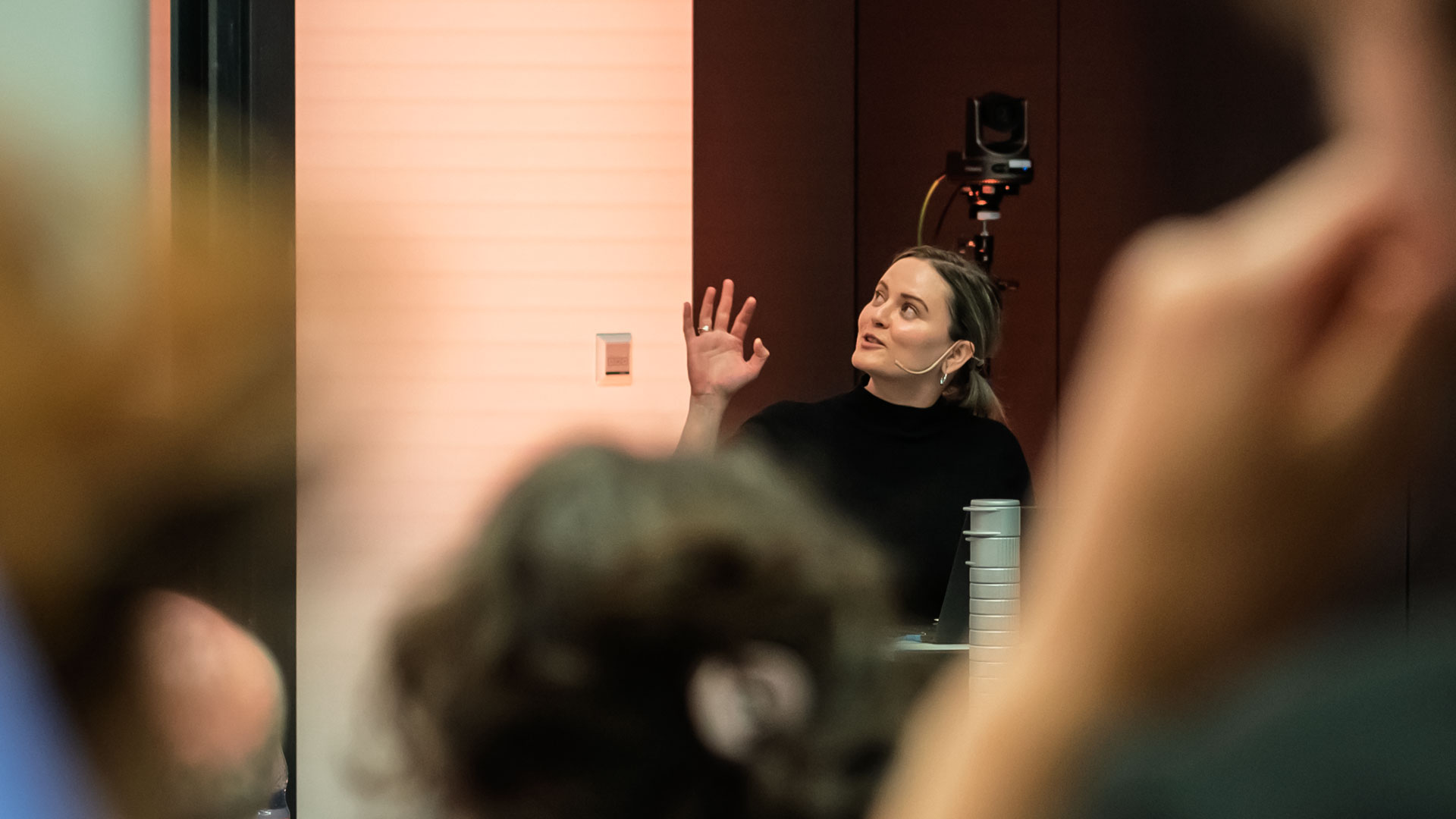
In her lecture, sociologist and assistant professor Tine Haubner from Bielefeld University took the audience on a journey through the diverse forms of work. In doing so, she offered a critical, historical and interdisciplinary perspective on the topic: The speaker questioned the accepted norm of the modern concept of work and advocated for a broader, more inclusive understanding of work that also takes unpaid and informal activities into account. Her aim: a fairer valuation of work – in academia, politics and society.
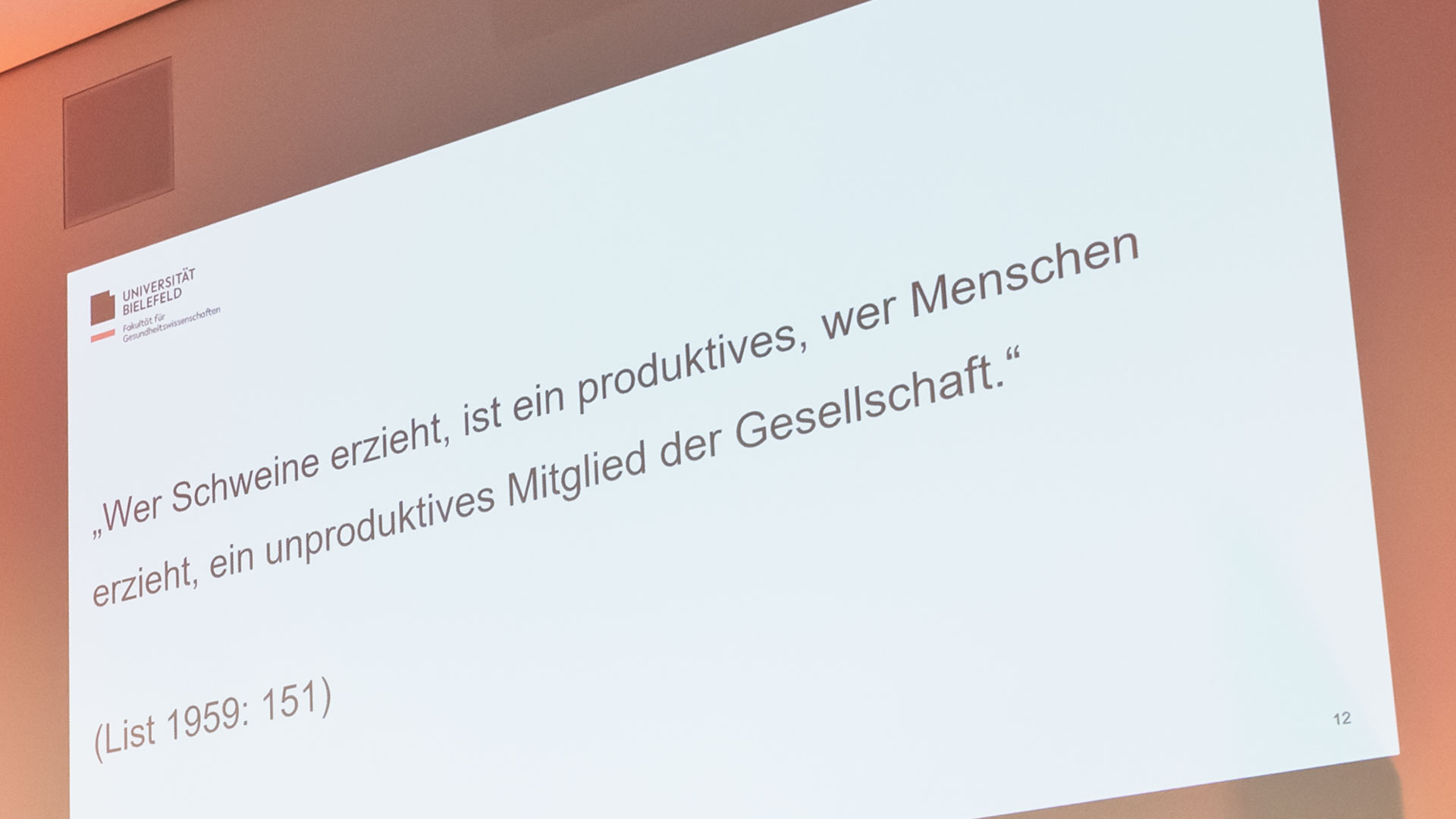
In doing so, she traced the historical development of work and concepts of work – from antiquity to the present day. After all, it was only with industrialisation that paid work increasingly became the social norm. Haubner challenged the dominant notion of work as linear progress. Instead, she argued for an understanding of work as diverse and organised in different ways simultaneously and globally.
In particular, her critical analysis centred on the narrowing of the concept of work to paid, outside-the-home employment – a definition that dominates politics, statistics and academia. Unpaid care work – such as childcare, housework or caring for relatives – often remains invisible, even though it is essential for society to function.
The lecture called for a ‘transversal sociology of work’ that understands work as a diverse spectrum – extending beyond traditional paid employment. In conclusion, Haubner emphasised that society’s approach to work is not a given, but can be shaped politically and culturally. Only through a broader definition of work can social justice and participation be reimagined.
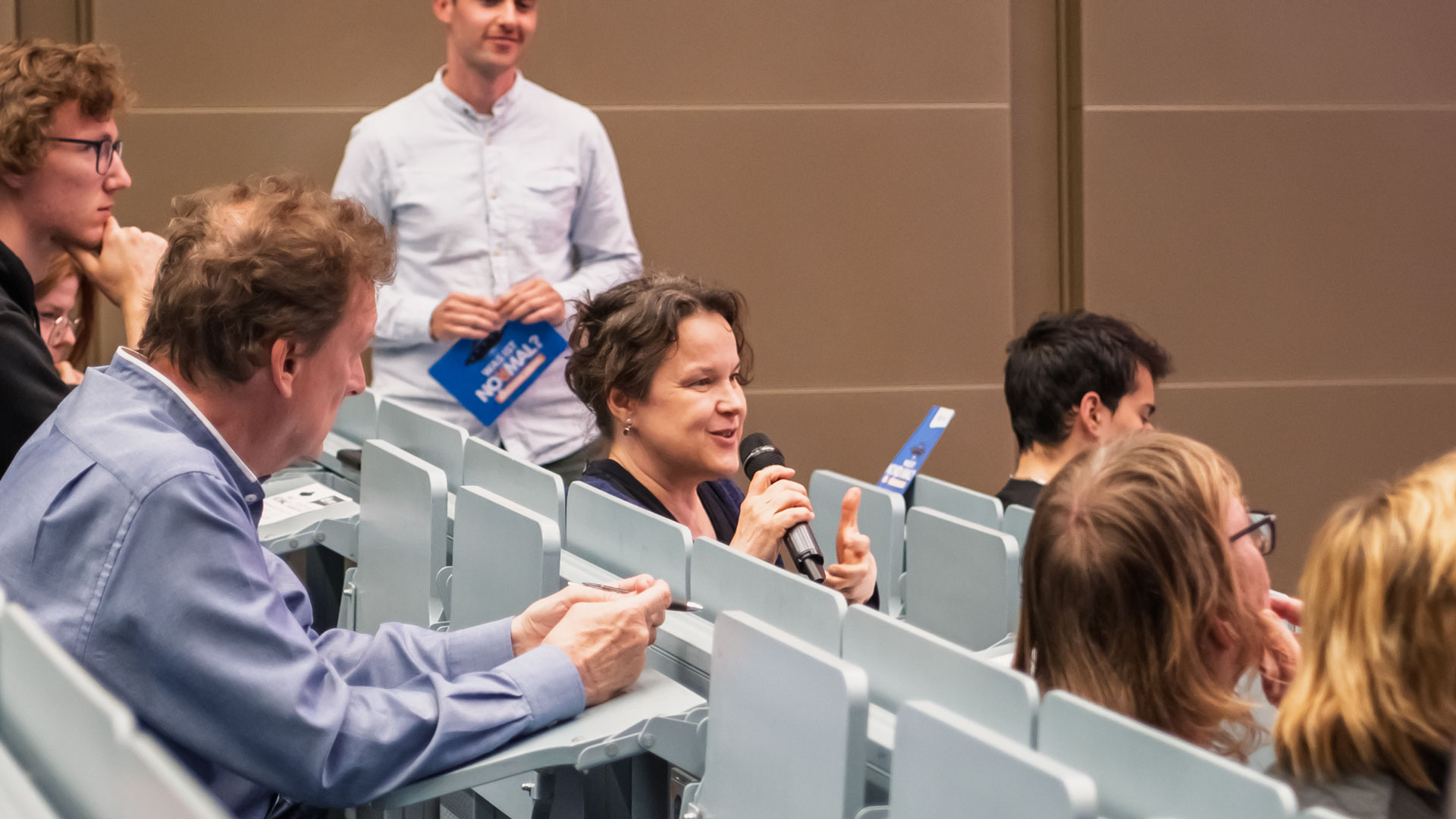
Each instalment of the lecture series at Mittweida University of Applied Sciences features lectures open to the general public, thereby encouraging participants to look beyond the confines of academia. The fifth lecture in the current series “What is normal?”, held on 12 May, was also followed by a fascinating discussion – for example, on the question of how work should be reimagined in a digitalised world and what challenges prospective employees face.
International lecture series
On 3 June, in the sixth and penultimate lecture of the series, Dutch professor Jos Beelen from The Hague University of Applied Sciences in The Hague will speak about notions of normality in international education and engagement with other cultures. The lecture is part of International Week at HSMW and will be delivered in English, but will be subtitled live in German.
Full details of the lectures and speakers in the public lecture series.
Text: Robin Biebl/Helmut Hammer
Photos: Helmut Hammer