This page was translated automatically using artificial intelligence (DeepL). The German version is binding. More information about automatic translation
Topics/Research and Teaching Profile
Under the leadership of Prof. Frank Köster, the chair focuses on the field of process engineering and surface technology. The research focuses on coating processes for the functionalisation of surfaces. Areas of application include Mechanical Engineering (corrosion and wear protection), food and medical technology (biocompatibility), energy generation (hydrogen technology) and storage (batteries), as well as in electronics (assembly and interconnection technology) and even optical applications. By producing thin protective layers ranging in thickness from 0.01 mm to 0.20 mm on components, surface technology is a key technology and makes a major contribution to resource-efficient manufacturing as well as to significantly extending the service life of components.
The research focus of the Electroplating and Surface Technology Research Group lies in the electroplating and electroless deposition of metals, alloys and dispersion coatings from aqueous systems (surface technology). Closely related to this are material pretreatment processes and the characterisation of the deposited layers.
Holder of the Chair

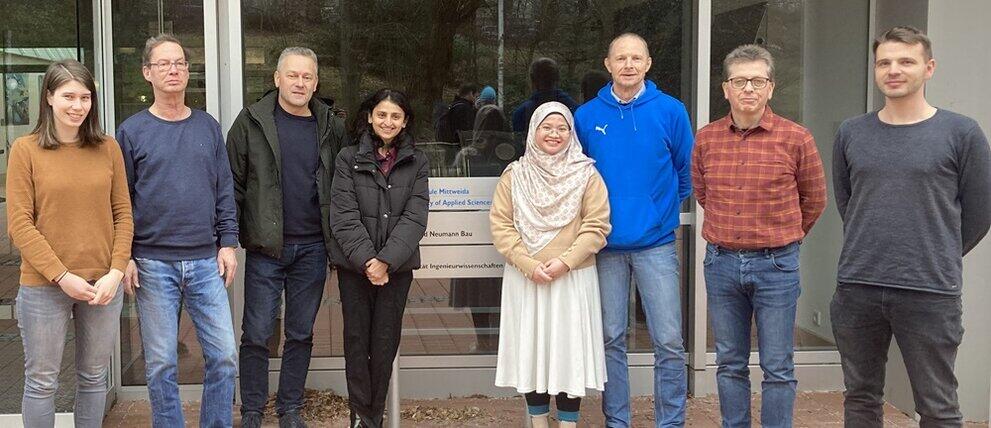
Our team



Degree programmes
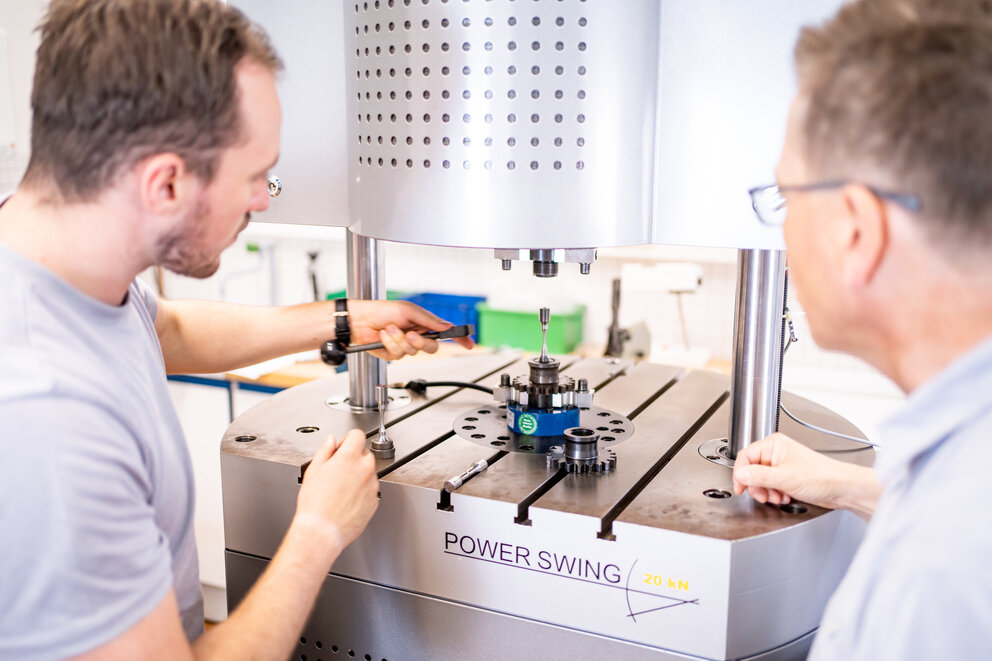
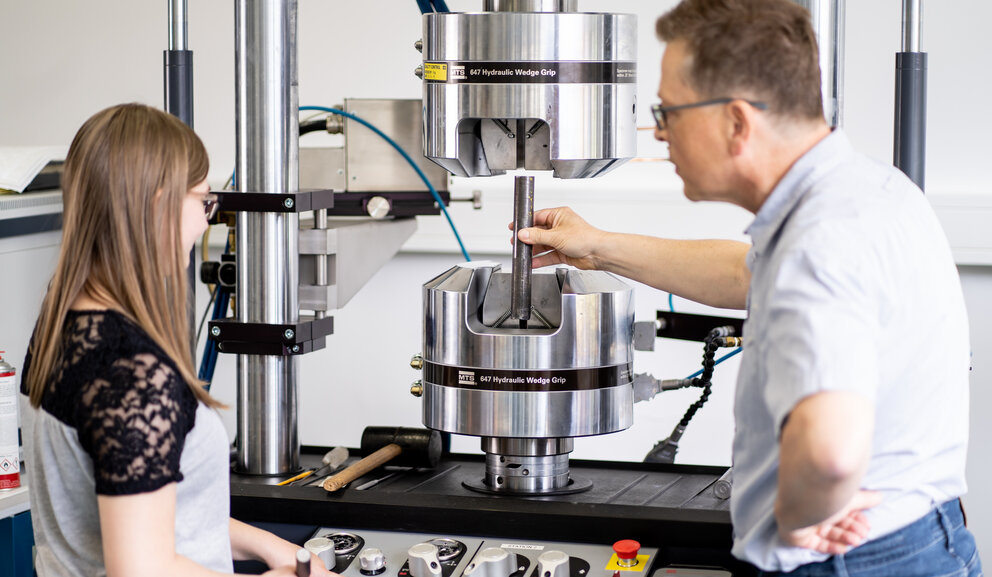
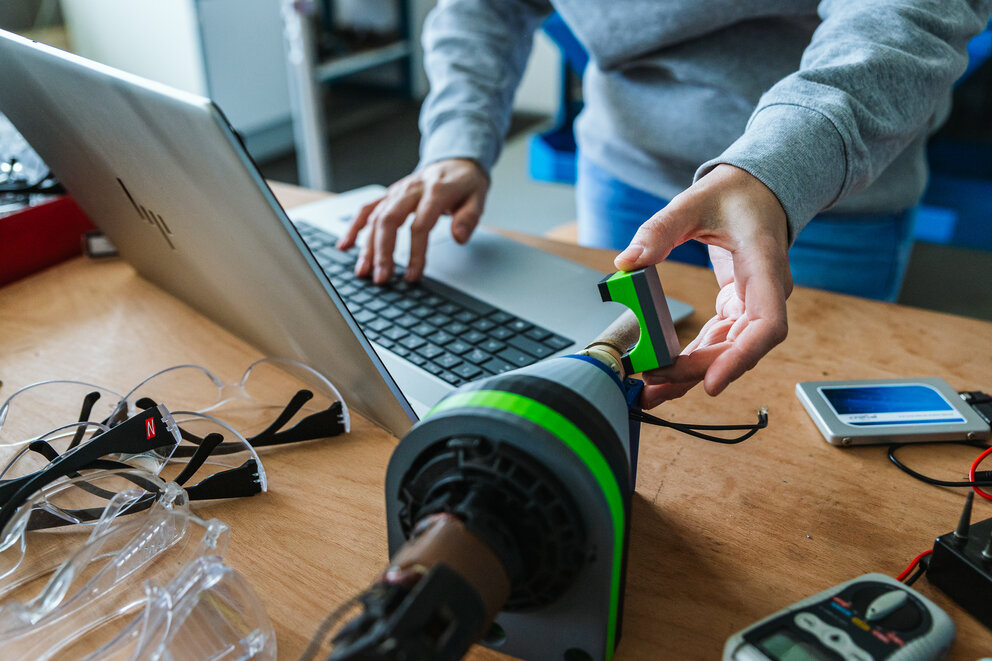
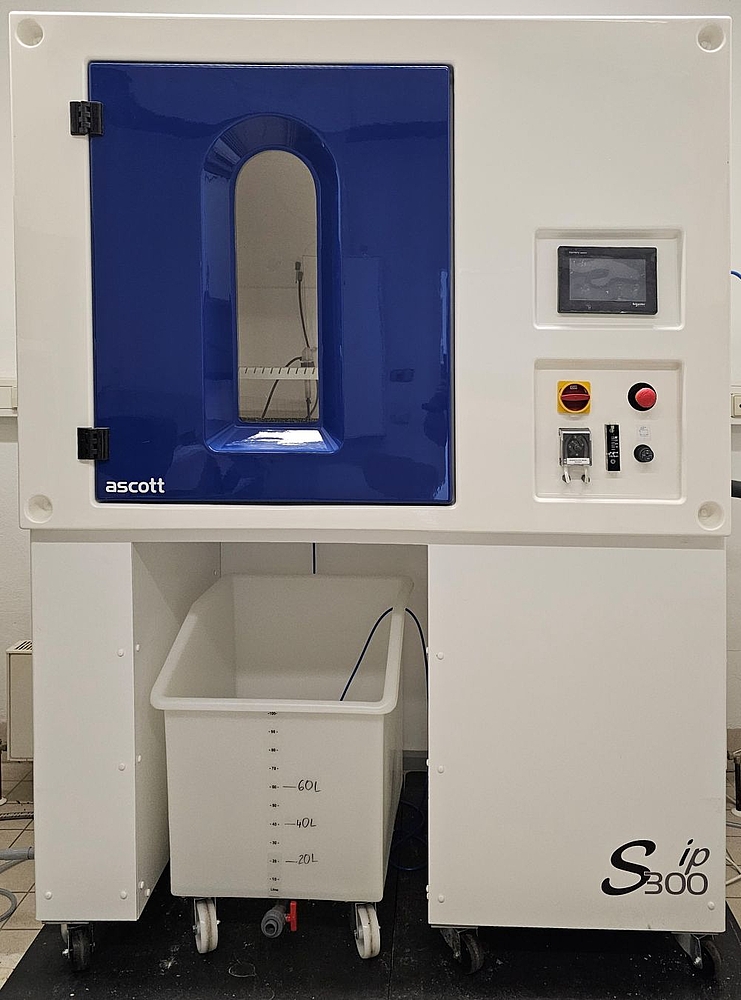
Laboratory equipment
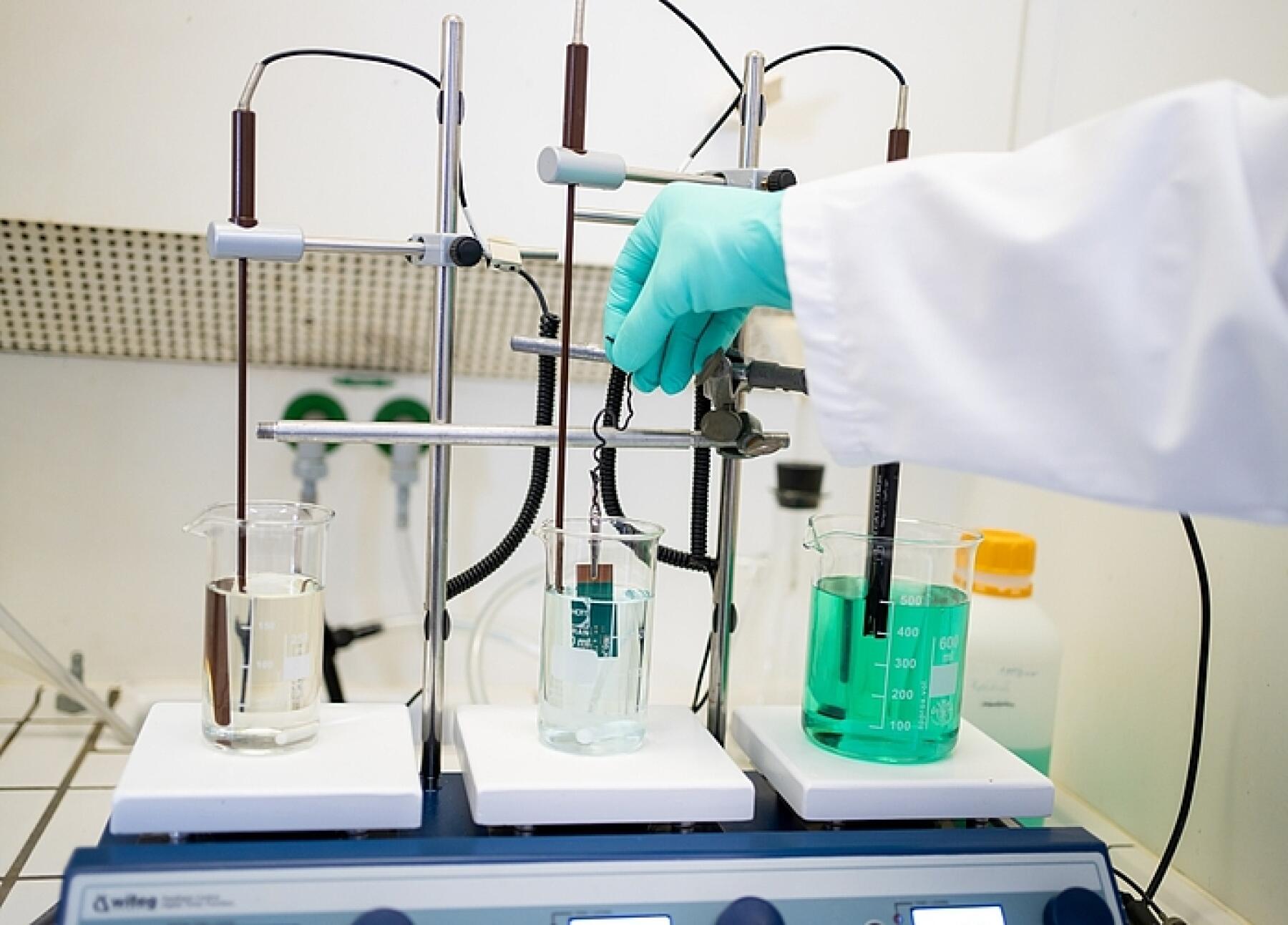
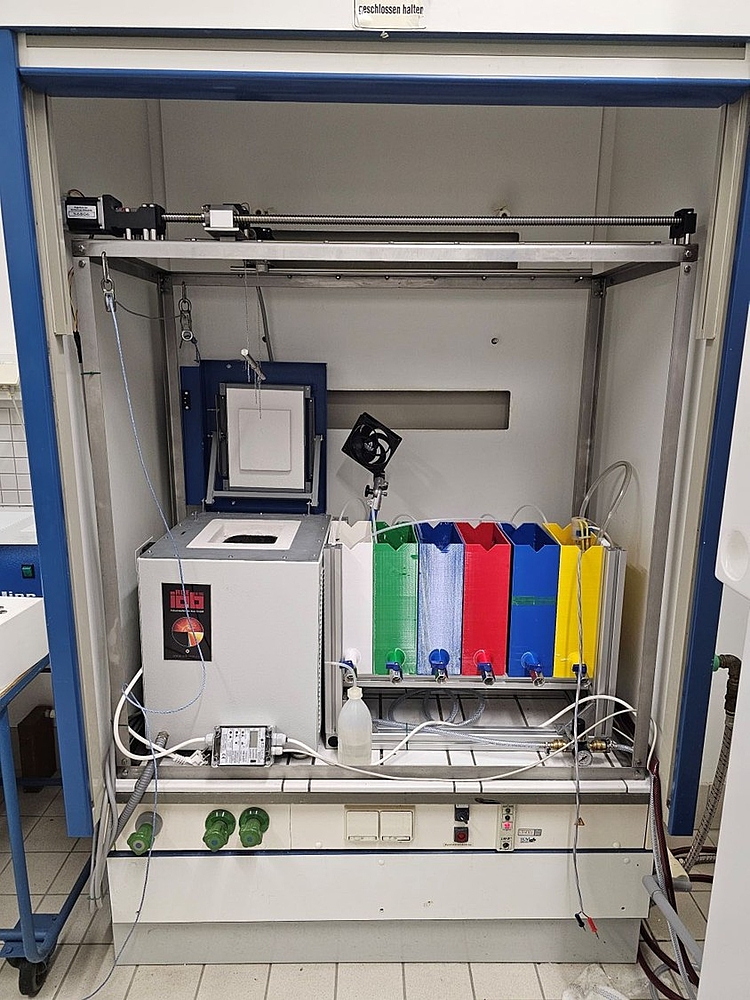
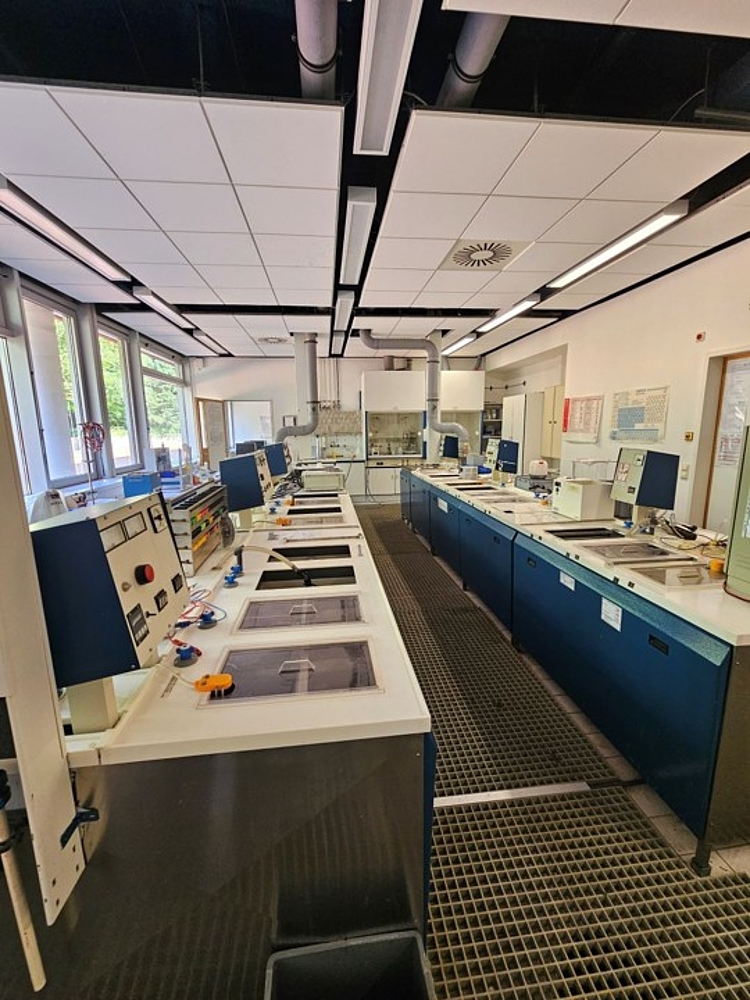
Electroplating Laboratory
Room 5-105 A | Room 5-106 A
General:
Physical, chemical and electrochemical surface treatment processes
Electrolytic and chemically reductive metallisation
Anodising
Blackening
Technical equipment:
Hand-operated electroplating unit, comprising 20-litre tanks
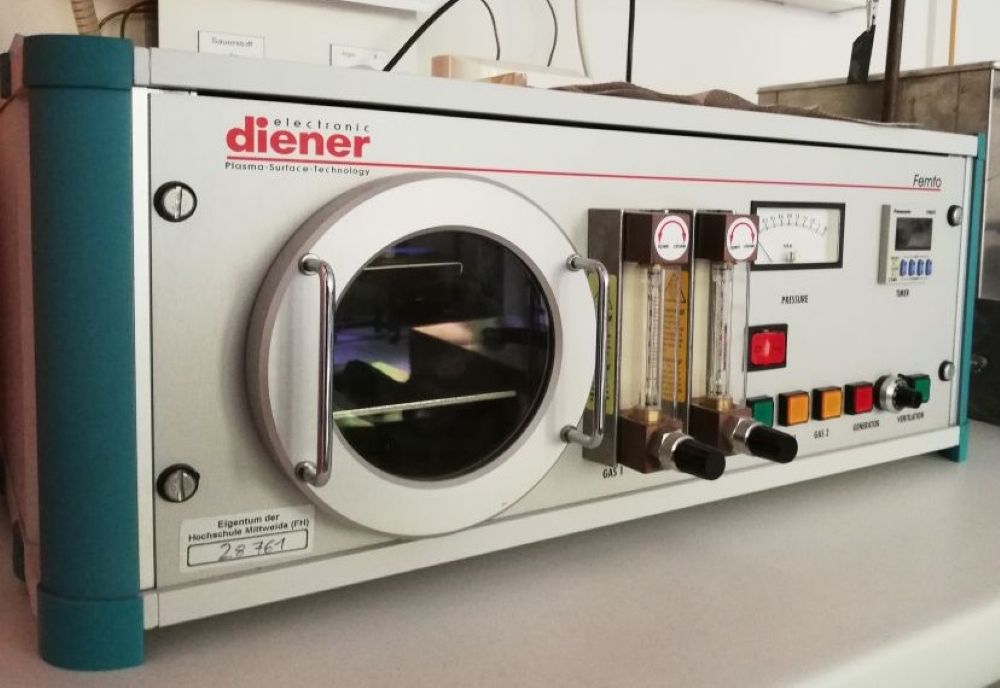
Plasma systems (low and atmospheric pressure)
Potentiostats
Computer-controlled pulse/direct current power supplies
Laboratory for Bath Monitoring and Material Characterisation
Room 5-209 A
General:
Measurement and analysis of materials and coatings
Testing of wear behaviour and coating adhesion
Technical equipment:
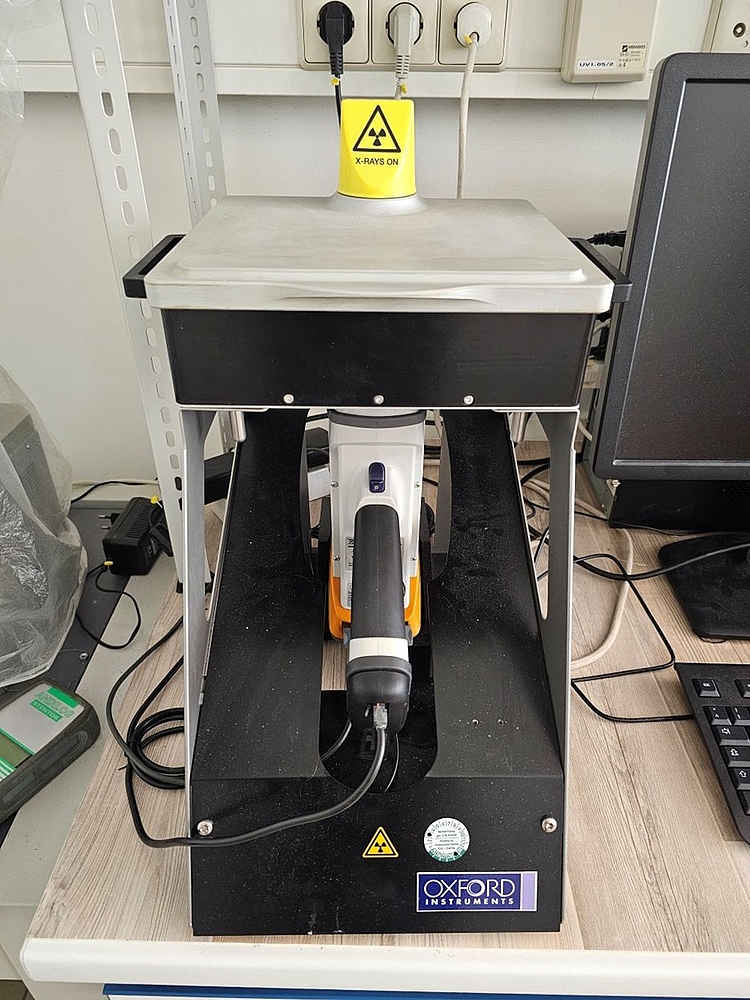
X-ray fluorescence analysis for the qualitative and quantitative analysis of material compositions
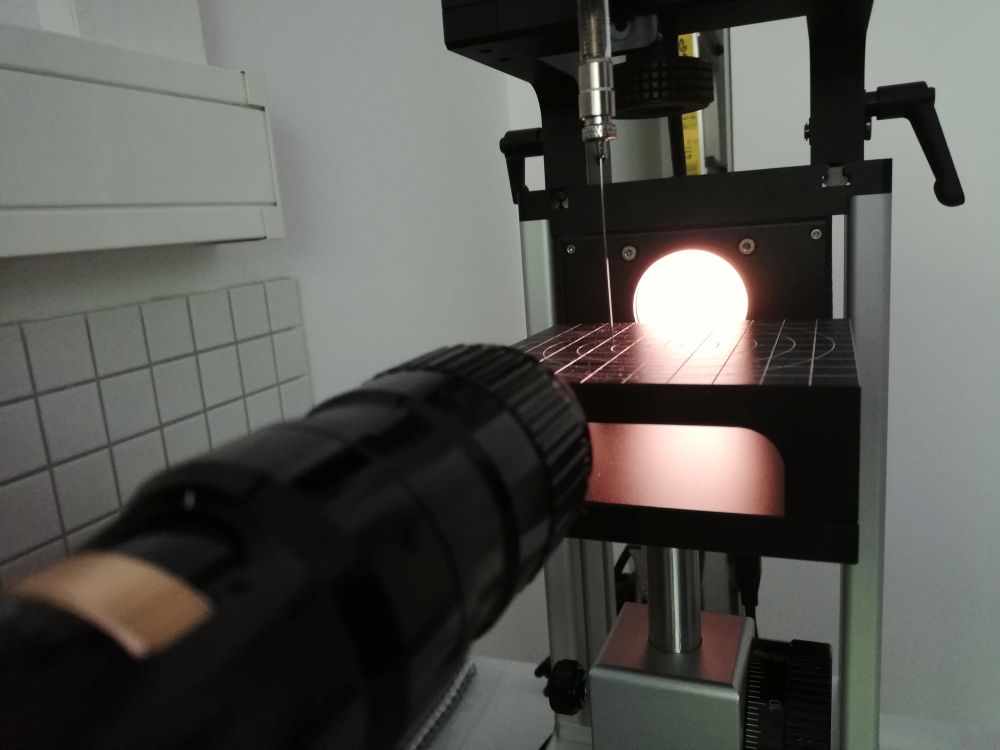
Digital microscope
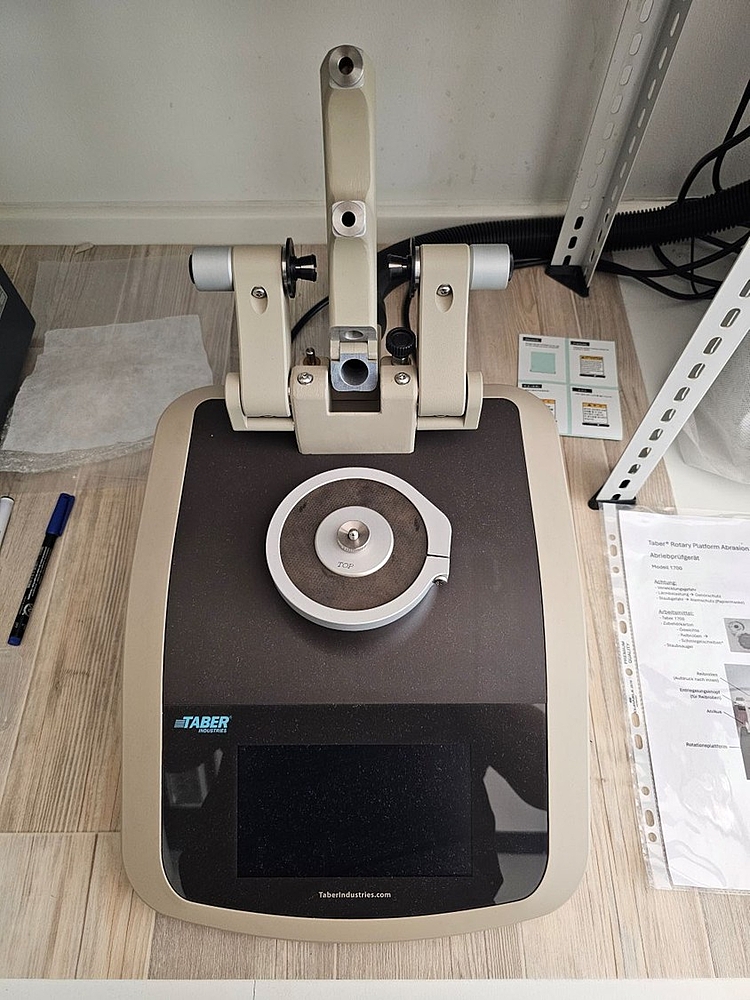
Wear testing in the form of:
Spherical grinding machine
Taber abrasion test
UV/Vis laboratory spectrophotometer
Couloscope CMS for measuring film thicknesses and electronic potentials using the coulometric method
Typical thickness range 0.05–40 µm
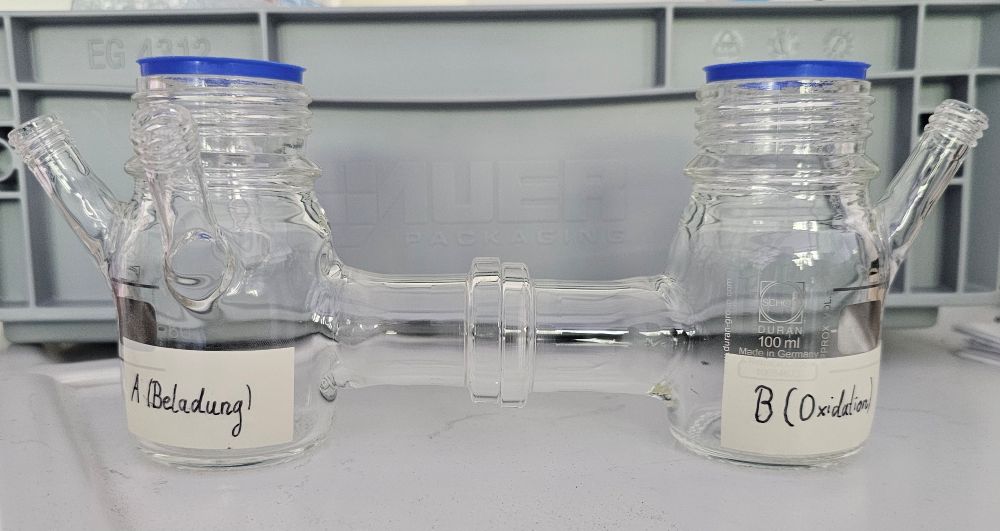
Separate glass cell for the precise investigation of the individual reactions and processes involved in a redox reaction, with a removable membrane
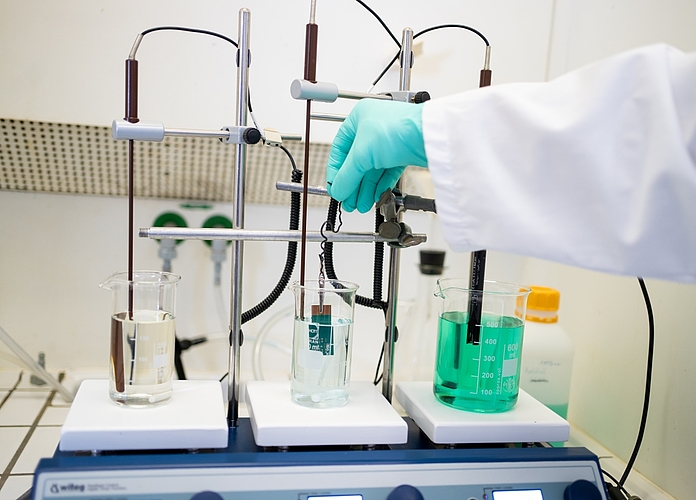
Key areas of research
- Electrolyte development
- Plastics metallisation
- Process development and optimisation
Current projects
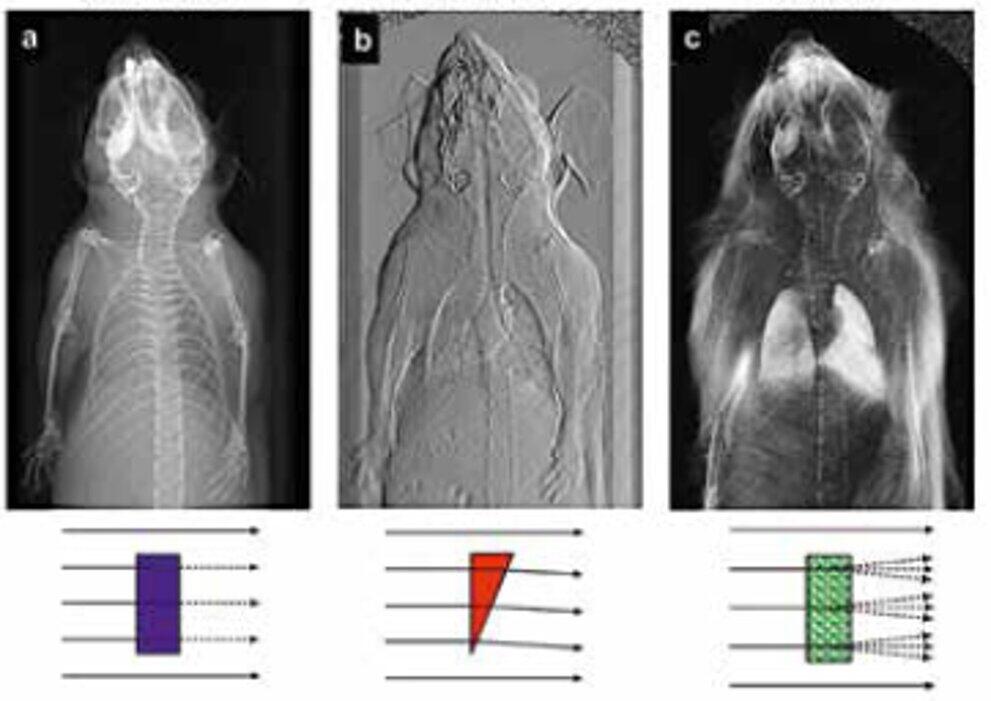
Electroplating NiW and NiRe alloys as functional alternative coatings
Plastic metallisation using laser-induced activation and computer-aided process modelling – KAP
DC-PEM "Development of Cost-Effective Electrodes for PEM Water Electrolysis"