This page was translated automatically using artificial intelligence (DeepL). The German version is binding. More information about automatic translation
Facts and figures
Global Communication in Business and Culture
Have you always loved travelling? Have languages and other cultures always fascinated you? If you want to turn this interest into a career and help shape our globalised world, then you should take a closer look at Global Communication in Business and Culture.
This degree programme is unique – and not just because of its content covering business administration, politics, intercultural communication and media. The highlight: with Global Communication in Business and Culture, you’ll spend a semester abroad. The ‘Semester Abroad’ is a fixed part of the programme. We’ll help you organise it, so that you can gain experience whilst you’re still studying – experience that others only gain once they’re working.
How a degree programme combines management, international studies, politics and media
An overview of the course content
Every semester, you can look forward to exciting content covering economics, media studies, society and culture. Your lecturers will impart practical knowledge that you can put into practice straight away.
On field trips, you’ll visit places where international communication comes to life, such as the European Parliament. There, you’ll put your knowledge to the test and gain insights into real-world political decision-making processes.
Through interactive e-learning, you’ll remain flexible and gain experience that many only acquire after completing their studies. A fully integrated semester abroad will broaden your horizons and is organised with the support of the university.
Business Management I
Media Markets
Journalism
Intercultural Team Building
Scientific Reasoning and Research Methodology
Cultural Communication I – Business English I
Business Management II
Media Production
Cultural Studies
Human Resource Management
Corporate Communications and PR
Institutional Case Studies
International Affairs
Digital Business
Economics, Media and Politics in Europe
Economics, Media and Politics in Specific Cultural Areas
Intercultural Business Communication
Cultural Communication II – Independent Language Learning in a Second Foreign Language
A semester abroad involving a teaching project at a university and a work placement at an institution or company in an international context
Applied Intercultural Competence
Philosophical Reflection
Applied Project Management
International Management
Advanced Media Lab
Contemporary Challenges in International Relations and Cultural Diplomacy
Scientific Writing and Academic Skills
Intercultural Business Simulation
Bachelor’s thesis (12 weeks)


Global Communication in Business and Culture in Mittweida



In summary – Global Communication in Business and Culture in Mittweida

A full-time Bachelor’s degree programme at the intersection of media, culture, business and communication studies

(180 Credits)









As an intercultural expert, you will support the internationalisation of companies, organisations and institutions in the fields of business, media, culture and politics. You will shape global communication processes, develop strategies and advise international teams. Typical areas of work include intercultural coaching, international marketing, product management and recruitment. If you wish to deepen your knowledge, the ‘Innovation and Business Expansion’ Master’s specialisation at Mittweida is an excellent option.
Application and Admission
Applicants must hold a general university entrance qualification, a university of applied sciences entrance qualification, a subject-specific university entrance qualification or an equivalent recognised qualification. Applicants who have completed vocational training and have at least three years’ professional experience may also be admitted following a consultation and a successful entrance examination.
Language skills:
Anyone who did not obtain their university entrance qualification at a German-speaking institution must demonstrate German language proficiency at level C1 of the Common European Framework of Reference for Languages. Proof of this can be provided, for example, by passing the ‘German as a Foreign Language’ (TestDaF) test at the Mittweida University Preparatory College with an average score of TDN 3 in all four sections, or by presenting an equivalent certificate.
The application period for the winter semester begins on 15 April and ends on 15 July. You can register online via the HSMW application portal. Once you have submitted all your documents, you can enrol. Once you have enrolled, your place at Mittweida is secured. For international applicants, the application deadline is 15 May, to allow sufficient time to apply for a visa.
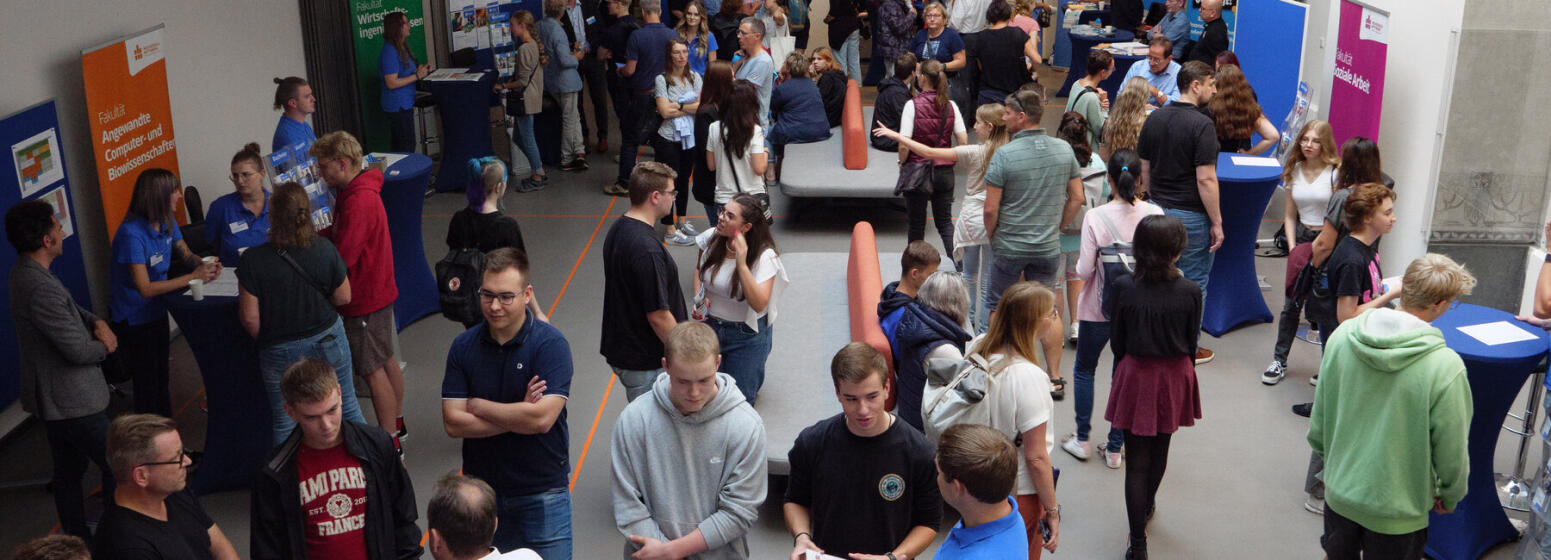
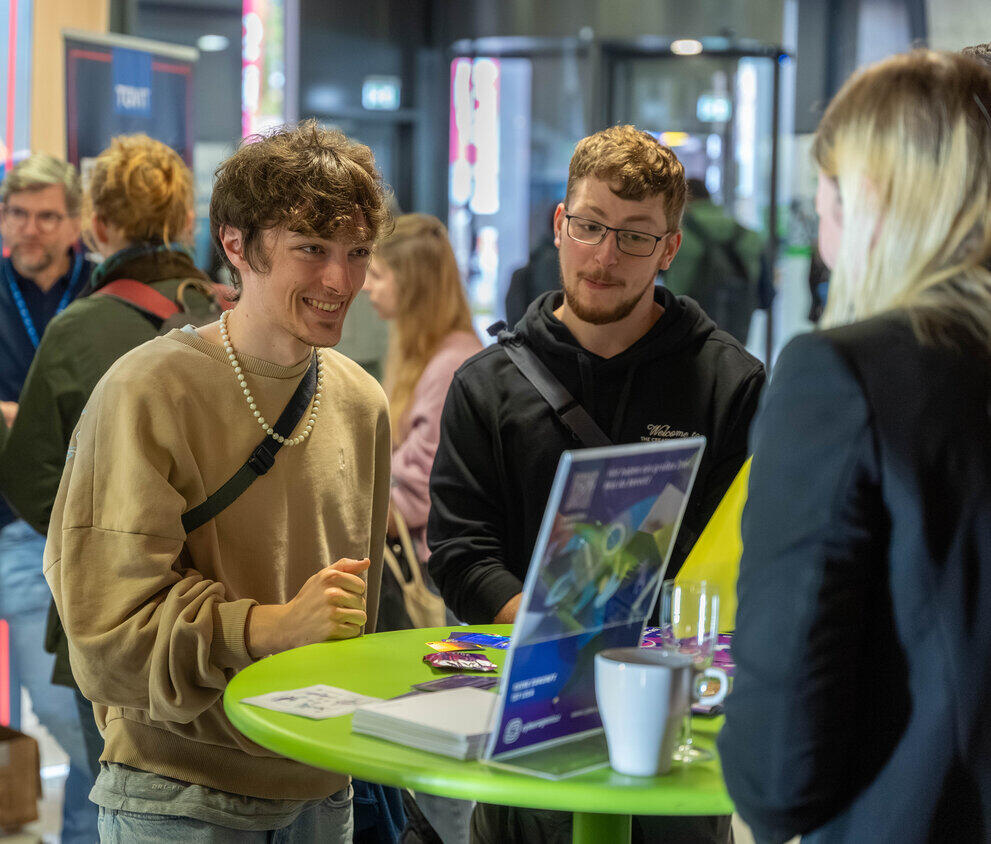
We’ve got you covered! Excellent study conditions, modern facilities and affordable rent allow you to focus fully on your studies. Tutorials are on hand to help with academic queries, the SAXEED start-up network supports you on your journey to developing your own business idea, and the Social Support Service offers assistance with specific life situations, such as childcare or caring for relatives. The campus also has plenty to offer: two music festivals a year, an active esports team and a vibrant student community. Discover just how diverse life in Mittweida is – at the Open Day or the Night of Science.


Related degree programmes

Frequently Asked Questions
This degree programme is ideal for ‘bridge-builders’ who do not merely view business and media from a theoretical perspective, but who wish to understand the influence of culture on global business processes and messaging. Unlike purely technical media subjects or theoretical cultural studies, Global Communication directly links intercultural management with practical media skills.
Whilst block weeks, project phases and the compulsory global work placement offer good opportunities for flexible working, studying remotely on a long-term basis is difficult due to the large number of face-to-face seminars and practical sessions. The structured modular system provides stability, whilst still allowing you some flexibility to pursue your own projects off-campus from time to time.
Yes, a period of study abroad is an integral part of the curriculum, as the best way to experience and learn genuine intercultural communication is first-hand on the ground. When choosing a destination, you have access to a large network of partner universities worldwide, with your destination being within your chosen cultural region to ensure the smooth recognition of your academic achievements.
If you wish to complete a double degree, you should make your decision and submit your application by the end of the second semester, as this requires early and precise planning. This is the only way to ensure that your individual study programme is perfectly tailored to the requirements of the partner university, so that you can ultimately receive both degrees without any delays.
There are no school-style holidays during your degree. Instead, there are lecture-free periods. During these, you can study, write assignments, undertake work placements – and treat yourself to a bit of a break now and then.
In the 2026/2027 winter term, in addition to public holidays, the following periods are lecture- and exam-free:
- 21 December to 3 January,
- from 22 February. Exception: The Faculty of Social Sciences begins its lecture-free period on 29 February.
In the 2027 summer term, with lectures starting on 22 March, the dates are:
- 25 March to 2 April,
- 7 May,
- 17 May,
- from 2 August. The Faculty of Social Sciences will also hold an examination week from 23 to 27 August.
The cultural region you have chosen will form the central theme of your degree, as you will not only study the relevant language in depth but also gain a thorough understanding of the region’s political and social structures. Your projects and assignments will mostly relate to this region, gradually turning you into an expert on this specific cultural sphere.