This page was translated automatically using artificial intelligence (DeepL). The German version is binding. More information about automatic translation
The global decline in insect diversity, particularly that of pollinators, is a well-known problem and poses a challenge to the pollination of wild and cultivated plants (Bänsch 2020; Krehenwinkel, Pomerantz, and Prost 2019). In order to develop suitable conservation and support measures for the preservation of wild bees, a better understanding of the interactions between pollinators and their food supply is required. Landscape ecology and genetic studies are particularly useful for this purpose. For example, the availability and diversity of flowering plants are recorded, as these influence the activity, diversity and abundance of pollinators (Lukas Pfiffner and Andreas Müller 2016).
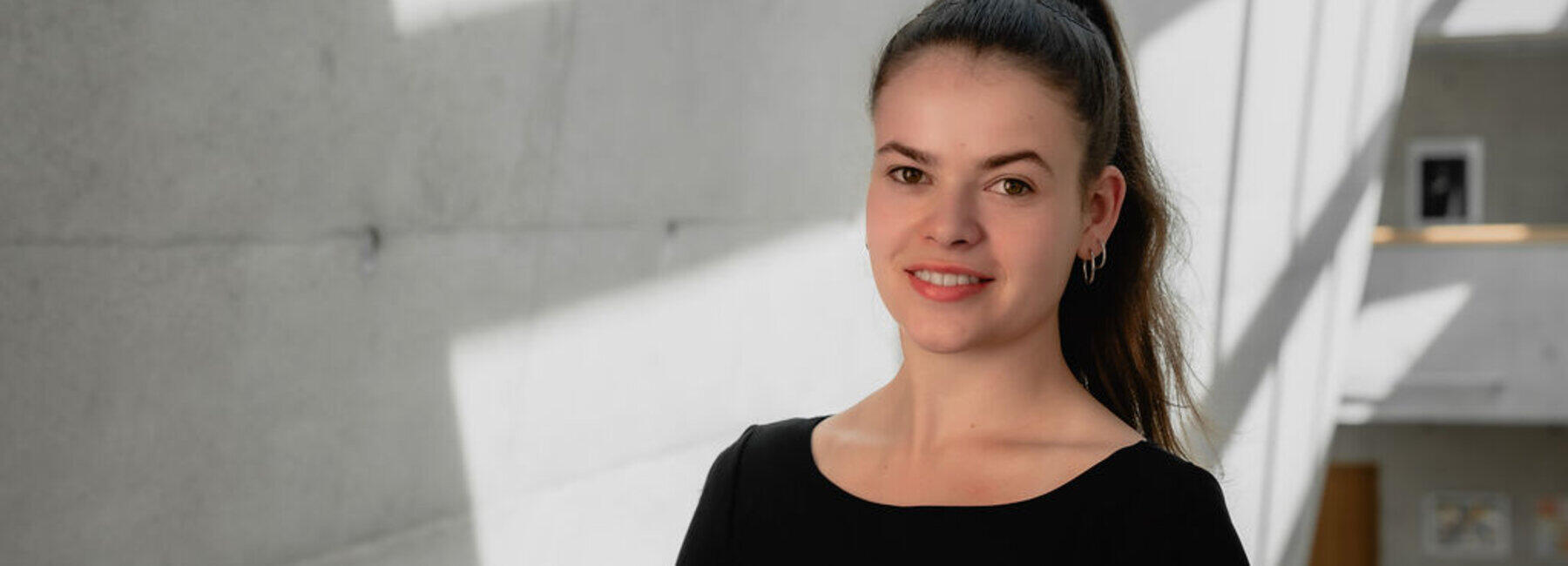
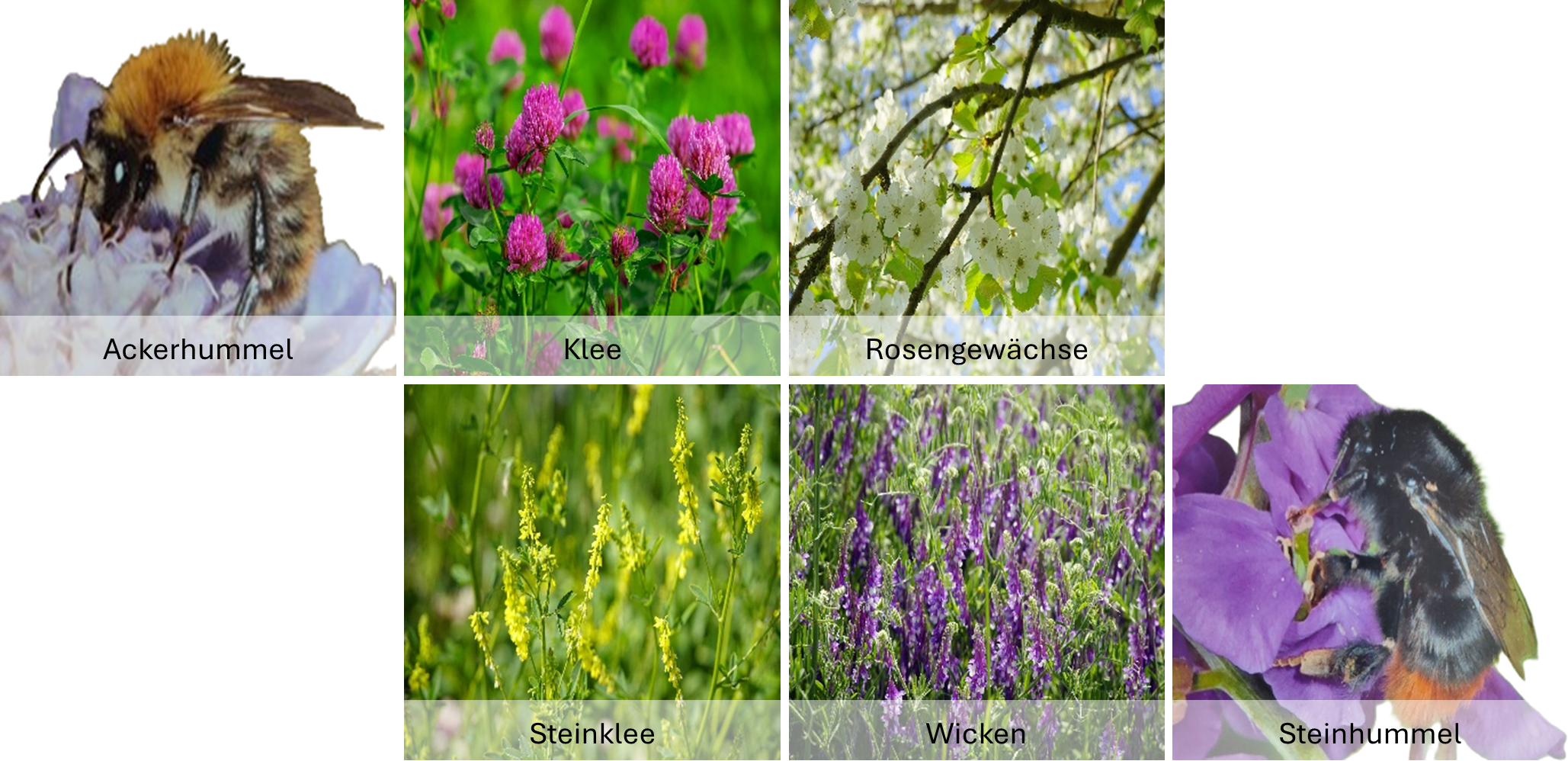
Melissa Berger has been studying at Mittweide University of Applied Sciences since 2021, initially on the Bachelor’s degree programme in Biotechnology, and in her Bachelor’s thesis, whilst working in Professor Dr Röbbe Wünschiers’ research group, she focused on ‘Pollen metabarcoding for the analysis of foraging behaviour in Bombus spp. in organic farmland in the Göttingen area’. This research was supported as part of the ComBee project by the Georg-August University of Göttingen, which provided the pollen samples required for the analyses. Through this work, she was able to gain initial insights into the foraging behaviour of two bumblebee species in different agricultural landscapes using genetic analyses. The results demonstrated that both Bombus lapidarius (stone bumblebee) and Bombus pascuorum (field bumblebee) utilise a broad spectrum of plants. Pollen from the genera Trifolium (clover), Prunus (rose family), Melilotus (sweet clover) and Vicia (vetch) was detected particularly frequently. In general, bumblebees tend to prefer perennial and native plant species with violet to pink flowers (Sikora et al., 2020). Nevertheless, it became apparent that foraging behaviour is strongly influenced by the specific site conditions and local vegetation. Overall, the research confirmed the pronounced polylectic foraging behaviour of bumblebees and highlighted the importance of structurally rich landscapes and a diverse range of flowering plants for the conservation of wild bee populations (Paul Westrich, 2018).
Having successfully completed her Bachelor’s degree, Melissa is currently continuing her academic studies on the Master’s programme in Genomic Biotechnology. As part of her Master’s thesis, she is continuing her research in the Wünschiers research group under the supervision of Lisa Prudnikow, focusing on innovative molecular biology and bioinformatics methods for investigating pollinator–plant interactions. Pollen samples from the ComBee project are also available to Melissa for this research. She is particularly interested in the application of modern sequencing technologies and their use in studying biological diversity. As part of her research project ‘Whole-genome sequencing vs. metabarcoding: taxonomic classification of plant species from bumblebee pollen’, she is therefore comparing two modern sequencing methods in order to reliably identify plant species from pollen samples. To this end, pollen grains are genetically examined and the DNA sequences obtained are analysed using bioinformatic methods. The aim is to assess the suitability of DNA metabarcoding and whole-genome shotgun sequencing for the taxonomic classification of plant species and to compare their respective advantages and disadvantages. The results are intended to contribute to the further development of genetic analysis methods and, in the long term, to enable a better understanding of wild bees’ pollinator preferences, with a view to deriving targeted landscape and agri-environmental measures.
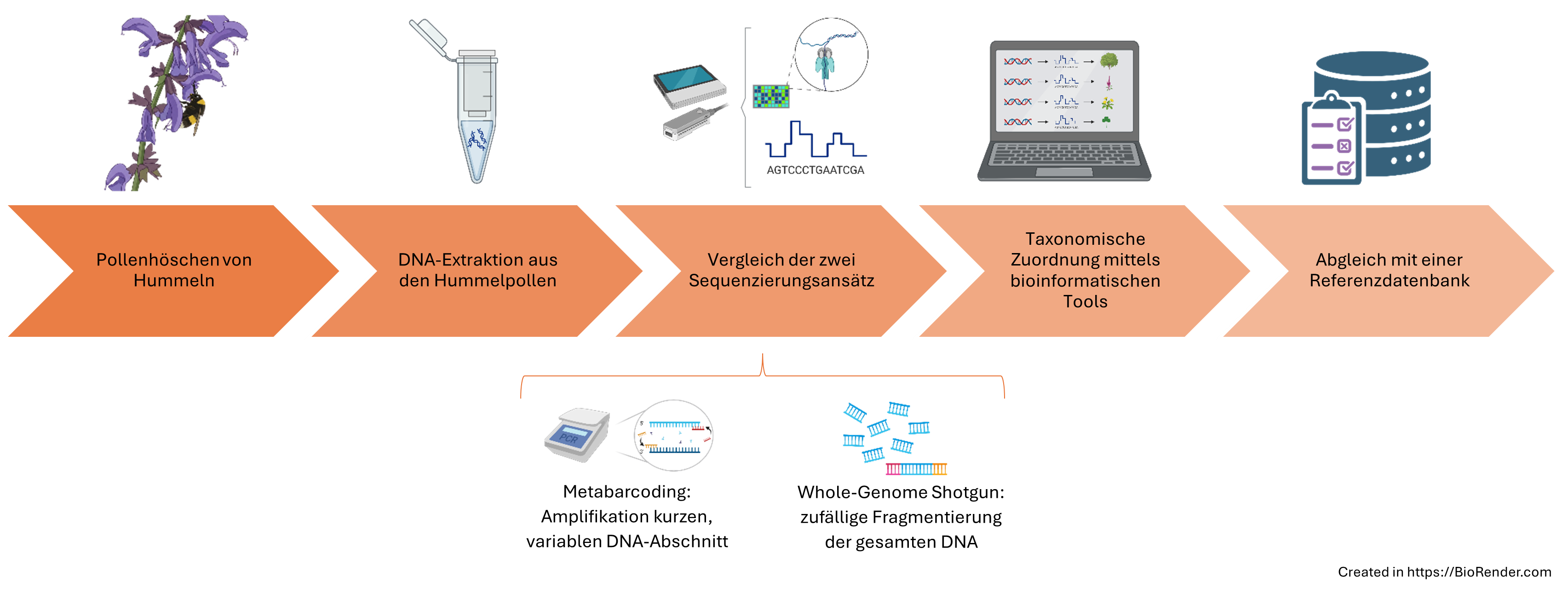
Melissa is now continuing her research as part of her Master’s thesis, combining modern sequencing technologies with bioinformatic analyses. This will enable complex pollinator-plant relationships and ecological networks to be better understood and analysed in future, in line with the motto: from sequencing to nature conservation.
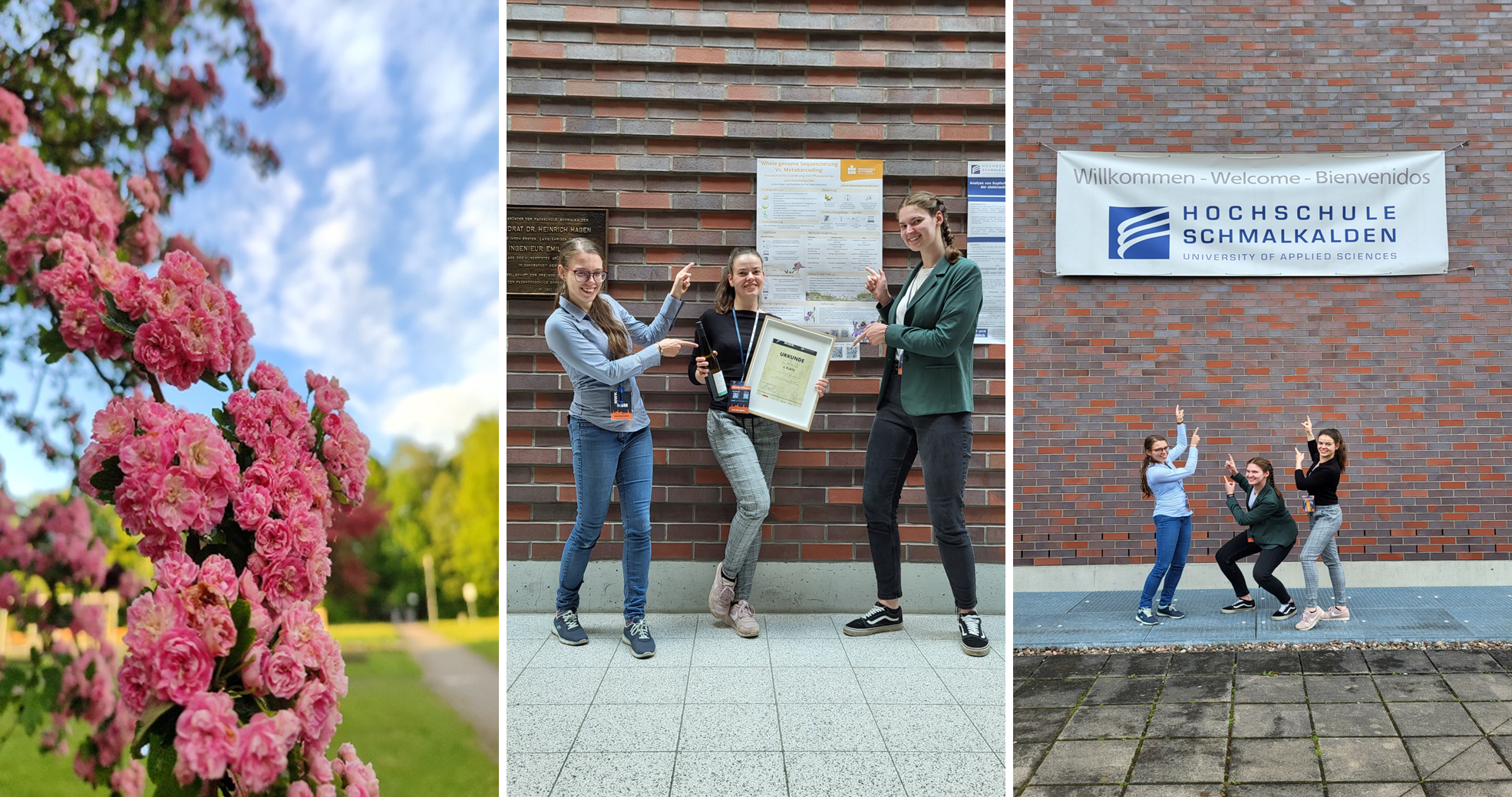
As part of the 2026 Academic Talent Conference (NWK) in Schmalkalden, Melissa presented her research on a scientific poster. During the two days of the conference, participants were able to ‘think outside the box’, listen to presentations on other interesting research topics and engage in inspiring and motivating discussions. The poster on display also attracted a great deal of interest during the conference and was awarded third place in the ‘Best Poster’ category.

Sources:
Bänsch, Svenja. 2020. ‘Managing strawberry pollination with wild bees and honey bees: Facilitation or competition by mass-flowering resources?’ Doctoral thesis. doi:10.53846/goediss-8339.
Krehenwinkel, Henrik, Aaron Pomerantz, and Stefan Prost. 2019. ‘Genetic Biomonitoring and Biodiversity Assessment Using Portable Sequencing Technologies: Current Uses and Future Directions’. Genes 10(11): 858. doi:10.3390/genes10110858.
Lukas Pfiffner and Andreas Müller. 2016. ‘Fact sheet: Wild bees and pollination’. www.fibl.org/fileadmin/documents/shop/1633-wildbienen.pdf.
Sikora, Aneta, Michołap, Paweł & Sikora, Marcin (2020) What kind of flowering plants are attractive to bumblebees in urban green spaces? Urban Forestry & Urban Greening, doi.org/10.1016/j.ufug.2019.126546
Paul Westrich. 2018. Wild Bees of Germany. 2nd ed. Stuttgart: Eugen Ulmer KG.