This page was translated automatically using artificial intelligence (DeepL). The German version is binding. More information about automatic translation
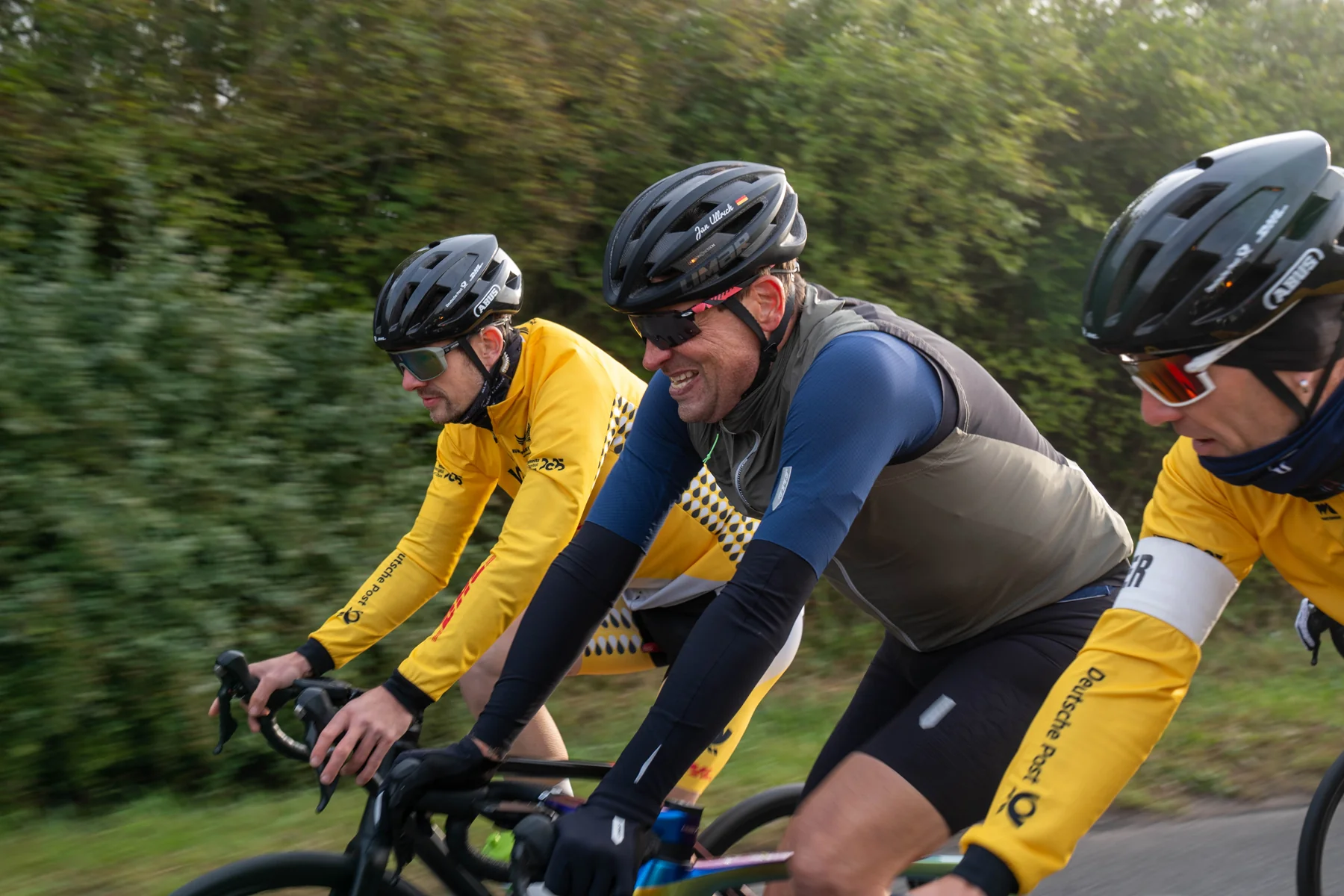
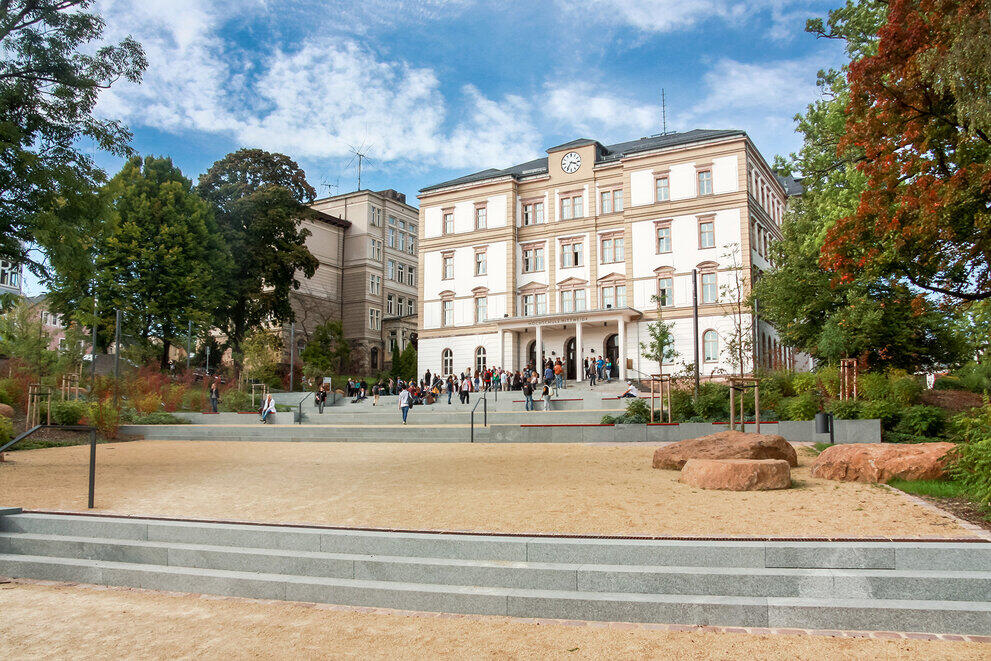
In Mittweida, on the third day of the tour, the EPR participants refuel during a refreshment break on the final stage to the finish in Chemnitz. Mittweida University of Applied Sciences and the university town of Mittweida welcome the peace cyclists. The Wiederau Wind Orchestra and 99drei Radio Mittweida provide musical entertainment. Local residents are invited to meet the cyclists at Technikumplatz, including cycling legend Jan Ullrich. Fans will have the chance to get autographs from the Tour de France and Olympic champion.
Bringing people from different countries together
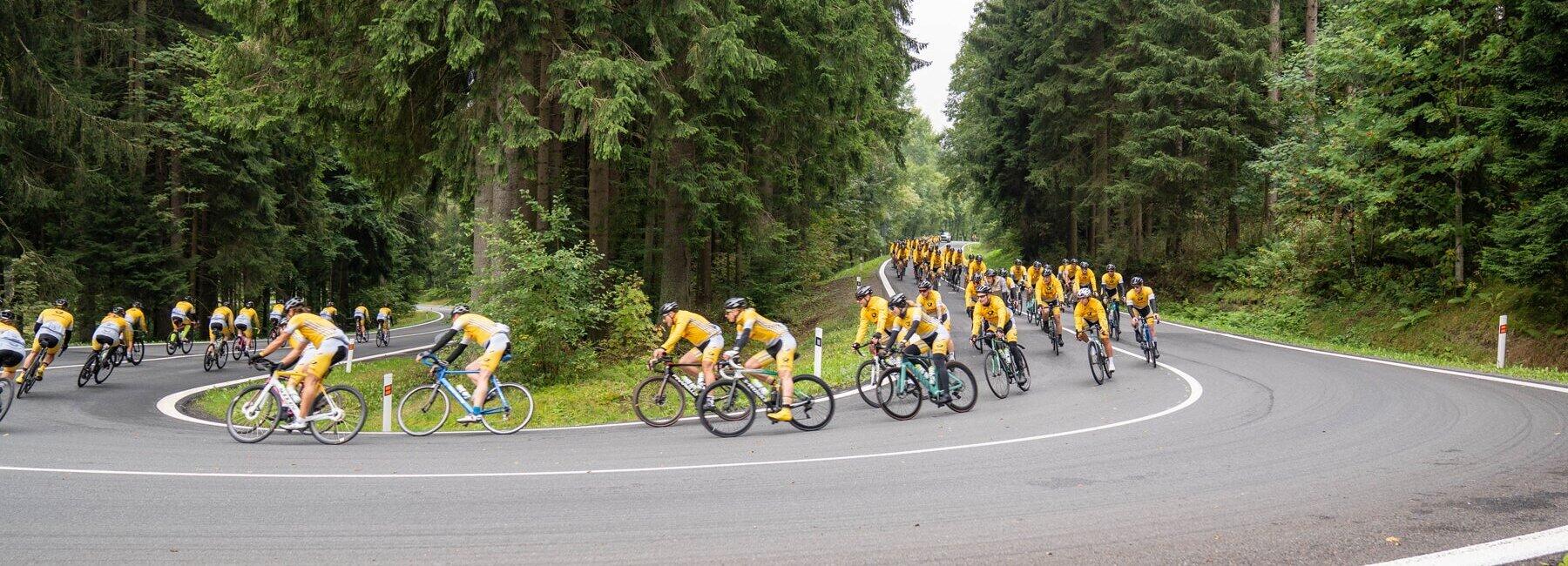
The European Peace Ride is not a race, but a group cycle ride covering 500 kilometres in support of peace, European cohesion and international understanding. On 11 September, the EPR sets off from Zittau, then passes through Liberec in Poland on its way to Dresden, and from there, on the third day, heads first to Mittweida. Historically, the EPR builds on the legacy of the legendary International Peace Ride – Course de la Paix – which linked Germany, Poland and what was then Czechoslovakia for decades. This history is deliberately being reimagined in a new format: without winners or losers, but based on the idea of ‘experiencing what unites us together’.
Bringing together sport, science and business
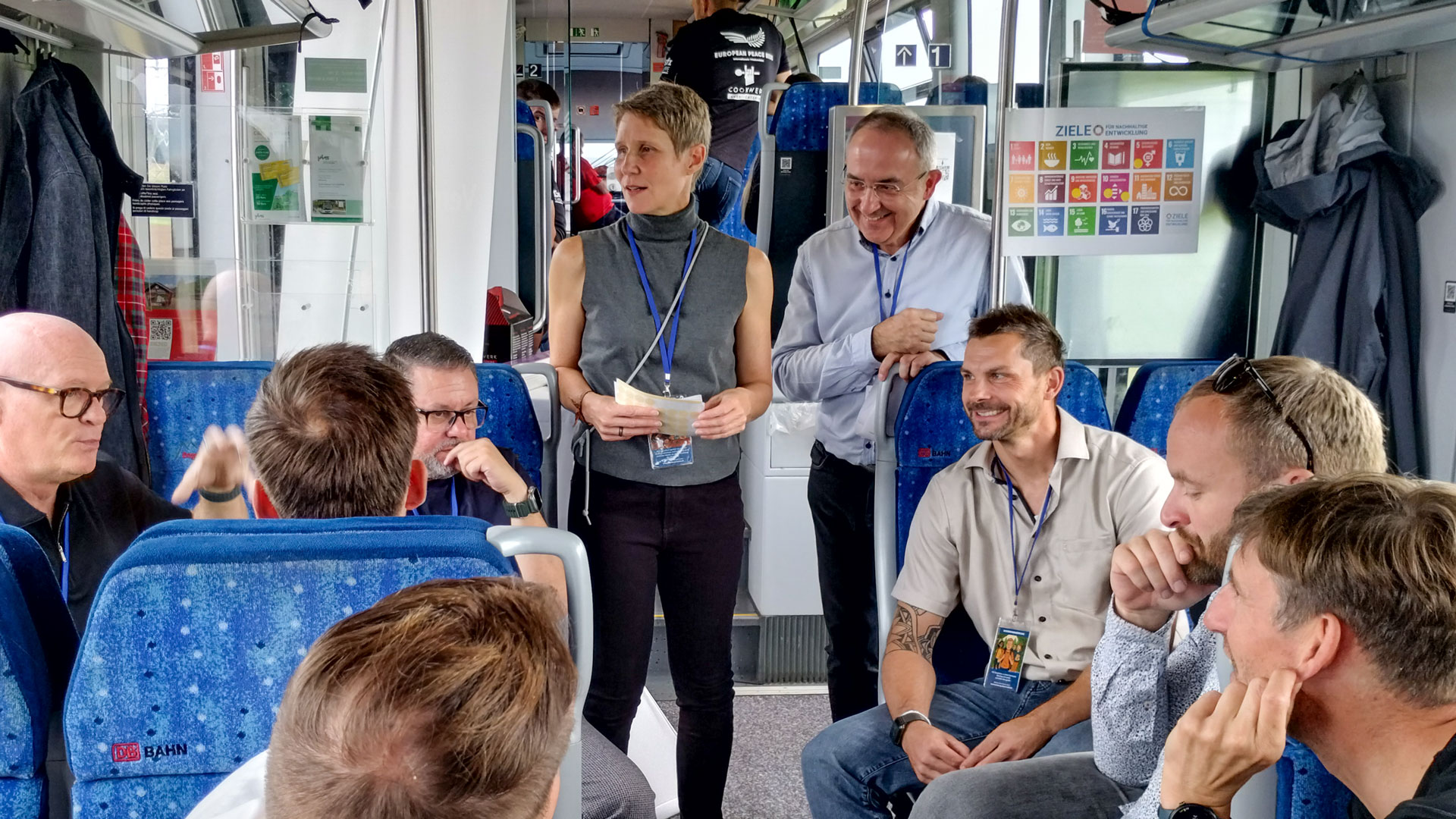
The Institute for SME Cooperation at Mittweida University of Applied Sciences – MIKOMI – has been supporting the EPR as a partner for several years now, linking this sporting project with dialogue between academia, business and society. MIKOMI will also be at the starting line – quite literally – in 2026: On the European Peace Ride Train, around 70 prominent figures from politics, academia, business and culture from several countries, as well as media representatives, will travel together with many EPR participants from Chemnitz to the starting point in Zittau as part of the economic dialogue. Those represented include the companies GK Software, Volkswagen Sachsen and Von Ardenne, members of the Saxon State Parliament and Chemnitz City Council. The German Centre for Astrophysics (DZA) will also be on board the train. The focus of the journey will be on discussing how businesses and regions can jointly shape economic and social transformation.
The special train departs from Chemnitz Central Station on 11 September at 6.21 am and arrives in Zittau at 9.11 am. The return journey ends at 6.09 pm in Chemnitz. Members of the media interested in travelling on the train should please contact Claudia Gränitz-Kleiber.
From 11 to 13 September 2026, the European Peace Ride will take place for the sixth time. Around 200 cyclists will cover some 500 kilometres – riding together in a tight peloton and explicitly not as a race. Historically, the EPR builds on the legacy of the legendary International Peace Race – the Course de la Paix – which linked Germany, Poland and what was then Czechoslovakia for decades.