This page was translated automatically using artificial intelligence (DeepL). The German version is binding. More information about automatic translation
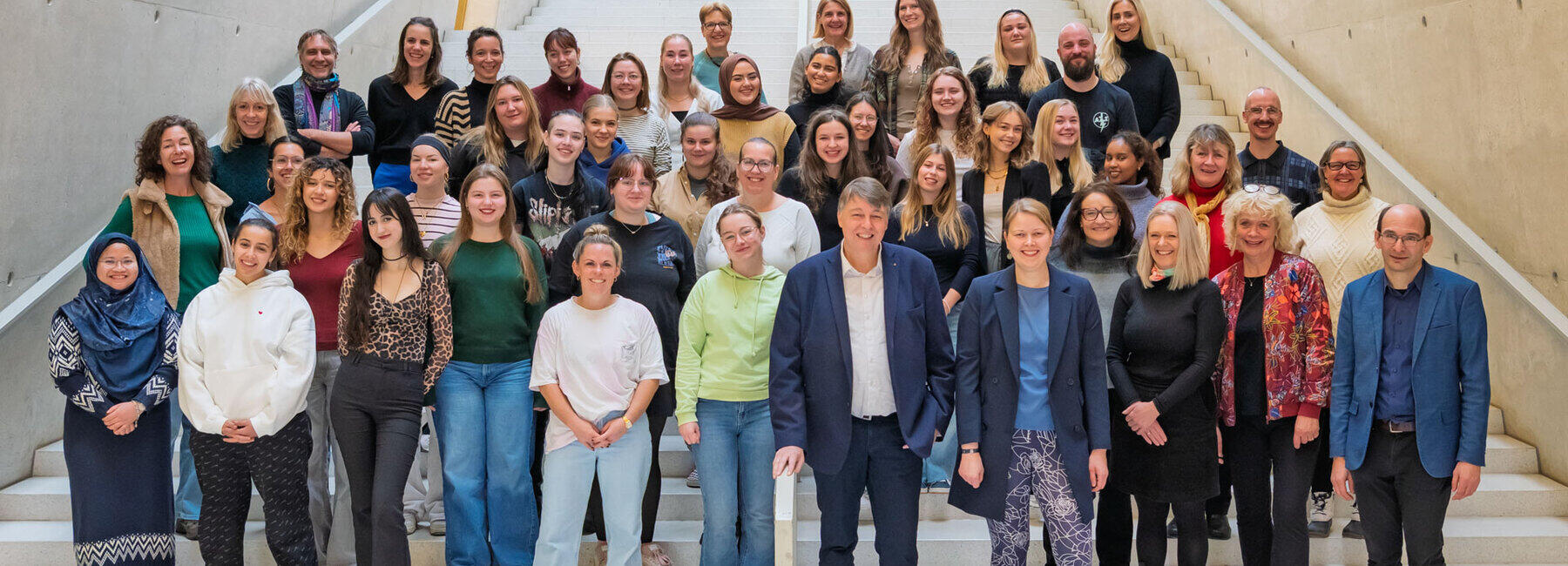
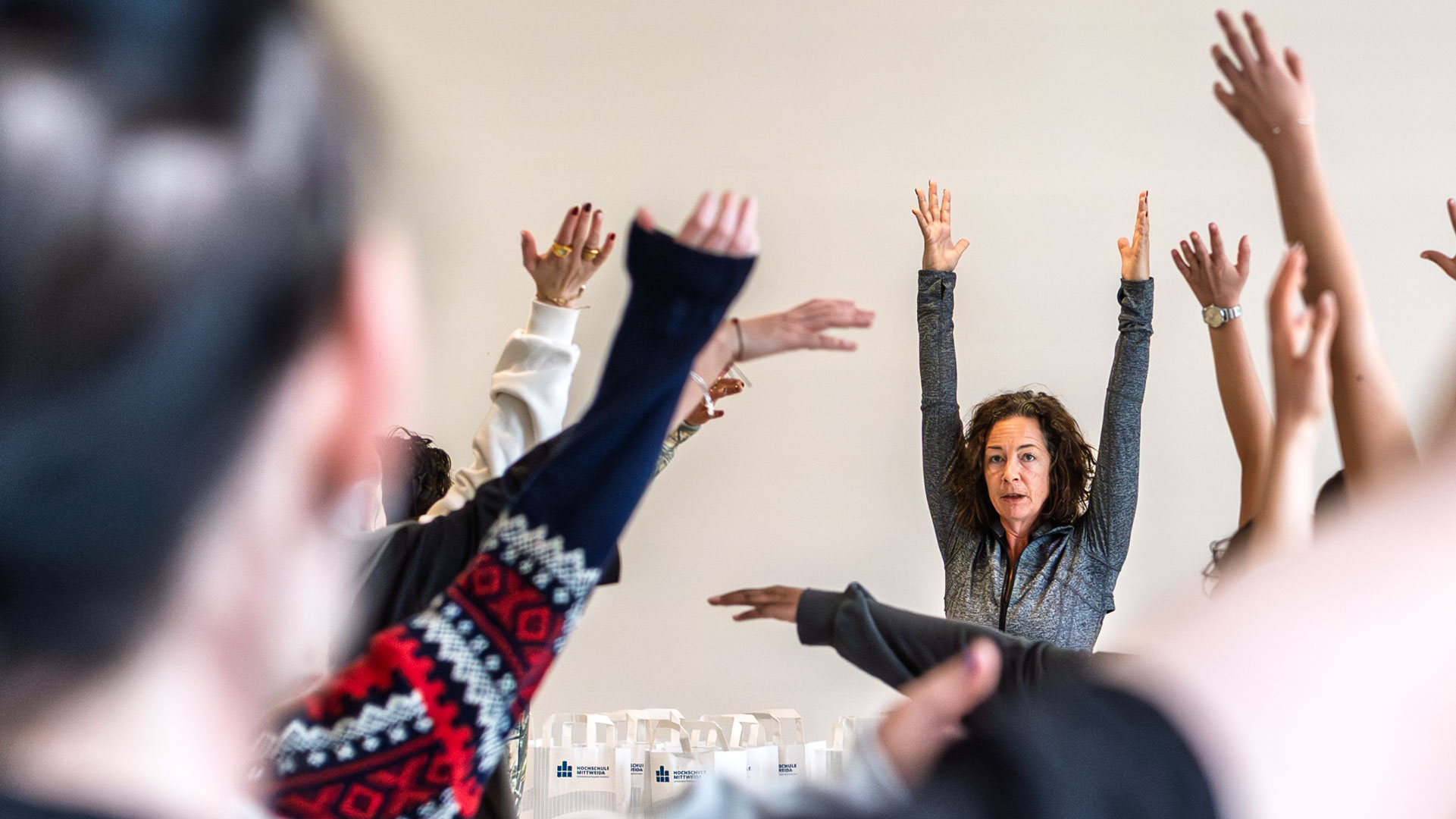
At the end of November, Mittweida University of Applied Sciences (HSMW) hosted 30 students and their lecturers from six countries. The face-to-face meeting at “Crossing Borders”, which took place from 24 to 28 November, was preceded by two months of cross-border online group work on topics such as displacement and migration, parenthood, homelessness, community work and youth social work. This format, combining online and face-to-face phases, is known as the ‘Blended Intensive Programme’ (BIP). The international partners of the Faculty of Social Sciences at HSMW for ‘Crossing Borders’ are higher education institutions and universities in Norway, the Netherlands, Belgium, England and Spain.
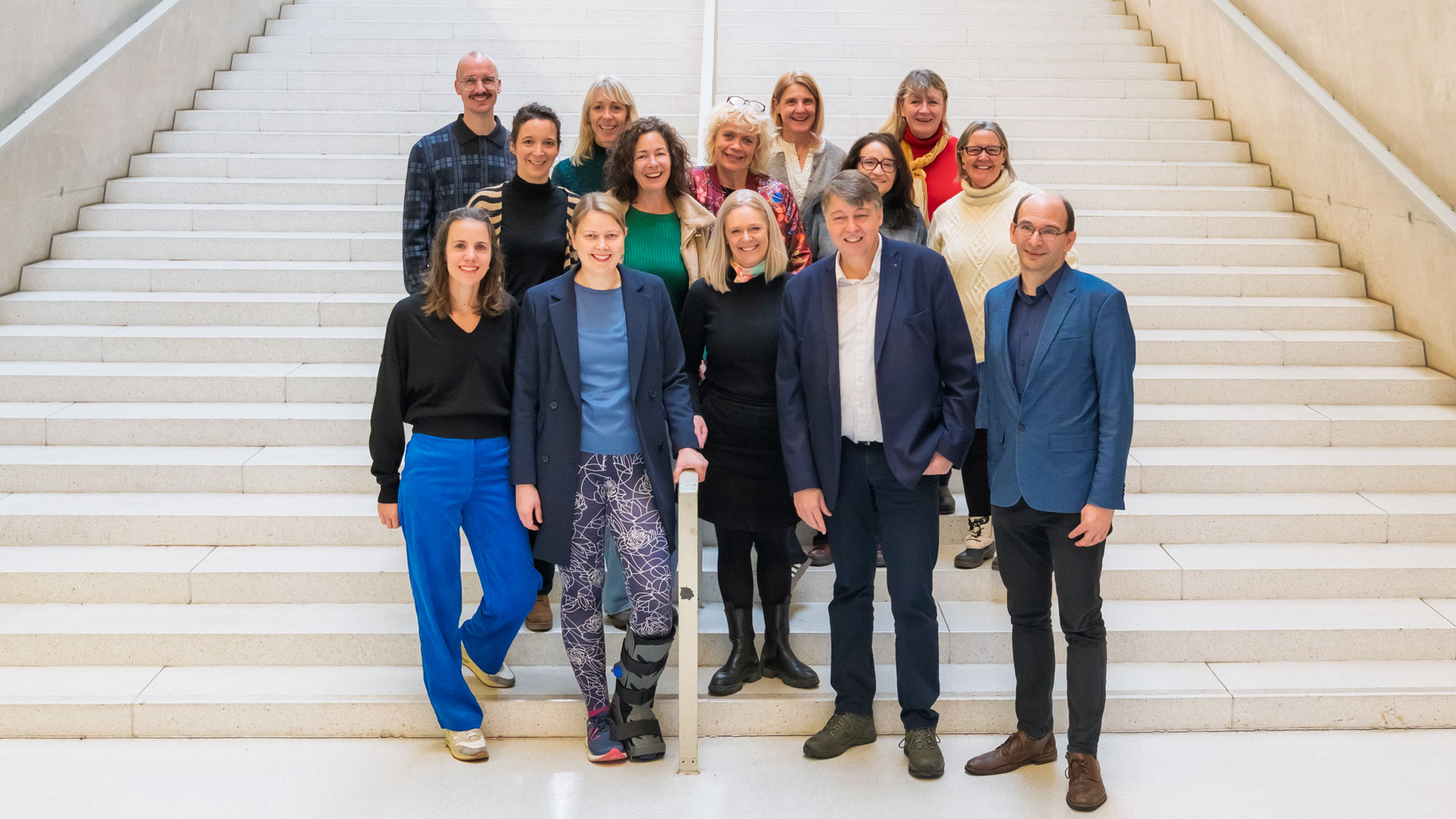
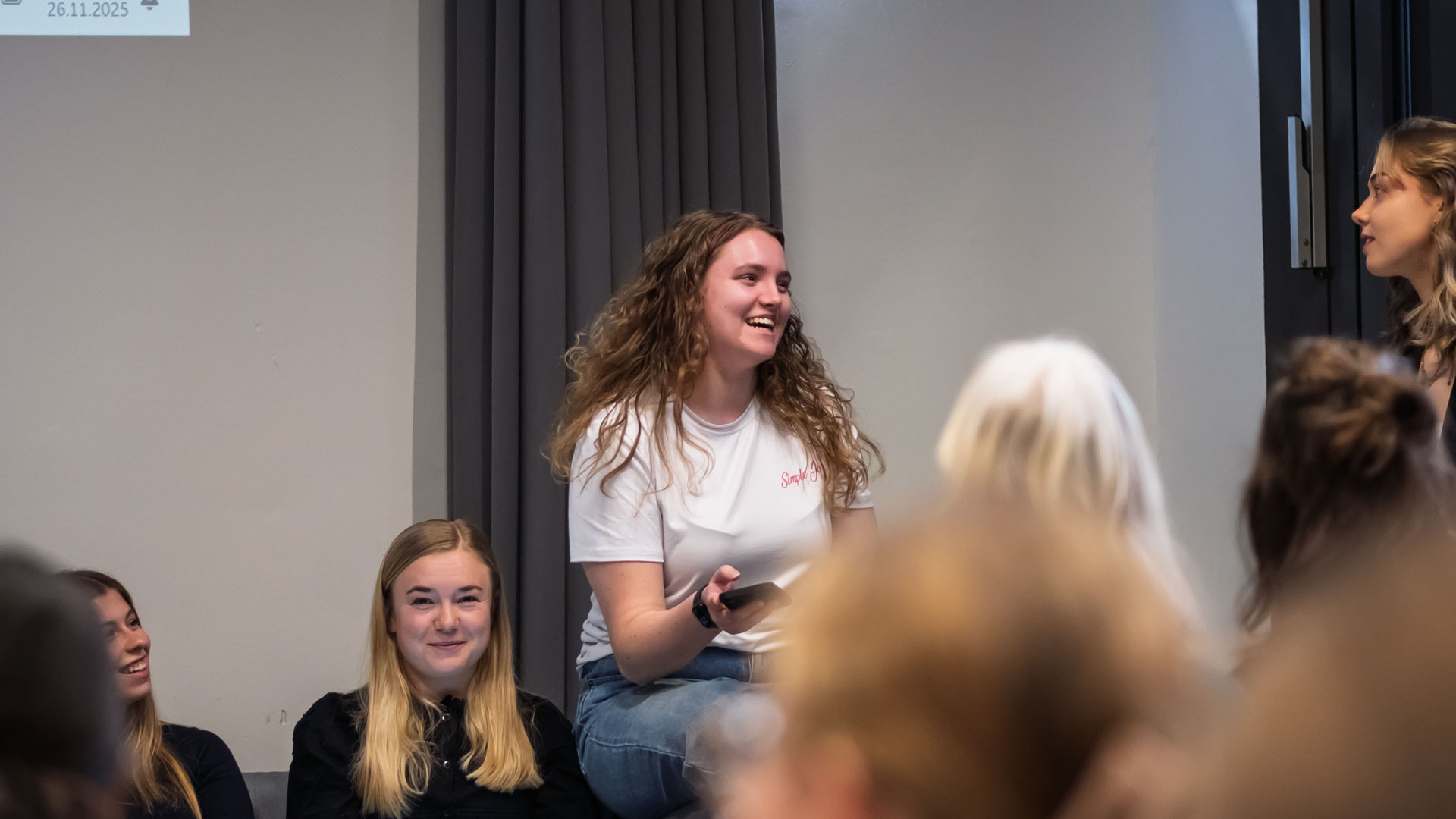
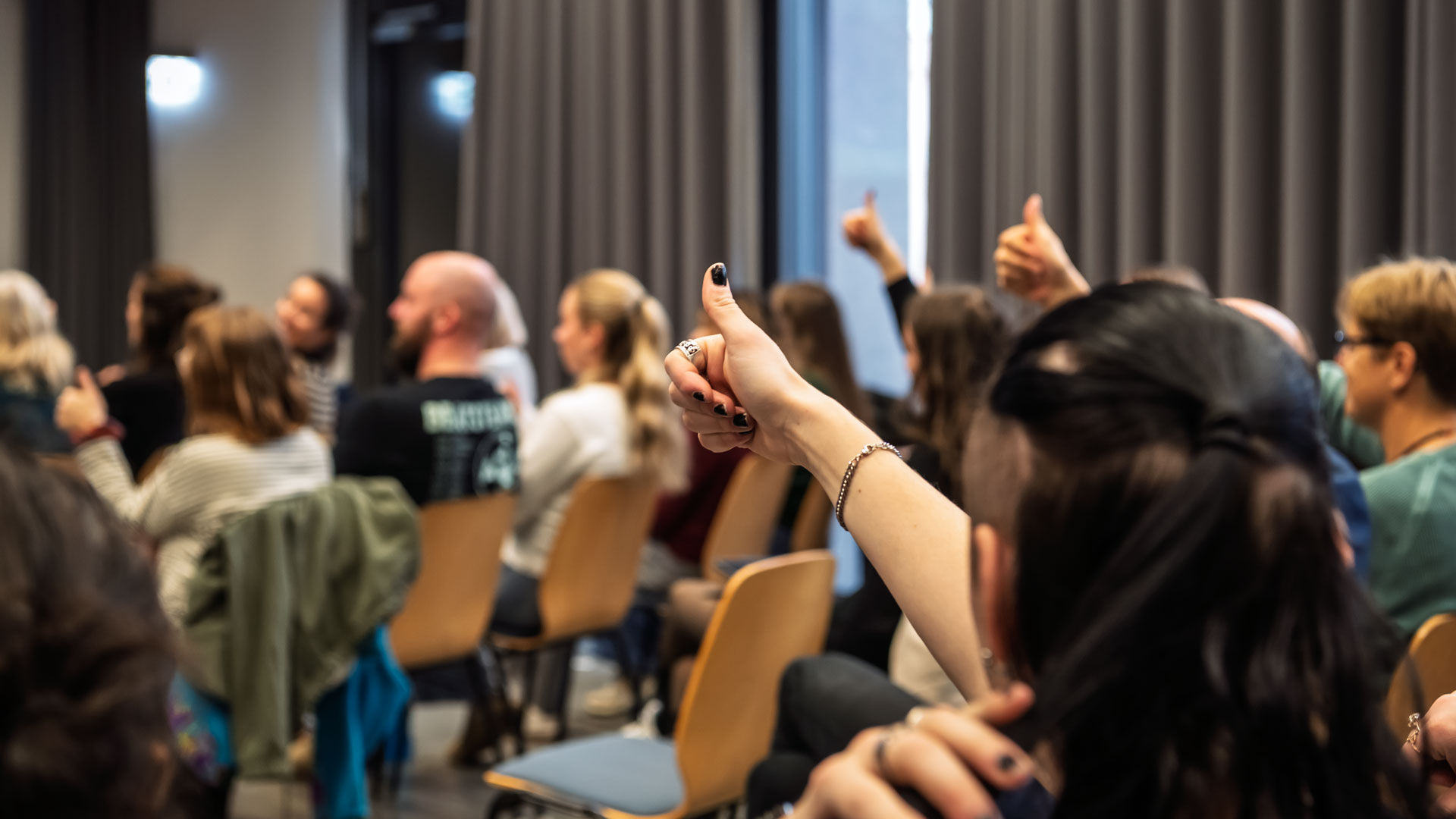
During the final week in Mittweida, the teams presented their research findings to the university community and received feedback from twelve lecturers from all partner institutions, including Mittweida professors Nadine Kuklau and Simon Moses Schleimer.
People from around the world and interdisciplinary topics
The teams described how unfamiliar the first digital meetings had been: different languages, approaches to research and expectations of social work, which only gradually led to a shared way of working. It was now possible to build on this in Mittweida.
The research projects reflected the diversity of current challenges in Social Work across Europe. One team investigated how a deliberate reduction in daily smartphone and social media use affects young people’s emotional resilience. Another group investigated how algorithmically curated content on social media influences the behaviour and mental health of young users. A European comparison revealed that young people everywhere have similar experiences, but that the level of media education support varies from country to country.
The living conditions of homeless people were also discussed: one group analysed the pathways that women experience in temporary accommodation and how their experiences differ from those of men in the same situation. Another team worked on the topic of the voluntary return of refugees to their country of origin. The focus was on how this step affects the psychosocial well-being of those returning and their family members, and which challenges and resources play a role in this process.
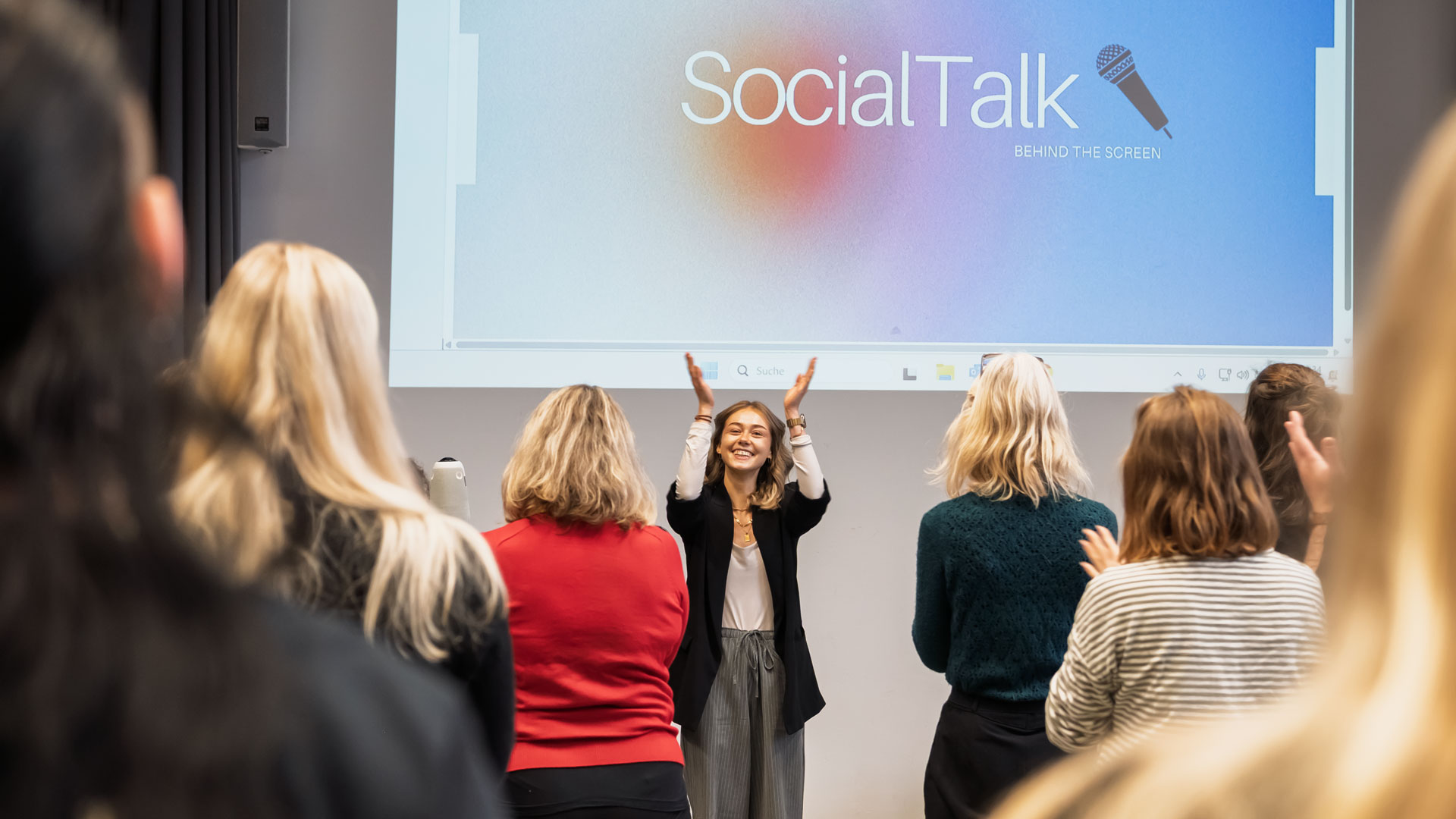
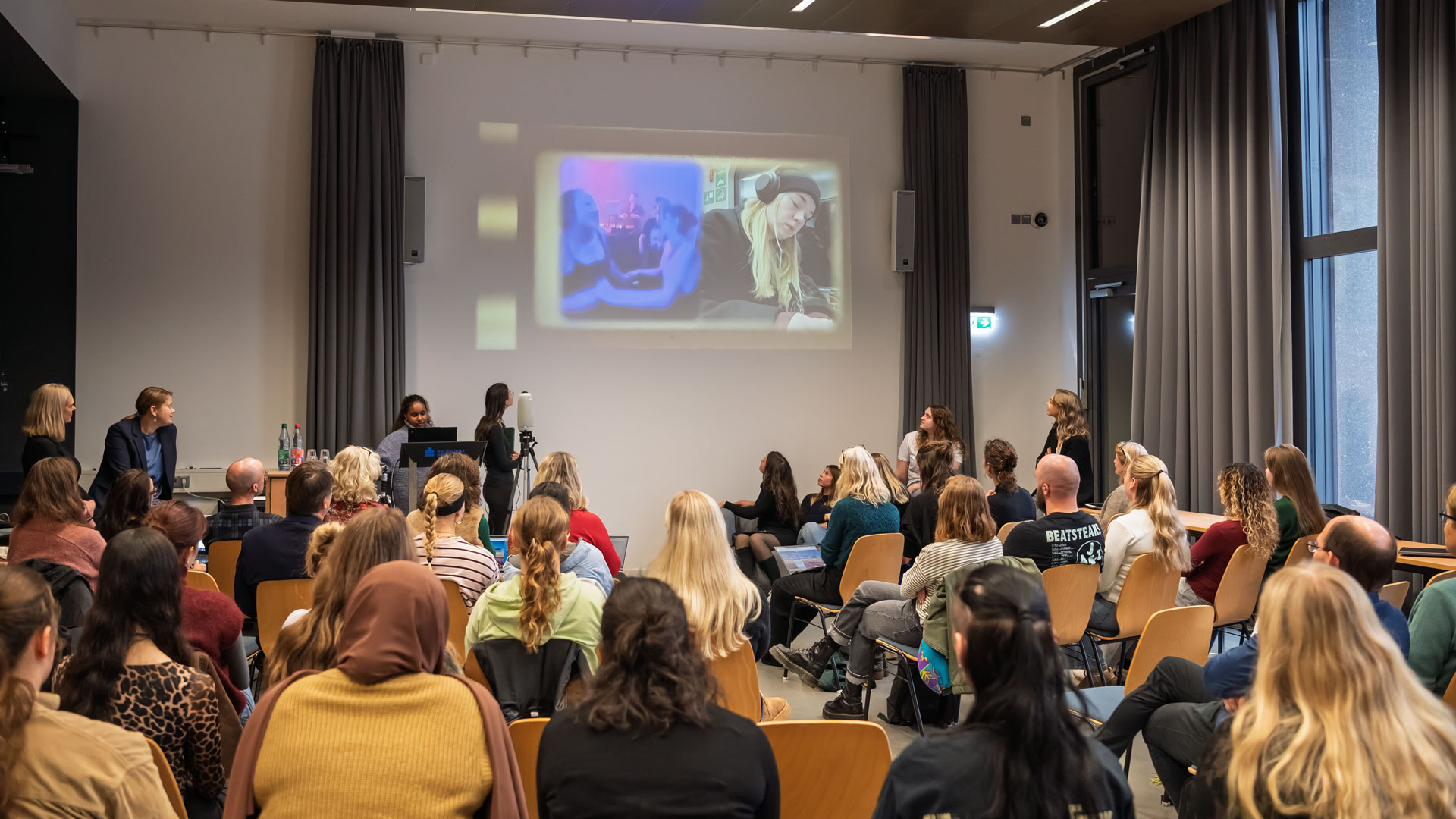
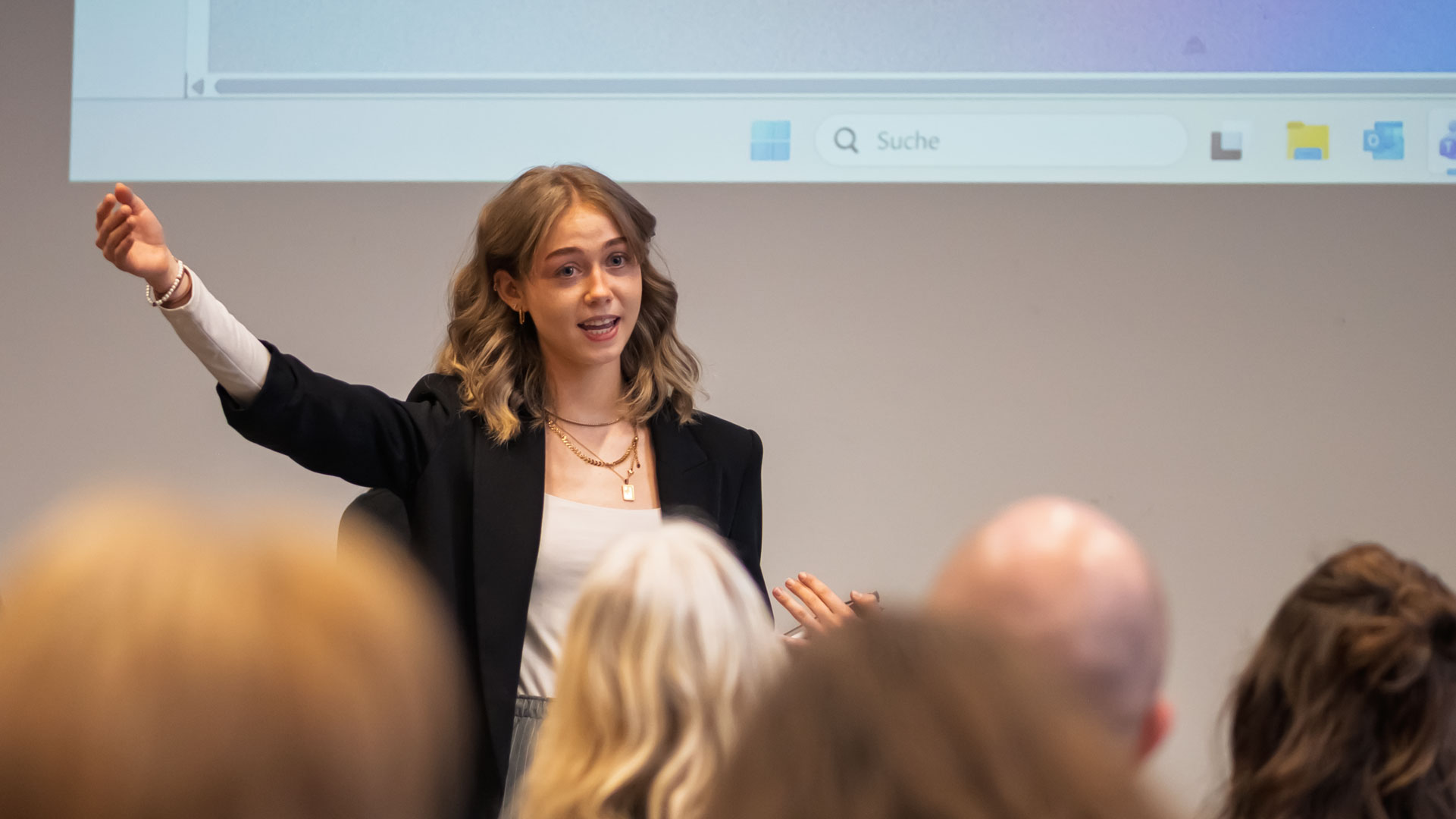
The in-depth project work clearly demonstrated that Social Work in the various countries was grappling with similar issues. Differences were evident in the structural framework, for example the role of local services, funding or the integration of prevention work into Social Work practice. It was precisely this comparison that the students highlighted as being particularly valuable.
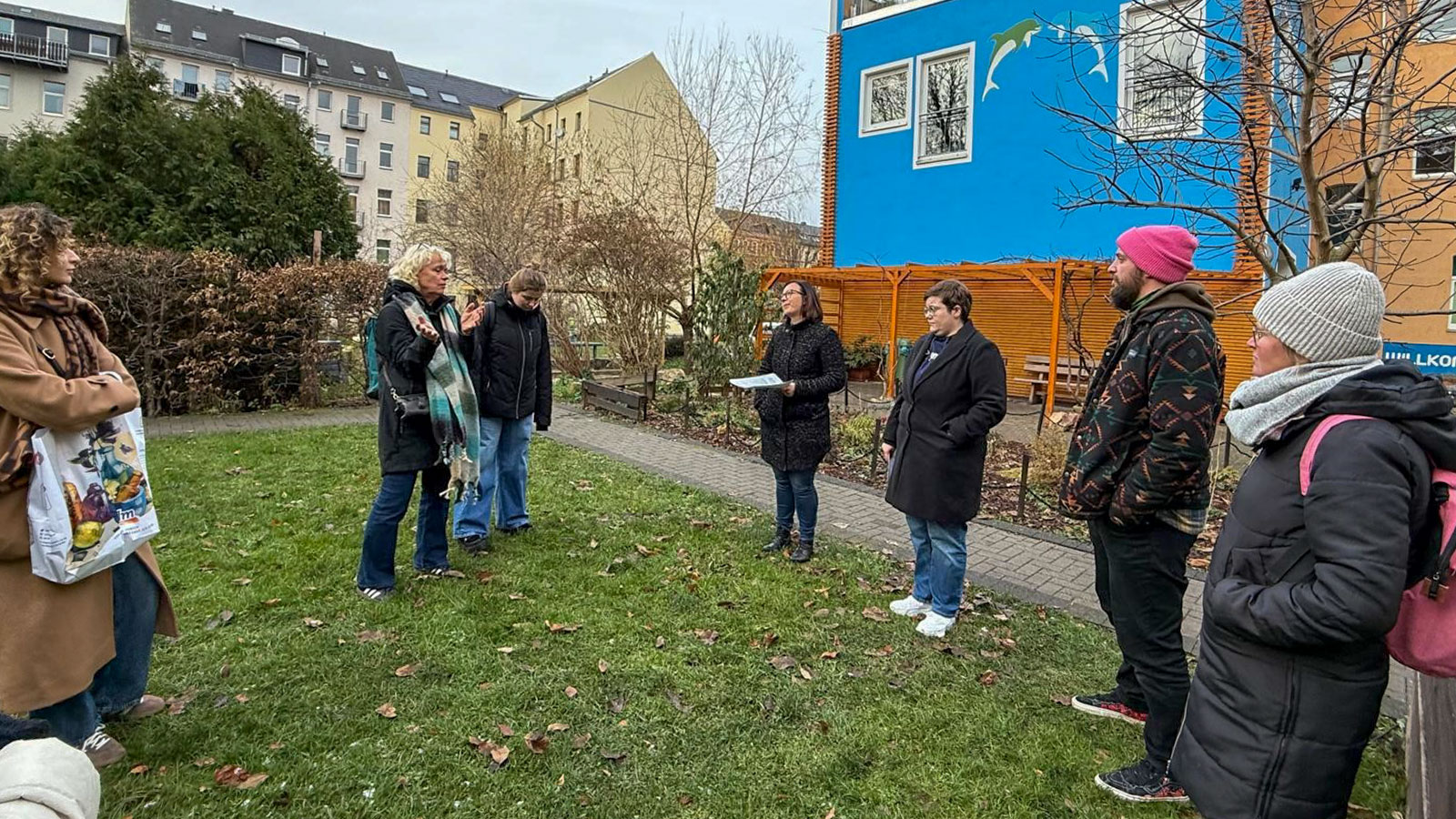
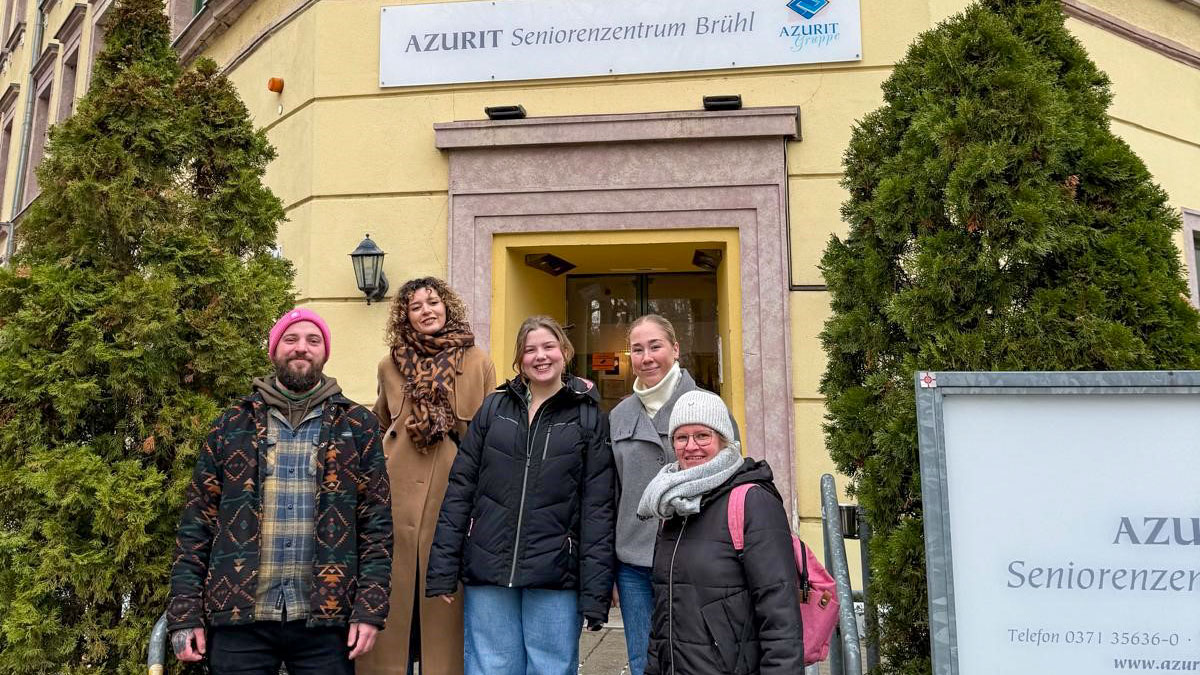
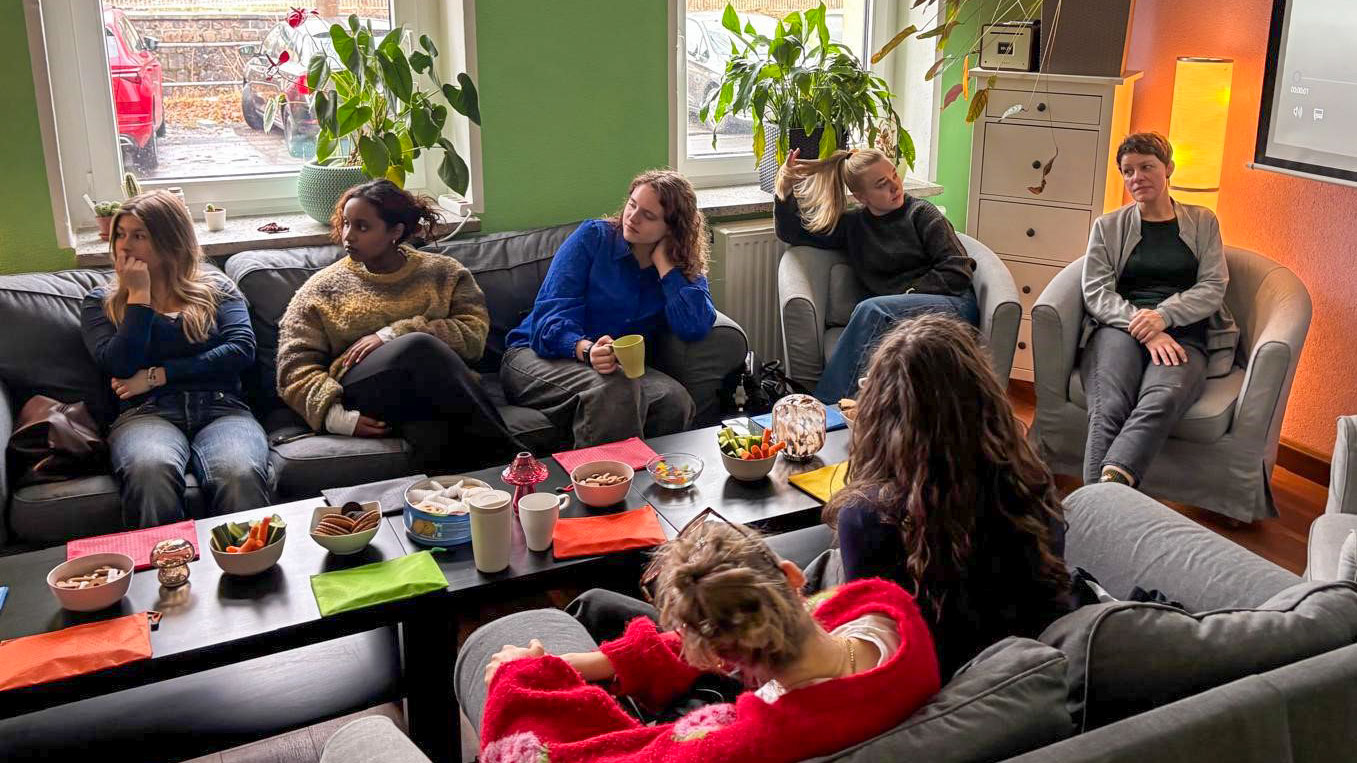
Practical insights and intercultural exchange: Participants gained practical insights into Social Work in Saxony through, amongst other things, visits to Chemnitz Prison, where they learnt about social work within the prison system; to Different People e.V., a counselling centre for queer people; at the Azurit Senior Citizens’ Centre; and at Salute e.V., which focuses on counselling women in particular life circumstances. Many students subsequently reported how much they were impressed by the openness of the professionals and that it was precisely this comparative perspective that helped them to contextualise theoretical concepts and reflect on their own perspectives.
Even outside of academic work, the university and the university town of Mittweida University of Applied Sciences offered plenty of opportunities to meet people: with German and international students from the university’s ‘Cosmo Club’, exchanging views on student life in Europe, or on the guided tour of the town organised by students on the Global Communication in Business and Culture degree programme.
Pioneer: Crossing Borders
The Faculty of Social Sciences at HSMW launched ‘Crossing Borders’ in 2004 and has been running it annually ever since. Since 2021, the DAAD has been funding the programme through the ERASMUS+ programme as part of its funding guidelines for blended intensive programmes. Currently, six European partner universities are part of ‘Crossing Borders’ and enable their students and teaching staff to take part: in addition to HSMW, these include Western Norway University of Applied Sciences, Inholland University in the Netherlands, Odisee University of Applied Sciences in Belgium, the University of the West of England in Bristol, and, as a new partner, Complutense University of Madrid in Spain.