This page was translated automatically using artificial intelligence (DeepL). The German version is binding. More information about automatic translation
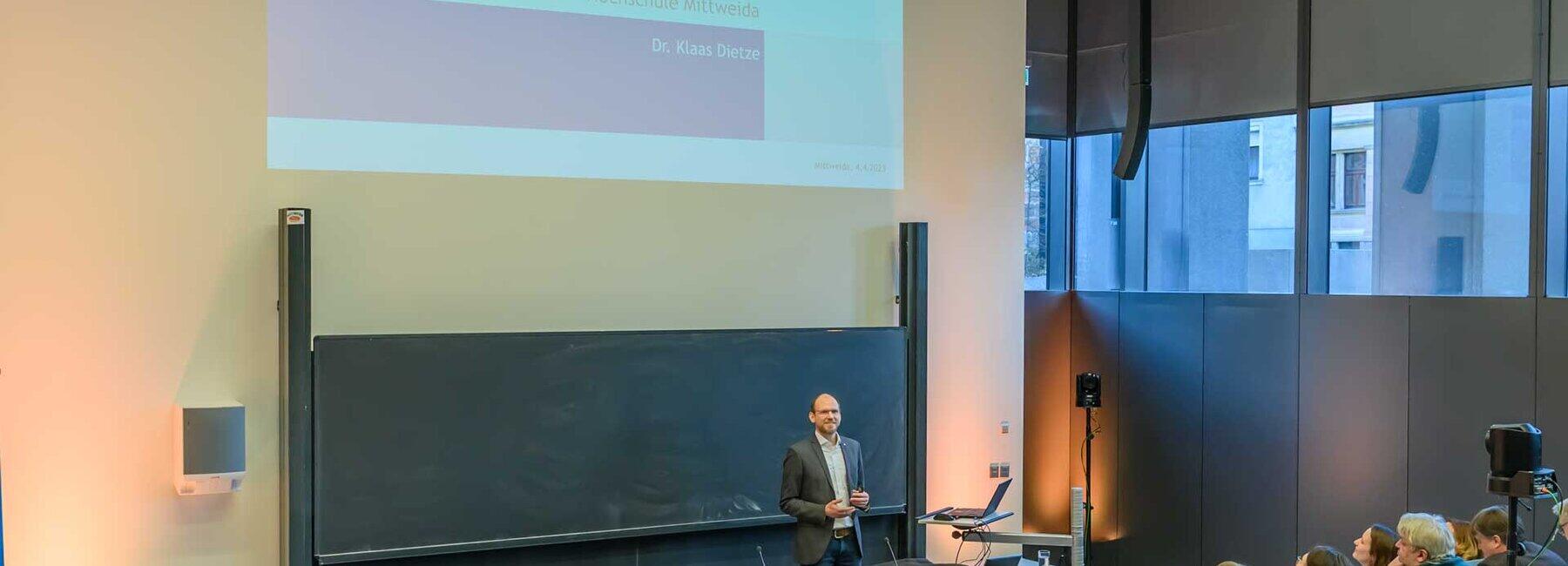
During a lecture on 4 April, speaker Dr Klaas Dietze provided the large audience with surprising insights into research into infectious diseases being carried out under the strictest security measures on the Baltic Sea island of Riems.
Dietze is head of the Development Cooperation and Disease Intelligence research group at the newly established Institute for International Animal Health at the Friedrich Loeffler Institute (FLI). Dietze described the close link between human and veterinary medicine and looked – not only in light of the current coronavirus pandemic – at diseases that are transmitted between animals and humans, known as zoonoses. A current example of the FLI’s monitoring of the global animal disease situation is the spread of avian influenza (‘bird flu’), which is transmissible to humans. Based on its monitoring, the institute is able to draw attention to potential risks at an early stage.
Everything is connected
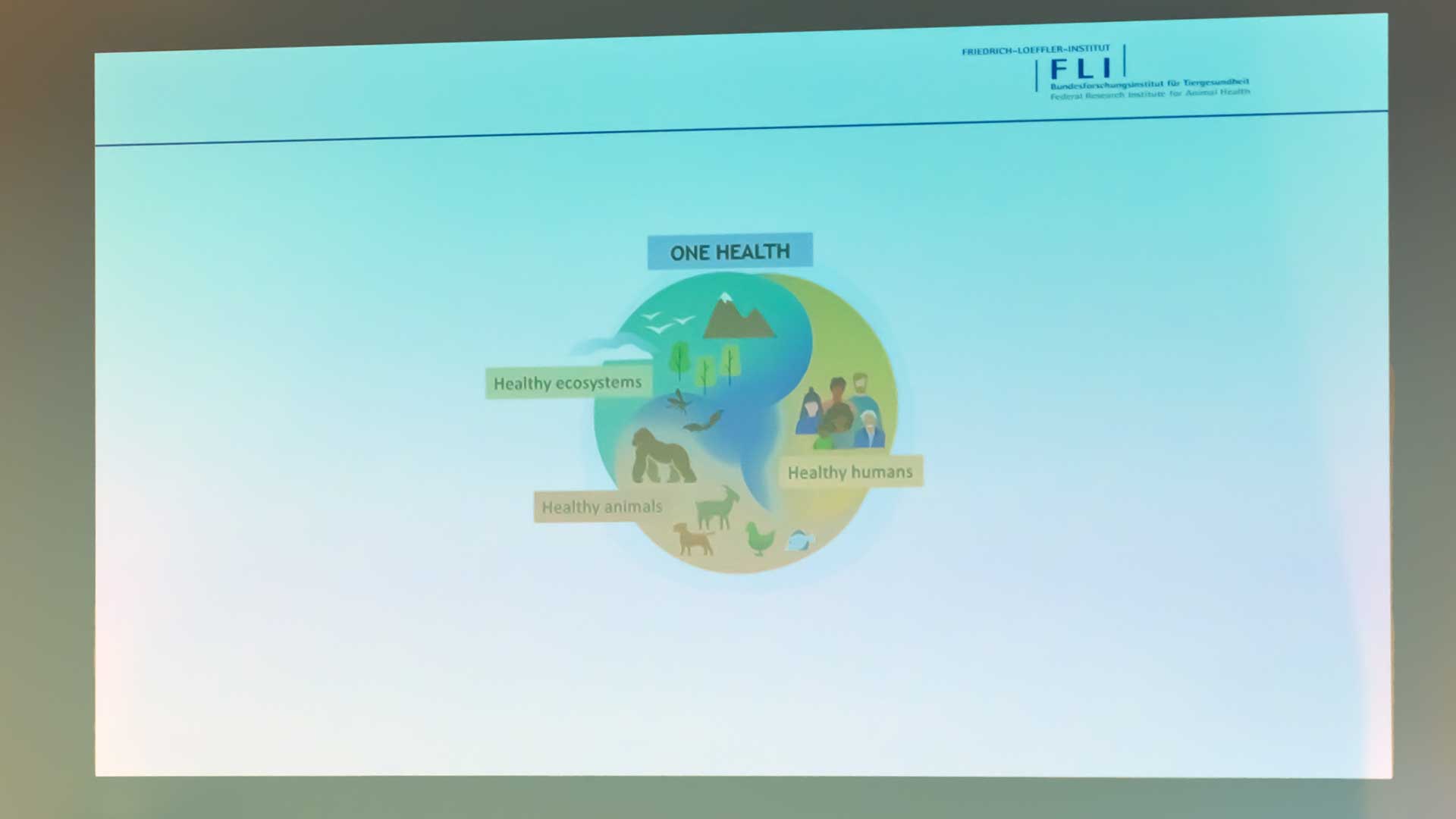
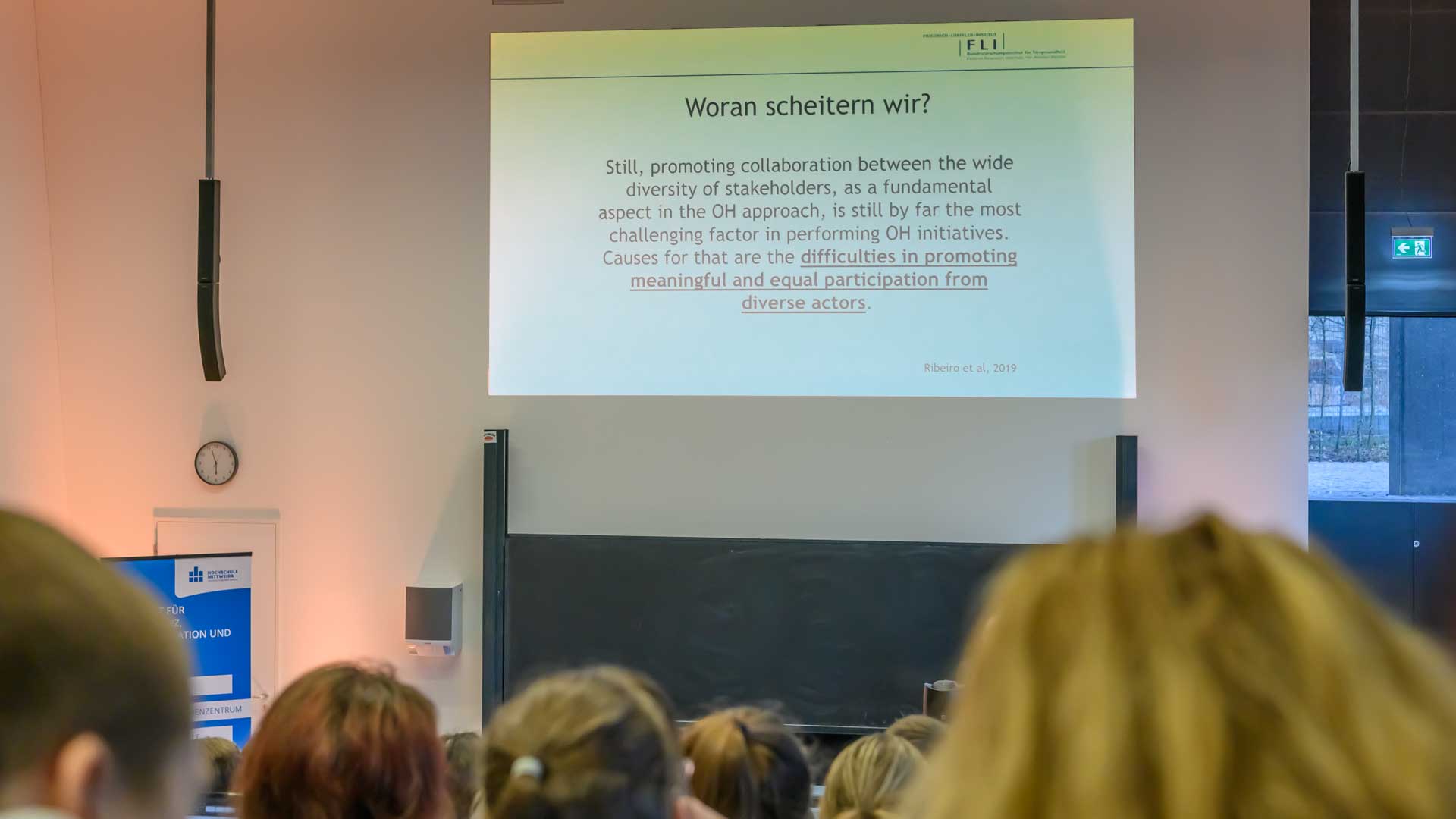
In this context, and indeed with regard to other global challenges of our time, everything is interconnected: climate change, biodiversity, the consumption of natural resources, food security, social inequality, and so on. It is therefore essential to recognise the global interdependence of human, animal and environmental health – in short, the ‘One Health approach’.
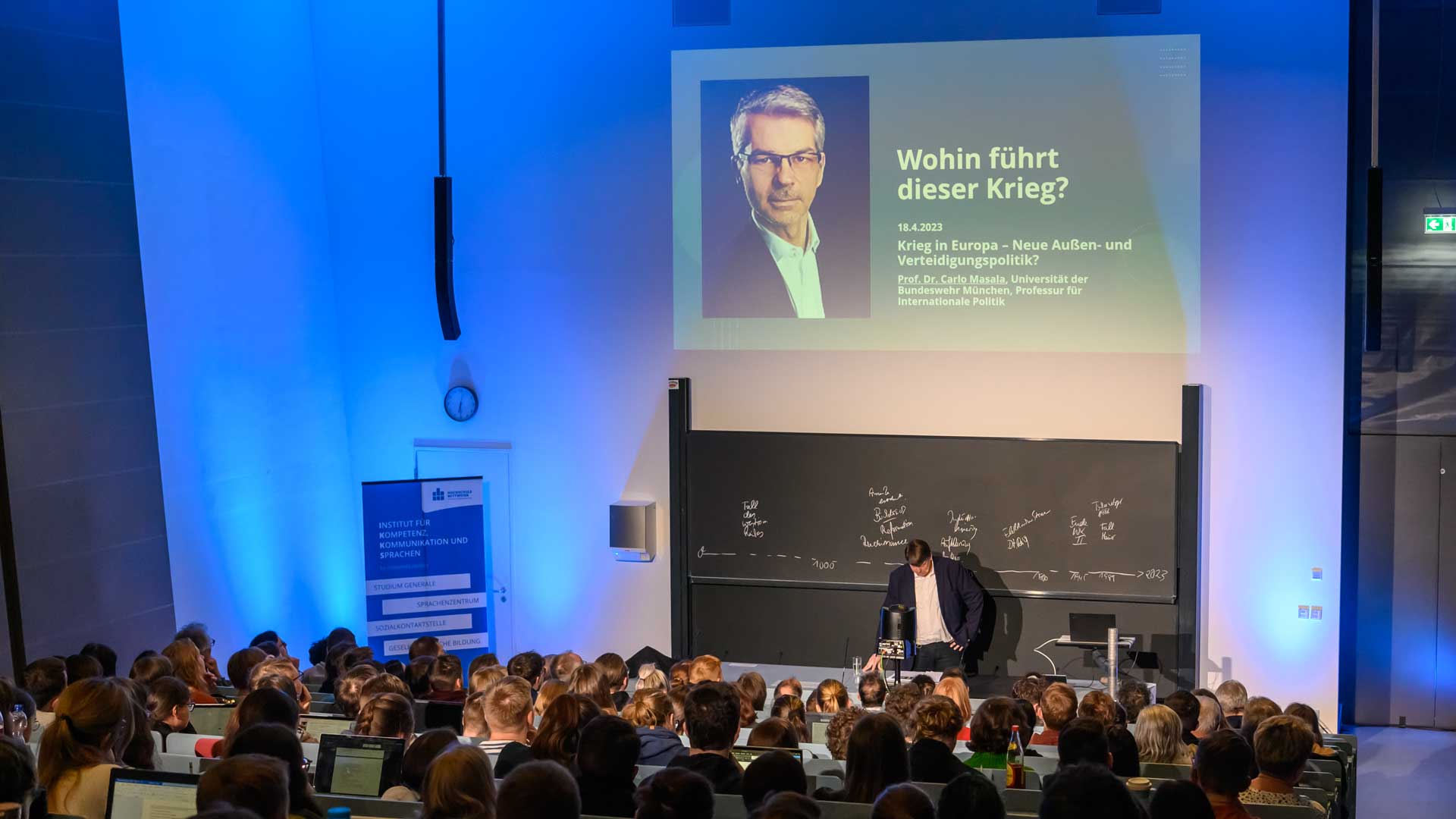
18 April: Carlo Masala and the question of a new policy for peace
With Professor Dr Carlo Masala (55), this year’s lecture series is set to welcome its most prominent speaker next Tuesday. The Professor of International Politics at the University of the German Armed Forces is the author of numerous publications and, since the start of the war in Ukraine, has been even more prominent in the media as an expert on the pressing questions regarding the prospects for peace – and the dangers of escalation and how this can be prevented through political means.
At the public lecture series in Mittweida, too, Masala will focus on politics under the heading ‘War in Europe – A New Foreign and Defence Policy?’, asking where politics stands when the logic of military strength appears to dominate. How are Western, European and German foreign and defence policies changing now that, with this new era, security must no longer be organised in conjunction with Russia, but rather in opposition to it?
The lecture will take place on Tuesday, 18 April 2023, from 5.30 pm to 7.00 pm at the Centre for Media and Social Work at Mittweida University of Applied Sciences, Bahnhofstraße 15.
It will also be broadcast to a second lecture theatre. Members of the public are warmly invited to attend and be inspired.
Full details of the lectures and speakers in the public lecture series can be found at: www.hs-mittweida.de/ringvorlesung