This page was translated automatically using artificial intelligence (DeepL). The German version is binding. More information about automatic translation
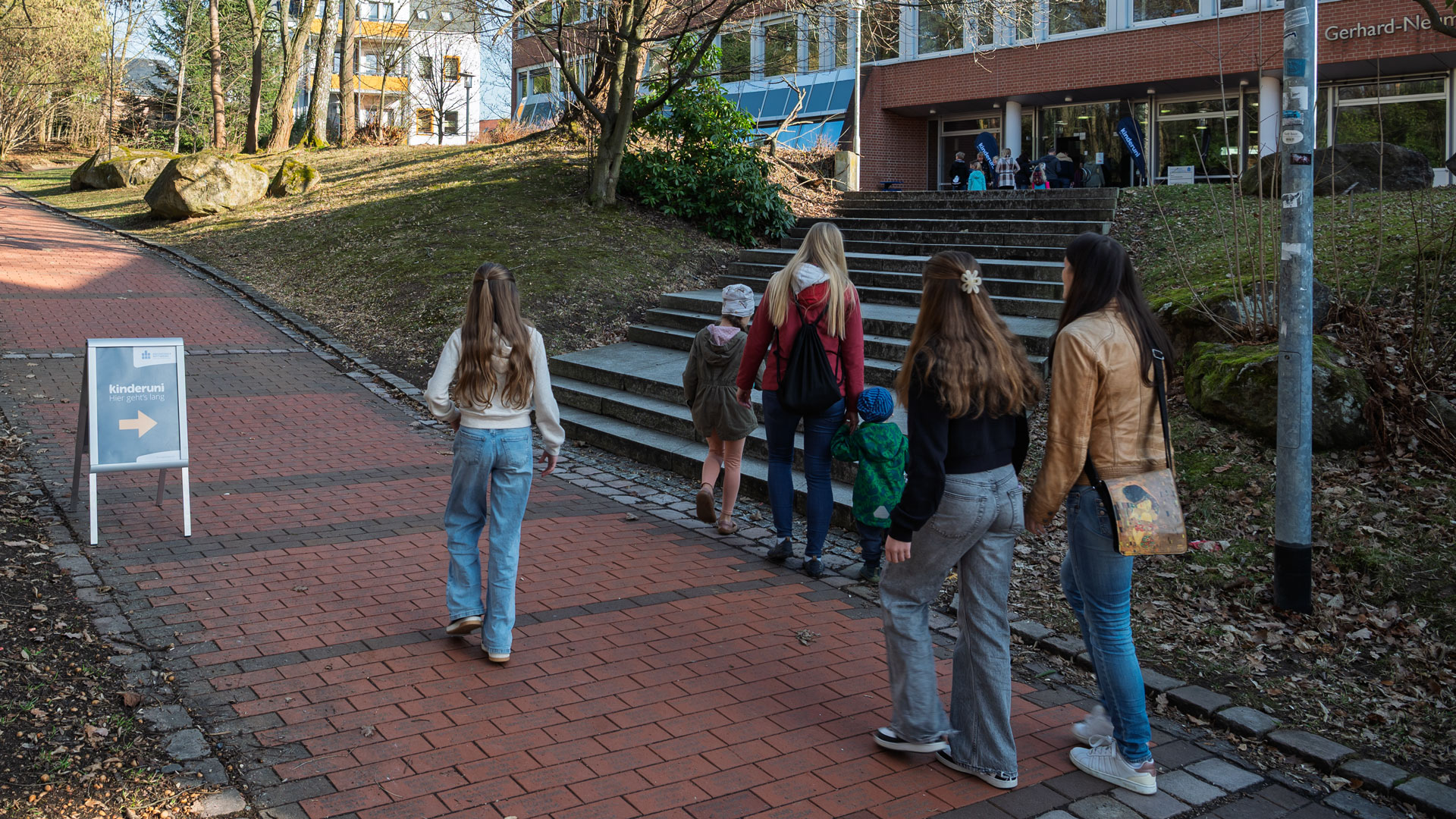
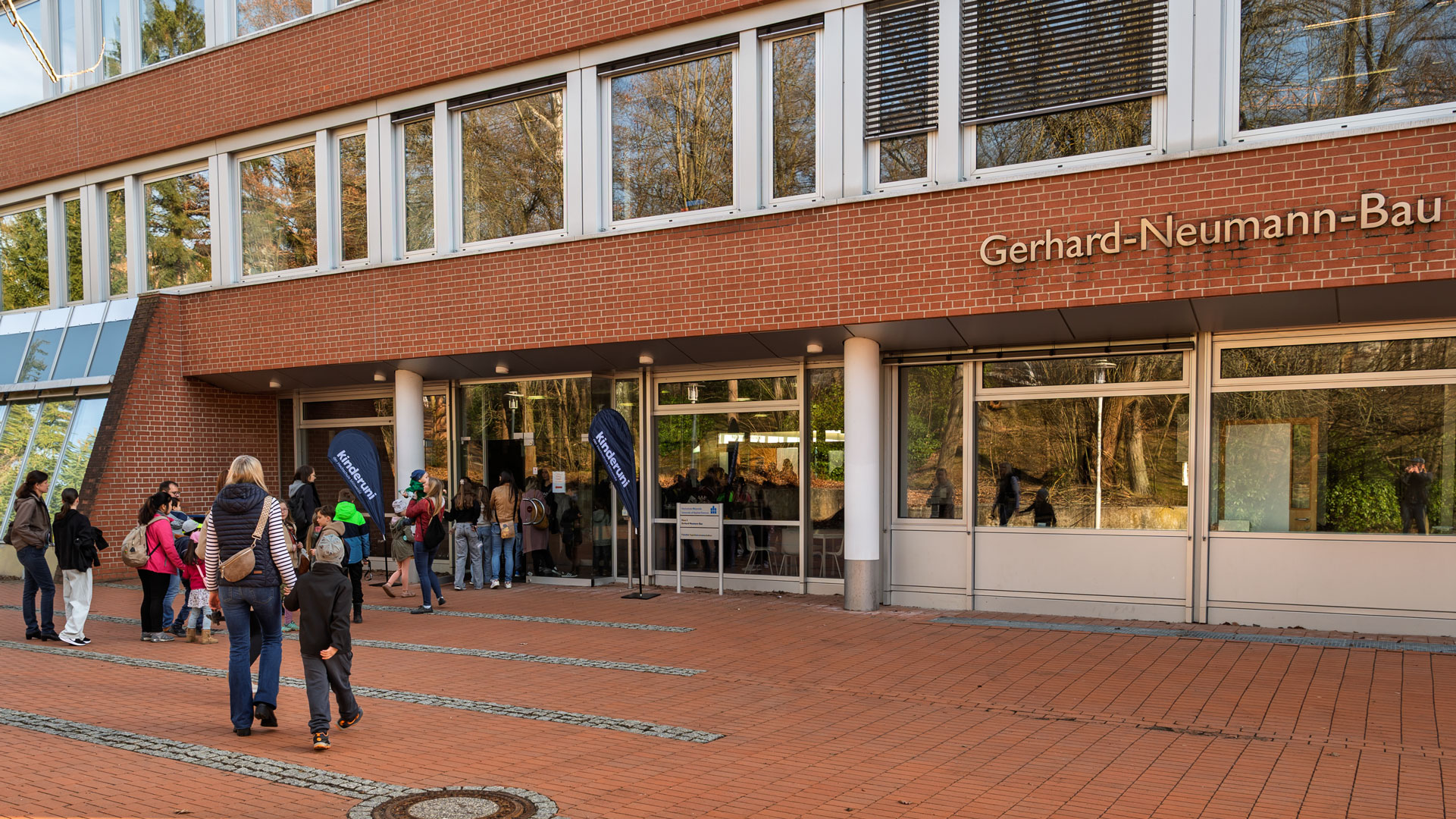
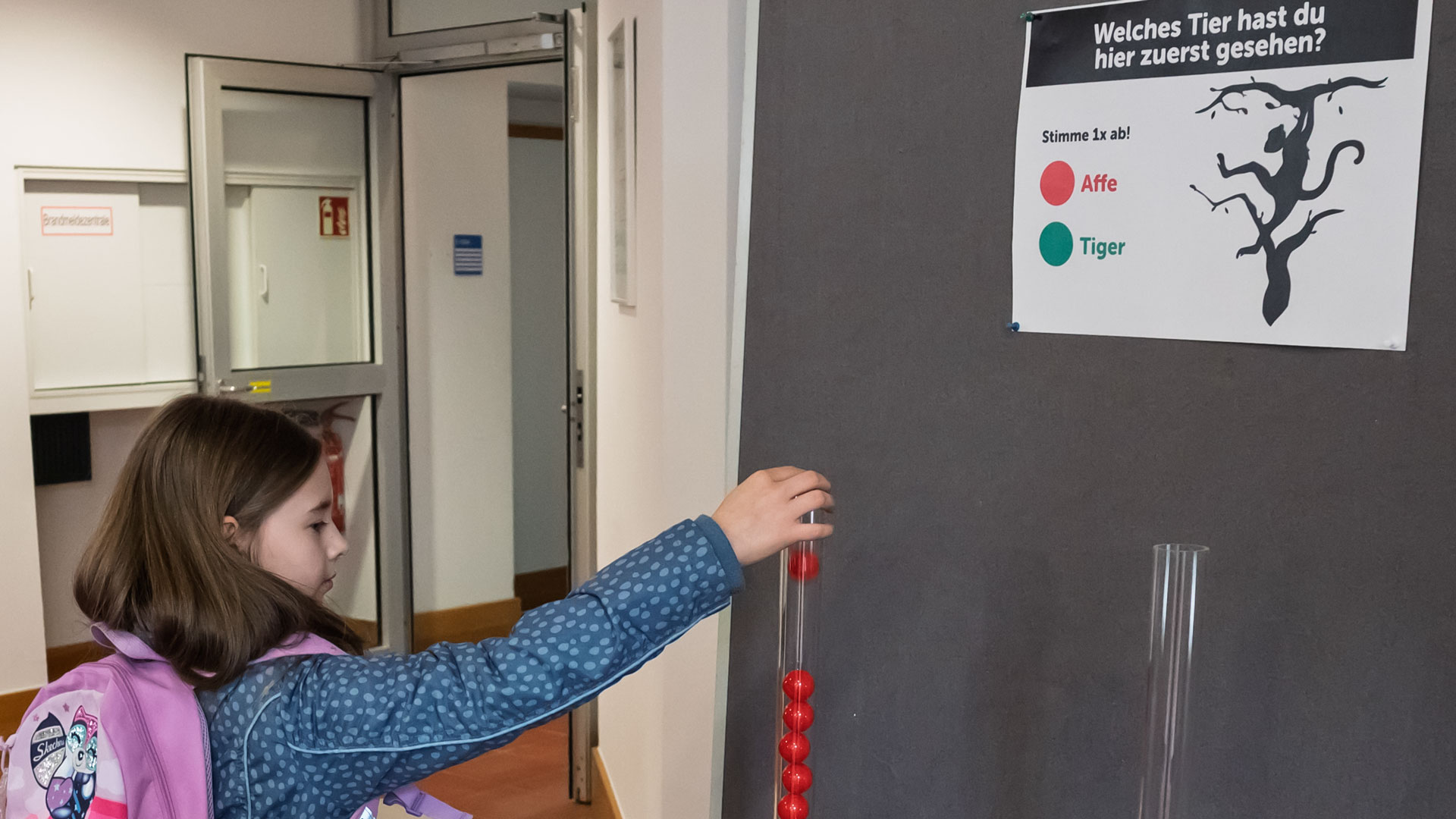
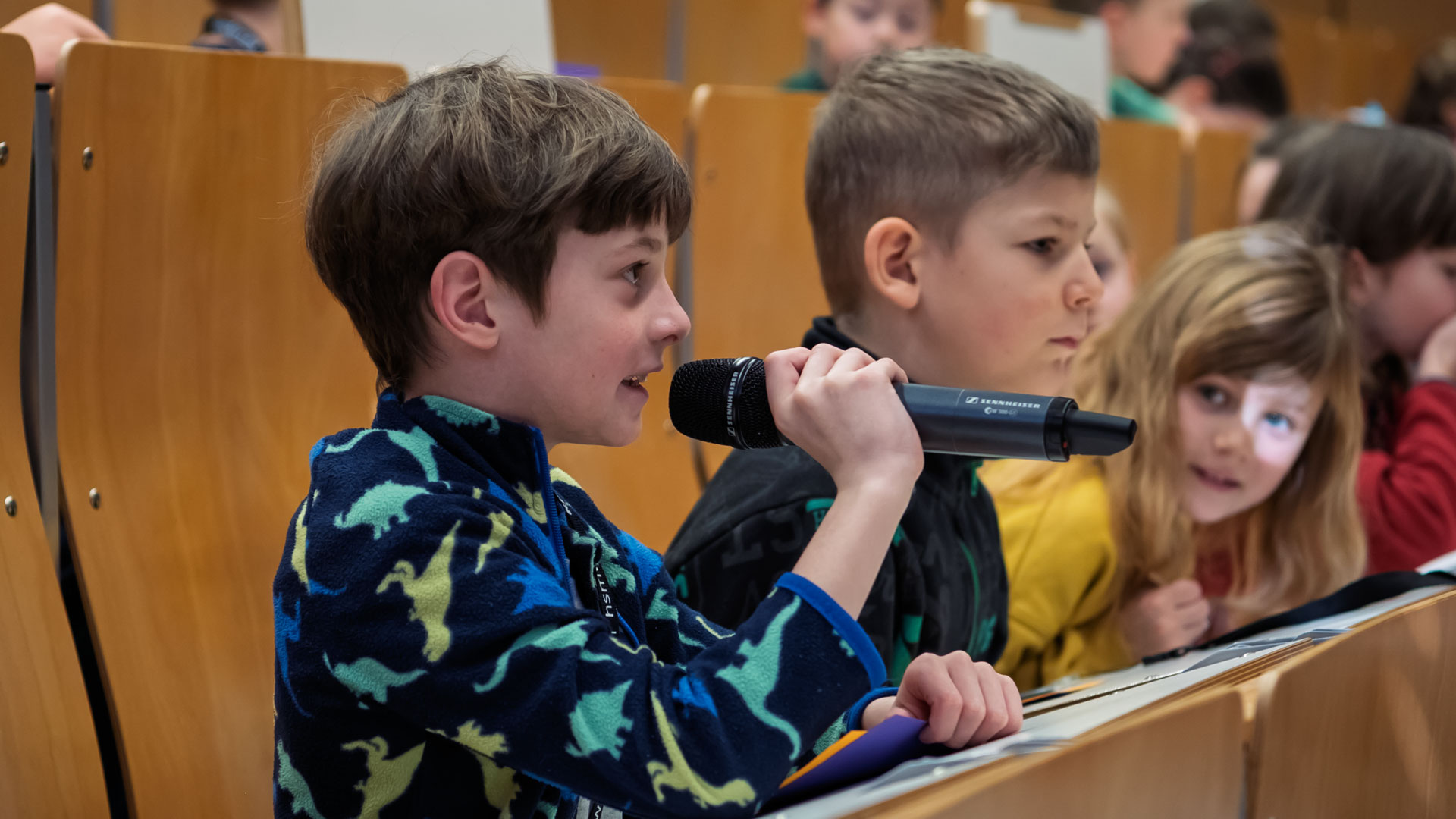
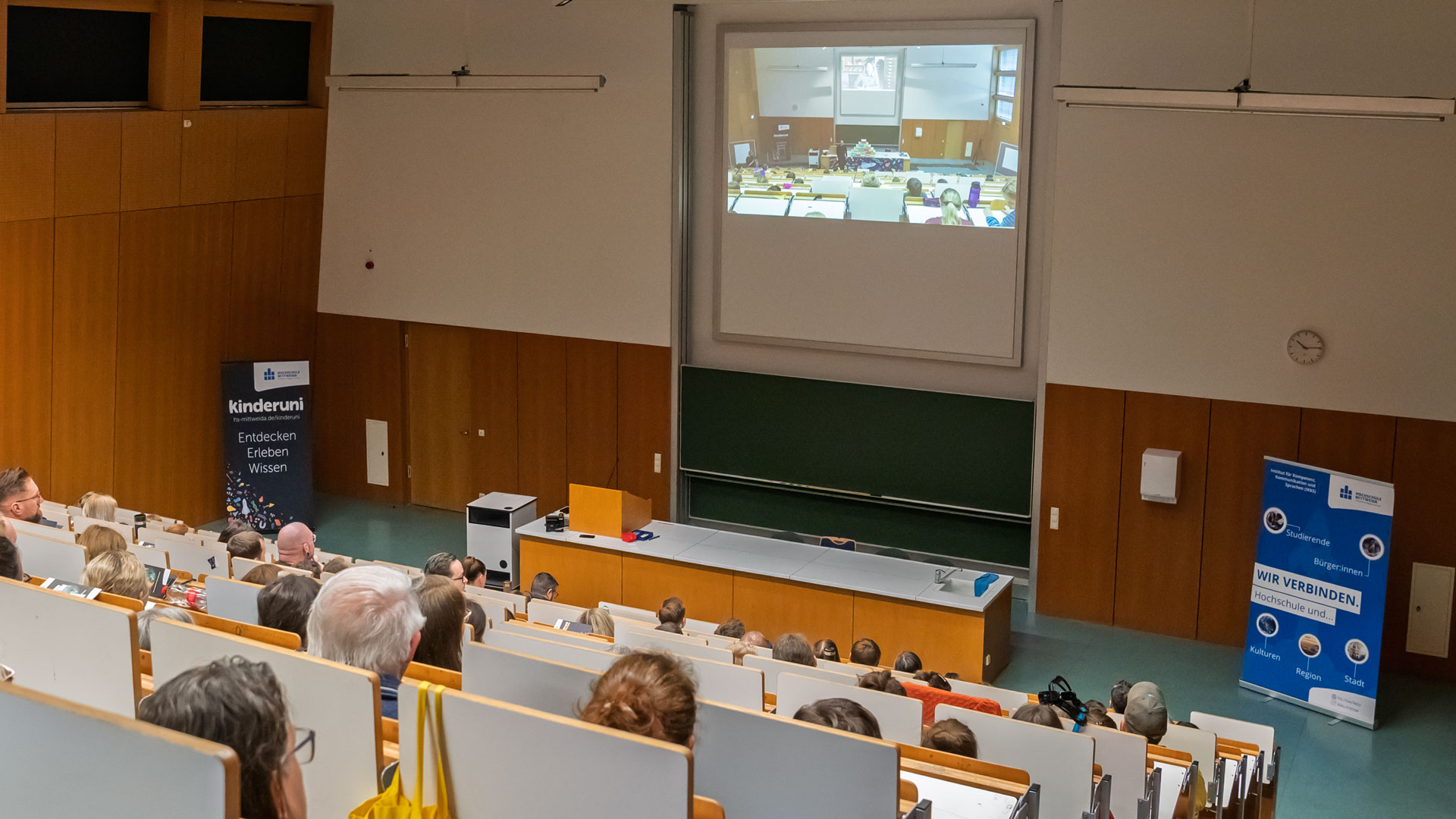
Many families came to Mittweida University of Applied Sciences (HSMW) on 28 February for the start of the Children’s University year. Even before the lecture began, the perception of the roughly 400 children and adults was put to the test: a picture in the foyer showed a monkey … or was it a tiger … Most saw the monkey first, others the tiger, and an elephant was even spotted. “Your brains all saw the same picture, yet you all came to different conclusions,” explained Children’s University lecturer Professor Simon Moses Schleimer later on, using further example images to demonstrate how quickly the mind fills in the gaps and invents stories to go with them.
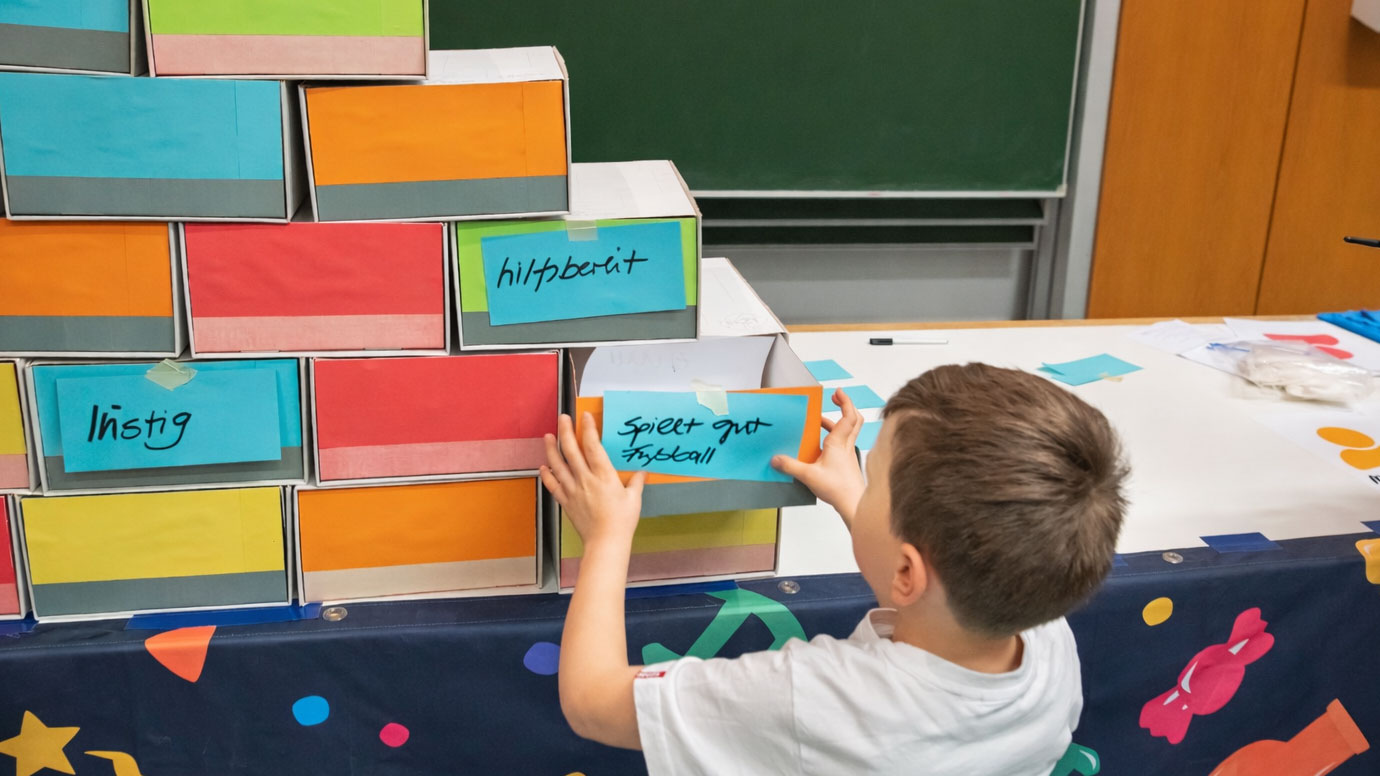
Professor Schleimer, who researches and teaches on migration and coexistence at the Faculty of Social Sciences at HSMW, gave the children an insight into the ‘drawers’ in our brains. In a hands-on activity, the children listed characteristics and placed slips of paper bearing the names of their best friends into the ‘drawers’ labelled with those characteristics. This made it clear that our brains need ‘drawers’ into which to sort things. But mistakes can happen in the process, because – due to shared names or similar appearances – we tend to place people we’ve just met into the same ‘drawers’ as others with whom we’ve had bad experiences.
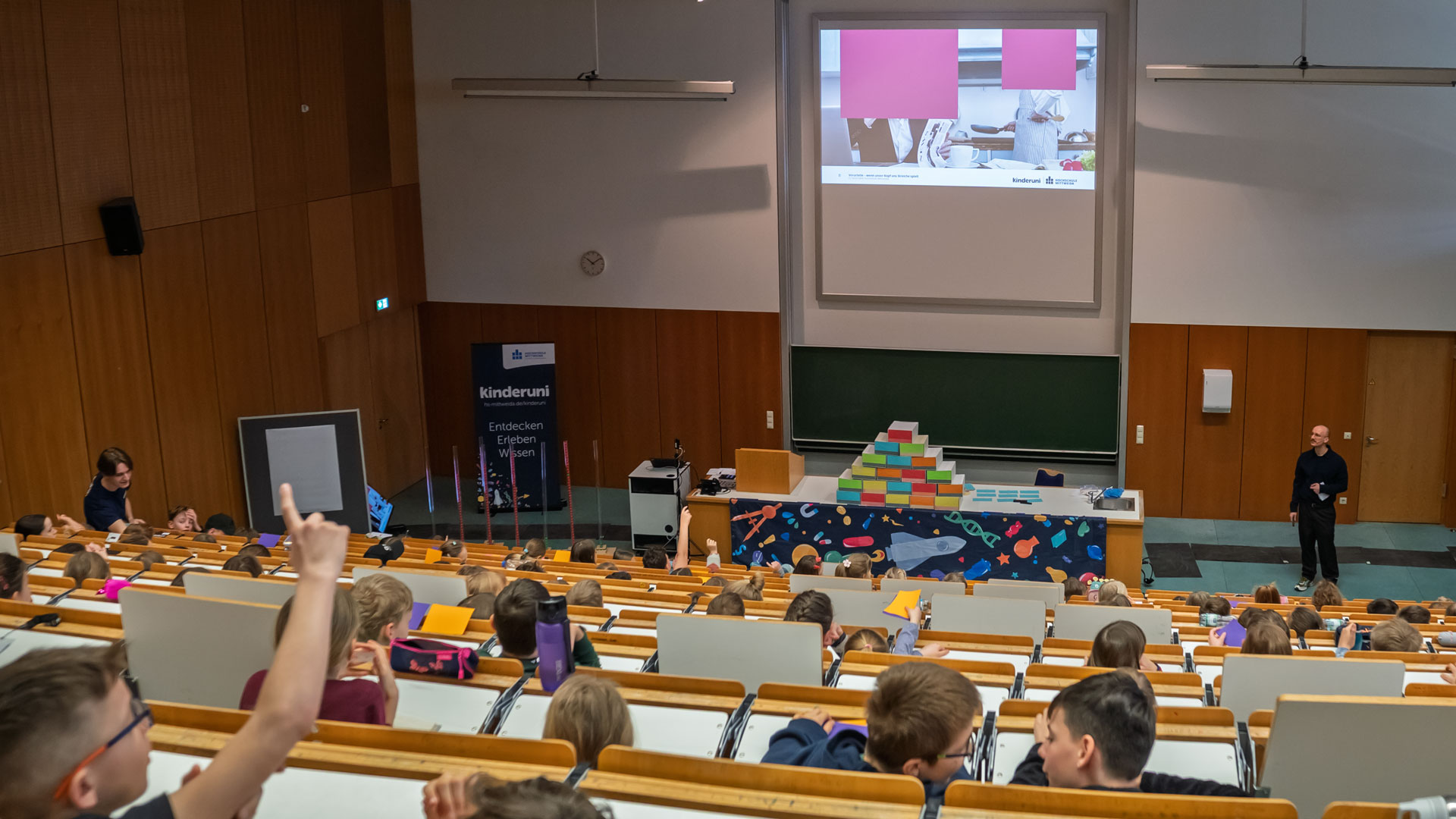
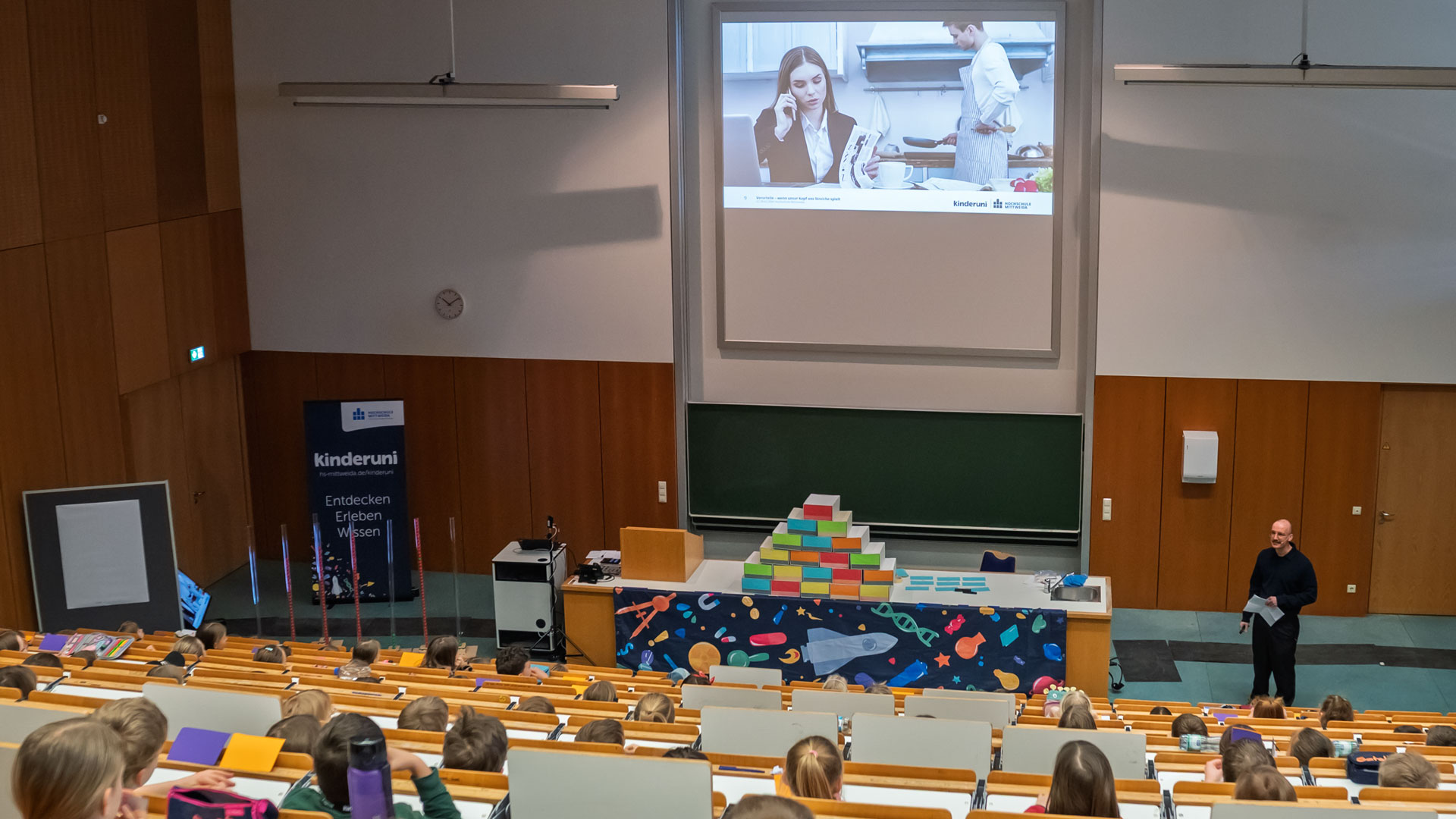
The children learnt that prejudices consist of thoughts, feelings and actions. When people are treated less favourably because of these prejudices, this can lead to discrimination.
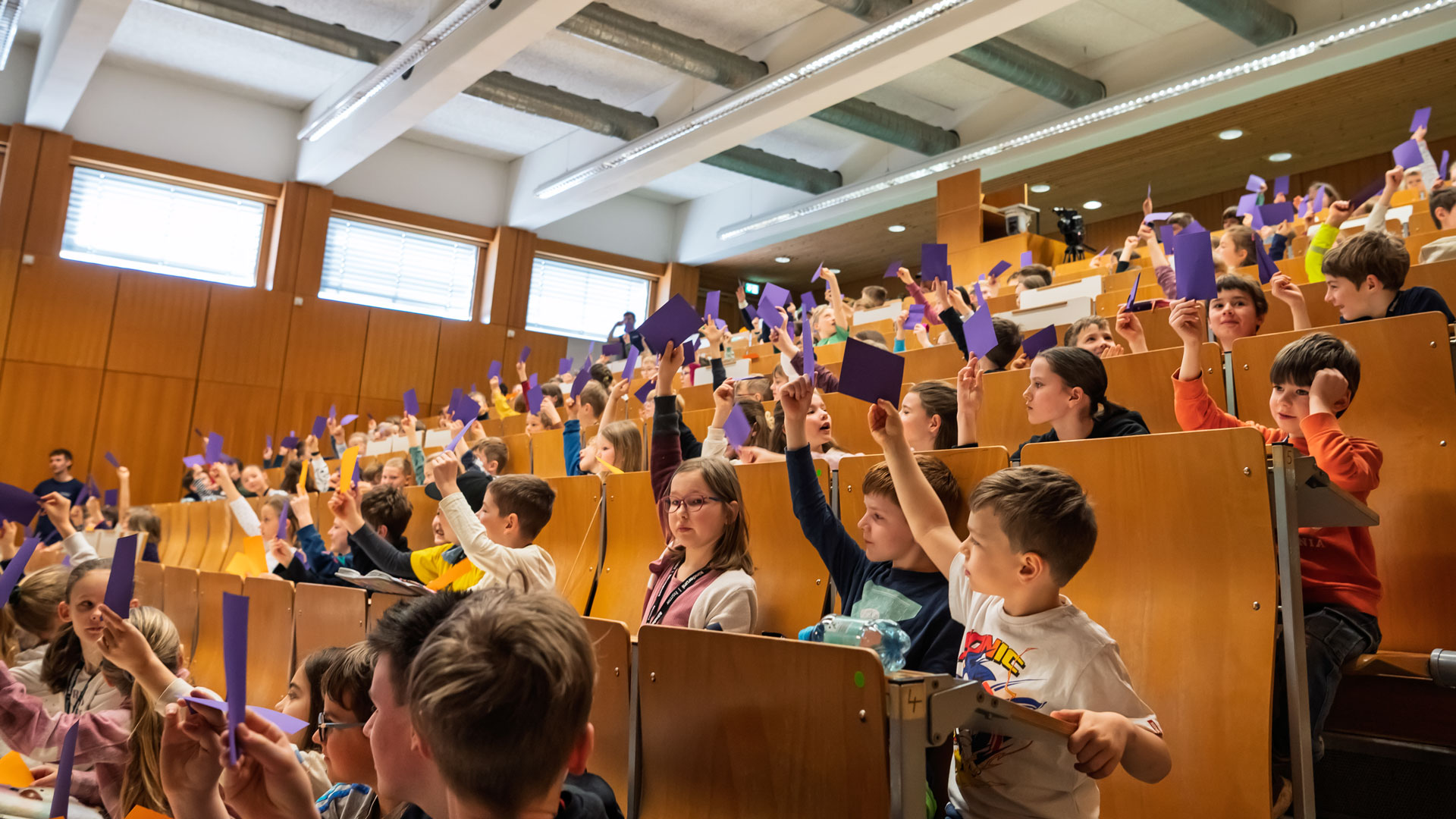
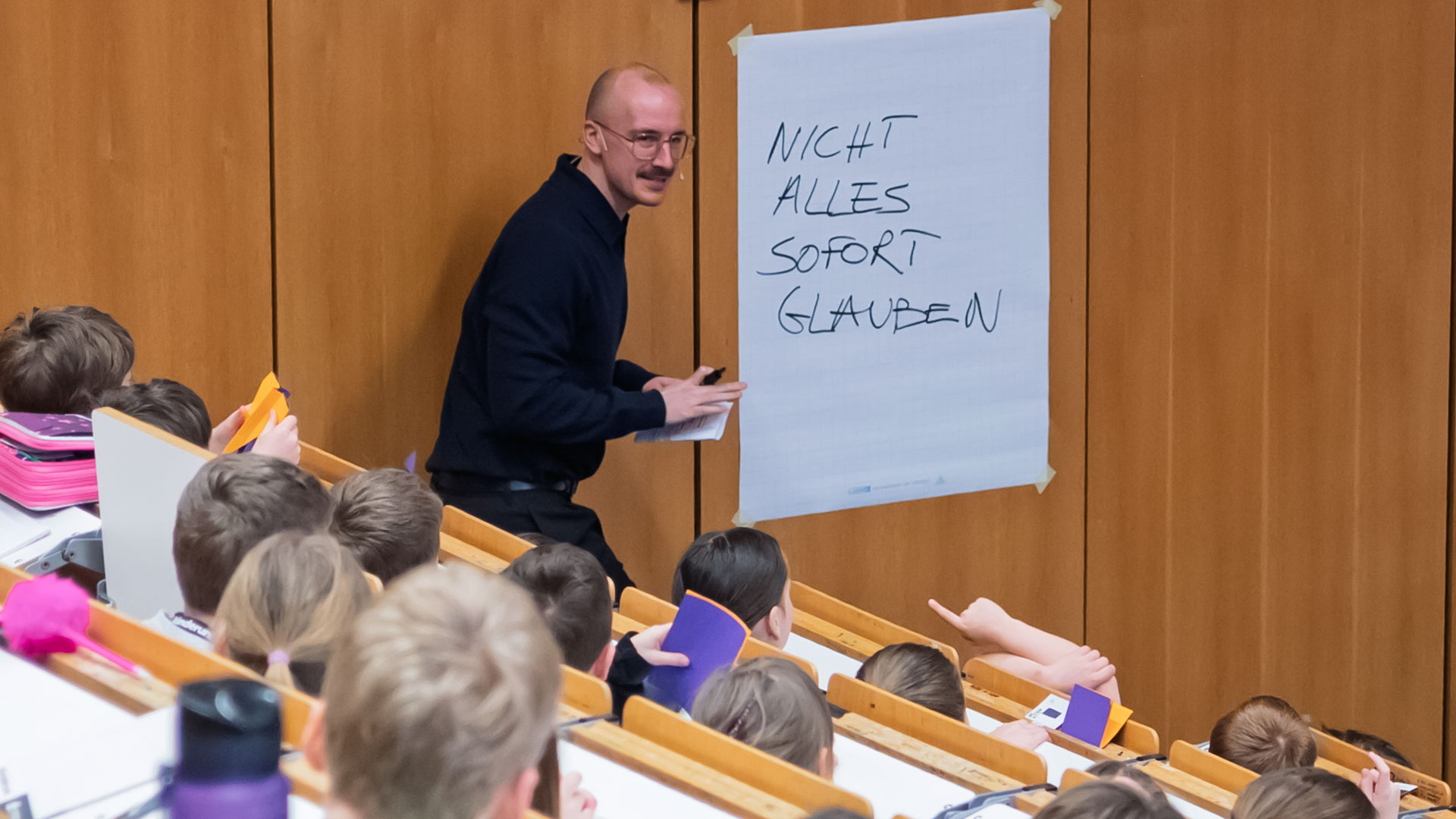
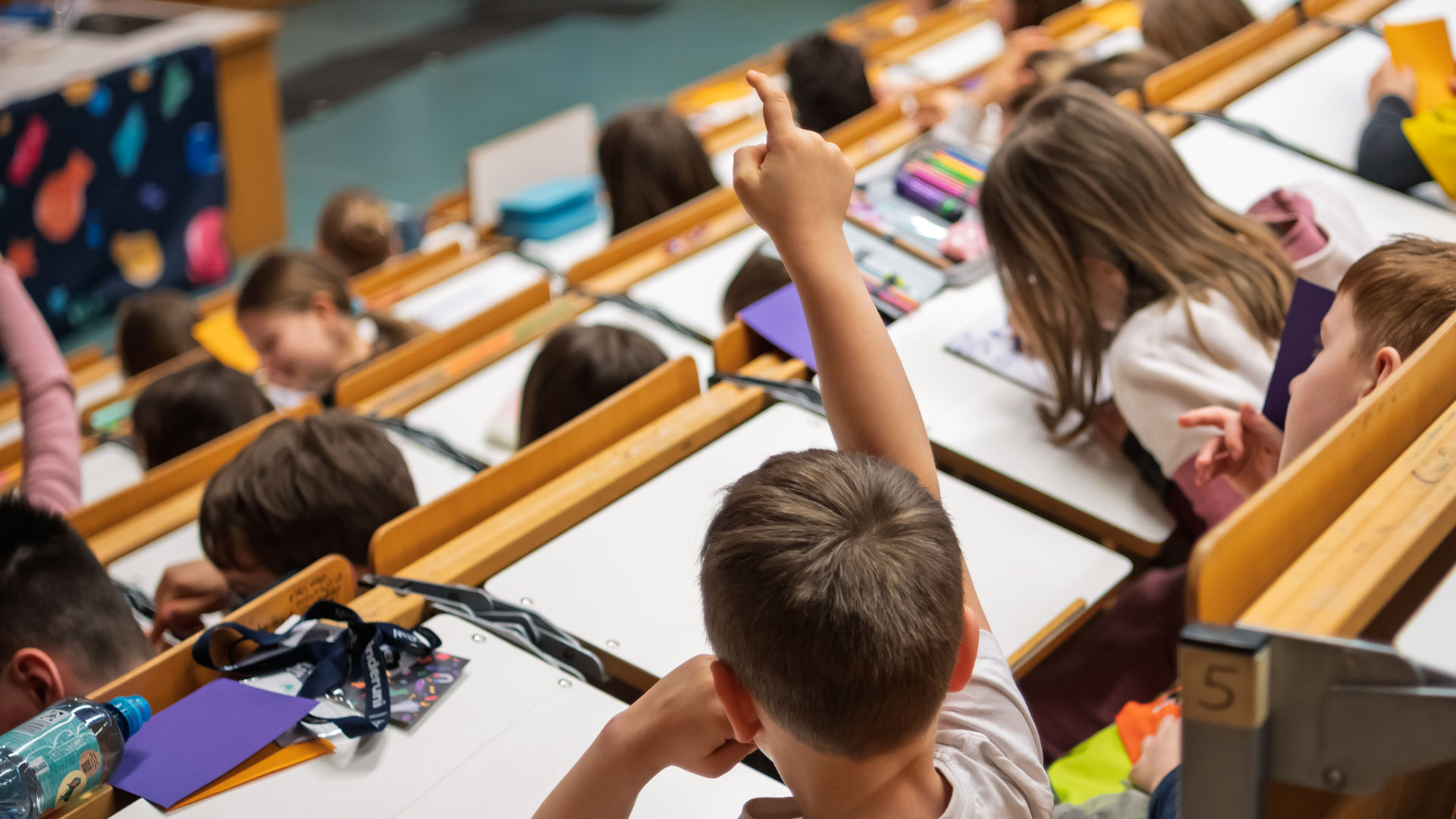
The children tested their knowledge in a quiz using colourful voting cards. To ensure it didn’t stop at theory, they then applied what they’d learnt to everyday school life: using the story of a new girl in the class, who immediately became the subject of whispers, the children worked together to come up with strategies to avoid jumping to conclusions. They came up with five tips: don’t believe everything, ask questions, listen, show empathy and look closely – and shared their own examples from the classroom and the playground.
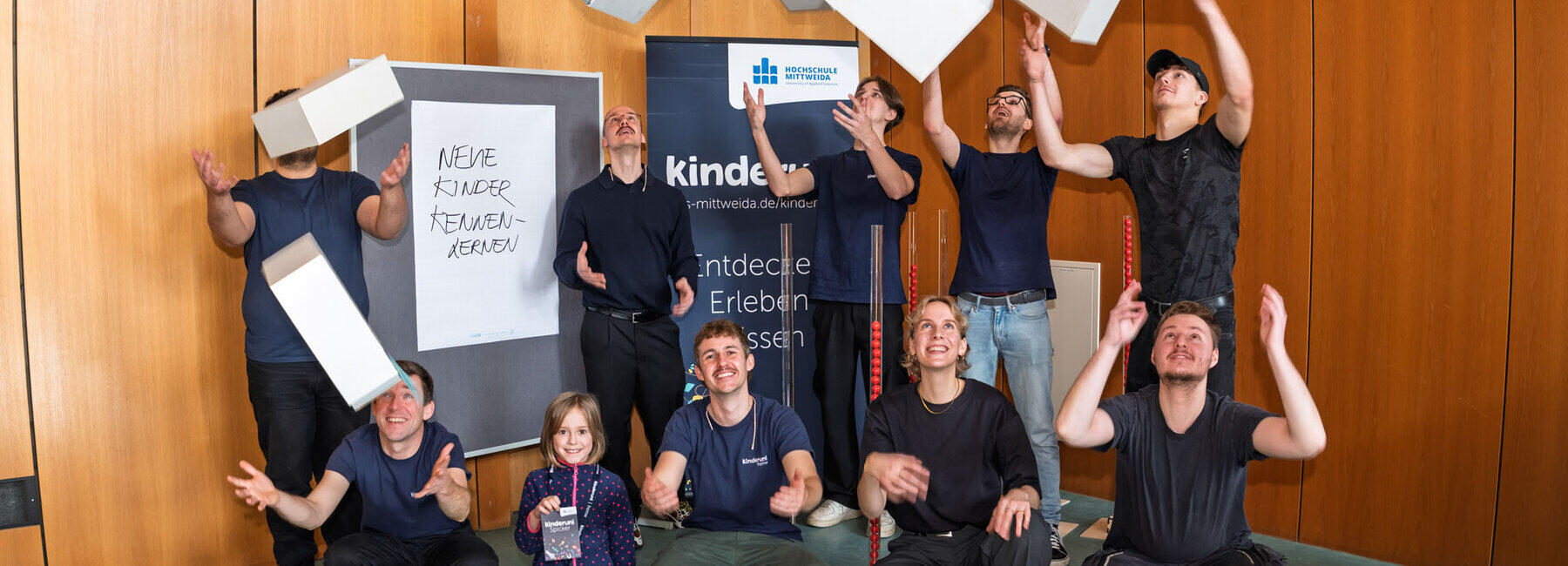
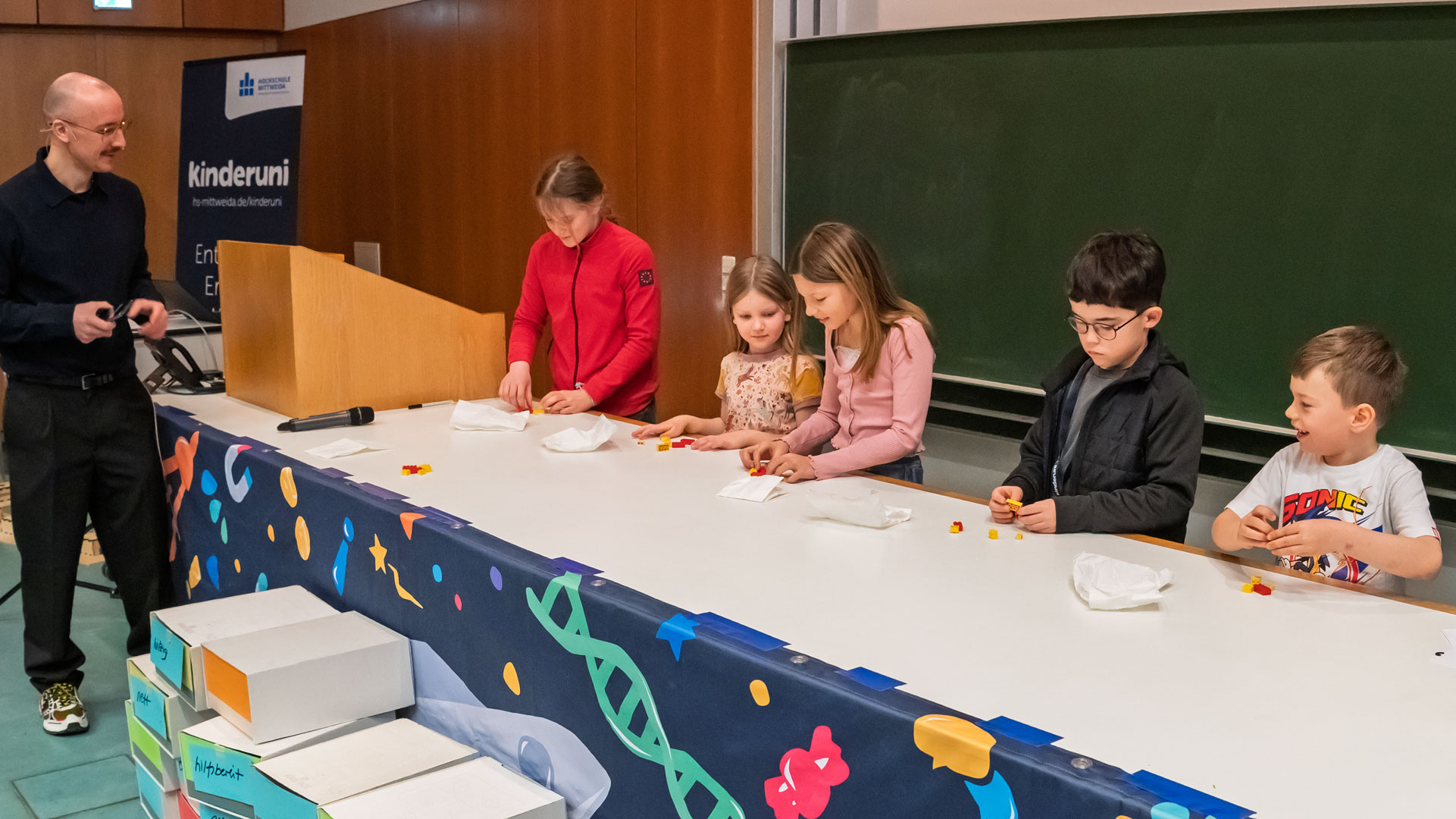
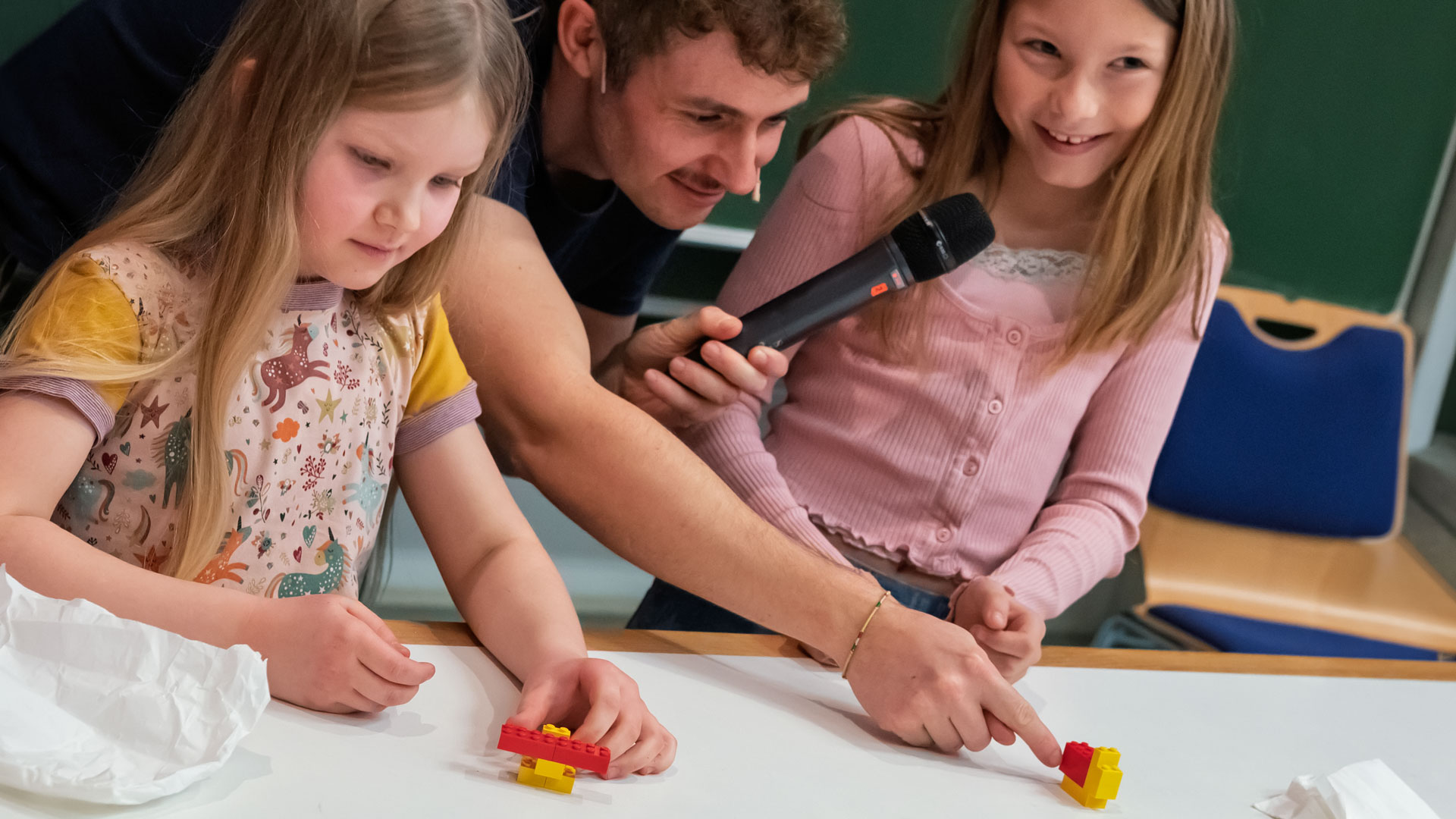
To round things off, there was an experiment: a few volunteers were given the same Lego bricks and 90 seconds to build a duck. When they presented their ducks after the stop signal, it was clear: the same bricks, completely different ducks – just like us humans. The message of the morning: every person is unique, but prejudices make this diversity invisible – and we can learn not to let our minds get away with every trick.
Science for everyone
The Children’s University is an integral part of science communication at the HSMW. It is aimed not only at other researchers, but also at anyone who benefits from scientific progress in their everyday lives and whose curiosity about science we hope to spark. Organiser Robin Biebl says: “The Children’s University is a popular programme for families in the region. We want to expand this. Due to high demand, we are currently developing another interactive format for older children: in collaboration with local secondary schools, we aim to launch the two-day ‘SpeedBachelor’ in September to spark pupils’ interest in science at the HSMW.”
The magic continues in May…
The next chance to be amazed, ask questions and get involved is on Saturday 9 May – this time on the theme of ‘Urban Magic – Who or what brings our city to life?’. Any curious children can register via the Children’s University website and experience first-hand once again how everyday experiences and hands-on experiments turn into real science. Interested families can find all the information and the Children’s University guide on the Children’s University website. There, they can also subscribe to the newsletter so they don’t miss a single ‘aha’ moment.
Text: Robin Biebl, Helmut Hammer
Photos: Helmut Hammer