This page was translated automatically using artificial intelligence (DeepL). The German version is binding. More information about automatic translation
It’s not just during the holidays that children can have exciting experiences. For around 300 pupils at Pestalozzi Primary School and Johann-Gottlieb-Fichte Secondary School, one of the ‘best school experiences’ ahead of the best six weeks of the year was undoubtedly the trip to Wilhelm-Ostwald Park in Großbothen on 5 June.
The team from the Children’s University at Mittweida University of Applied Sciences and the ‘One University – One Book’ project had not only organised the ‘Experimenting in the Park’ excursion, but also, under the shared motto ‘Discover, Research and Experiment’, they had also presented their own exciting science programme for all of the approximately one thousand young visitors from across Saxony. The focus was on nature conservation and climate protection.
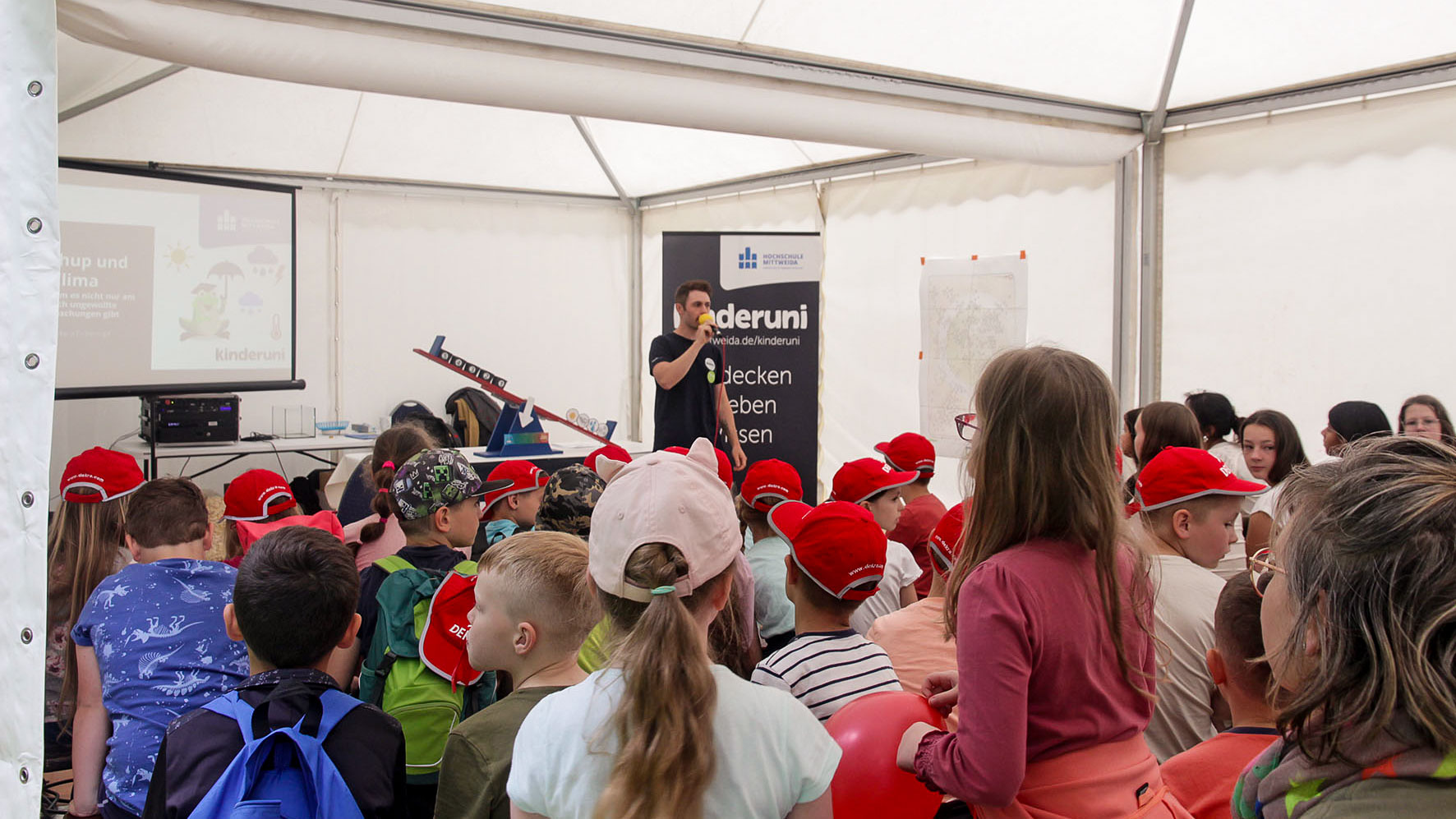
In two lecture theatre and hands-on tents in Mittweida, the children and their carers were able to explore and understand the topic of ‘climate’ from various perspectives.
Ketchup and the climate
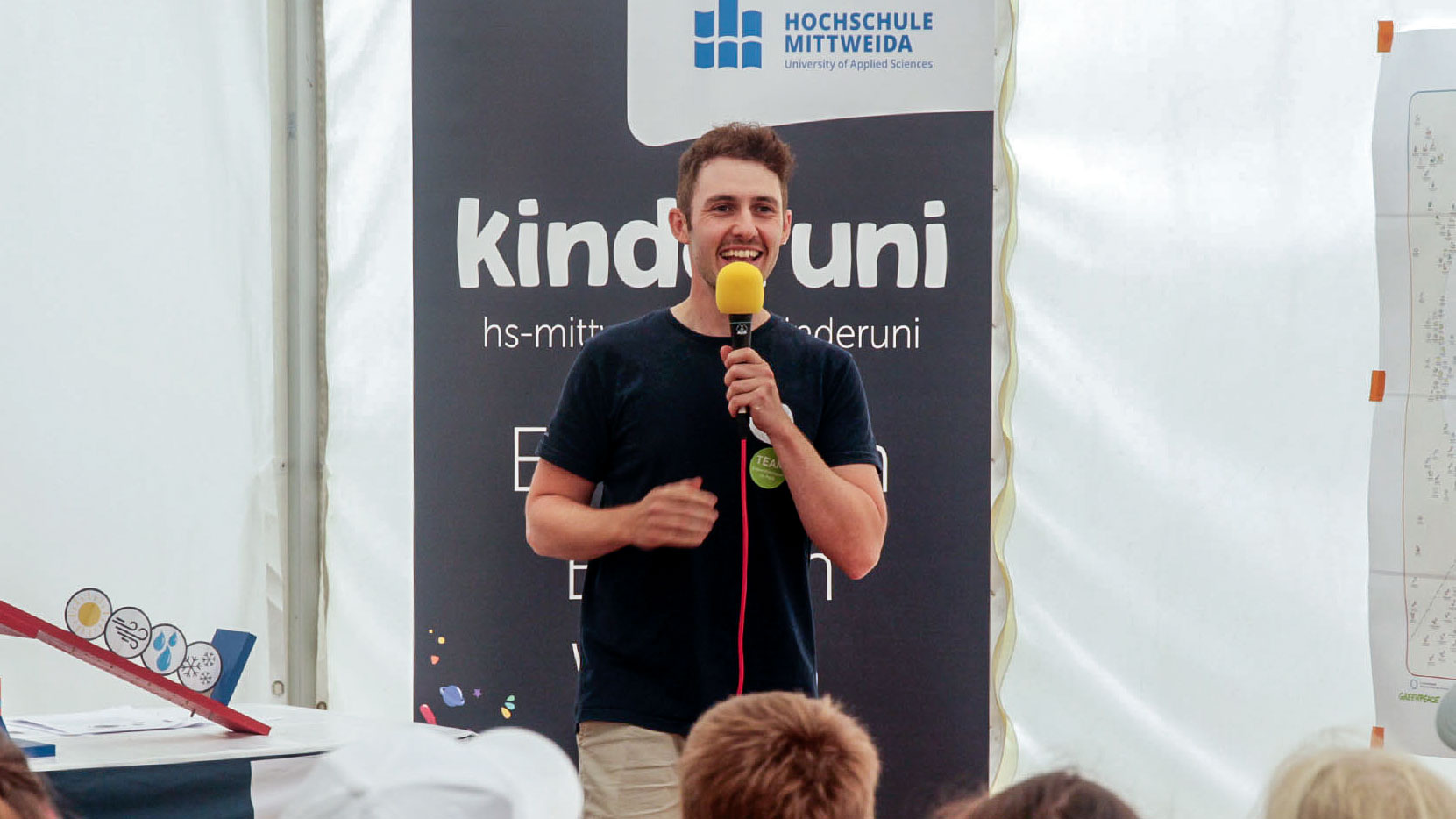
During the Mittweida Children’s University’s ‘away event’, the children learnt, for example, the answer to the question of what ketchup and the climate have in common, and how everyone can play their part in climate protection. This is because ketchup production generates a lot of CO₂. The children learnt about the impact this gas has on our weather and global warming. They then discussed with the Children’s University speakers, Dr Inga-Maria Eichentopf and Robin Biebl, which habits we could change in our daily lives to take small steps towards better protecting our home – the Earth.
Robin Biebl is delighted: “We were able to reach lots of children at ‘Experimenting in the Park’ with the ‘Mini Children’s University’ lectures, which were held several times – as each session lasted just half an hour. Our hands-on activities in the second tent were also a real hit. Once again, collaboration within the university has proved its worth. We’ll be back in the park next year to share exciting science from Mittweida with the kids.”
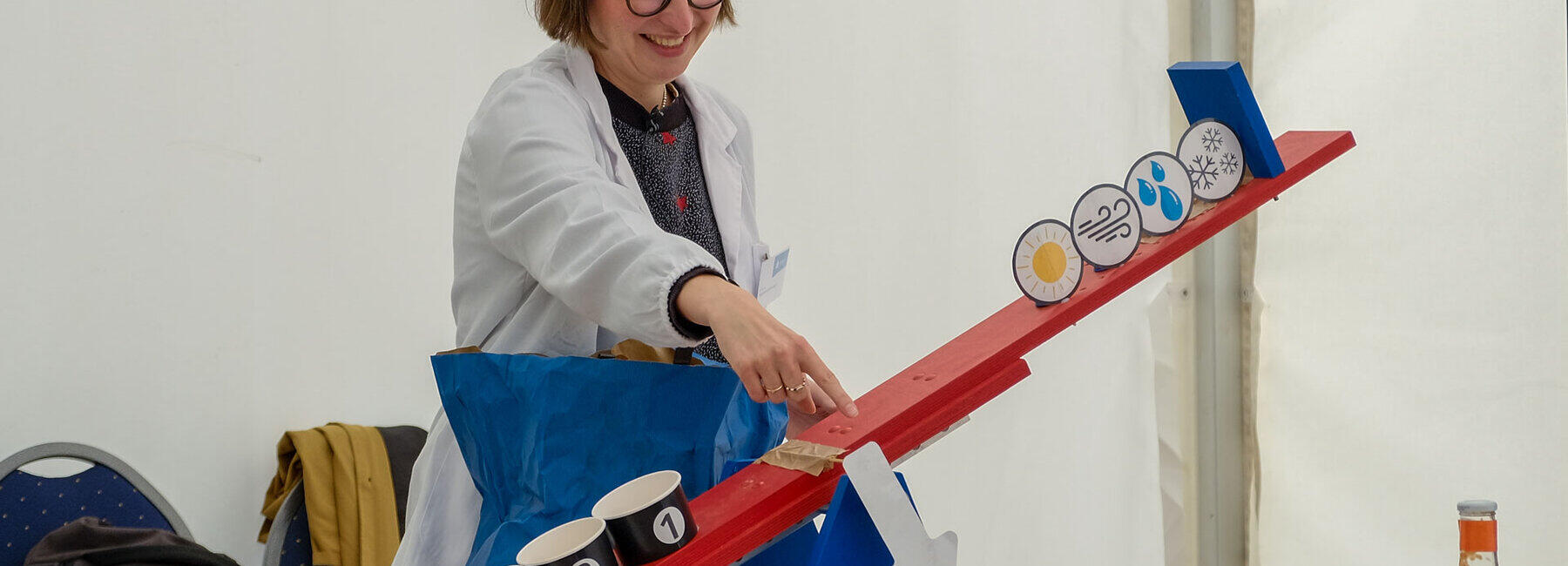
Even this year, Mittweida University of Applied Sciences in Großbothen had more to offer besides the Children’s University lecture. After the lecture, things got hands-on: many young researchers came together to build their own bottle gardens under the guidance of older ‘colleagues’. The garden in a bottle is a mini-ecosystem that makes it easier to understand the greenhouse effect, which influences life on Earth. The children learnt how sunlight warms the air and soil in the bottle garden and causes moisture to circulate – just as it does in our global climate.
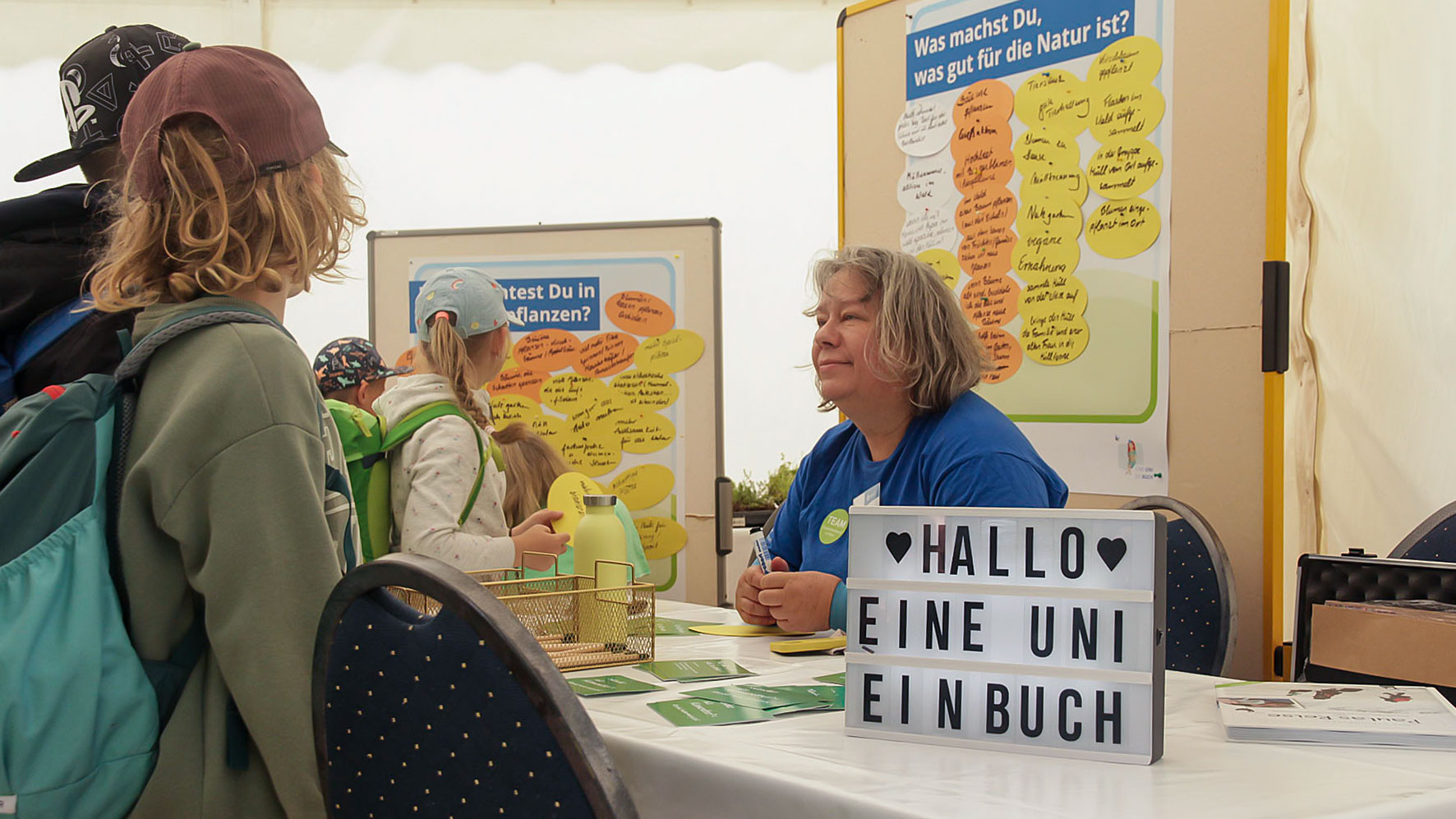
Off we went
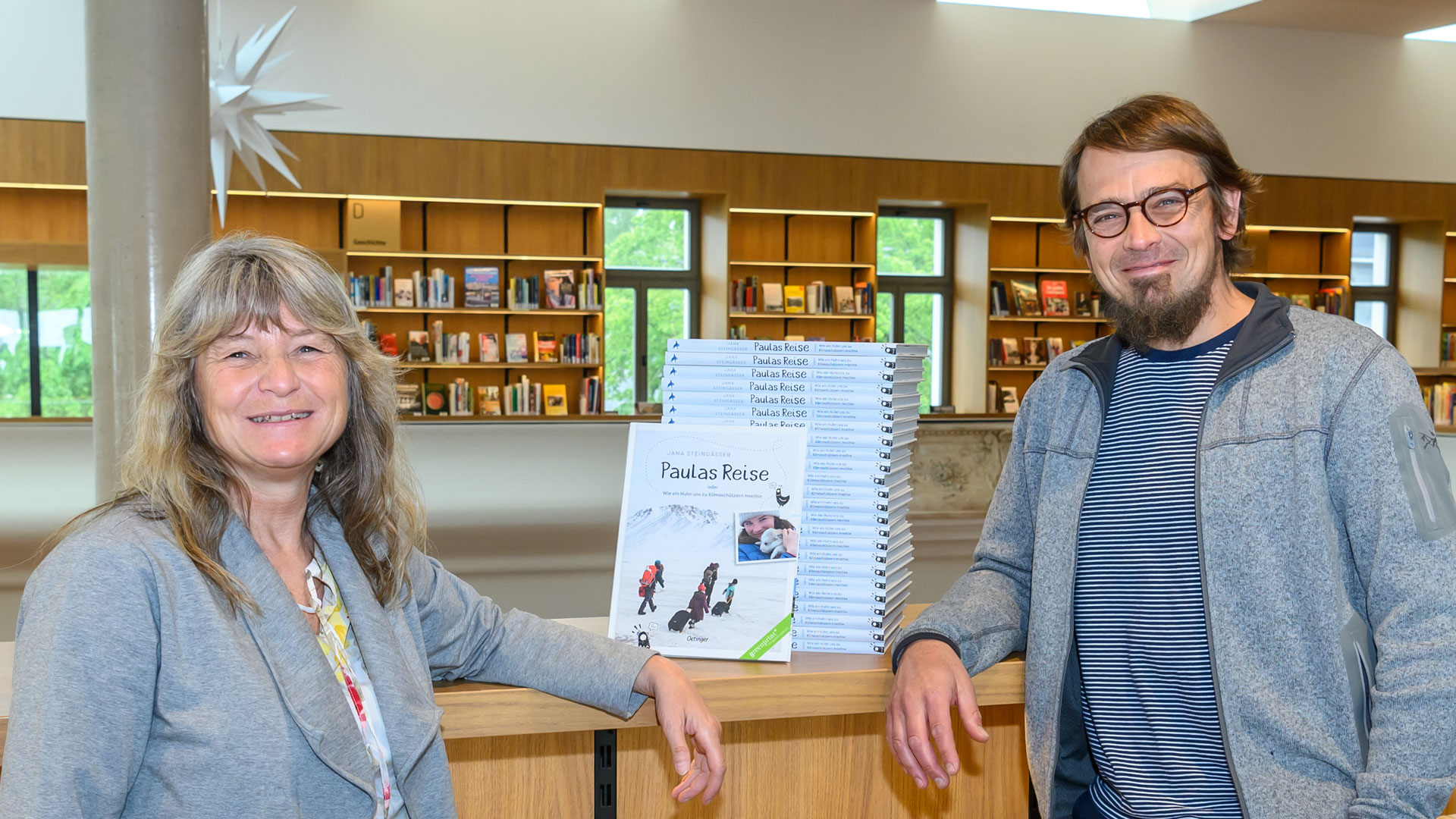
In the book *Paula’s Journey – or How a Chicken Turned Us into Climate Activists* by Jana Steingässer, a young girl and her family also set out to explore the effects of climate change. The book serves as a literary guide for children – and adults – as part of the “One University – One Book” project run by Mittweida University of Applied Sciences, which was also presented in Großbothen in June. Through various formats – such as a lecture series, book readings, town hall discussions, and art and media education projects – the project raises awareness of environmental issues amongst the youngest members of the community and equips them with practical tools to take action themselves.
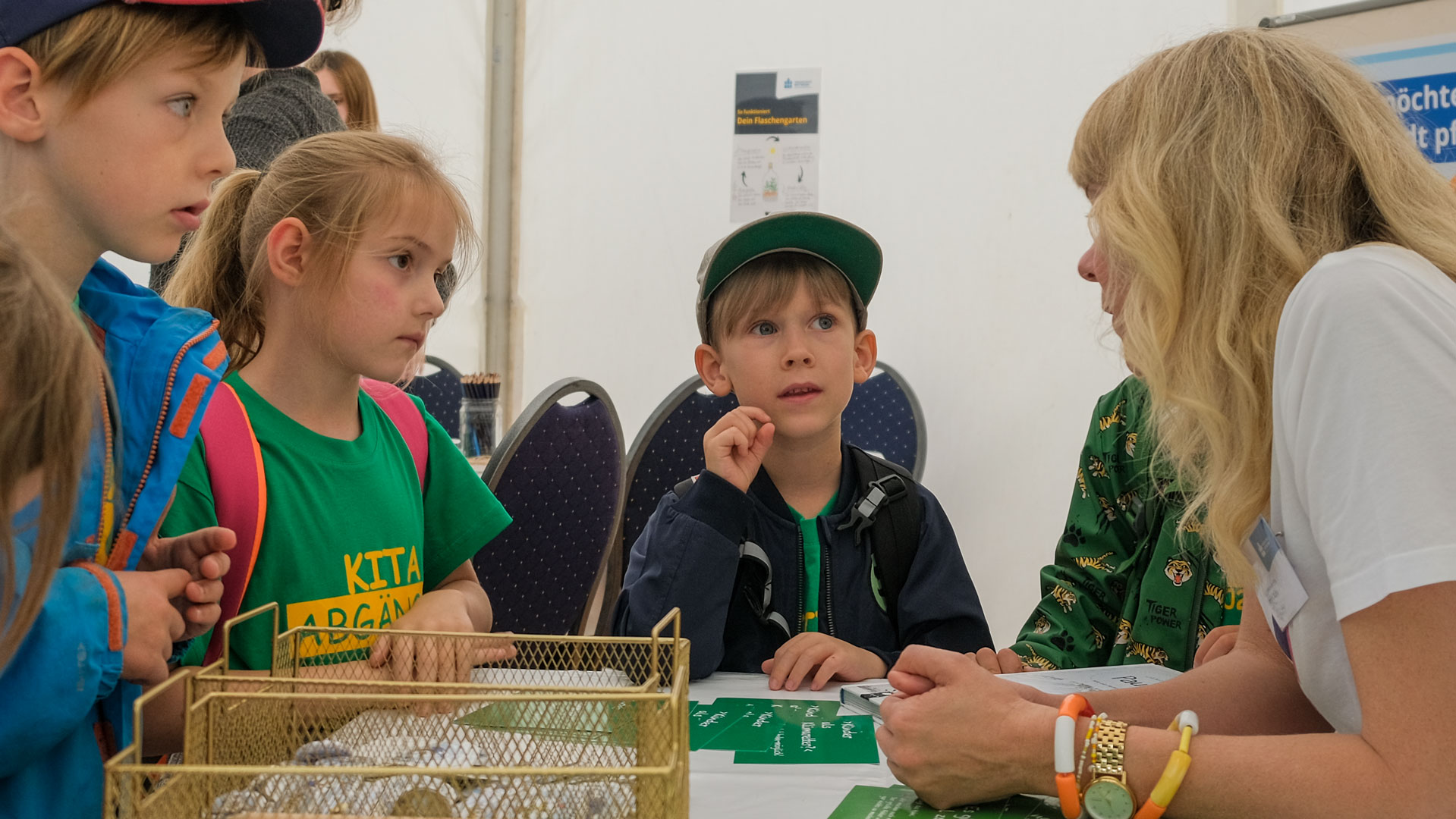
During their visit to Großbothen, Professor Barbara Wedler and Sandra Kuhn from “Eine Uni – ein Buch” asked the children some very practical questions: “What would you like to plant in your village?” and “What do you do that’s good for nature?” The children’s answers were creative and varied. Some wanted to plant fruit trees and flowers to make their home town more colourful and sustainable, whilst others dreamt of community gardens where they could grow vegetables with their families and friends. When asked what they were already doing to help nature, many children spoke about their efforts to pick up litter, use less plastic and protect animals in their gardens.
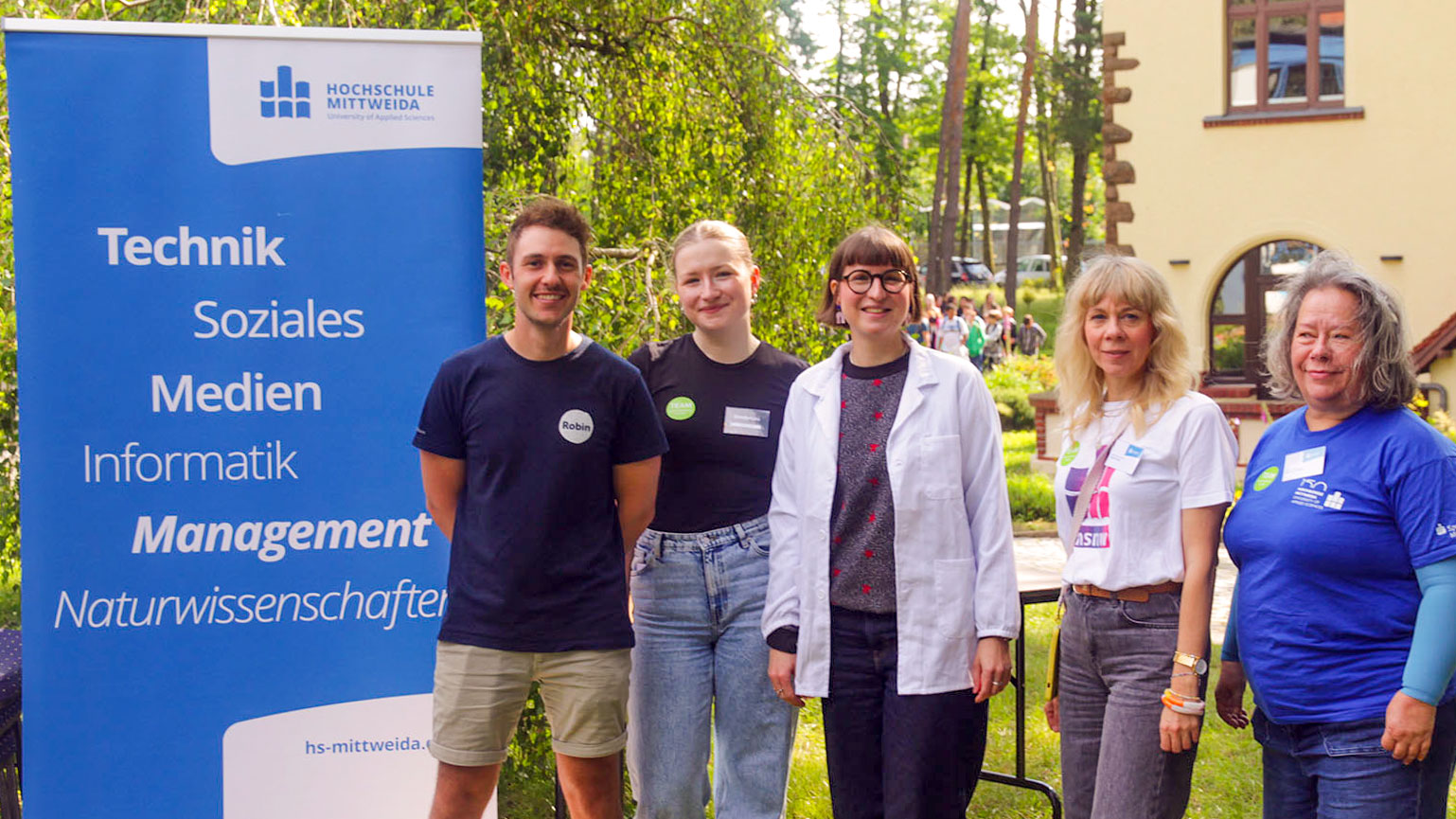
Sandra Kuhn is convinced: “Although ‘One University – One Book’ is a project based in the university town of Mittweida, but the response we received from children and adults during ‘Experimenting in the Park’ shows that our idea of tackling the topic of climate protection in a personal way, shaped by observation and experience, works elsewhere too.”
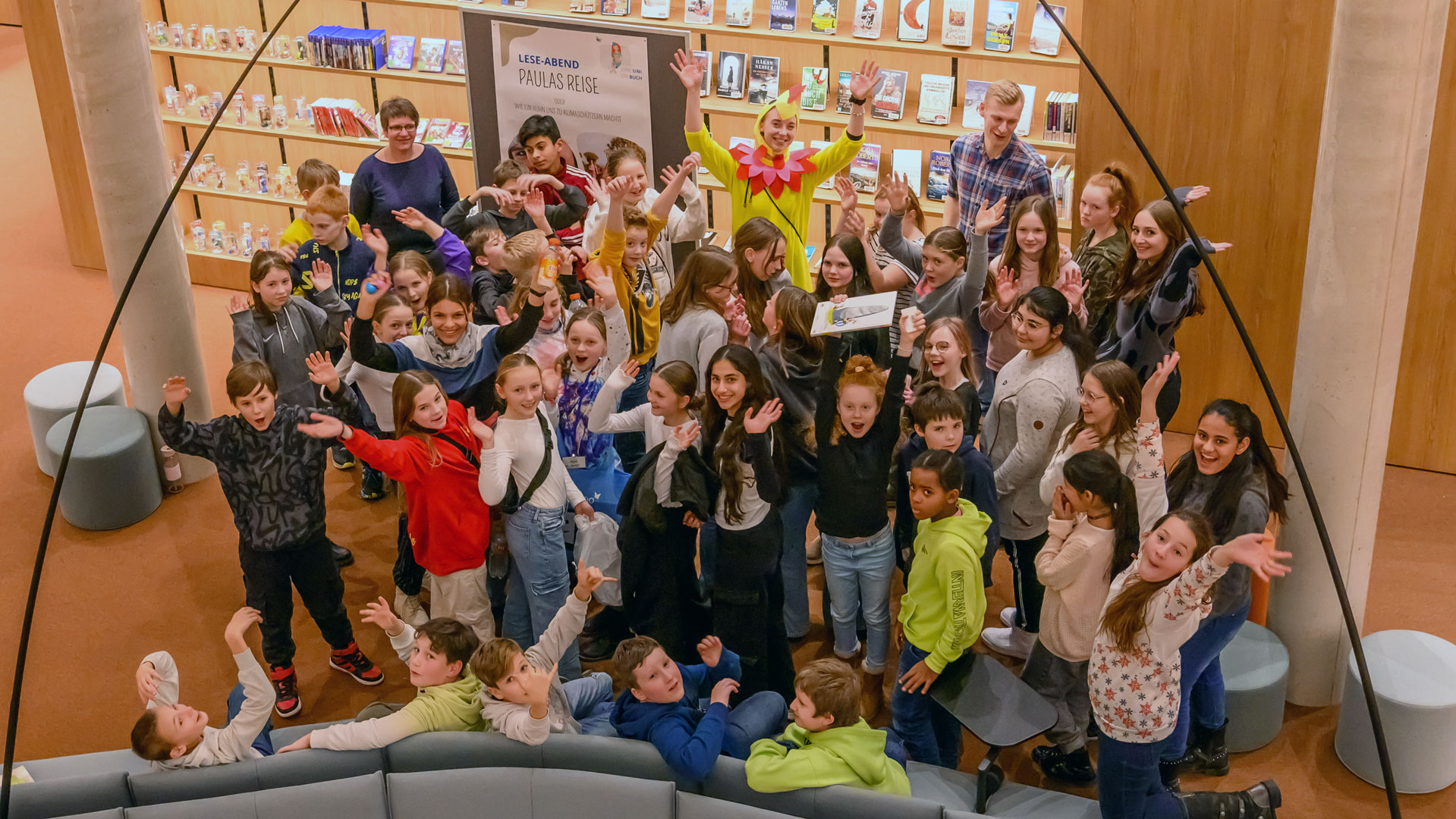
An exciting future in the third mission
In Mittweida, the Children’s University and the ‘One University – One Book’ events are resuming after the summer break. The fourth of a total of five lectures this year for children, to be held in the main lecture theatre on the university campus on 14 September, will focus on self-driving cars. And ‘Paula’s Journey’ continues, with stops including the State Harvest Festival at the end of September and exciting activities at the Johann-Gottlieb-Fichte Secondary School.
These two projects are examples of Mittweida University of Applied Sciences’ commitment to bringing the latest research and a passion for science to society in an interdisciplinary manner and across different age groups. Alongside teaching and research, this constitutes what is known as a university’s ‘third mission’. The younger generation is already benefiting from this commitment today.
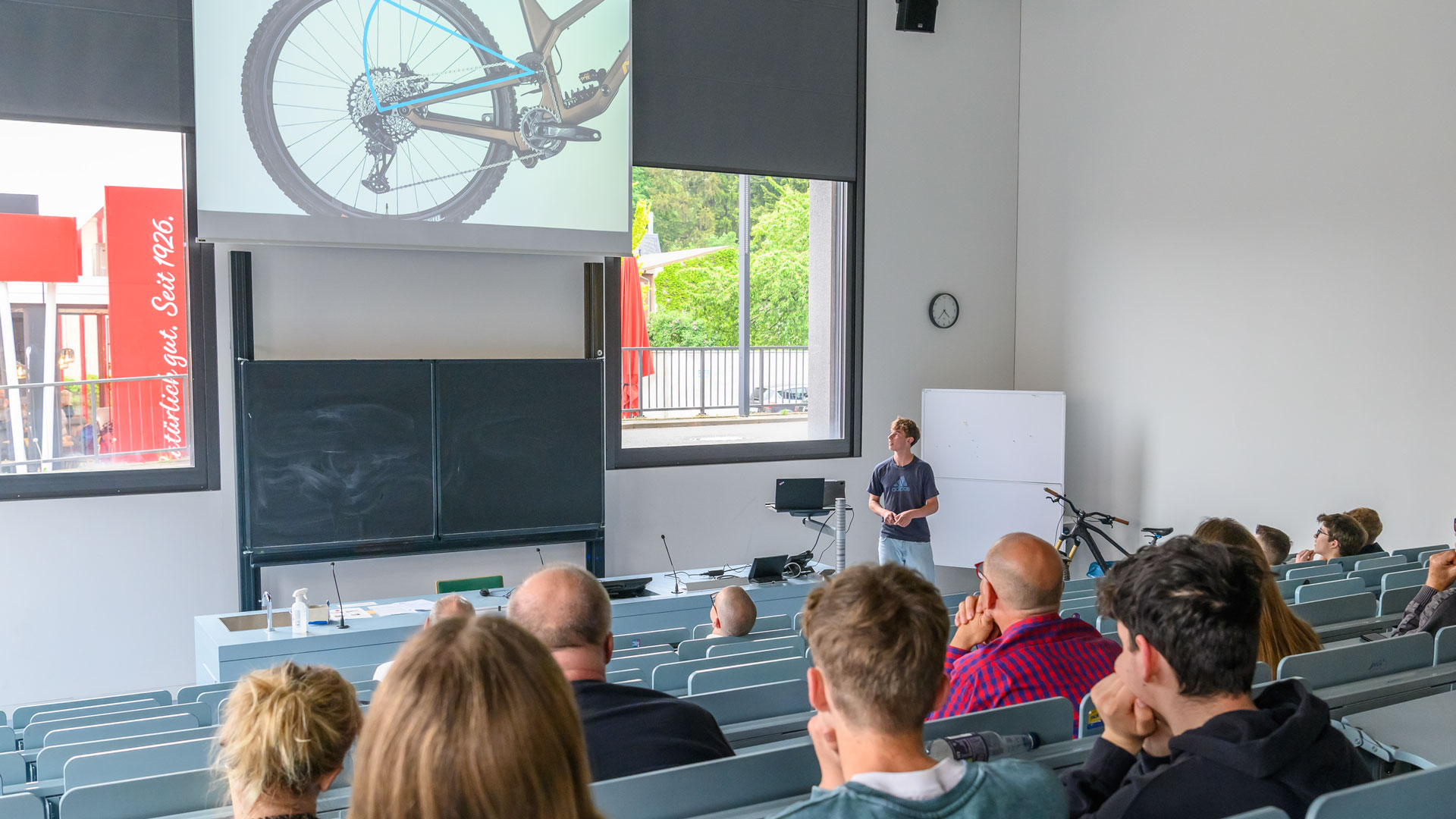
Further examples of this in recent months include the supervision of research projects by pupils in Year 10 at the Städtisches Gymnasium Mittweida by lecturers from Mittweida University of Applied Sciences; the supplementary science programme for Years 8 to 10 at the school, run by the Faculty of Engineering Sciences; and another ‘away game’: In early summer, the team led by Professor Röbbe Wünschier, a molecular biologist at Mittweida, published a school-based experiment on CRISPR/Cas9 and DNA sequencing for biology lessons, which had been developed over the past two years and can now be used by teachers.
(Photos 1–6: IKKS/Kinderuni, 7–9: Helmut Hammer)