This page was translated automatically using artificial intelligence (DeepL). The German version is binding. More information about automatic translation
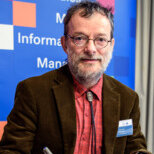
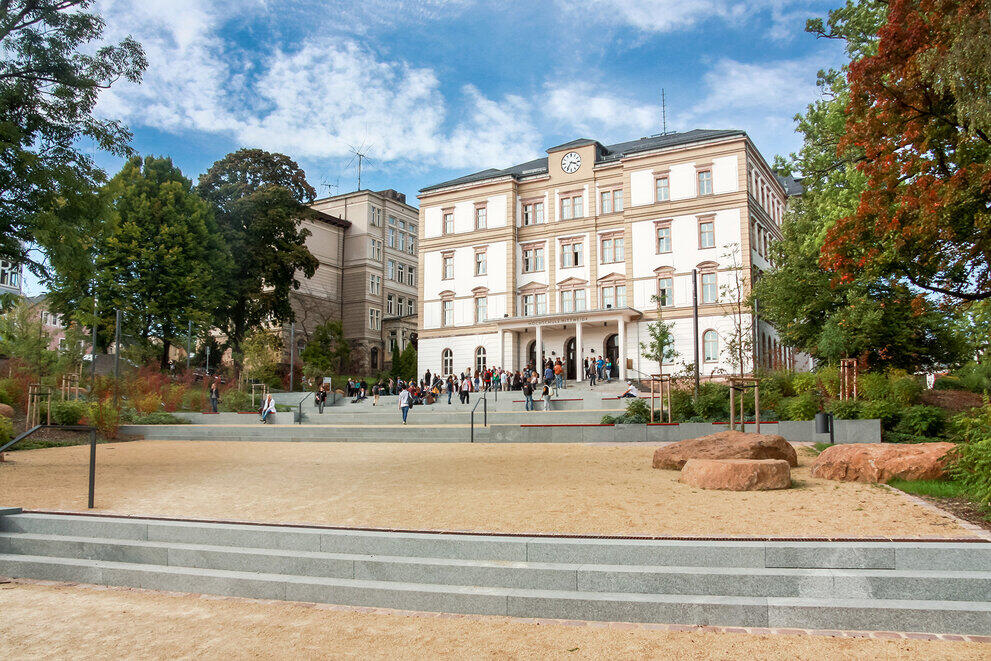
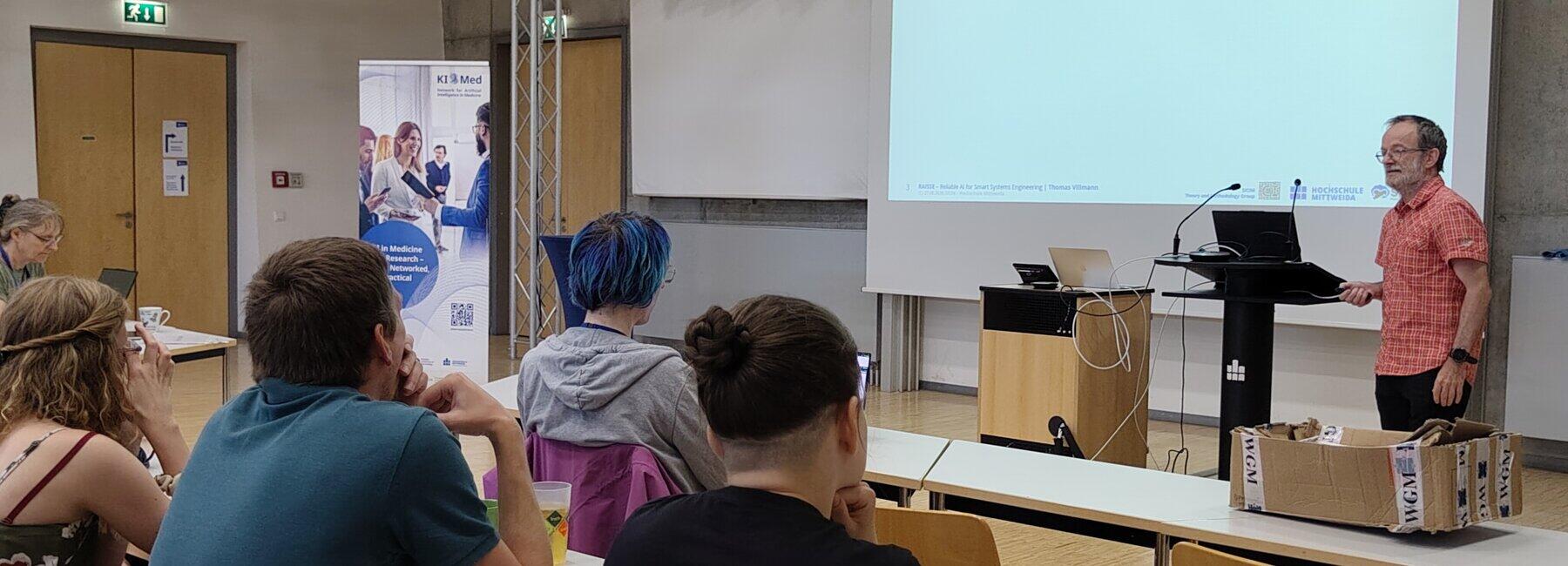
To mark the end of the summer term, the annual international Mittweida Workshop for Computational Intelligence (MiWoCI) took place at the end of August, marking its 18th edition. It was organised by Mittweida University of Applied Sciences through the Saxon Institute for Computational Intelligence and Machine Learning (SICIM) in collaboration with the Institute for Computational Intelligence and Intelligent Data Analysis e.V. (CIID). Professor Thomas Villmann and Dr Marika Kaden (Faculty of CB & SICIM) were responsible for the scientific and organisational management.
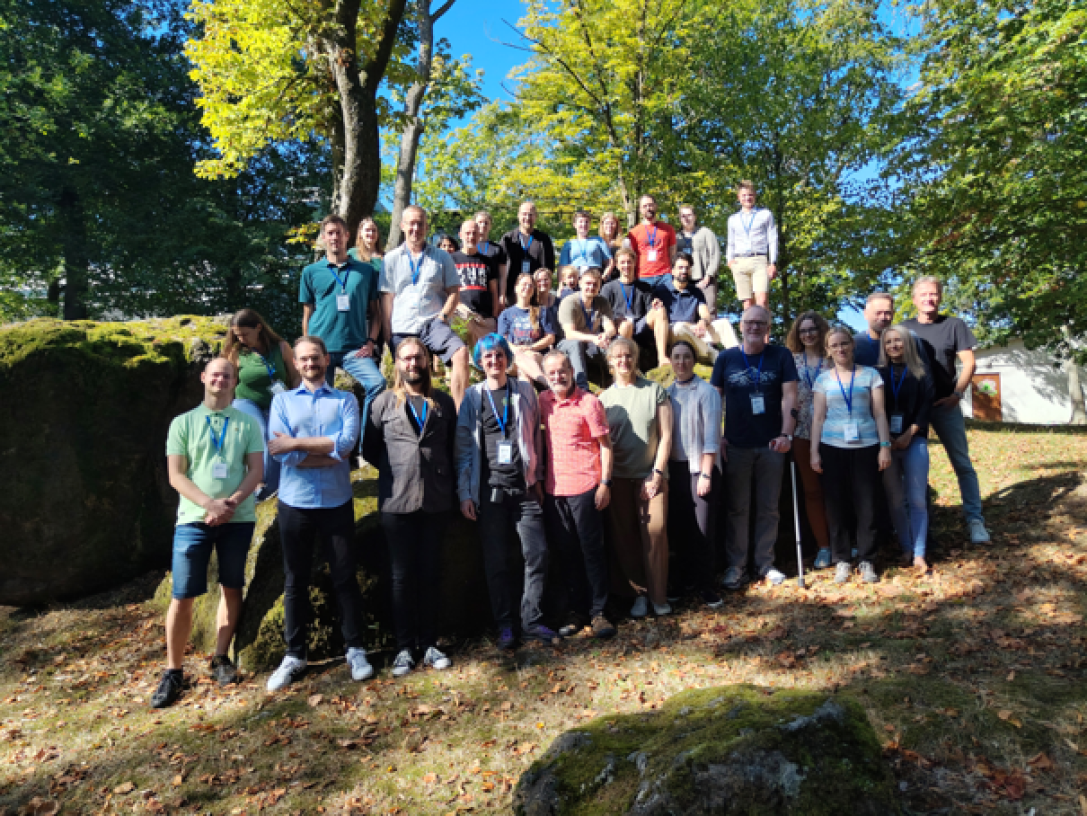
With more than 30 participants, the conference was once again well received this year, demonstrating the high reputation and significance of AI research at our university, both for the Saxony region and for national and international partners.
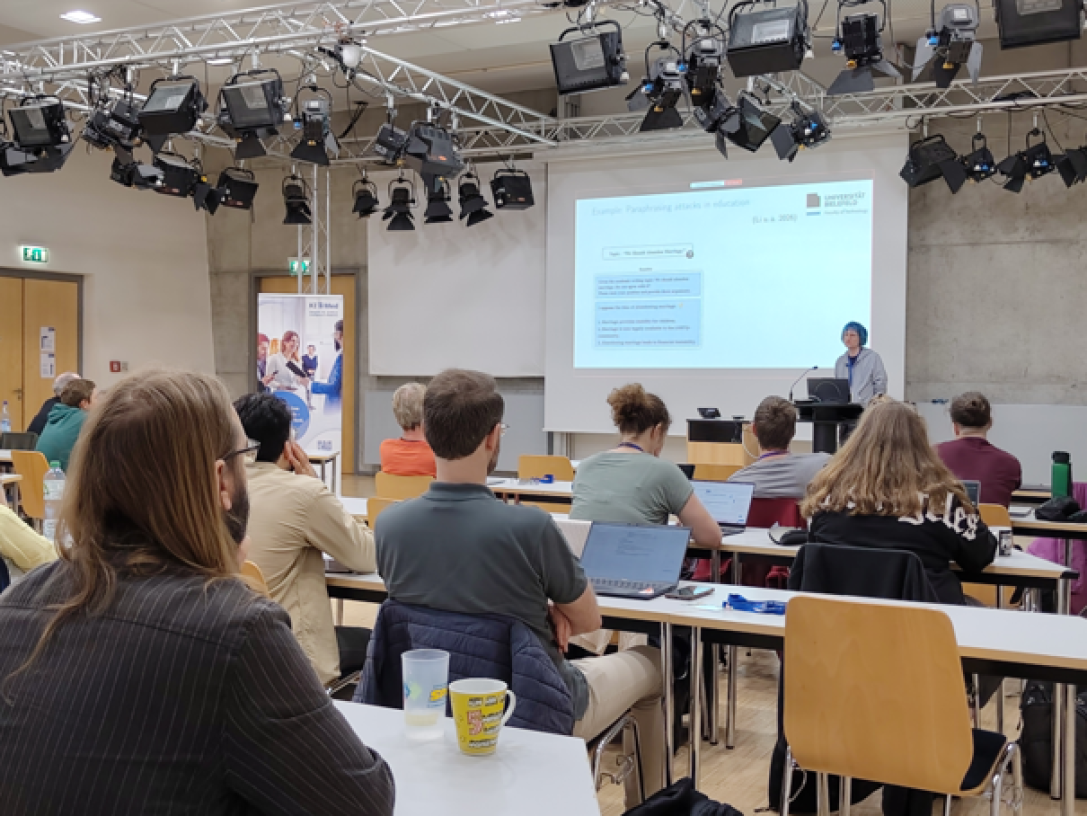
As in the previous year, this year’s edition once again addressed the latest developments in generative AI, in particular the role of large language models (LLMs). Presentations by Professor Benjamin Paaßen and Dr Ulrike Kuhl (University of Bielefeld) used in-depth analyses to highlight the limitations of these models, as well as challenges relating to fairness and bias. The findings underscore the importance of a thoughtful and responsible approach to LLM-based tools – particularly in the context of education, teaching and social science research. From an academic perspective, there remain significant concerns regarding the uncritical and, at present, widespread and unreflective use of such systems.
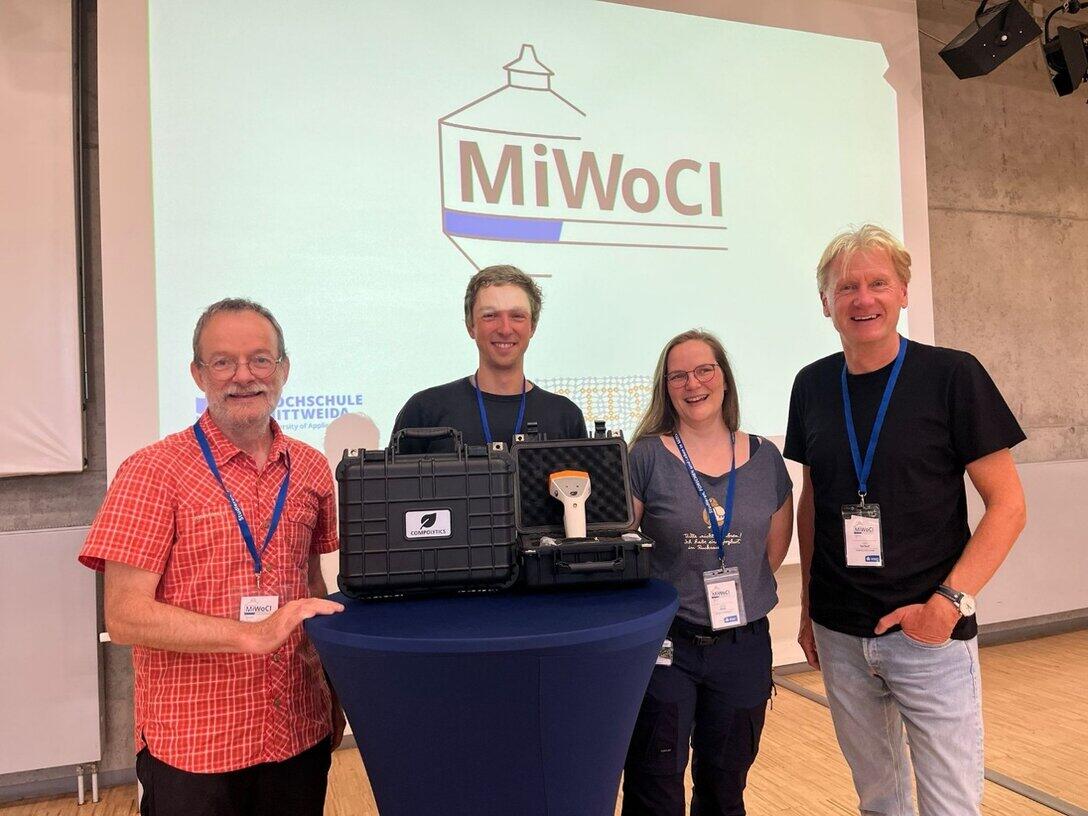
A new feature of this year’s MiWoCI was the focus on engineering applications of predictive AI. The spotlight was on applications that operate on the basis of so-called reliable AI models and are therefore interpretable and mathematically verifiable. These AI principles were established at SICIM using the RAISSE methodology (RAISSE – Reliable Artificial Intelligence for Smart Sensoric Engineering). Thomas Pfaff (research assistant on the PAL project) reported on the implementation of this principle in transfer learning problems, where AI models are trained under verified laboratory conditions for technical experiments and then transferred into practical application. In his presentation, Fritz Backofen (Faculty Engineering Sciences) outlined methods for the non-destructive determination of the bending properties of sheet metal using reflected-light microscope images and AI-assisted analysis. In his presentation, Professor Udo Seiffert (Magdeburg University of Technology and Compolytics GmbH) provided insights into the AI-assisted optimisation of multispectral sensors for material and substance analysis. As part of the workshop, Professor Seiffert handed over two portable multispectral measuring devices to the Core Lab within the ILEAS project at Mittweida University of Applied Sciences (ILEAS – Innovative Teaching Architecture System), enabling spectral analyses of materials to be carried out there, for example in environmental or food analysis. Laboratory manager Julia Abel and research assistant Julius Voigt, together with Professor Villmann, accepted the devices manufactured by Compolytics GmbH and are looking forward to exciting experimental work and AI-assisted analysis.
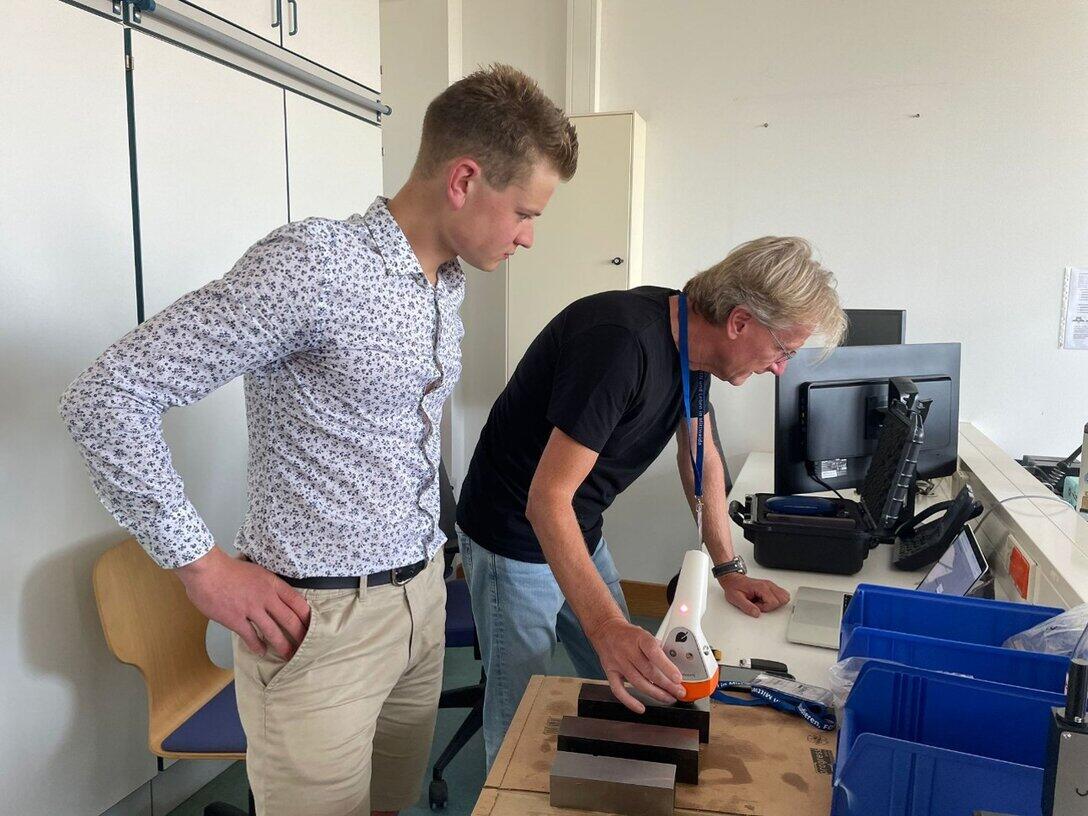
Furthermore, Fritz Backofen took an immediate interest in this technology and is considering its use in sheet metal testing at the Faculty of Engineering Sciences. The first initial measurements were carried out during the workshop itself, with the expert assistance and guidance of Professor Seiffert, and are currently being analysed. Perhaps this will open up a new field of application and new opportunities for collaboration – could MiWoCI, then, be a direct driver of innovation!?
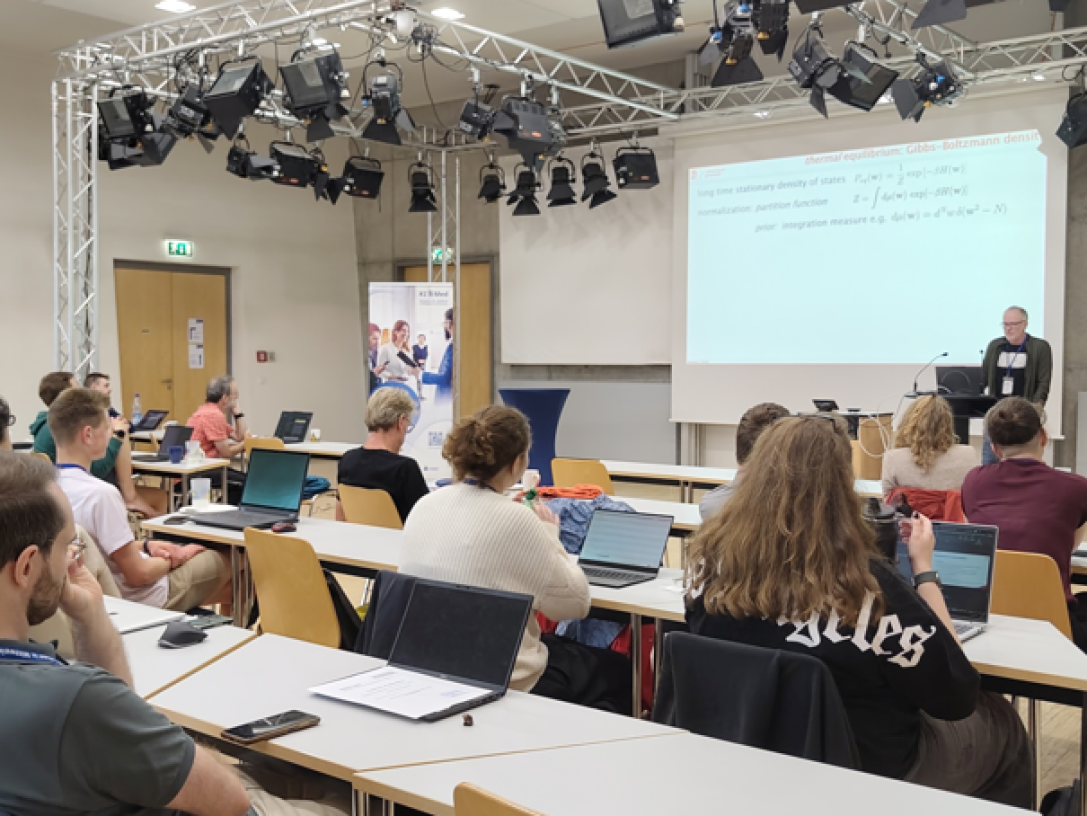
Traditionally, however, mathematical and theoretical research into AI has also produced a wealth of contributions – which, alongside epistemological findings, often have significant implications for the responsible use of AI. In this area, Professor Michael Biehl from the University of Groningen gave a presentation on the use of mathematical methods from statistical physics to understand the learning behaviour of AI models in machine learning. Fabian Hinder presented surprising findings from his research into the appropriate application of probability-theoretic methods in the development and evaluation of learning strategies, whilst Dr Franziska Nestler (Chemnitz University of Technology) and Magda Pšeničkova (SICIM, HSMW) explored mathematical-numerical and differential-geometric methods for use in analysing learning behaviour in machine learning. The conference organisers, Dr Kaden and Professor Villmann, also contributed to the focus on mathematical AI research by linking the mathematical theory of evidence (Dempster–Shafer theory) and the related mathematical Subjective Logic to the assessment of the reliability and robustness of predictive AI models, thereby enabling a better evaluation of model uncertainties in AI. Other papers in this mathematical category addressed the variability of predictive AI implementations whilst maintaining the same performance (the Rashomon effect), which leads to difficulties in the causal interpretation of model predictions.
Overall, it was repeatedly emphasised at the workshop that, contrary to widespread public perception, AI encompasses far more than the currently popular (and highly successful) generative models (language, images, video, etc.). It is essential to avoid a shift away from other fields of AI research if pressing technical and ethical problems arising from AI applications – for example, in medicine or in technical fields – are to be resolved in a timely manner. The insights gained from the workshop will certainly be analysed in greater depth within the KIMed network, as many of the aspects discussed here are of central importance, particularly in medicine, in sensitive areas of AI application such as diagnostic reliability, patient data security, etc. In this regard, the research profile on predictive AI models at SICIM should also be seen as a contribution to understanding AI and technology.
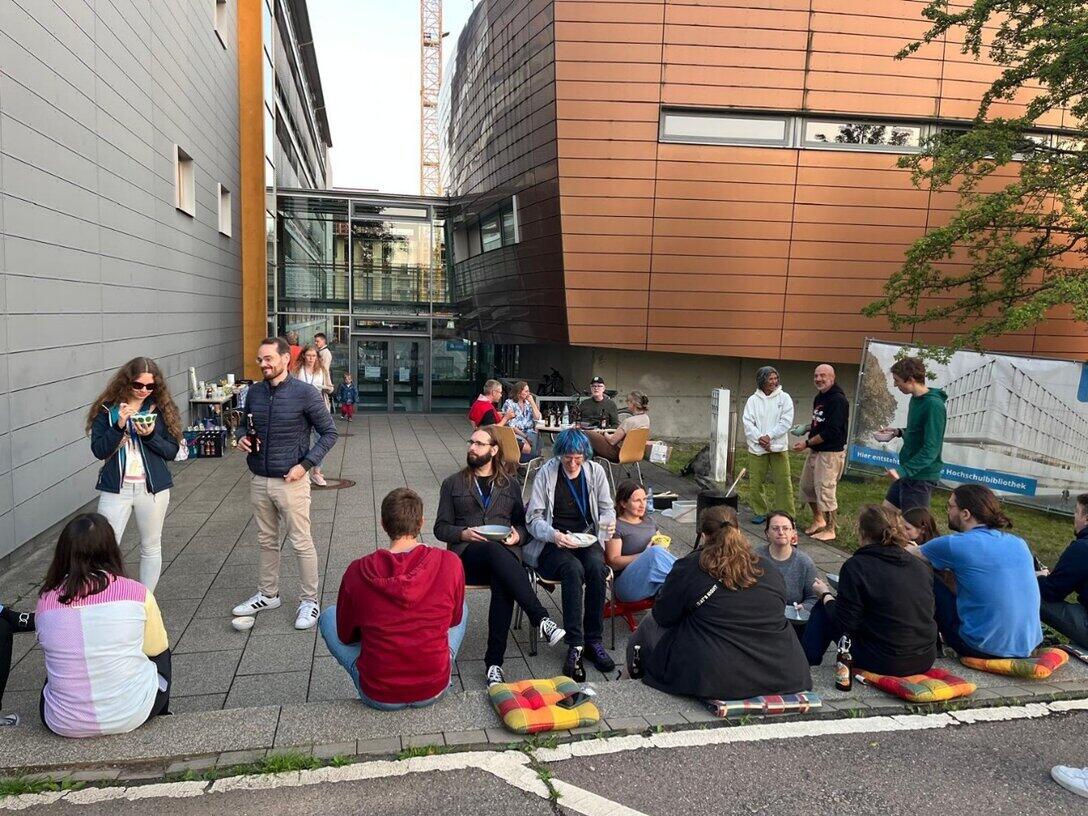
Alongside the extensive conference programme, traditional accompanying events such as the barbecue raft trip, canoe tour and guljanka party provided ample opportunity for in-depth discussions and friendly socialising, during which further research and project ideas were already being discussed.
Outlook
The 19th MiWoCI next summer has, in any case, already been announced, and all the participants were buzzing with anticipation as the workshop drew to a close on Friday. A big thank you to the entire SICIM organising team, led by Dr Marika Kaden, for their – as always – flawless organisation, dealing with all the big and small requests, concerns and difficulties – but always in good spirits!