This page was translated automatically using artificial intelligence (DeepL). The German version is binding. More information about automatic translation
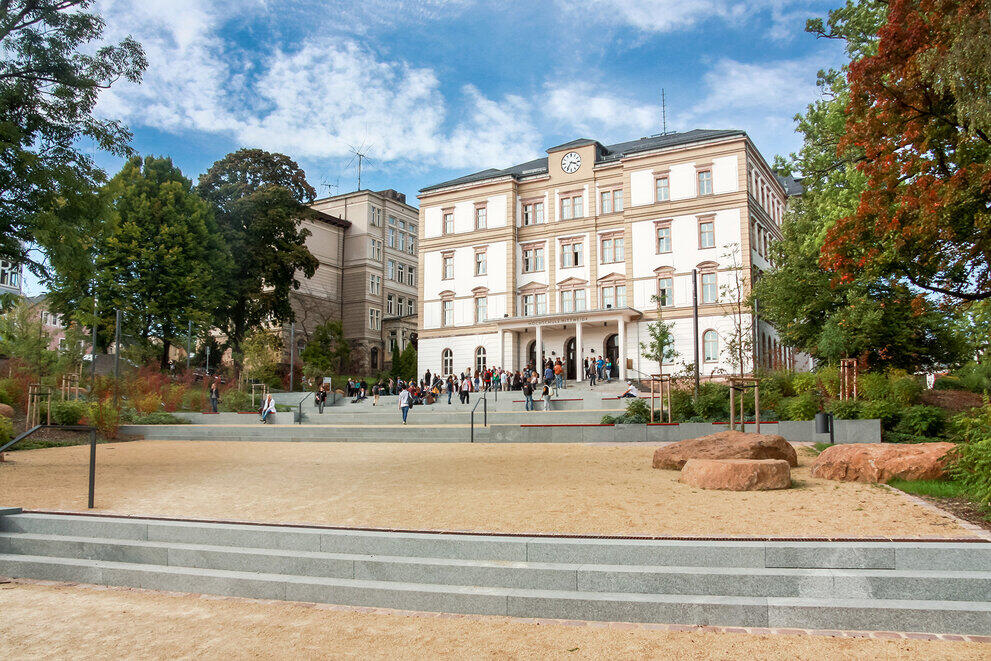
Mittweida University of Applied Sciences (HSMW) will also be at home in the ‘Green Hell’ from now on. For many, this term – or the ‘Nordschleife’ – is synonymous with thrilling races at the Nürburgring in the Eifel. For many companies in the automotive and supplier industries, however, the Ring is also a globally unique testing and development environment for vehicles and components. The Nürburgring organises the exclusive test and development drives – also known as the ‘Industry Pool’, or ‘I-Pool’ for short – for the participating companies. Since the beginning of June 2026, HSMW has been the first university to join the scheme.
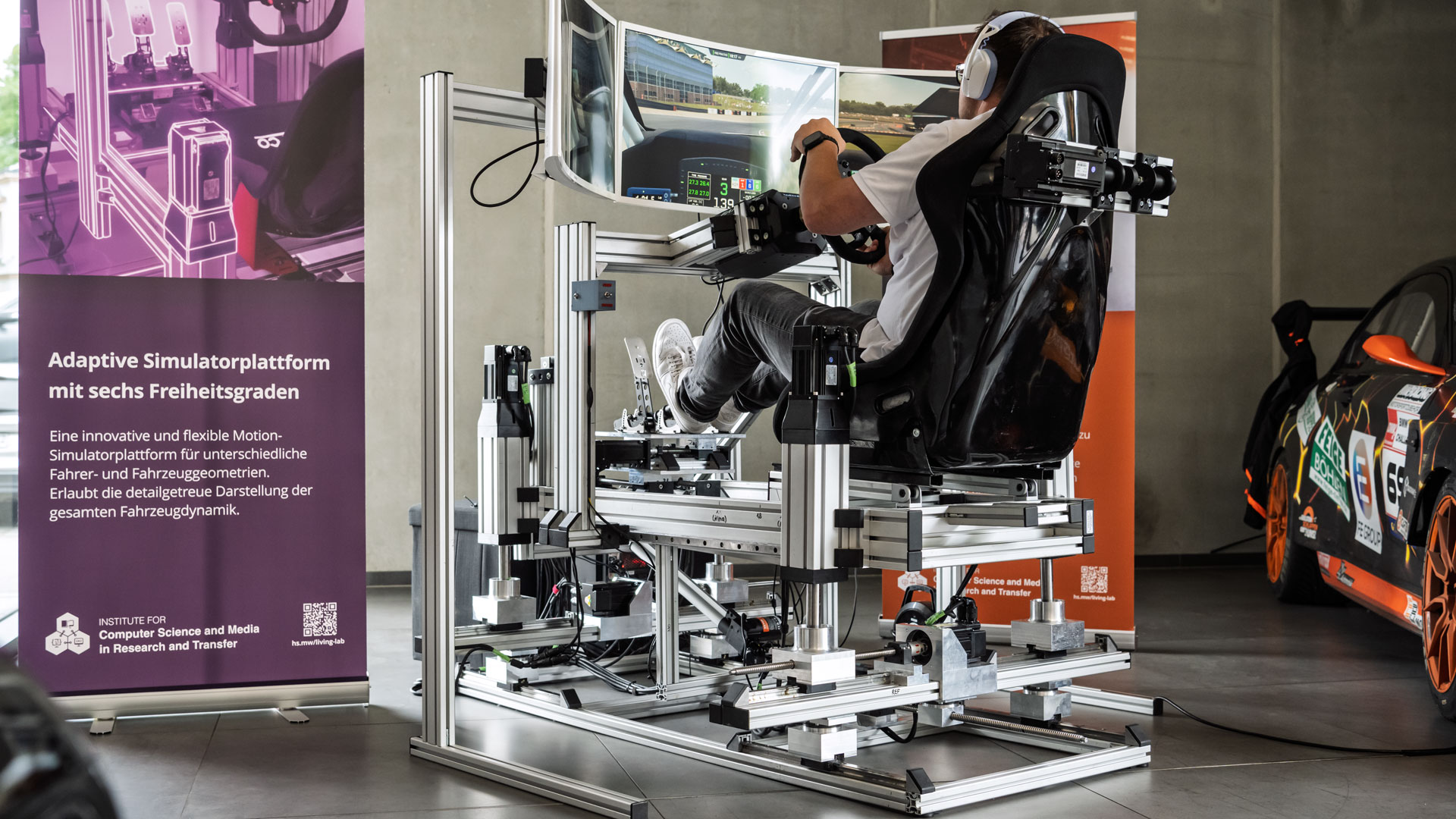
With its inclusion in the test and development runs, HSMW can now make use of the unique infrastructure and expertise in the Eifel region and develop and test its simulation platforms on a par with international automotive groups. These platforms are based at HSMW in the ‘Motion Simulation and Software Development’ Living Lab. Its director, Professor Matthias Vodel, says: ‘Industry and academia are moving even closer together in the fields of vehicle development and data analysis.’
Moving forward: Automotive simulation
All the leading car manufacturers, many tyre manufacturers and OEM suppliers of key vehicle components take part in test and development drives. It is there that they test and optimise their products. They send current and future vehicles – often disguised as ‘prototypes’ – onto the Nordschleife, testing them under extreme conditions so that cars become more efficient and reliable in normal road traffic and driving becomes safer. The focus here is not on fast lap times, but on the behaviour, resilience and durability of components such as brakes, batteries and sensors. The automotive companies from the HSMW cooperation network are also working towards the same goal in collaboration with the Living Lab. Their focus is on a field that is becoming increasingly important: automotive simulation.
Start with a warm-up
Mittweida University of Applied Sciences has been a member of the Nürburgring Akademie e.V., headed by Dr Karl-Josef Schmidt, for several years now. It was founded by the Nürburgring and conceived as a network of companies and universities to bring together academia and industry in the fields of technical mobility development, as well as sports and event management. However, this strong partnership alone was not sufficient for inclusion in the test and development drives. This was preceded by intensive theoretical training and driving tests organised by the Nürburgring Driving Academy, led by its chief instructor Andreas Gülden – himself a multiple participant in the Nürburgring 24-hour race.
It is this successful certification that makes their involvement in test and development runs possible in the first place. As the data collected by the scientists from Mittweida is ‘tested’ and recorded on the race track, the same high standards apply there – particularly with regard to safety – as for the other companies involved in test and development runs.
Experience data first-hand
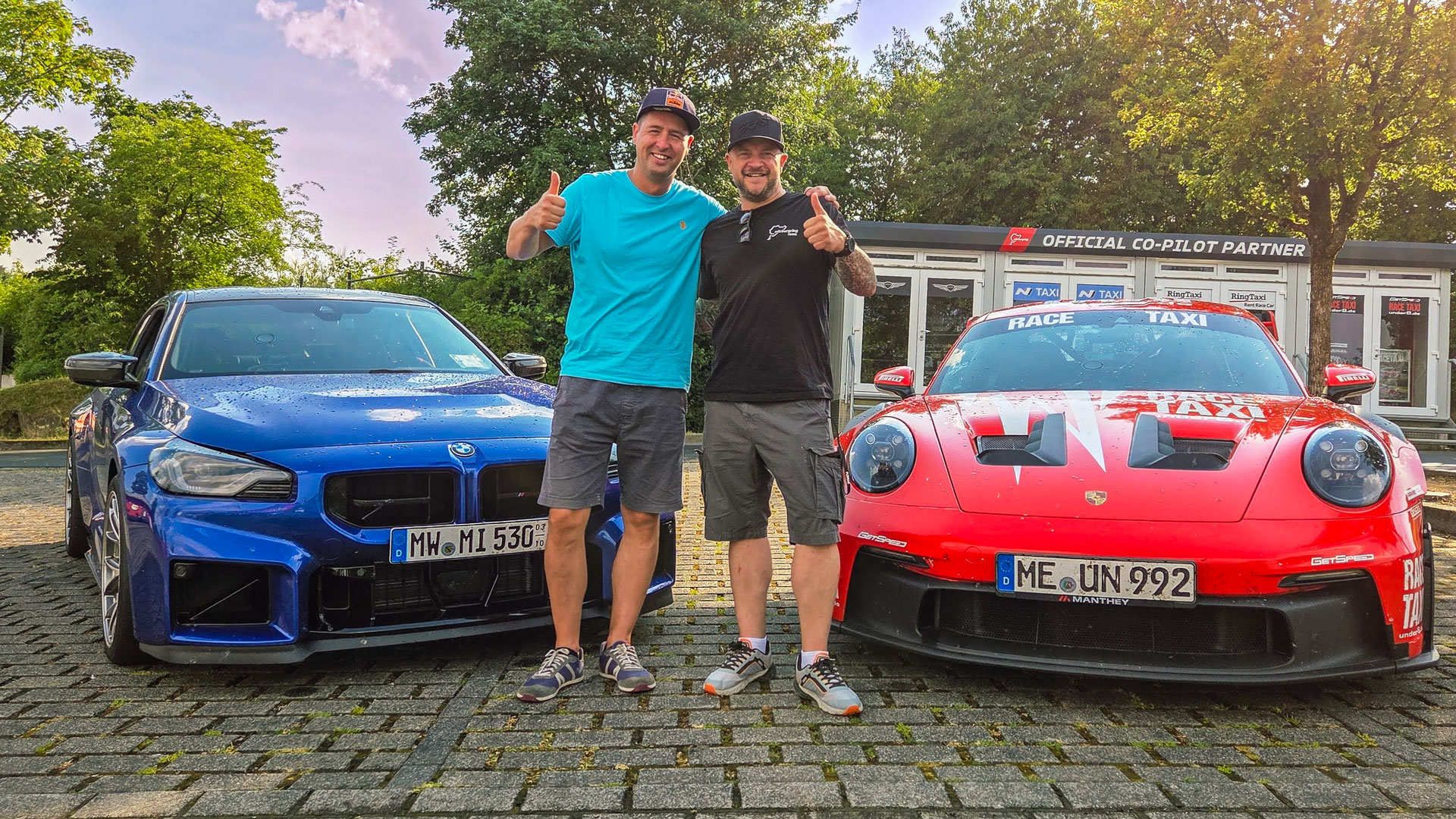
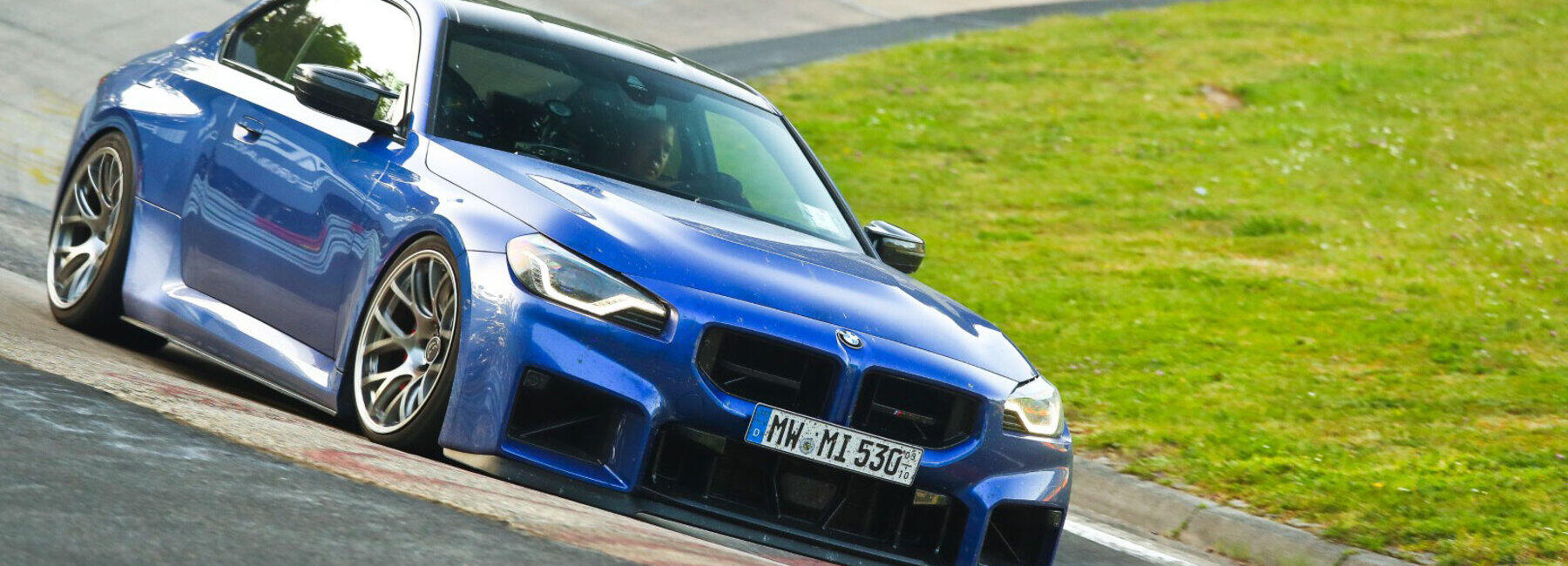
The HSMW currently uses a latest-generation BMW M2, which was not purchased using taxpayers’ money but is funded by third-party funding from industry. Using this 530 PS vehicle, the scientists record real-world driving data on the Ring, even under extreme conditions. Back at the laboratory in Mittweida, they analyse the data, thereby laying the foundation for the AI-based, automated creation of the digital twin. This is how the ‘Motion Simulation and Software Development’ Living Lab produces realistic simulation models of vehicles, including models for tyres, aerodynamics, the chassis and the powertrain.
Professor Matthias Vodel, who is not only a scientist but also a passionate racing driver, emphasises that improved simulations will never make track driving redundant. He is therefore not worried about his team’s future. “Developments in the field of mobility are advancing rapidly; product cycles for cars are correspondingly short, and new features are introduced at a rapid pace. Different propulsion concepts, cross-generational mobility requirements and autonomous driving present the industry with ever-changing challenges. We are tackling these in Mittweida with improved simulations.” Vodel also has his sights set on another application: “The virtual experience in our simulators is becoming ever more intense and immersive. We aim to use this to improve practical driving instruction very soon.”
Teamwork in Saxony
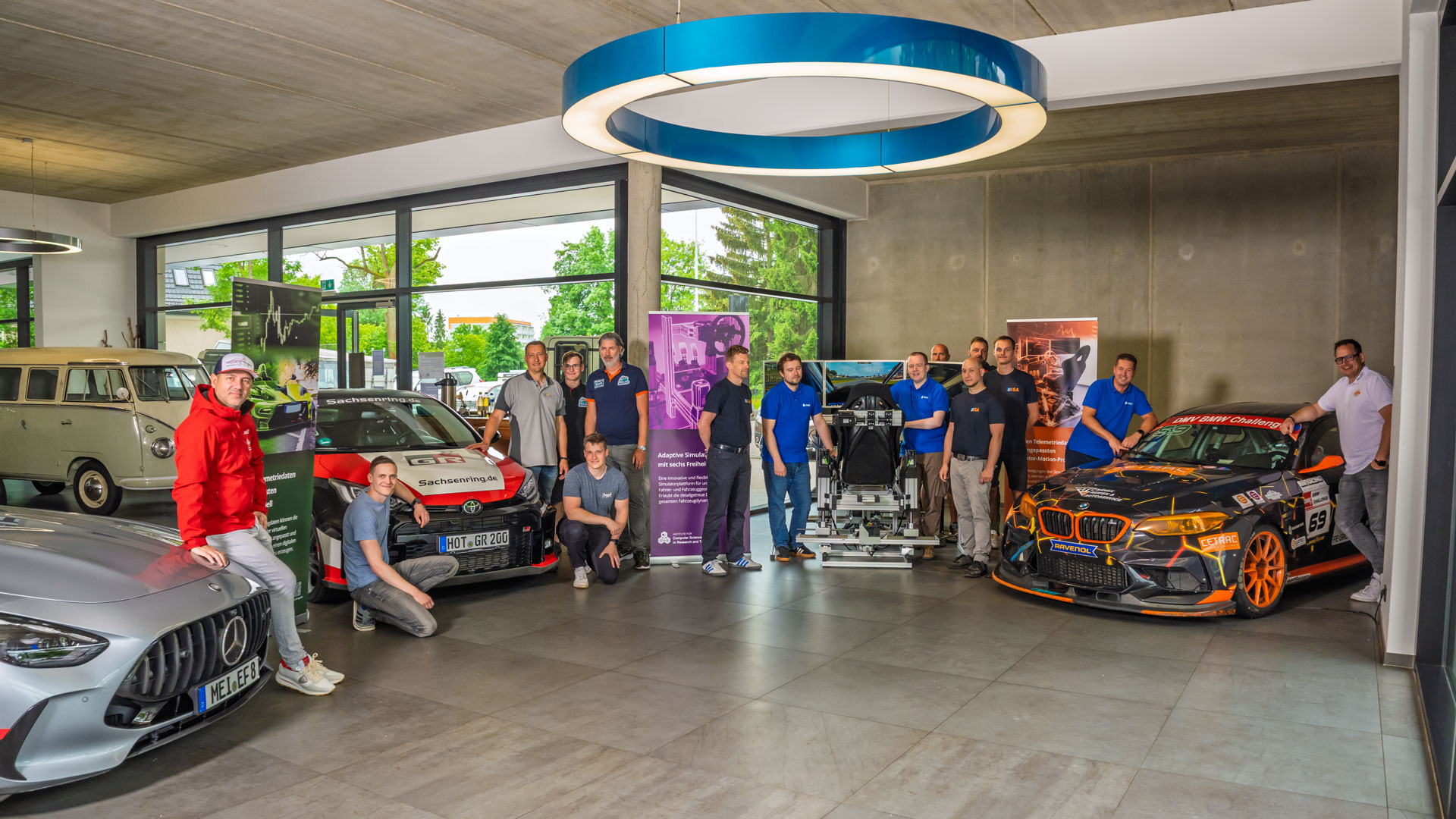
The test and development runs at the Nürburgring are a key component of a project being driven forward by HSMW in collaboration with six Saxon companies from the automotive sector. As part of the SAB InnoTeam project ‘Telemetry-based machine learning data analysis & configuration management in the field of automotive simulation’ – funded by the EU and the Free State of Saxony over a two-year period – the partners are, amongst other things, further developing the adaptive simulator platform, utilising a laser-scanned, digital twin of the Nordschleife. This allows for an optimal comparison of real-world and simulated results.
About the Living Lab
In the ‘Motion Simulation and Software Development’ Living Lab, researchers and students from the fields of (media) computer science, mathematics, Mechanical Engineering and electrical engineering work together on an interdisciplinary basis. The ‘Living Lab’ brings together research, study and public engagement in a dynamic way. Students can get involved in research early on in their studies, and lecturers can seamlessly integrate the latest research findings into the Bachelor’s and Master’s degree programmes. The Living Lab also enables current research to be presented in a practical way and communicated in an engaging manner to people outside the university.