This page was translated automatically using artificial intelligence (DeepL). The German version is binding. More information about automatic translation
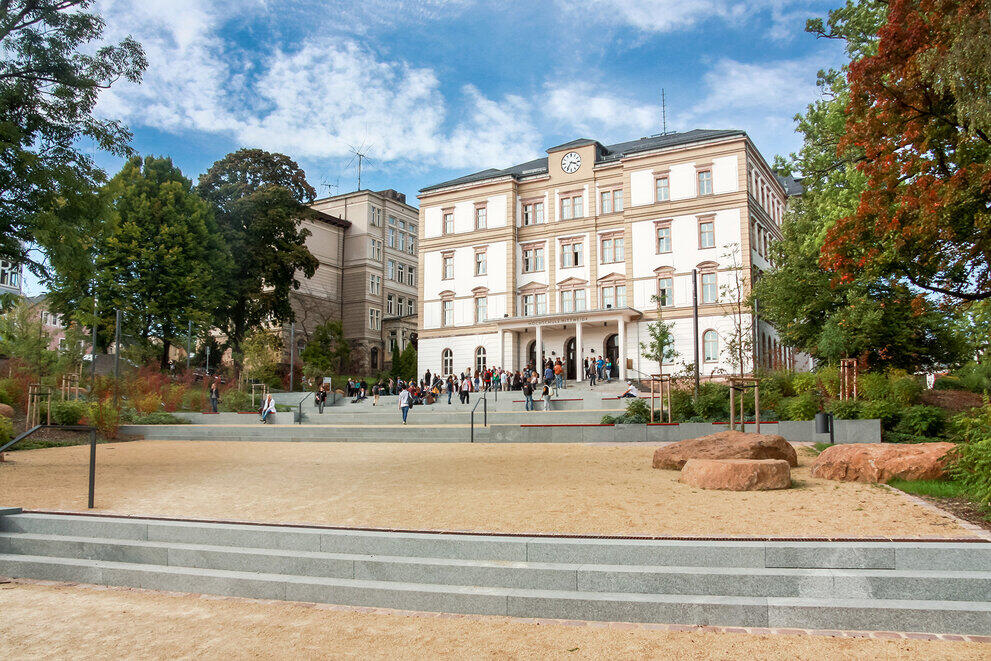
Under the theme ‘Successful Internationalisation in SMEs’, representatives from academia, business and politics gathered on 10 June at the 2026 SME Day at Mittweida University of Applied Sciences (HSMW) to discuss the future of German SMEs in the face of international competition.
The central message of SME Day ran like a common thread through all the presentations: internationalisation is an opportunity, not a risk. German SMEs undoubtedly face major challenges. At the same time, internationalisation in particular offers considerable potential for growth, innovation and long-term competitiveness. Those who tap into international markets, build partnerships and actively shape global developments can unlock new potential even in economically difficult times.
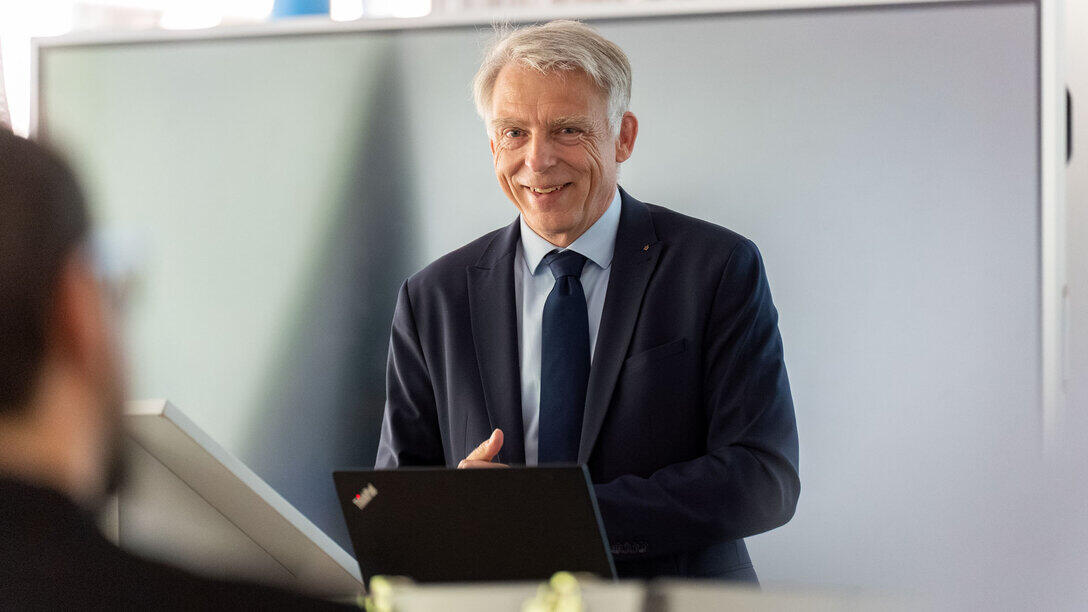
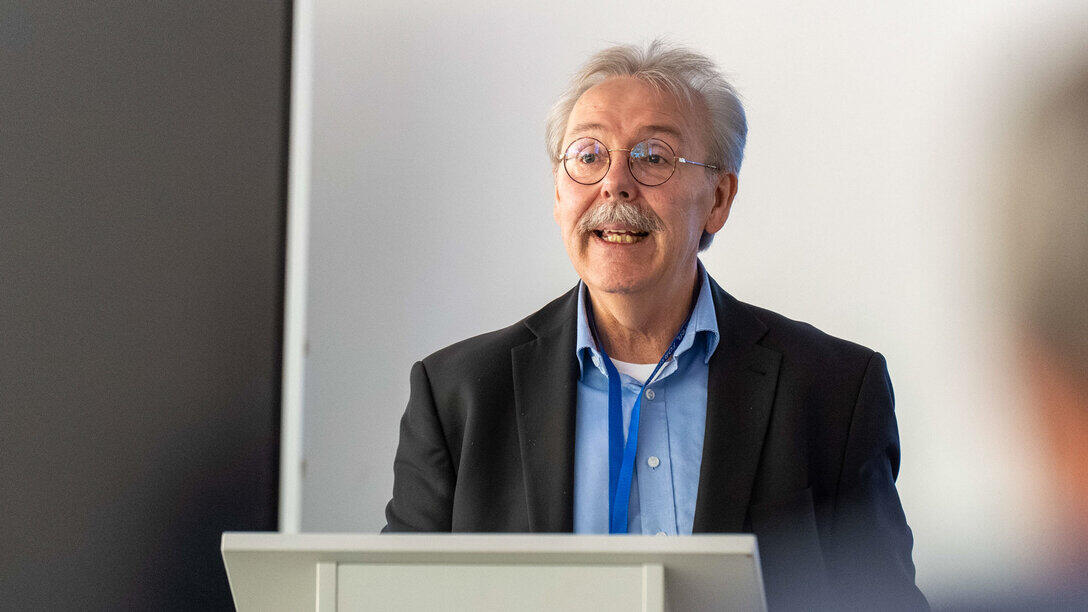
Professor Klaus Vollert launched SME Day: “Internationalisation is not an end in itself, but an important building block for innovation, growth and securing the future.”
Morning: Insights from the worlds of politics and academia
Co-organiser Professor Klaus Vollert emphasised the special role played by small and medium-sized enterprises in Germany. It is precisely in difficult economic and geopolitical times that the question arises as to how companies can safeguard their competitiveness and tap into new opportunities for growth.
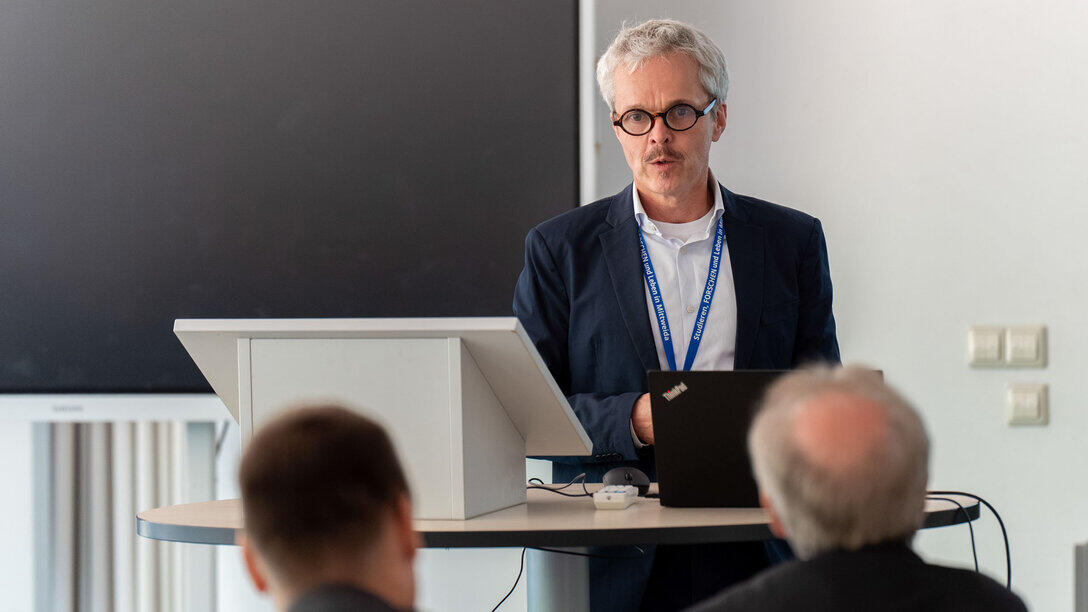
To kick off the series of specialist presentations, Professor Volker Tolkmitt, an economist and Rector of the HSMW, examined internationalisation from an economic perspective. He highlighted the importance of research, education, innovation and a reliable economic policy framework for Germany’s competitiveness. At the same time, he made it clear that Germany – and small and medium-sized industrial enterprises in particular – must hold their own in an increasingly challenging global competitive environment. Research, technological development and openness to the international community are, he said, crucial factors for success.
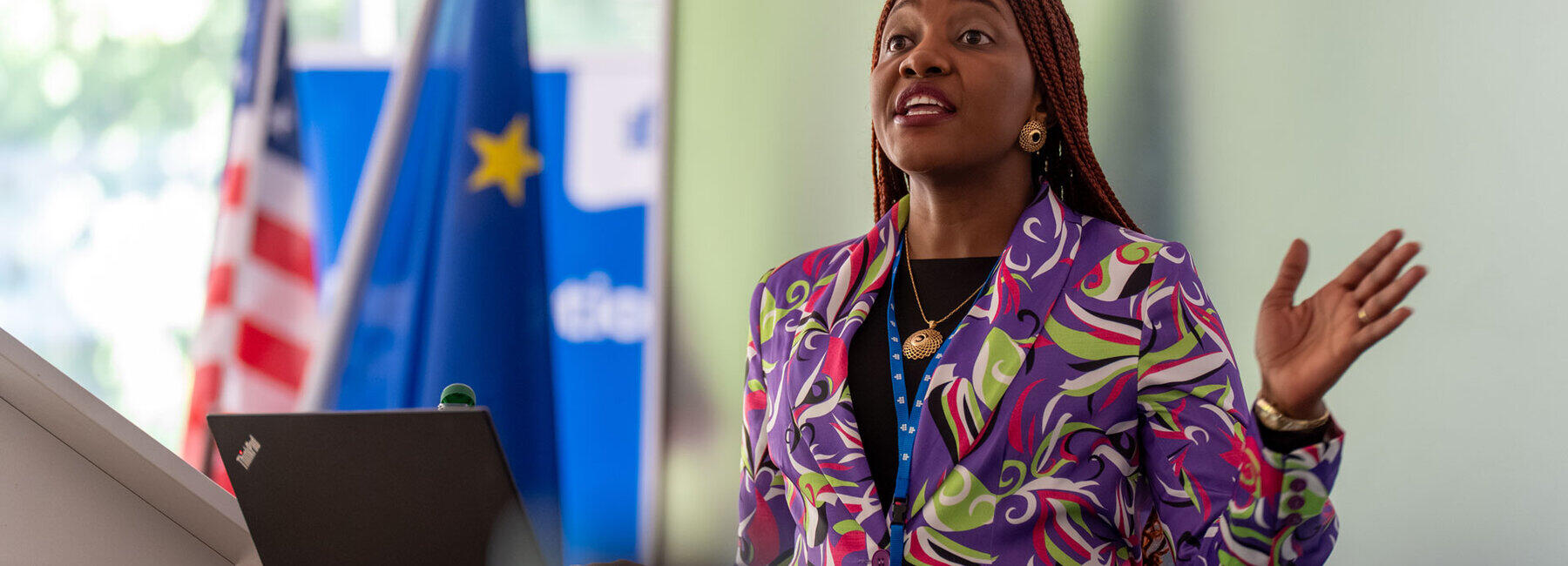
Professor Brownhilder Neneh from the University of the Free State in South Africa then provided a particular highlight during the morning session. She presented South Africa as an attractive growth market and, at the same time, as a strategic gateway to the African economic area. In her view, advancing digitalisation, the energy transition, modern agriculture, and infrastructure and healthcare projects in particular offer interesting prospects for German companies. At the same time, she emphasised that successful internationalisation is always based on strong local partnerships, cultural understanding and long-term commitment. Her message was clear: international markets open up significant growth opportunities, particularly for small and medium-sized enterprises, when technological expertise is combined with local market knowledge and robust networks.
Harald Wittreck from the Saxon State Ministry for Economic Affairs, Labour, Energy and Climate Protection (SMWA) and Torsten Herbst, a former Member of the Bundestag, provided the political perspective. Both made it clear that German SMEs are currently operating in a challenging environment. Geopolitical tensions, disrupted supply chains, high energy and business location costs, a shortage of skilled workers and increasing regulatory requirements are placing a strain on many businesses.
At the same time, there was a clear call for an improved economic policy framework. Reducing red tape, speeding up approval processes, ensuring planning certainty and providing greater support for innovation and investment were identified as key prerequisites for small and medium-sized enterprises to maintain and enhance their international competitiveness.
Afternoon: From local beginnings to global success
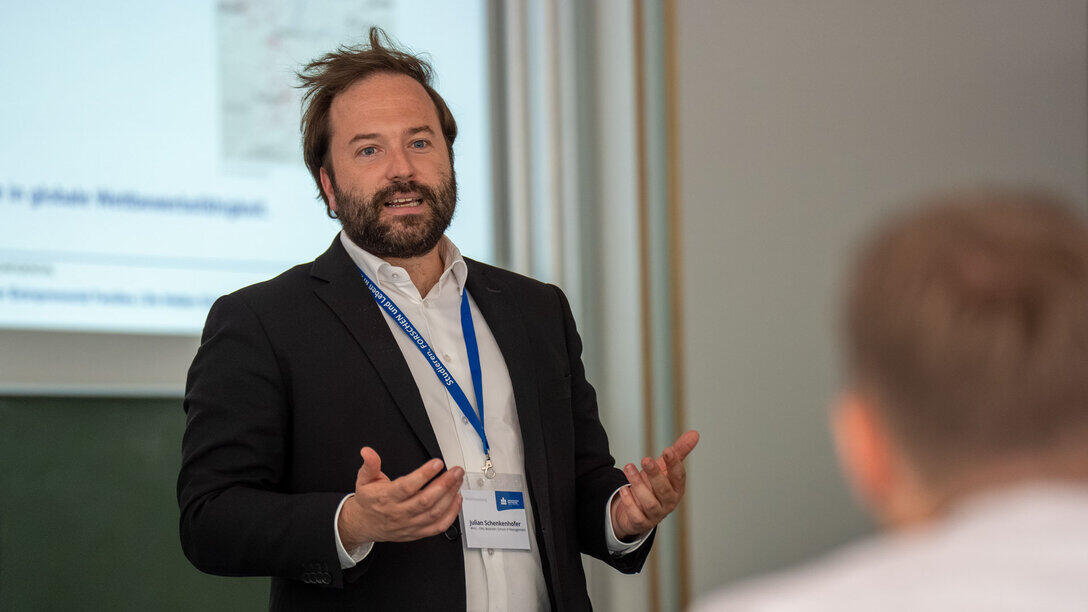
A highlight of the afternoon was the talk given by Assistant Professor Julian Schenkenhofer from WHU – Otto Beisheim School of Management. Using the example of the so-called ‘hidden champions’, he demonstrated why Germany remains one of the world’s most successful exporting nations to this day. Family-run global market leaders, a long-term outlook, technological excellence and consistent niche strategies are key factors in the success of these companies.
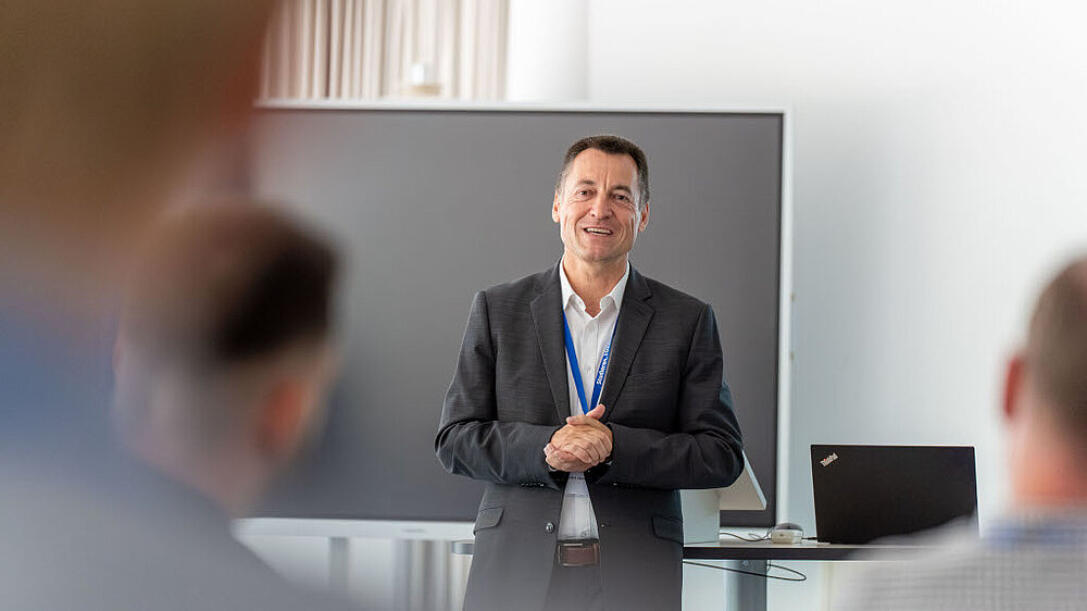
This was followed by presentations from entrepreneurs sharing their practical experiences of internationalisation, digitalisation and global networks. Marco Rutzke from NetTask GmbH highlighted the importance of international technology ecosystems and strategic alliances. Professor Andreas Wild spoke about his experiences within international corporate structures at IBM. Robert Schlesiger described the challenges and success factors involved in establishing international business operations. With Professor Detlev Müller and René In der Stroth, Mittweida-based IMM electronics GmbH was also presented as an example of a successful Saxon ‘hidden champion’.
The conference was organised by the Management Institut Mittweida e. V. (MIM e. V.) in cooperation with the Vice-Rectorate for Research at Mittweida University of Applied Sciences. The Management Institute Mittweida, chaired by Professor Klaus Vollert, sees itself as a platform for exchange between academia and professional practice and is committed to the transfer of knowledge between Mittweida University of Applied Sciences, industry and society.