This page was translated automatically using artificial intelligence (DeepL). The German version is binding. More information about automatic translation
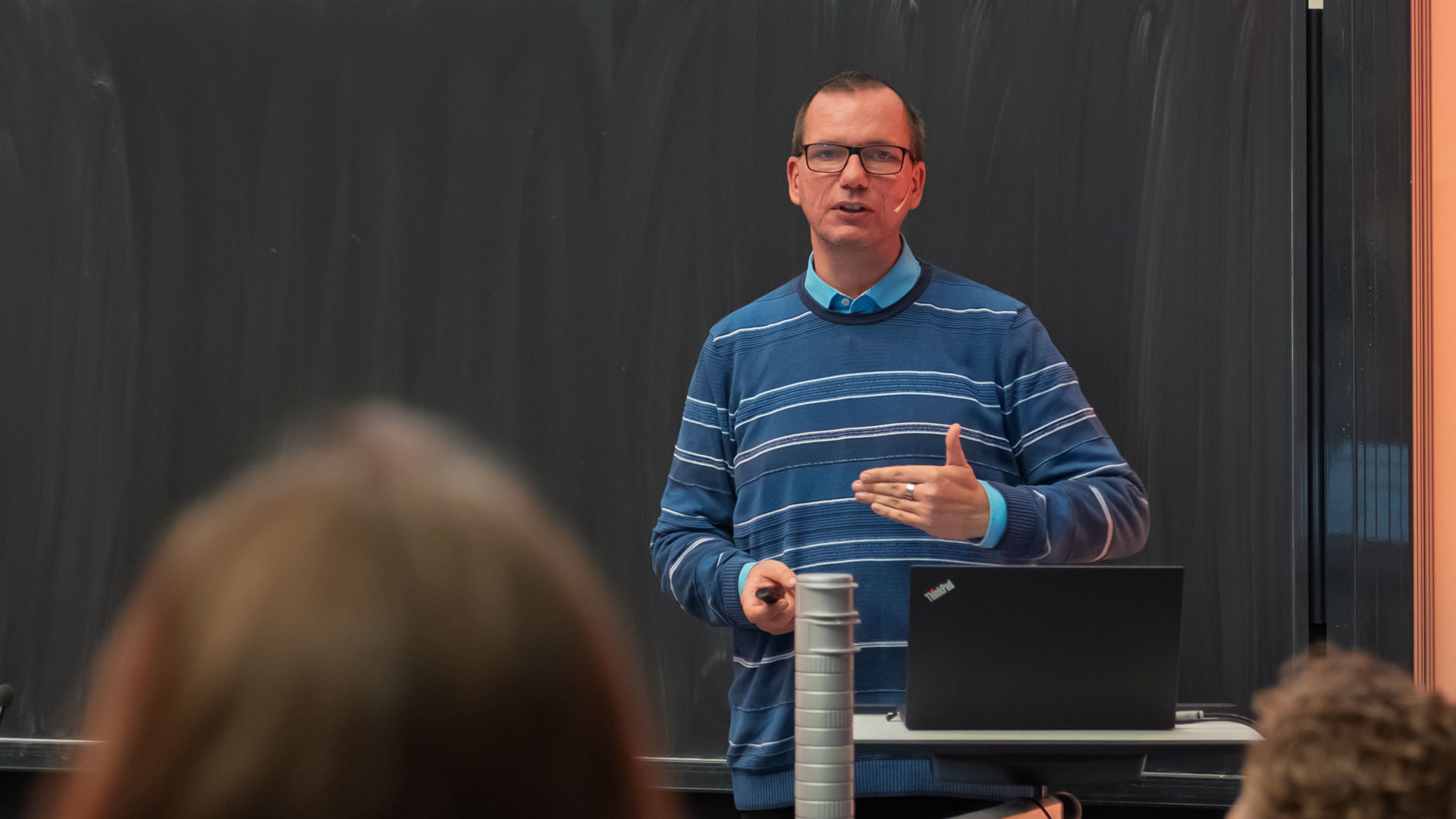
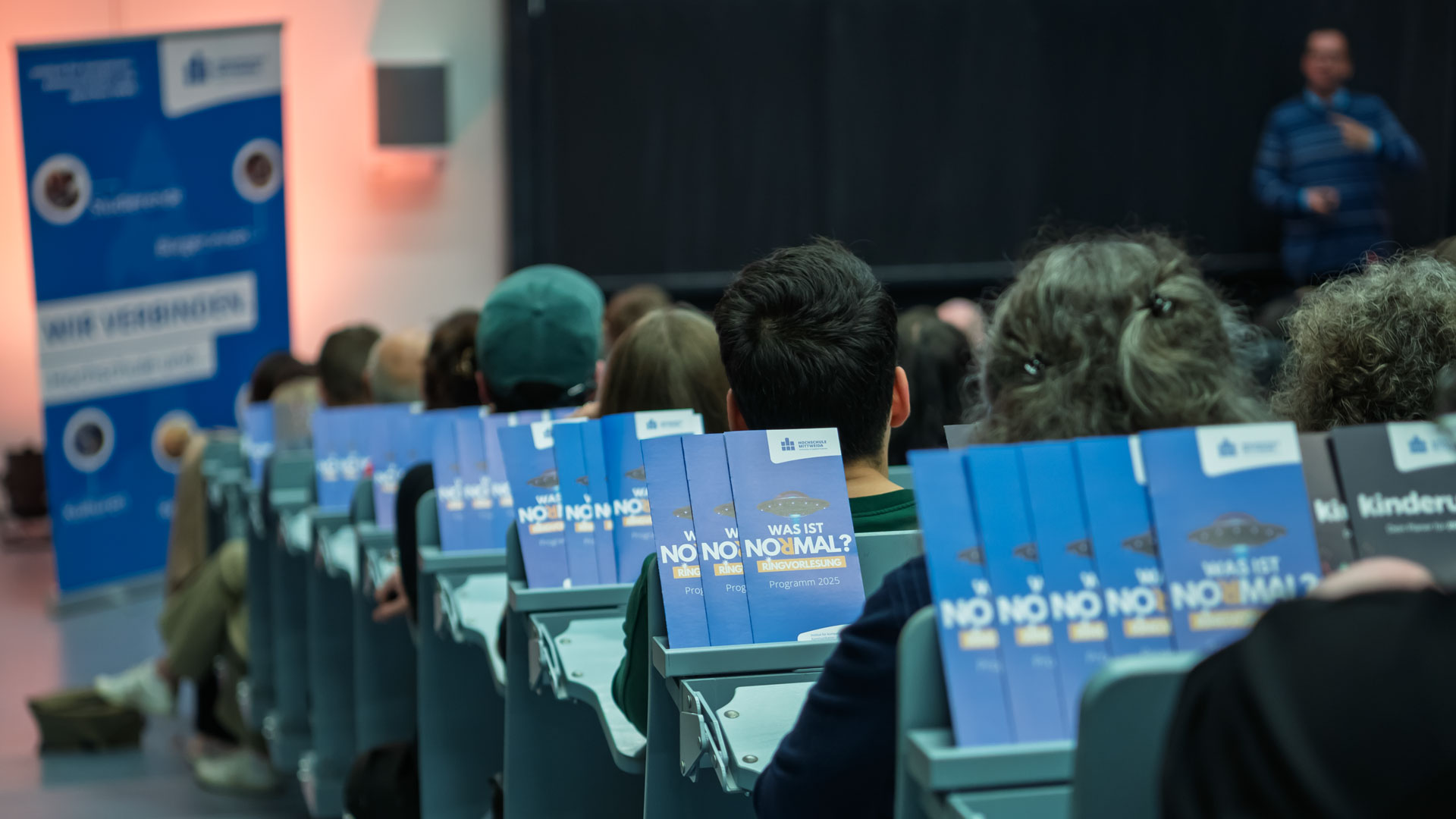
At the third event in the public lecture series ‘What is normal?’ at Mittweida University of Applied Sciences (HSMW), Professor Heinz-Jürgen Voß, a sexologist, social scientist and biologist from Merseburg University of Applied Sciences, spoke on 15 April about his current research into gender-based forms of violence. There was considerable interest in this controversial topic: over a hundred students and staff from HSMW, as well as residents of the university town, listened attentively. Many were moved by the figures, correlations and personal accounts from the 2023 Saxony Victimisation Study (VisSa) that Voß presented.
The study was commissioned by the Saxon Ministry of Justice. It makes an important contribution to raising awareness of violence – and to the further development of protection and support services. Voß and his colleagues investigated domestic violence, stalking and sexual violence in Saxony. The focus was on the personal experiences of those affected. The aim was to gain a realistic picture of the extent, causes and consequences of these forms of violence – as well as to ascertain whether, and if so, which support services are actually being used.
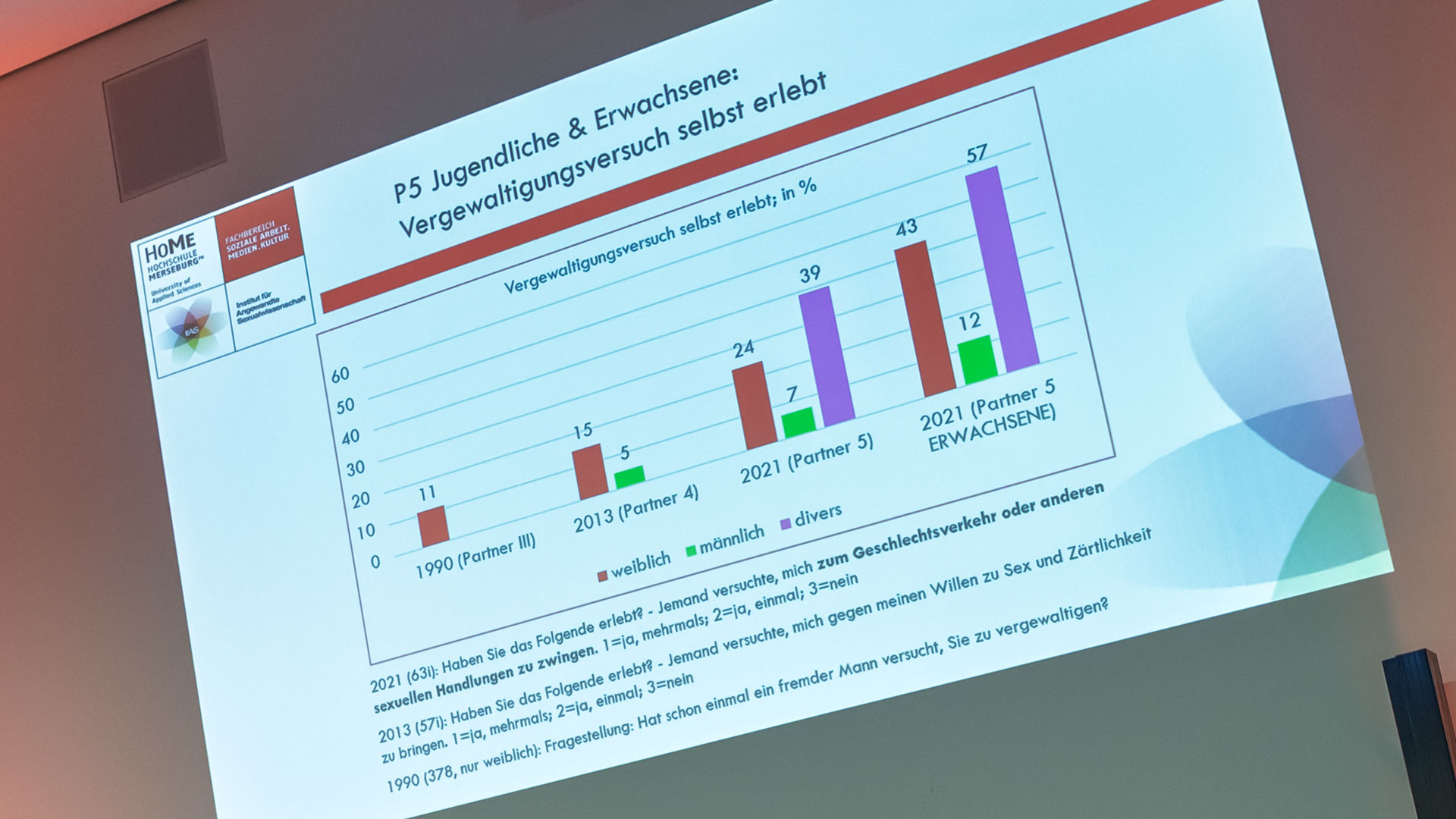
Heinz-Jürgen Voß noted a growing level of public awareness and social sensitivity. Those affected were increasingly finding the courage to speak out about their experiences, and the willingness to report incidents (at least amongst female victims) was on the rise. The study shows that almost all respondents reported experiences of sexual harassment – including lewd comments, intrusive stares or unwanted physical contact. Many have experienced physical or psychological abuse in relationships, often whilst still minors. The perpetrators are almost always male and usually come from the victim’s immediate social circle. People who have suffered or been threatened with intimate partner violence and rape are particularly affected – their lifelong psychological distress is severe. It is also clear that: when children live in the household, the violence is also directed at them in half of all cases. Stalking is equally widespread, often perpetrated by former (male) partners. Nevertheless, only a few of those affected seek professional help or report the offences to the police. Reasons for this include shame or the fear of not being taken seriously.
Voß emphasised that Saxony is no different from other federal states and that the violence described is not a marginal phenomenon, but affects the very heart of society. This makes it all the more important to understand this violence as a structural – rather than an individual – problem, to continue raising awareness of the underlying mechanisms and role models, to listen to those affected, and to expand access to low-threshold support services.
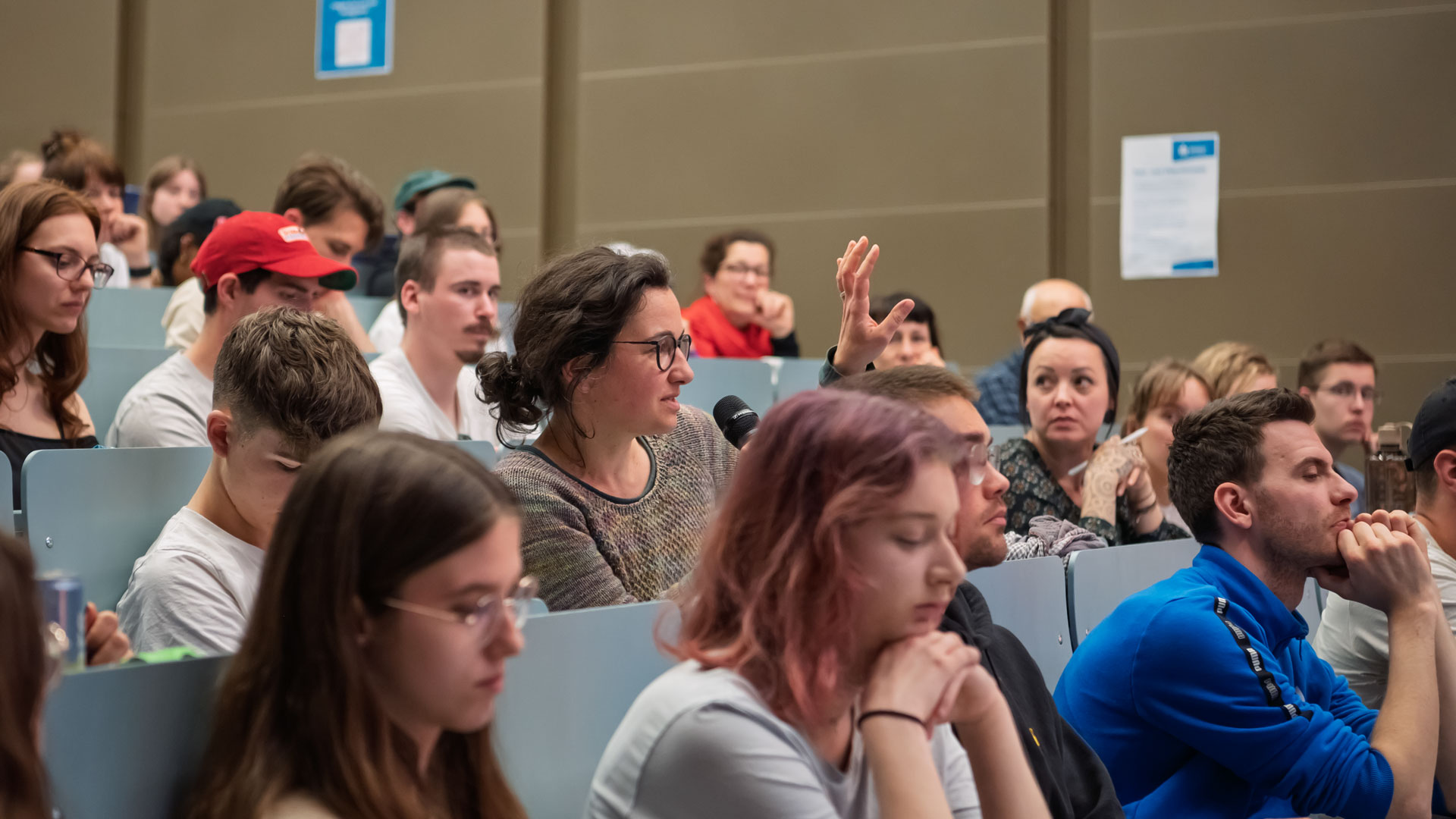
During the question-and-answer session, one of the topics of interest was the future funding of protection and support services, as well as further research. Many members of the audience left the hall deep in thought – with a heightened awareness of a major social injustice that is often swept under the carpet and leaves the victims unseen.
Next lecture on 29 April
The public lecture series continues with a topic that is hardly any less controversial: the fourth lecture, entitled ‘The opposite of mentally ill is healthy, not normal’, on 29 April, will focus on mental illness and the stigma surrounding it. Nadine Bernhardt, a neuroscientist with a PhD from TU Dresden, will also provide an introduction to the concept of neurodiversity.