This page was translated automatically using artificial intelligence (DeepL). The German version is binding. More information about automatic translation
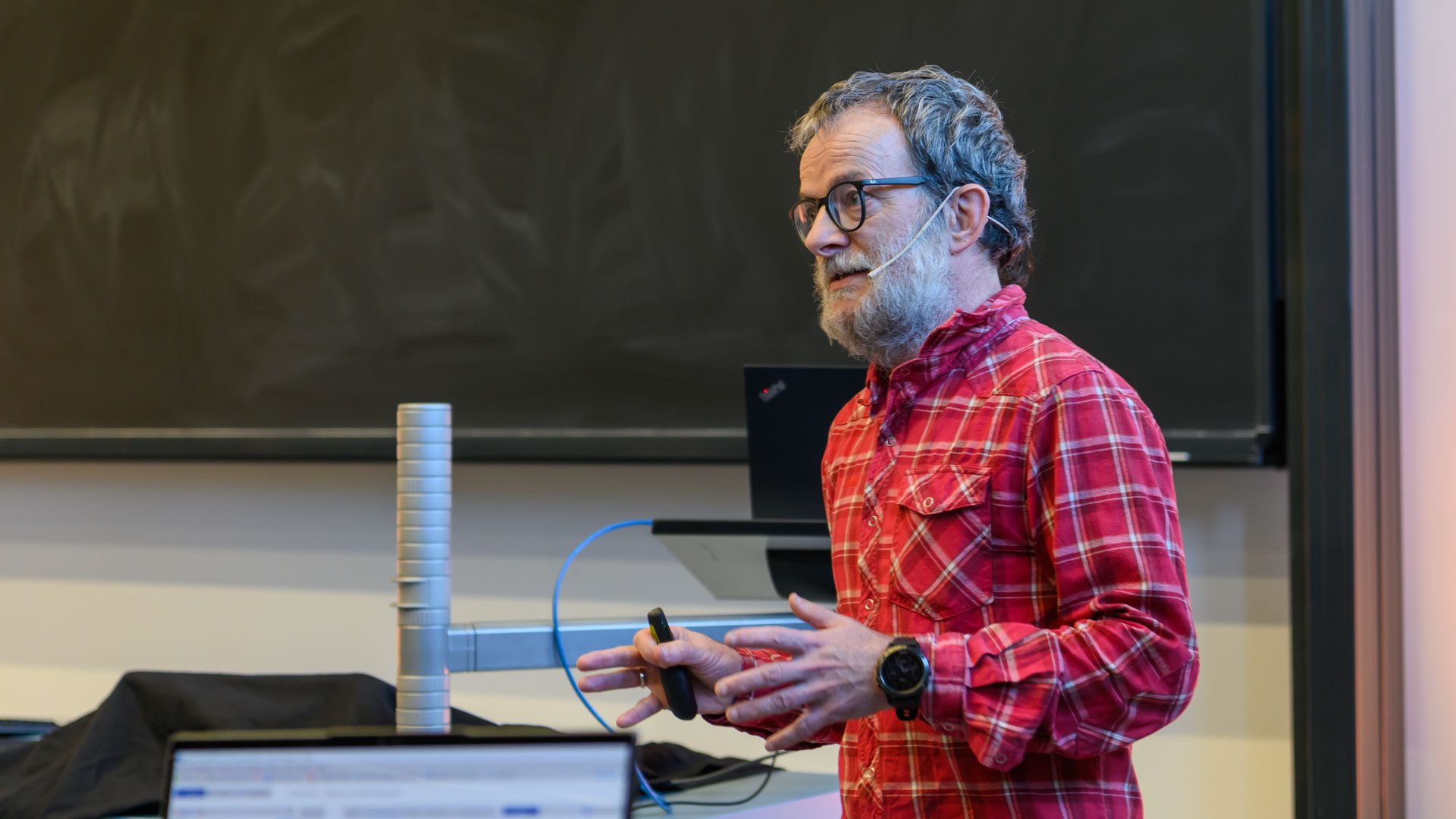
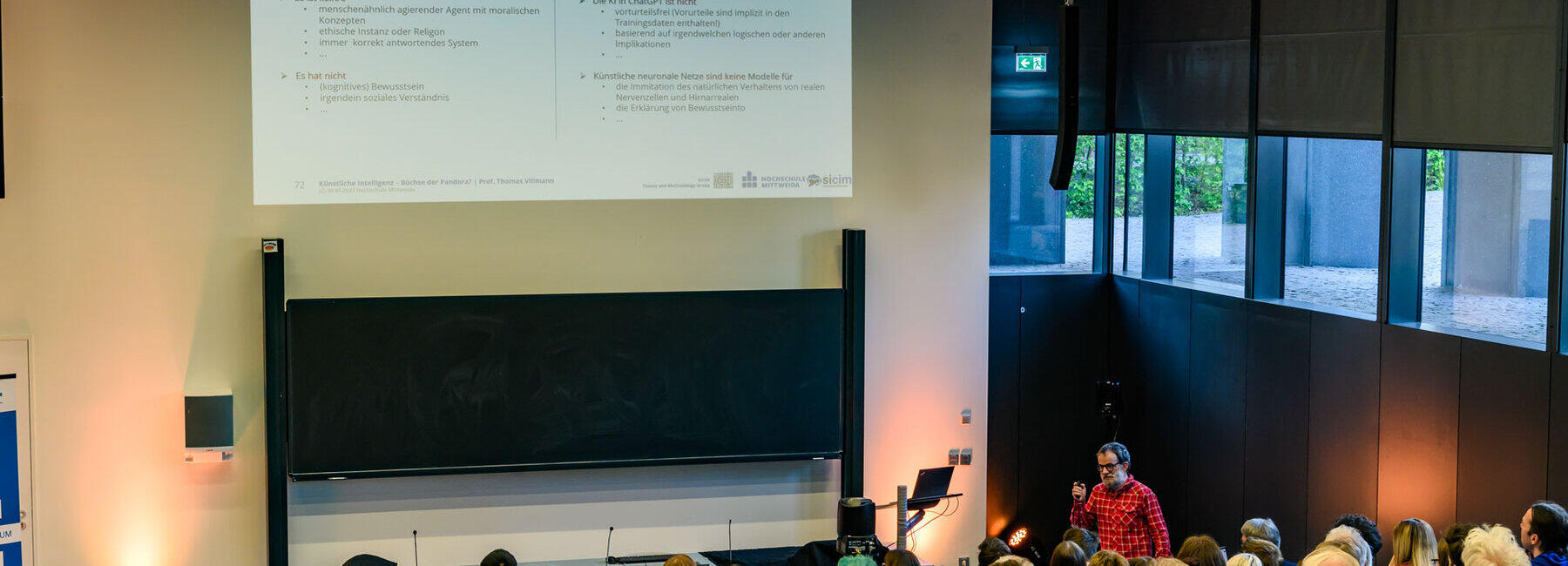
Right at the start of the lecture, Villmann answers ‘no’ to the question posed in the lecture title: “Artificial Intelligence – Pandora’s Box?”, but before delving into the discussion on ChatGPT that the audience in the packed lecture theatre was expecting, he first takes a step back to provide a historical overview of the development of artificial intelligence in the last third of the 20th century. He then explained how AI and its subsets – machine learning and neural networks – work.
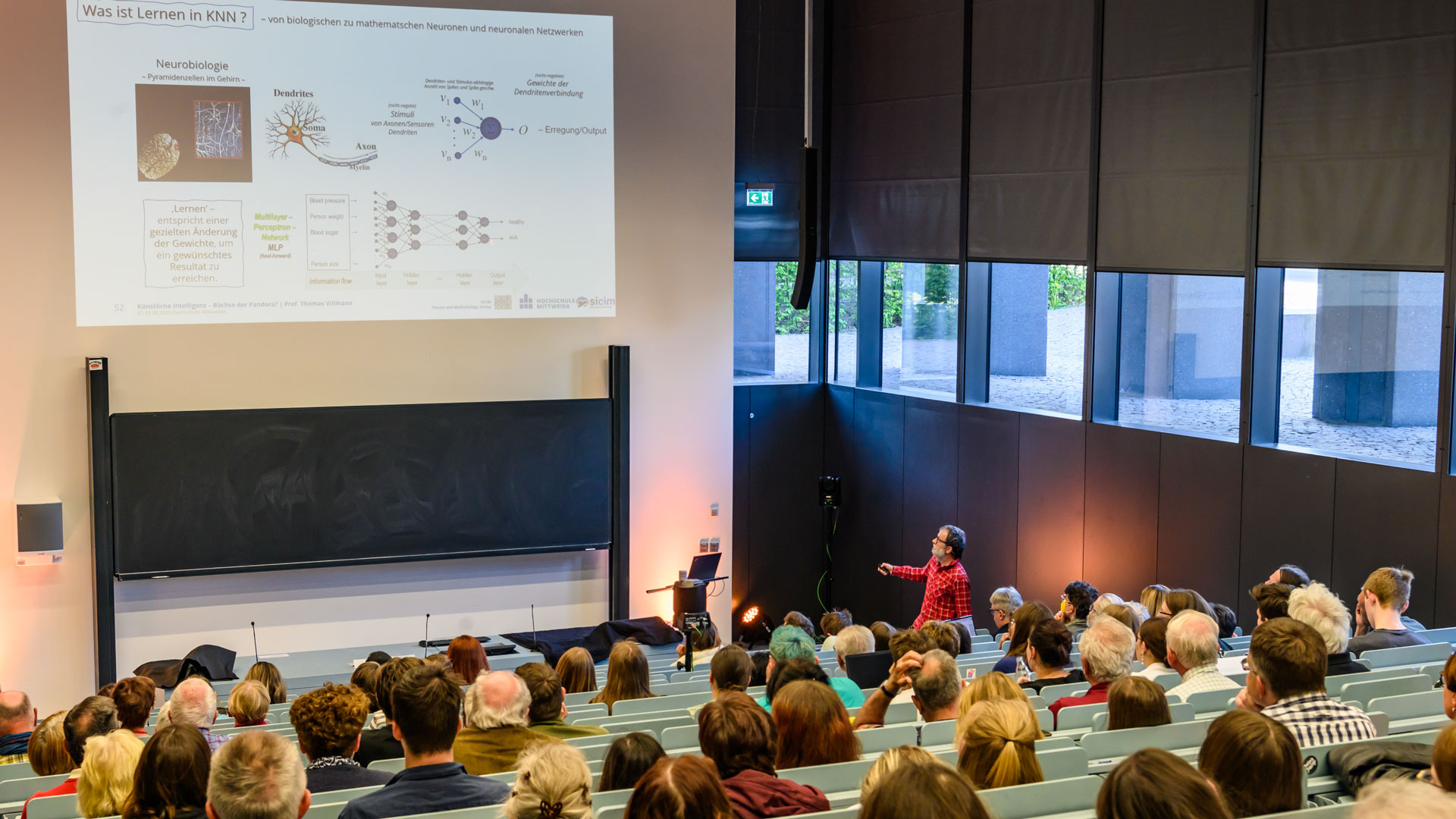
The director of the Saxon Institute for Computational Intelligence and Machine Learning (SICIM) at Mittweida University of Applied Sciences provided an insight into the institute’s own research, making a case for interpretable and ‘smart’ AI that is plausible and trustworthy, and thus has a better chance of being accepted. Applications such as ChatGPT do not meet these requirements, according to Villmann, who then went on to explain in detail at the end of the lecture what this chatbot is and what it can do as an application of AI – for example, answering questions and writing texts – and what it is not and cannot do, such as generating knowledge or possessing consciousness. The discussion that followed was lively, with questions raised about the implications for our everyday lives and our cognitive abilities. It is well worth watching the lecture – coming soon here.
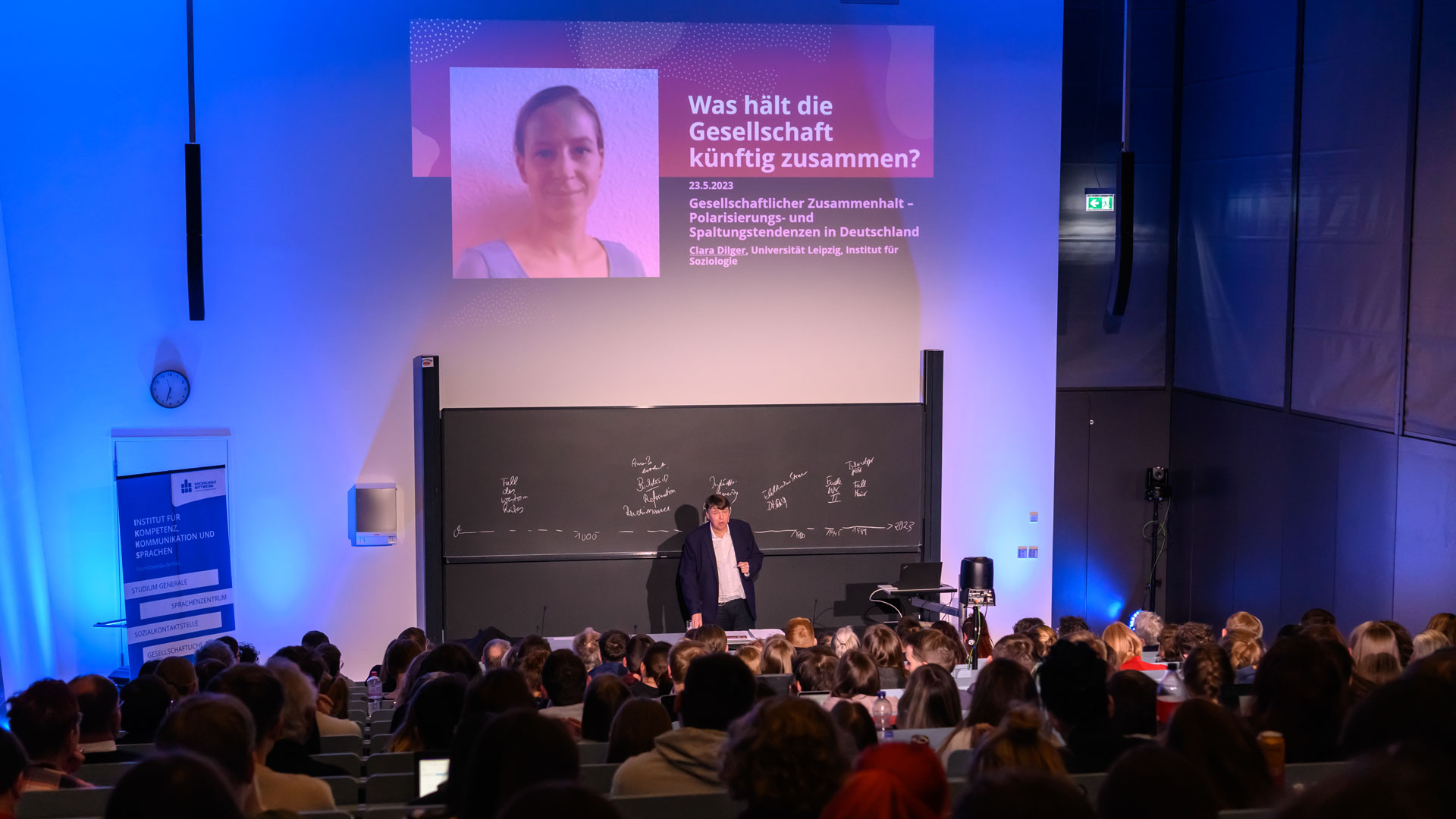
Lecture on 23 May: A turning point leading to a division in society?
The fifth event on 23 May marks a shift in focus for the lecture series: Leipzig-based sociologist Clara Dilger will present her contribution to ‘Zeiten wenden’ under the title ‘Social Cohesion Under Threat? Trends towards polarisation and division in Germany’. Dilger will be followed by two further female academics in the coming weeks.
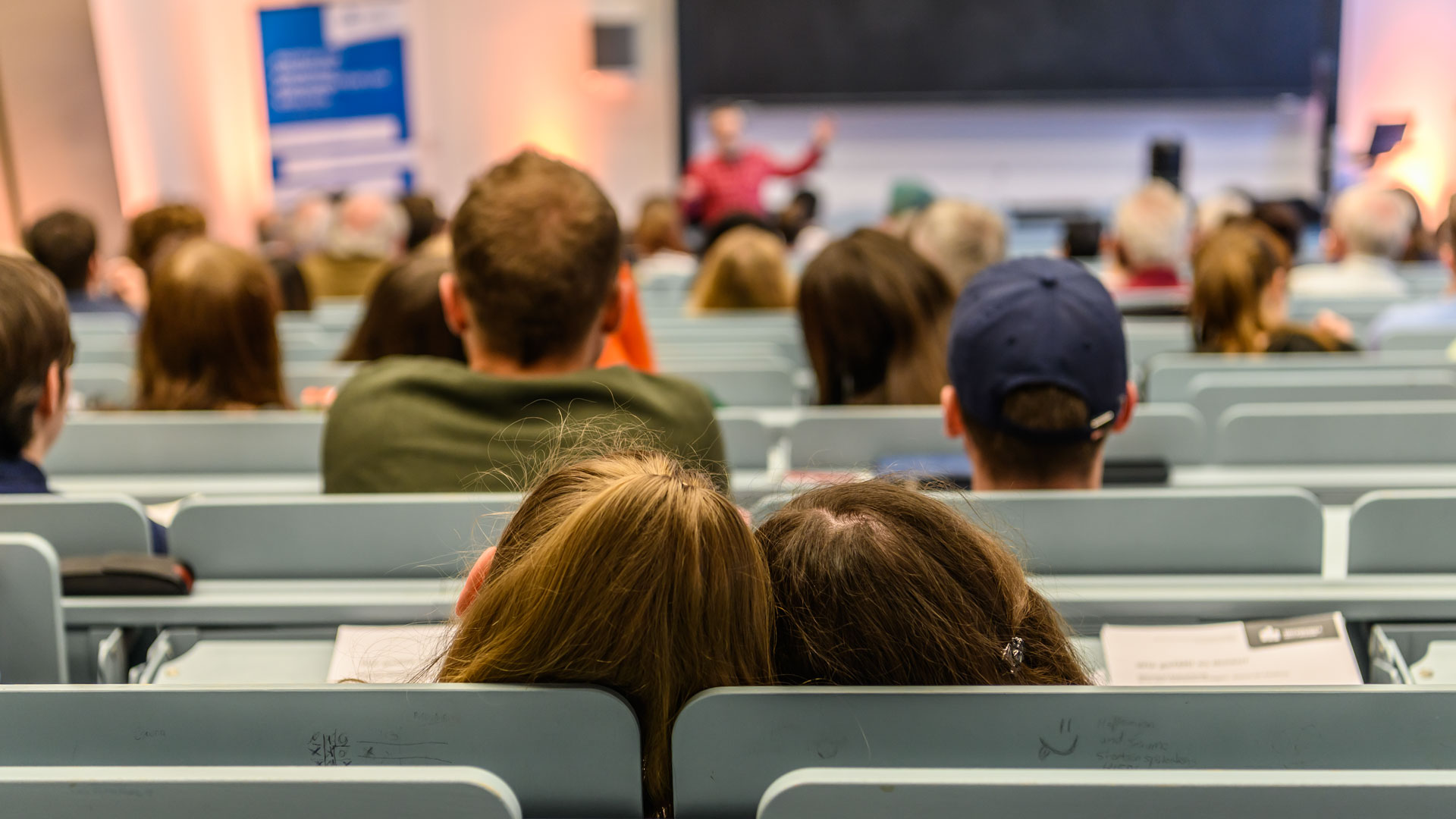
On 23 May, the focus will be on our social cohesion. Clara Dilger asks whether, and to what extent, differing values on current issues such as immigration, multiculturalism and climate change can lead to a division within society. What links can be identified between perceptions of society and political attitudes, particularly in eastern Germany and in relation to identification with right-wing populist positions and parties? And what consequences does this have for how our society deals with the challenges of our time?
The lecture on Tuesday, 23 May 2023, will take place from 5.30 pm to 7.00 pm at the Centre for Media and Social Work at Mittweida University of Applied Sciences, Bahnhofstraße 15.
All information on the lectures and speakers in the public lecture series: www.hs-mittweida.de/ringvorlesung
The first three lectures are now also available to watch on Mittweida University of Applied Sciences’ YouTube channel.