This page was translated automatically using artificial intelligence (DeepL). The German version is binding. More information about automatic translation
On 29 November, around 200 children and over 150 adults at the Children’s University at Mittweida University of Applied Sciences (HSMW) discovered just how closely their everyday lives are linked to the wider world. This year’s final lecture was entitled ‘Globalisation – What’s in it for me?’.
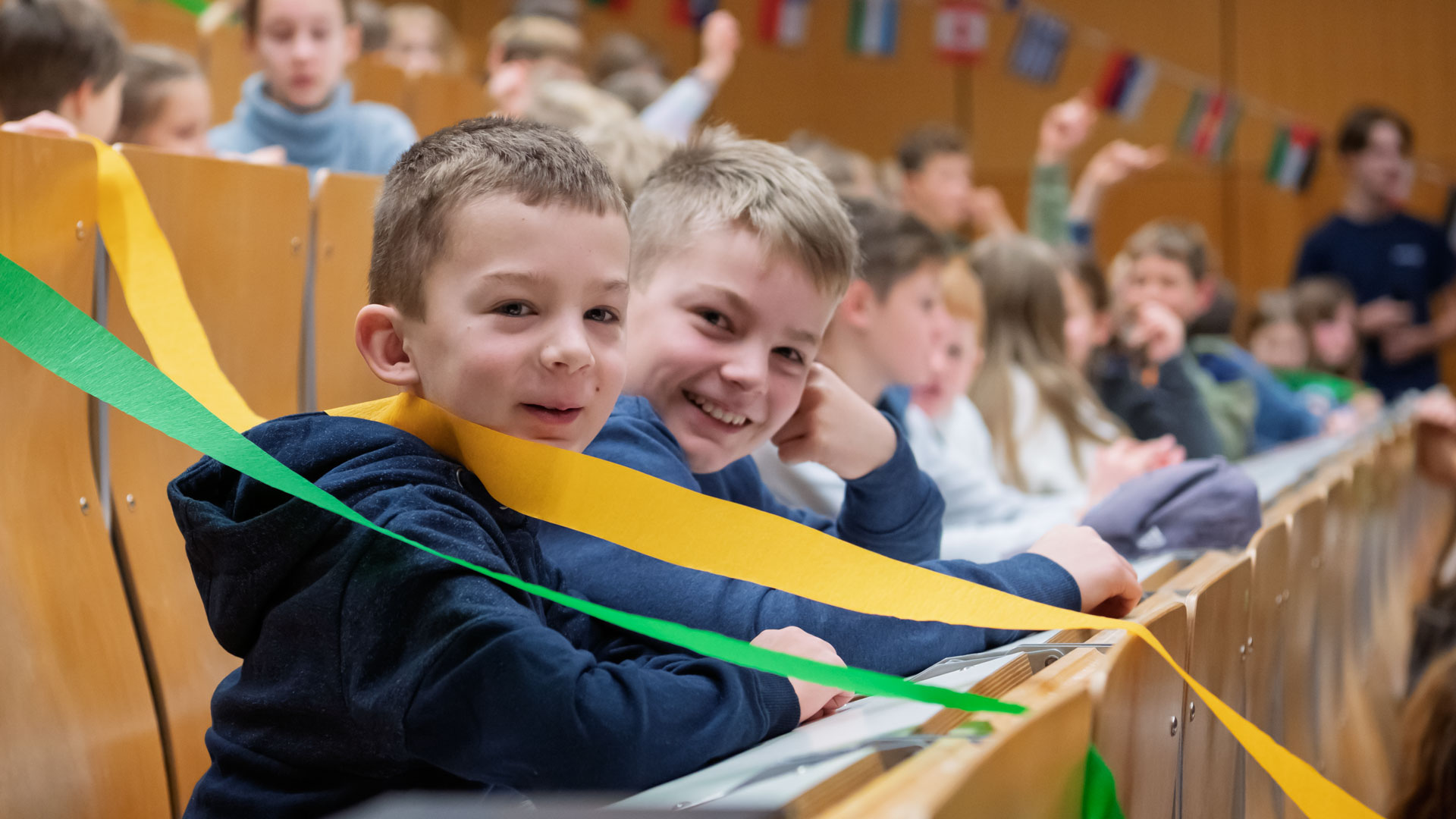
The two lecturers, Professor Susanne Günther from the Faculty Media Sciences and Ulrike Worbs-Reichenbach from the HSMW’s International Office, took the children on a journey around the world that began at the breakfast table. It became clear right from the start that many foods have travelled a long way before they end up on our plates and are linked to people, production conditions and transport routes in other countries. Globalisation was made tangible by a large ‘spider’s web’ stretched out between the children in the middle of the lecture theatre using coloured ribbons. Children who had been on holiday this year in the same part of Europe or outside Europe linked up with one another. This created a network that illustrated just how closely people from different places and walks of life are connected. With breakfast and holiday destinations, the foundation for this lecture had been laid.
Afterwards, the children traced the journey of the cocoa bean from the plantation to the chocolate bar. Some even tasted a raw bean – and were surprised to discover that a few ingredients are still missing before it tastes as sweet as the finished product. This led to a discussion about who is involved in chocolate production and the role fair pay plays. The children then thought specifically about what they themselves could do to make globalisation fairer: for example, shopping more consciously, looking out for labels and the origin of products, using things for longer, or talking to their families about fair-trade products. It became clear that children, too, have scope for action and can help shape what global trade might look like in the future through the choices they make.
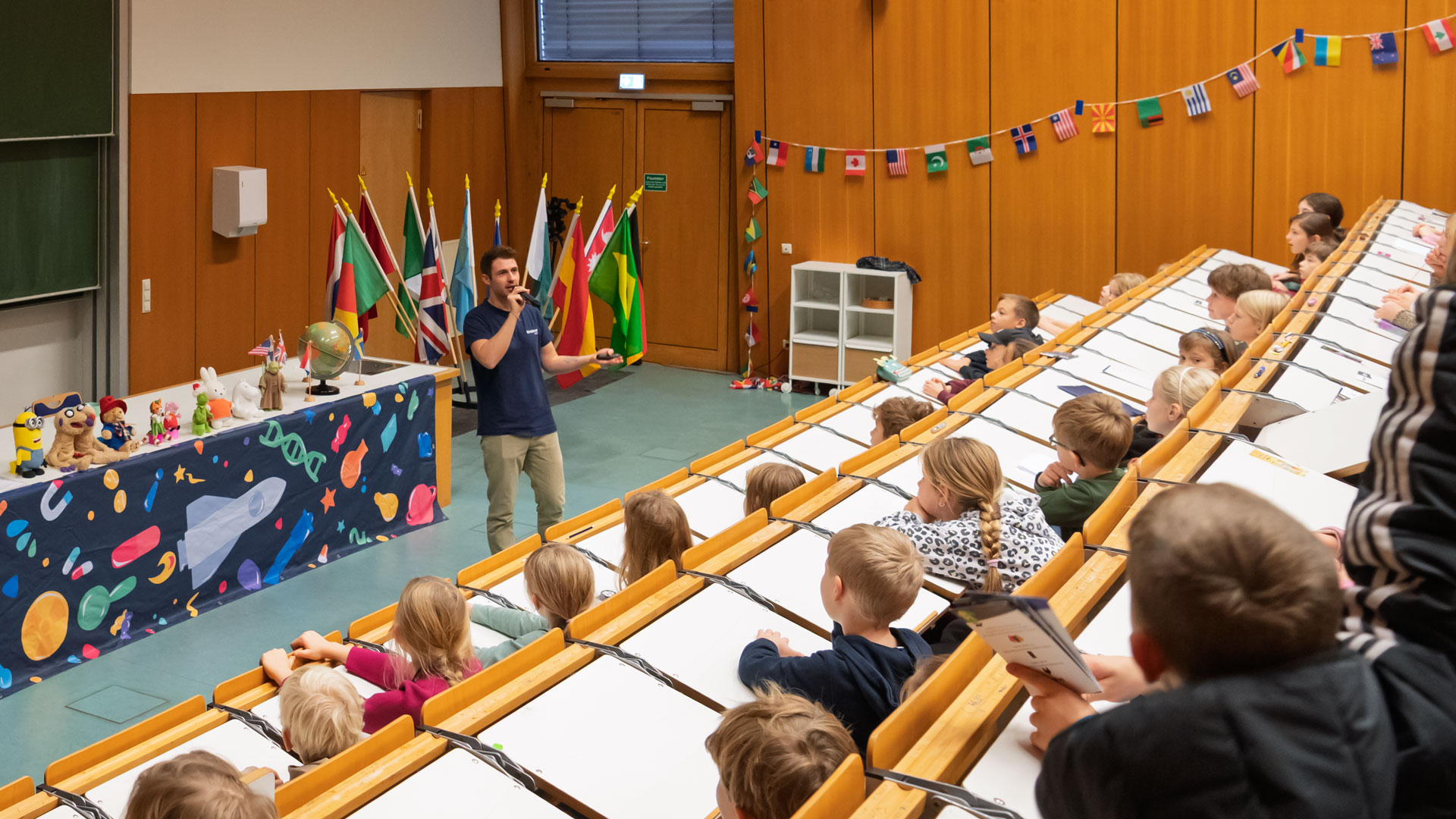
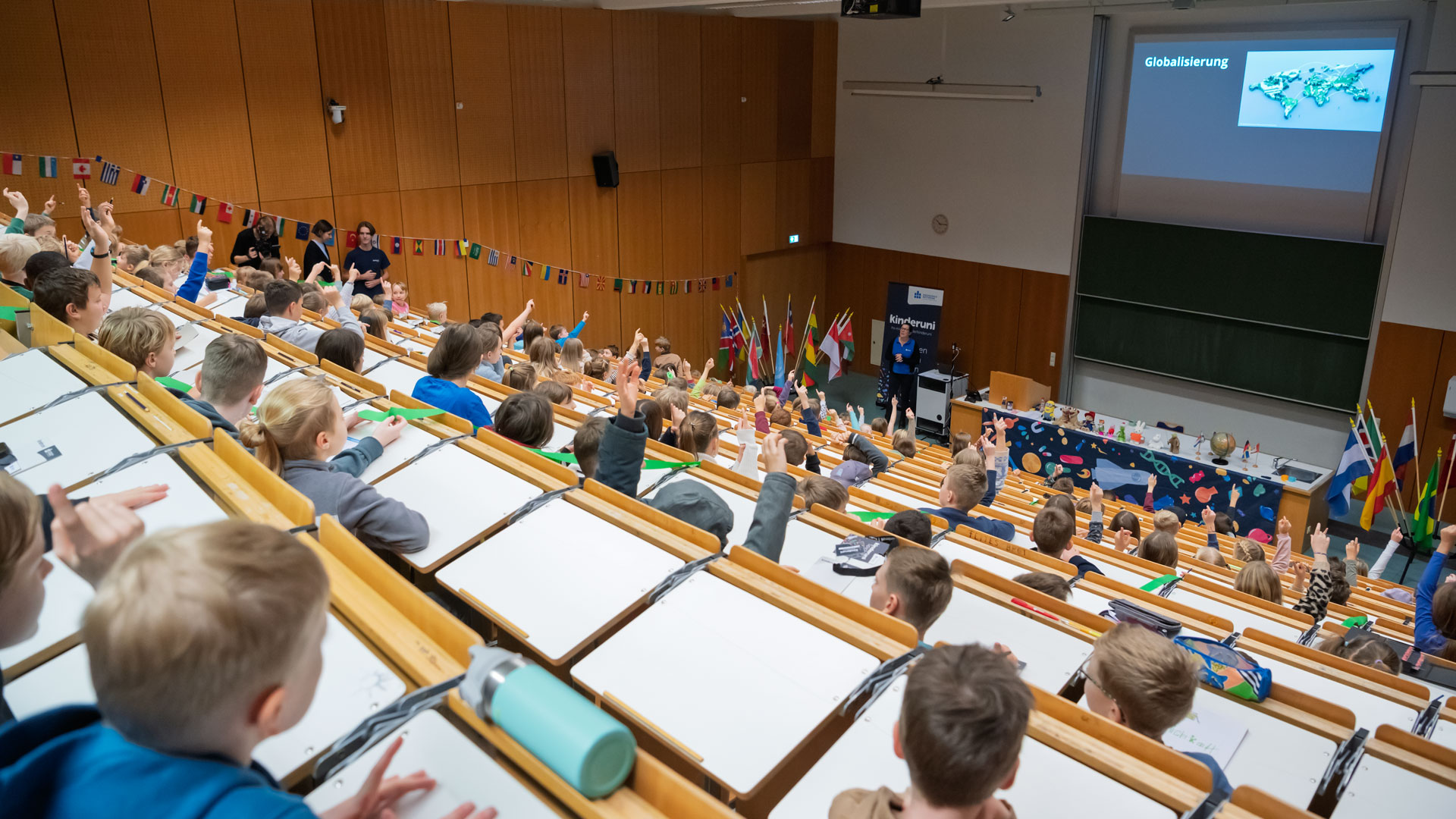
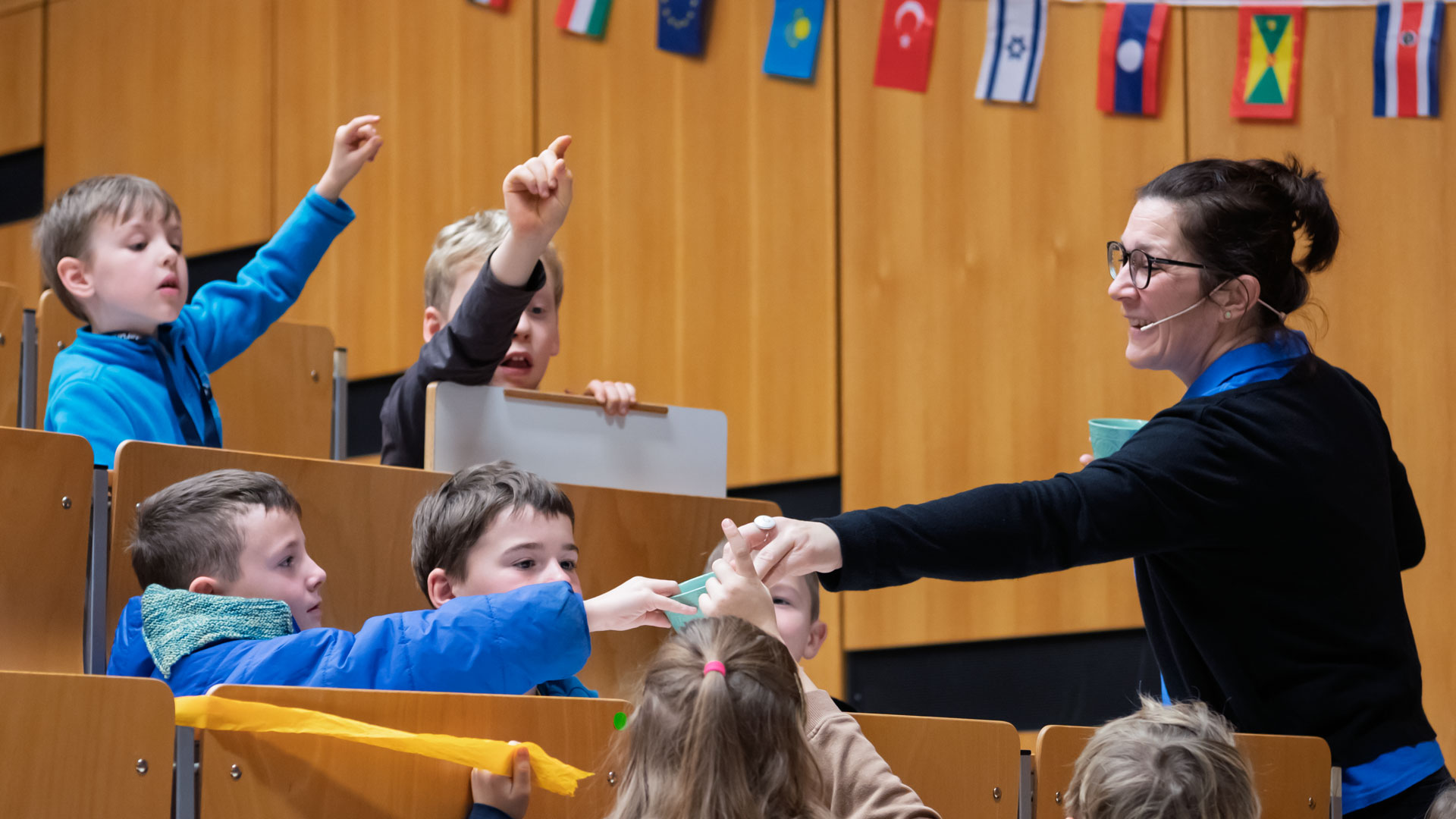
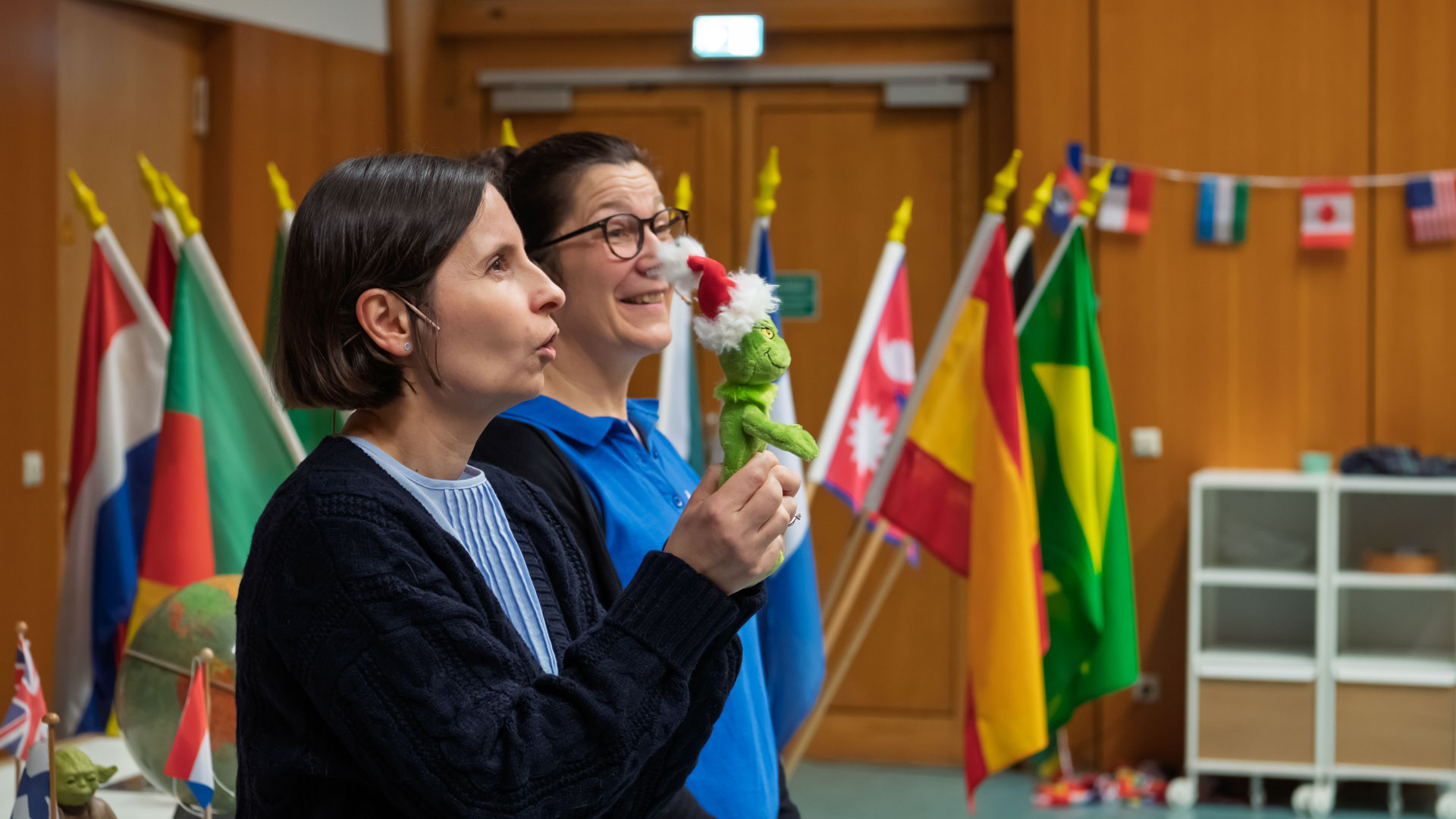
Another interactive part of the lecture focused on well-known characters from film and television: the children matched them to their actual countries of origin and discovered just how much their media world is shaped by international productions. A look behind the scenes revealed that stories, heroines and heroes often come from completely different parts of the world than it might seem at first glance.
In the foyer, the exhibition ‘Global Stories – Stories of Sustainable Action’ complemented the lecture’s theme with numerous examples of how people around the world are taking responsibility. Parents and children were able to discover there how projects, initiatives and individuals are striving to make globalisation fairer and more environmentally conscious.
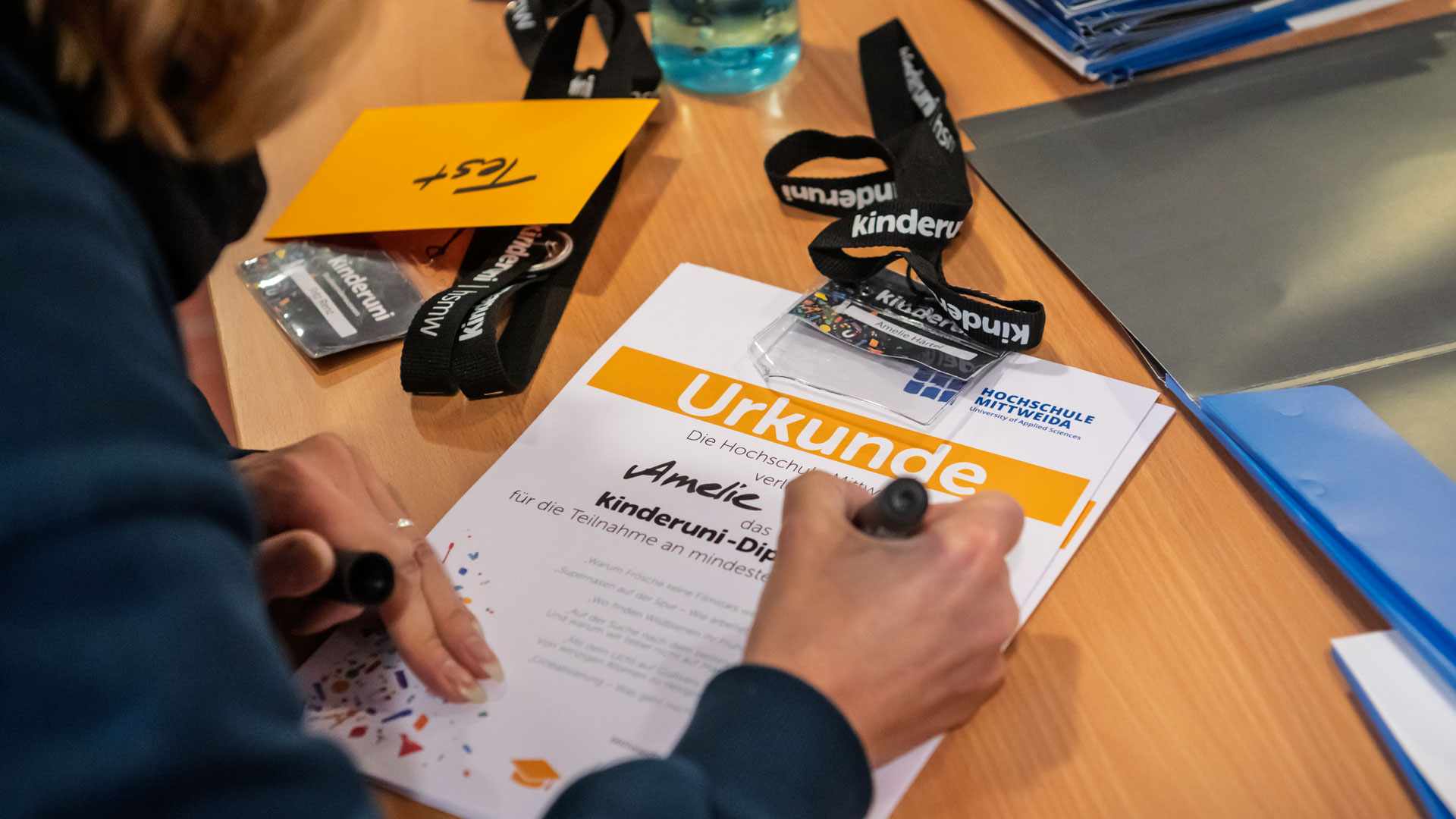
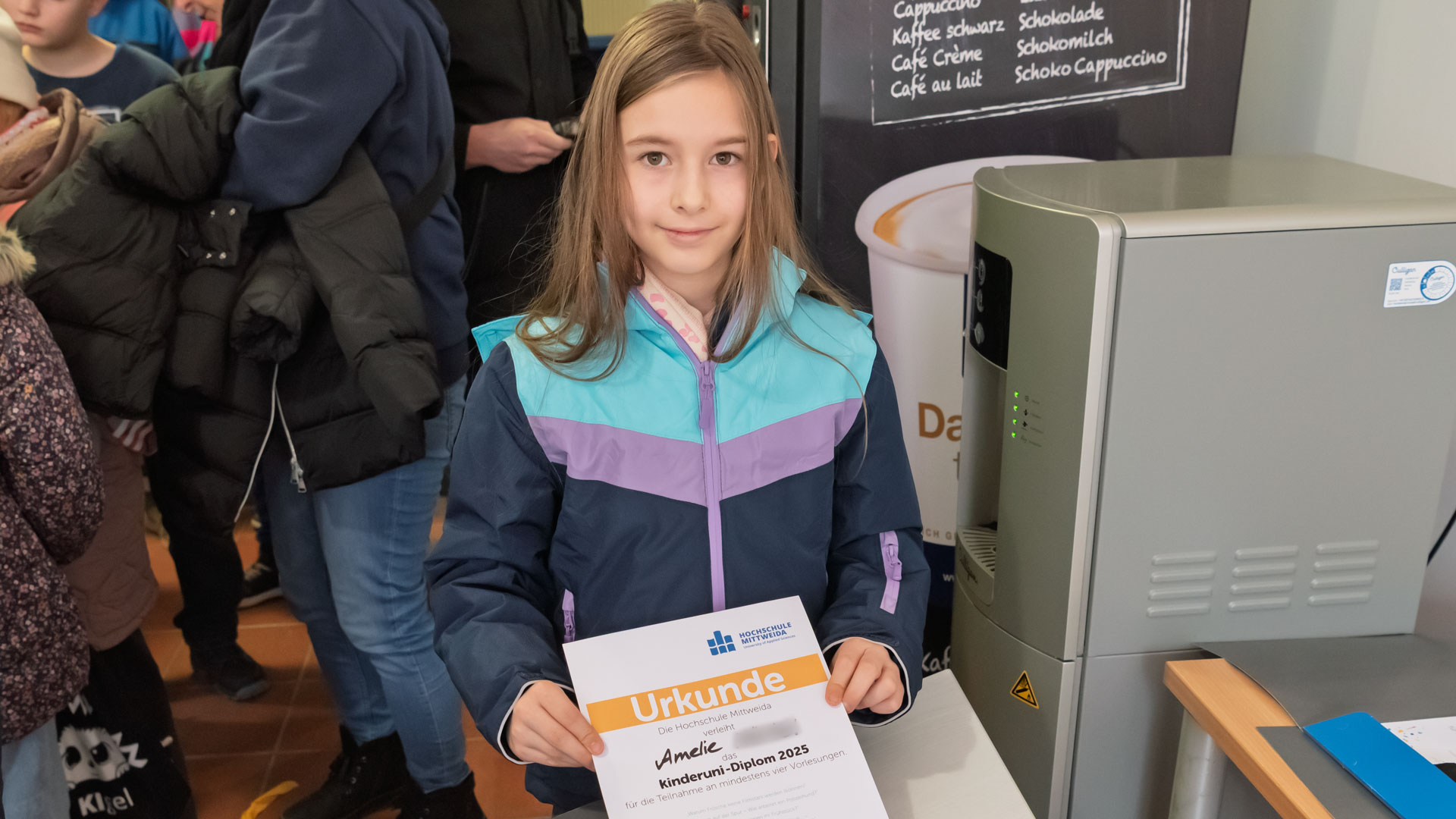
The awarding of 96 Children’s University diplomas marked the end of a successful Children’s University year – both for the children who had attended at least four of the six events and for the team behind the Children’s University at HSMW.
Robin Biebl, organiser of the Children’s University, sums it up: “The year 2025 has shown just how firmly established our Children’s University has become as a family-friendly event. From animated films and police sleuths to bee research, the speed of light and globalisation, hundreds of children have discovered that science, together with social and STEM topics, is very much part of their everyday lives. We’re taking this enthusiasm with us into the new 2026 programme. This will once again be based on the wishes of children and parents, whilst also addressing topics that are particularly important at the moment.”
The 2026 Children’s University academic year begins on 28 February
In 2026, the Children’s University at Mittweida University of Applied Sciences will kick off with a range of new, colourful topics. The programme will once again feature four lectures on campus, a special event for the Night of Sciences (Nacht der Wissenschaften), and an ‘On Tour’ event where children can experience science in the open air. It all kicks off on 28 February with ‘Prejudices – When our minds play tricks on us’.
Interested families can find all the dates and topics for the new programme, as well as the Children’s University guide, on the Children’s University website. There’s also the option to subscribe to the newsletter to make sure you don’t miss any of the ‘aha moments’ in 2026.
Text: Robin Biebl
Photos: Helmut Hammer