This page was translated automatically using artificial intelligence (DeepL). The German version is binding. More information about automatic translation
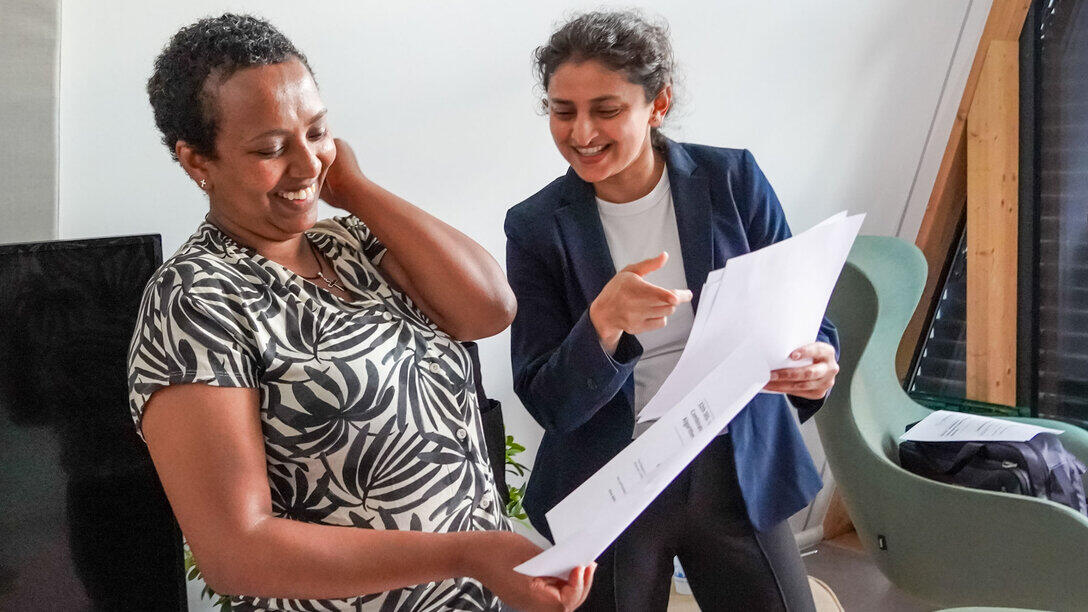
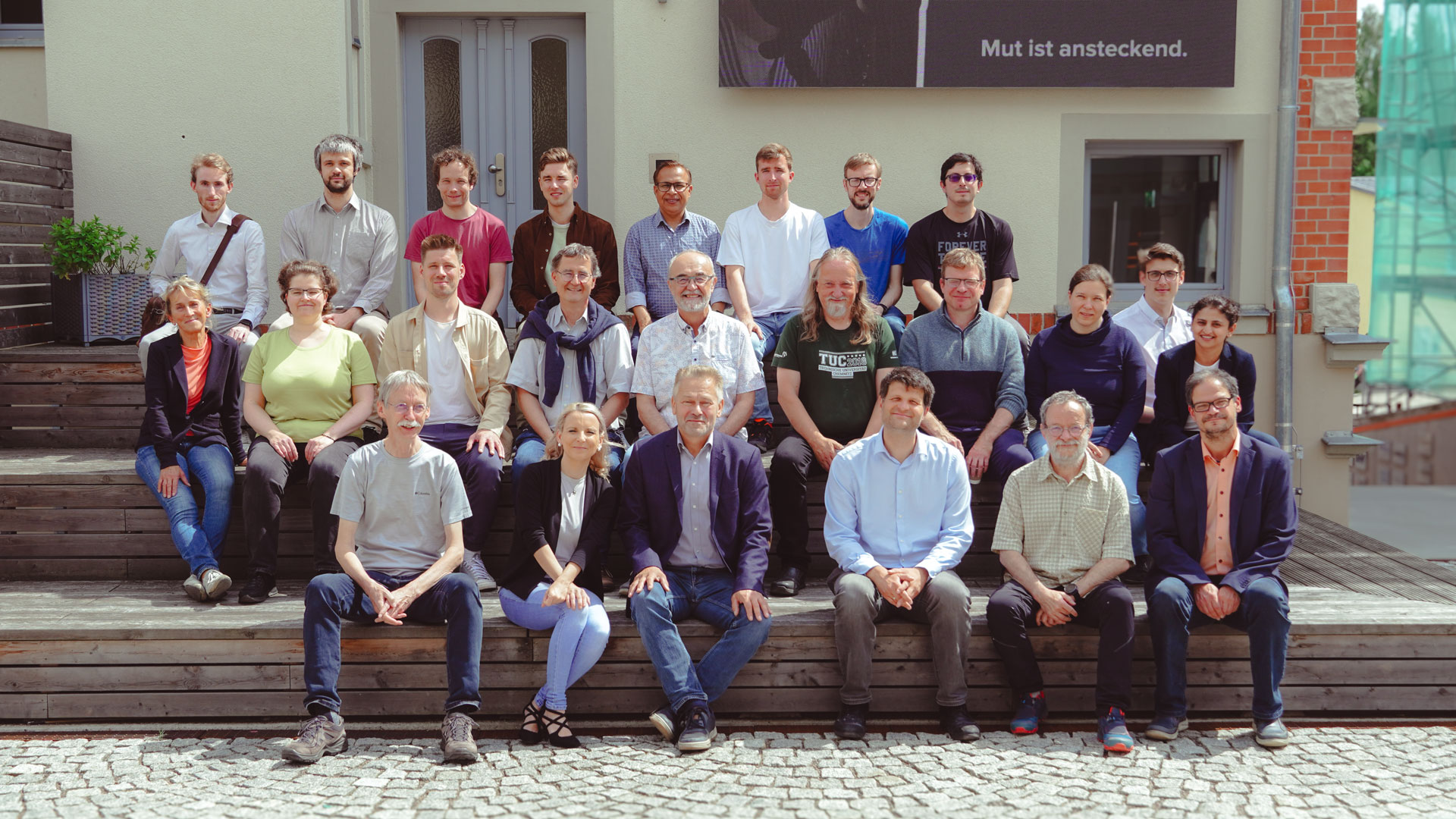
Whether a sat-nav is calculating the shortest route, a message is being encrypted as it travels across the network, or a file is being compressed, there is usually a touch of discrete mathematics behind it. It was precisely this field of research that was the focus of attention on 16 June 2026 at the Telewerk real-world laboratory at Mittweida University of Applied Sciences (HSMW). The university hosted the 32nd workshop of the Southeastern Germany Group (SEG), which brought together around 30 mathematicians from Germany and abroad.
More than just theory
We encounter discrete mathematics every day, without realising it: it provides the models and algorithms for route planning, secure data transmission, data compression and the optimisation of flight and transport networks. It thus forms the basis for key sub-fields of computer science, logistics and telecommunications. Graphs and networks play a key role here as models for communication, social, road and infrastructure networks – for example, in finding the shortest paths, analysing network reliability or solving frequency allocation problems in mobile communications.
For the HSMW, this topic is also of strategic importance: network analysis and the secure, cryptographically protected transmission of information feature prominently in research at Mittweida – areas in which discrete mathematics is methodologically indispensable. This is reflected, amongst other things, in the – English-taught – Master’s programme ‘Applied Mathematics for Network and Data Sciences’, which combines automata theory, coding theory, cryptology, mathematical network analysis and stochastic modelling, and trains young mathematicians at the interface with computer science.
Discrete mathematics is also increasingly being used to design, optimise and secure AI systems against attacks. Conversely, artificial intelligence raises new questions for fundamental research – such as how proofs can be formally verified and how well AI systems themselves can handle discrete structures, graphs or combinatorial problems. In this context, discussions in Mittweida also focused on how AI-supported methods can be verified and benchmarked using lean-based proof techniques.
A field with a promising future for early-career researchers
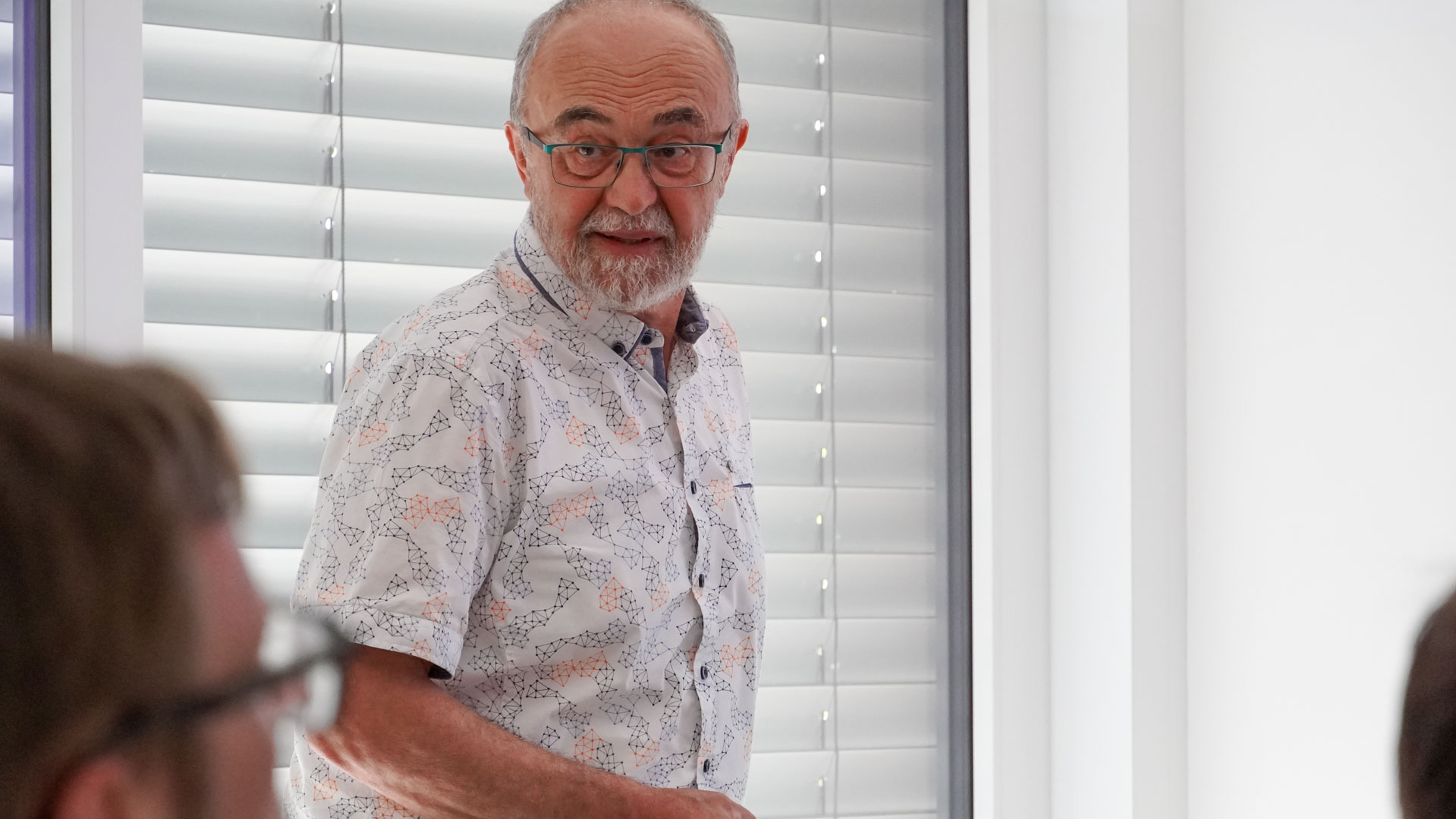
Professor Klaus Dohmen summarises: “The workshop showed that discrete mathematics extends far beyond the traditional problems of graph theory and combinatorics. In view of networked infrastructures, secure digital communication and the growing use of artificial intelligence, it is becoming increasingly important.” Dr Mandy Lange-Geisler adds: “The Southeastern Group is an important platform for this: it brings together researchers from various universities, promotes academic exchange and, in particular, opens up networking opportunities for early-career researchers. In future, too, our collaboration is set to contribute to the development of mathematical foundations that make digital technologies not only more powerful, but also more secure and reliable.”
Mathematics from Central Germany
Dr Mandy Lange-Geisler and Professor Klaus Dohmen from the Mathematics Section of the Faculty Applied Computer Sciences and Biosciences at HSMW organised this year’s workshop. The SEG community is a long-standing association of research groups in discrete mathematics at the universities and universities of applied sciences in Chemnitz, Dresden, Freiberg, Ilmenau, Jena, Leipzig and Mittweida University of Applied Sciences.
From New Zealand to Mittweida
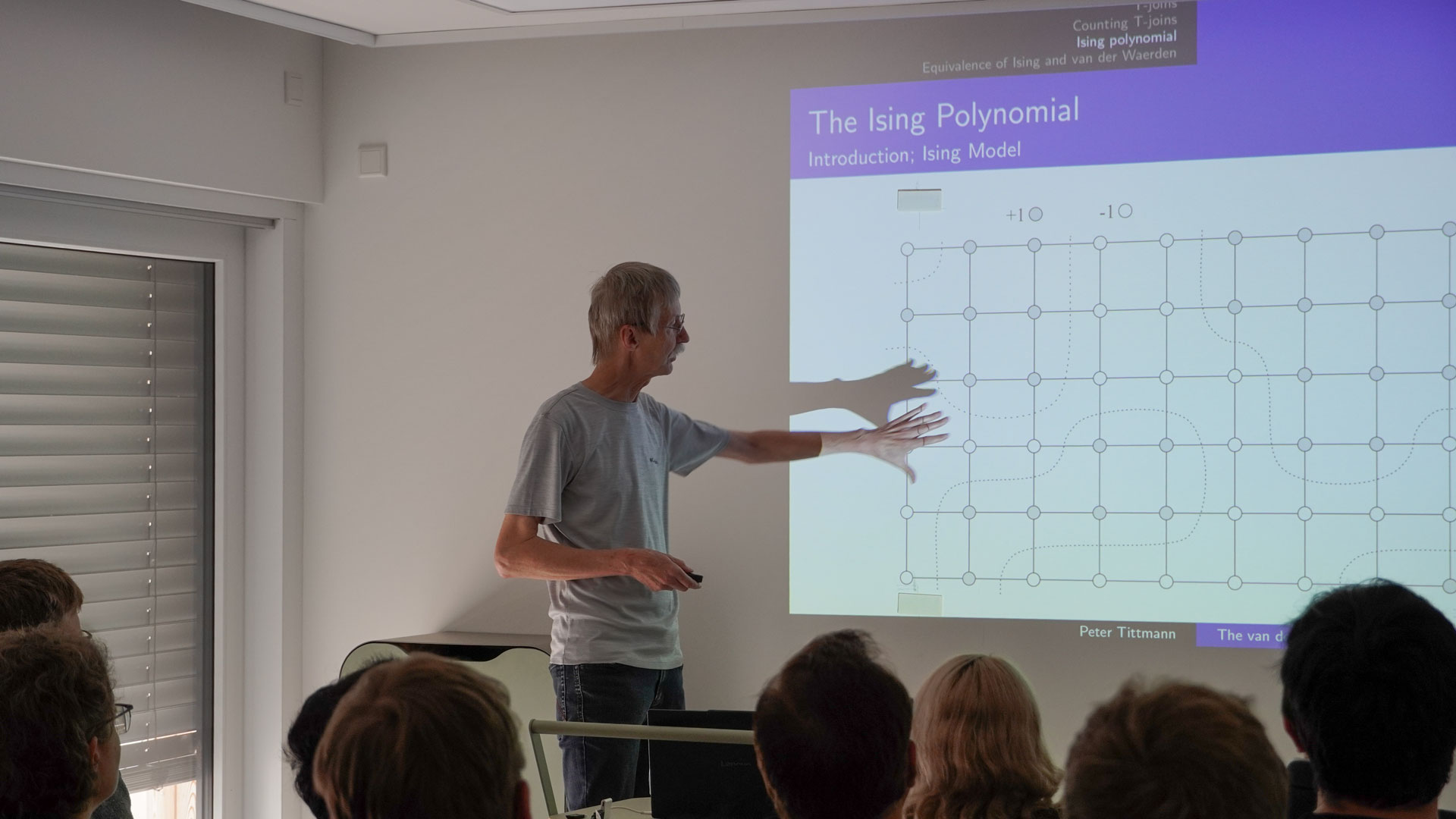
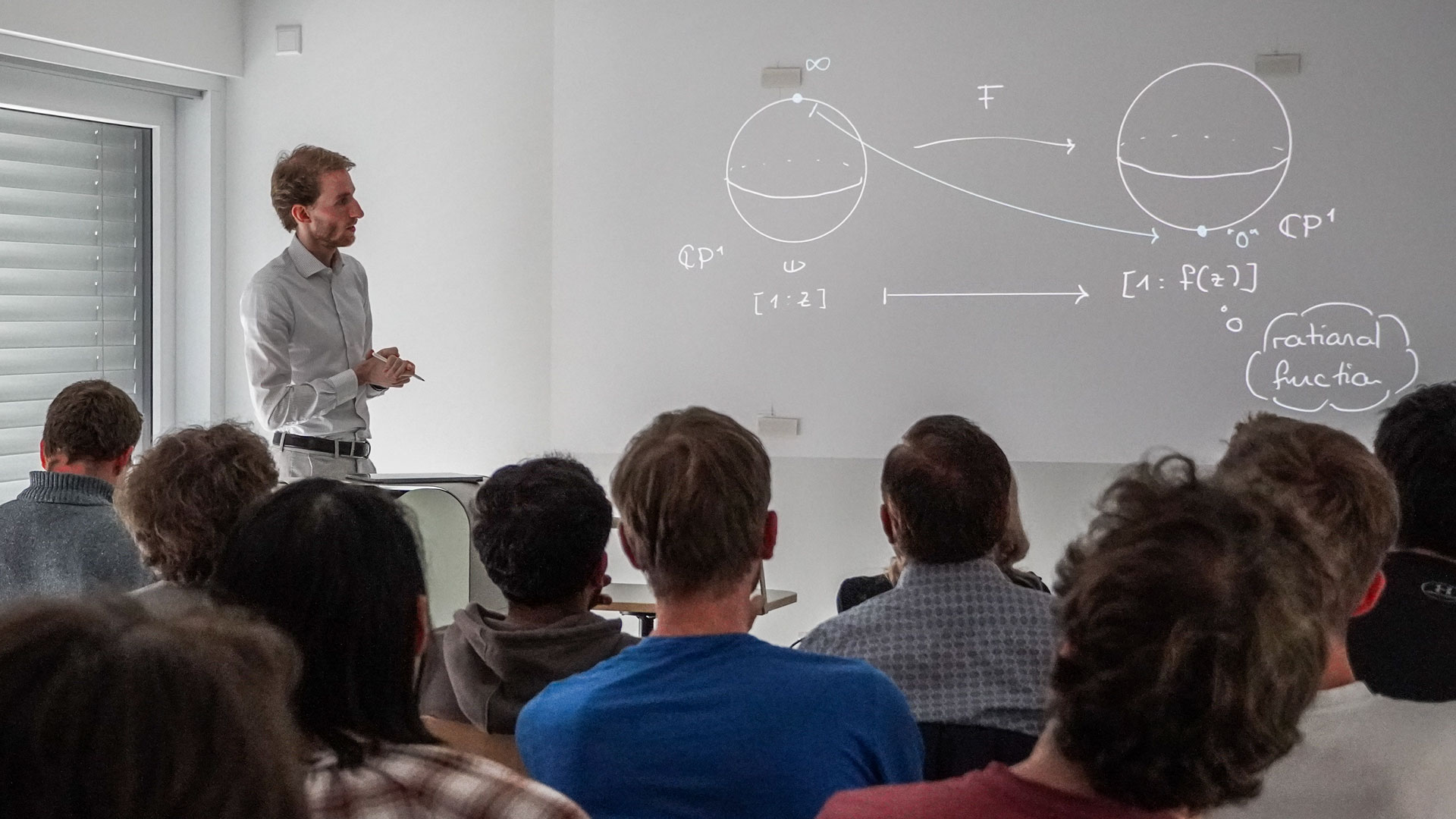
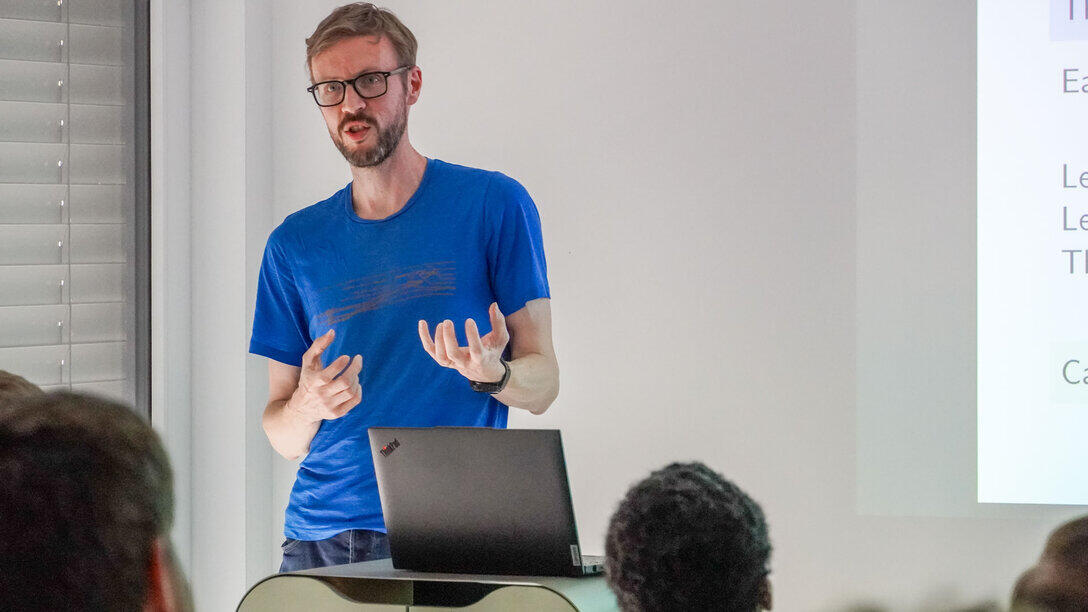
The Southeastern Group was not entirely amongst themselves: Prof. Dr Nick Bretell from Victoria University of Wellington joined them as a guest from New Zealand. The mathematics department at Mittweida also has an international flavour: Dr Frether Kebede, who moved from Addis Ababa University to HSMW in 2023, provided an insight into her current research in the field of enumerative combinatorics. The presentations by Professor Thomas Kalinowski (University of Rostock), Professor Jochen Harant (Ilmenau University of Technology), Professor Peter Tittmann, Dr Mandy Lange-Geisler and Max Schult (HSMW), the breadth of the research field was outlined: from structural problems in graph theory and combinatorics to algorithmic aspects.
Meetings at Telewerk
The Telewerk real-world laboratory was not only the perfect venue for the workshop – which was characterised by technical expertise and networking – in terms of its atmosphere. Built using innovative timber construction methods, HSMW is testing here, in a real-world setting, aspects such as the cyber security of modern working environments, digital infrastructures, Internet of Things connectivity and renewable energy supply.