This page was translated automatically using artificial intelligence (DeepL). The German version is binding. More information about automatic translation
How are digital technologies changing the way we deal with the climate crisis and city-centre life – and what are the limits? The second and third evenings of the ‘Controversial Dialogue (Dialog Kontrovers) – ZwischenWelten’ series at Mittweida University of Applied Sciences (HSMW) were devoted to these questions. A look back.
Hybrid solutions for climate change?
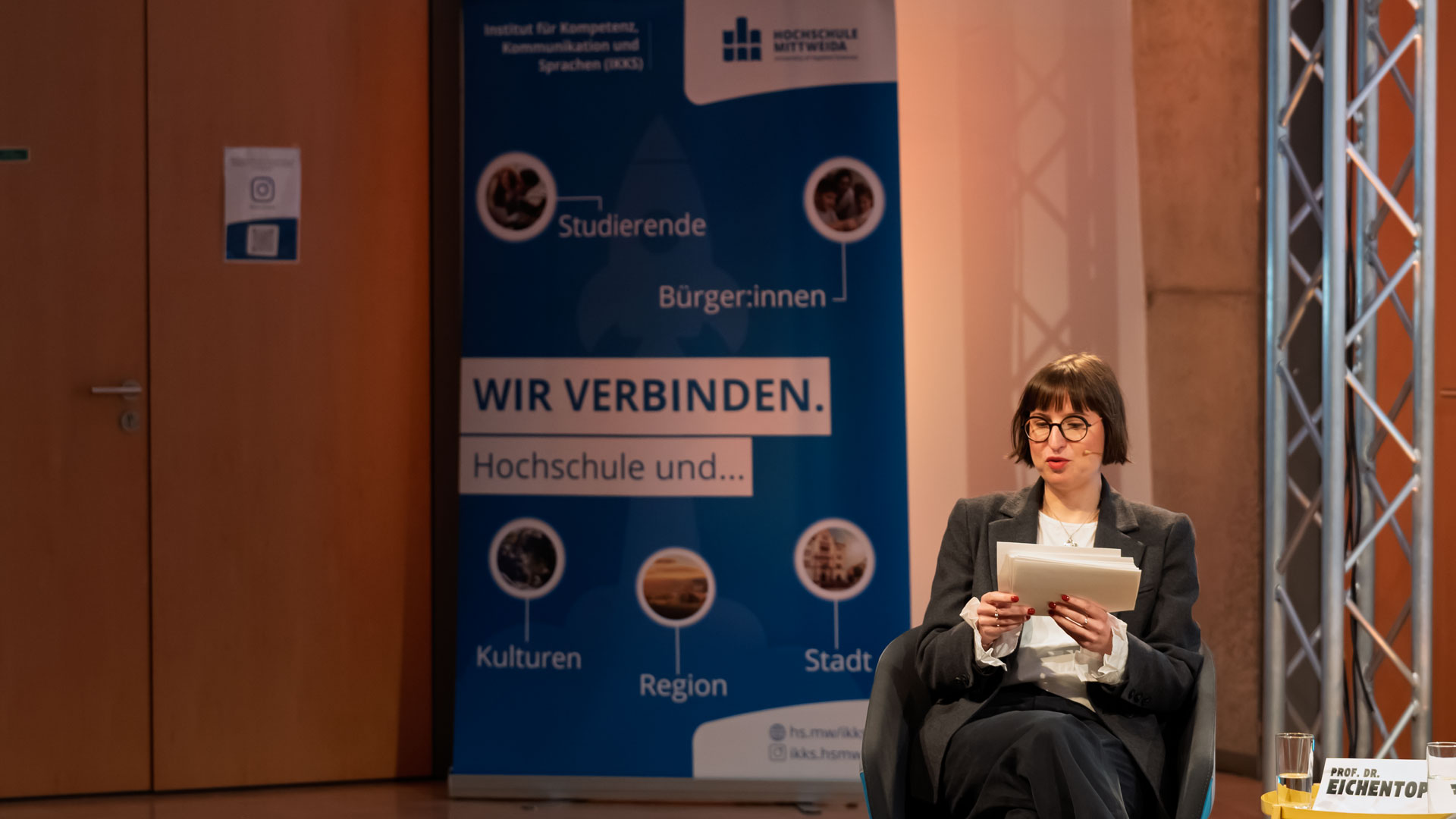
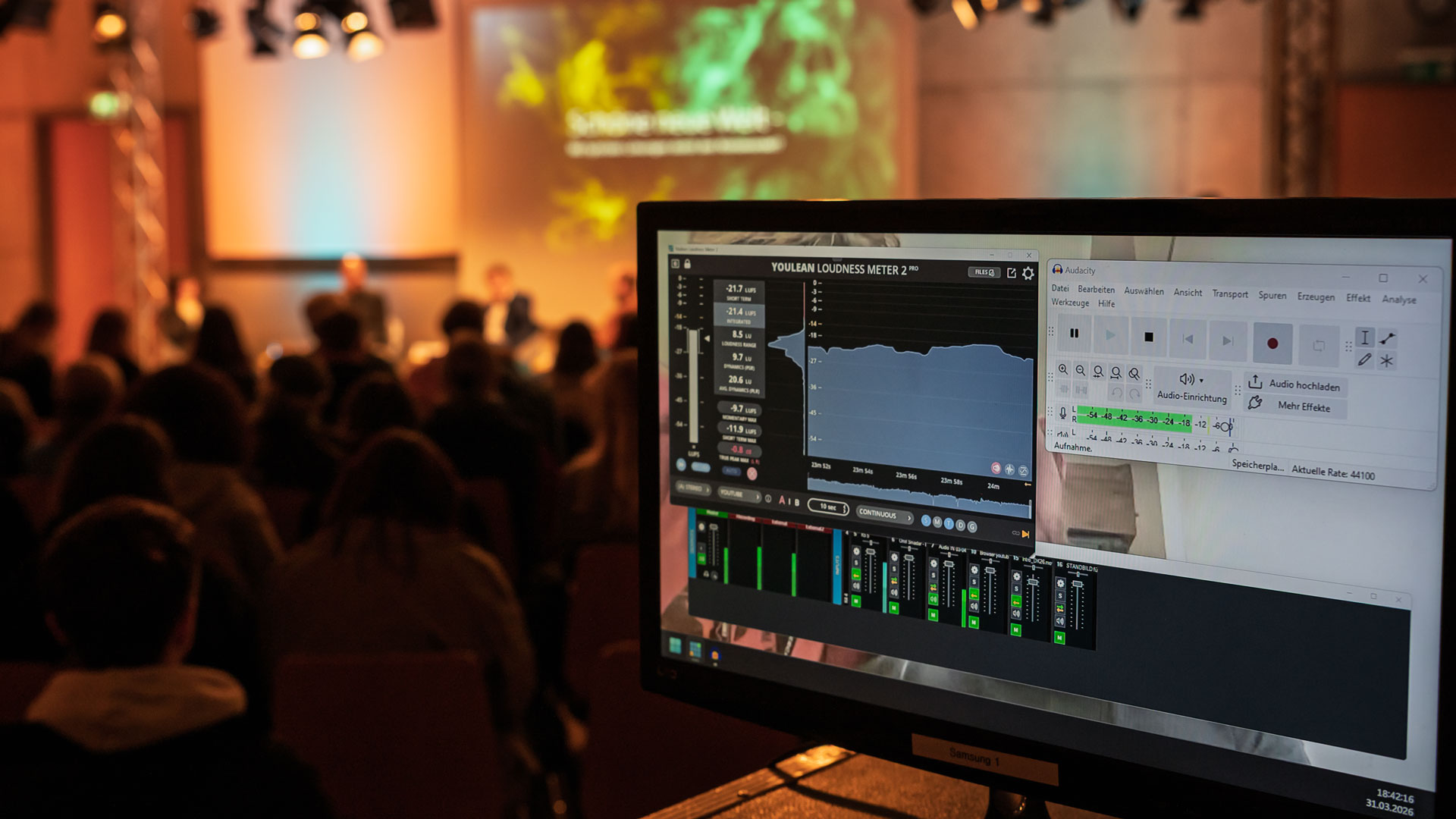
At the second themed evening on 31 March, three experts discussed how digital technologies can contribute to greater sustainability and what environmental and social costs are associated with them. The moderator, Professor Inga-Maria Eichentopf from HSMW, emphasised the ambivalence: AI, sensor technology and data-based systems are regarded as key to combating the climate crisis, yet at the same time, energy consumption, resource requirements and emissions from digital infrastructure are on the rise.
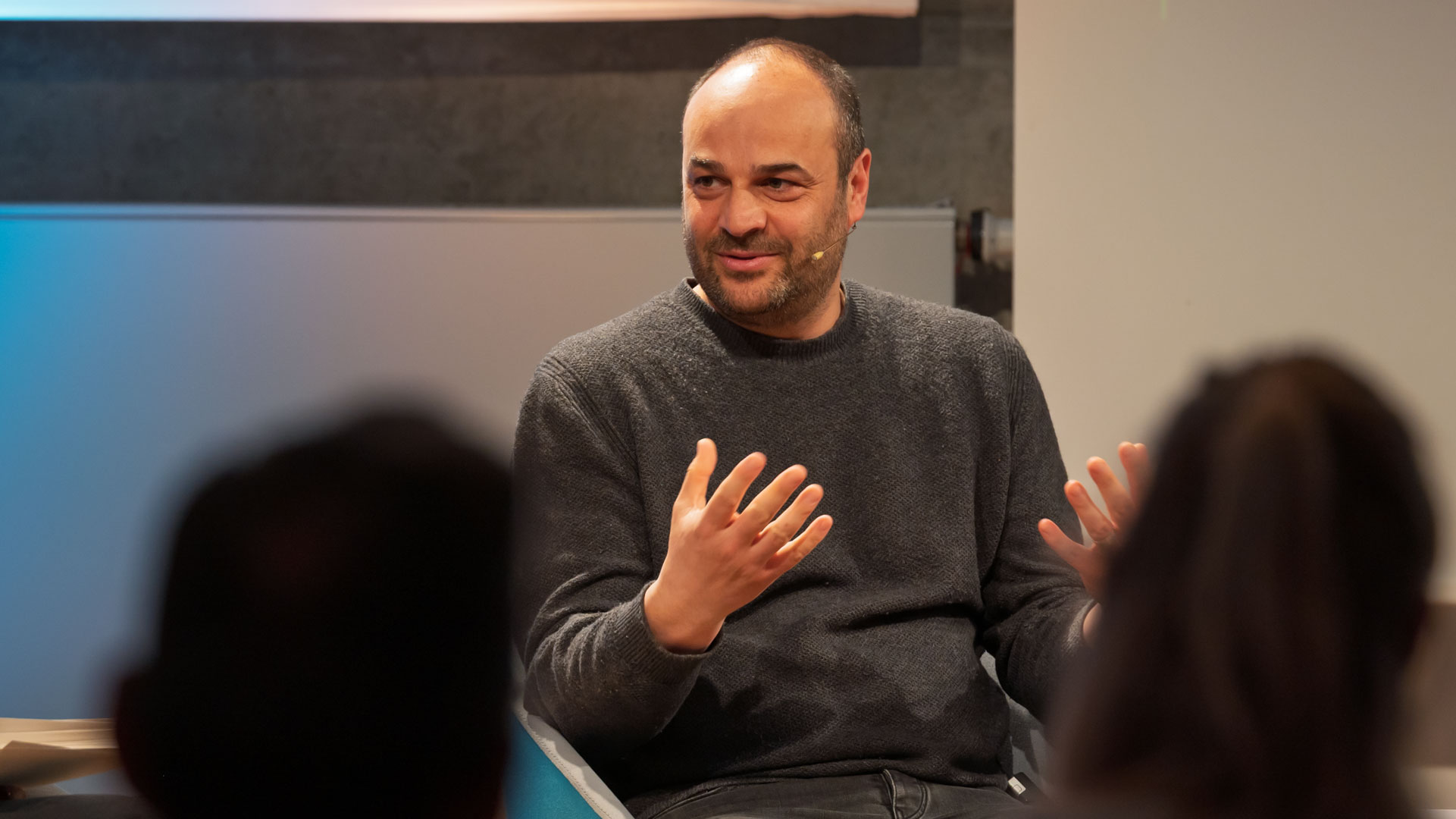
The contributions from the panellists collectively painted a picture of this area of tension. Professor Jan-Peter Mund from the Eberswalde University for Sustainable Development used the example of digitally surveyed forests to demonstrate how drones and AI can make complex ecosystems visible and enable better decisions in forestry and urban planning – provided the data is presented in a comprehensible way and actively utilised.
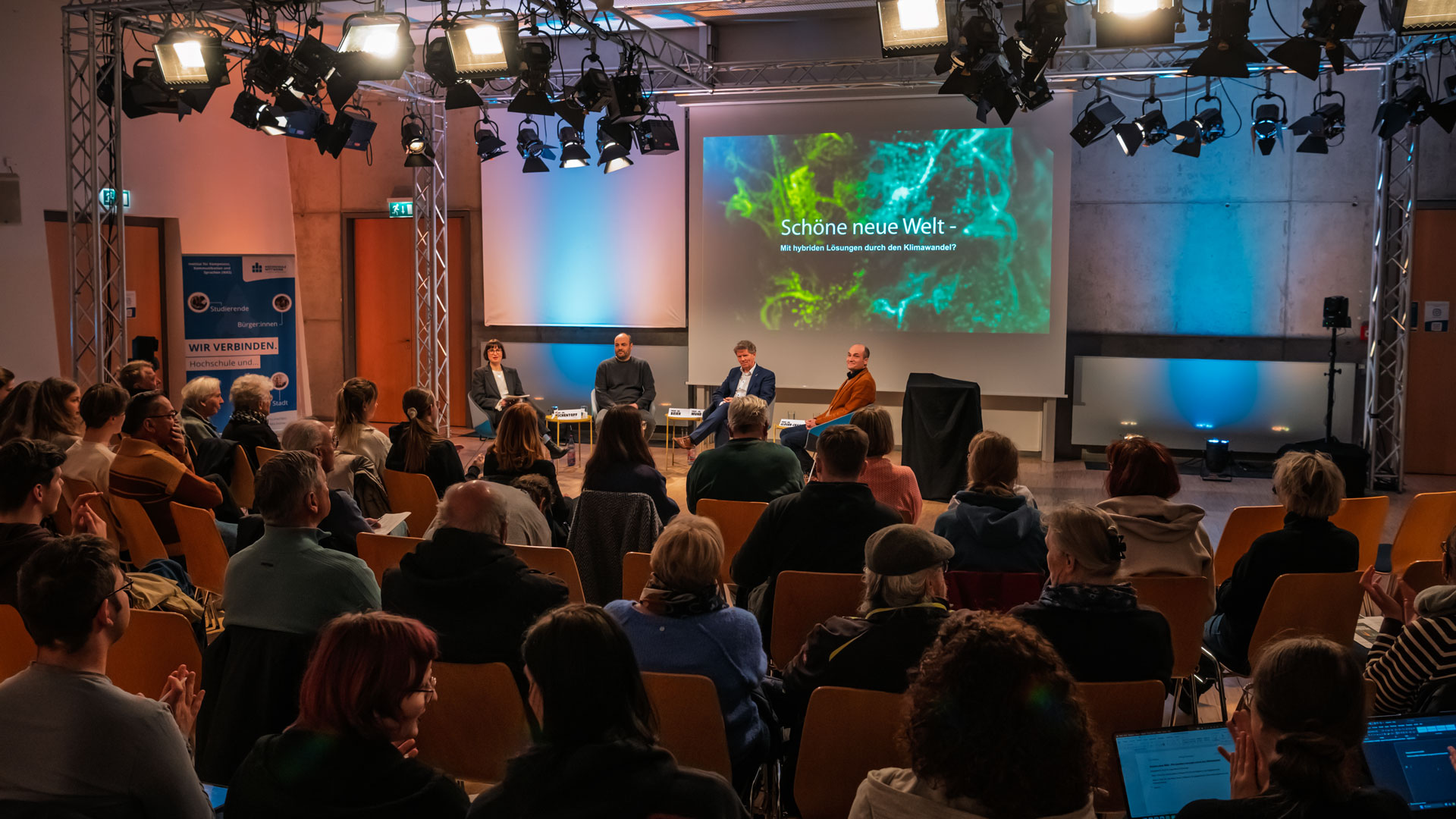
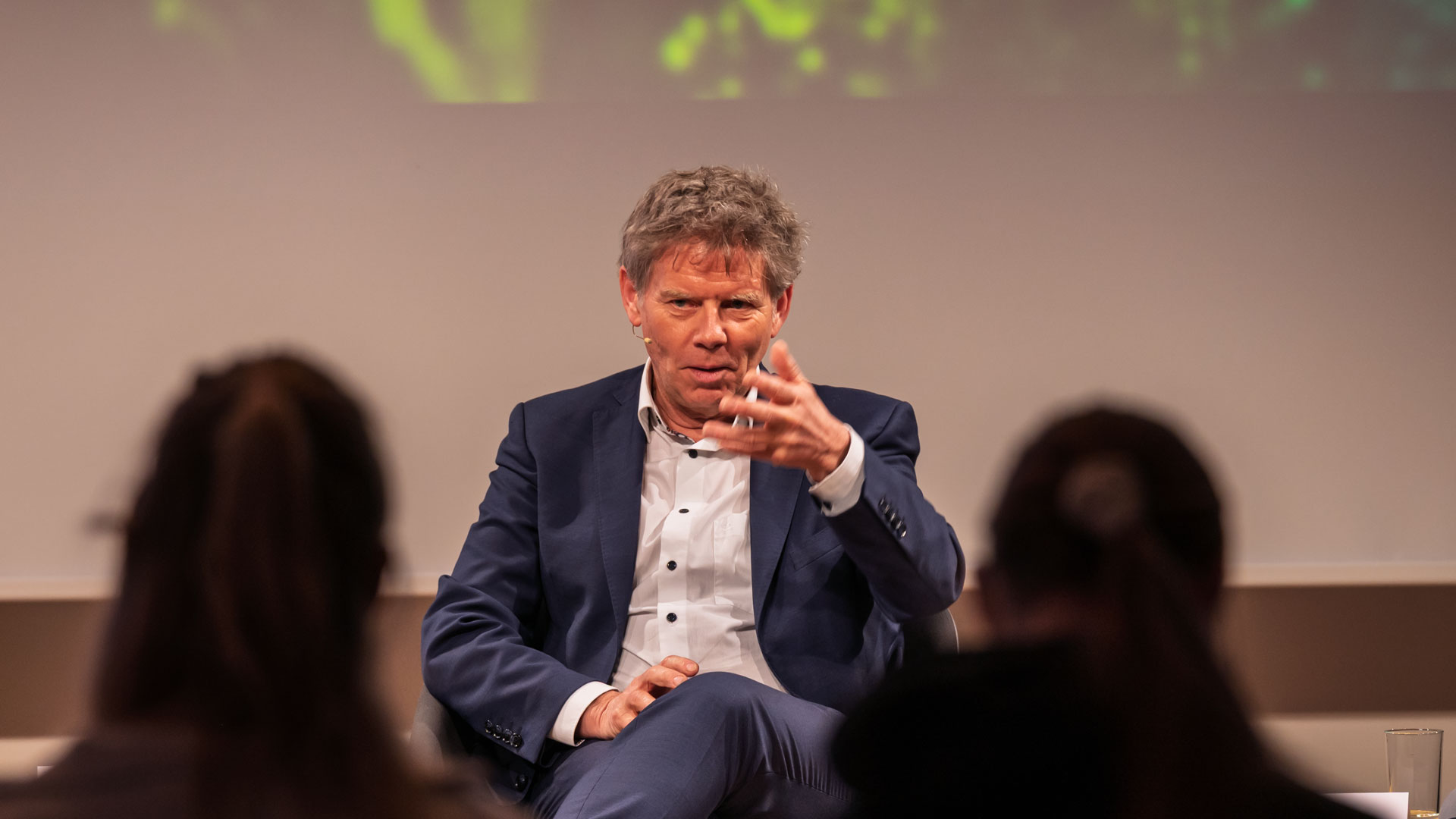
Professor Simon Gläser-Chahoud from the TU Bergakademie Freiberg highlighted the potential for a circular economy and recycling, but made it clear that only materials already present in waste can be recycled – new raw materials will remain necessary for the time being, for example for batteries. The digital product passport was highlighted as a key tool, which is set to provide information on the composition and lifespan of products in future.
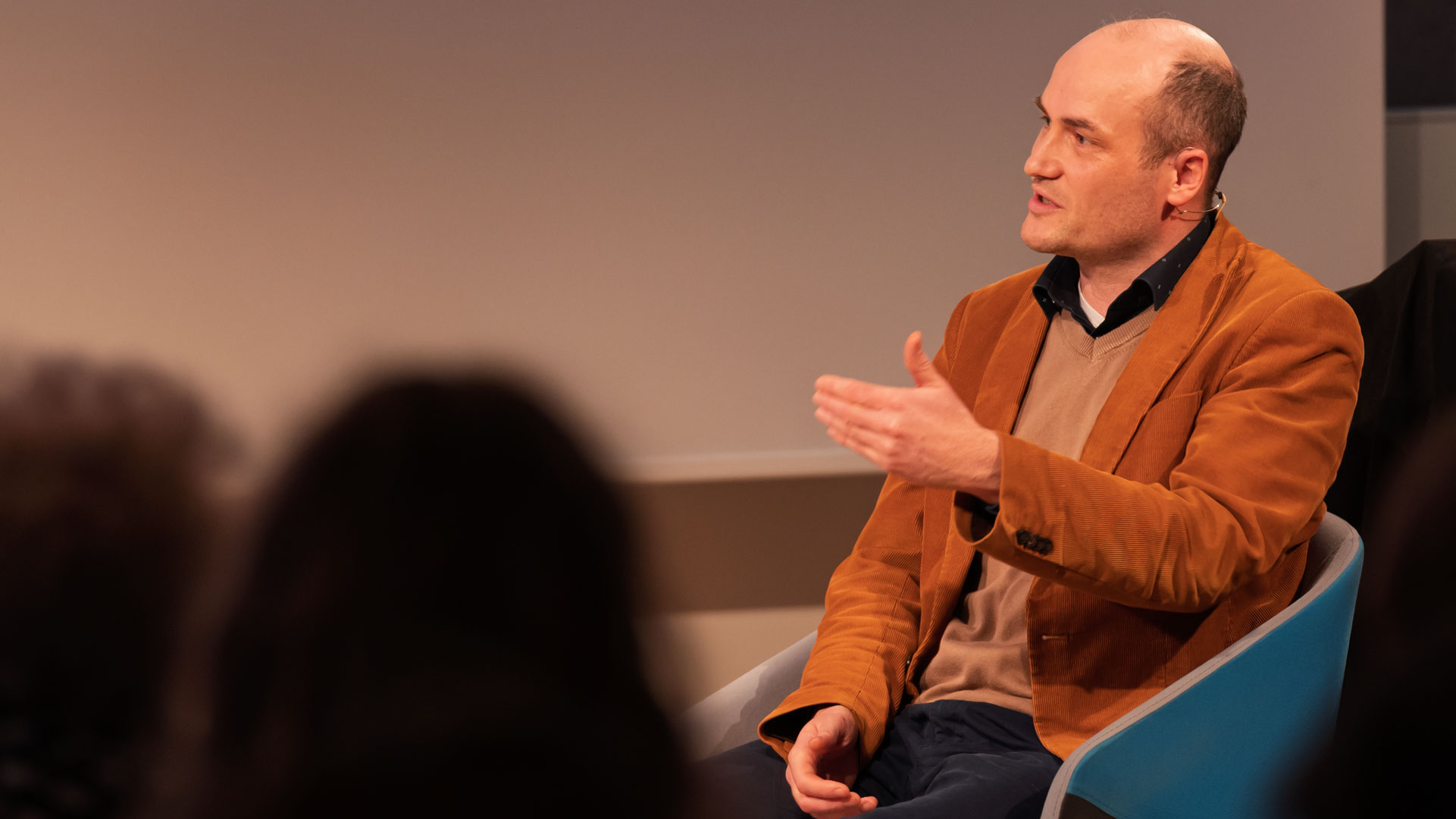
Professor Grischa Beier from the Research Institute for Sustainability in Potsdam framed the examples within the ‘Twin Transition’ of digitalisation and sustainability. Ideally, digital innovations are designed in such a way that sustainability goals are taken into account from the outset; however, empirical studies have shown that actual energy savings are often lower than promised and are, in some cases, offset by rebound effects.
There was a consensus that digital technologies are important tools which will not solve the climate crisis without social change, clear regulation and international cooperation – a ‘brave new world’ can only emerge through the conscious interplay of people, nature and technology.
Digital consumption and urban life
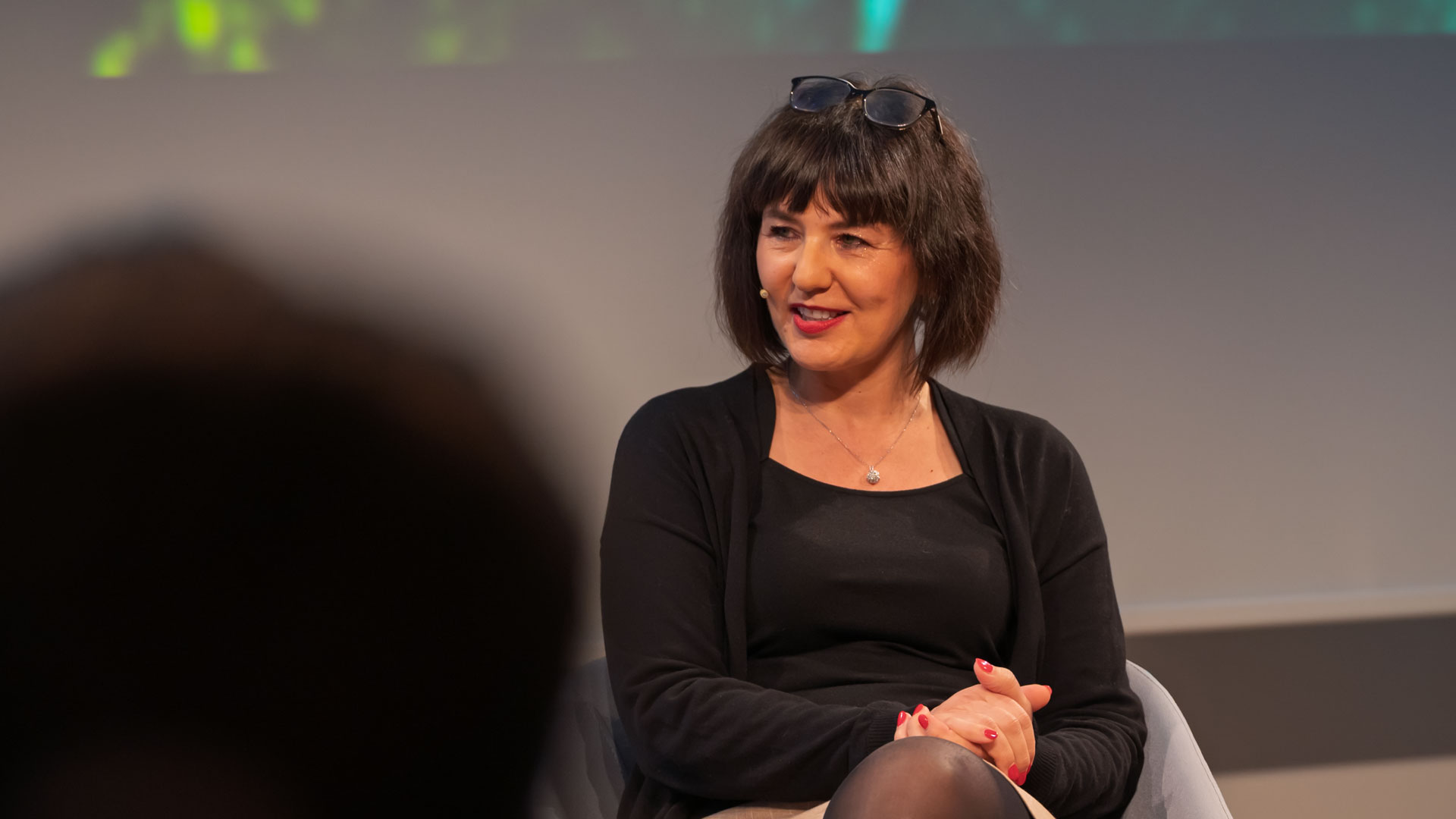
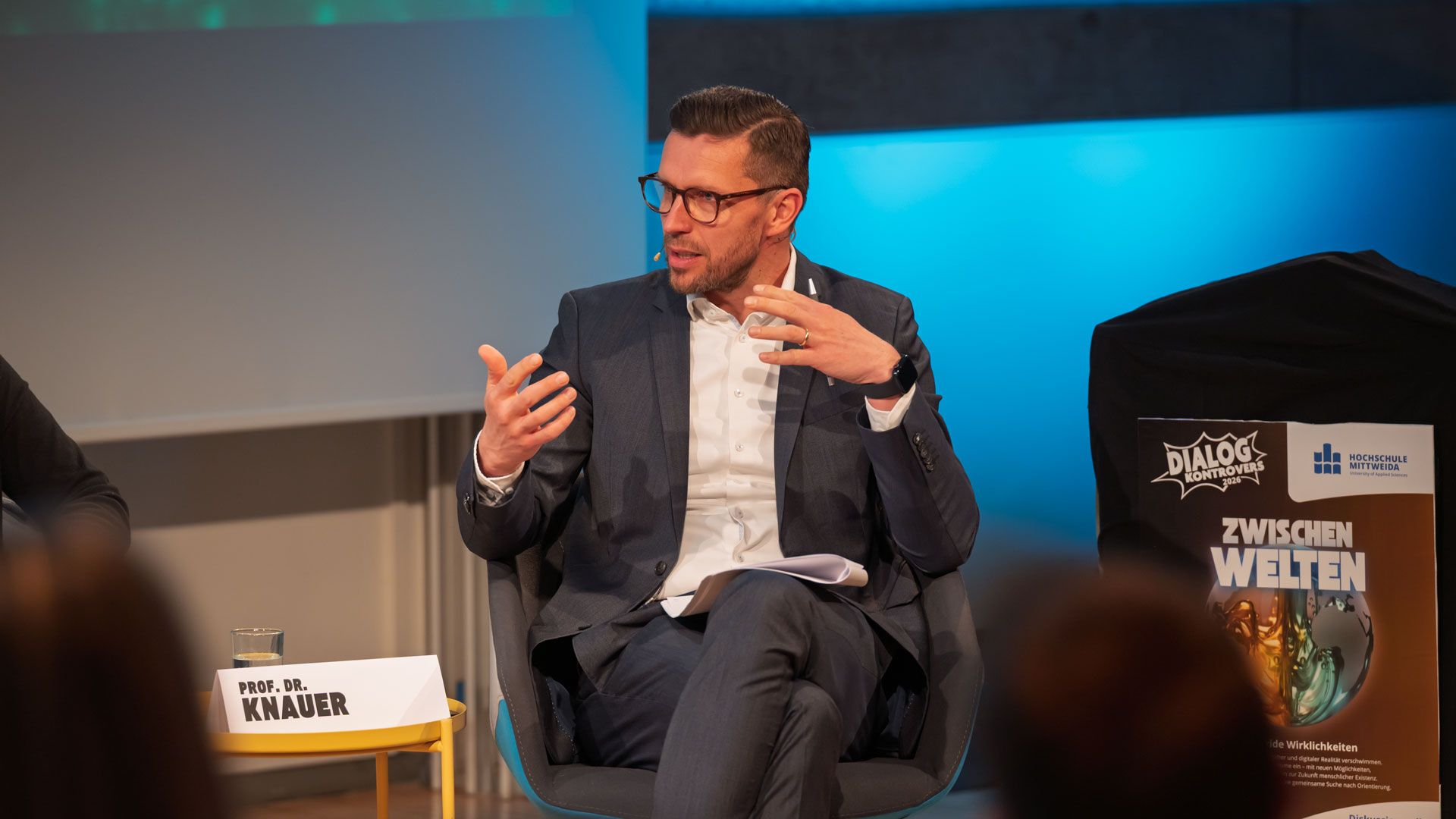
The third themed evening on 14 April brought ‘ZwischenWelten’ into everyday life in Mittweida. The host, Professor Anika Möcker of the HSMW, discussed with pharmacist and town councillor Uta Siling, Professor of Digital Business Dr Alexander Knauer of the HSMW, and urban planner Rico Ulbricht how online convenience and a vibrant town centre can go hand in hand.
A live poll on ‘Buying a hoover – locally or online?’ highlighted the tensions. Siling championed personal advice, in-store experiences and events such as late-night shopping or customer evenings, but also highlighted demographic change, succession issues and long working hours in the retail sector. Knauer analysed why digital business models are so successful: they are available at all times, scalable and highly data-driven – but they do not replace empathy and direct feedback in-store.
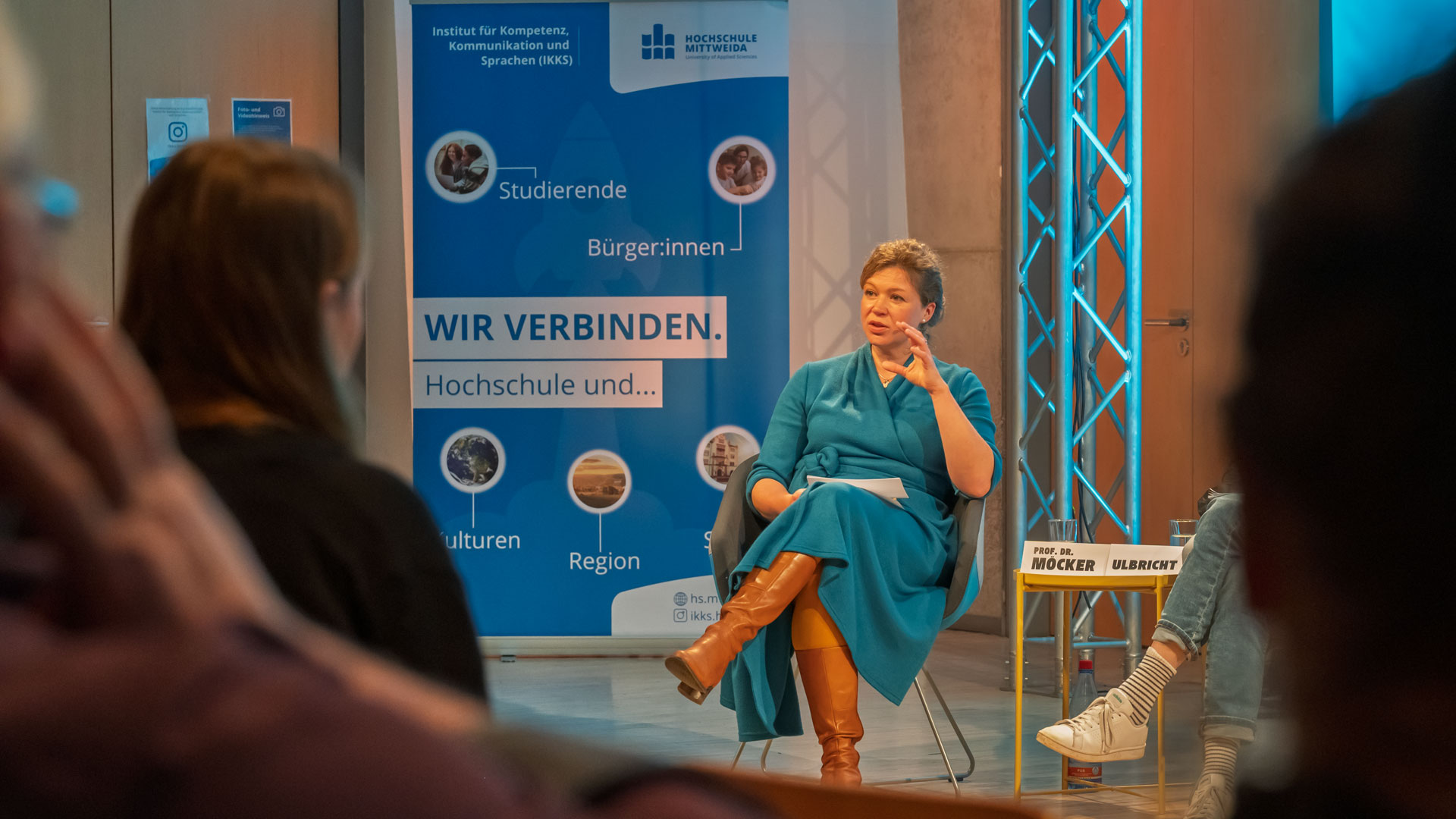
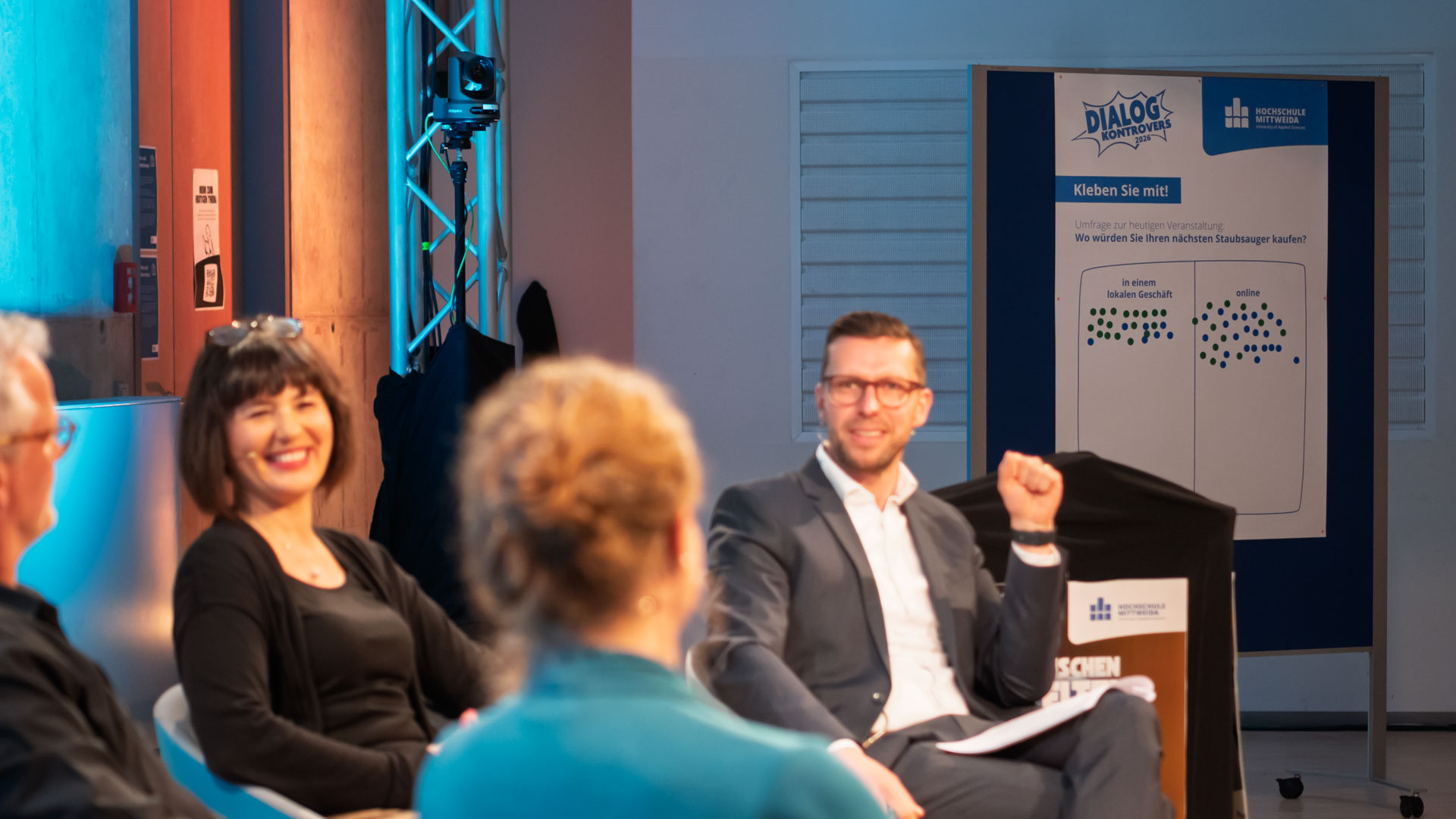
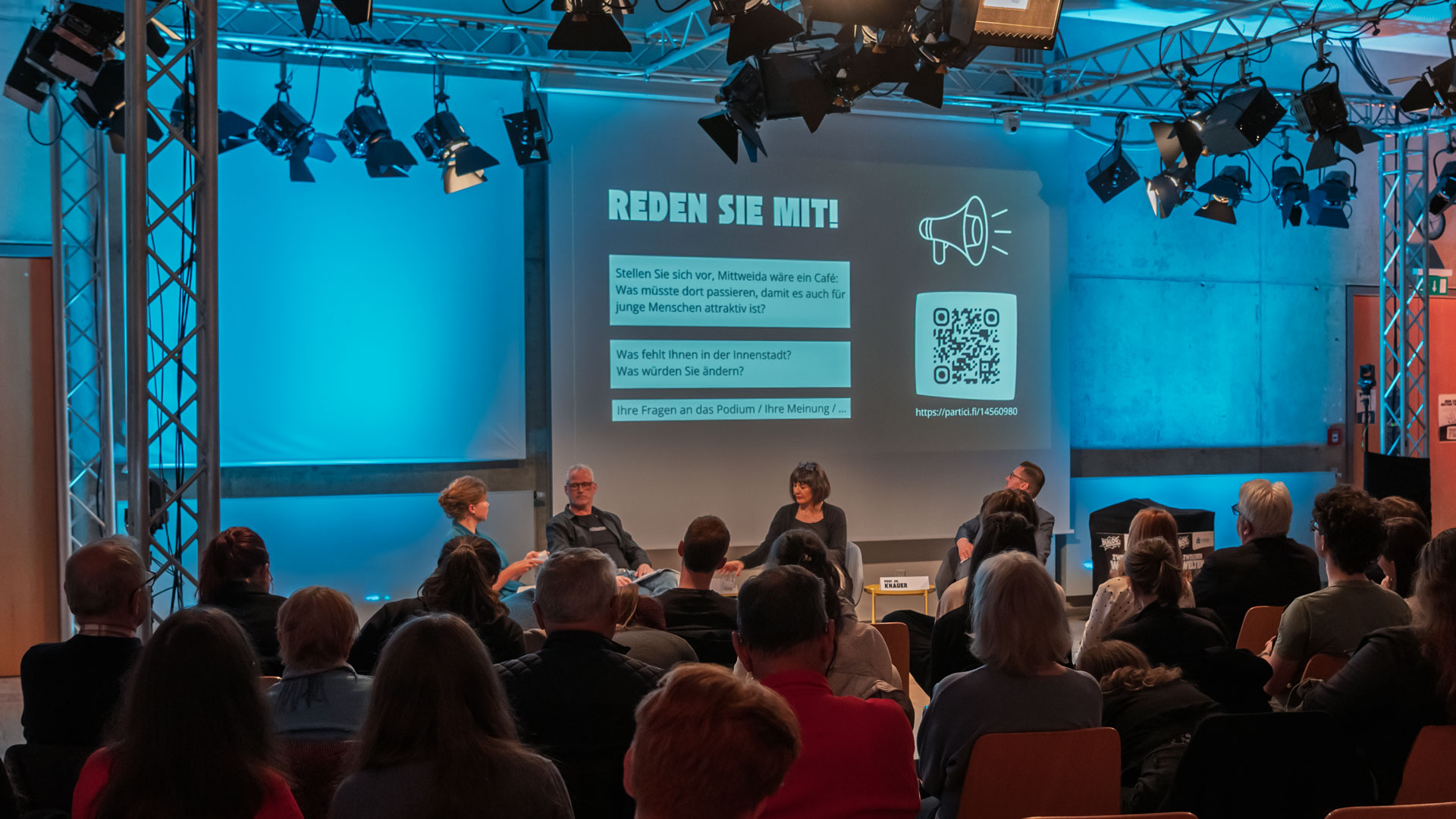
Ulbricht drew a parallel with urban development: Mittweida had grown organically over time, whilst large shopping centres on the outskirts of the town had shaped shopping habits. Using Rochlitzer Straße as an example, he explained how, through public consultation processes, a compromise had been reached between accessibility, reduced car traffic and an improved quality of life – with more space allocated to restaurants and cafés rather than purely for parking.
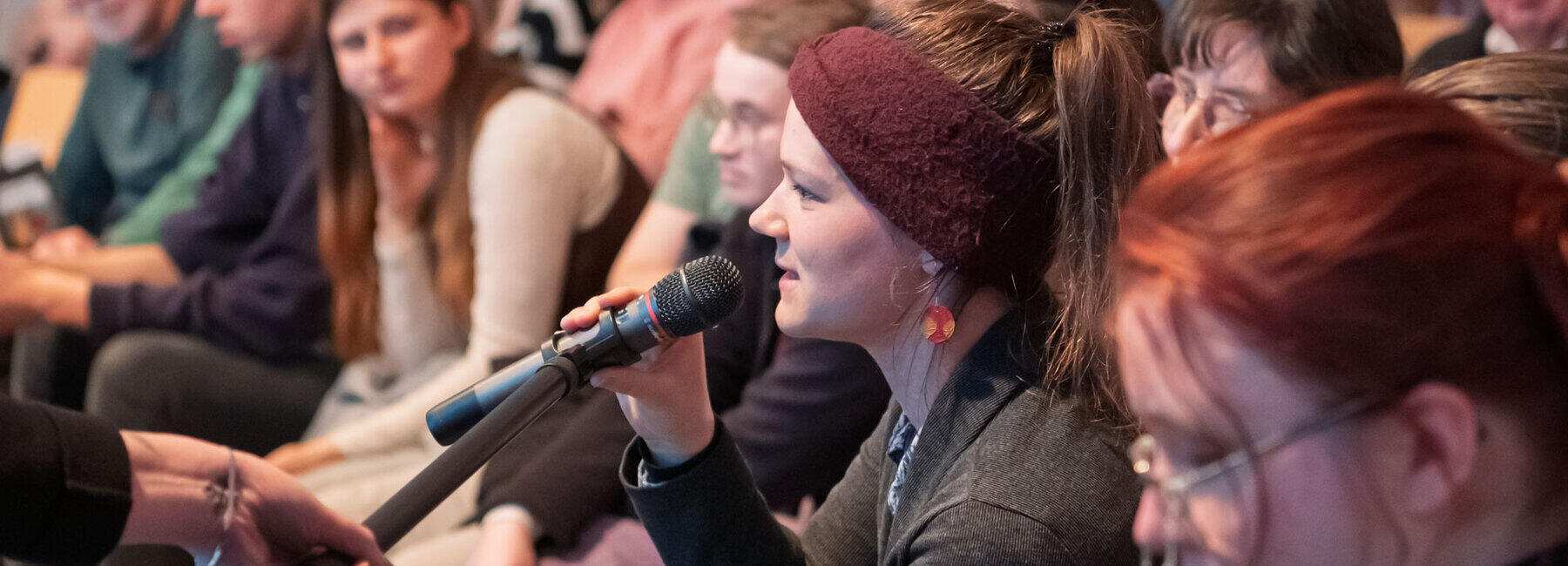
The interplay between analogue and digital was particularly evident in the many moments when the audience itself got involved. Using a QR code, guests connected their smartphones to a digital noticeboard, on which numerous comments, questions and suggestions appeared within a short space of time – ranging from calls for a shared city app, through ideas for temporary uses of empty shop premises, to very specific proposals for greater cooperation between the university, the retail sector and the city council.
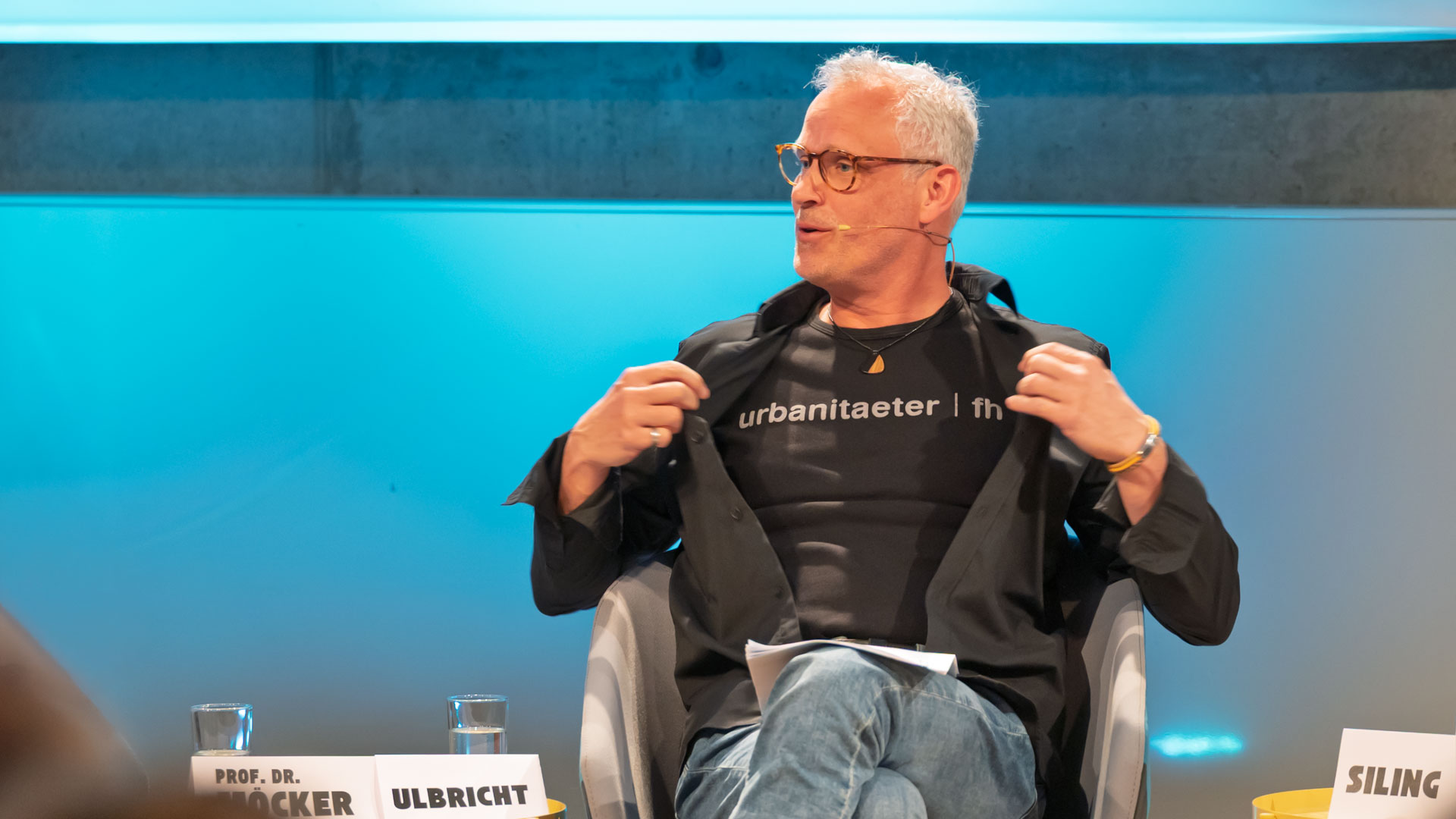
The common conclusion from both evenings: hybrid solutions emerge where people use technology to reconcile environmental responsibility, economic viability and quality of life – and in doing so, engage in dialogue not just about each other, but with one another.
More ‘ZwischenWelten’ on 12 May
Those interested can find the full programme for the 2026 ‘Controversial Dialogue (Dialog Kontrovers)’ series on the Mittweida University of Applied Sciences event website. The next themed evening will take place on Tuesday 12 May at 5.30 pm, under the title ‘Healing in a Hybrid World: People in AI-Supported Healthcare’.
Unfortunately, the Controversial Dialogue (Dialog Kontrovers) event scheduled for 28 April has had to be cancelled due to illness.
Text: Inga-Maria Eichentopf, Robin Biebl
Photos: Helmut Hammer