This page was translated automatically using artificial intelligence (DeepL). The German version is binding. More information about automatic translation
The Controversial Dialogue (Dialog Kontrovers) series for this summer term enters its second half next week – with a topic in which the ‘clash of generations’ is also a shared one – in the face of a social divide cutting across all age groups: ‘Climate protection as a balancing act between the generations – what unites us and what divides us’. One thing is certain: the consequences of climate change will affect different generations in different ways. It is also worth noting that the climate protests by the young – the latest – generation carry with them the accusation that older people are living at the expense of the younger generation’s future.
Can we work out how social change can be achieved in the context of climate change? This will be one of the questions addressed at the ‘Controversial Dialogue (Dialog Kontrovers)’ event on 14 May, starting at 5.30 pm. The panellists will include Constance Nennewitz from Psychologists for Future/Psychotherapists for Future (Psy4F), a representative from Die letzte Generation Chemnitz, and Dr Hans-Joachim Gericke, Policy Officer at the Free State of Saxony’s liaison office to the EU in Brussels. All members of the university community and residents of the university town are also welcome to join the discussion – back in Studio B.
“… we’ve always done it this way” – for once, somewhere else
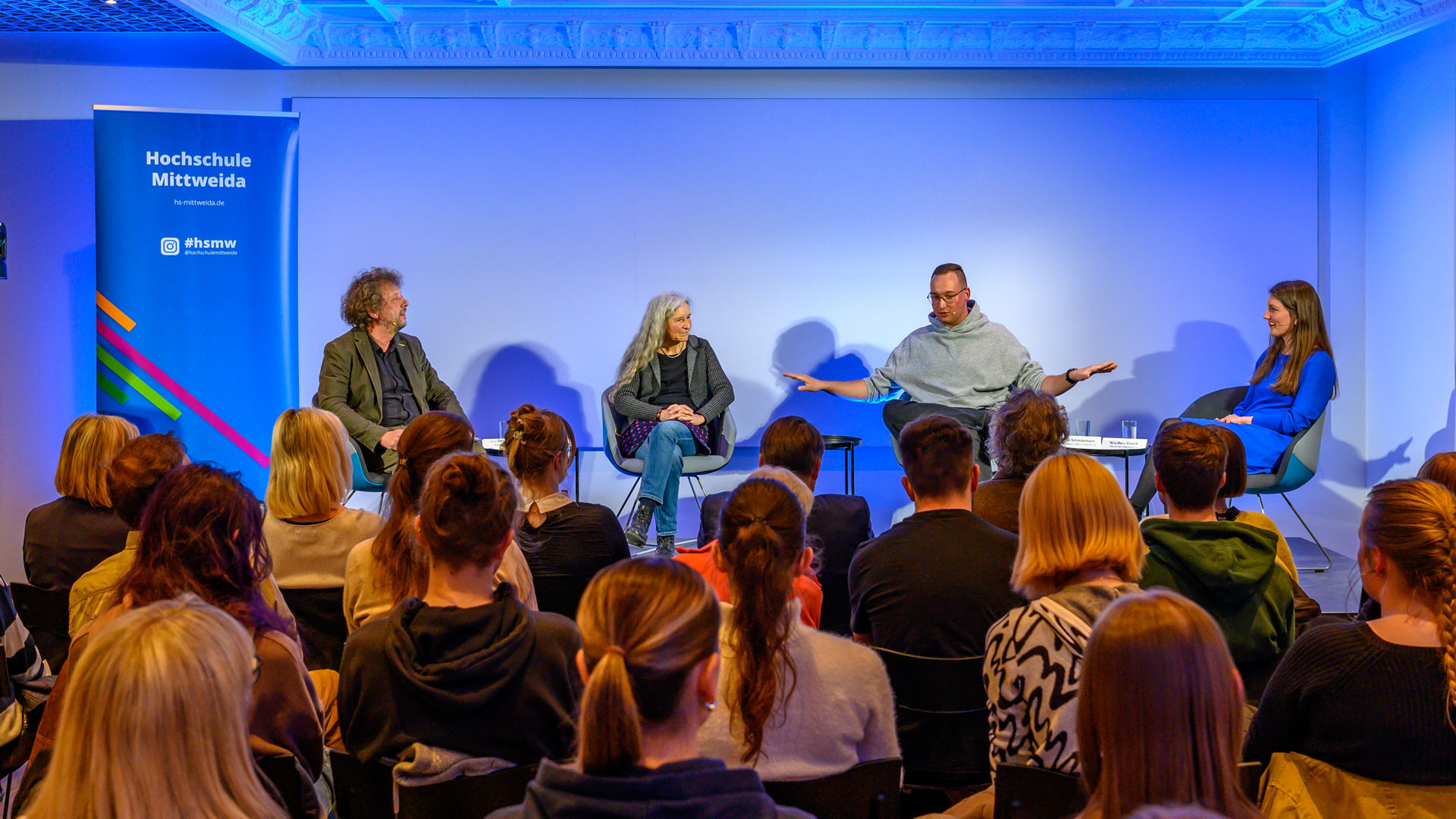
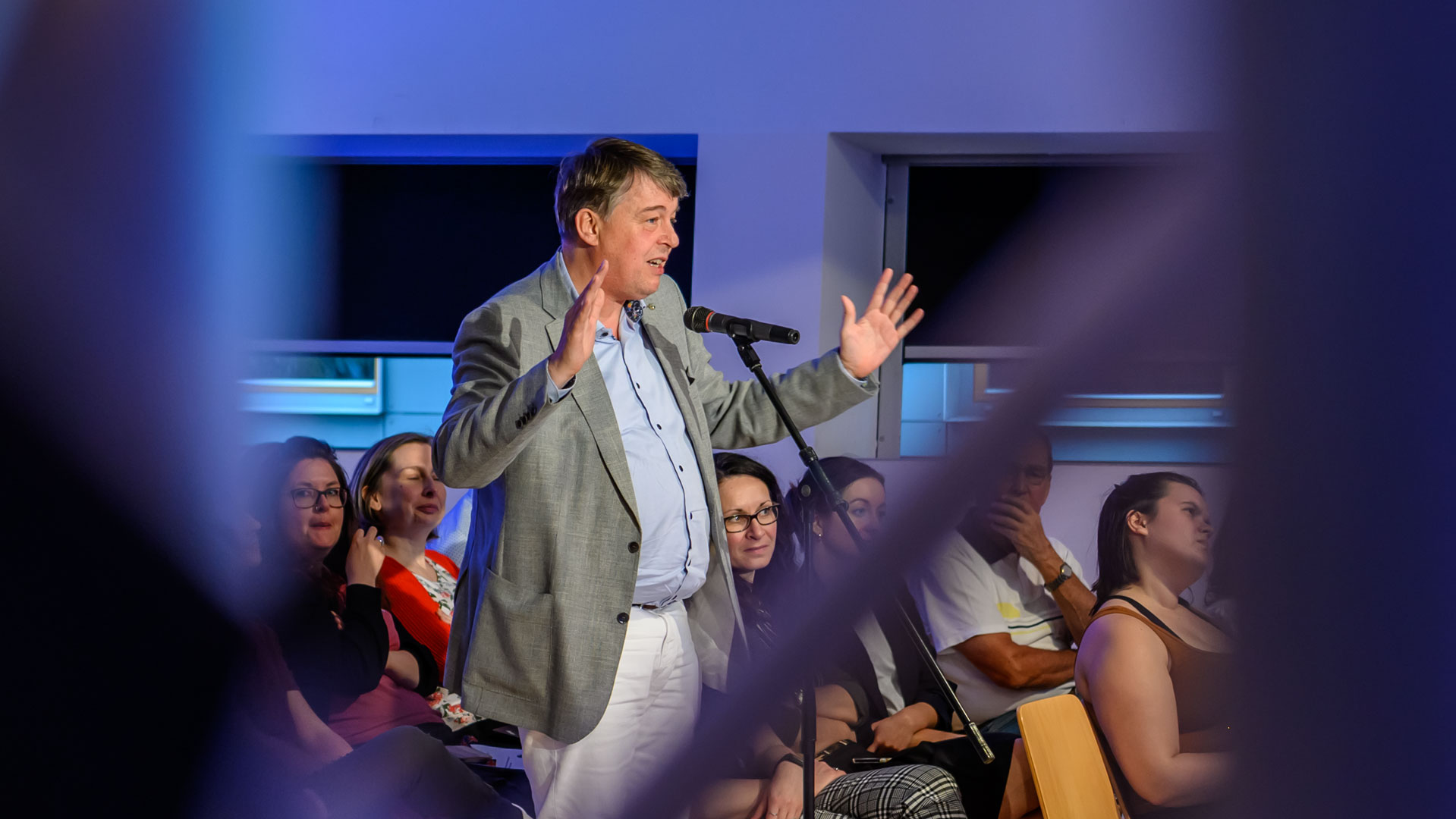
Most recently, the Controversial Dialogue (Dialog Kontrovers) event was hosted at the new Mittweida Municipal Library. In a move that was quite controversial given the theme ‘We’ve always done it this way’, the venue was changed on 23 April. In the event hall, which was packed to capacity, the discussion centred on how different generations negotiate their future together and on the prejudices that see young, innovative minds pitted against the established order.
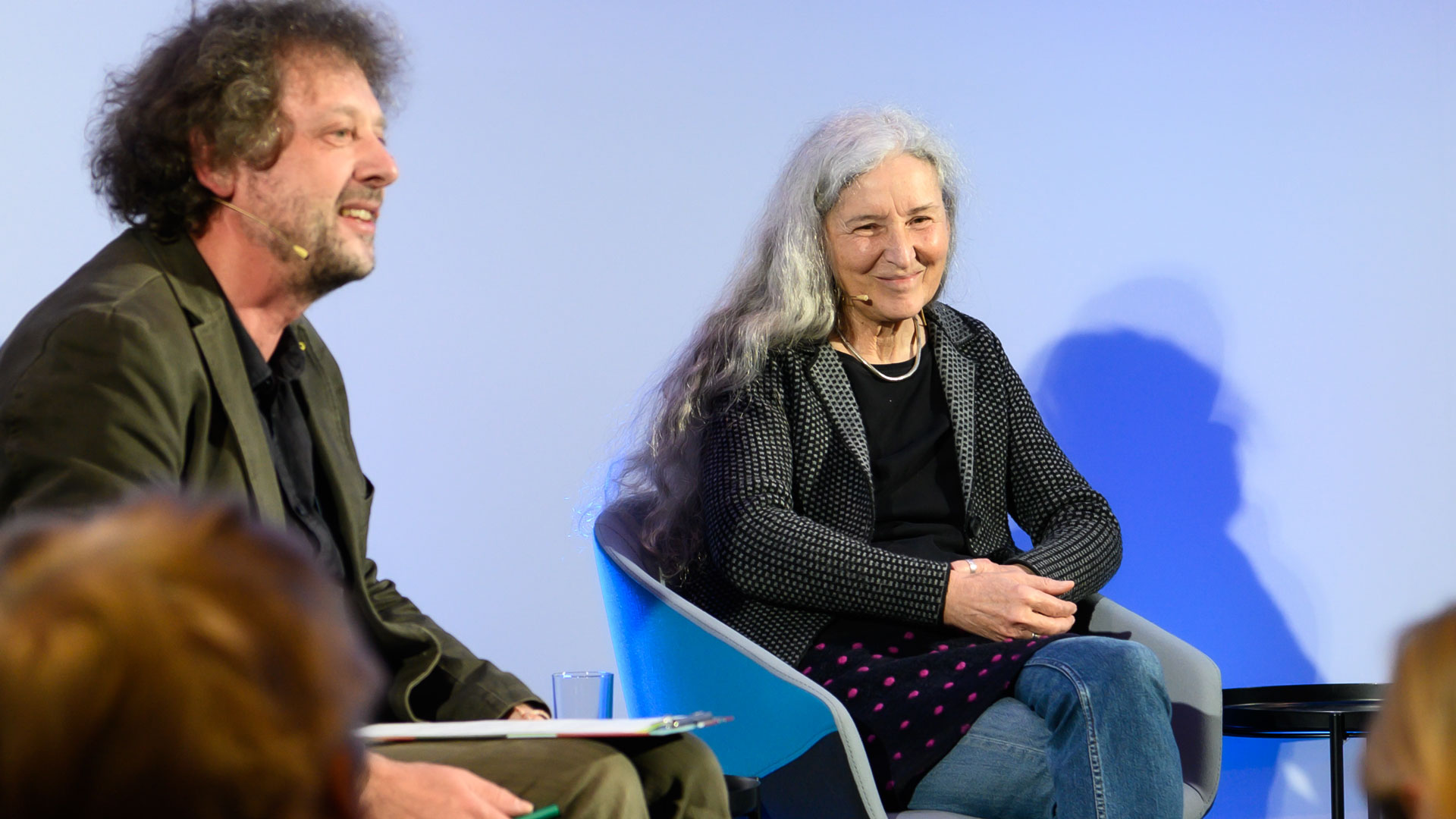
Dr Petra Schickert from Kulturbüro Sachsen e. V., the oldest member of the group but active in a relatively young organisation, dispelled the stereotype of the old guard as a hindrance and observed: ‘Young people can be quite “lame” too.’
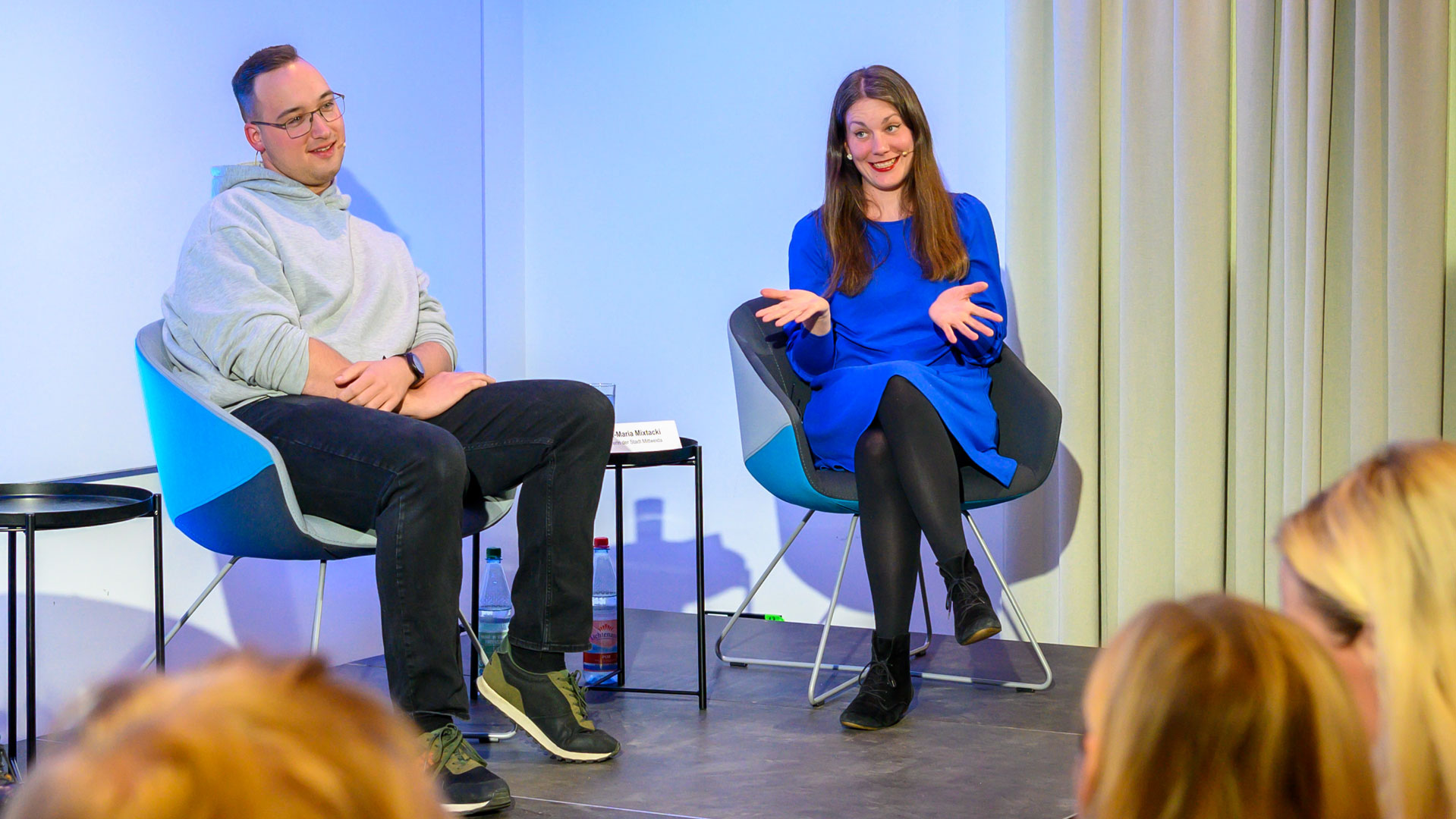
Lucas Schreckenbach, the youngest participant on the panel, gave a first-hand account of how he had set up a youth advisory council in his local community of Limbach-Oberfrohna to represent the interests of younger residents. He explained that, particularly in rural areas, young people are outnumbered by older generations and are therefore often under-represented. He said that, alongside consistently raising awareness of young people’s concerns, a willingness to compromise also helps.
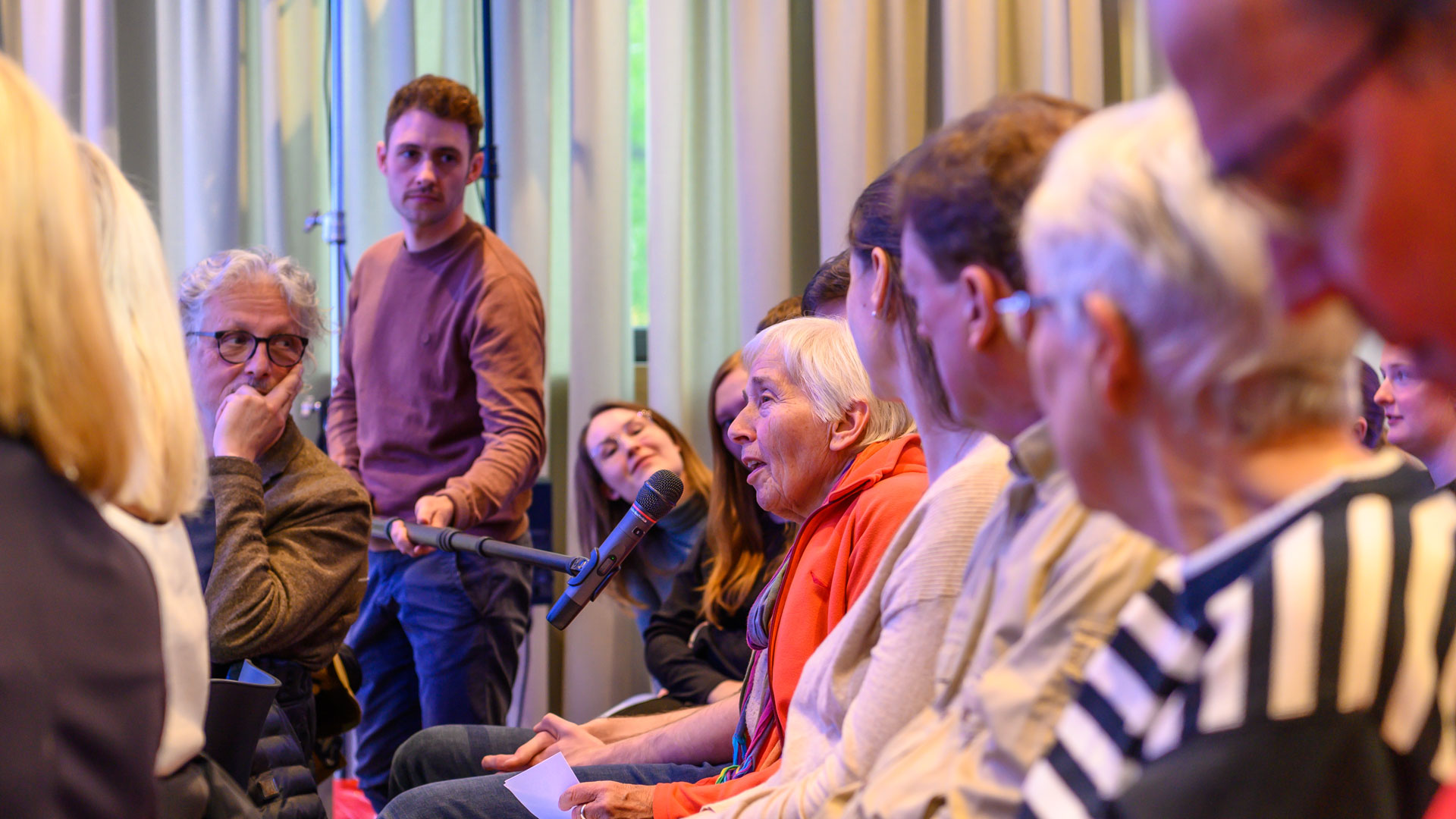
Nina-Maria Mixtacki, the Protestant vicar of Mittweida, is no stranger to such conflicts within her church. She offered insights into the challenges faced by one of the oldest institutions in our society as it balances the preservation of traditions with the need to evolve alongside society.
Stephan Beetz, Professor of Sociology and Empirical Social Research at Mittweida University of Applied Sciences, chaired the discussion, which was also actively shaped by the audience. Together, the panellists and the audience came to the conclusion that older generations are not, by their very nature, ‘brakes on progress’, just as there are young people who are less keen on innovation. Many individual factors, such as one’s personal circumstances or character, influence our willingness to change ourselves and our environment, to try new things or to preserve what already exists. Often, both are possible if we are prepared to compromise and meet each other halfway.
Gendershift – The erosion of gender roles
On 9 April, the ‘Controversial Dialogue (Dialog Kontrovers)’ programme examined the megatrend known as the ‘gender shift’ – that is, the phenomenon observable worldwide whereby gender roles are becoming less binding. The Zukunftsinstitut describes megatrends as ‘slow-motion avalanches’ with global implications for societies, organisations and all their members.
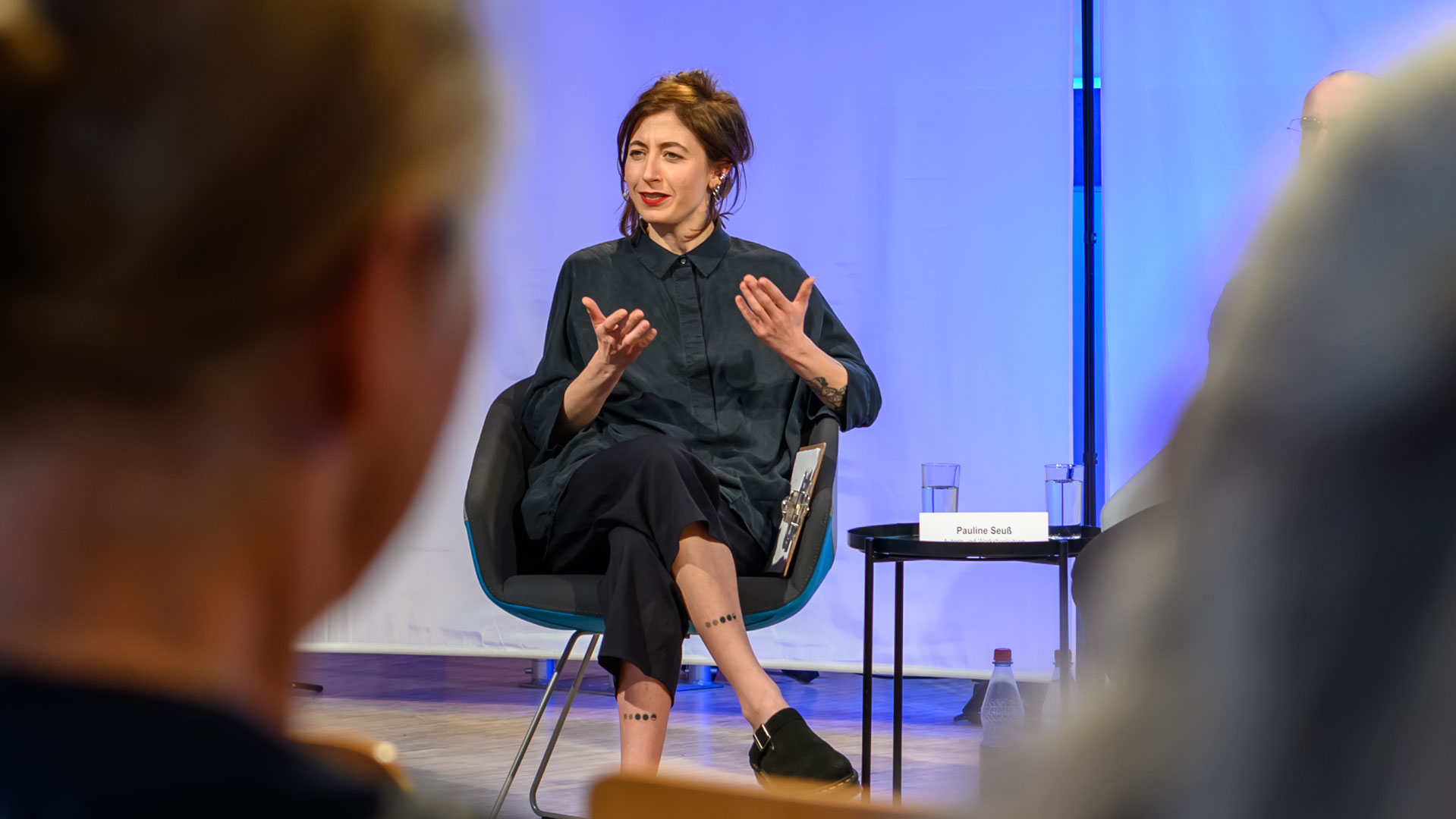
Social anthropologist Pauline Seuß explained the ‘myth of heteronormativity’ – the cultural assumption that heterosexuality is the only ‘correct’ form of gender identity and sexual orientation – and that male-female relationships are the only acceptable form of relationship. This notion not only ignores the diversity of human sexuality, but also contributes to the marginalisation and stigmatisation of LGBTQ+ people. Overall, heteronormativity is a tool for perpetuating power structures and patriarchal systems by portraying certain identities and forms of relationship as superior and by supporting social norms and institutions that reinforce these notions.
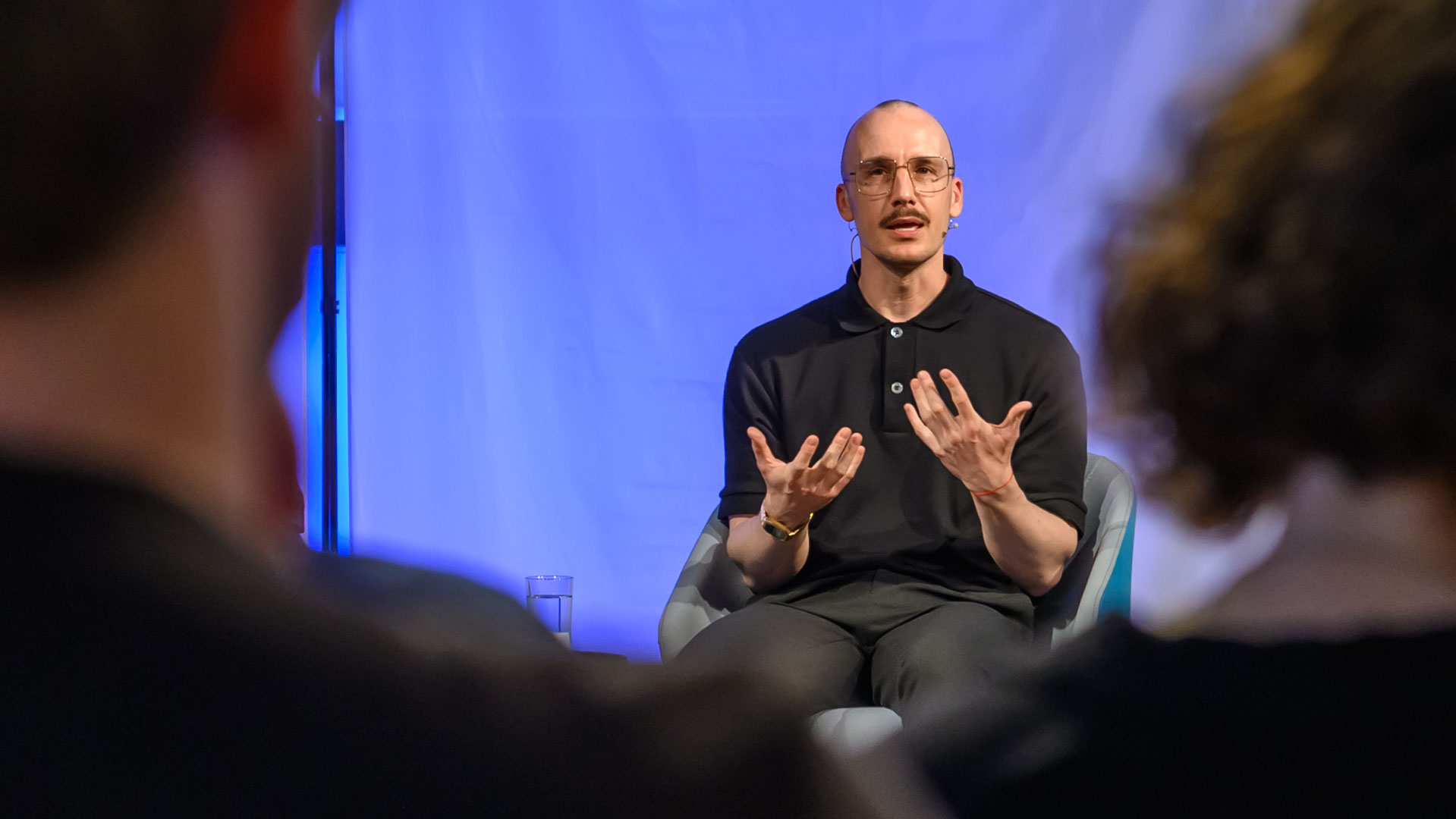
Simon Moses Schleimer, Professor of Social Work and Migration at the HSMW, noted that diversity is not a threat and has, in fact, ‘always been there’. On the contrary: Our society is ‘superdiverse’ – that is, not only diverse in terms of sexual orientation and gender identity, but also in many other respects, such as ethnicity, culture, language, religion, socio-economic status, level of education, etc. This diversity shapes the interactions, relationships and cultural norms within our society and requires a broader understanding, acceptance and respect for the differences between people. Even though diversity is already a reality, it is nevertheless crucial that we develop diversity competence – that is, the ability to deal with diversity, respect differences, develop intercultural skills and create inclusive environments.
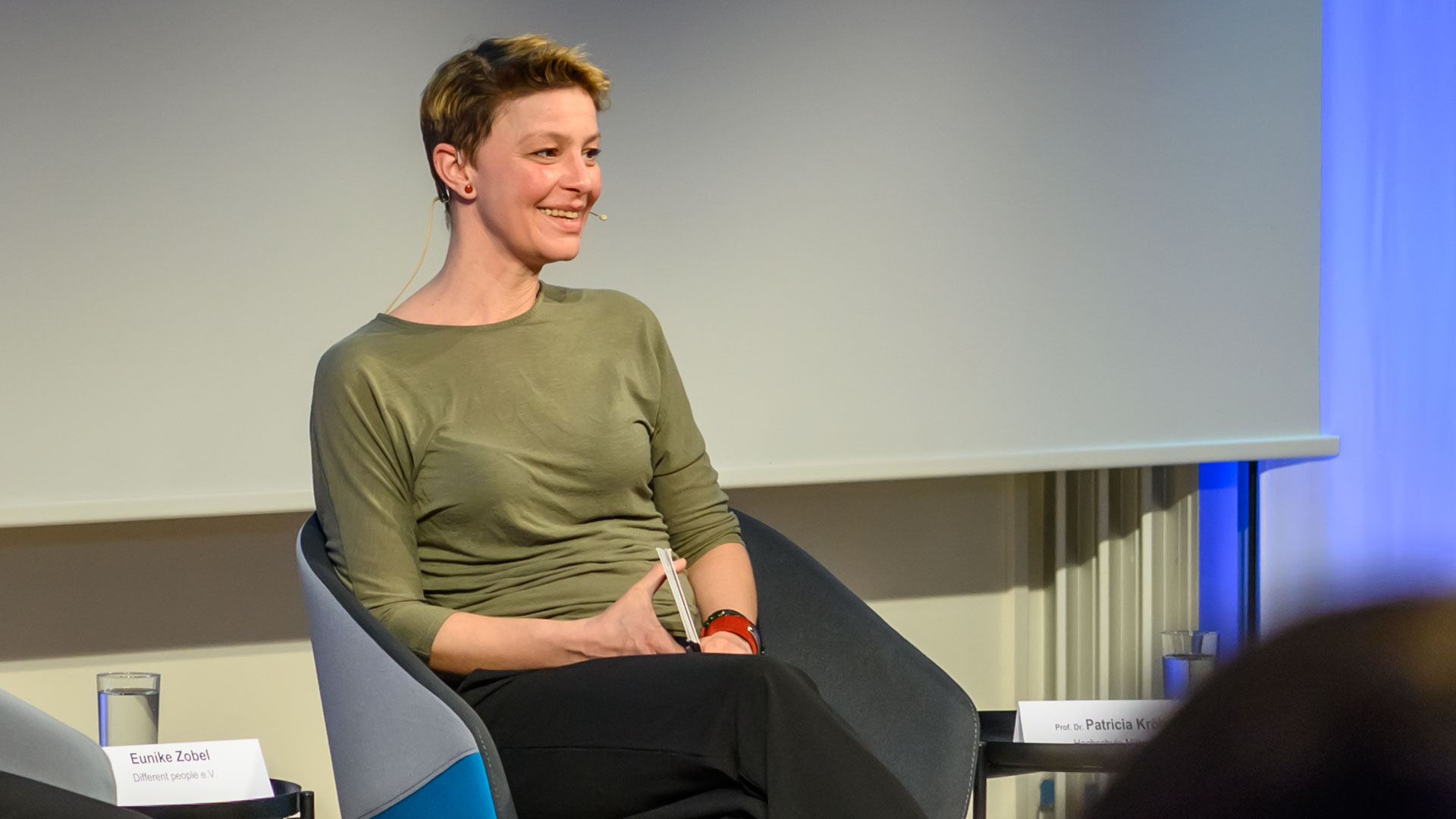
Feminist debates also remained important, emphasised Eunike Zobel from the association ‘different people e.V.’. She explained that these are more accurately described as ‘feminisms’ – that is, a multitude of movements, ideas and theories. According to Zobel, these help us to understand the social norms – deeply rooted within us and in our institutions – that support and perpetuate heteronormativity. She also emphasised the intersectional perspective, which examines the interplay between different forms of exclusion, devaluation and oppression – such as gender, race, class, sexual orientation and other categories of identity – and calls for a holistic analysis and inclusive activism.
Pauline Seuß added: “You have to be in a position to afford to stay out of the debate on gender equality and the fight against gender discrimination in the first place.”
Here you can also read the review of the opening event of the ‘Controversial Dialogue (Dialog Kontrovers)’ series in the summer term of 2024, held on 26 March, on the topic of ‘Ossis versus Wessis’.
Text: Robin Biebl, Helmut Hammer, Vanessa Juliane Herrmann, Babett Nimschowski
Photos: Helmut Hammer