This page was translated automatically using artificial intelligence (DeepL). The German version is binding. More information about automatic translation
Topics/Research and Teaching Profile
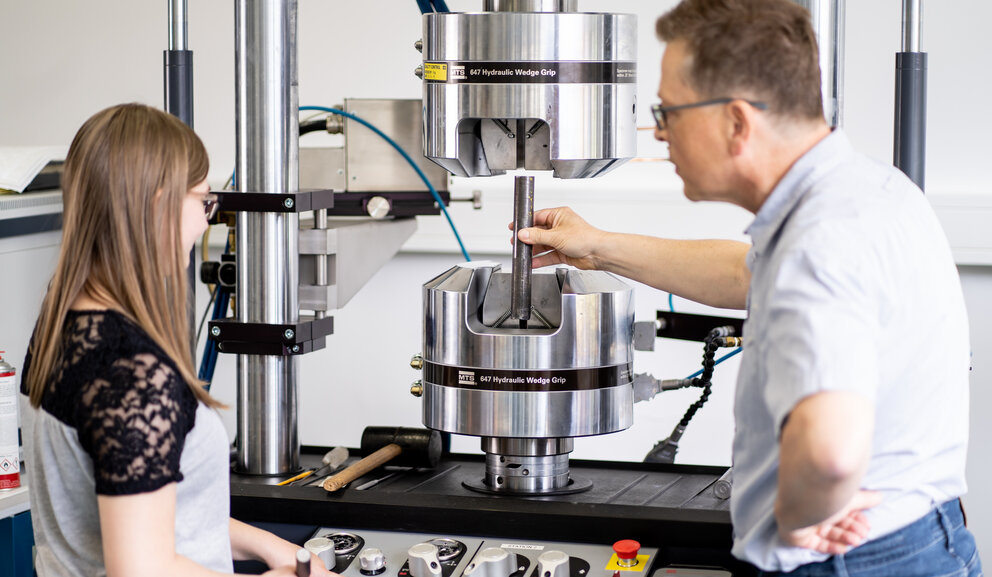
The Smart Materials Chair covers the materials engineering and materials testing of functional and structural materials within the engineering degree programmes (materials for electrical engineering, sensor materials, special materials / materials testing, testing methods for coatings and surfaces, Fracture mechanics / component behaviour and damage analysis / material selection). Research focuses on fracture mechanics problems (cyclic crack growth, crack resistance under quasi-static loading) and process-microstructure-property relationships, as well as the application of machine learning models to identify relevant causal relationships. We are open to research collaborations with partners from Saxony, Germany and abroad, from both industry and academia. Do you have any questions about our teaching and research programmes? Please feel free to contact us!
Holder of the Chair
Our team



Degree programmes
Mechanical Engineering (B.Eng.)
Mechanical Engineering (M.Eng.)

Mechanical Engineering (Dipl.-Ing. (FH))
Industrial Engineering (B.Eng.)
Maker Science (B.Eng.)
Physical Engineering (B.Sc.)
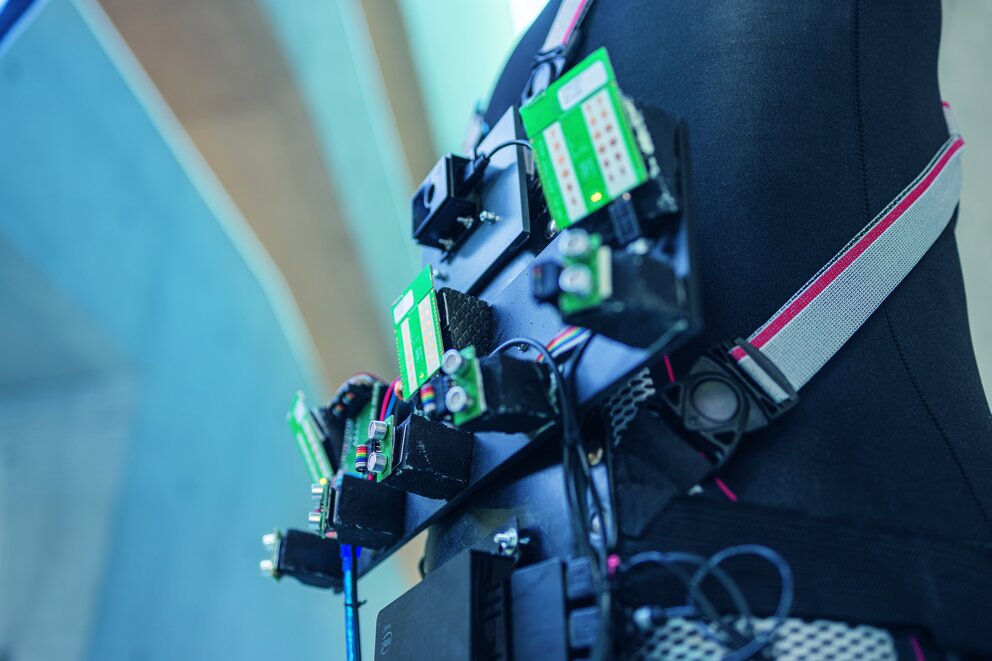
Electrical Engineering – Automation (B.Eng.)

Electrical Engineering – Automation (M.Sc.)
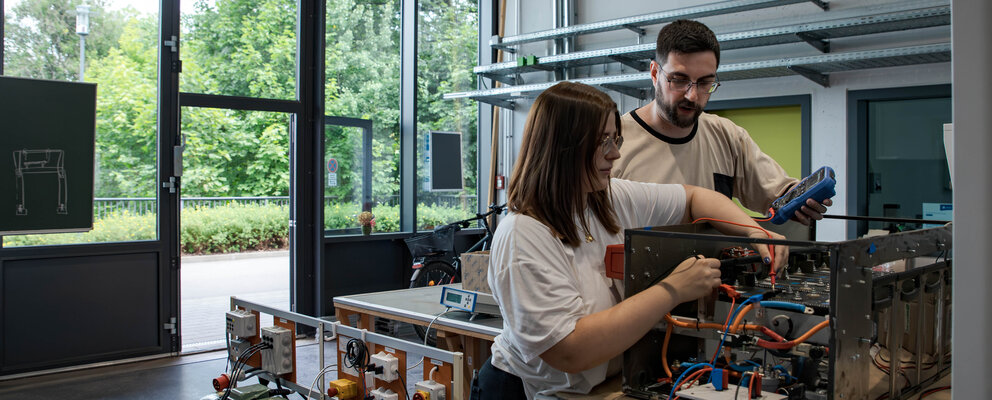
Electrical Engineering – Automation (Degree Apprenticeship/Dual Study Program) (B.Eng.)
in partnership with Siemens and BildungsWerkstatt Chemnitz
Laboratory equipment
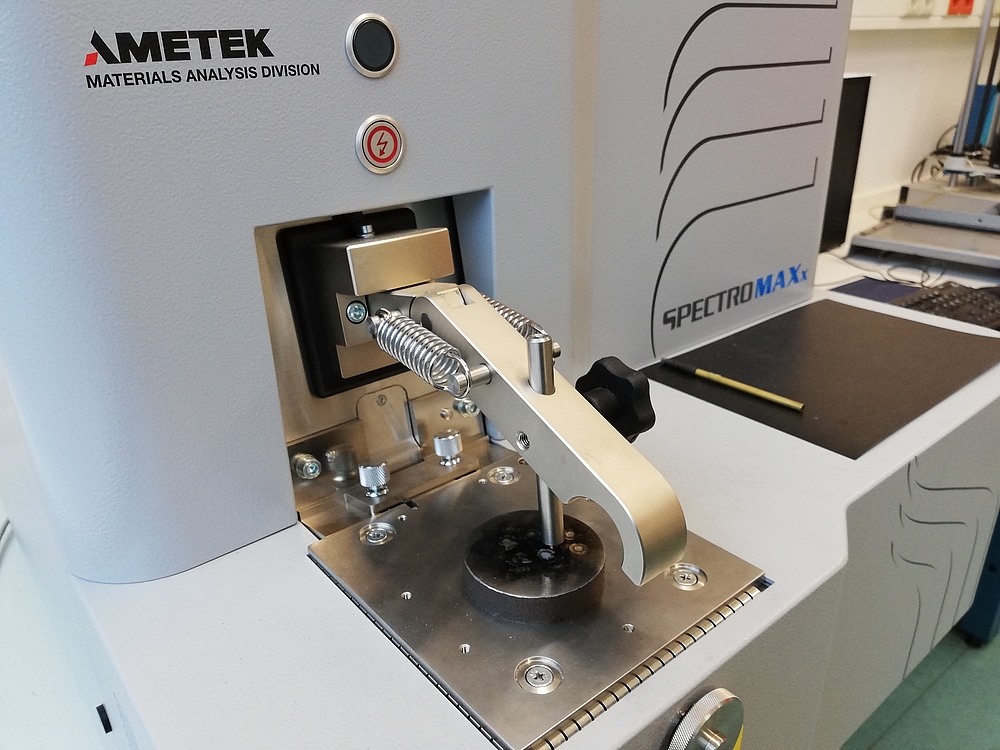
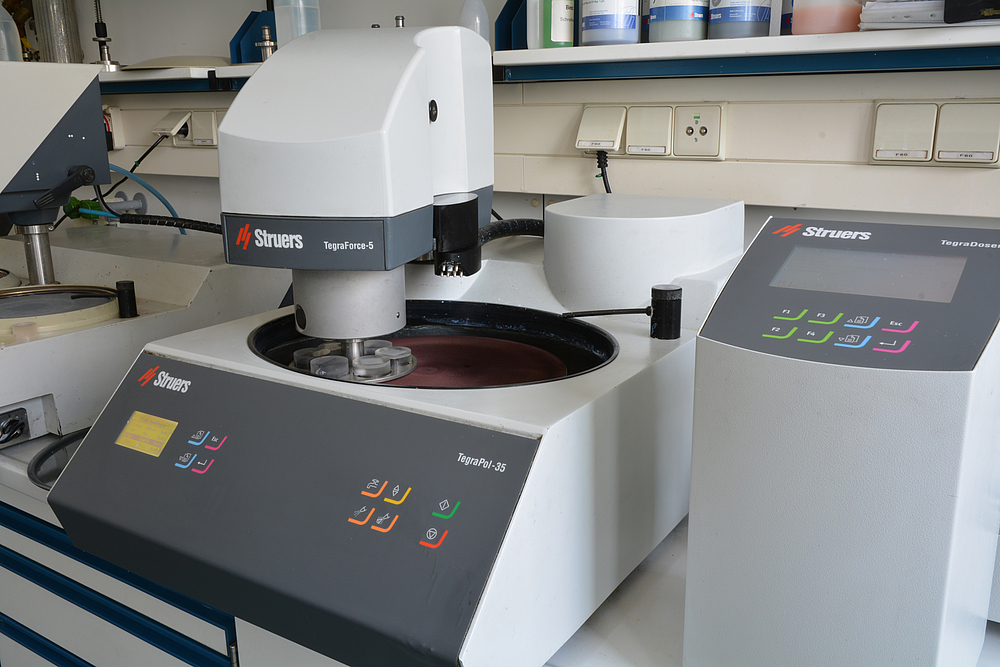
Metallography
Room 5-235 B | Room 5-236 B | Room 5-237 B
- Metallographic sample preparation
- Assessment of thin sections and thin films (ceramics and plastics)
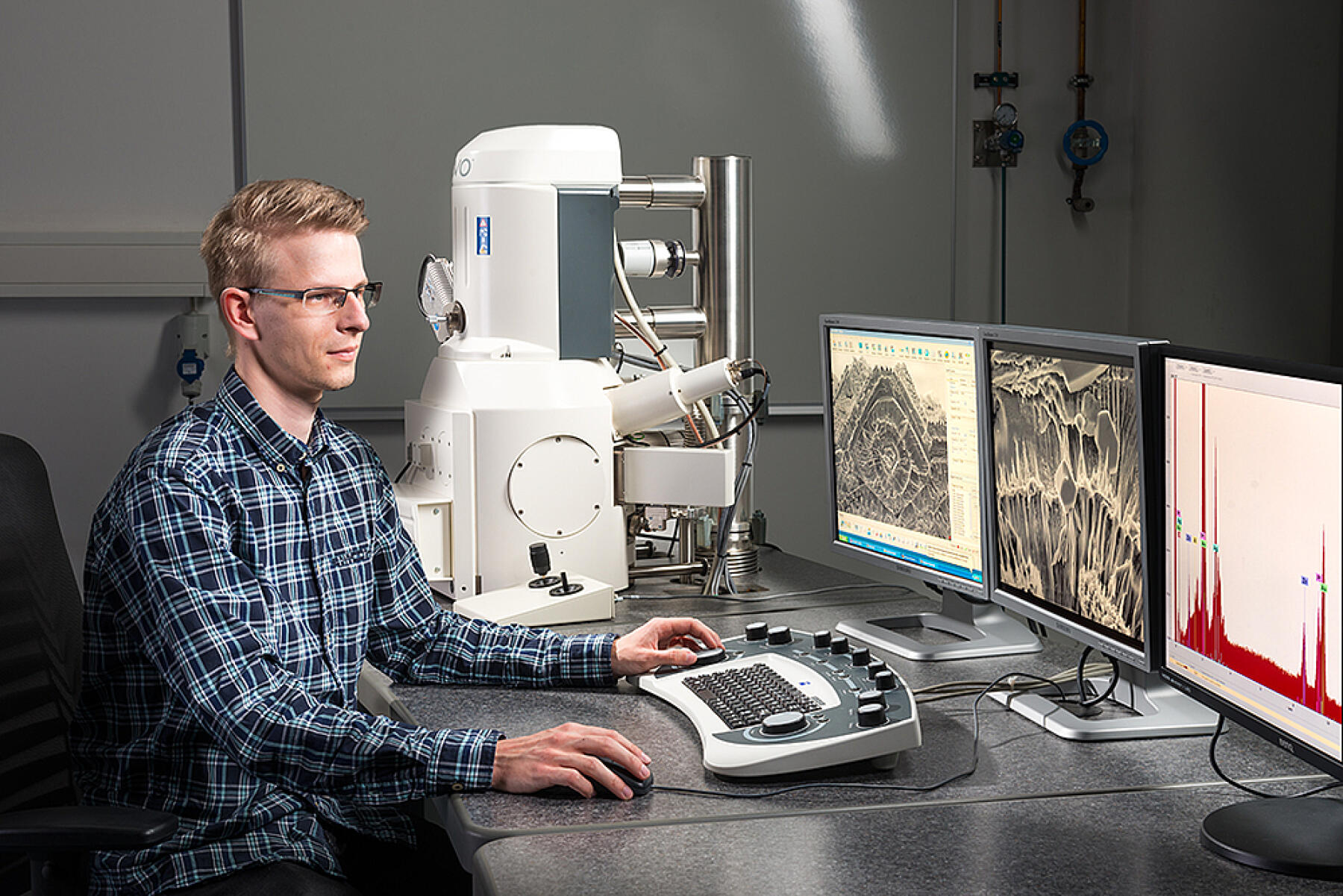
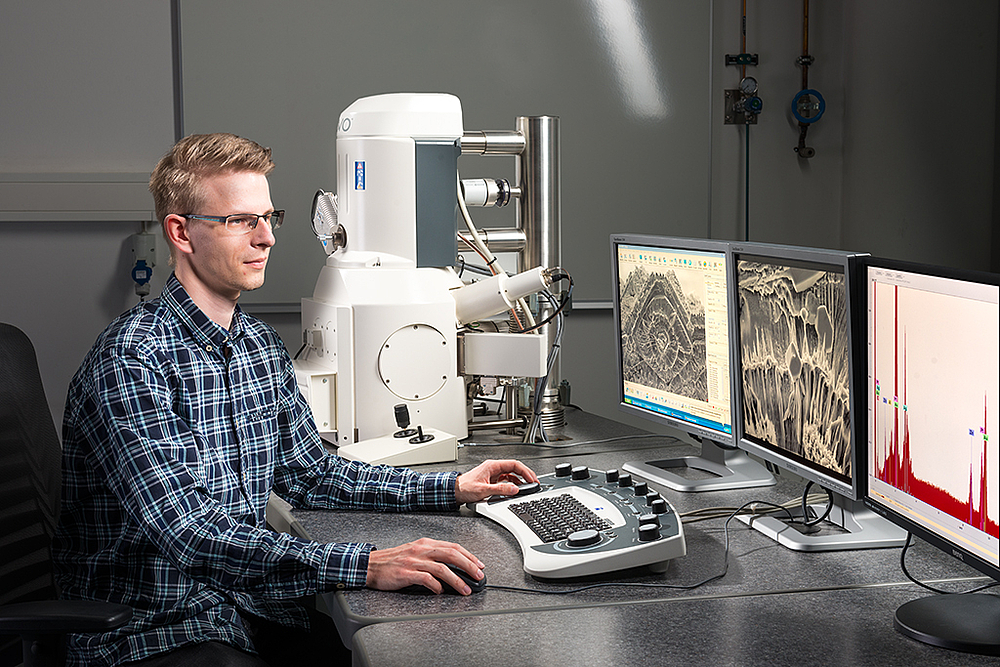
- Microstructural analysis (examination of material structure under a light microscope)
- Hardness measurement of microstructural components (phases)
- Laser scanning microscopy
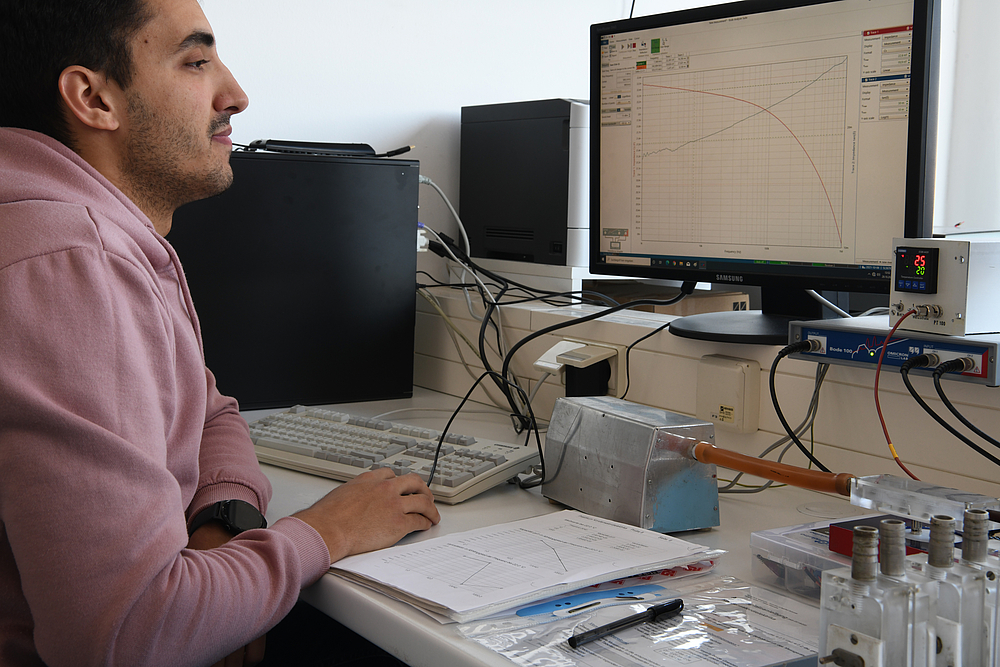
Materials used in electrical engineering
Room 5-233 B | Room 5-111 A
- Characterisation of dielectric materials
- Characterisation of piezoceramic materials (small-signal and large-signal behaviour)
- Magnetic behaviour of materials
- Non-destructive film thickness testing using probe technology (eddy current, magnetic inductive)
- Conductivity behaviour of materials
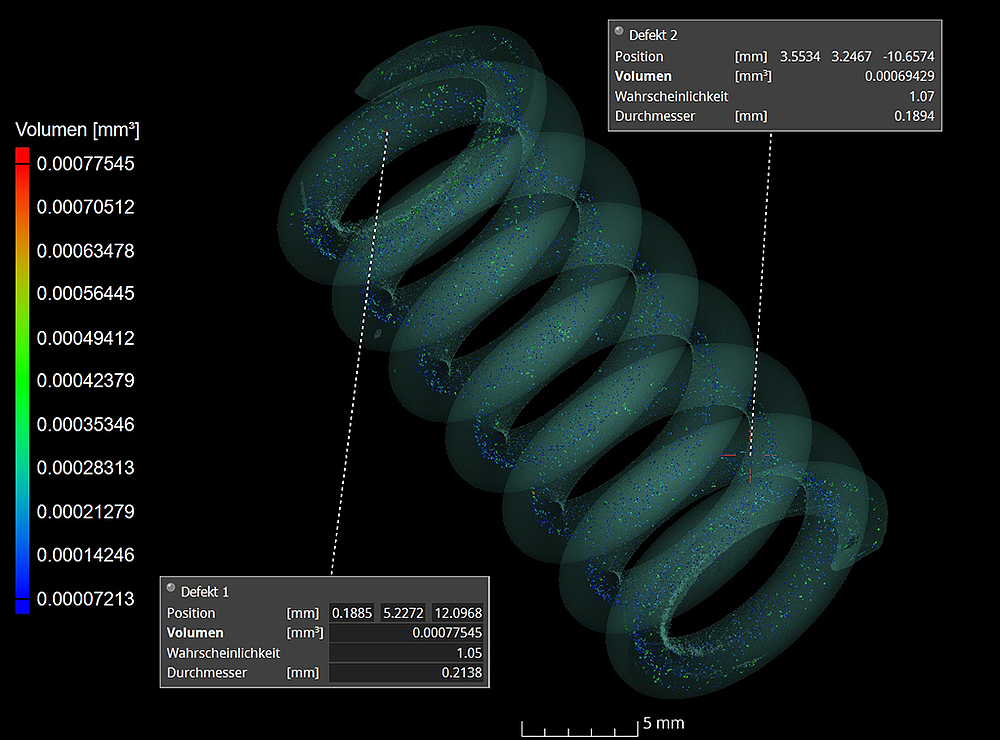

Key areas of research
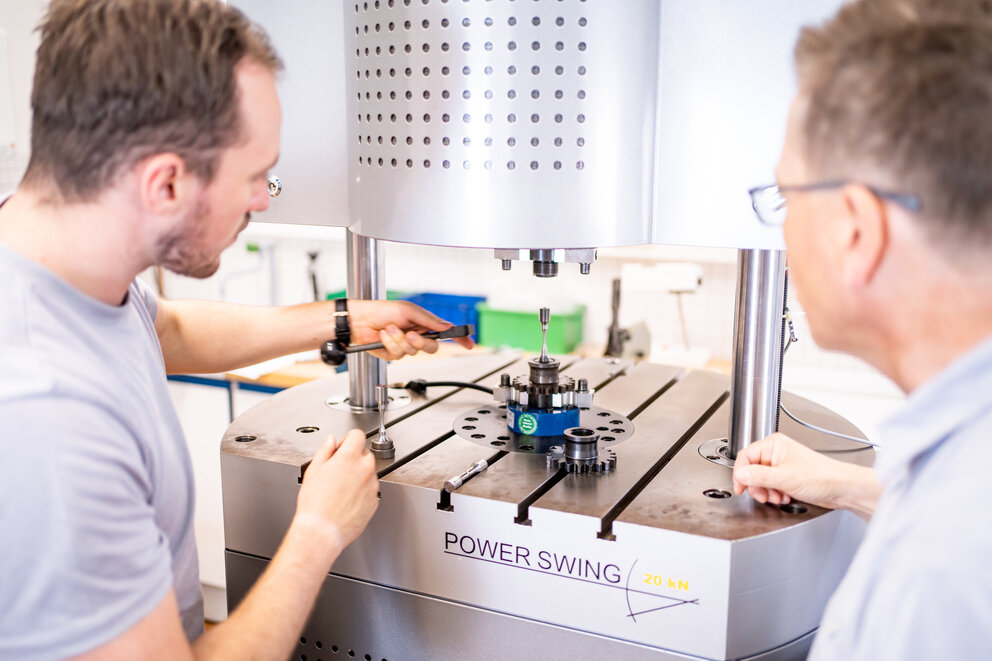
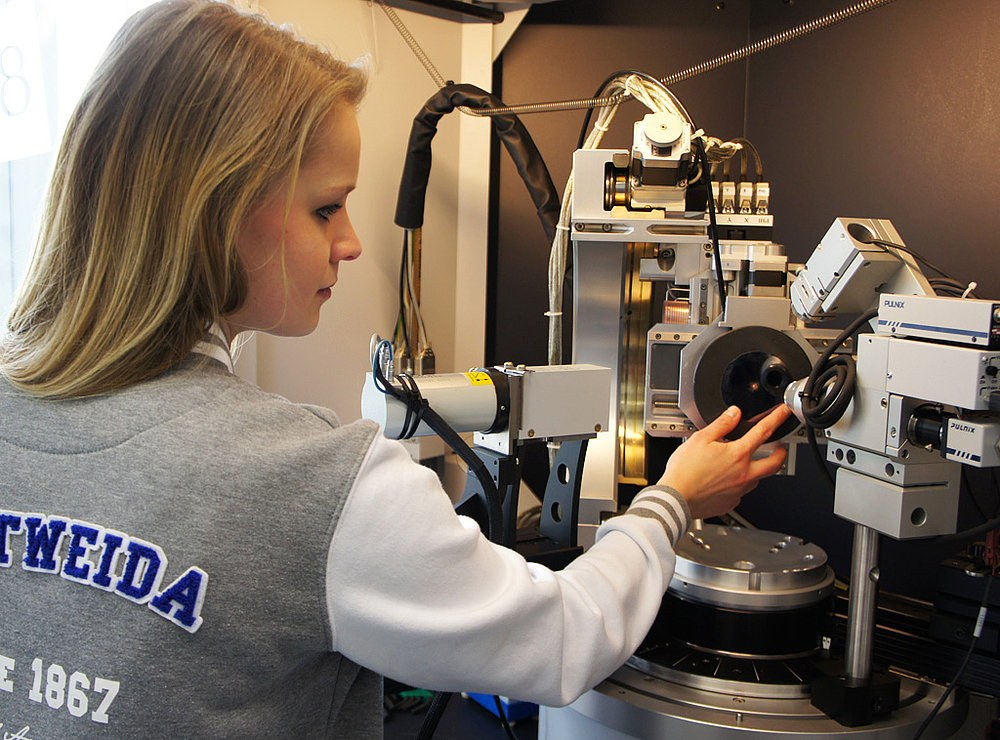
- Fatigue behaviour, cyclic crack growth, fracture mechanics
- Process–microstructure–property relationships
- Piezo-ceramics, functional materials
- Machine learning-based microstructure analysis
- Machine learning-based prediction of material behaviour