
This page was translated automatically using artificial intelligence (DeepL). The German version is binding. More information about automatic translation
Predicting the results of the weld-on bending test using machine learning (ML)
Project objective: To develop a machine learning (ML)-based tool for predicting the outcome (pass/fail) of a weld-on bending test (ABV)
Weld-over bending test (ABV): a technological test method in accordance with the Steel and Iron Test Specification SEP 1390 for investigating the crack arresting capacity of structural steel suitable for welding (minimum yield strength 235 to 355 MPa, sheet thickness ≥ 30 mm)
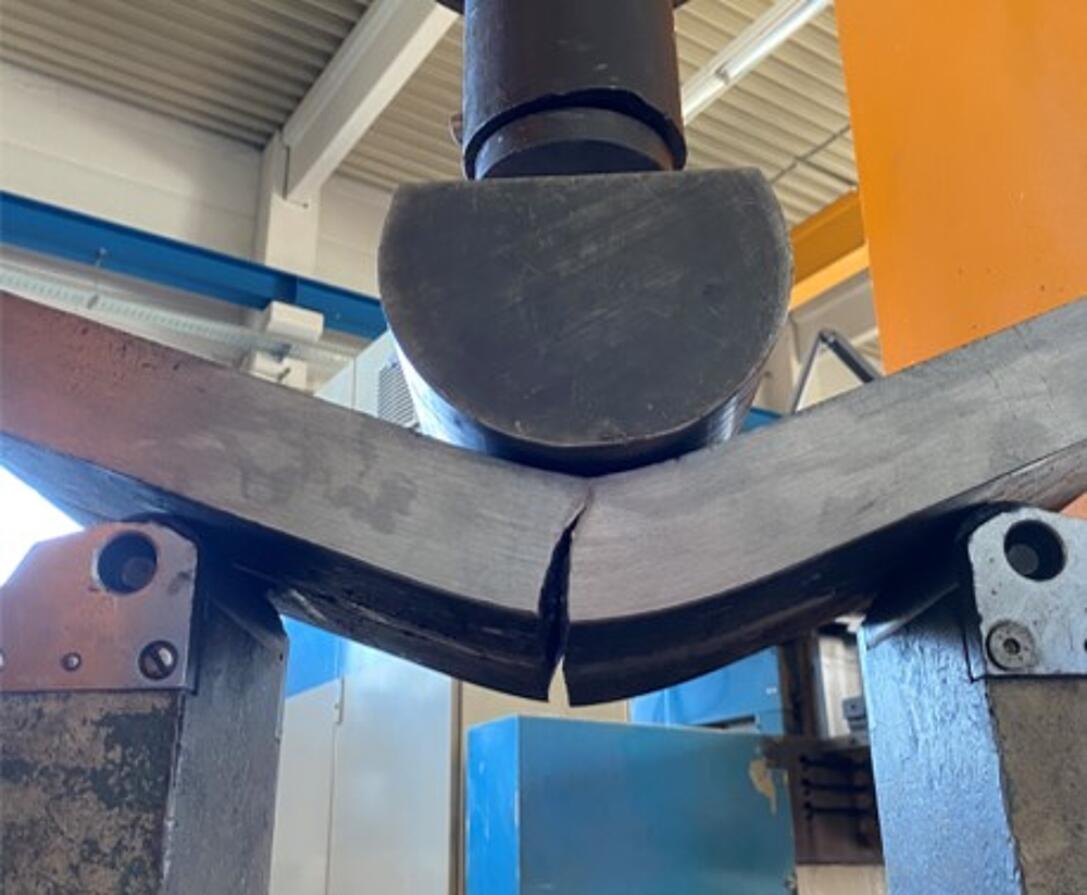
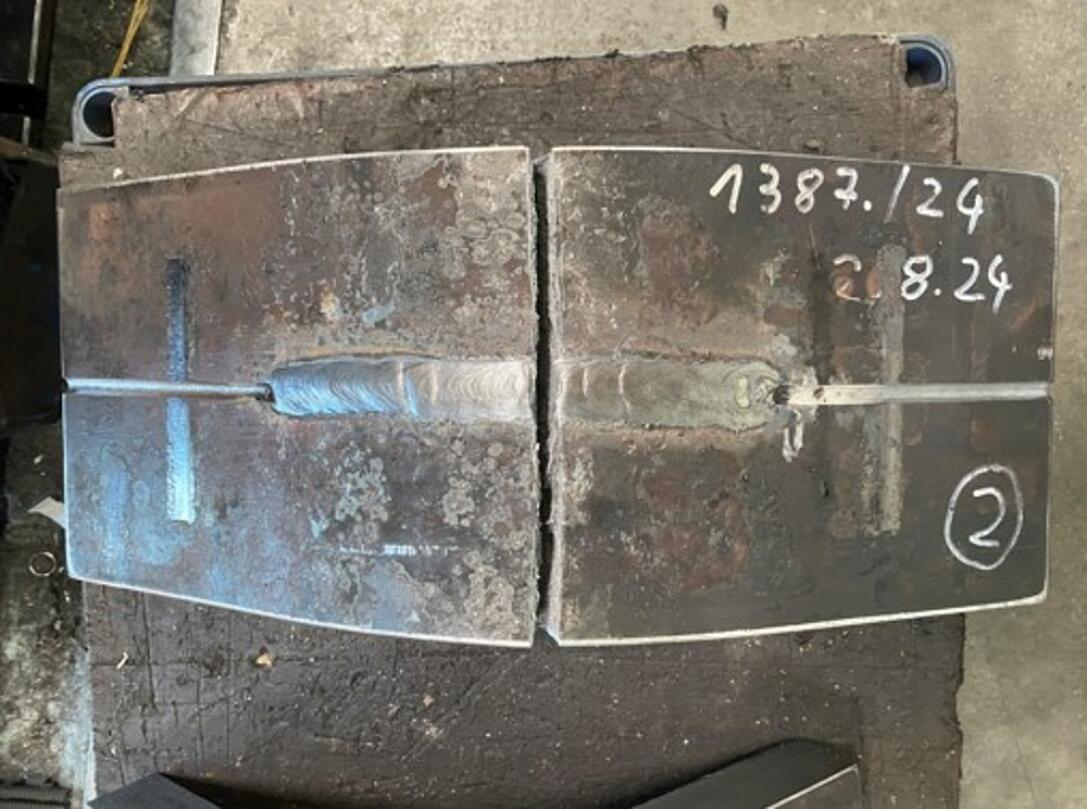
Use of ML technology: Application of a suitable ML algorithm from the field of ‘supervised learning’ to identify relevant factors influencing the ABV result and to estimate the probability of passing the ABV. The input data (ML model input) is based on parameters relating to the steel materials under test, the production of test specimens and the bending test itself.
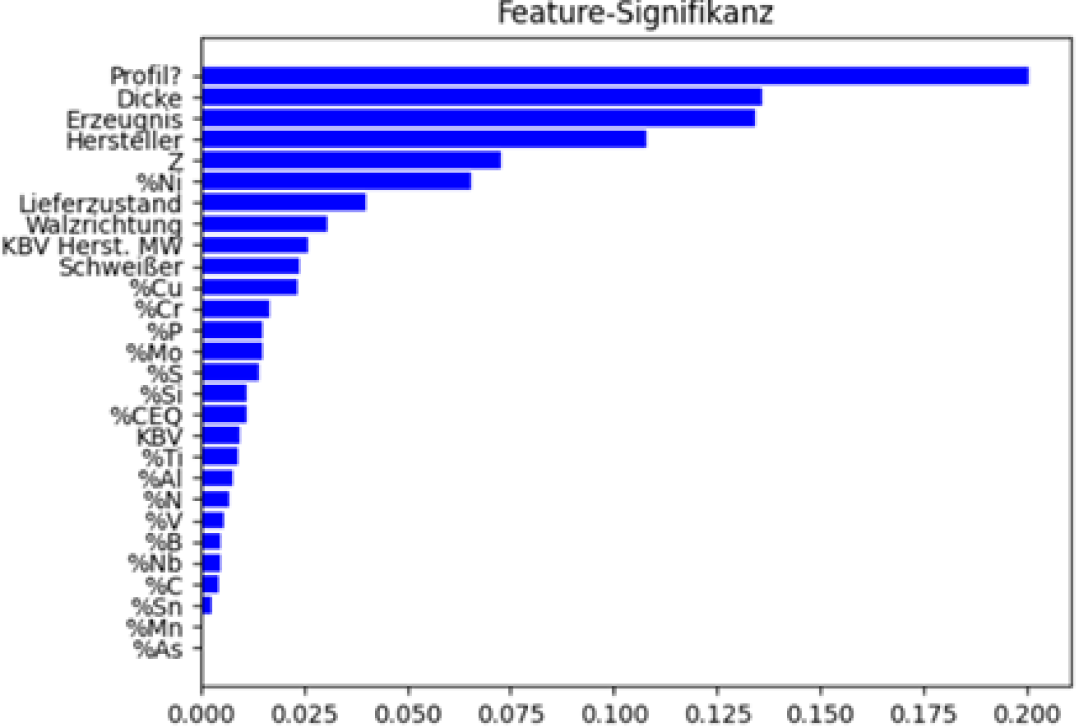
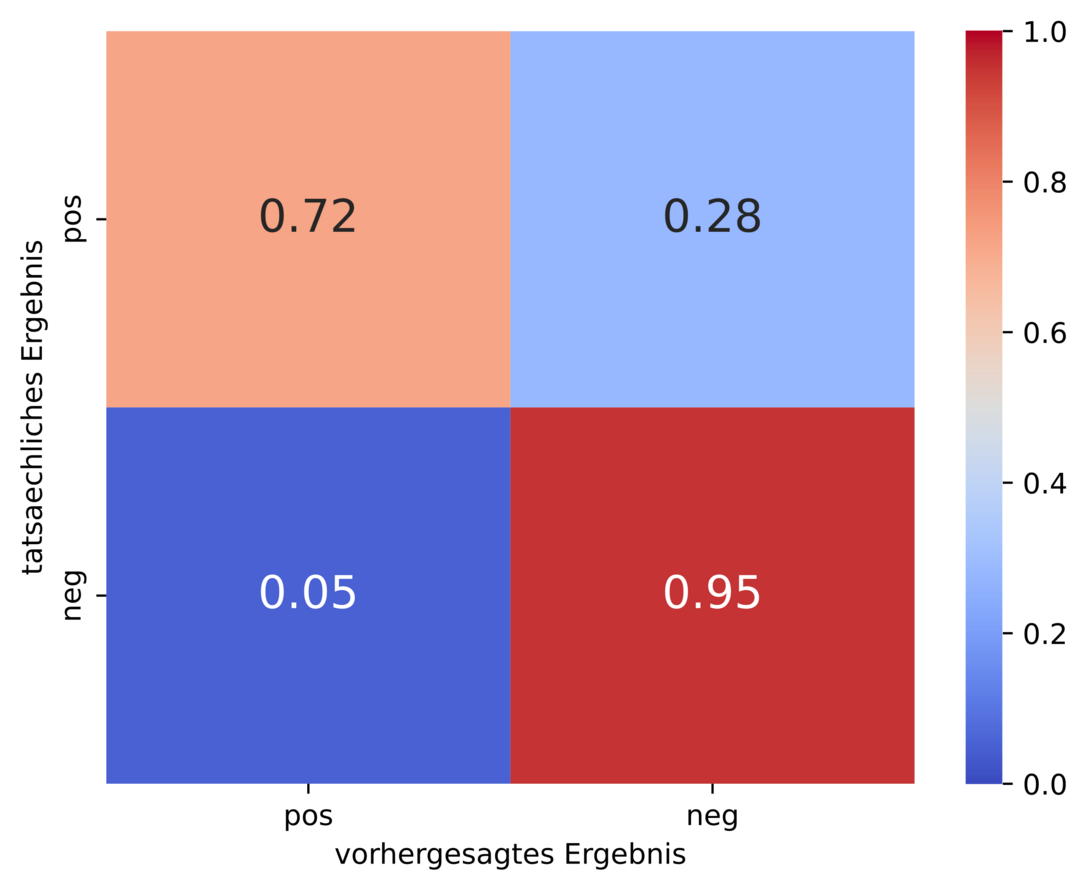
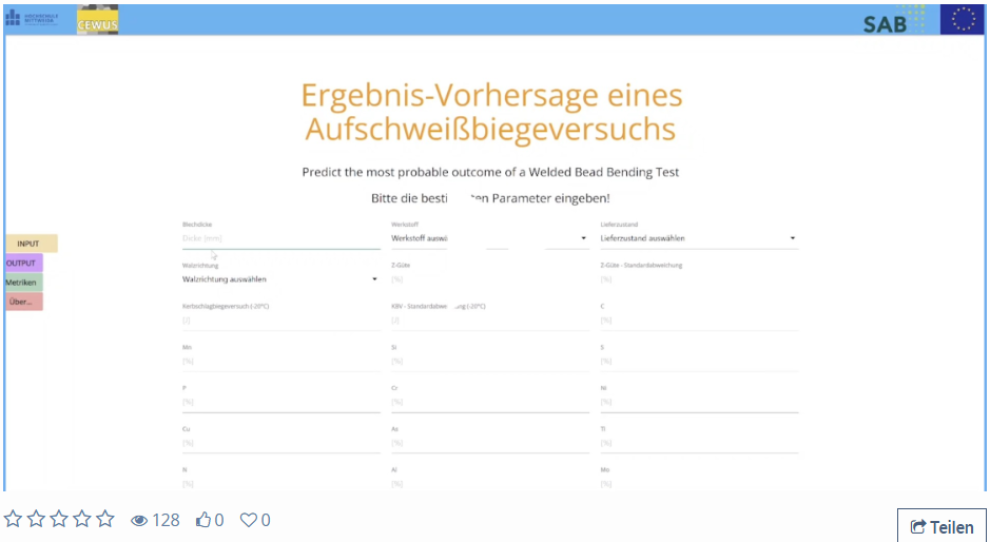
Benefits:
- Improvement in the pass rate for ABV tests by avoiding unnecessary, costly, material-intensive and environmentally harmful test procedures (energy and raw material consumption, exhaust emissions during welding)
- Insights into optimising production conditions (e.g. adjusting the chemical composition) and the ABV testing methodology
- Reduction in transport and testing costs, as well as transport and testing times, for steel manufacturers