This page was translated automatically using artificial intelligence (DeepL). The German version is binding. More information about automatic translation
Facts and figures
Surface technology
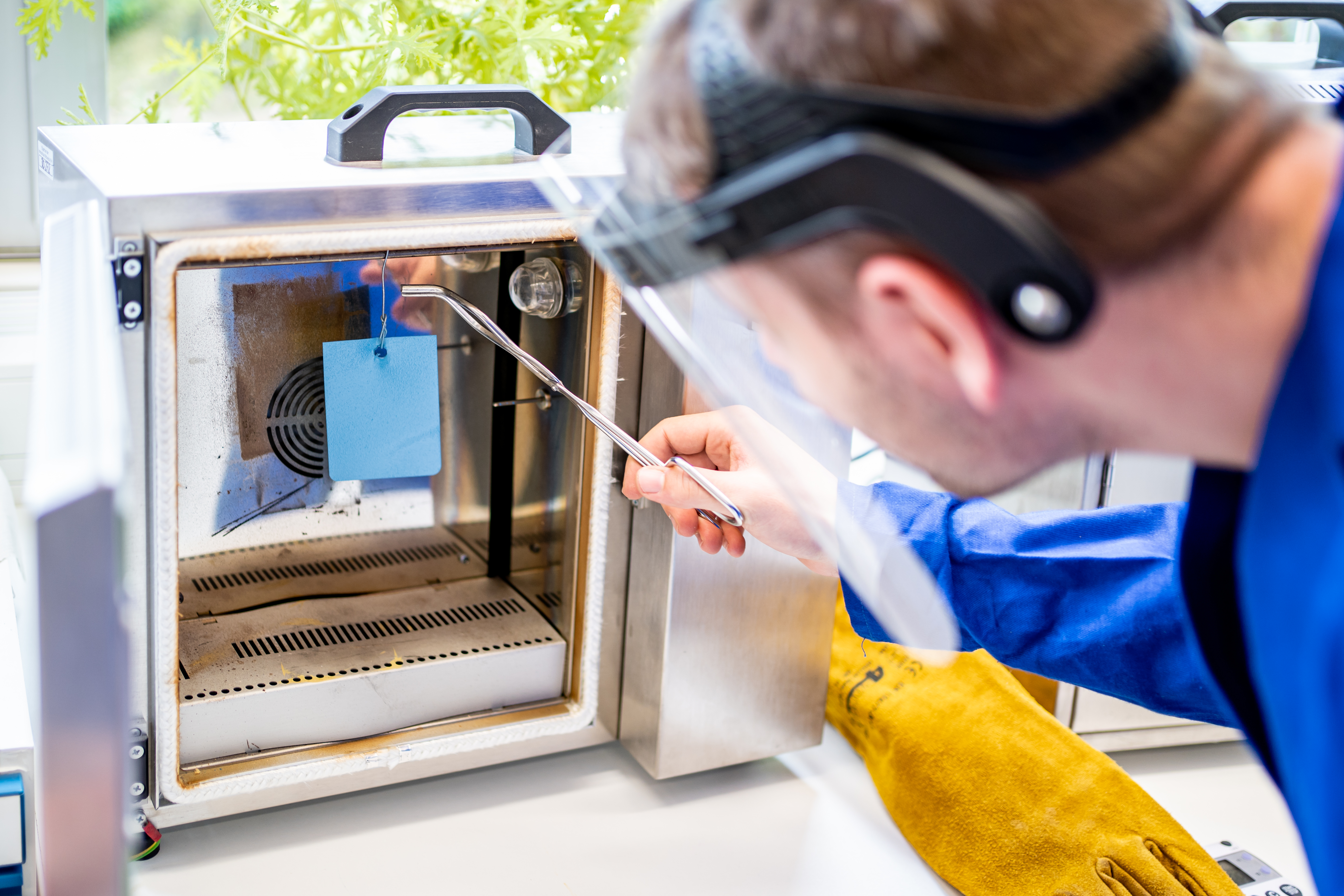
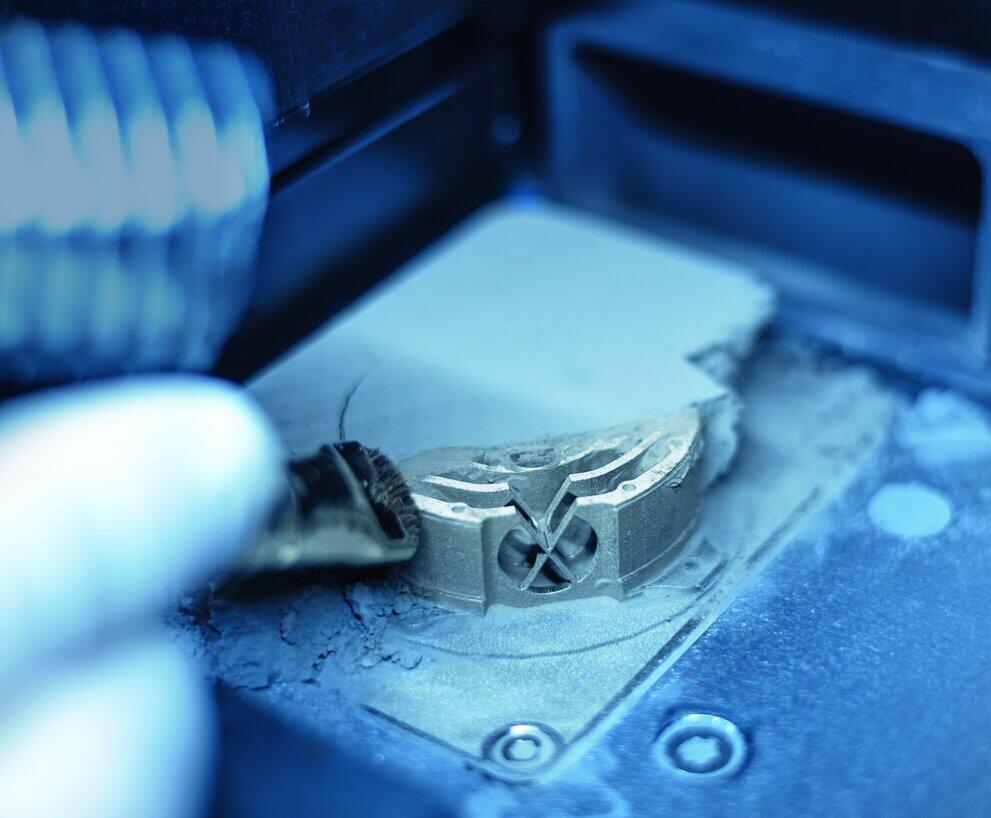
Whether it’s a wind turbine, a production machine or a vehicle component – the service life of technical systems is often determined by just a few micrometres of material. Those who develop surfaces therefore often determine how durable, cost-effective and reliable a product will ultimately be. In Mittweida, you can specialise in this field.
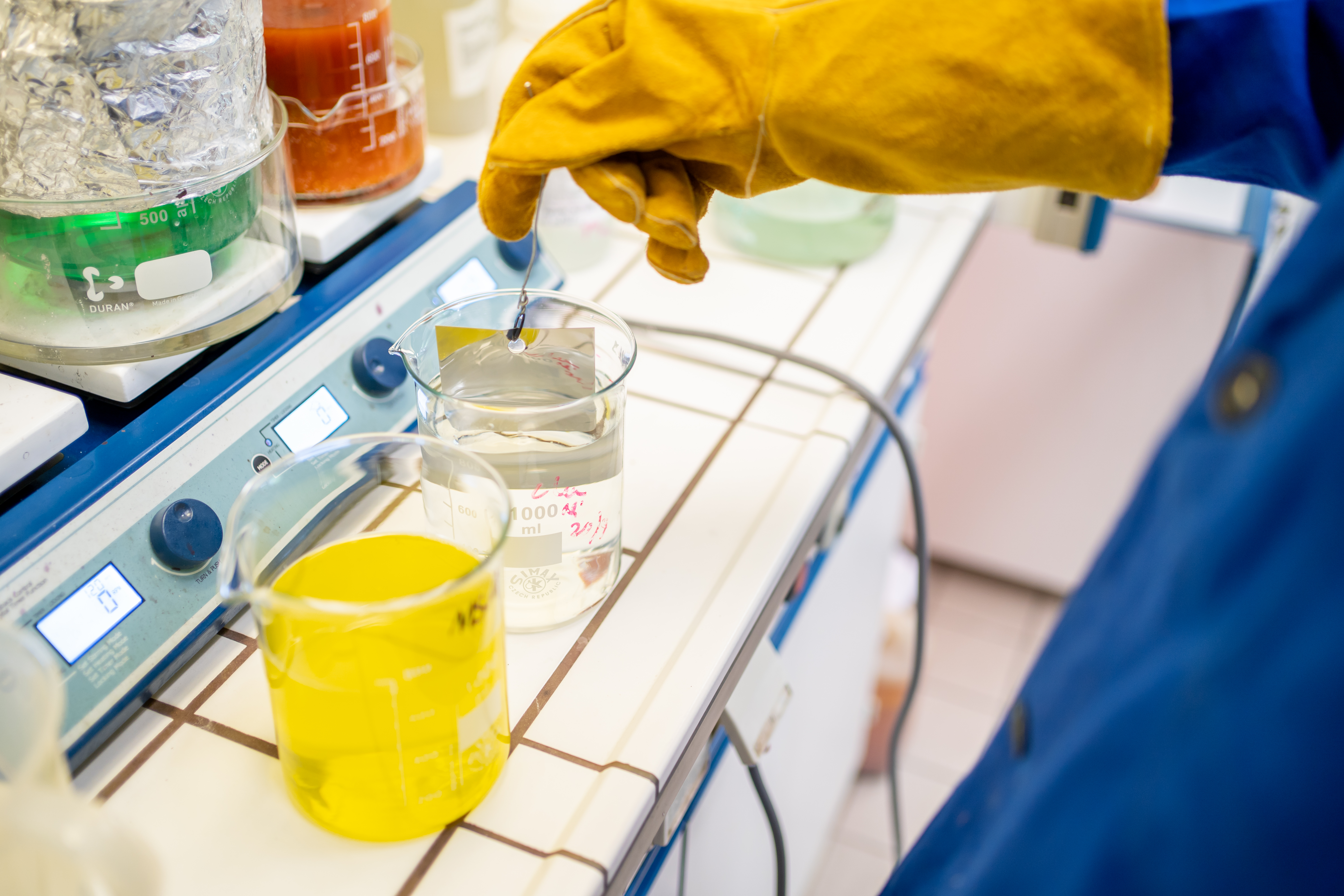
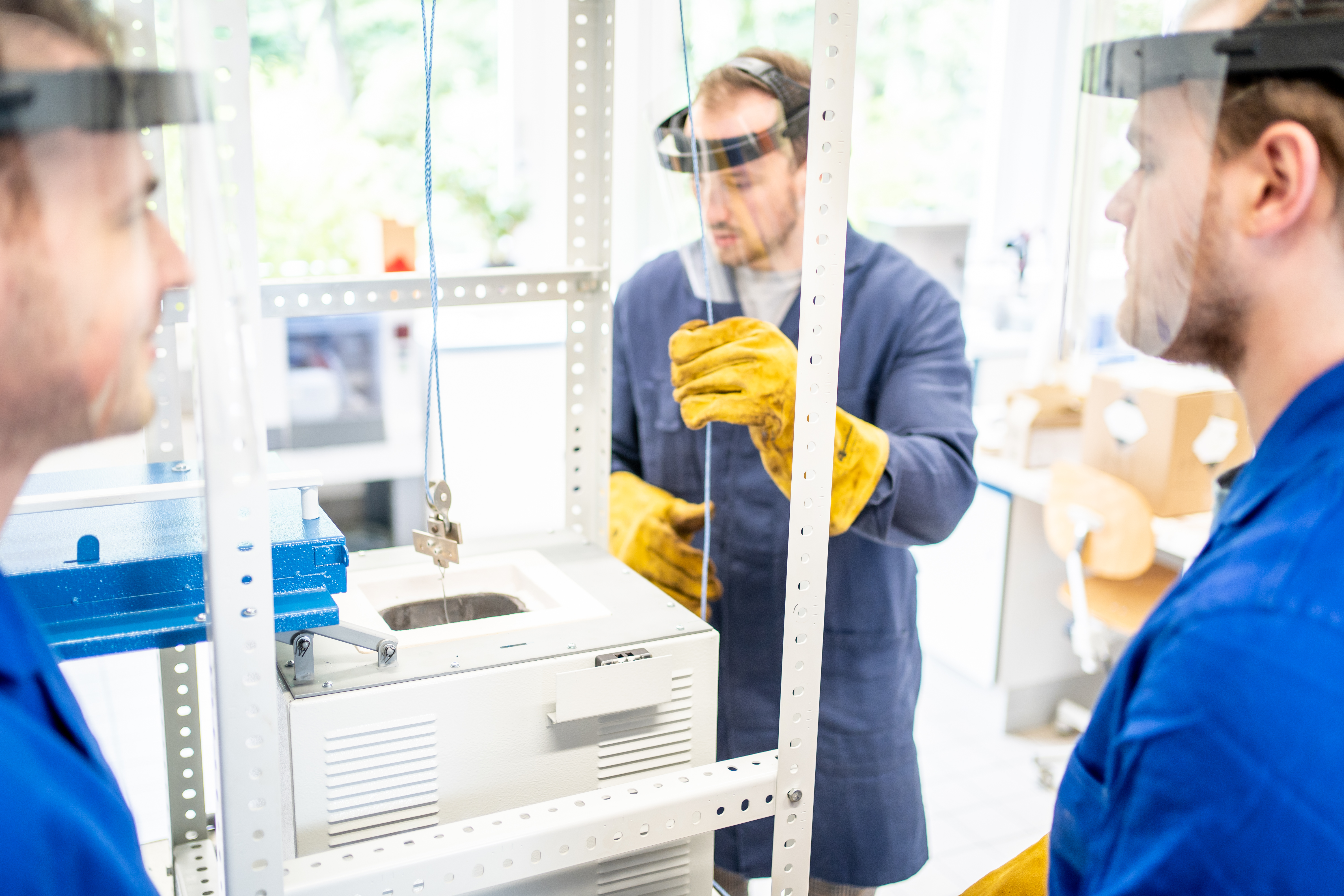
The Surface technology specialisation combines knowledge of material behaviour, damage mechanisms and joining technologies with methods for the targeted modification of technical surfaces. After all, only by understanding the underlying causes can one select materials appropriately, adapt manufacturing processes and significantly extend the service life of technical products.
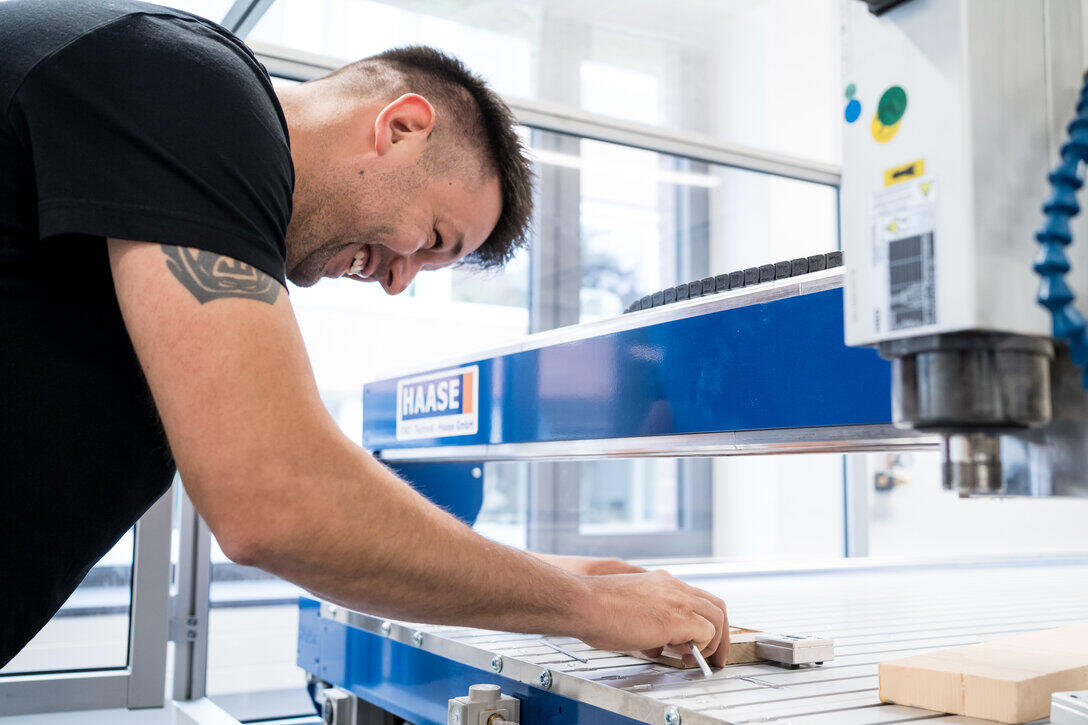
An overview of the course content
How can signs of wear be reduced? Which coating processes are suitable for different operating conditions? And how can the causes of damage be identified and prevented in future? These are the questions that form the basis of the Surface technology specialisation within the Mittweider Master’s in Mechanical Engineering.
Through this specialisation, you will develop the profile of a specialist who considers materials, surfaces and manufacturing processes holistically and devises technical solutions for demanding operating environments. These are skills that are in demand wherever high loads, aggressive environmental conditions or long product life cycles play a key role.
Advanced Mechanical Engineering
Conveyor technology
Advanced Mathematical Methods
Special Materials/Materials Testing
Component behaviour/fracture mechanics
quality assurance
Product Lifecycle Management
Production Organisation
Software Engineering for Engineers
FEM (Finite Element Method)
2 specialisation modules:
- Corrosion and Wear Protection II
- Welding and Joining Technology
Failure Analysis/Material Selection
Project work
4 specialisation modules:
- Electroplating
- Physical Chemistry
- 2 compulsory-elective modules: Welding Technology, Business Planning, Production Informatics/Training Factory, Laser Processing or Machine Tool Design
Internship and Master’s
project duration: 24 weeks
Mechanical Engineering in Mittweida
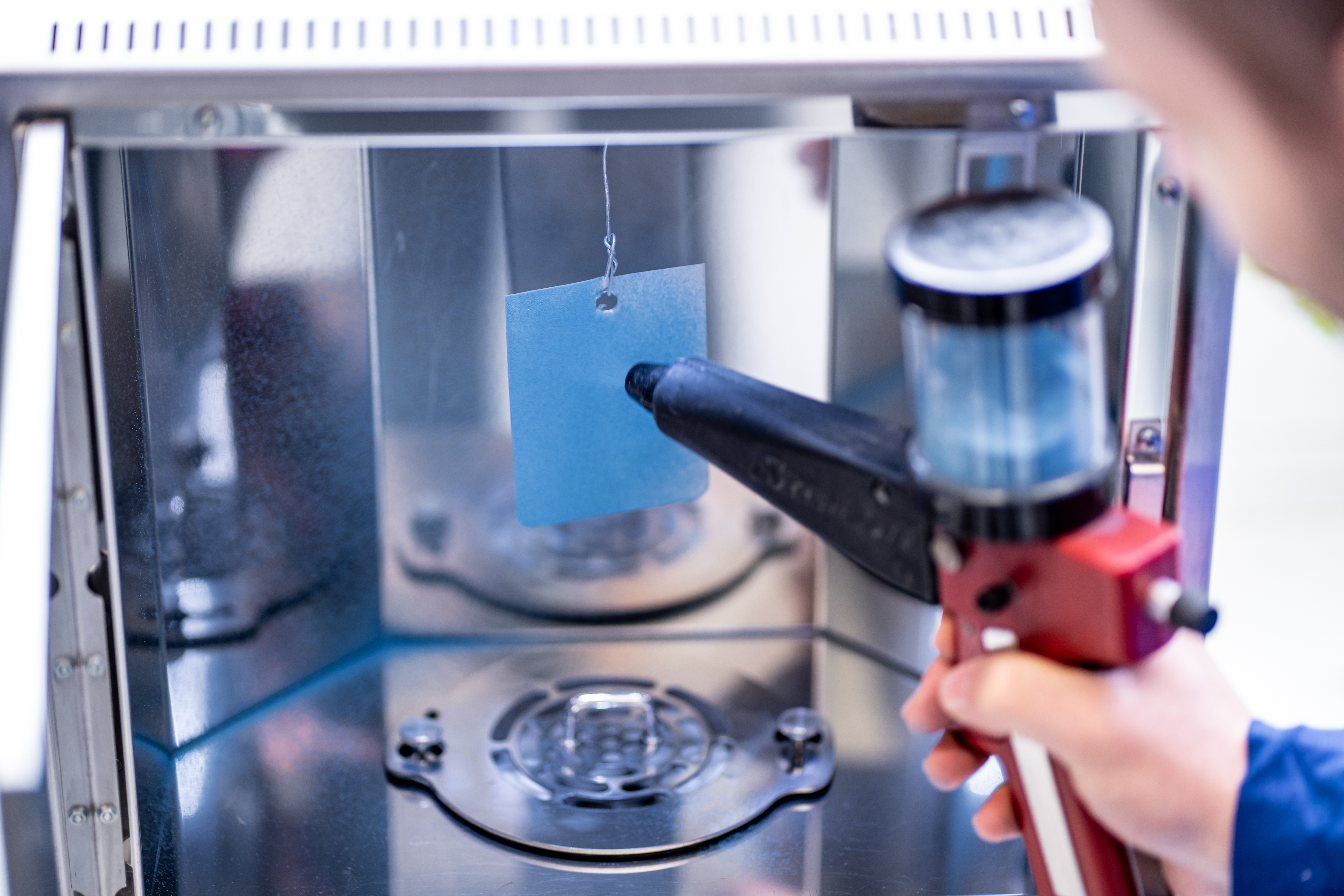
In summary – Surface technology in Mittweida

Specialisation in the full-time Master’s programme in Mechanical Engineering

(120 Credits)







Typical roles for graduates of the Master’s programme in Surface technology in Mechanical Engineering include surface engineer, materials and damage analyst, development engineer for coating and joining technologies, or specialist in corrosion and wear protection. Employers can be found in mechanical and plant engineering, the automotive and supplier industries, energy technology, rail vehicle manufacturing, and companies specialising in coating and materials technology.
Application and Admission
Applicants must hold a first professional degree comprising 180 ECTS credits (Bachelor’s) in Mechanical Engineering. A different, comparable degree in a science or technology subject also qualifies applicants for admission to the programme.
Language skills:
Applicants who did not obtain their entry qualification at a German-speaking institution must also provide evidence of sufficient German language proficiency. The required language level is C1 according to the Common European Framework of Reference for Languages (CEFR).
Proof of this can be provided, for example, by passing the ‘German as a Foreign Language’ (TestDaF) at the Mittweida University of Applied Sciences Preparatory College – with an average of TDN 3 in the areas of reading comprehension, listening comprehension, written expression and oral expression – or by means of an equivalent certificate.
The application period for the coming winter semester begins on 15 April and ends on 15 July. You can register for the Master’s programme in Mechanical Engineering at hs-mittweida.de/bewerben. Once you have submitted all the forms and supporting documents, you can enrol on the programme. Once you have enrolled, your place at Mittweida is secured.
For international applicants, the application period ends on 15 May. This earlier deadline allows you to obtain a visa in good time for the start of your studies in September.
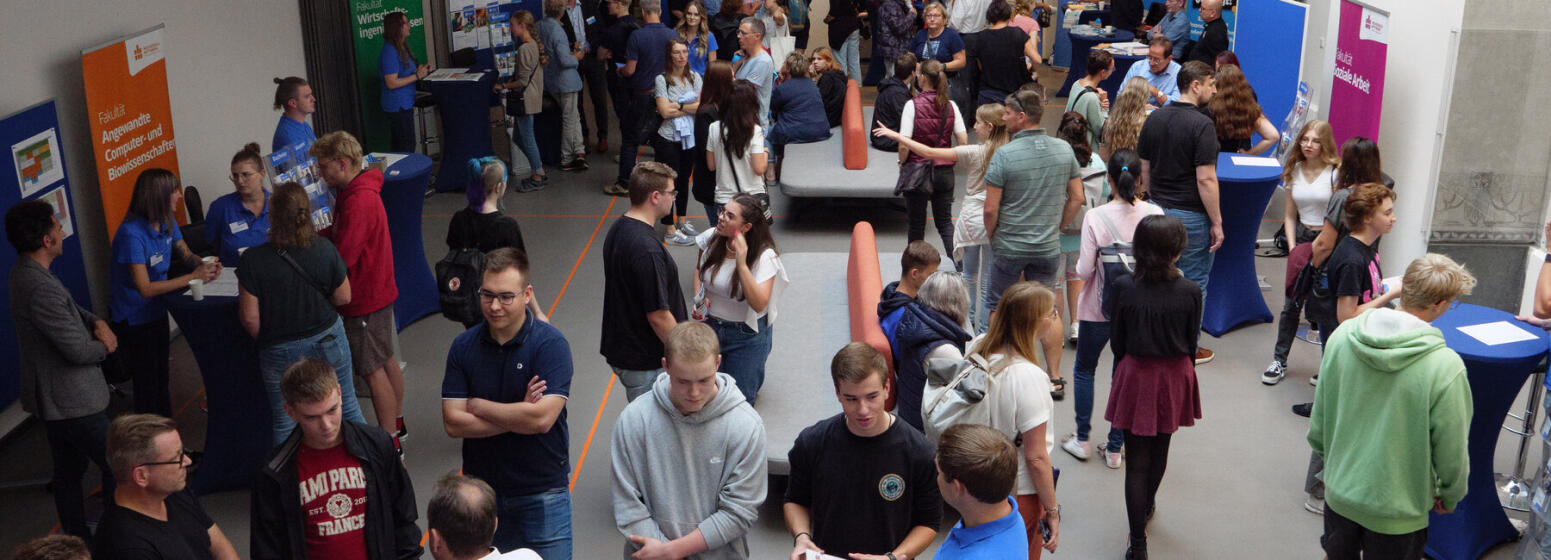
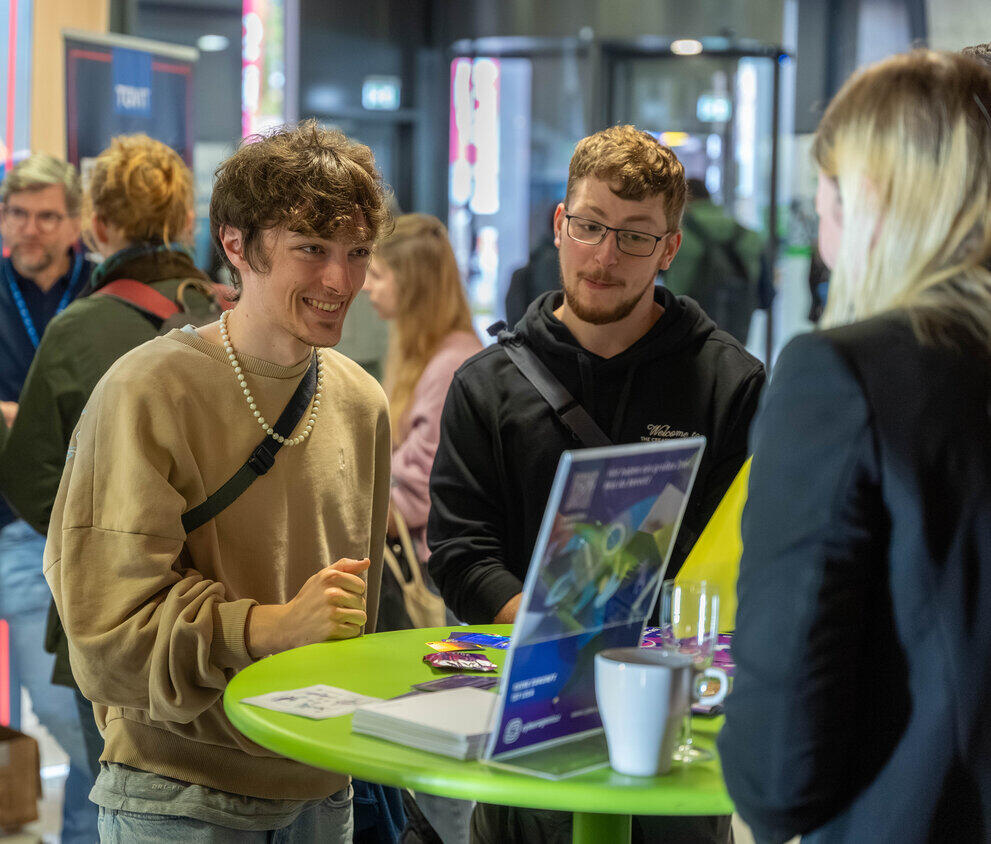
Excellent study conditions combined with affordable rent mean one thing: you can focus on your studies and kick-start your career in no time. You’ll also benefit from a wide range of support services. For example, we’re here to help with tutorials if you ever get stuck with your studies; our start-up network, SAXEED, supports you in setting up your own business; and the Social Support Centre makes studying possible whether you’re a parent or facing physical or mental health challenges. And: there’s no shortage of fun. Which other university holds two music festivals a year on campus? Which one has an esports team with over 100 players? Mittweida University of Applied Sciences is different from what you might think. See for yourself at the Open Campus Day (Studieninformationstag) or the Night of Sciences (Nacht der Wissenschaften)!

Related degree programmes

Frequently Asked Questions
Yes, you choose modules from comprehensive lists of compulsory and optional modules to tailor your profile specifically to your strengths – whether in Digital Product Development/Micromobility, Resource-efficient Manufacturing Technology or Surface technology.
As the Master’s programme places a strong emphasis on practical laboratory and project work, during which you will use the university’s machinery and software tools, we recommend that you live near the campus. Those who commute must be prepared for a packed timetable, which may also include block placements.
There are no school-style holidays during your degree. Instead, there are lecture-free periods. During these, you can study, write assignments, undertake work placements – and treat yourself to a bit of a break now and then.
In the 2026/2027 winter term, in addition to public holidays, the following periods are lecture- and exam-free:
- 21 December to 3 January,
- from 22 February. Exception: The Faculty of Social Sciences begins its lecture-free period on 29 February.
In the 2027 summer term, with lectures starting on 22 March, the dates are:
- 25 March to 2 April,
- 7 May,
- 17 May,
- from 2 August. The Faculty of Social Sciences will also hold an examination week from 23 to 27 August.
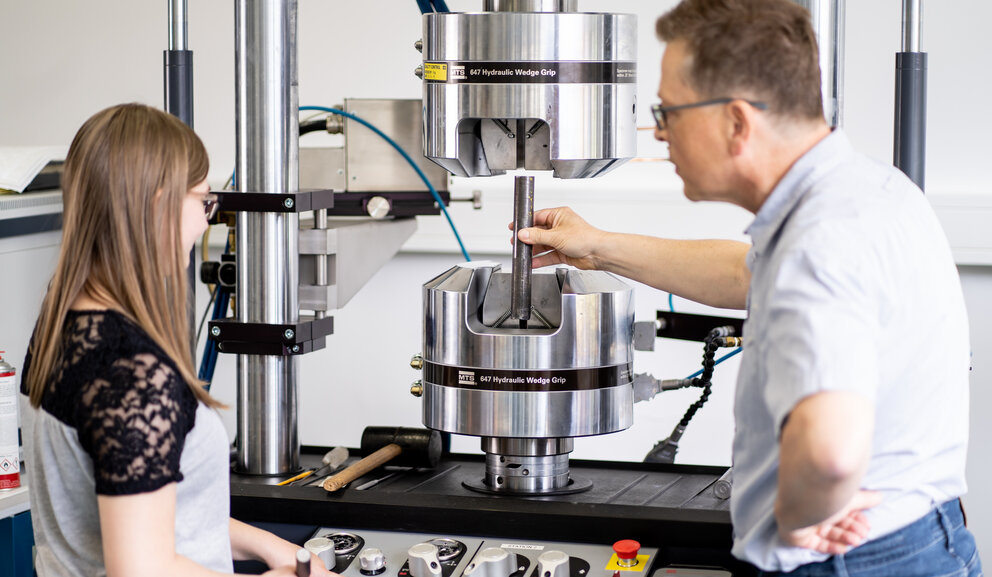
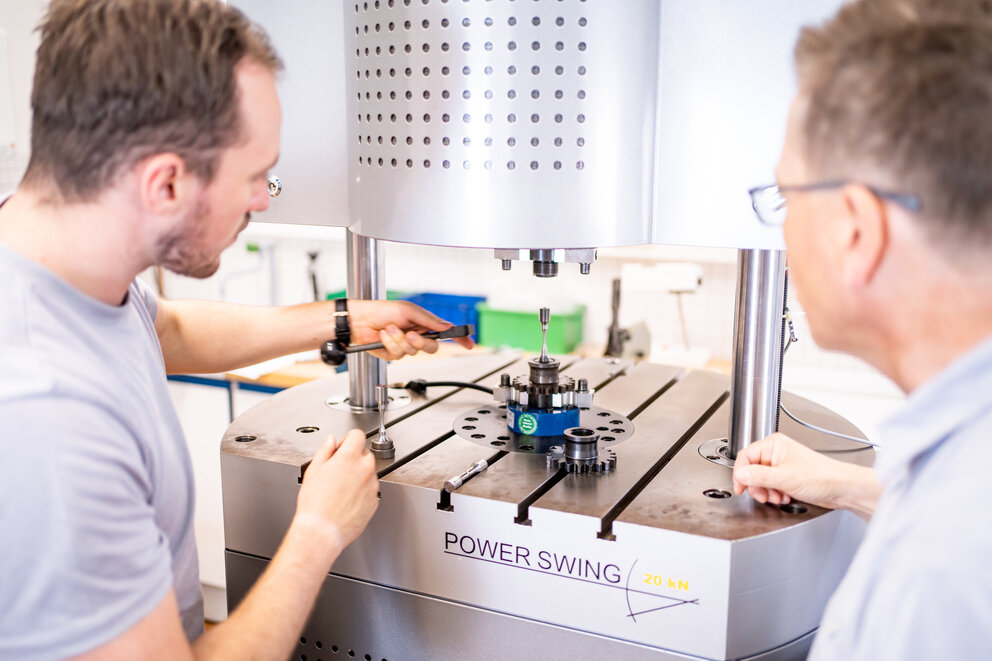
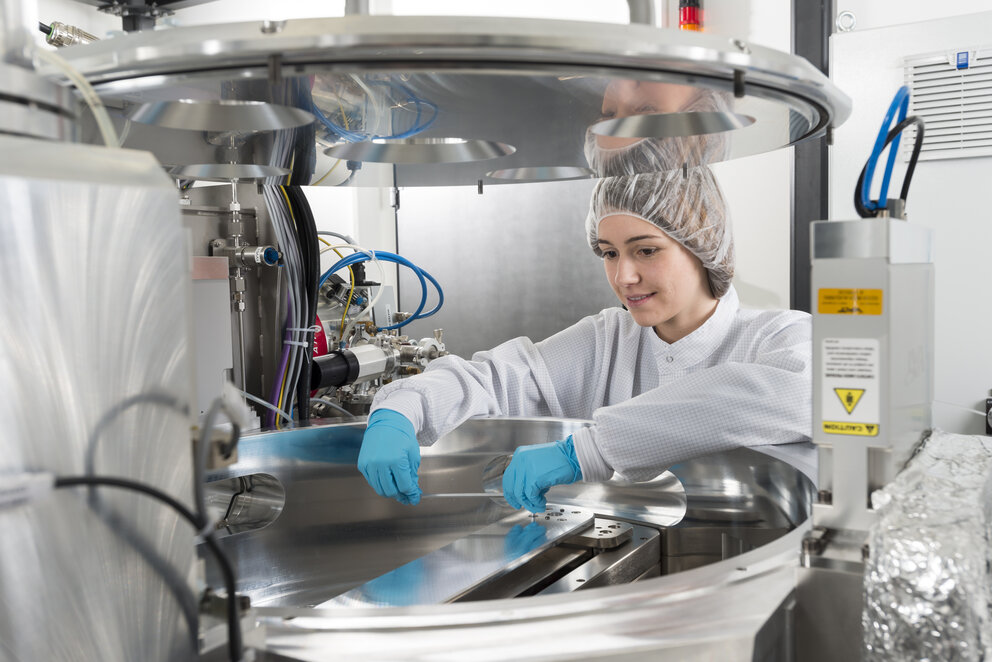
You’ll be involved in real-world research or development projects for companies, make use of HSMW’s state-of-the-art laboratories, and complete your degree with a Master’s thesis, which is almost always written as a practical innovation project carried out directly within the industry.
A bachelor’s degree already provides you with an excellent foundation for starting your career as an engineer straight away. A Master’s degree in Mechanical Engineering is the right choice for you if you wish to specialise further in your field (e.g. for complex tasks in design or research) or if you have a clear ambition to take on management roles in the future.