This page was translated automatically using artificial intelligence (DeepL). The German version is binding. More information about automatic translation
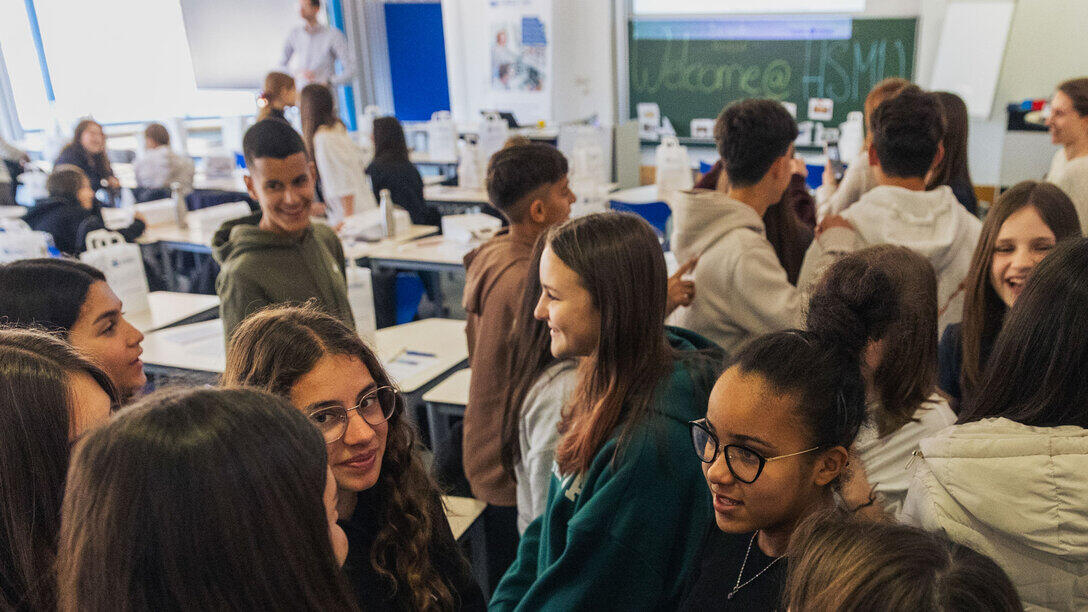
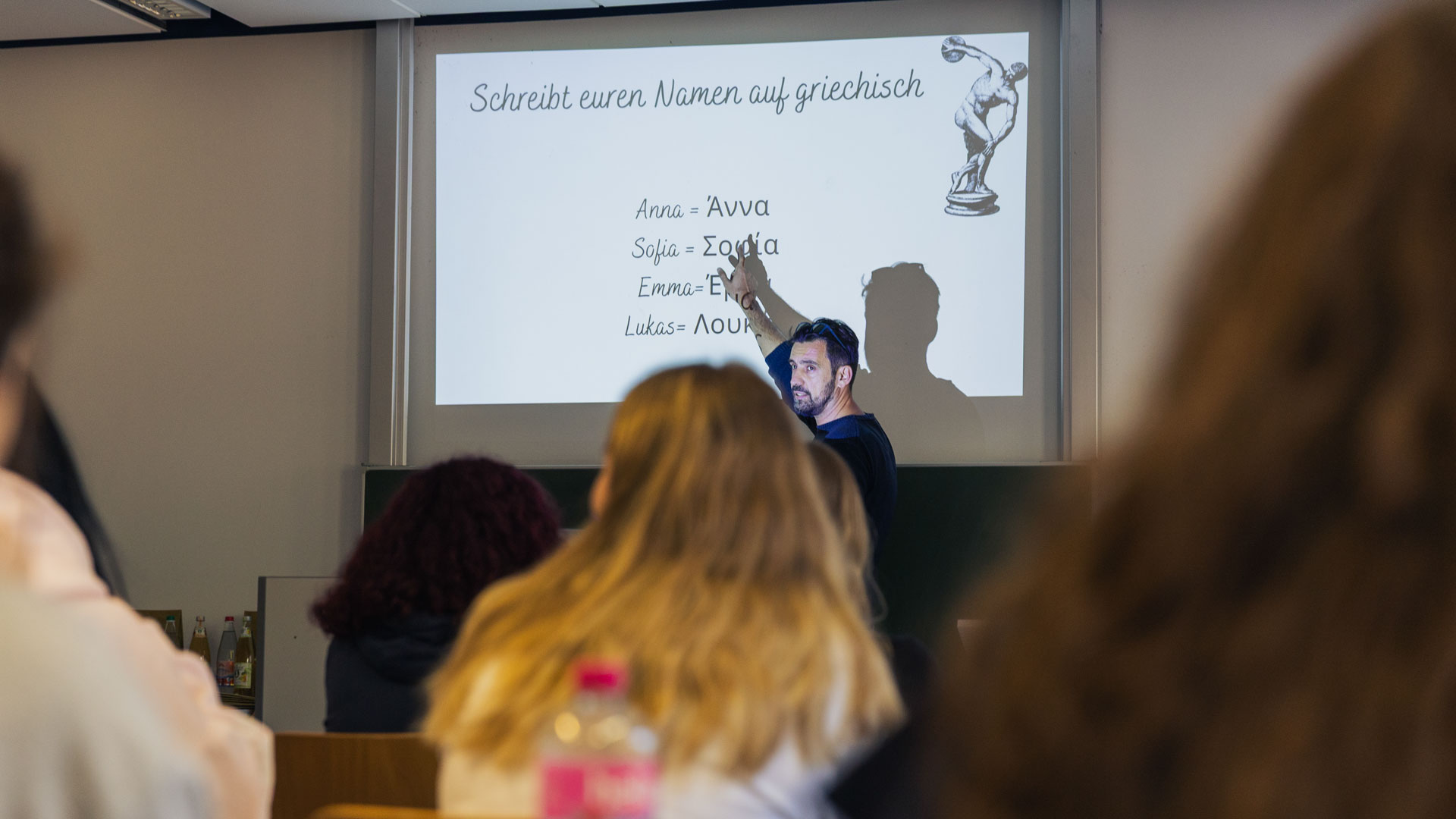
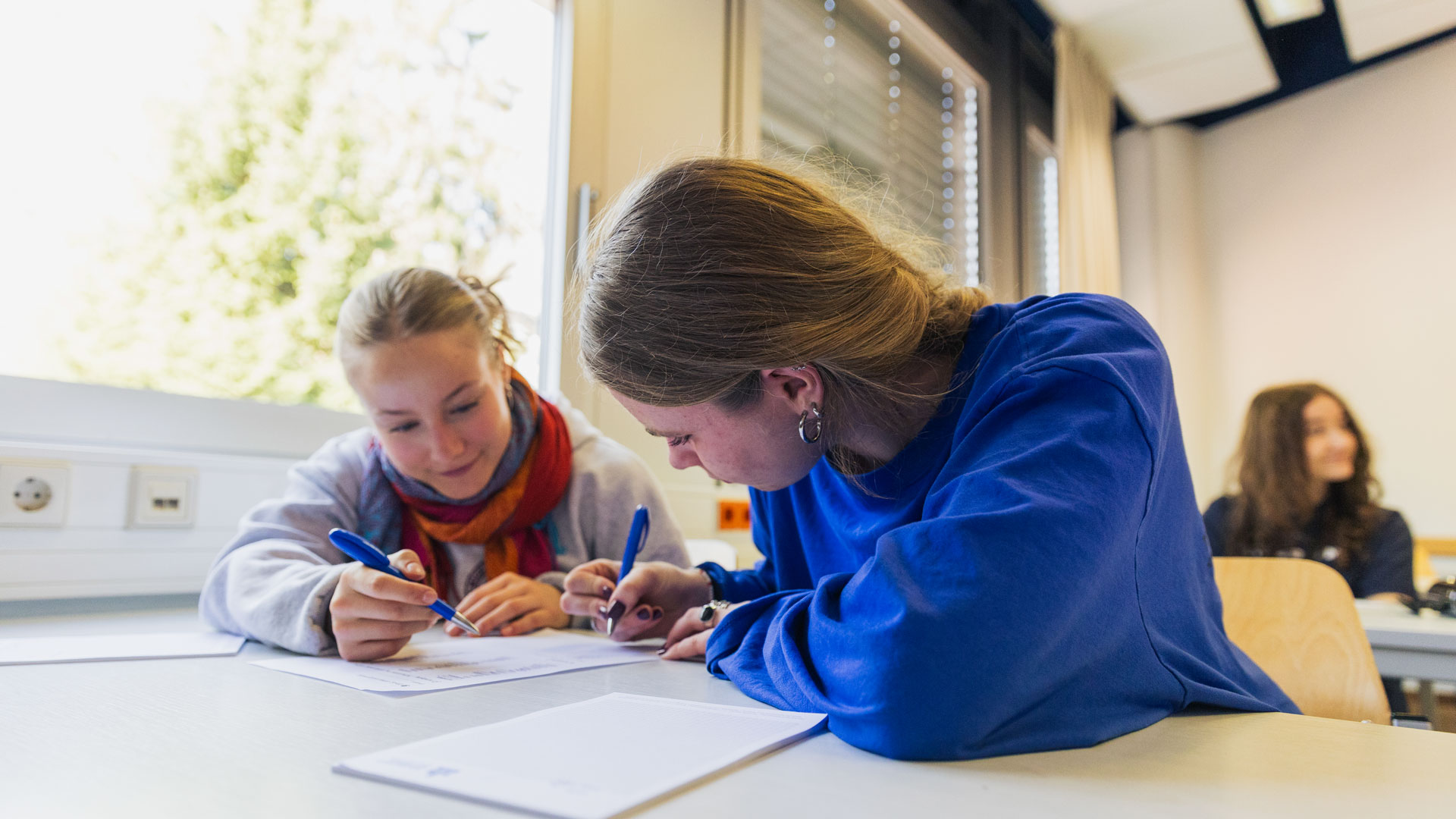
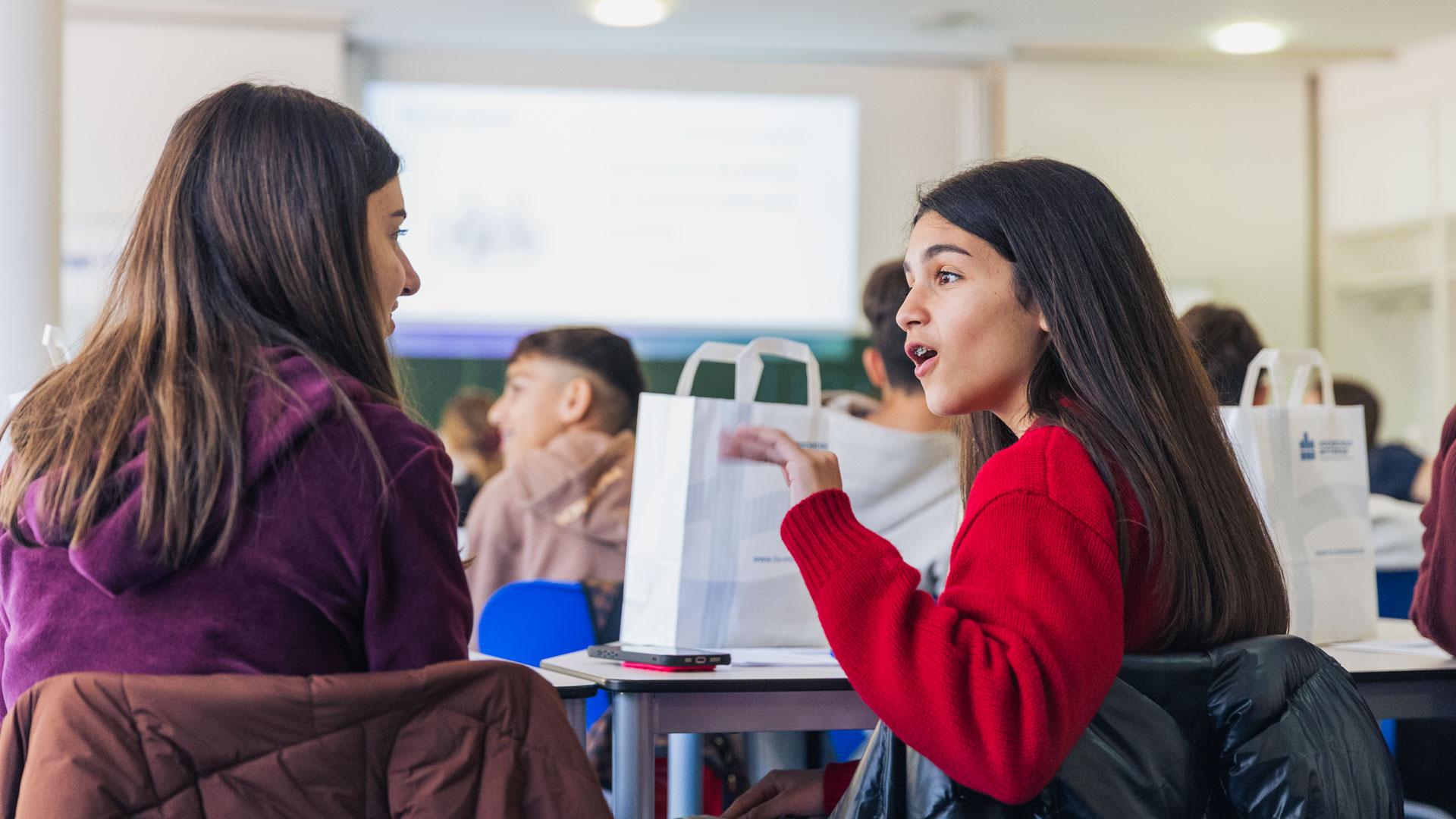
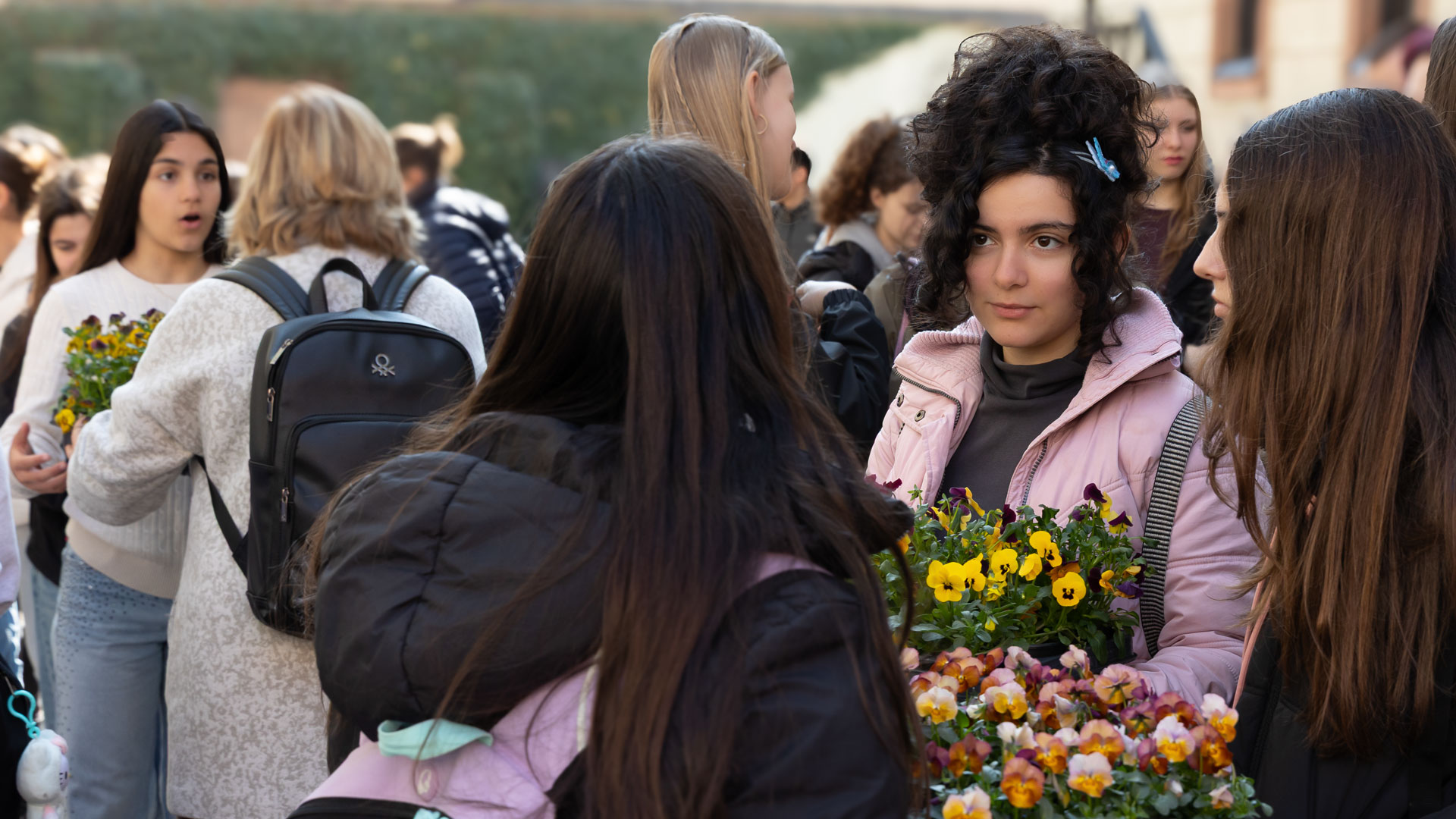
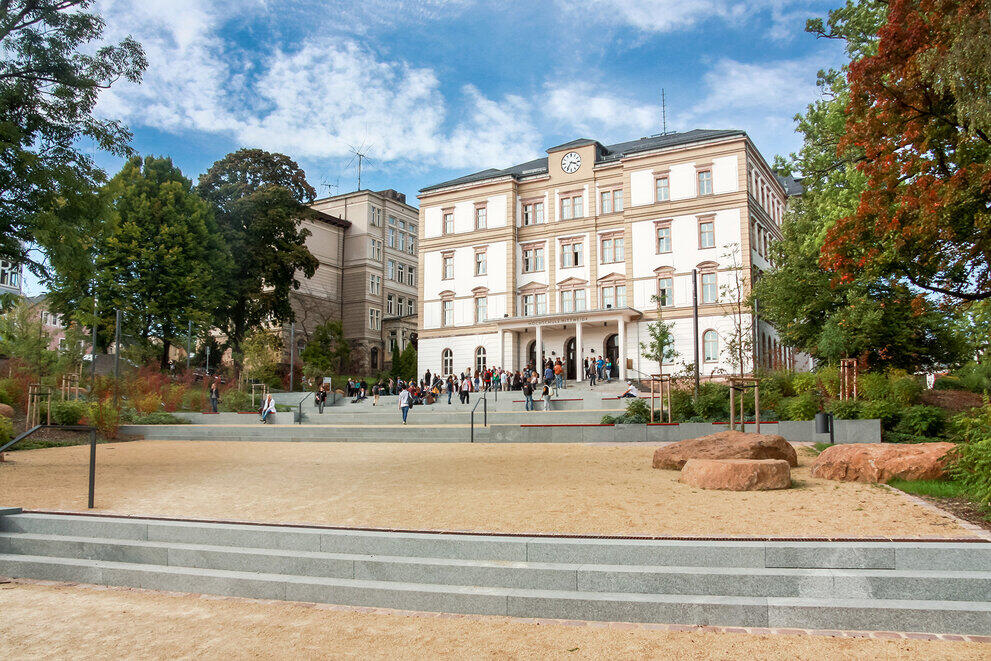
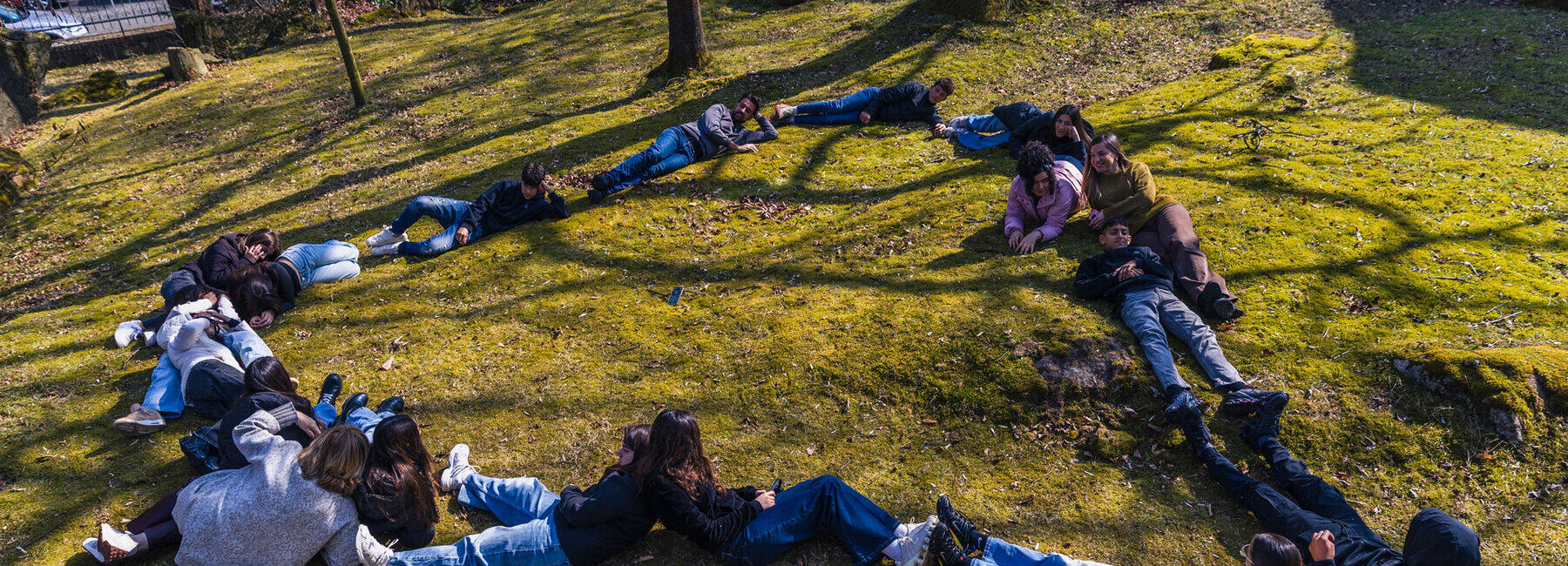
From 16 to 20 March, the EURECA-PRO university alliance brought together 46 school pupils from Poland, Greece and Germany on the campus of Mittweida University of Applied Sciences. There, the ‘Young Eco Heroes’, aged between 13 and 16, presented the results of their project work. Since October 2025, they had been working at their schools on the practical implementation of sustainable consumption and production – the central theme of EURECA-PRO. The three school groups were accompanied by their supervising teachers as well as researchers from the EURECA-PRO universities in their home countries.
The aim is the same for everyone: to find ways to promote more sustainable behaviour in the communities in which they live. Our university alliance, EURECA-PRO, aims to contribute to greater responsibility and sustainability in consumption and production through joint research and teaching across Europe. This begins with engagement at a local level – and with the involvement of Europe’s younger generation. That is why I am delighted to be here at Mittweida University of Applied Sciences for this meeting.
Prof. Dr Volker Tolkmitt, Rector of Mittweida University of Applied Sciences.
The power of young consumers
Staying informed, asking questions and not believing every brand we see – that was one of the conclusions reached by the Greek teenagers who explored the topic of fast fashion. They discussed the concept of fast fashion using Edward de Bono’s ‘Six Thinking Hats’ method. A survey of their fellow pupils helped them understand how young people think about fashion. As many as 74.5 per cent of those surveyed at the 1st Junior High School in Chania already donate or give away old clothes. The Young Eco Heroes group drew motivation and inspiration from the project to launch further initiatives at their school. A clothes swap event, a ‘Sustainable Fashion Day’ and a small campaign are already planned for the coming weeks and months.
When waste is turned into something new
The youngest participants are from Mikołów in Poland and are in Year 7 at Primary School No. 4 there. Instead of asking, “Is this art or can it be thrown away?”, the 13 pupils asked themselves: “Does it have to be thrown away already, or can something new be created from it?”. In the chemistry laboratory at our Polish EURECA-PRO partner university, the Silesian University of Technology, they carried out experiments under the guidance of researchers. This gave them a first-hand experience of scientific work. They passed on what they had learnt in lessons to their younger classmates in Years 2 and 3 – including a creative activity: the children had the chance to practise making small works of art from reusable materials.
Cooking to combat food waste
The principle of ‘turning old into new’ also applies to the third project theme: pupils at the Marthin-Luther-Gymnasium in Hartha have developed a ‘No-Waste Cookbook’ – a cookbook featuring recipes that make good use of leftover food. Under the umbrella of the European ‘Farm to Fork’ strategy, they have spent the past few months exploring how food systems can be designed to be fair, healthy and environmentally friendly. In the coming weeks, they too will be visiting their Year 7 classmates in Hartha. They’ll be bringing with them a quiz on the journey of imported food, facts about food waste and information on the Planetary Health Diet.
About the Young Eco Heroes initiative
The Young Eco Heroes initiative teaches young people about the use of resources and their importance; it introduces them to scientific methods and gives them an initial insight into the academic world. Above all, it contributes to their personal development, particularly in an international context: from an early age, they develop an awareness of other cultures, learn to communicate in a different language, and present their work to an audience. This European educational project is run by the EURECA-PRO university alliance. Among its nine members across eight countries, Mittweida University of Applied Sciences, the Technical University of Crete and the Silesian University of Technology are taking the lead on the Young Eco Heroes initiative. Through projects of this kind, EURECA-PRO aims to realise its vision of integrating society into science and education around the core theme of sustainable consumption and production.