This page was translated automatically using artificial intelligence (DeepL). The German version is binding. More information about automatic translation
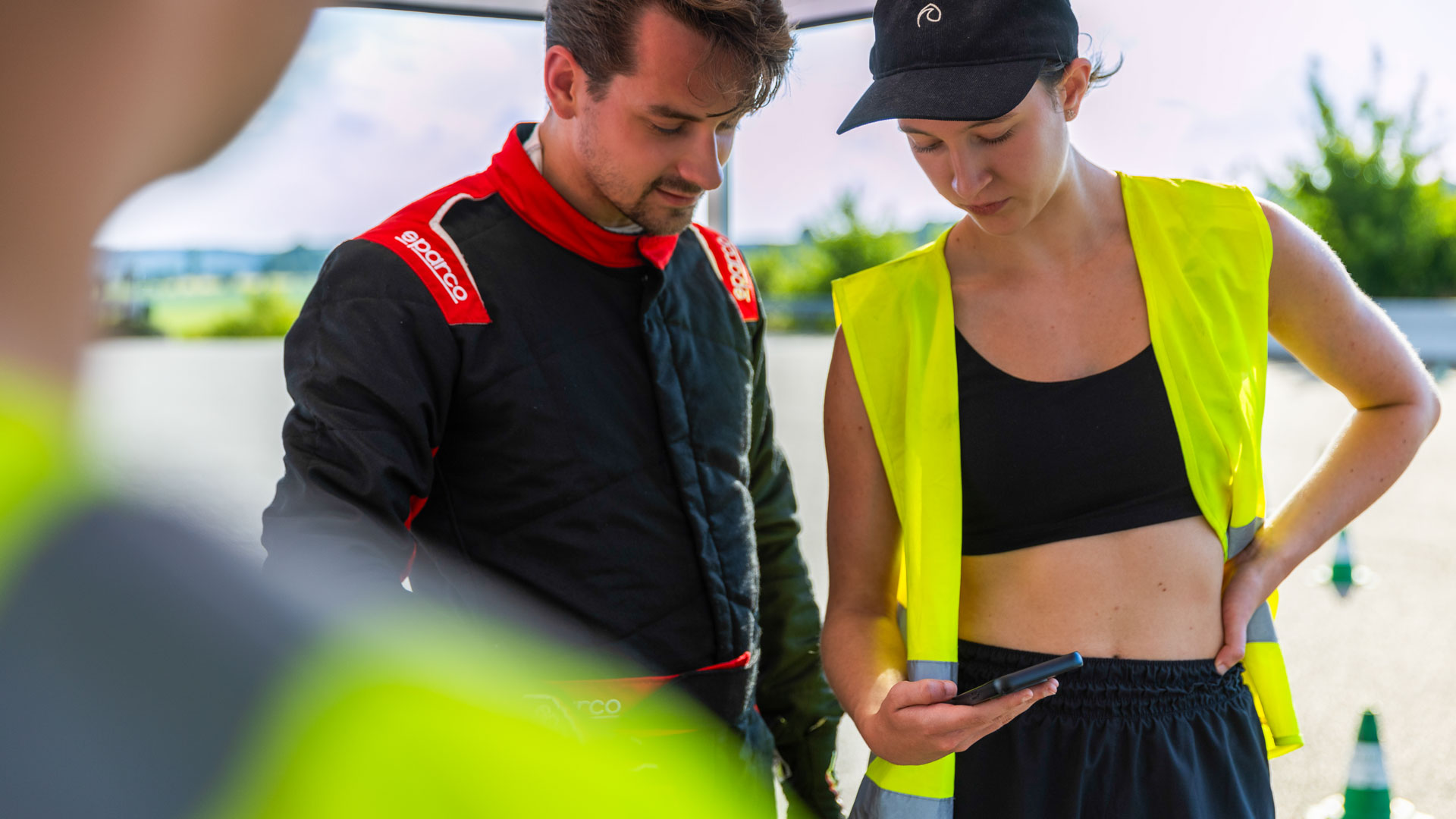
Before ‘Red Viper’ makes its racing debut on 12 July at the TT Circuit in Assen, the Netherlands, the electric racing car from Technikum Mittweida Motorsport (TMM) will be completing its test laps at the Sachsenring right up to the very last minute. TMM is the Formula Student team at HSMW, and ‘Red Viper’ is the name of the new car with which the students will compete in the 2025 season.
“The many days of testing we’ve carried out over the past few months are a key part of our racing car’s development phase,” says Paula Bachmann, TMM’s head of marketing. The 19-year-old has been volunteering with her university’s racing team since the start of the year, alongside her degree in Global Communication in Business and Culture. “We try to drive at the test track, 40 kilometres away, at least once a week. We use the data we collect either on site to optimise the car or later in our workshop in Mittweida.”

An afternoon of testing at the Sachsenring provides valuable insights, for example, into adjustments to the chassis and software. The car’s faults and weaknesses can be identified more effectively on a track laid out in the same way as for a race event. Specific disciplines, such as the skid pad – a circular, flat track shaped like a figure of eight – or the 22-kilometre endurance run, where stamina is key, are specifically simulated.
Whilst driving, Red Viper records important live diagnostic data using numerous sensors, such as the current power consumption or the temperature of the battery. Tuning the battery management system is one of the most important and challenging tasks when it comes to an electric racing car. That is why TMM also has a dedicated Electronics Department. Team members receive the measurement data live on their mobile phones.
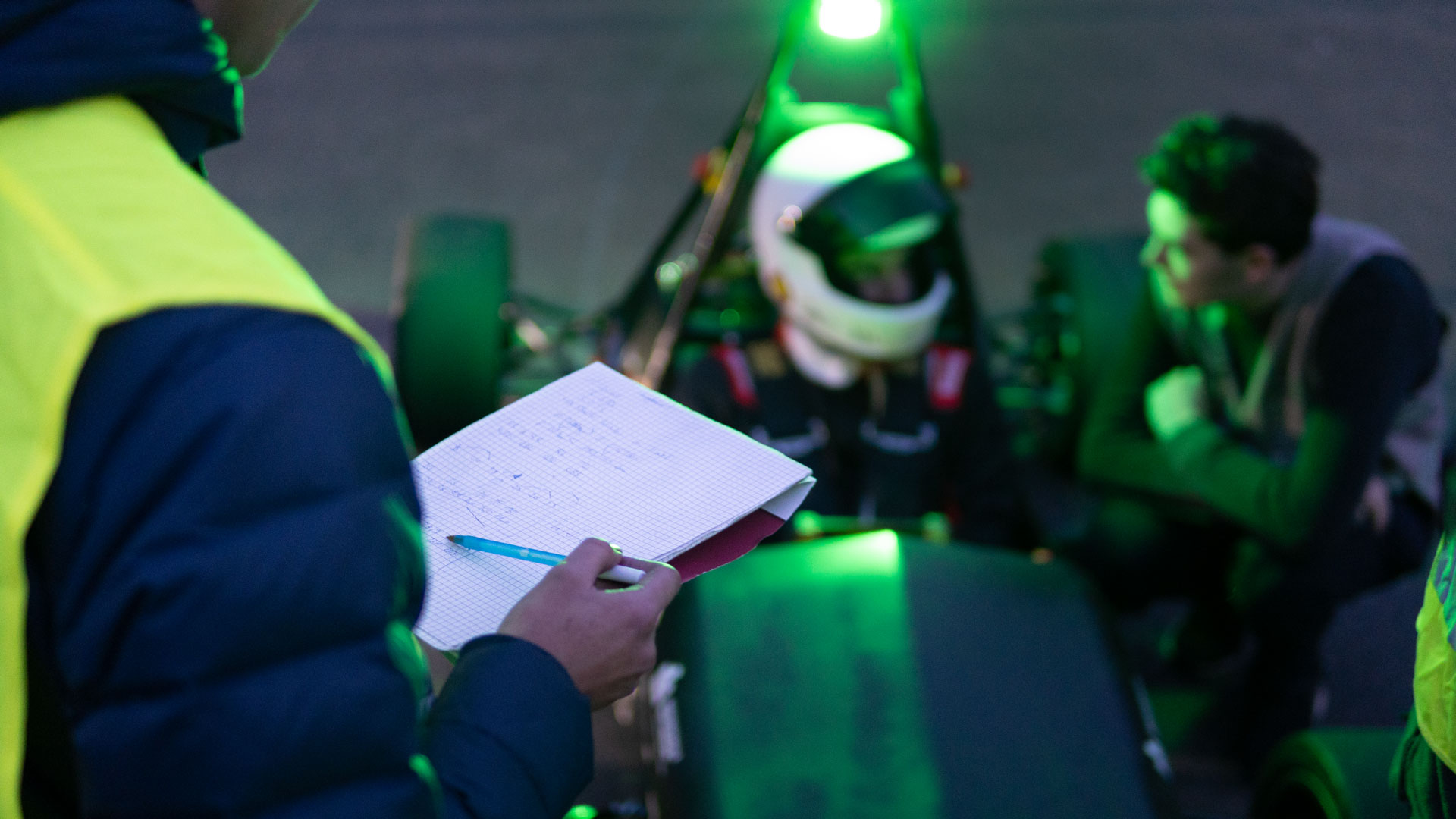
Alongside the main Electronics department, there is a Mechanics department. The heads of both departments and the TMM team leadership prepare meticulously for the test day, agree on a structured test plan and ensure that everyone involved knows what to expect. Communication is key here – on the test site, it usually takes place directly via Messenger, by phone or using walkie-talkies, quickly and pragmatically.
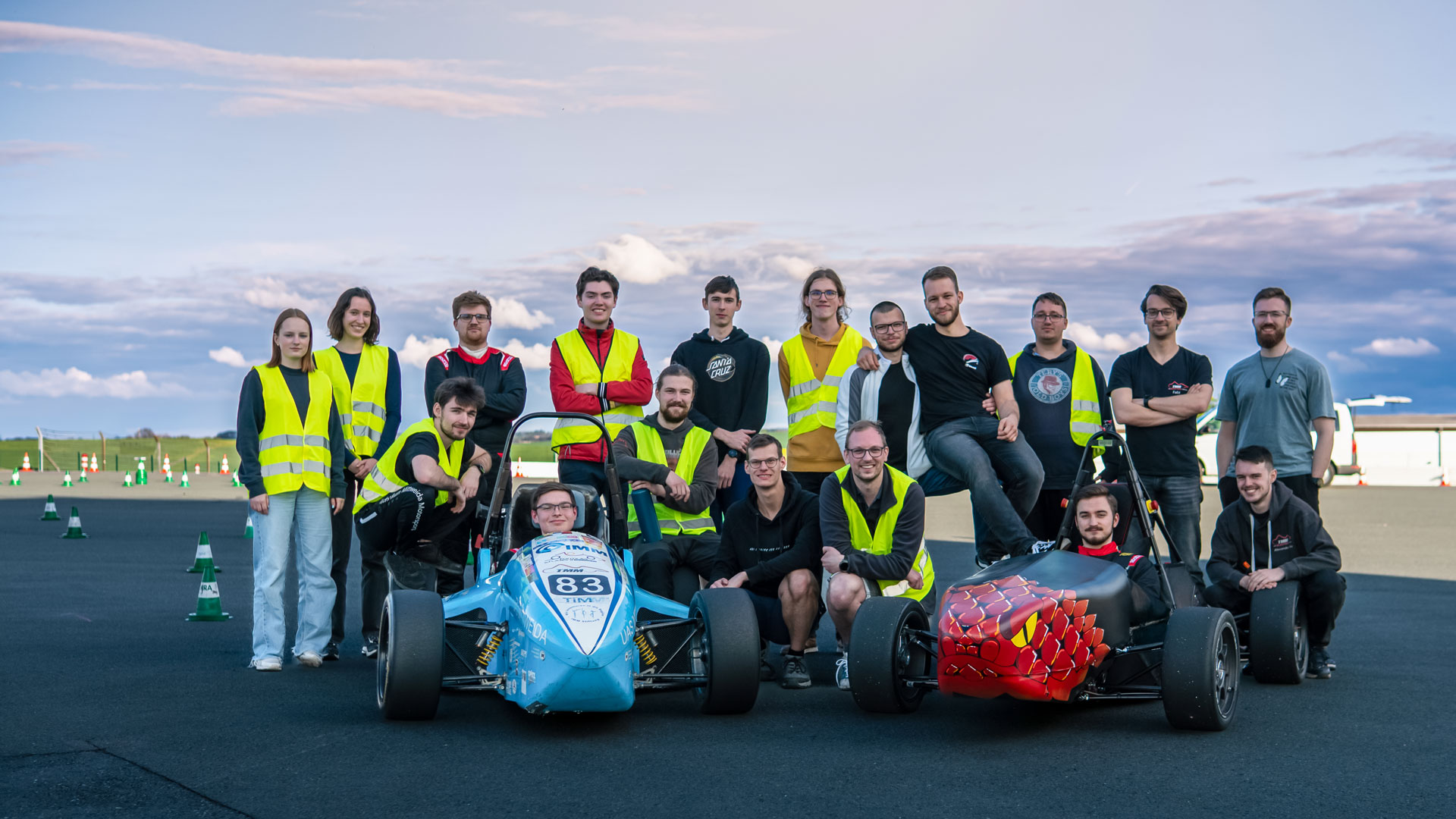
External communication is also important, and marketing plays a crucial role in the Formula Student competition alongside the technical and driving disciplines. During the test afternoon, the marketing department produces photo and video material for the website and social media, and secures sponsors. This season, TMM’s ‘support team’ includes, amongst others, the Chemnitz Casino, the interior textiles shop, Lysel in Plauen and Falkenstein, and Igaming. Paula Bachmann is delighted: “A big thank you for the support. Without it, we wouldn’t be able to afford to take part in the races.”
Just as varied as the disciplines that must give their all for a successful racing season are the roughly one hundred student minds at TMM. They come from (almost) all faculties at HSMW. And so every test day also becomes a team event, with experiences that bring the team closer together as they look ahead to the season. Following the season opener in Assen – with real racing experience under their belts and further testing at the Sachsenring – the team will continue at the Transpolis test track at the foot of the French Alps in late August. Ben Sander (26), Technical Team Leader and a student of Physical Engineering, is still cautious in his assessment of the goal: “This season, we’d like to finish in the top 20 of the endurance standings. Test days bring us closer to this goal step by step, through dedication, technical expertise and genuine teamwork.”
Text: Paula Bachmann/Helmut Hammer
Photos: TMM