This page was translated automatically using artificial intelligence (DeepL). The German version is binding. More information about automatic translation
There can be no research without data. High levels of complexity, diverse forms of data organisation and the ever-increasing speed at which research data is processed present researchers with major challenges, both now and in the future. Structured research data management (RDM) enables researchers to organise, store and archive their data efficiently, ensuring it is easily accessible and retrievable. This improves the efficiency of research work. Good RDM also ensures that research data is accurate, complete and of high quality. Measures can be taken to prevent data loss or corruption, for example through regular backups and data validation. This is important for achieving reliable research results and promoting the reproducibility of studies and R&D outcomes. FDM supports the exchange and sharing of research data. Universities of Applied Sciences (UAS) such as Mittweida University of Applied Sciences can benefit from an open, transparent and collaborative research environment in which data can be exchanged between different research groups. This can lead to synergies, new insights and interdisciplinary collaboration. There are also increasing legal and ethical requirements regarding the handling of research data, particularly with regard to data protection and data security. Universities and higher education institutions must therefore ensure that they meet these requirements in order to minimise potential legal risks and strengthen confidence in their research activities. Research data can be of long-term significance, both for internal use and for potential follow-up projects. Effective RDM therefore also involves planning and implementing strategies for the long-term archiving and preservation of data to ensure that it remains accessible in the future.
To address these challenges, the SaxFDM initiative, comprising Saxon universities and research institutions, has been established.
SaxFDM stands for networking, cooperation and coordination of all activities relating to research data management. Advice on data management planning and the development of relevant technical services are examples of their and our work in this area.
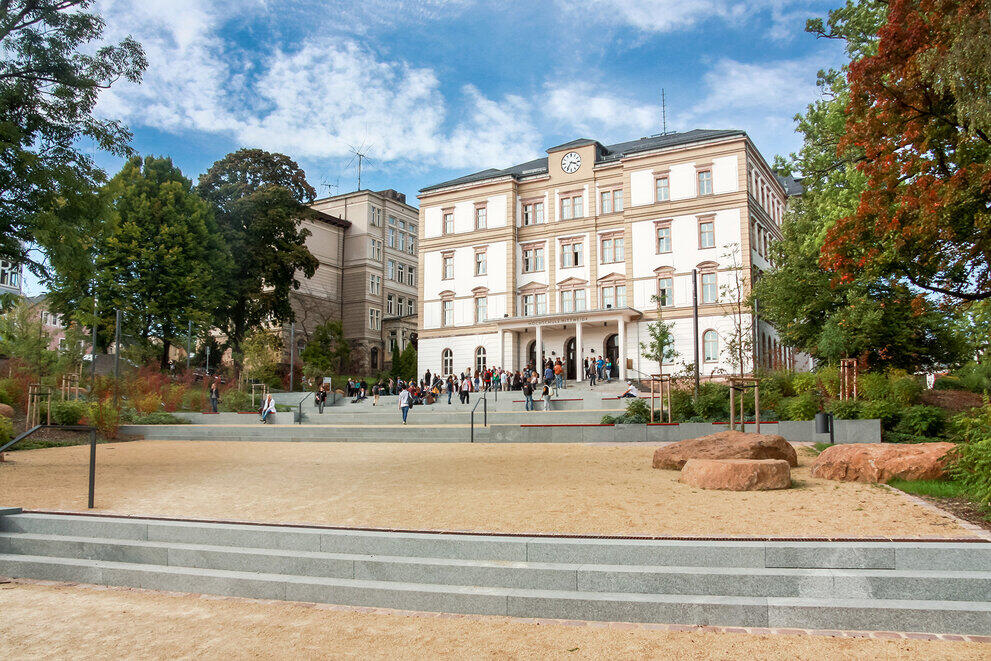
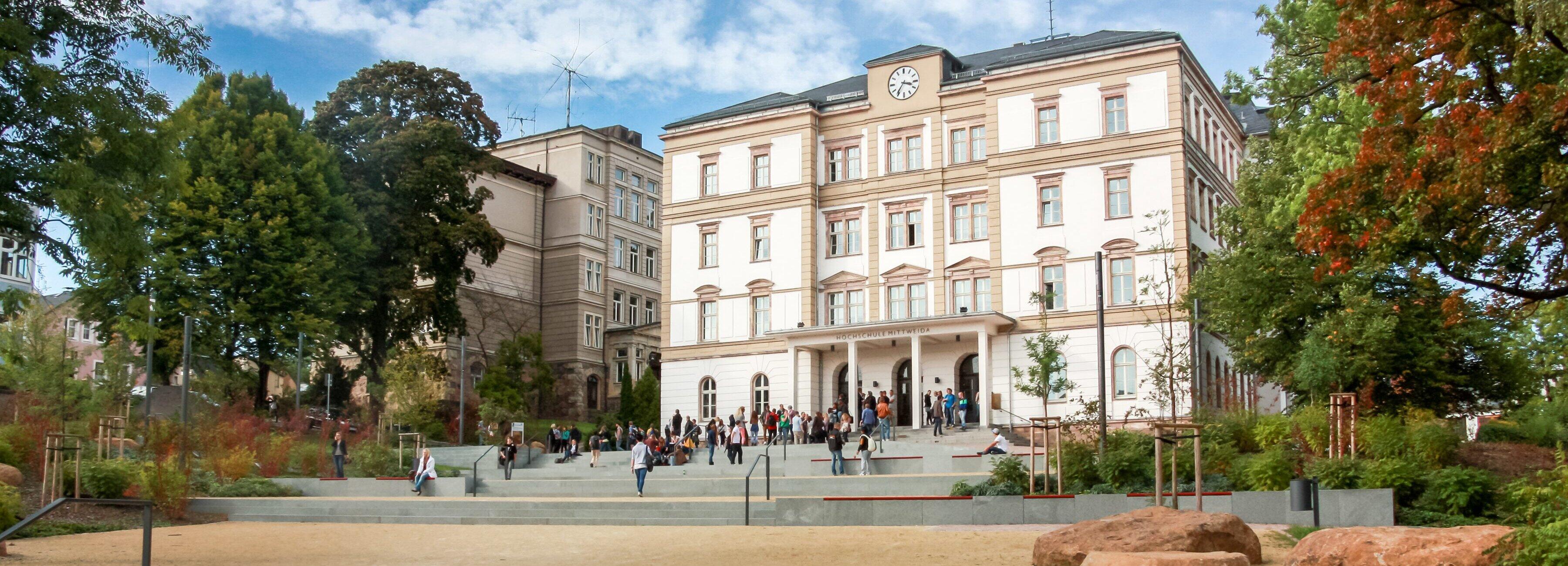
Mittweida University of Applied Sciences is also an active member – represented in the Technical Services Working Group and the Spokespersons’ Group – and welcomed the initiative’s partners to the 14th plenary meeting in Mittweida.
Representatives from Saxon universities, universities of applied sciences, libraries and non-university research institutions accepted the invitation, reported on findings or learnt about developments relating to FDM.
Following the report from the spokespersons’ group – which was characterised by very positive feedback from the SMWK – the SaxFDM Competence Team (SaxFDM’s core working group) then presented its interim report, detailing milestones achieved, such as marketing, network expansion, consultancy services, etc.
The focus projects funded under SaxFDM – ANNO (development of an anthropological ontology) and OpARA4Saxony (expansion of a research data repository) – also presented their research findings.
In the afternoon, the working groups on ‘Events’, ‘Technical Services and Tools’ and ‘Knowledge Transfer and Consultancy’ met to discuss further steps to support the initiative.
The day concluded with a joint discussion on a possible operating model for SaxFDM, which is intended to ensure the initiative’s continued existence beyond the SMWK’s funding period.
Further information on SaxFDM is available at the following link: saxfdm.de or from the Research Data Management Officer, Lisa Römer, in the Research Department.
Text: Lisa Römer, Matthias Baumgart
Photo: Julia Gerstenberg