This page was translated automatically using artificial intelligence (DeepL). The German version is binding. More information about automatic translation
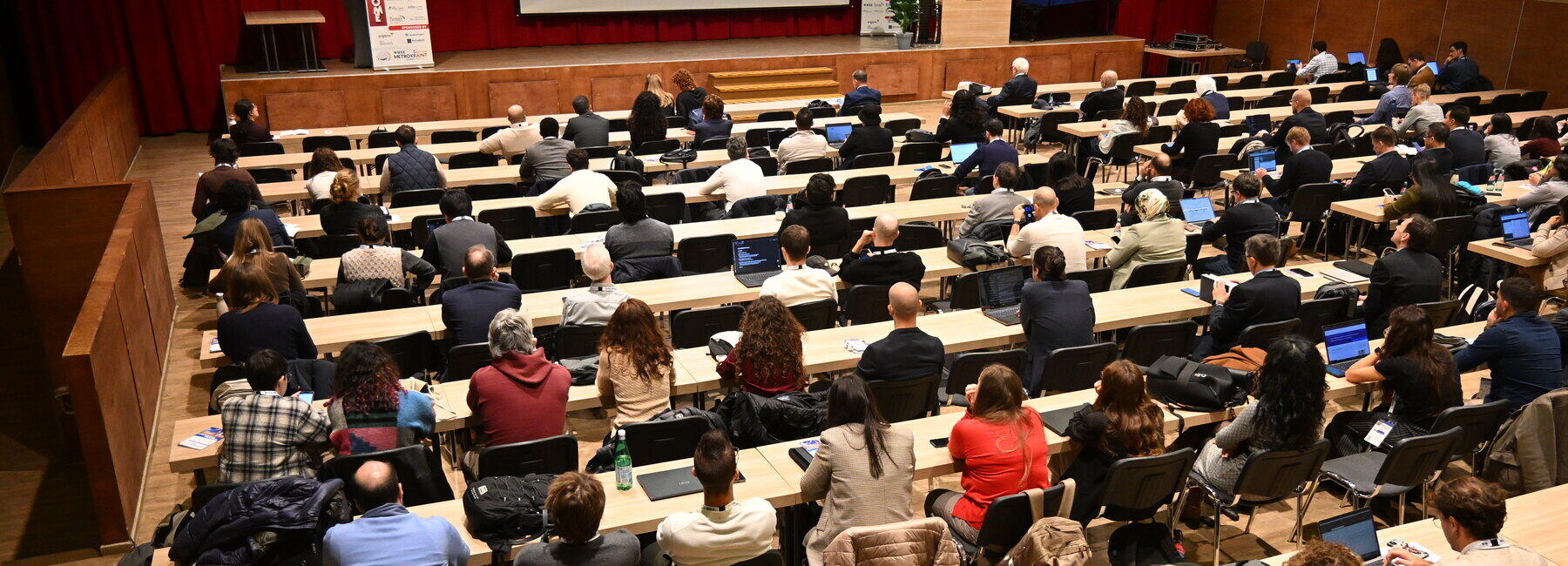
When more than 220 researchers from all over the world gather in Saxony to discuss extended reality, artificial intelligence, brain-computer interfaces and modern measurement technology, Mittweida University of Applied Sciences is not just there – it is right at the heart of it all. At IEEE MetroXRAINE 2026 in Chemnitz, academics from the Mittweida University of Applied Sciences impressively showcased the diversity and quality of applied research ‘made in Mittweida’, whilst also highlighting the strength of the HSMW’s international network.
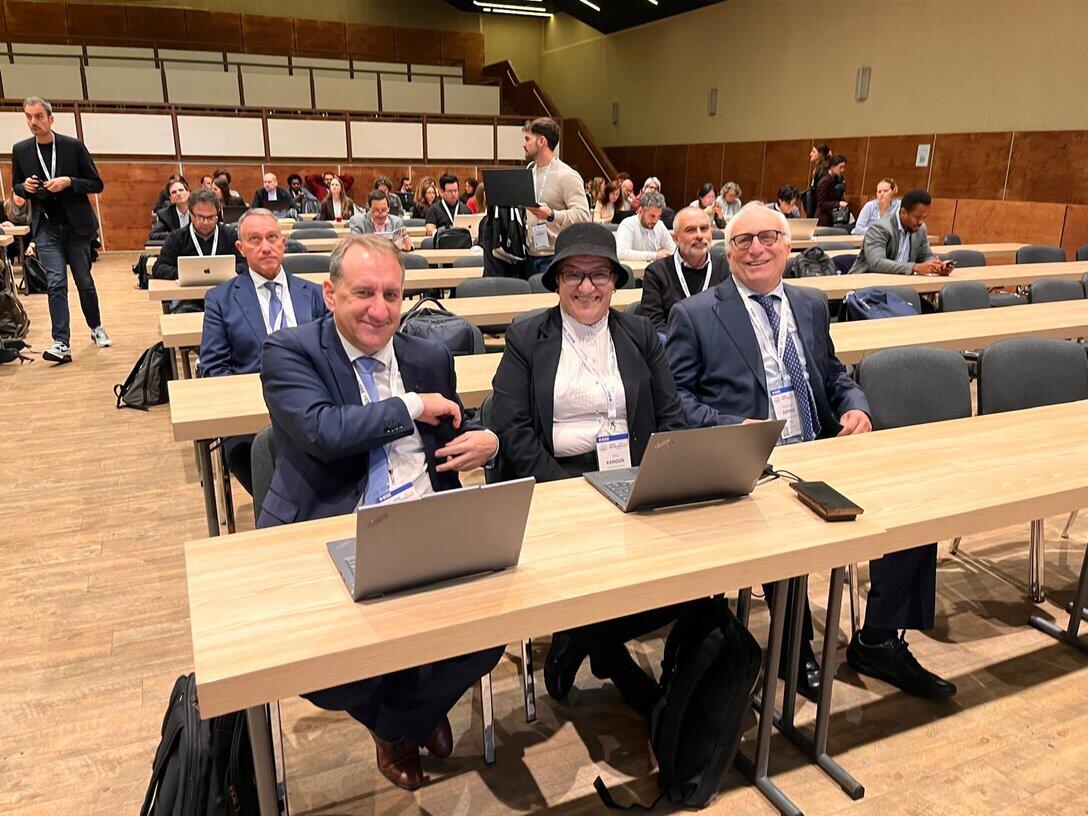
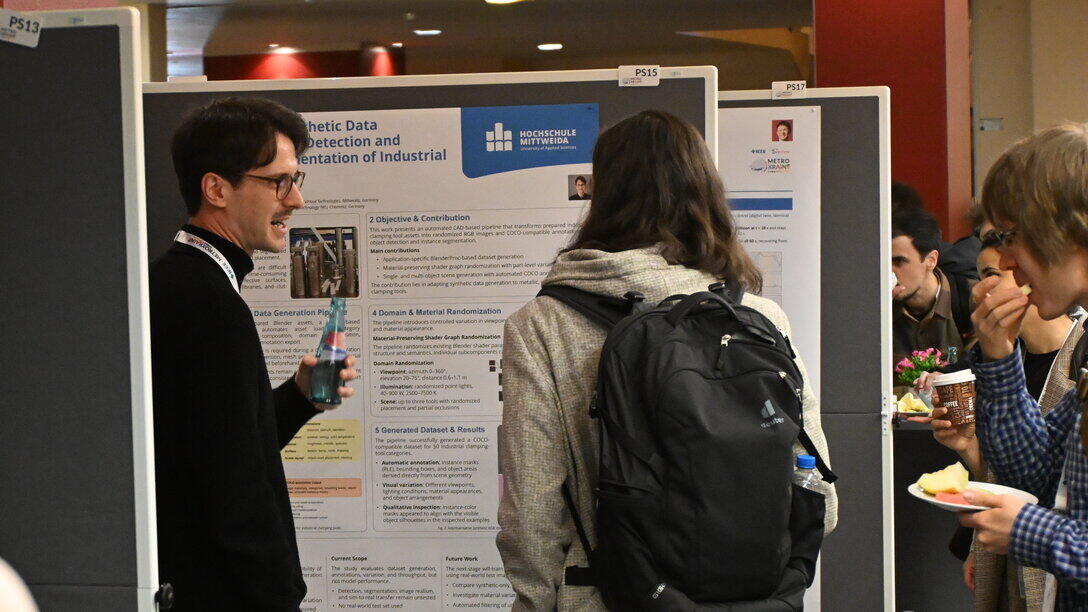
Together with Chemnitz University of Technology, Mittweida University of Applied Sciences was one of the hosts of the international conference from 20 to 22 October. The HSMW’s research strength was particularly evident through its active contribution to three thematic sessions – each of which, in collaboration with partners, covered an entire subject area – as well as through eight accepted academic papers and two poster presentations.
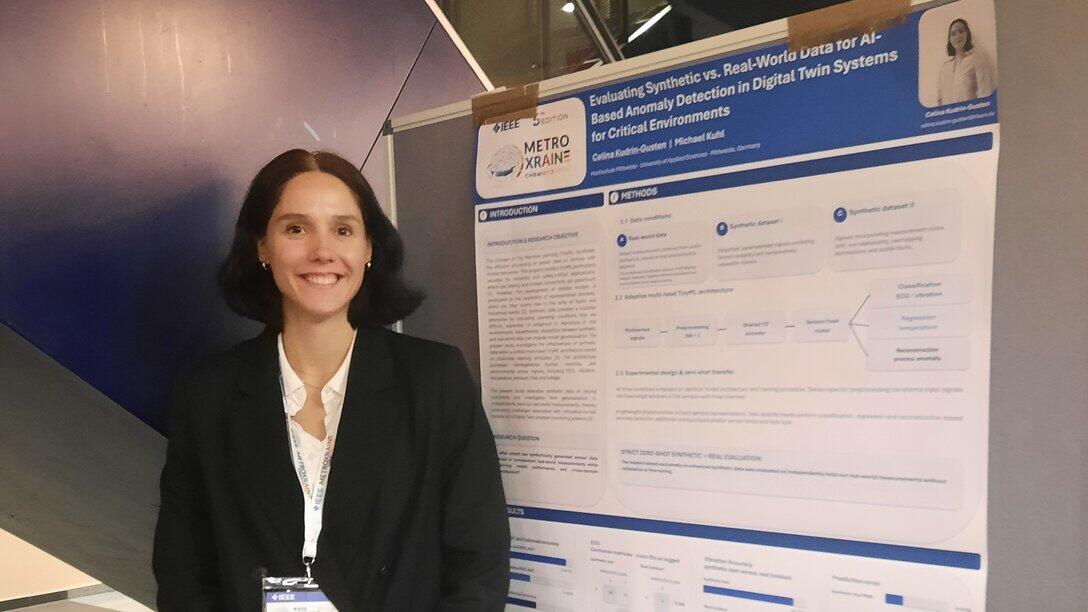
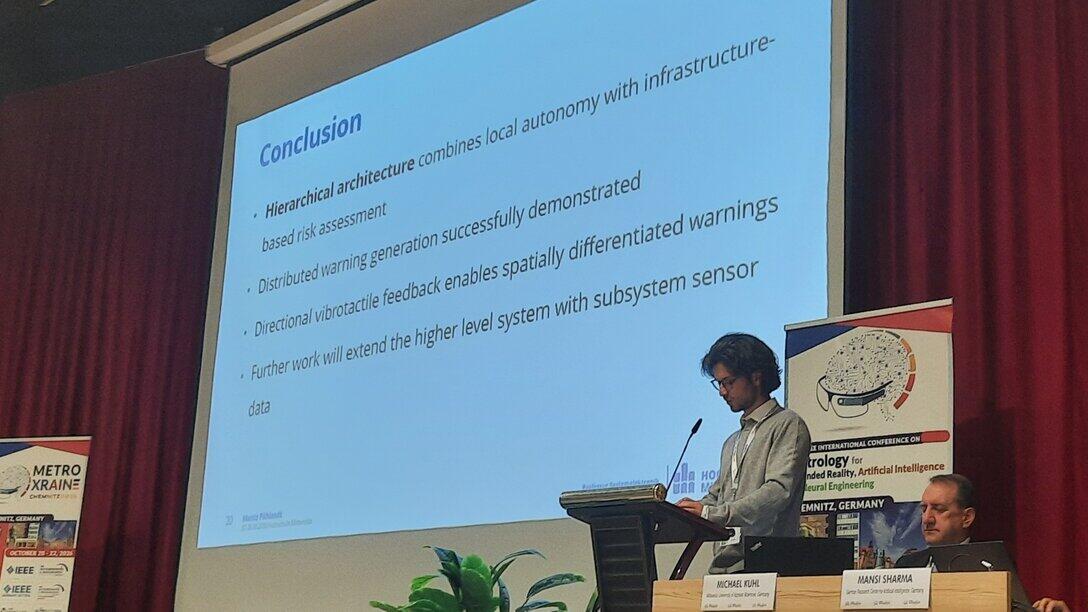
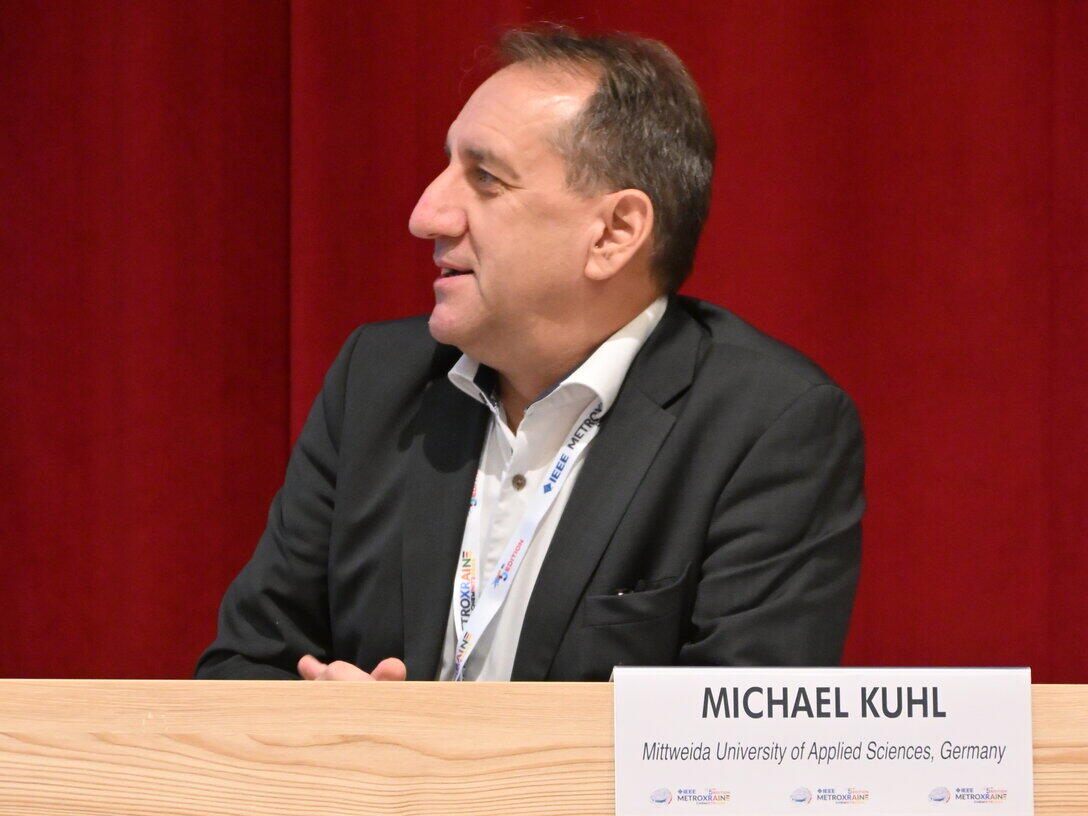
The topics covered ranged from intelligent human-machine interaction and collaborative robotics to forensic applications of extended reality. Professor Michael Kuhl and Dr Flaviana Tagliaferri, in collaboration with the German Research Centre for Artificial Intelligence, organised the session ‘Intelligent Interfaces and Cognitive Technologies for Challenging Real-World Scenarios’, featuring, amongst others, presentations by our PhD students Celina Kudrin-Gusten and Kevin Blümel, as well as by Moritz Pöhlandt, on edge AI-based anomaly detection and context-aware sensor data fusion for warning systems.
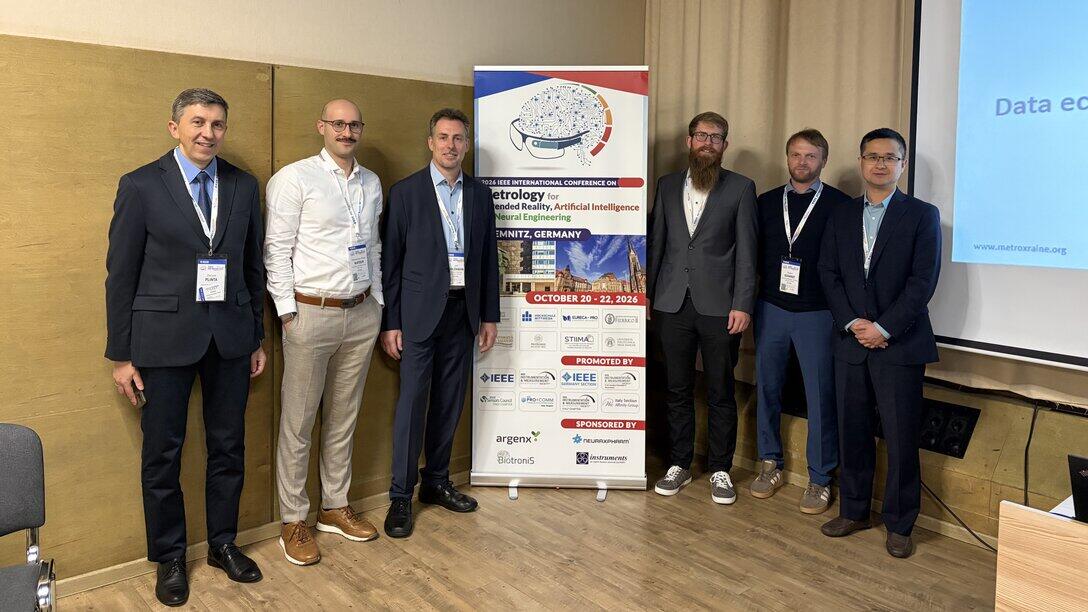
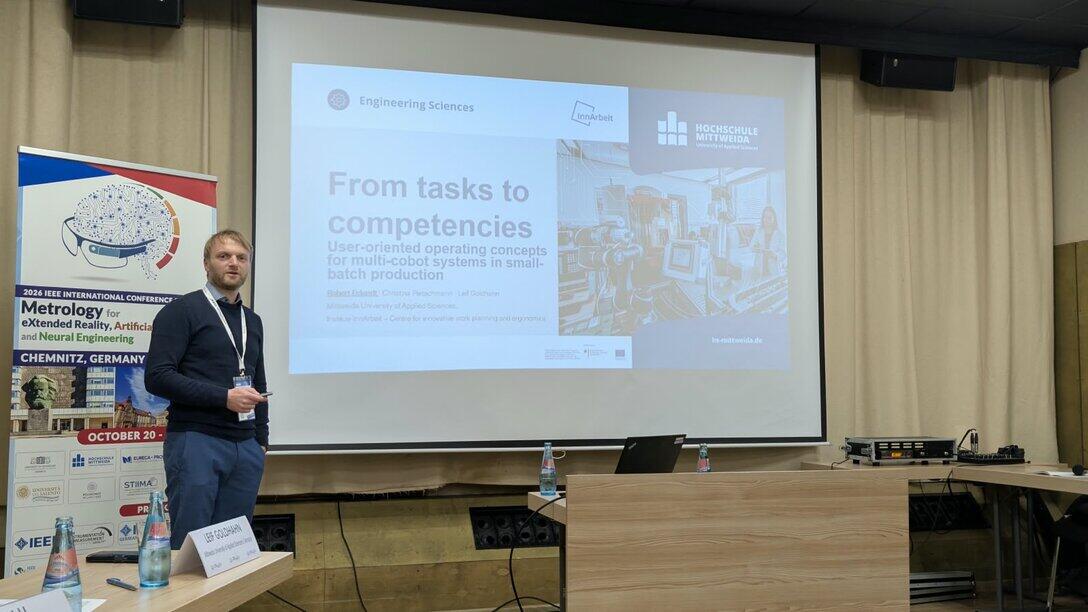
In their session entitled “Data Ecosystems of Human, Cobot and Mixed Reality”, Professor Leif Goldhahn and Professor Marco Gerlach explored the potential of interconnected data ecosystems in human-robot collaboration. Robert Eckardt presented findings from the MultiDatBot collaborative project, specifically a user-centred operating concept for multi-cobot systems. Zhen Li presented research on the project’s measurement system, whilst Ehsan Matour demonstrated how real-world positioning errors from mixed-reality applications can already be integrated into the training of AI-based robot control systems. The work presented highlighted how modern robotics, intelligent data ecosystems and immersive technologies can converge even more closely in the future.
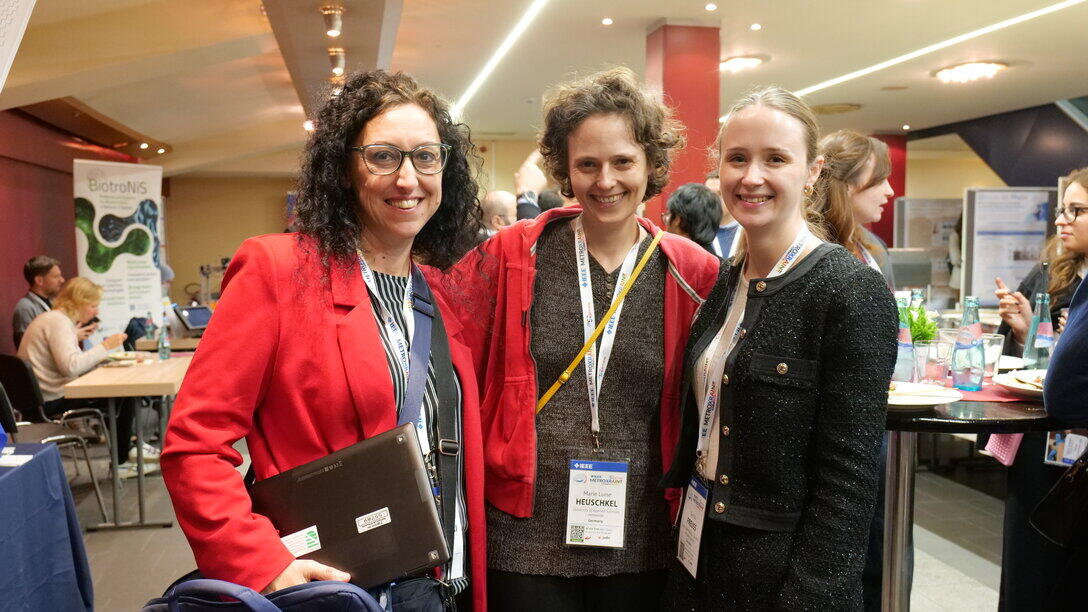
Professor Dirk Labudde, Marie-Luise Heuschkel and Svenja Preuß showcased the university’s expertise in the field of forensics with the session ‘XR and Measurement Systems for Forensic Reconstruction and Evidence Analysis’, which included work on the requirements for forensic 3D body measurement systems, as well as the potential and challenges of mobile augmented reality in crime scene reconstruction.
Furthermore, academics from Mittweida played a key role in shaping the conference programme. Professor Philipp Klimant organised the workshop ‘SHIFT – XR and Human-Machine Interaction’ in collaboration with international partners. The focus was on adaptive XR interfaces, social interaction and collaboration in AI-supported virtual environments.
From the Faculty Media Sciences, Norbert Rasch delivered a highly acclaimed tutorial on how academic content can be communicated more effectively through meaningful graphical abstracts. Karoline Buchner presented the NextGen project, which aims to further develop academic career paths.
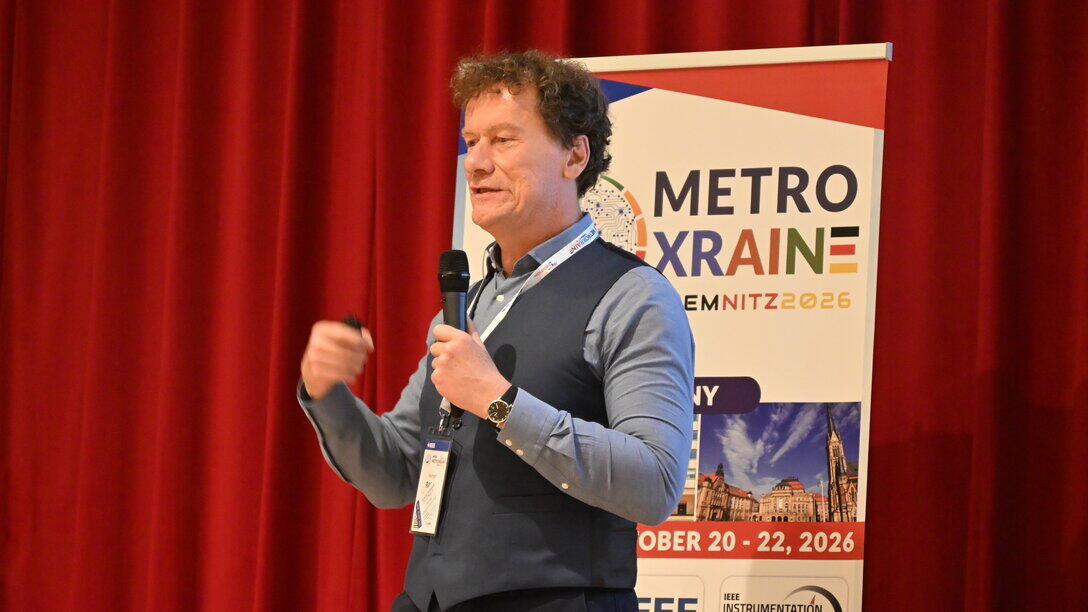
The Vice-Chancellor for Education, Professor Christoph Meyer, discussed how artificial intelligence is transforming university teaching at the special event ‘AIRevEdu – Advanced Education and Training: Navigating the AI Revolution’. There, he presented Mittweida University of Applied Sciences’ experiences from the “AI in Teaching” project and contributed the university’s perspective to the international debate.
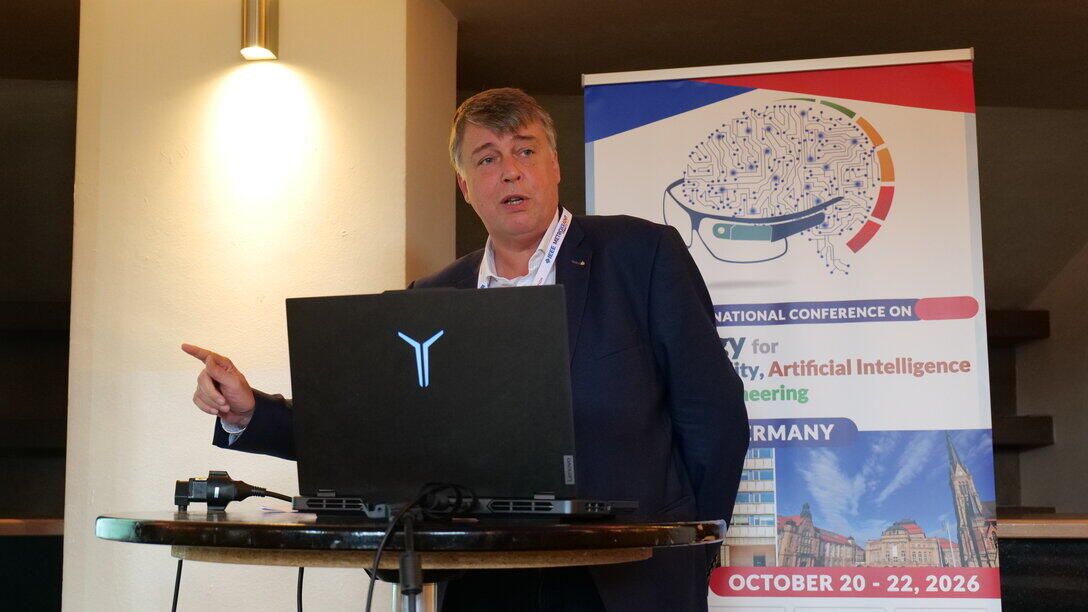
The conference also highlighted the fact that the university not only conducts research but also actively supports the next generation of researchers. PhD students Celina Kudrin-Gusten and Kevin Blümel helped organise the Youth Programme and were already involved in the run-up to the event, helping to prepare young researchers for the international competition.
The European university alliance EURECA-PRO provided further evidence of international collaboration. In addition to running its own information stand, the alliance presented its new research focus, ‘Digital Transformation for Responsible Production’, which is coordinated by Mittweida University of Applied Sciences in collaboration with Prof. Szymon Ogonowski from the Silesian University of Technology in Poland. The presentation was complemented by a research poster.
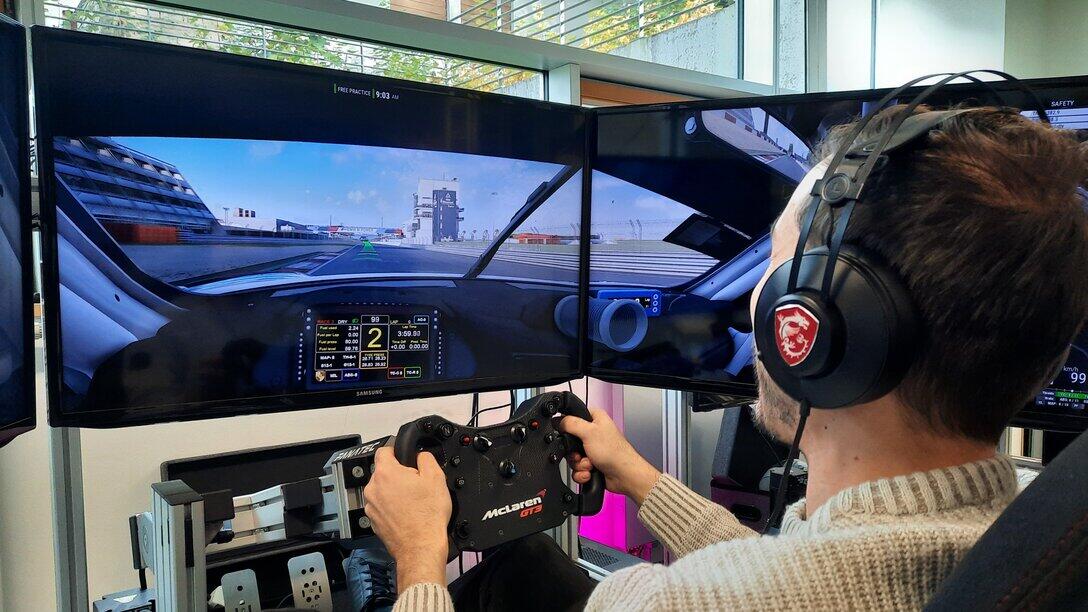
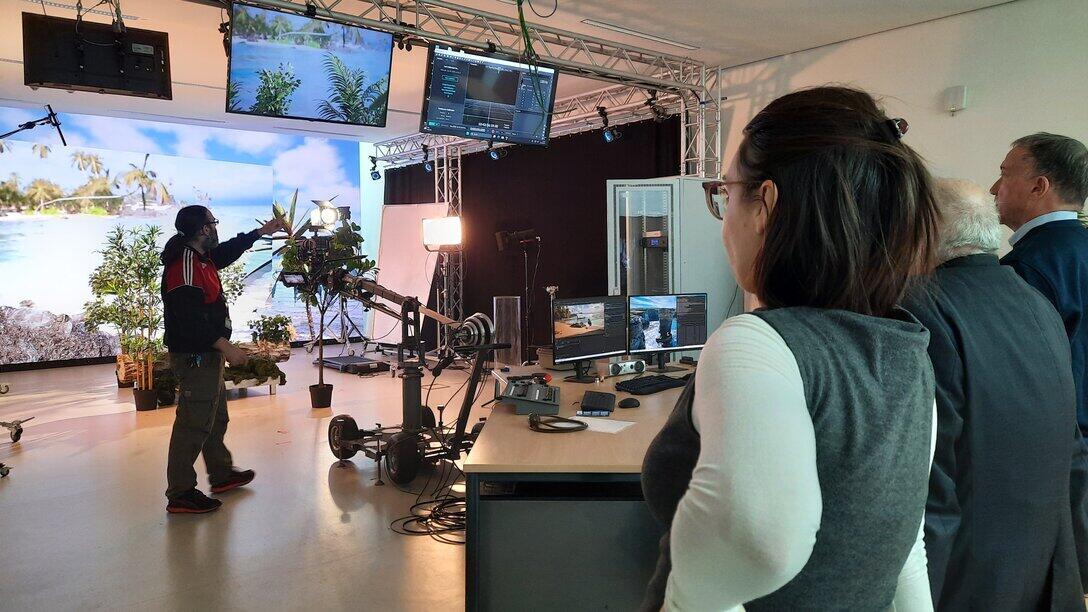
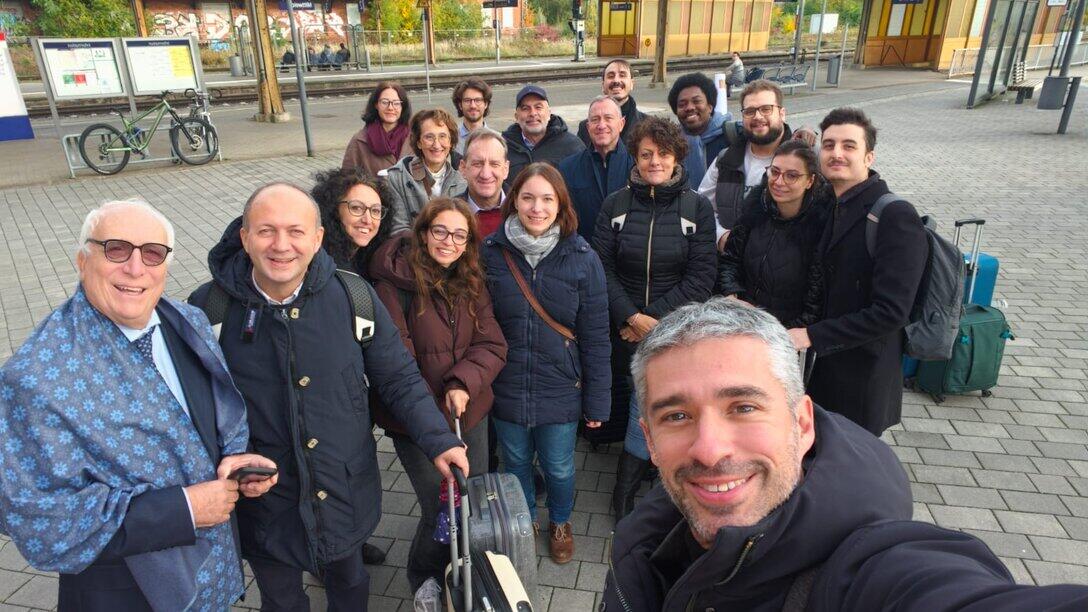
One of the highlights of the conference was the visit by around 20 international guests to the Mittweida campus. During guided tours of laboratories and research facilities, the participants gained a direct insight into the Mittweida University of Applied Sciences’ scientific infrastructure. The guests experienced first-hand the breadth of technology and practical relevance of the research being carried out in Mittweida.
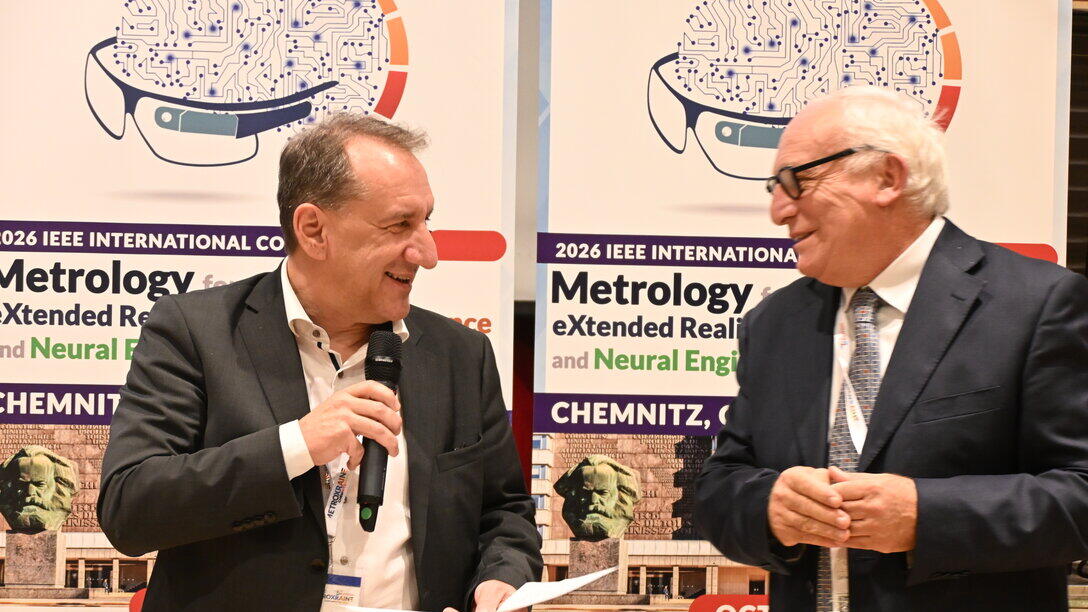
Discussions with the international conference organisers also highlighted the importance the university has now come to hold within the international research network. Together with representatives from renowned European universities, the Vice-Chancellor for Research, Professor Uwe Mahn, discussed future collaborations and the expansion of international student and researcher exchanges.
It didn’t take long for the positive response to come: even whilst the conference was still underway, Mittweida University of Applied Sciences and EURECA-PRO were invited to take part in IEEE MetroXRAINE 2027 in Pisa and to present their own key research areas there once again. In addition, the university received a request to act as Academic Patron for the ‘XR Salento – International Conference on eXtended Reality’ in 2027.
IEEE MetroXRAINE 2026 has thus proved to be far more than just a successful conference. For Mittweida University of Applied Sciences, it served as a showcase for its research achievements, a platform for new international collaborations and a starting point for further joint projects. Above all, however, it demonstrated that innovative research from Mittweida has long since made its mark on the international stage.