This page was translated automatically using artificial intelligence (DeepL). The German version is binding. More information about automatic translation
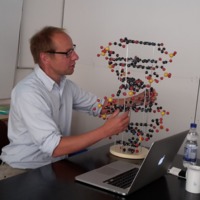
In July 2018, the European Court of Justice (ECJ) handed down a landmark ruling: even so-called ‘genome-edited’ plants, which have been modified using new genomic techniques such as the CRISPR/Cas gene-editing tool, are subject to the applicable genetic engineering legislation without exception. The ruling struck at the very heart of plant biotechnology. Even crop plants that could have arisen through random processes (mutations) naturally or via traditional breeding require a comprehensive, costly application process and are classified as ‘genetically modified’. At the time, Professor Röbbe Wünschiers (Faculty CB) produced an explanatory video on the subject with media students and the help of Professor Rika Fleck.
Since the ECJ ruling, the EU has been striving to amend the Release Regulation in favour of a differentiated regulatory framework for genetically modified plants. Finally, in 2023, the European Commission submitted its proposal for a new regulation to the European Parliament and the Council of the EU. Most recently, in December 2025, the Parliament and the Council agreed on simplified rules for the cultivation and use of plants bred using new genomic techniques such as CRISPR/Cas. Professor Wünschiers’ new book could not have come at a better time.
Mr Wünschiers, what prompted the second condition?
Well, the first edition was published in 2019, one year after the ECJ ruling and one year before the Nobel Prize was awarded for the development of the CRISPR/Cas gene-editing tool. For us biotechnologists, this gene-editing tool is a ‘game-changer’: until now, altering just one of the billions of building blocks of genetic material – for example, changing the base pair AT to the base pair CG – was a very labour-intensive process. With this gene-editing tool, it is very simple. A lot has happened since 2019: in 2021, the first food product modified using gene-editing technology – a tomato – was authorised in Japan. This was followed in 2022 by the approval in the US of a genome-edited cow and, in 2024, by the approval in the EU of the first gene therapy for sickle cell disease. The debate surrounding European regulation of gene scissors prompted me to write the new chapter ‘Genes and Laws’.
The subtitle mentions the buzzword ‘AI’. What does that have to do with genes?
Artificial intelligence, particularly its application in machine learning and DNA language models, is a key tool for working with large volumes of data – especially diagnostic data – and for gaining a better understanding of biological systems. I have elaborated on this aspect in various places throughout the text.
The title of the book has changed. Why?
(laughs) It’s a long story. In short: although we used a hyphen in the title of the first condition for ‘Gen-Schere’, strangely enough many people – particularly older people – instinctively read it as ‘Generation Genscher’. Hans-Dietrich Genscher, who died in 2016, was Foreign Minister of the Federal Government from 1974 to 1992. In the context of the planned changes to the regulation of new genomic technologies in the EU, my editor at SpringerNature suggested addressing this change in the title – and freeing Genscher from any association with genetic engineering.
Your list of books is quite long. Do you ever get bored?
No, not at all. It is part of my understanding of my profession to share academic knowledge with the public. All my work is funded by taxpayers, and I want to offer them the opportunity to be part of it. Others, for example, produce patents; there are many different ways of doing things. But I’m only able to do this because I’m part of teams that enable me to work on publications. Alongside the university, the faculty and my department, that naturally includes my family. Writing is, after all, only the visible side of publishing; the research is the invisible part.
Do you have any ideas for future projects yet?
Of course. I’ll certainly be devoting a separate chapter to the topic of AI at some point. At the moment, for example, I’m experimenting with AlphaGenome, a deep learning model from Google DeepMind that predicts the effects of point mutations in the human genome. Once I’ve understood what the model can do, I’ll be able to write about it too.
Facts
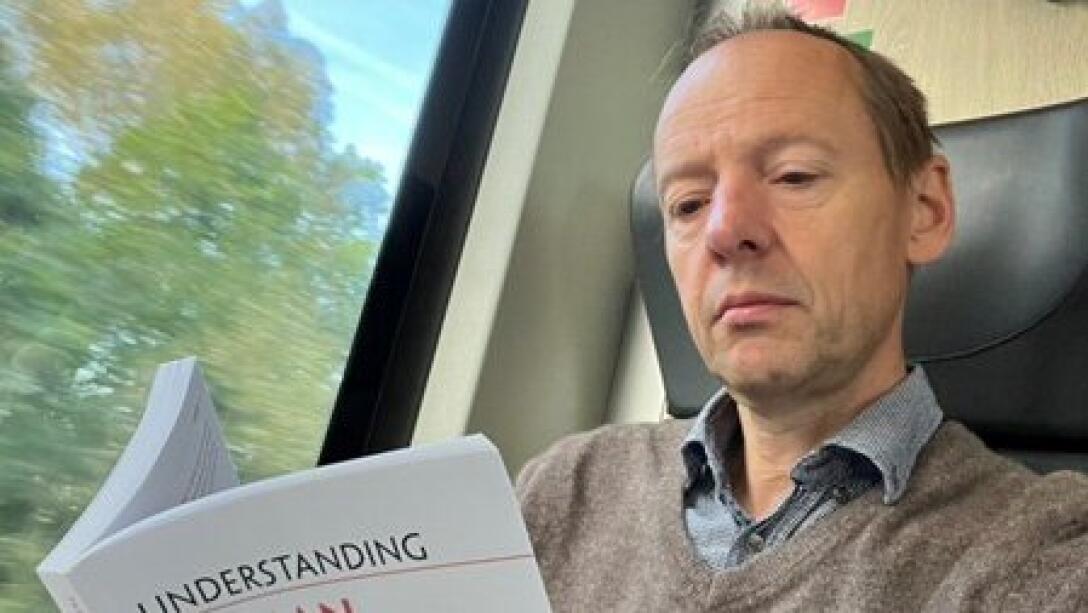
“Gentechnik im Wandel” has been published by SpringerNature.
At the Leipzig Book Fair, Röbbe Wünschiers will be presenting his book at the ‘Leipzig Liest’ event on 19 March 2026 from 3.00 pm to 3.30 pm in Hall 2, Stand C601/D600.
The Leipzig Book Fair is the most important spring gathering for the book and media industry, bringing together readers, authors, publishers and the media – not only from Germany, but from all over the world. They all come to Leipzig to experience the diversity of literature, discover new releases and gain fresh perspectives.
The Leipzig Book Fair will take place in conjunction with the Manga Comic Con and the ‘Leipzig liest’ reading festival from 19 to 22 March 2026. Further information about the fair is available at the following link: https://www.leipziger-buchmesse.de/de/
Mittweida University of Applied Sciences will be showcasing publications by its staff and students at stand D307 in Hall 2.