This page was translated automatically using artificial intelligence (DeepL). The German version is binding. More information about automatic translation
The Institute for Computer Science in Research and Transfer (CSMRT) brings together the currently rapidly growing number of R&D topics at the interface between computer science and media at Mittweida University of Applied Sciences. This year, too, the institute has secured funding for a number of projects and presented its findings at international conferences. Three of these are presented below.
In early November, researchers from around the world presented the latest research findings in the fields of electrical, computer and communications engineering at the fourth International Conference on Electrical, Computer, Communications and Mechatronics Engineering (ICECCME 2024). The team from the Institute for Computer Science and Media in Research and Transfer (CSMRT) attended the conference, which took place at the Maldives National University in Malé (Maldives), presenting a paper entitled ‘Unifying the Data Highway: A Harmonised Telemetry Format for Driver Analytics’. The paper introduced a new generalised data structure called the Harmonised Telemetry Format (HTF), which combines common elements across different telemetry data formats. Telemetry data refers to data collected via automatic remote measurement in motor racing, road traffic or other specific scenarios. Although a wide range of software tools enables users to analyse the recorded data, in most cases these programmes do not allow the import of other telemetry formats, which limits their usability. For this reason, this paper aimed to compare the most common telemetry recording file types in terms of their respective software and the scope of the recording, thereby defining a new standard. The paper will be published shortly as an IEEE publication.
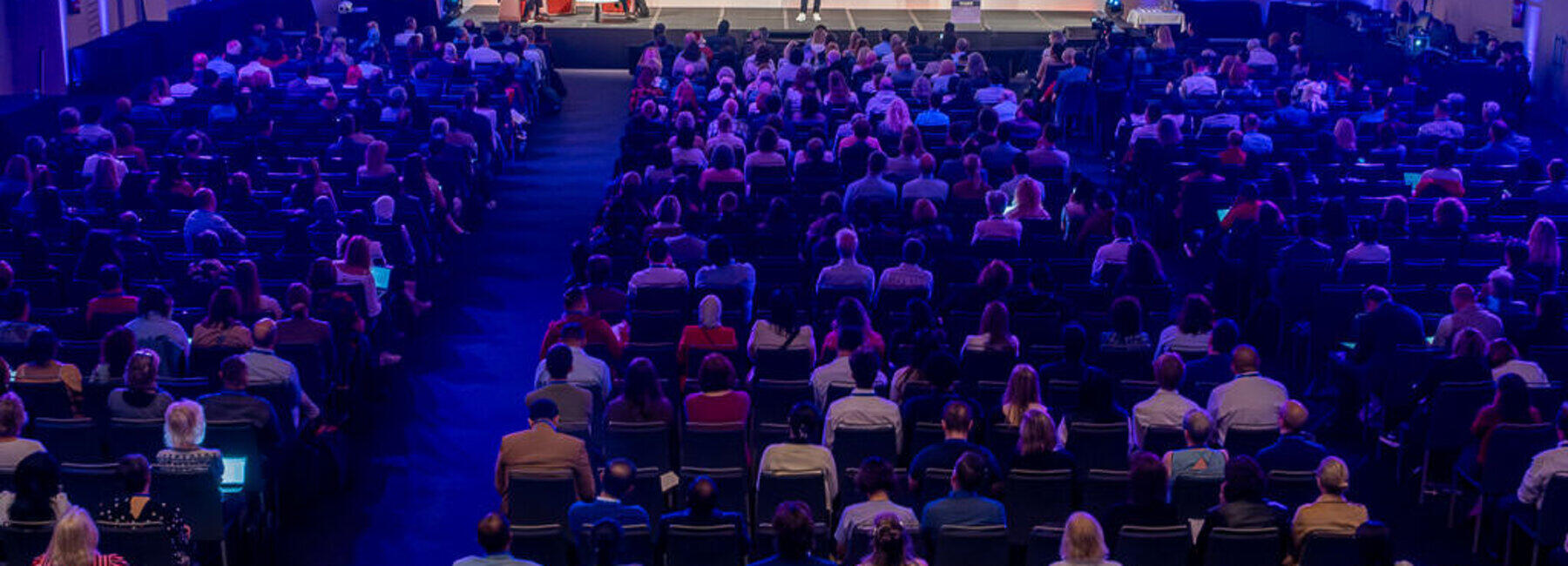
In mid-November, one of Europe’s largest education conferences, the 17th International Conference on Education, Research and Innovation (ICERI), took place in Seville, Spain. Around 800 academics, researchers and educators from over 80 countries came together to present their projects and share their knowledge of teaching and learning methods and educational innovations.
Prof. Matthias Baumgart presented Mittweida University of Applied Sciences’ paper entitled ‘Development of a web-based application for processing student-based peer reviews of multimedia data’. This presentation was based on a ‘Learning Field – Science – Industry’ project from the Bachelor’s degree programme in Media Informatics and Interactive Entertainment, in which students developed a digital assessment tool for portfolio assessments. The presentation described the approach to the digital transformation of the workflow, aimed at minimising manual tasks and making the entire process more efficient for lecturers. In this context, the individual necessary steps were identified, analysed and adequately mapped out. This enabled the design and implementation of a web-based application that records student inputs and feedback, automatically processes and visualises the data received, and allows the lecturer to monitor the process. The discussion following the presentation resulted in positive feedback
Last but not least, a further presentation at the B2C’2025 (International Blockchain & Cryptocurrency Conference) in October complements the CSMRT’s current activities. At the conference, Professor Matthias Vodel presented the research carried out as part of the ‘Chainlock’ funded project, which forms part of the ‘WIR Alliance – Mittweida Blockchain Showcase Region’.
‘WIR!’ is a programme run by the Federal Ministry of Education and Research aimed at promoting regional structural change. It also focuses on the formation of alliances within the local economy. The town of Mittweida, Mittweida University of Applied Sciences and Volksbank Mittweida aim to realise these objectives through the ‘Mittweida Blockchain Showcase Region’ project, whilst also researching blockchain technology and raising awareness of it in the region. The Mittweida region is set to become a centre for blockchain technology.
Under the title ‘Decentralised Offline Smart Lock System – Chainlock’, the current state of development of a blockchain-based smart locking system was presented to a broad, international audience. The feedback was consistently positive, and many further suggestions for future developments were gathered. The CSMRT Institute acts extremely successfully as a link between academic and industrial research topics.
Further information on the CSMRT: https://csmrt.hs-mittweida.de/
Text: Prof. Matthias Baumgart, Prof. Matthias Vodel
Images: ICERI (1), Prof. Matthias Baumgart (2, 3), Prof. Matthias Vodel (4)