This page was translated automatically using artificial intelligence (DeepL). The German version is binding. More information about automatic translation
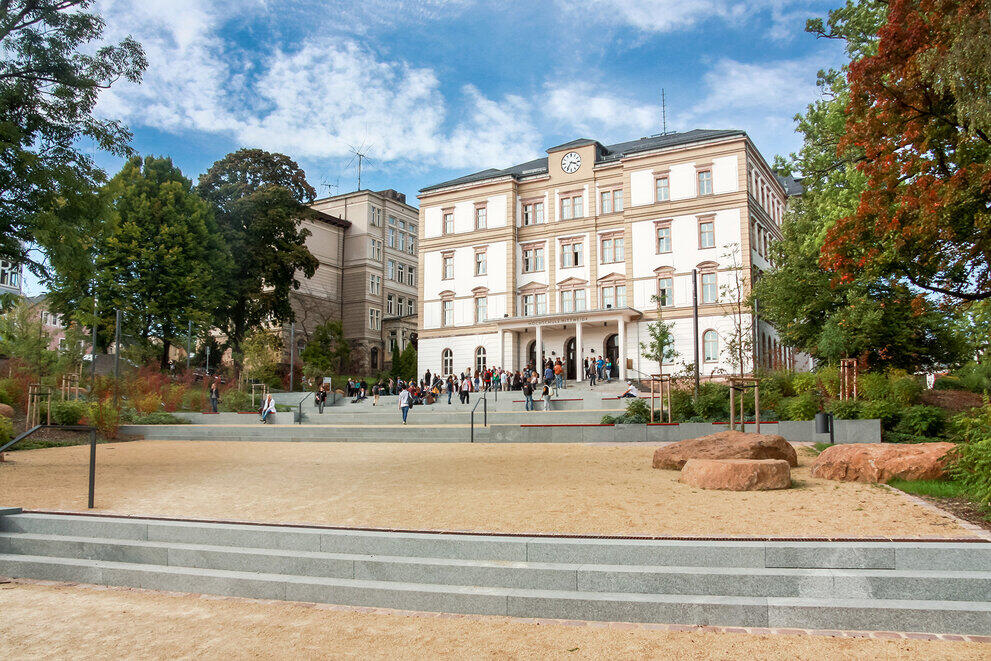
Once upon a time, the Estonian Bernhard Schmidt (1879–1935) reached for the stars in Mittweida with his hand-ground mirrors and lenses. For the inventive genius of this astro-optician, the university and the university town of Mittweida were the perfect home at the start of the 20th century. He lived there for three decades.
On 8 May 2025, the Estonian President, Alar Karis, visited the university town in Central Saxony. The Estonian Ambassador, Marika Linntam, and other representatives from the Baltic state accompanied him to Werkbank 32. At this innovation and start-up centre run by Volksbank Mittweida, academia, business and the town work closely together to strengthen the region through Mittweida University of Applied Sciences’ contemporary innovative spirit and to make it more attractive to people and investment.

Photo credits: Photos by Bernhard Schmidt: Portrait: Mittweida Municipal Archives; Observatory: Mittweida University Archives
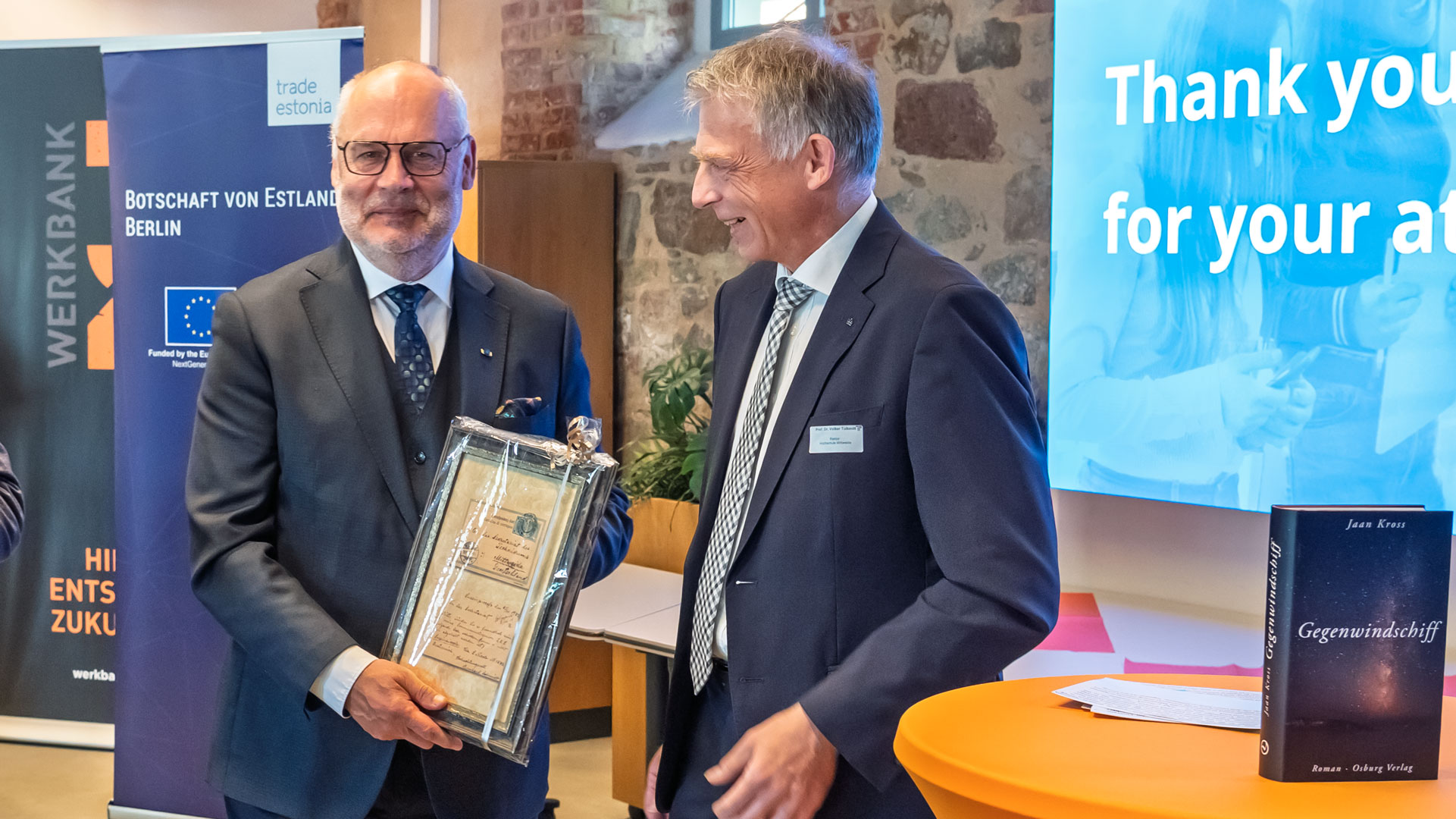
Vice-Chancellor Volker Tolkmitt introduced the guests to his university, which today sees itself as a “boundless testing ground for possibilities”, thereby reflecting the current circumstances facing its students and the innovations being developed by its researchers. “We are not talking about institutions or structures. We are talking about people and ideas. And that is why our projects are so successful,” emphasised Tolkmitt at the end of his presentation. The reference to the former student from Estonia was clear: “We are delighted to be Bernhard Schmidt’s alma mater, and we share his spirit of innovation.”
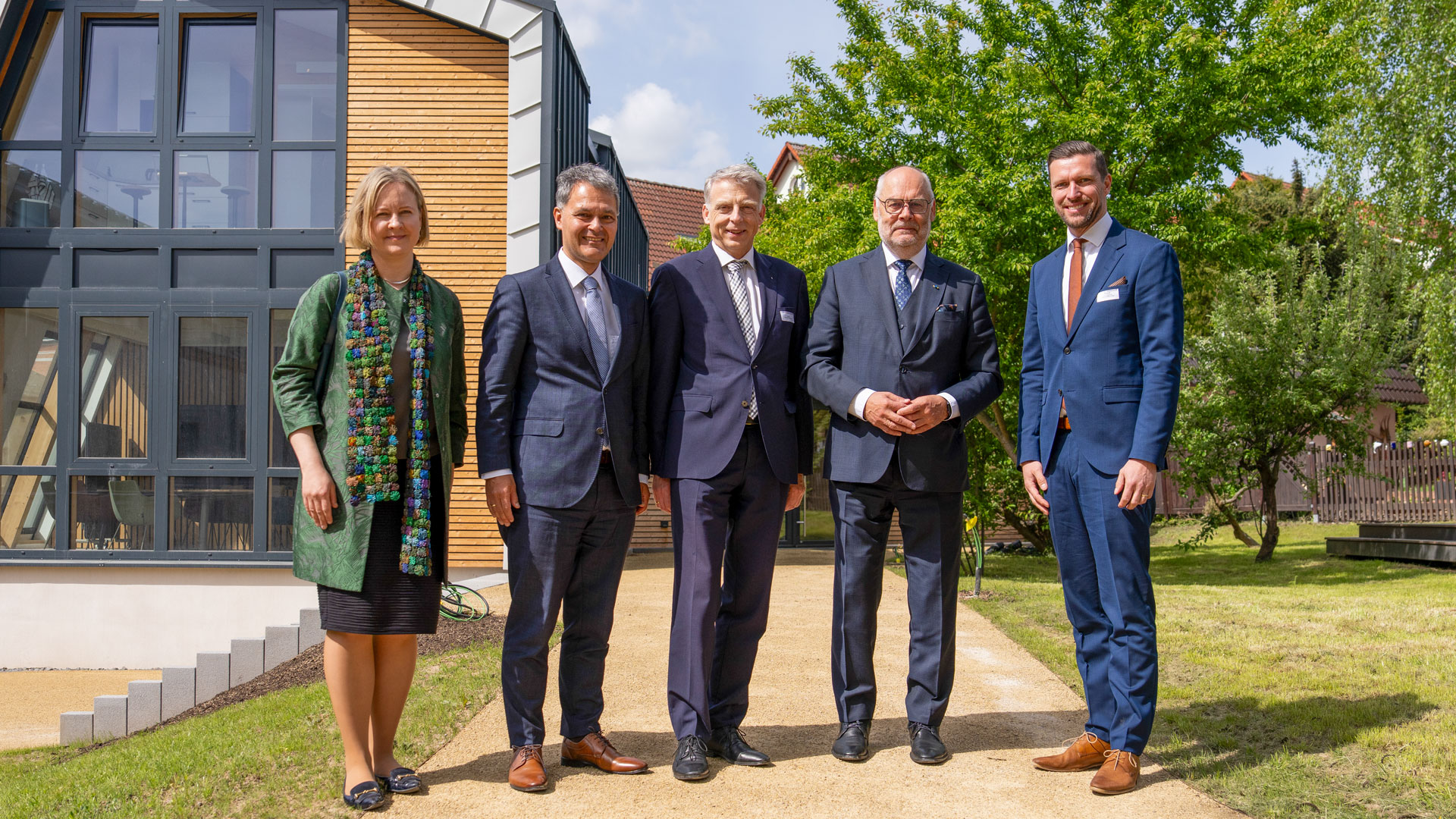
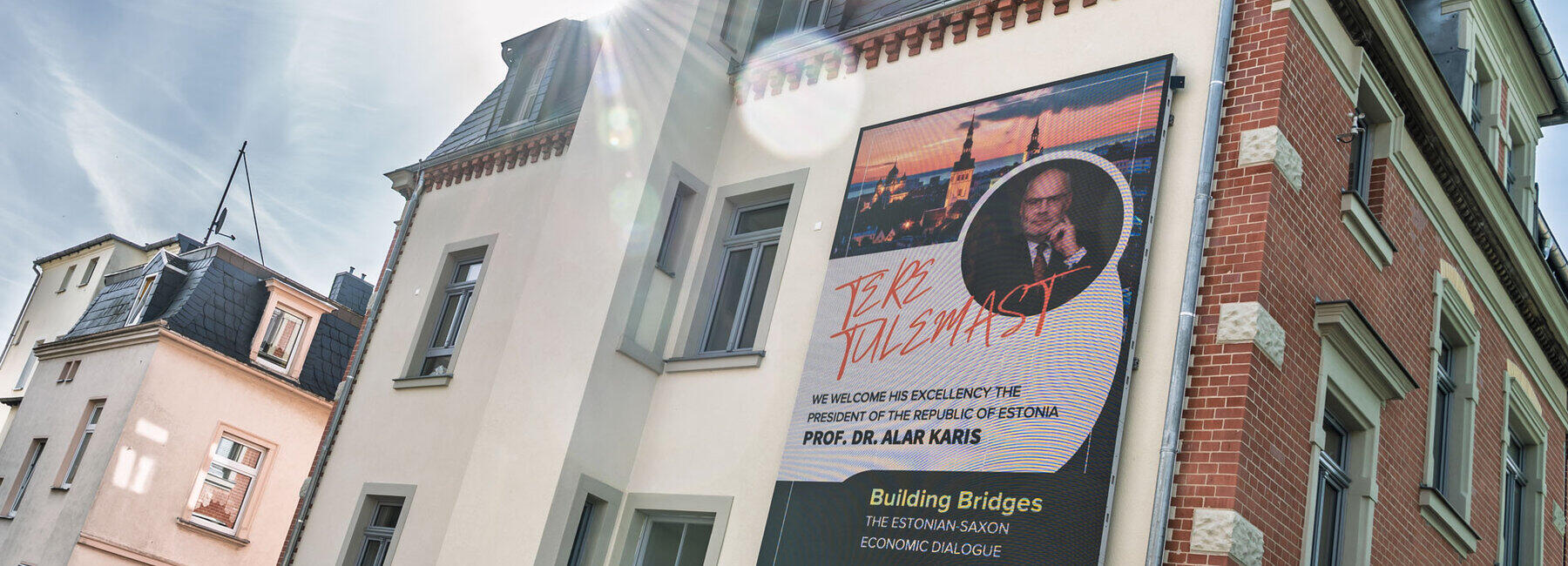
The subsequent meeting between the Estonian delegation of around 30 people and representatives from (Central) Saxony in Mittweida was held under the banner ‘Building Bridges – Estonian-Saxon Economic Dialogue’, featuring contributions from, amongst others, Alar Karis, Saxony’s Minister for Science Sebastian Gemkow and Max Jankowsky, President of the Chemnitz Chamber of Industry and Commerce. The focus was on future-oriented topics such as digitalisation, research, innovation and increased cooperation between businesses in both countries. The meeting provided an immediate opportunity for networking. It was not the first such exchange. Since 2019, Volksbank Mittweida has been promoting the building of bridges to the Baltic states and, since 2021, has been running the world’s only “D(e)-Estonia Showroom” in the university town. This served as the setting for the start of Alar Karis’s visit: his entry into the city’s Golden Book, with Mayor Ralf Schreiber welcoming a foreign head of state for the first time.
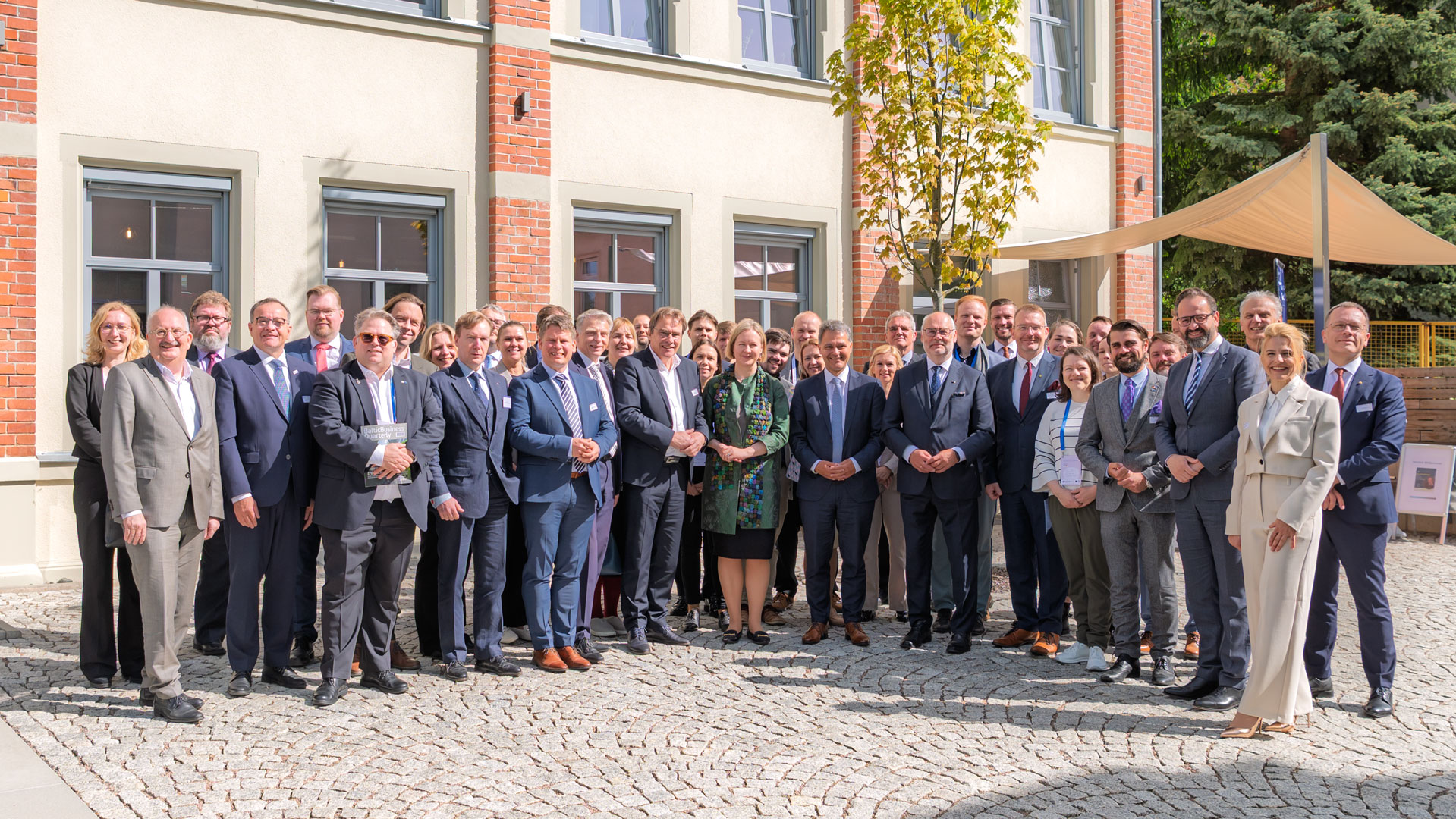
So what had already taken place the day before in Dresden, figuratively speaking, ‘one floor higher’ – the meeting at the Steigenberger Hotel with the Minister-President and representatives from Saxony’s political and business communities at the ‘Estonia–Saxony Economic Forum’ and the opening of the ‘Mirror in the Mirror’ exhibition at the State Art Collections (Bernhard Schmidt would have been delighted) – was experienced by Alar Karis – visibly impressed – on Thursday in a very similar yet very different way in the university town in central Saxony: compact in terms of time and space, intense, up close and personal, so to speak – in short, typical of Mittweida.