This page was translated automatically using artificial intelligence (DeepL). The German version is binding. More information about automatic translation
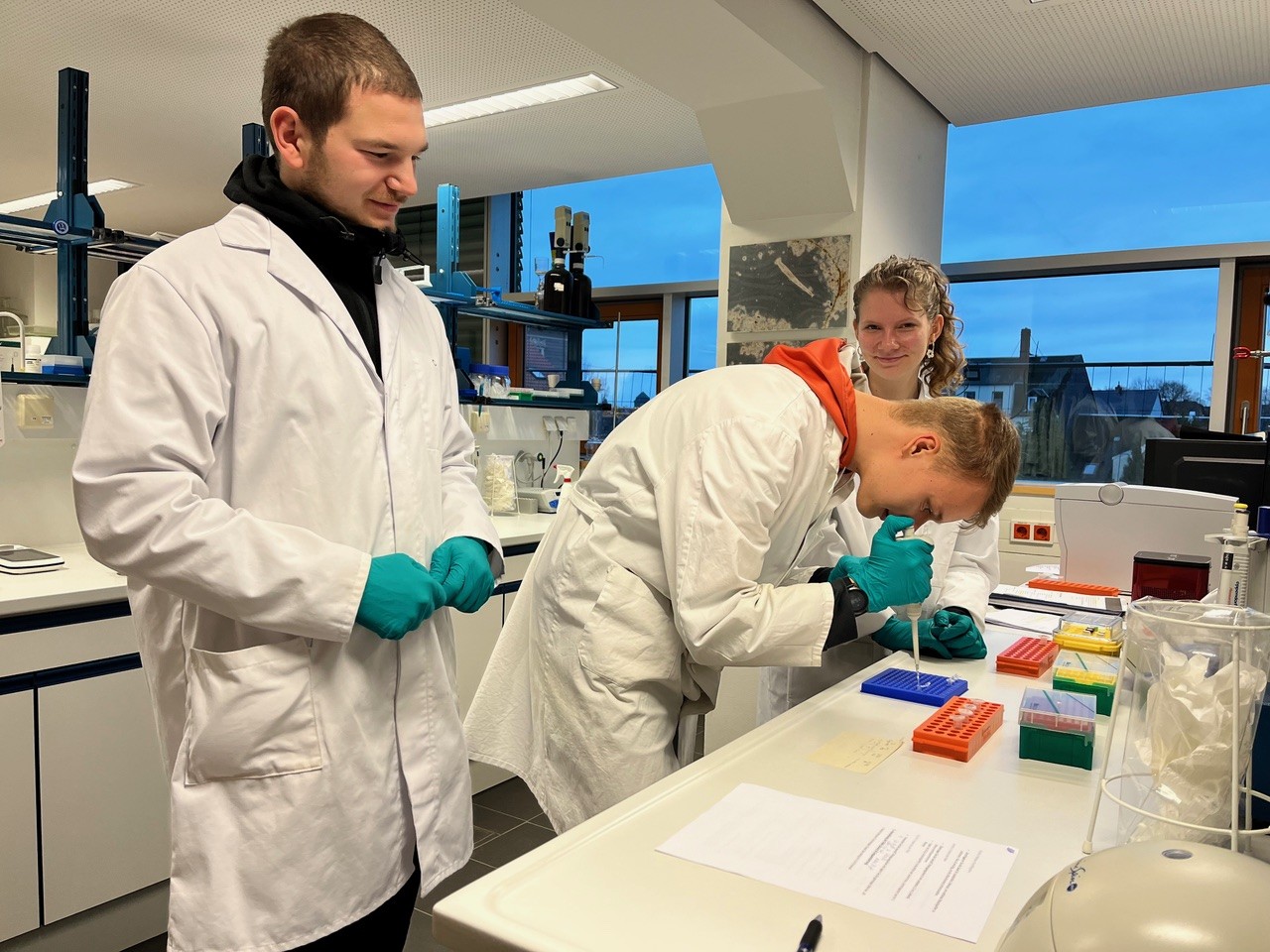
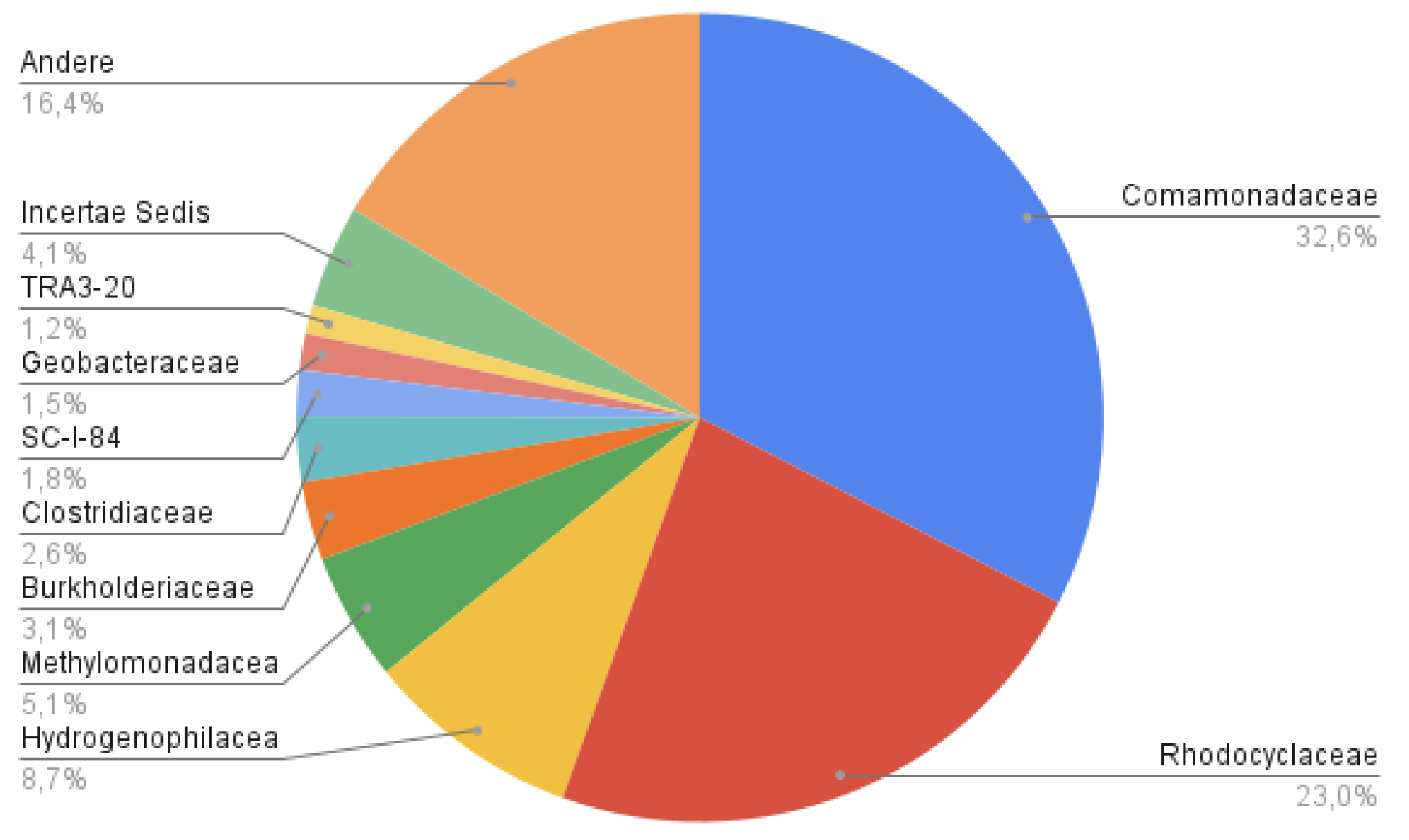
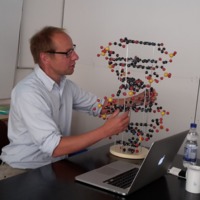
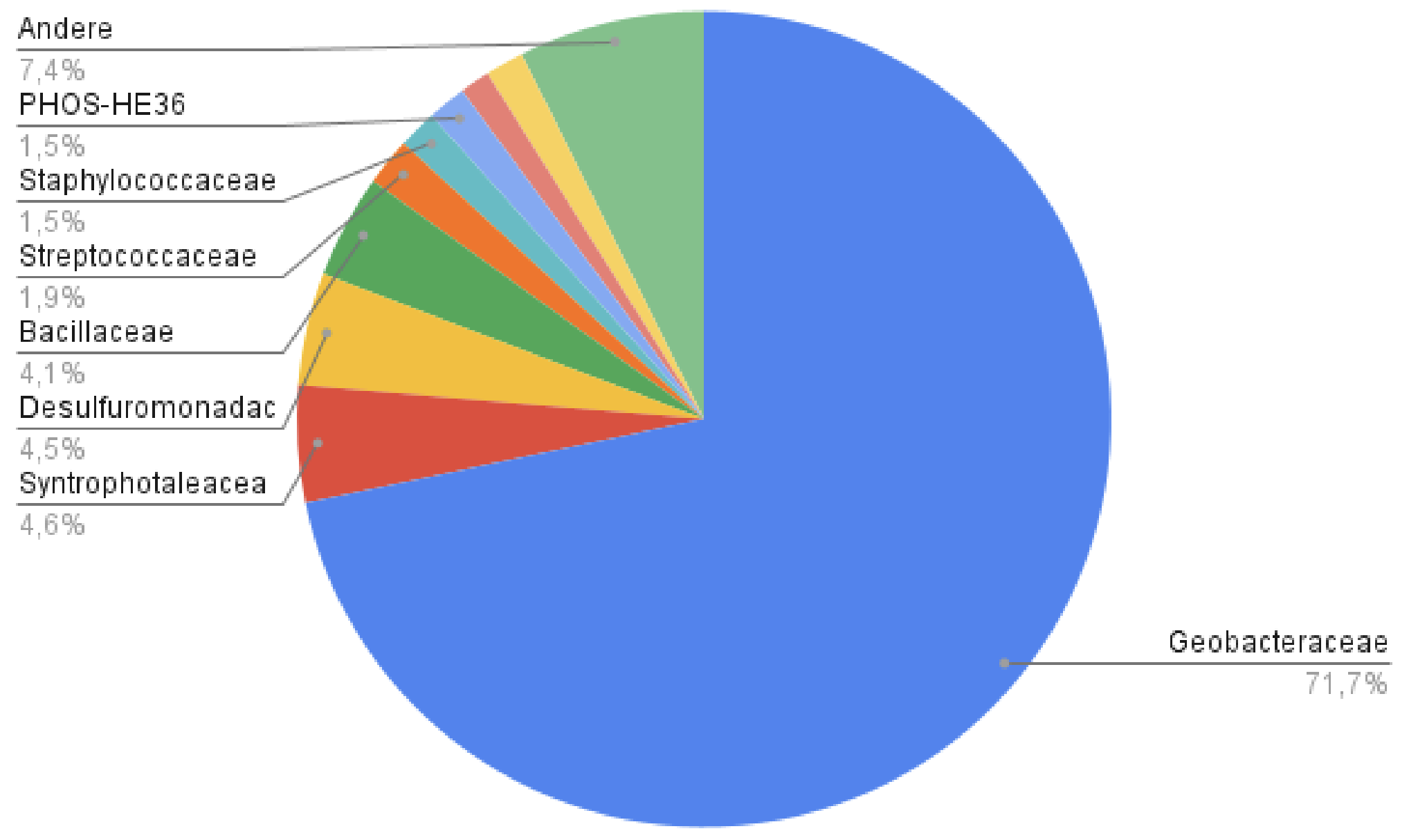
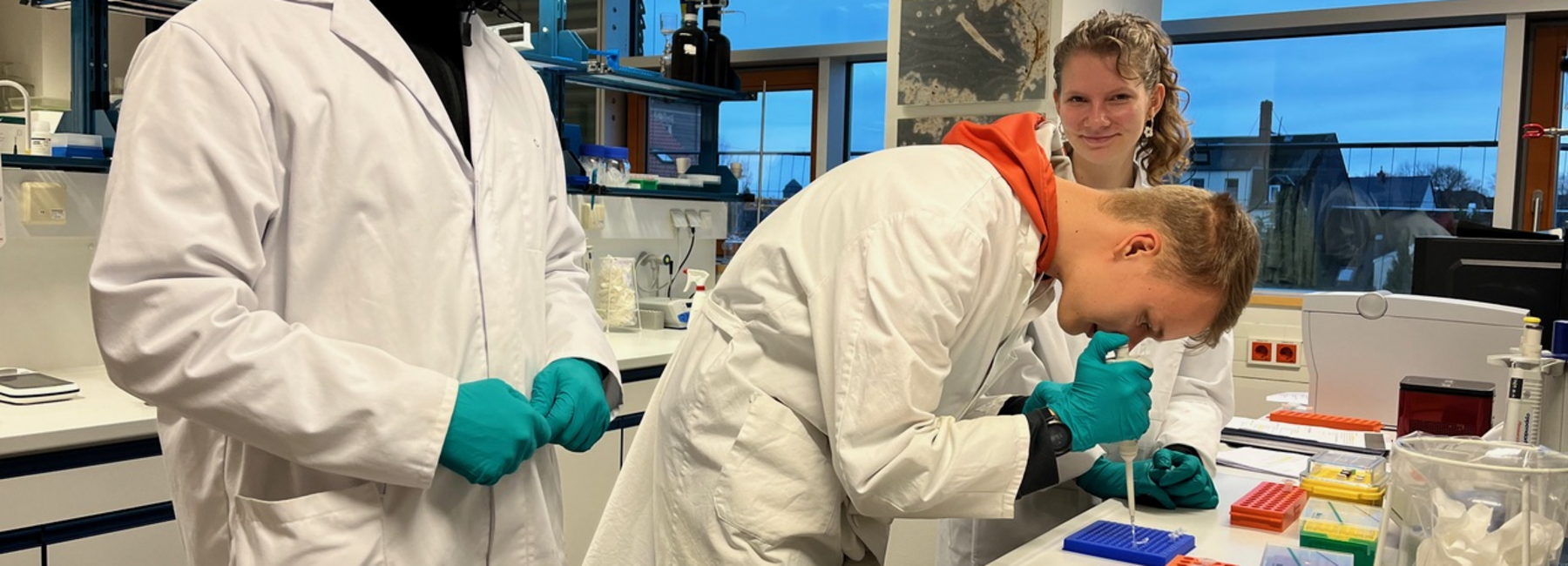
Die methodische Grundlage hierfür waren die im Labor von Professor Wünschiers etablierte DNA-Sequenzierung und bioinformatische Datenanalyse. Die Erarbeitung einer besonderen Lernleistung ist ein freiwilliger Beitrag von Schülerinnen und Schülern zur Erhöhung der Studierfähigkeit und zur Vorbereitung auf ein Hochschulstudium. Sie soll ihnen einen tieferen Einblick in ein Themengebiet, begleitet von Fachkundigen, bieten. Fachkundig war in unserem Fall der Doktorand Tom Schmidt, der die beiden Schüler ein Halbjahr lang betreut hat. Christian und Klara haben sich ein anspruchsvolles Thema ausgesucht: Anwendung der Genforschung bei Bakterien. Ihren ursprünglichen Plan, Bakterien gentechnisch zu verändern, mussten wir aus organisatorischen Gründen verwerfen. Stattdessen haben sich beide dem Thema DNA-Analytik zugewandt und sind der Frage nachgegangen, wie eigentlich die Zusammensetzung von Bakterien in einer biologischen Probe gentechnisch nachgewiesen werden kann. Dabei haben sie die PCR-Amplifikation und Sequenzierung des ribosomalen 16S rDNA-Gens angewendet. Nach einem Übungslauf mit einer definierten Probe untersuchten die beiden zwei biologische Proben, die sie aus dem Sediment des Schwanenteiches und eines Zulaufs entnahmen. Dabei waren deutliche Unterschiede zu sehen. So fanden sich Vertreter der anaeroben Geobacteraceae in einer größeren Vielzahl im Schwanenteich, als beim besser durchlüfteten Zulauf. Die beiden Schüler schreiben im Fazit ihrer gemeinsam verfassten Arbeit mit dem Titel "Entwicklung der DNA-Analyse – Anwendung der Genforschung bei Bakterien": "Durch die gelungene Durchführung eines Experimentes am Wasser des Schwanenteichs in Mittweida konnten nützliche Daten gewonnen werden. Nicht nur, dass die Hochschule ihr Spezialgebiet der Bienenanalyse verlassen musste, um Sediment zu analysieren, sondern auch in der Bestätigung, dass die Nanoporen-Technologie in vielen anderen Bereichen Anwendung finden kann und auch funktioniert. Durch die erstmalige Durchführung eines solchen Experiments zeigt sich nicht nur die Kompetenz hinter den Kulissen, sondern auch die Fähigkeit in der praktischen Umsetzung moderner Sequenzierungsverfahren." Wir wünschen beiden eine gute Bewertung ihrer besonderen Lernleistung und weiterhin Neugier und Wissensdrang.