This page was translated automatically using artificial intelligence (DeepL). The German version is binding. More information about automatic translation
The focus here is on DNA sequencing using nanopore technology. This method is relatively inexpensive and easy to use, and is currently leading to a ‘democratisation’ of DNA analysis. Compared with other, long-established DNA sequencing technologies, however, nanopore-based DNA sequencing is less accurate. The majority of scientists therefore doubt that it is suitable, for example, for metabarcoding to identify species.
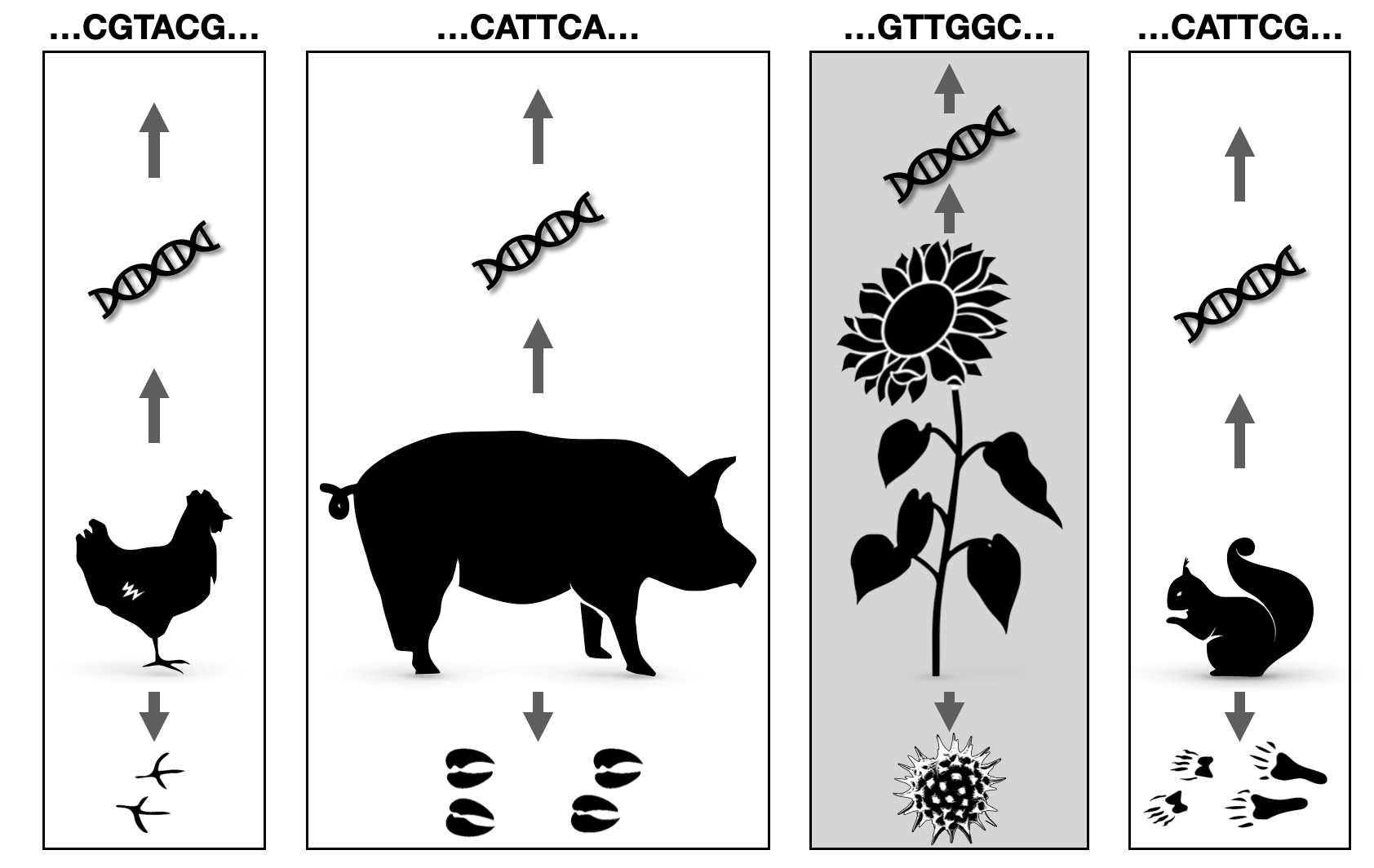
In barcoding, for example, DNA is extracted from fragments of insects, fungi or bacteria, and DNA sequencing is used to ‘read’ a specific section of the DNA – the barcode. The DNA sequence read is then compared with databases to identify the source of the DNA – provided the corresponding barcode is already contained in the database. Metabarcoding extends this technology to mixed samples.
In Professor Wünschiers’ research group, the metabarcoding method has been used for several years to assign pollen to plants. The pollen mostly comes from bees and is used to answer ecological questions.
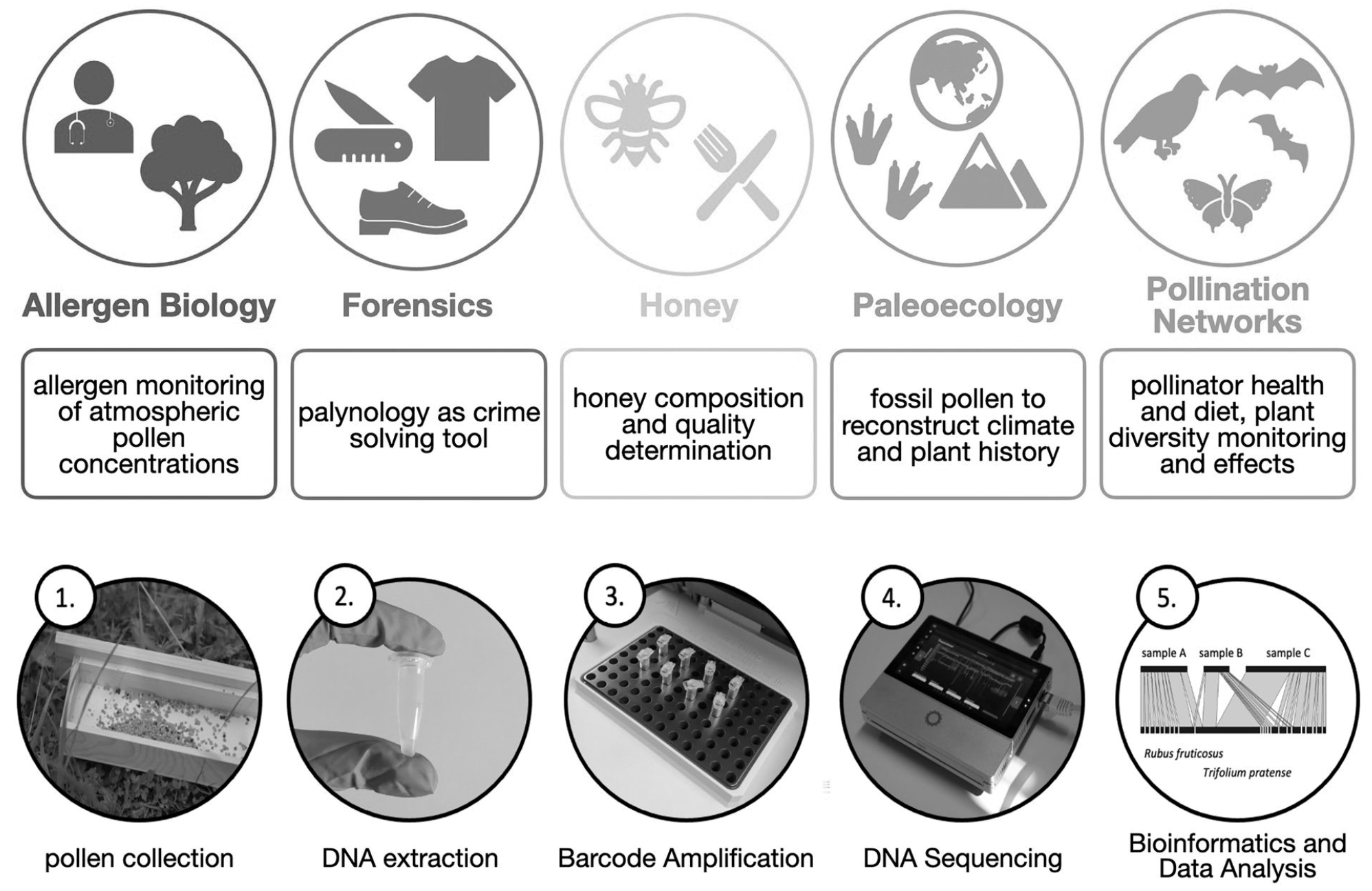
In the initial phase, the focus was primarily on comparative studies of nanopore sequencing with established methods. These studies showed that the lower quality of nanopore sequencing data can be compensated for through targeted bioinformatic processing of the data. When this is done, the cost-effective and portable technology delivers results comparable to those of established methods. The work carried out by the Wünschiers’ research group helps to highlight the possibilities and limitations of this new sequencing technology. Above all, it makes it clear that knowledge of both the samples and the methods is necessary to achieve optimal results. In this respect, nanopore DNA sequencing is particularly ‘prone to errors’ – to paraphrase the saying: rubbish in, rubbish out.
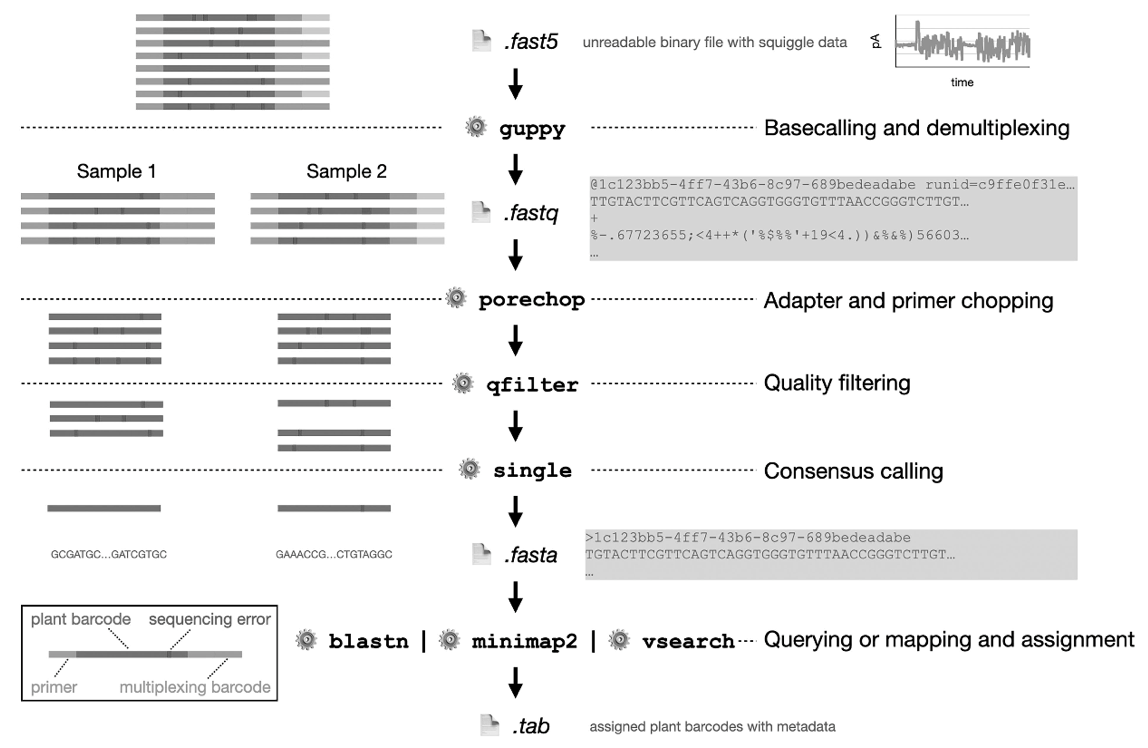
In their latest publication, Lisa Prudnikow, Birgit Pannicke and Professor Röbbe Wünschiers outline what needs to be taken into account during sample preparation and data analysis. Naturally, the experience and findings can also be applied to sample material other than pollen. Metabarcoding therefore plays an important role, particularly in the context of biodiversity research.
Publication
by Prudnikow, Pannicke & Wünschiers (2023) A primer on pollen assignment by nanopore-based DNA sequencing. Frontiers in Ecology and Evolution, Vol. 11. doi: 10.3389/fevo.2023.1112929