This page was translated automatically using artificial intelligence (DeepL). The German version is binding. More information about automatic translation
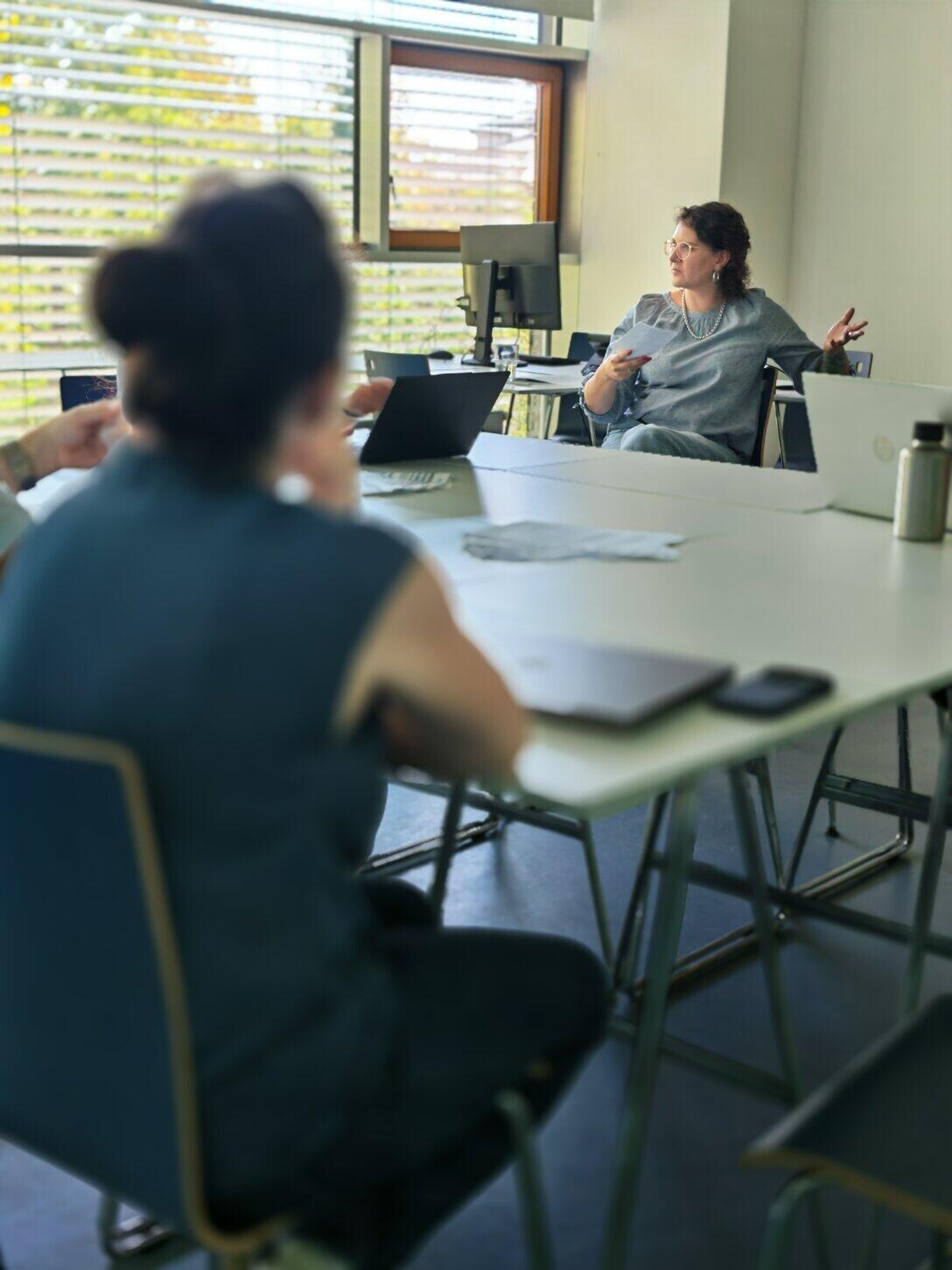
1 day – 20 participants – lots of good discussions and ideas
Teaching and learning workshops offer an open and participatory teaching format in which participants can set their own content and areas of focus. With its three-pronged focus on AI, future skills and mindfulness, the 2026 workshop addressed current aspects of the changing circumstances and demands in times of generational transition. These topics were drawn from previous discussions with teaching staff and adapted for the workshop from an academic and higher education pedagogy perspective.
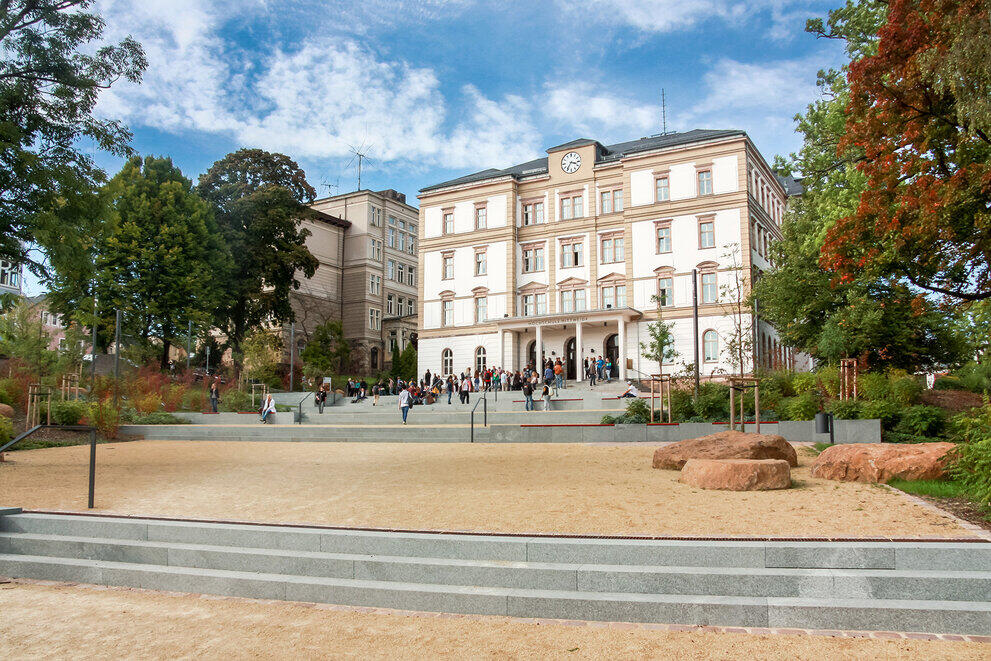
Twenty participants from all faculties made their way to Building 6 and embraced this new initiative.
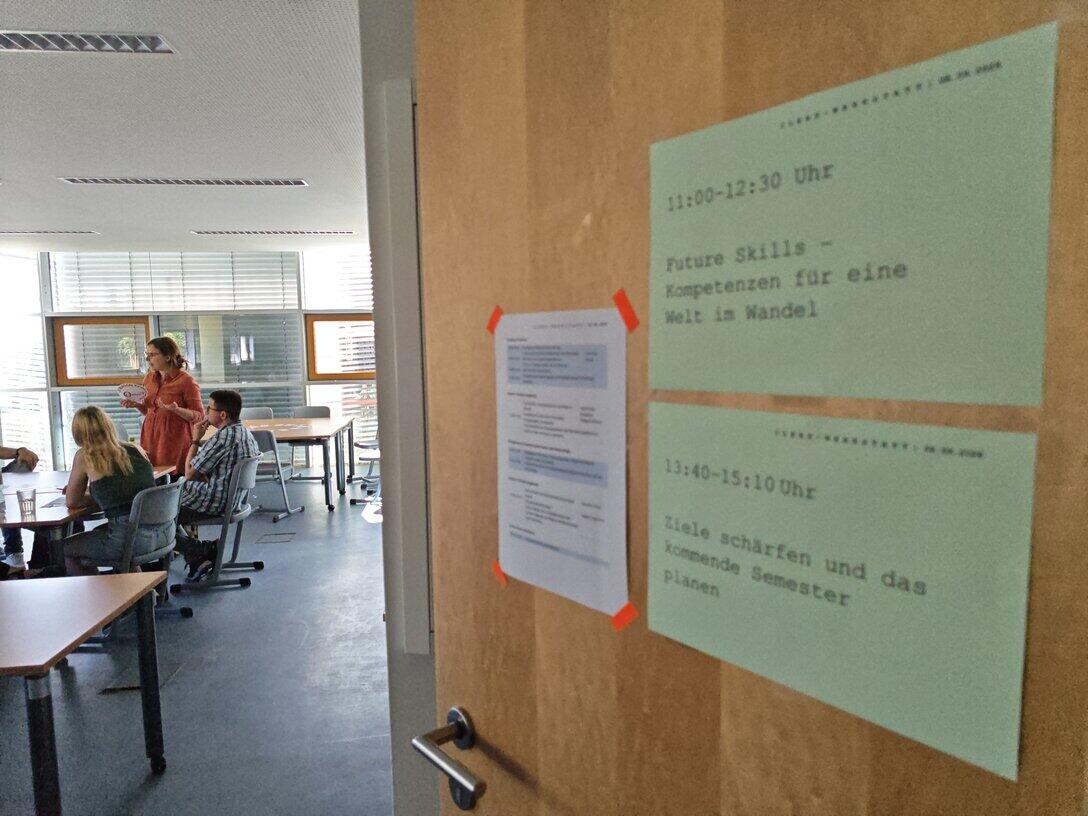
Practical support for preparing for the term
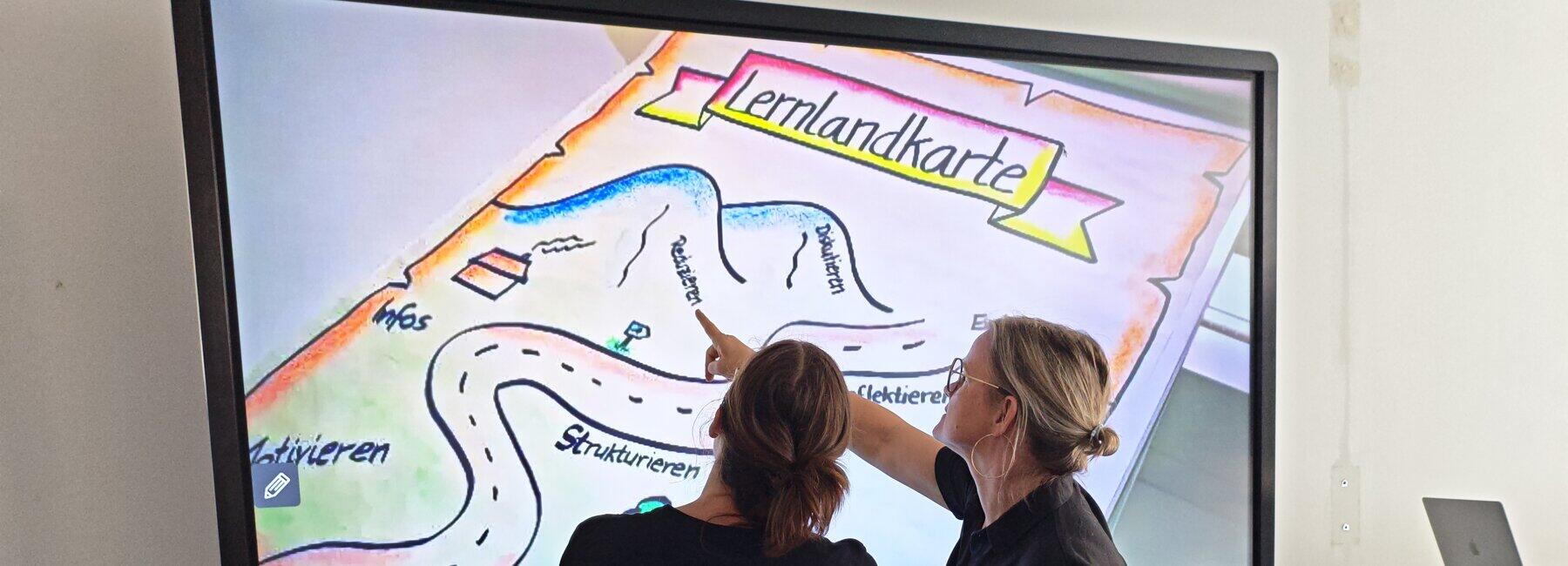
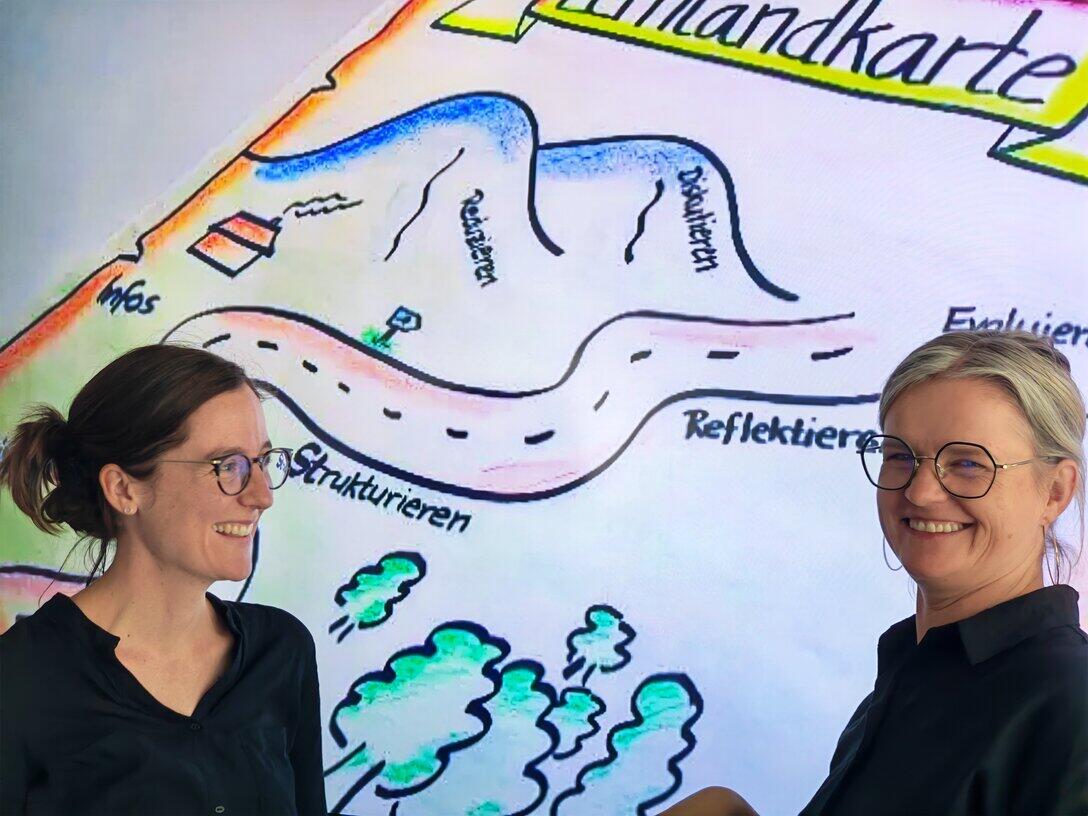
During the break between term and term, a few weeks before the start of the new term, the programme is designed to provide tangible added value for preparing for the term. The participants themselves experienced various short teaching formats and activities, which they will be able to integrate into their own teaching in future. This included working with learning maps and a guided walk in a ‘walk-and-talk’ format.
Ample opportunity was provided to address the well-known need to exchange ideas and compare experiences. During the discussions and collaborative work, subject-specific differences as well as commonalities in everyday teaching practice also became apparent.
Work on four topics
A shared framework comprising work sessions, breaks and pizza at lunchtime. Alongside input, ideas and discussions at the themed tables, the work sessions also provided space for focused work or one-to-one consultations. The four themed tables focused on the following aspects:
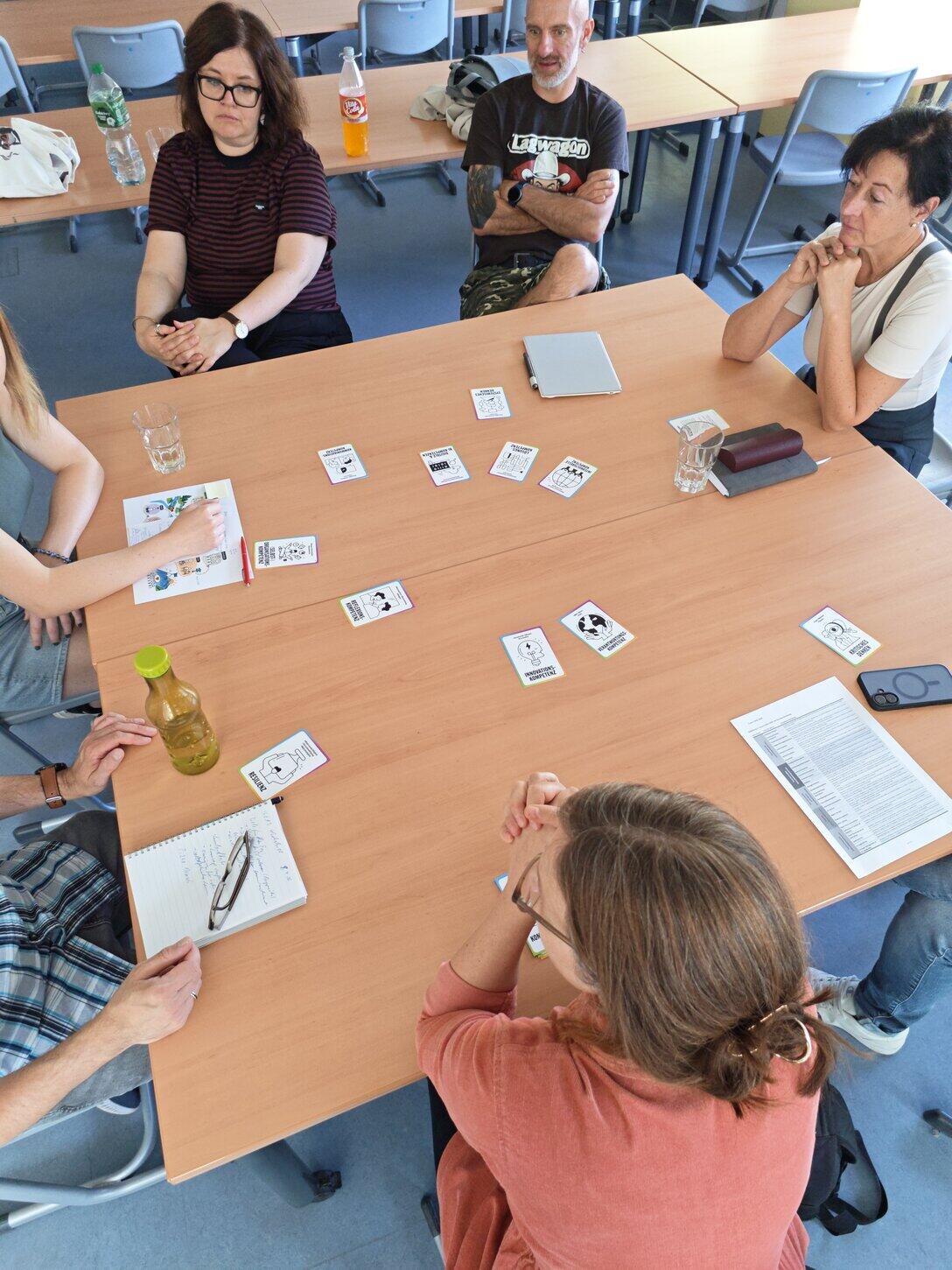
What are future skills – and how can they be taught? | Organised by Anja Mede-Schelenz, educational researcher on the ILEAS project
What do students need to thrive in – and help shape – a world characterised by change, uncertainty and complex challenges? Future skills are seen as the answer to this question – but what exactly does the term encompass, and what is actually new about them? The focus was on participants’ own teaching practice: what are we already teaching, how might we rethink our approach, and what opportunities does this present for the future of our own teaching?
Generative AI in teaching – prompting, practical examples, tool selection | Organised by Rebecca Rimac from the ABV ultra project (AI competence development)
Generative AI is transforming higher education in many different ways. The workshop session addressed one of the questions that is often overlooked: How can generative AI help us in our teaching? So it didn’t just stop at speculation; we were able to move straight on to practical application.
Refining objectives and planning for the coming semester | Designed by Dominic Dives, Lecturer in Higher Education Pedagogy at the Dresden Universities of Art and Music
Not all the key points have always been put into words yet, and sometimes decisions still need to be made as to exactly where the focus should lie. Together, the group explored the questions that students ask themselves at the start of a course: What am I learning here, and why do I need to know this?
Mindfulness at university | Led by Susan Lippmann, University Teaching Specialist and member of the ILEAS project
Do we need mindfulness at university? And if so, what can it achieve in everyday university life? Together, the group tried out selected mindfulness exercises and learnt about tools and methods suitable for the university context. There was plenty of scope for different experiences, perspectives and even reservations about mindfulness.
See you next time!
The participants took the opportunity to choose sessions based on their interests and played an active part. As well as the discussions during the working sessions, the conversations during the breaks were often very interesting and insightful – as we all know, pizza makes for the best conversation!
The feedback from participants has encouraged the organising team to make a few minor adjustments and to plan another edition of the workshop for 2027. The OPAL course that has been set up is also to be used for future editions of the workshop, thereby remaining freely accessible as a collection of knowledge and materials and continuing to grow.